15 Ways Businesses Influence Your Spending Using The Calendar

Have you noticed how certain times of the year seem to pull money out of your pocket? One week you’re fine, and the next you feel pressure to buy something—big or small. That isn’t random.
Businesses have learned how the calendar influences routines and decisions, so they set things up to align with those moments. It feels natural because the timing blends into everyday life, but it’s often intentional. Dates and seasons serve as reminders that prompt you to spend without much consideration.
Step back, and you can see these 15 patterns shaping when and how money leaves your hands.
Holiday Sales
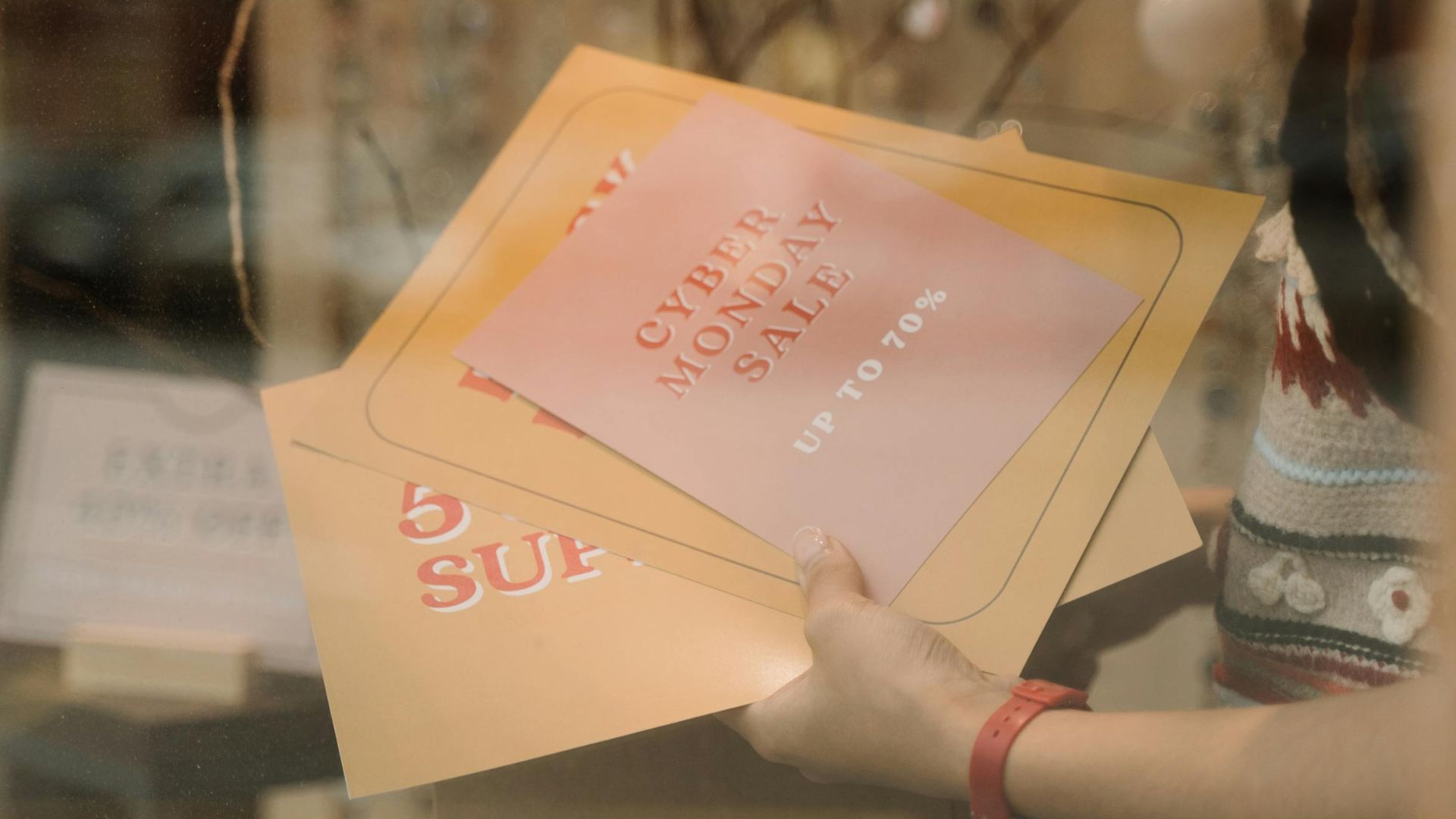
Black Friday's famous doorbuster deals draw overnight crowds to store entrances. These sales events, scheduled strategically around Christmas and other holidays, boost consumer spending through limited-time offers. There’s more like Cyber Monday, which emerges as a way to extend shopping momentum into the online space after Thanksgiving weekend.
Valentine’s Day Markups

The retail cycle turns red before Valentine's Day, with florists raising prices on red roses and other popular flowers. Jewelry and fashion stores also jump on this by promoting exclusive collections, and restaurants start advertising special menus at premium rates. Retailers? This bunch increases prices on chocolates and gifts due to holiday demand.
Back-To-School Shopping
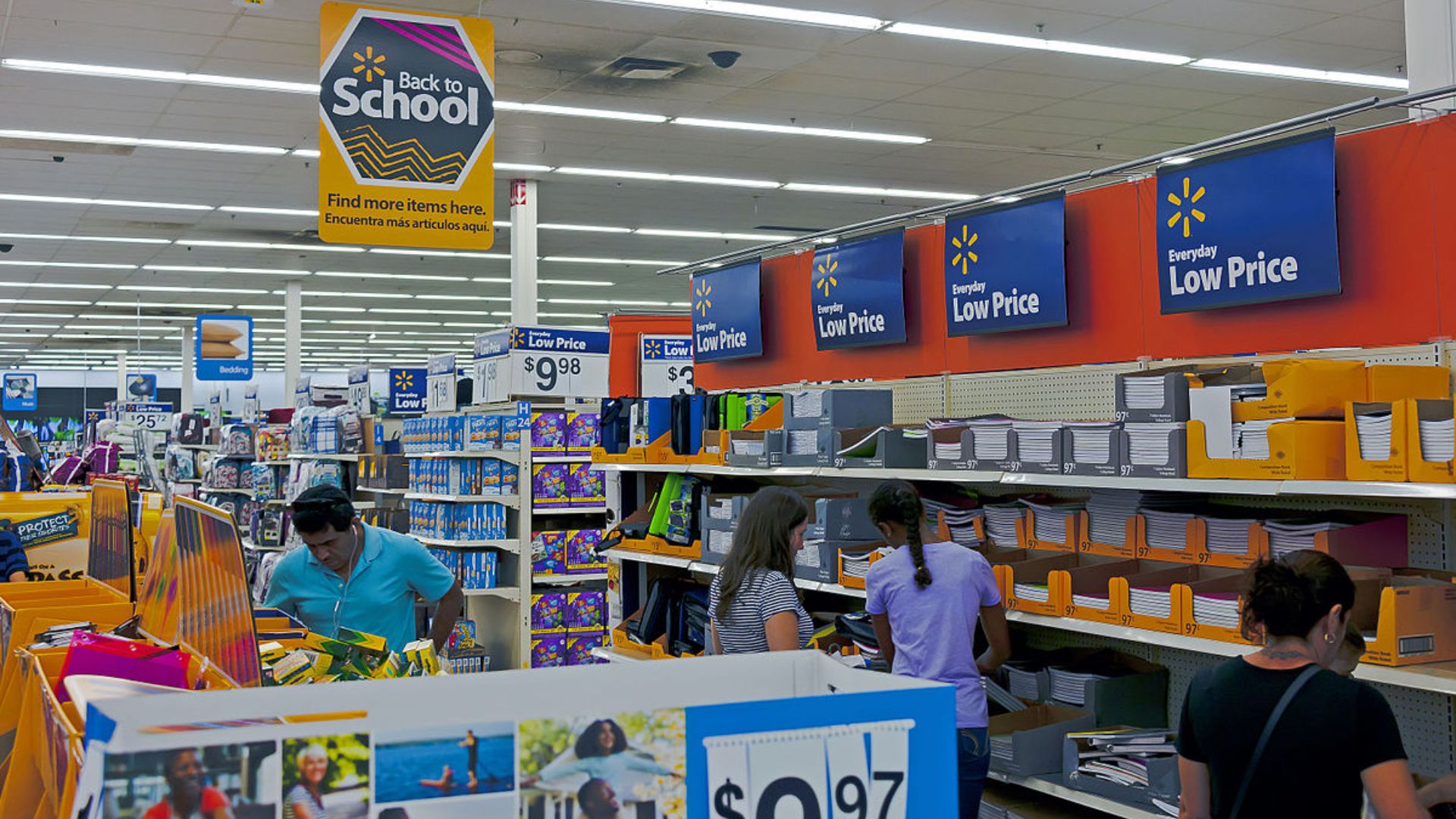
Stores strategically time their back-to-school promotions for late summer, filling shelves with school supplies, clothing, and electronics. Parents can take advantage of special discounts and bundles during this period. Additionally, several states boost shopping with tax-free weekends.
Payday Loan Timing
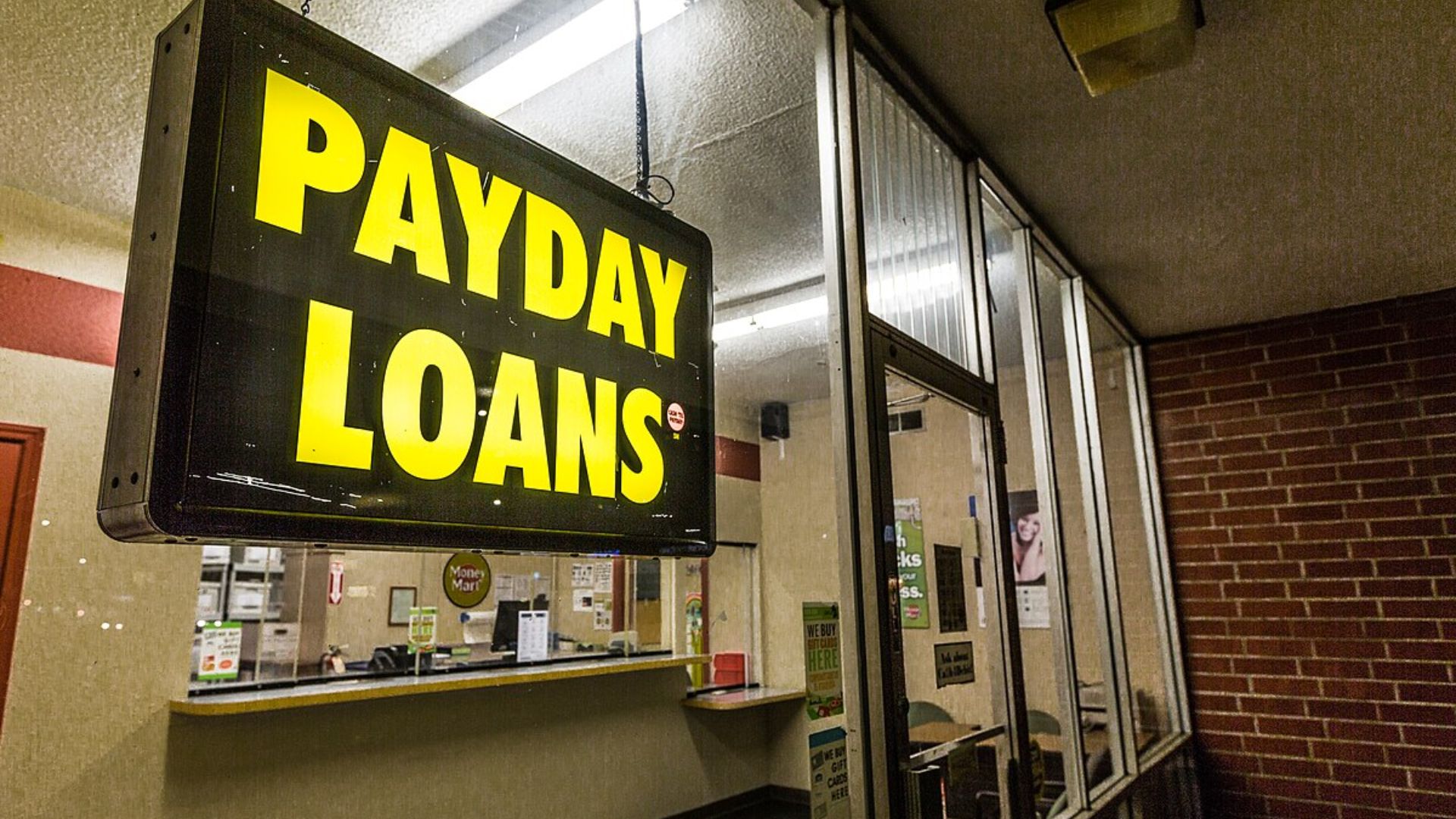
The timing of payday loan repayments is no accident. Payday lenders deliberately schedule repayments to match your next paycheck, at the same time ramping up marketing around common paydays. Their strategy includes targeting people who need quick cash, particularly as rent and bills approach.
Seasonal Price Fluctuations
Your energy bills reflect a predictable seasonal dance. Some utilities offer variable pricing during demand spikes; however, companies still adjust rates based on the season. Heating costs surge in winter, especially in colder regions, while equipment prices peak during extreme weather periods.
Gym Membership New Year’s Push

Fitness facilities know the power of January timing. They launch major membership promotions that offer special classes and challenges. Gyms even provide attractive deals to new members just to capitalize on those New Year's resolutions of “new year, new me”.
Tax Season Spending (Refund Checks)
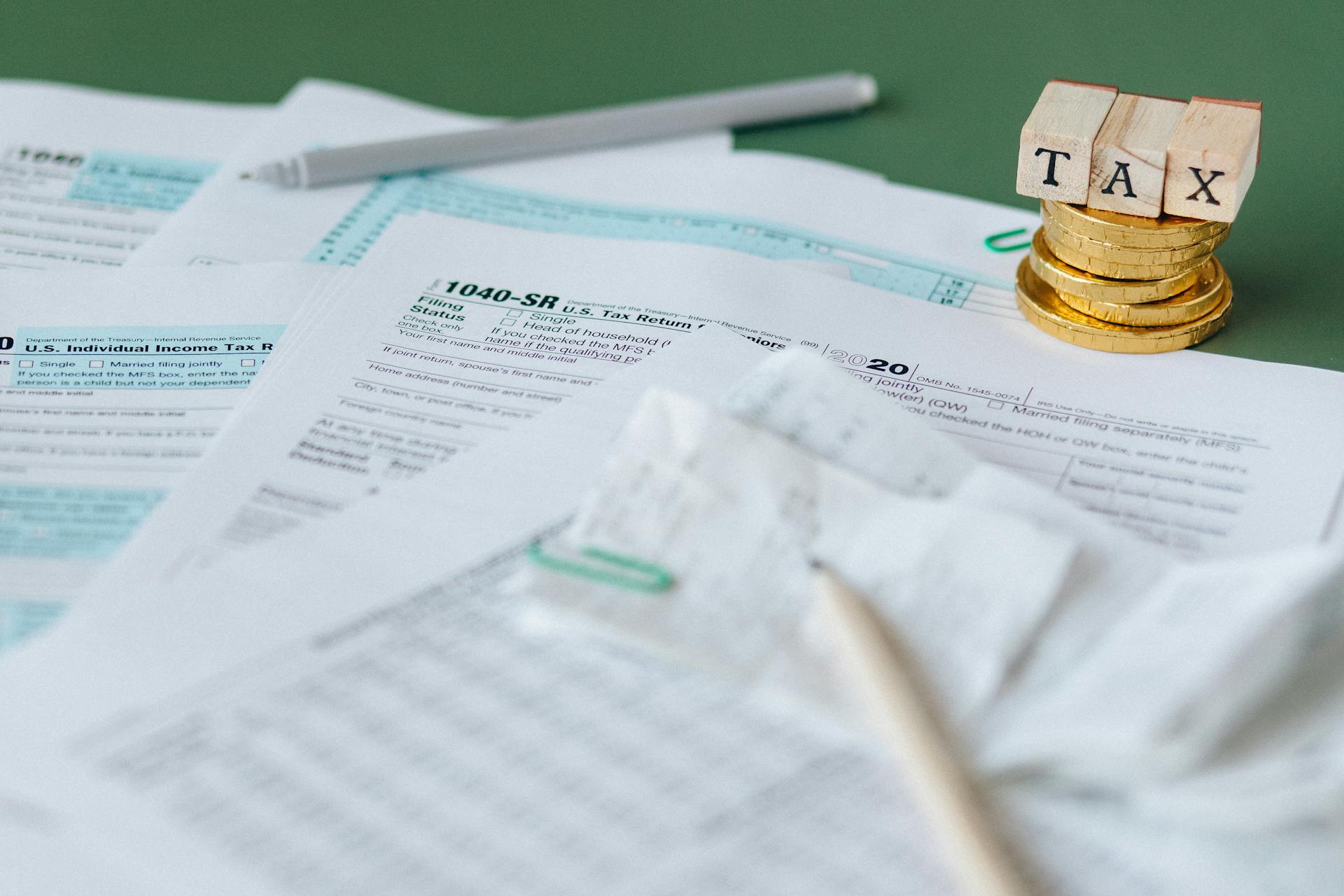
Car dealerships and retailers coordinate their biggest promotions with tax season, knowing that refund checks are on the way. Many people plan major purchases around their expected refunds. Stores also jump on this when they heavily advertise electronics, furniture, and other big-ticket items during this period.
Limited-Time “End Of Season” Clearance
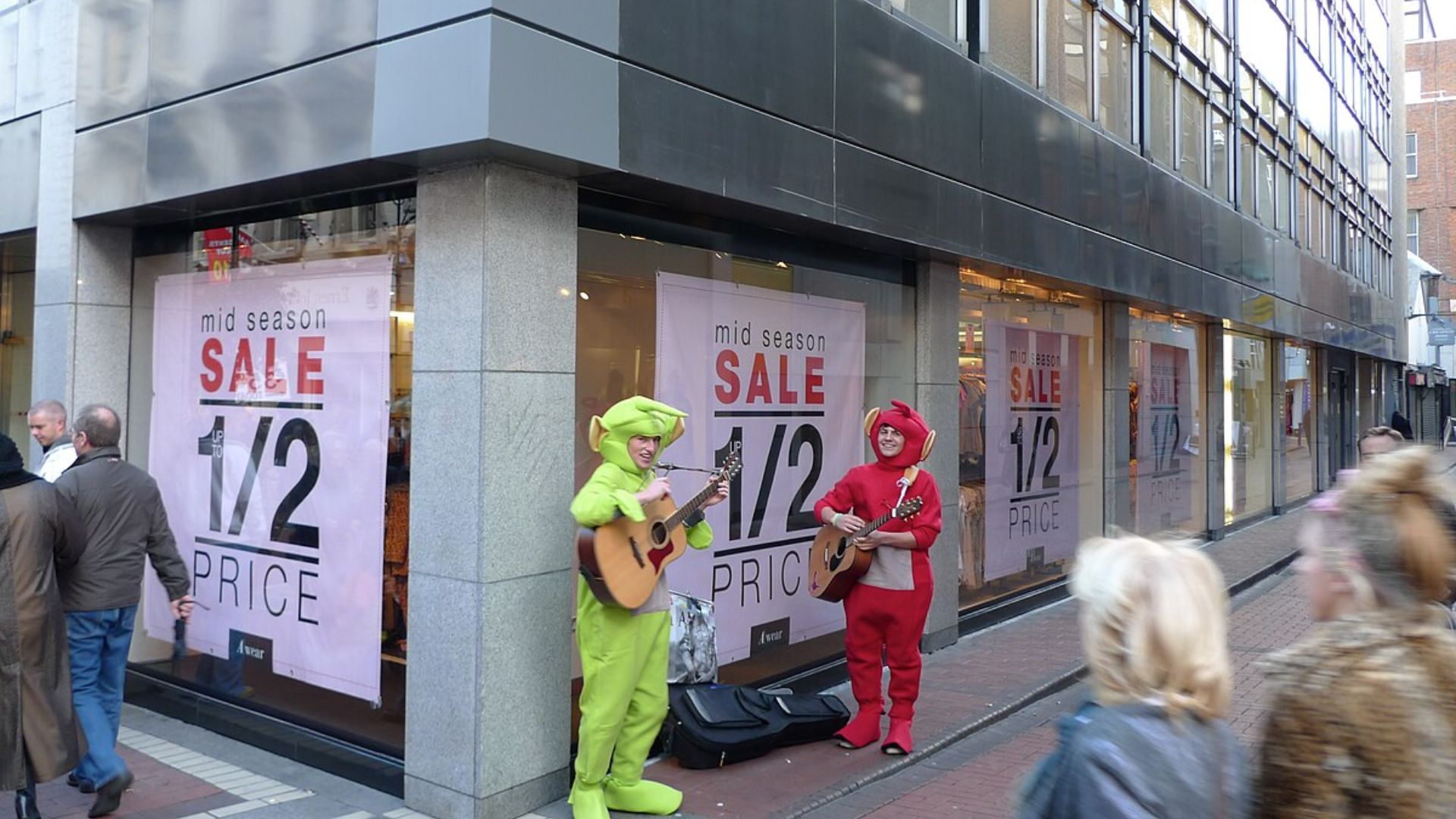
Retailers discount seasonal merchandise at the end of each season to clear inventory. Savvy shoppers can find deals on air conditioners during the winter months, while clothing and outdoor gear prices drop as seasons change. Additionally, many stores hold year-end clearance events before the arrival of spring merchandise.
Graduation And Wedding Season (May–June)

Families open their wallets wide for graduation celebrations in late spring, purchasing gifts and party essentials. Then comes June's pleasant weather, which attracts wedding planners and happy couples. In response, retailers and venues craft specialized packages for these milestone events.
Halloween Candy And Costume Surge
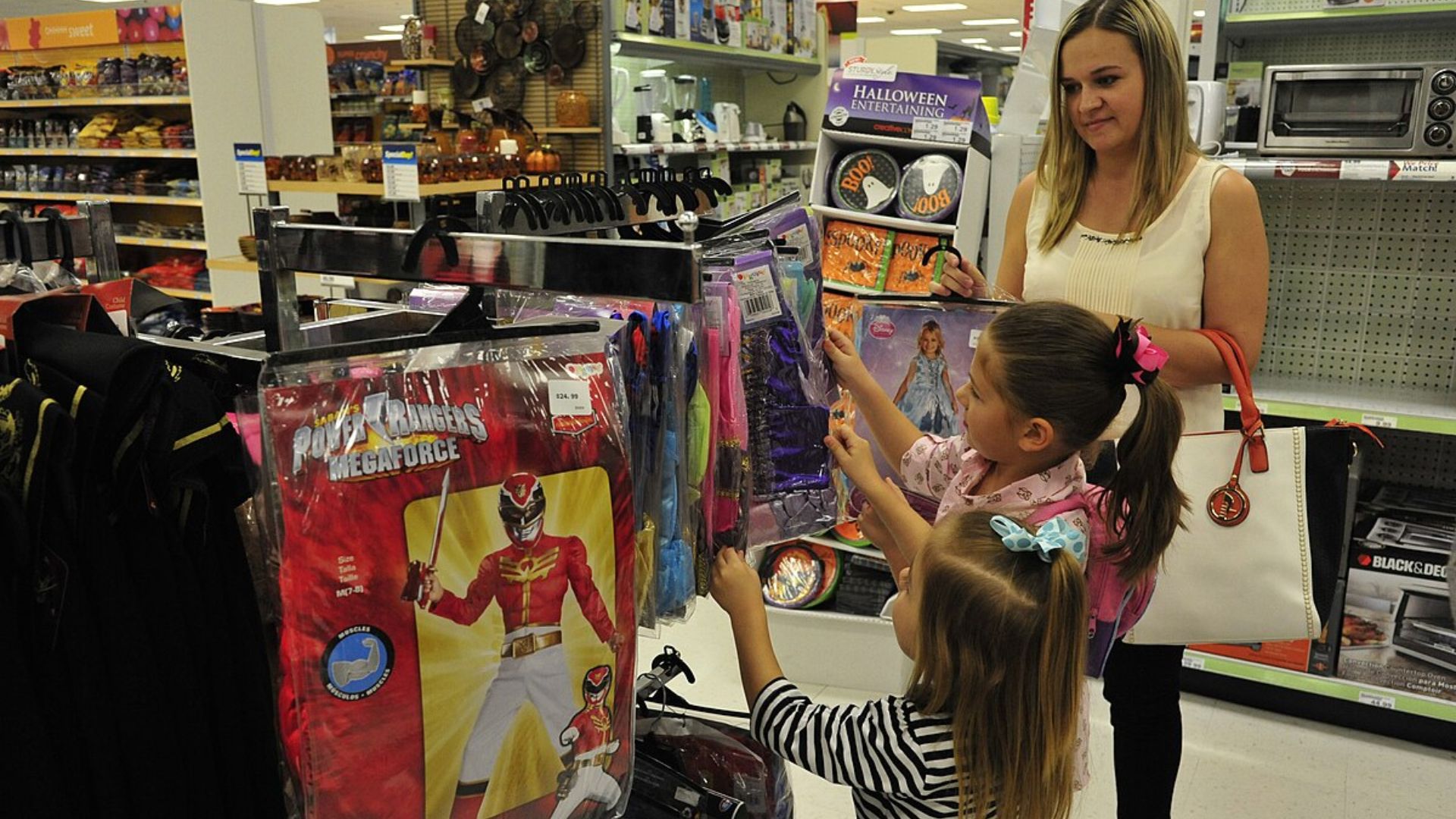
October brings a retail transformation as stores boost their Halloween inventory. Exclusive themed merchandise appears on shelves; therefore, early shopping becomes essential since popular items vanish quickly. Meanwhile, aggressive promotional campaigns highlight costumes and candy throughout the season.
Subscription Renewal Cycles
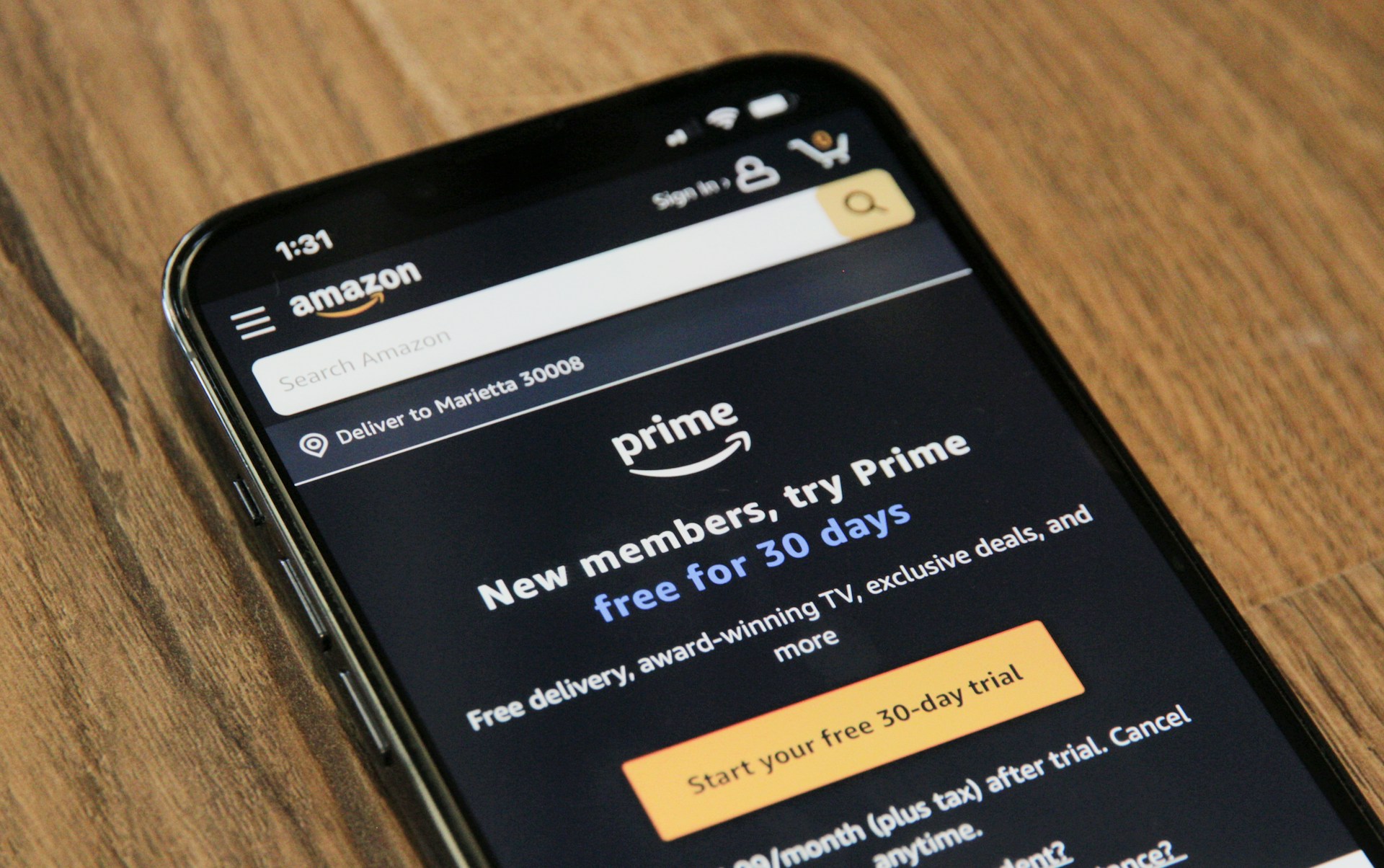
The subscription model relies on well-timed calendar cycles. Services often line up renewals with holidays or seasonal events, then add more payment dates across the year. On top of that, most subscriptions renew automatically each month or year, and customers usually don’t get much warning. It’s a system designed to keep payments flowing with minimal interruption.
Travel Peak Pricing
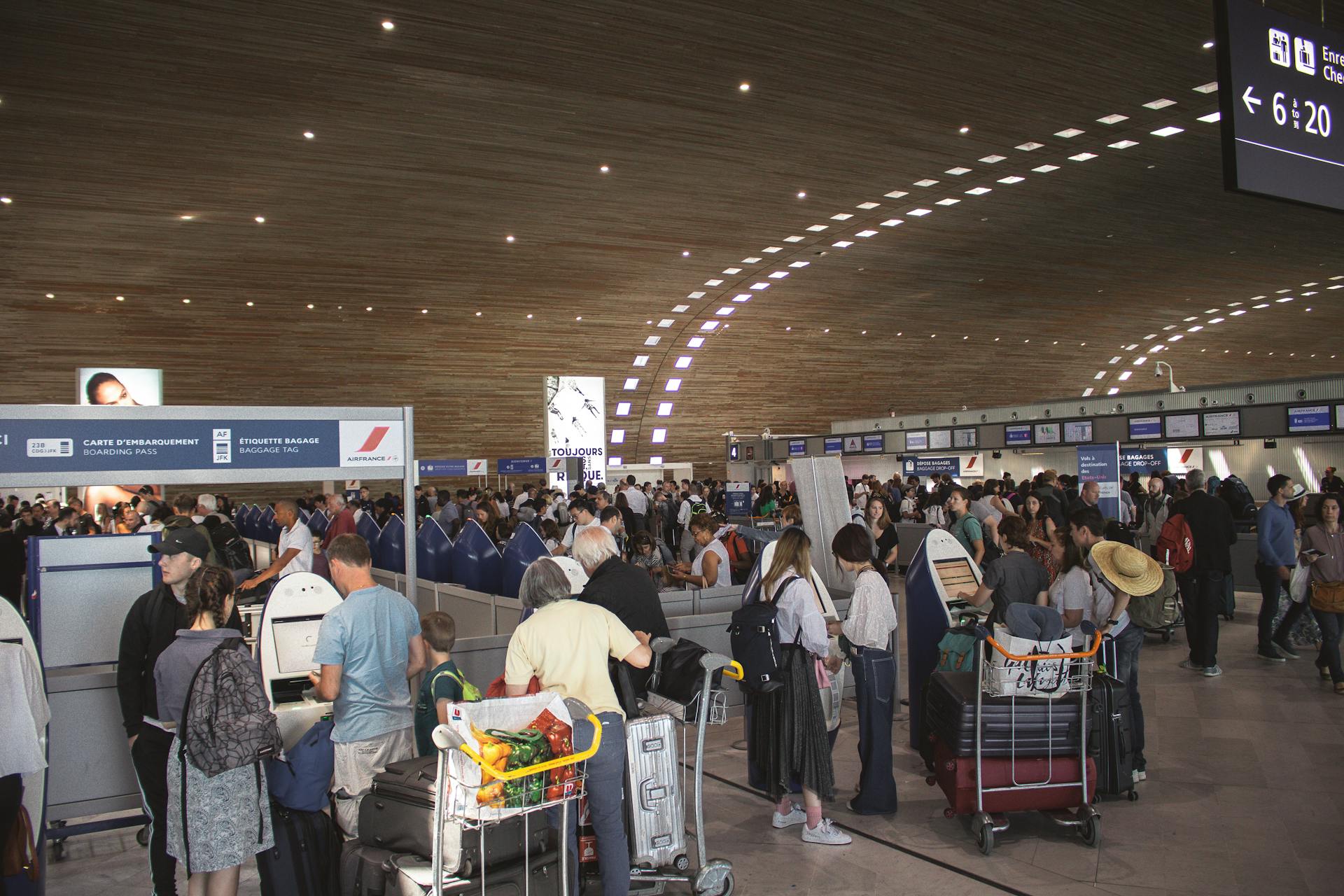
Holiday weekends are some of the costliest times to travel because airlines and hotels raise rates when demand peaks in summer and around major holidays. The flip side is that many destinations become more affordable and less crowded once the busy season ends. Timing can make a big difference in what you pay.
Mother’s Day And Father’s Day Promotions

Parental celebrations give businesses another chance to drive spending. Father’s Day in June often highlights tools, gadgets, and tech promotions; Mother’s Day is known as one of the busiest days for restaurants. Retailers also push flowers, cards, and gift bundles, and many restaurants join in with special fixed-price menus designed to attract families looking to celebrate together.
Fiscal Year-End Sales

Car dealerships mark down vehicles significantly as the fiscal year winds down. Electronics retailers simultaneously roll out appealing bundles on clearance items. As all this unfolds, stores compete to boost their annual sales figures, thereby creating deeper discounts and special deals for shoppers.
“12 Days Of Deals” / Advent Countdown Sales

In December, shoppers are drawn to daily deals as retailers roll out “12 Days” promotions and advent-style countdowns. Each day introduces new holiday-themed specials, but the real hook is in the exclusive product bundles. By constantly refreshing their offers, stores create a sense of urgency and give customers reasons to return again and again throughout the season.