
Stress doesn’t just live in your shoulders or keep you up at night—it can show up right in your bank account. That’s right, your mood and your money have a lot more in common than you might think. Just think about it: one argument with your boss and suddenly that new blender feels like the answer to all of life’s problems. Similarly, a long week, and the idea of scrolling through an online sale feels like therapy with free shipping.
These little purchases might seem harmless at first, but they’re often your body’s way of coping with pressure and emotions. Before you know it, the receipts start piling up, and you’re left wondering how a stressful Monday turned into an empty savings account by Friday.
The good news? Spotting these patterns is the first step to breaking them. So, here are 15 ways to recognize how stress influences your spending, so that you can take back control and start making choices that actually leave you feeling better.
You Save More, But Splurge On Essentials

When stress weighs on your mind, you might cut back on extras yet find yourself overspending on what feels necessary. Groceries, toiletries, or comfort items like premium coffee become small indulgences that feel justified. It’s a way of maintaining control over your emotions while rewarding yourself with essentials.
You Swipe Credit Cards To Feel A Mood Boost

Stress can trick the brain into chasing quick rewards, and swiping a credit card delivers that instant hit. The act feels like a small victory, easing tension momentarily. Yet, these emotional purchases pile up, leaving lingering debt that quietly adds to long-term financial stress.
You Make More Impulse Purchases

Picture this: you head to the store for bread and milk, but somehow a basket full of cookies, candles, and novelty socks follows you home. Stress lowers your guard, and impulse buying swoops in like a sneaky sidekick. Before long, clutter builds, receipts pile up, and you realize your spending spree was just stress in disguise.
You Seek Immediate Gratification

When stress piles up, patience usually takes the first hit. Suddenly, waiting for payday or saving for a big goal feels impossible. Instead, you crave the “right now” thrill—ordering takeout instead of cooking or buying gadgets overnighted to your door. Unfortunately, that momentary relief rarely lasts, leaving your budget bruised.
You Protect Your Resources
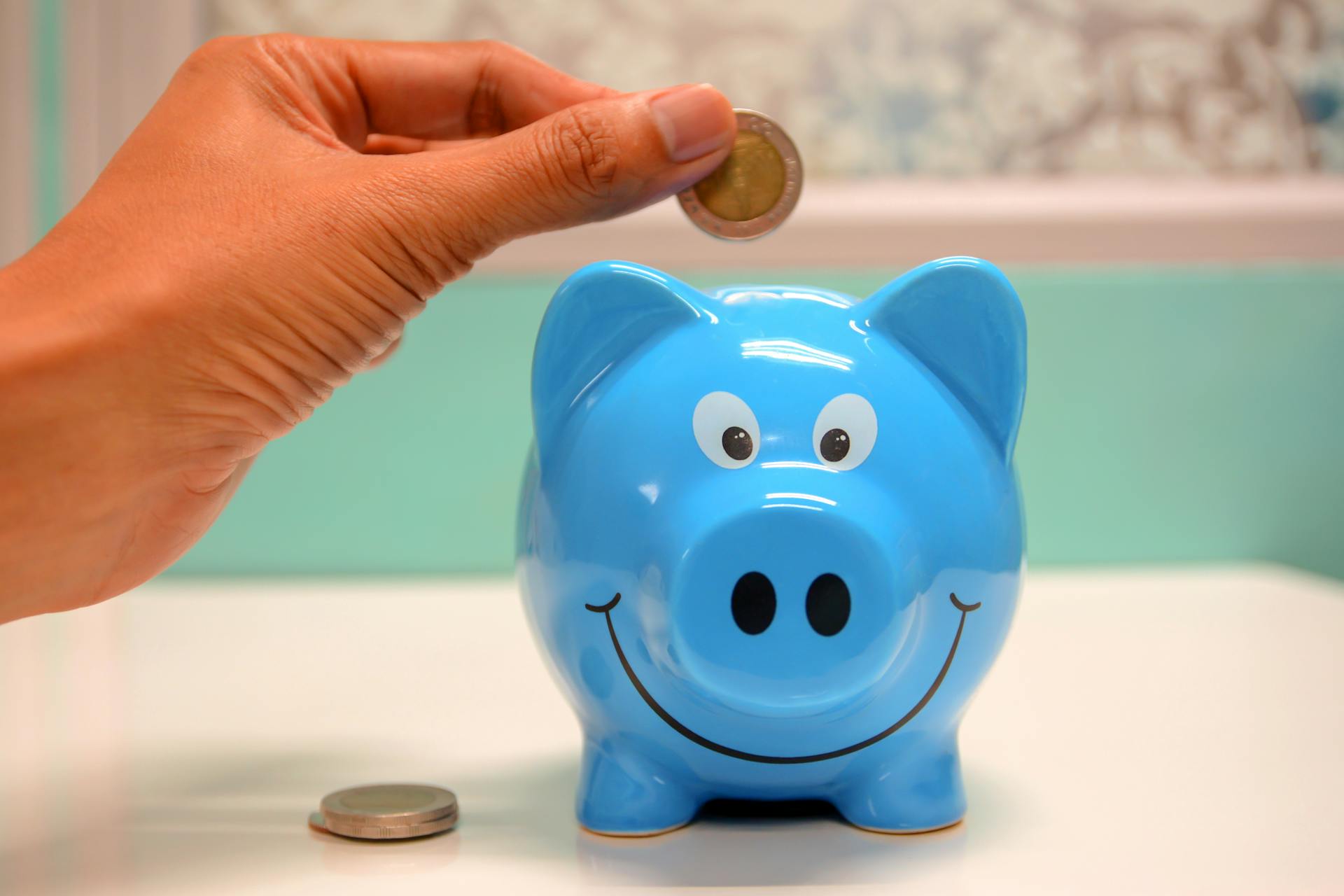
Stress doesn’t always push you to spend more—sometimes it makes you guard your money like a dragon hoarding gold. You hesitate before every purchase, second-guess subscriptions, and stash away cash just in case. While this cautious streak feels smart, it can tip into overprotection.
You Spend To Restore Control
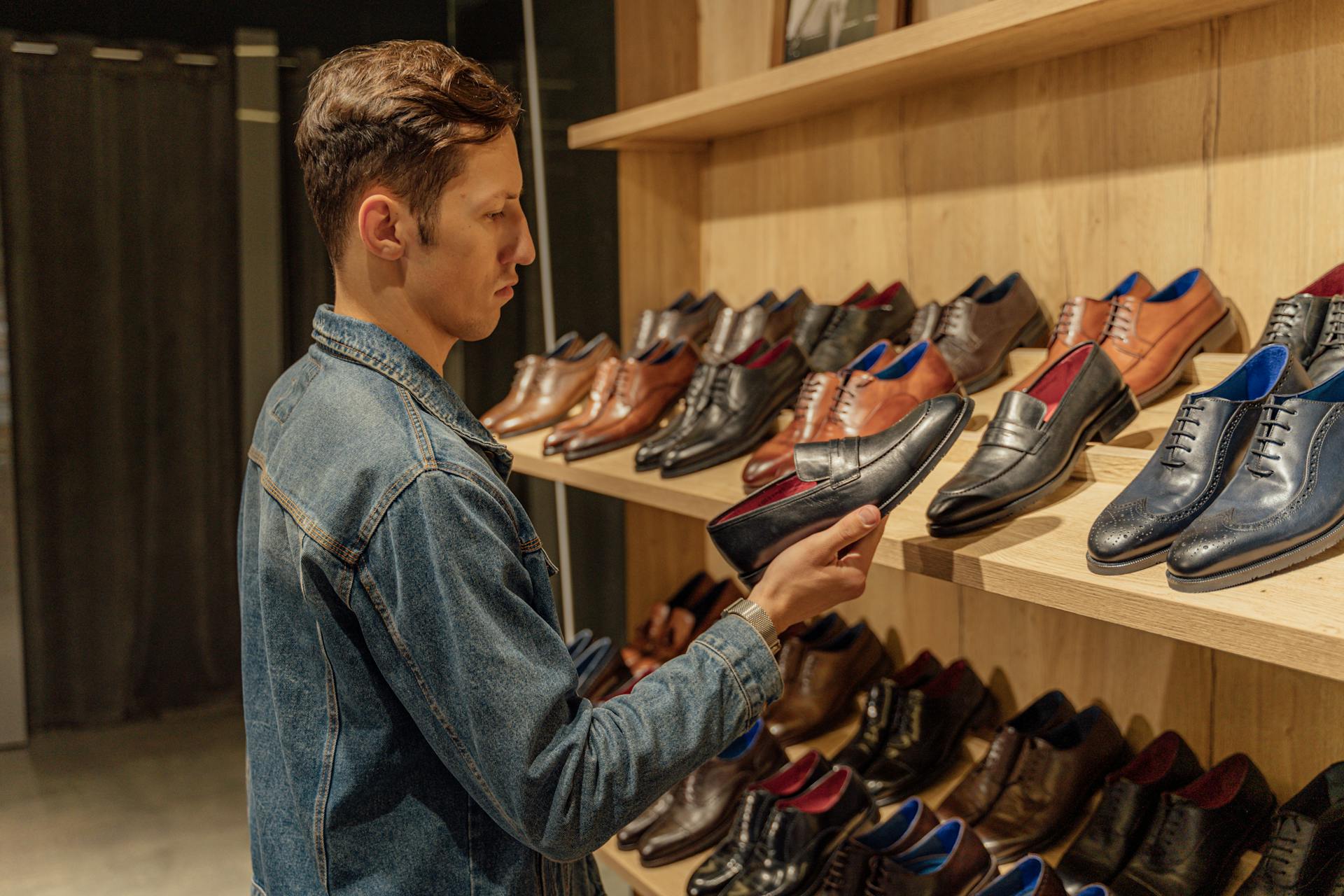
When stress subsides, a desire to reclaim control emerges. Stress tricks you into thinking, “If I can choose what I buy, I’m still in charge.” That’s why a new outfit or upgraded gadget suddenly feels like armor against the storm. The act of spending becomes less about the item and more about reclaiming a sense of order.
You Avoid High-Effort Experiences

Ever notice how stressful weeks make the simplest tasks feel like climbing a mountain? Cooking a new recipe feels impossible, and hobbies get pushed aside. That’s when convenience spending creeps in. These aren’t always bad choices, but the costs add up quickly when stress keeps steering you toward the easiest route.
You Spend To Escape Yourself

Sometimes, retail therapy isn't about the items; it's about escaping. Stress triggers a motivation to escape a negative self-concept, influencing your spending. Consequently, experiential purchases help you temporarily escape negative self-recognition. This escapist spending is more about mood than material goods.
You Fall For Quick-Fix Offers
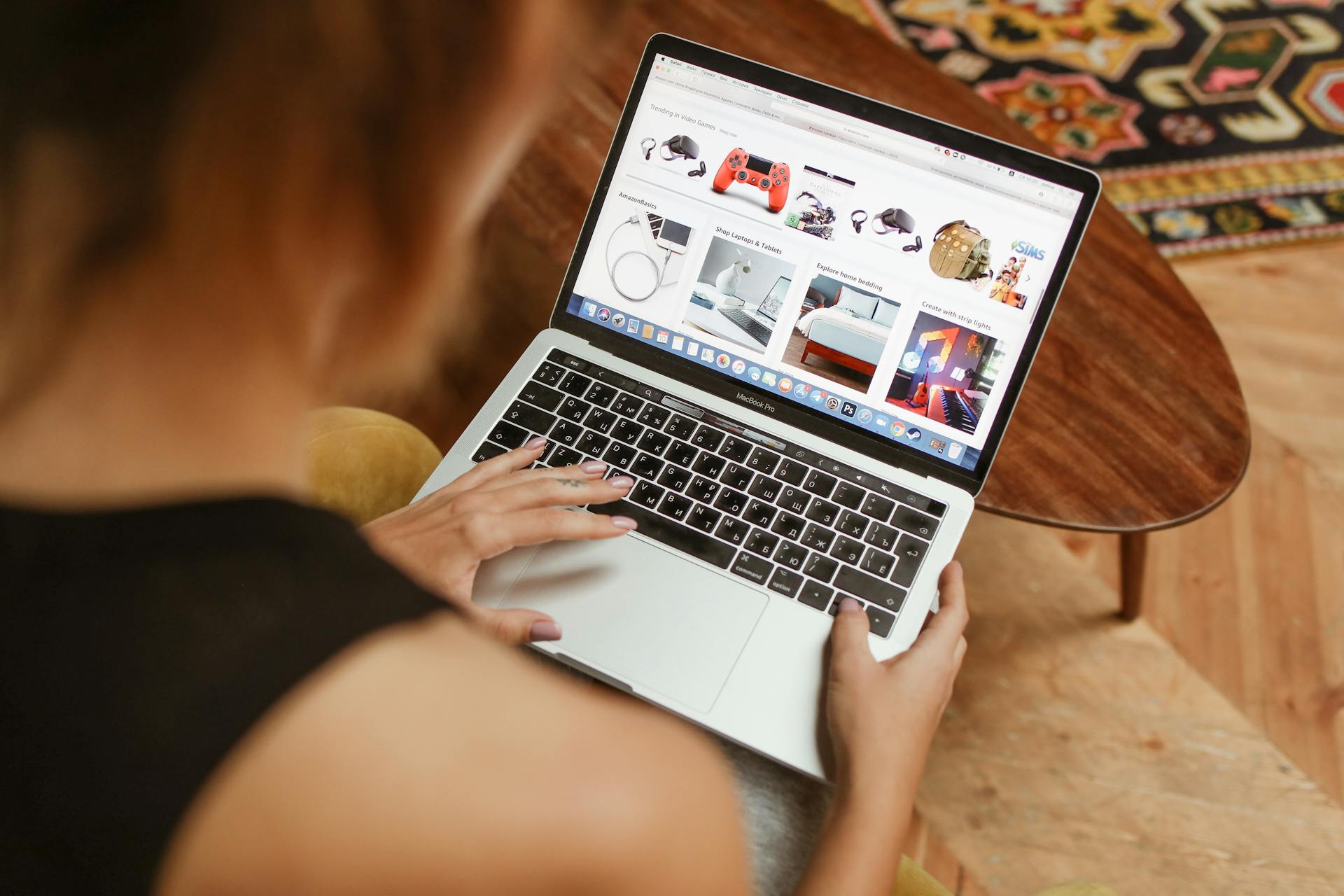
Stress makes instant solutions feel irresistible. Promises of rapid weight loss, get-rich-quick schemes, or miracle gadgets can seem like lifelines when you’re overwhelmed. Instead of carefully evaluating value or necessity, you click “buy” for the short-lived relief, while hidden costs quietly pile up.
You Lean On “Buy Now, Pay Later” Services

It’s like handing your future self the bill and saying, “Good luck with that!” When stress runs high, the promise of instant purchase feels irresistible, and “buy now, pay later” seems like the perfect loophole. Instead of easing your financial load, you’ve simply delayed it—creating more chaos down the road.
You Cancel Or Cut Back Subscriptions
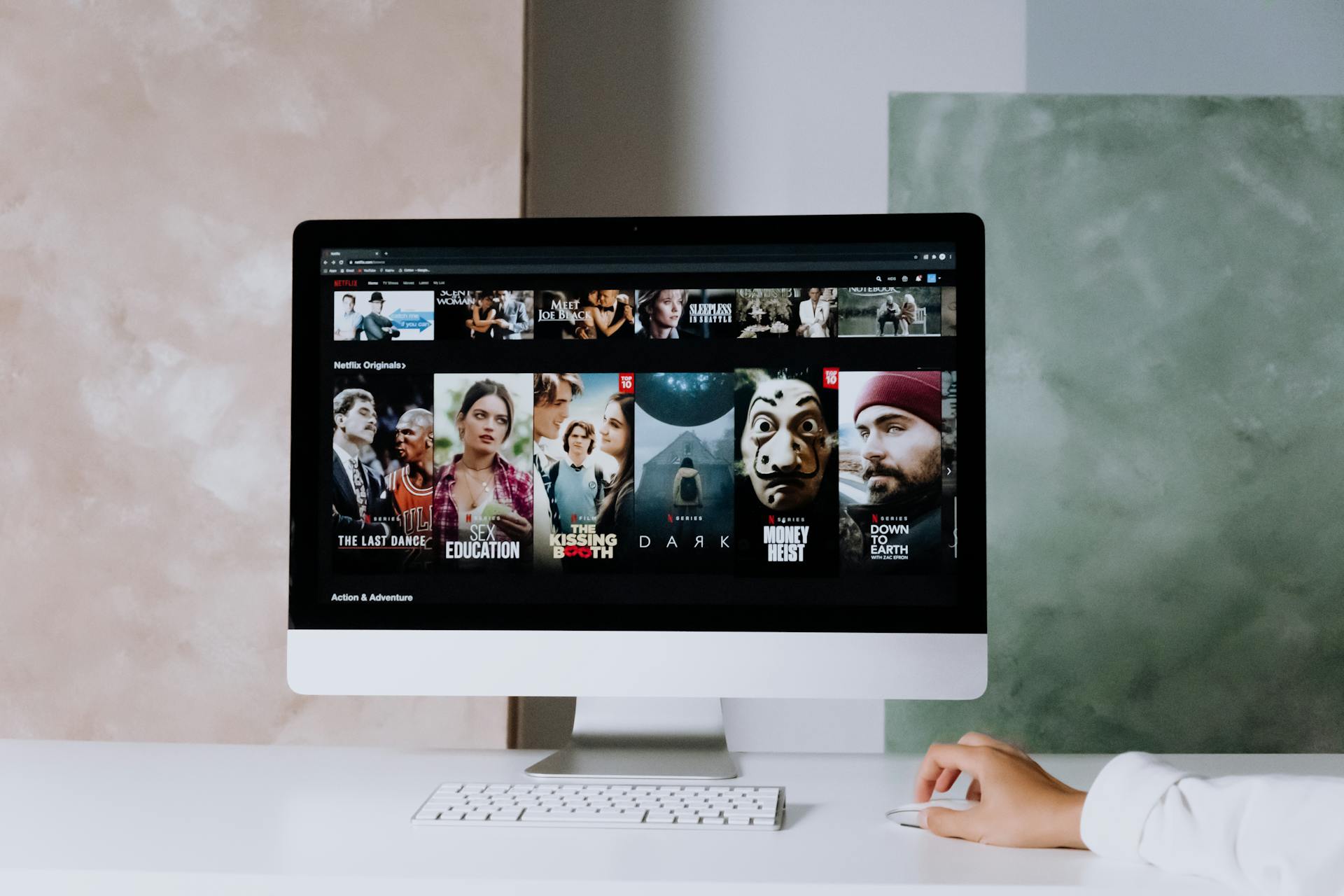
Financial anxiety often triggers a shift in spending. Streaming platforms, apps, and gym memberships suddenly look like luxuries instead of lifelines. Before axing every recurring charge, it’s worth asking: is this about creating clarity in your spending—or simply reacting to the pressure of the moment? This behavious isn't always inherently negative, but it can leave you feeling like you're surviving, not thriving.
You Spend Differently Based On Stress Type

Shopping can become a coping mechanism during stressful times, particularly when facing life changes. Your purchases reflect the source of your stress—for instance, job stress versus new-job stress triggers different buying habits. Additionally, stress over new beginnings can increase spending on related items.
You Enter “Survival Mode”

When stress hits, survival mode activates. Not only does stress make you lock down and focus on keeping your savings intact, but this “fight or flight” response is more like a biological one. While it helps in true emergencies, this survival mode can make you skip luxuries entirely, altering spending.
You Spend On Relaxation

A stressful day can make you book a massage or vacation instead of buying gadgets. This is because stress increases your desire for purchases that offer relaxation and leisure. Additionally, the more stressed you are, the more you crave downtime purchases.
You Overspend To Fit In Socially

Stress can push you to spend more than planned when out with friends or colleagues. Picking up tabs, over-tipping, or saying yes to pricey outings feels like a way to avoid guilt or judgment, even though your budget quietly suffers.