15 ways to cultivate children’s self-esteem on a daily basis
Self-esteem is like a muscle: the more you practice, the stronger it gets. According to the Observatoire des Tout-Petits, nearly 1 in 3 children experience difficulties related to self-confidence before the age of 6. Yet there are a thousand and one ways to nurture this precious confidence on a daily basis, without pressure or headaches.

Self-esteem is like a muscle: the more you practice, the stronger it gets. According to the Observatoire des Tout-Petits, nearly 1 in 3 children experience difficulties related to self-confidence before the age of 6. Yet there are a thousand and one ways to nurture this precious confidence on a daily basis, without pressure or headaches. Whether through games, discussions or little rituals, every gesture counts. Here are 15 practical ideas, tested and approved by local families, to help your children feel good about themselves and ready to take on the world, one smile at a time.
1. Valuing efforts, not just results
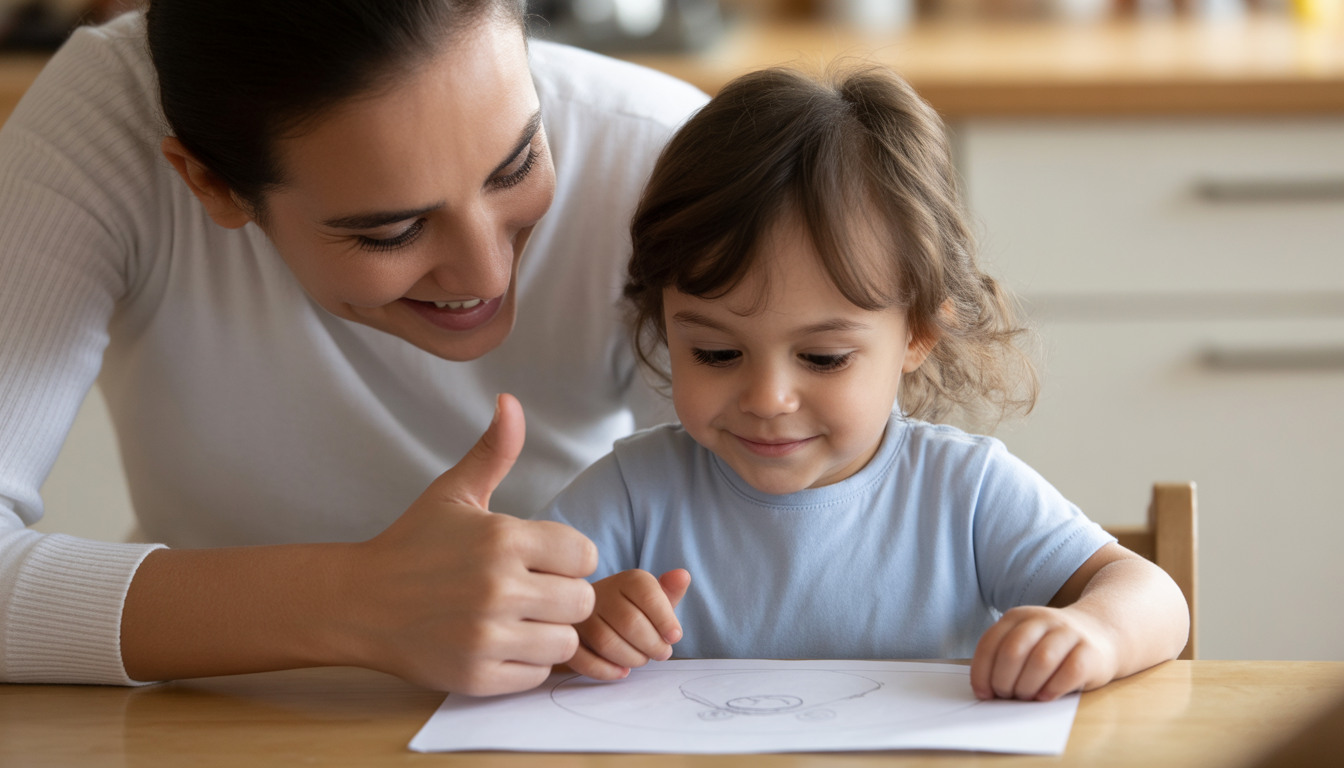
Congratulating children on their efforts shows them that the important thing is to try, not to be perfect. According to a Université de Montréal study, children who are encouraged to persevere develop better self-esteem. A simple "Well done for trying!" is sometimes worth more than "You're the best! It makes them want to do it again, even if it's not perfect the first time.
2. Encouraging the learning of new languages

Learning a new language opens doors to the world and boosts self-confidence. With Preply, children discover that they are capable of communicating in new ways, which boosts their self-esteem. According to Statistics Canada, bilingualism promotes adaptability and academic success. Why not turn learning into play and family pride?
3. Leaving room for autonomy
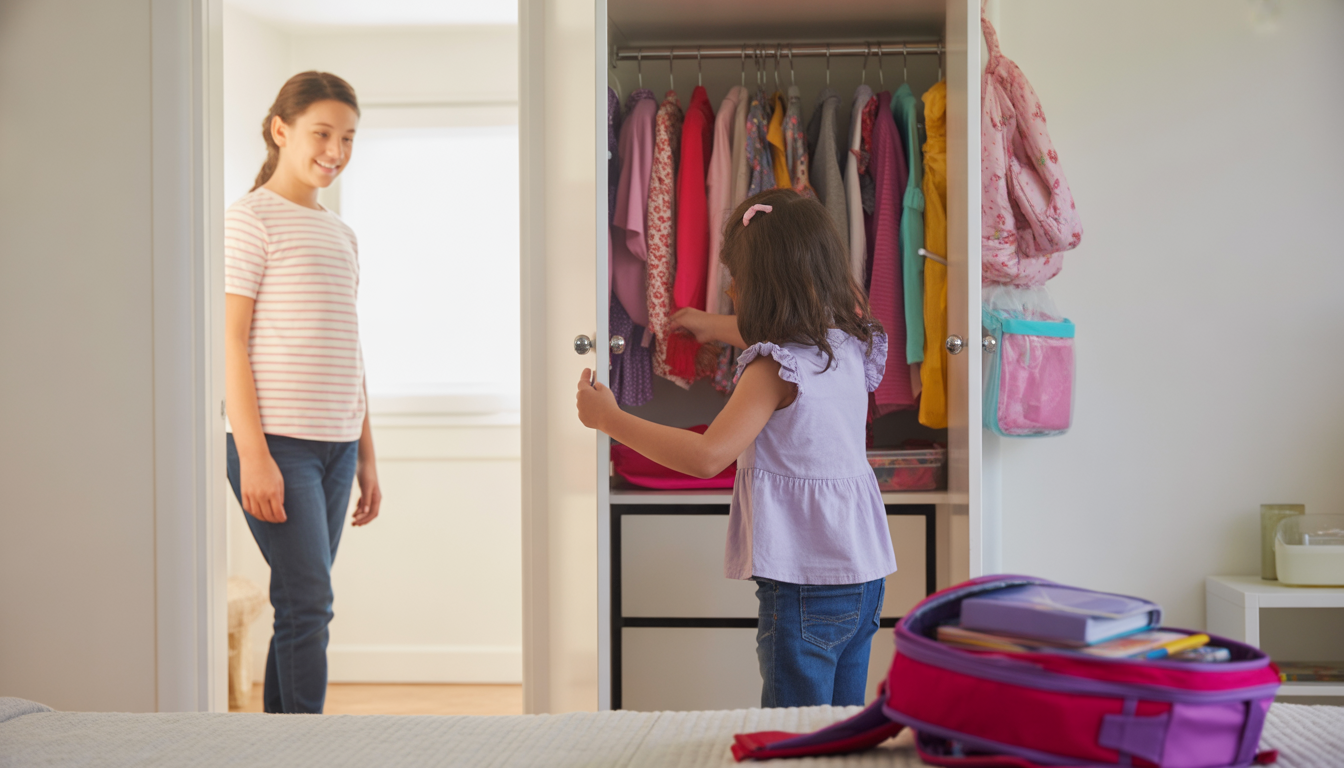
Giving children age-appropriate responsibilities, such as choosing their own clothes or packing their own bags, shows them that we trust them. According to the Canadian Mental Health Association, autonomy is a pillar of self-esteem. Even small everyday tasks become opportunities to feel competent and useful.
4. Creating positive family rituals

Rituals, such as Friday supper or the evening reading, provide a reassuring framework. They make children feel important and expected. According to a Laval University study, children who participate in regular family rituals develop a better self-image and a strong sense of belonging.
5. Encouraging emotional expression
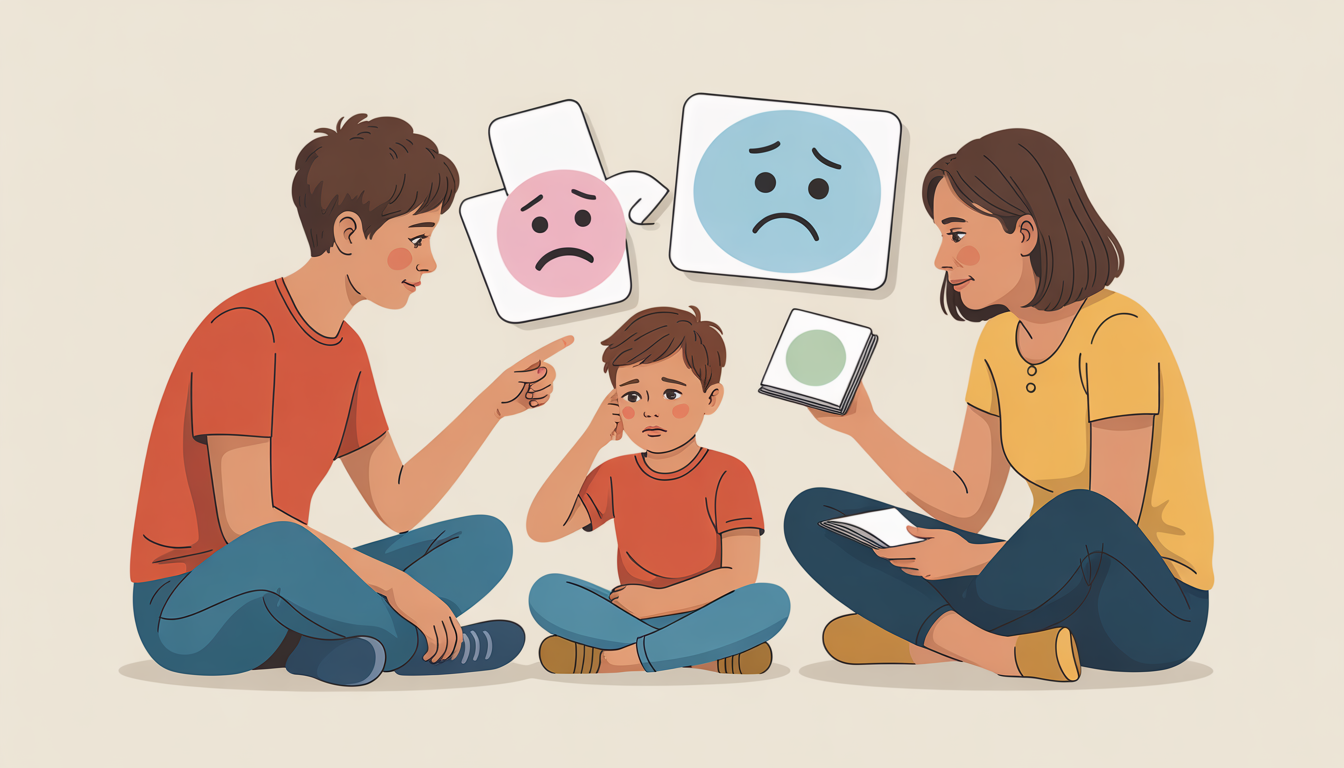
Learning to name emotions is learning about yourself. Use books or games to help your child put words to their feelings. According to the Jasmin Roy Foundation, children who know how to express their emotions are less anxious and more confident. A cuddly moment or a heart-to-heart talk makes all the difference.
6. Offer creative activities
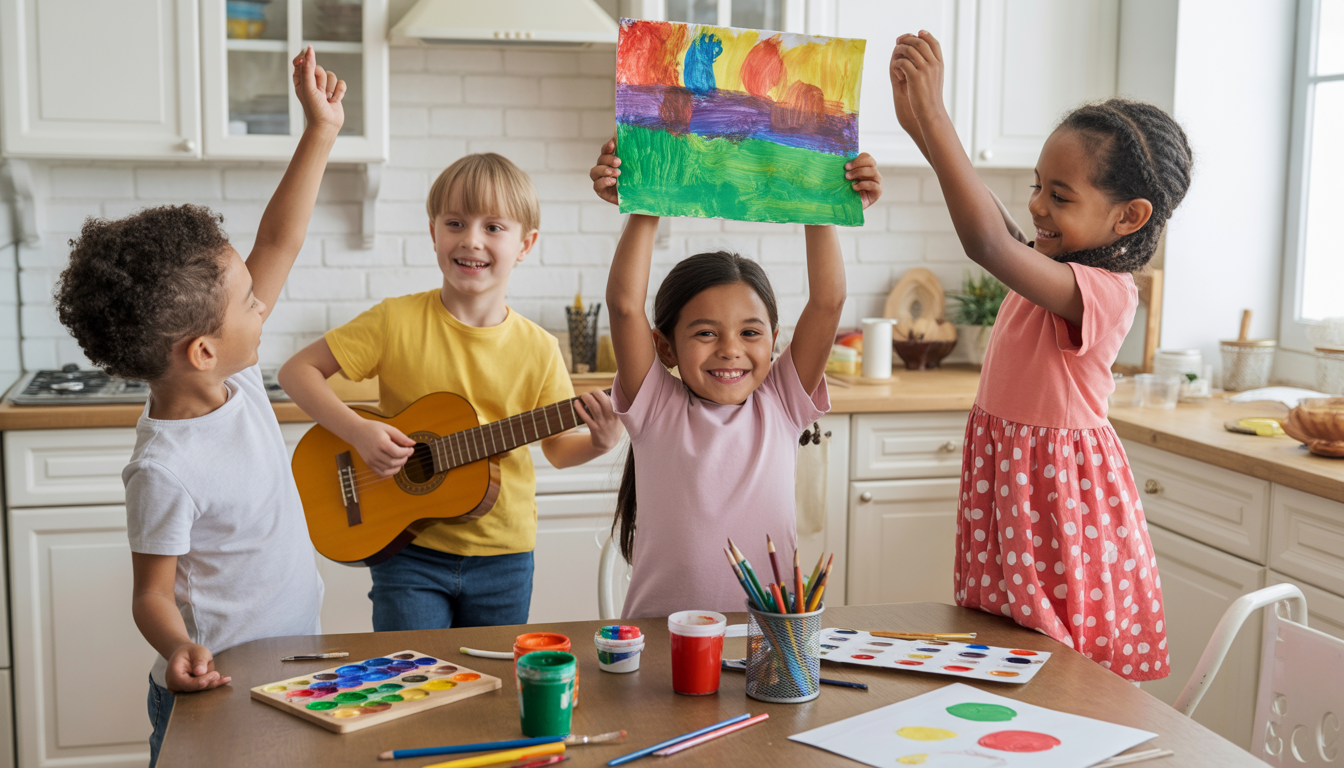
Drawing, music or dance allow children to express themselves freely and discover their talents. According to UNESCO, artistic activities stimulate self-confidence and imagination. You don't have to be Picasso: the important thing is to have fun and explore without judgment. Why not organize a mini-exhibition at home?
7. Encouraging problem-solving
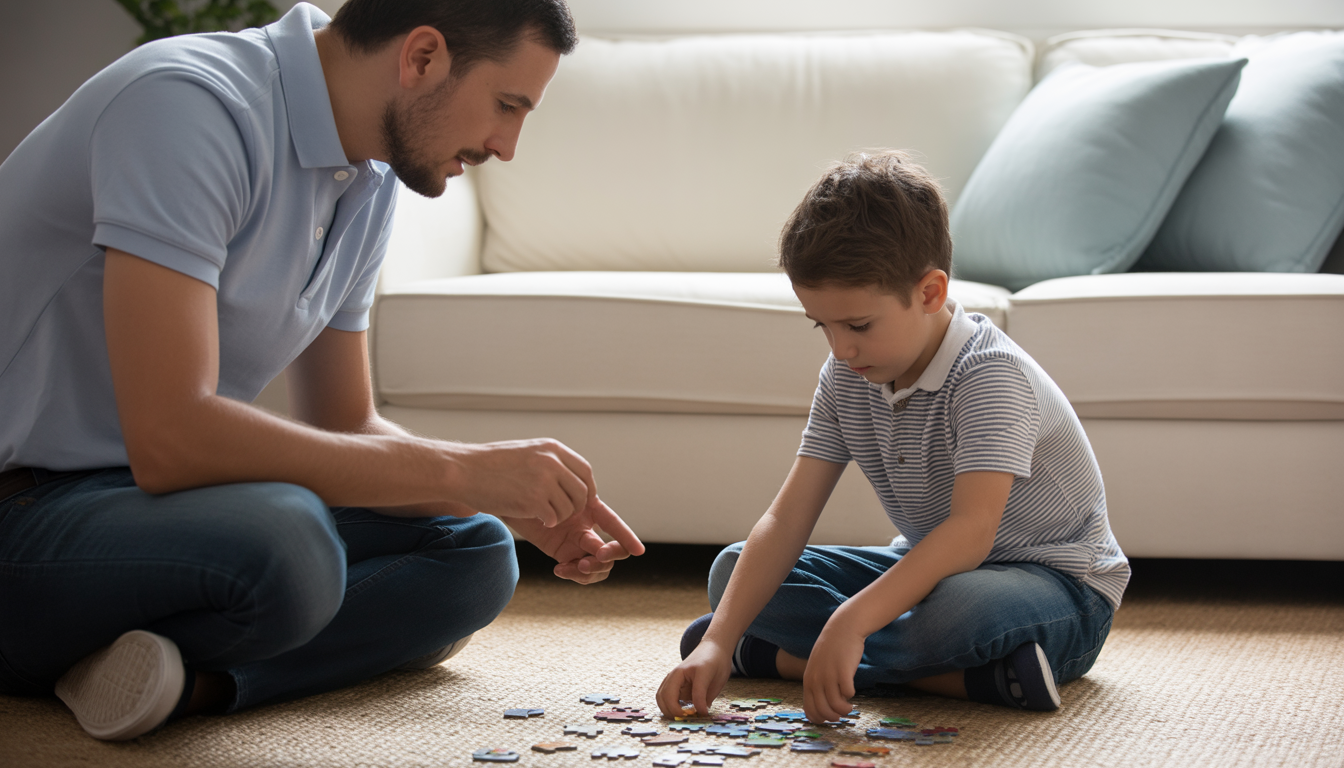
Letting your child find solutions on his own shows him that he's capable of overcoming challenges. According to the Ordre des psychologues du Québec, problem-solving develops confidence and autonomy. Ask open-ended questions and support your child's thinking, without giving the answer right away.
8. Practicing gratitude as a family

Taking the time to say thank you for the little things in everyday life helps children see the positive in themselves and around them. According to a study by the University of California, gratitude increases well-being and self-esteem. Why not introduce a "gratitude moment" every evening, where everyone shares a good memory of the day?
9. Offer inspiring readings

Books are a great way to talk about self-confidence. Choose stories in which characters overcome their fears or learn to love themselves. Libraries abound with treasures adapted to every age. According to the Quebec Ministry of Education, regular reading encourages empathy and self-confidence in children.
10. Learning to celebrate differences
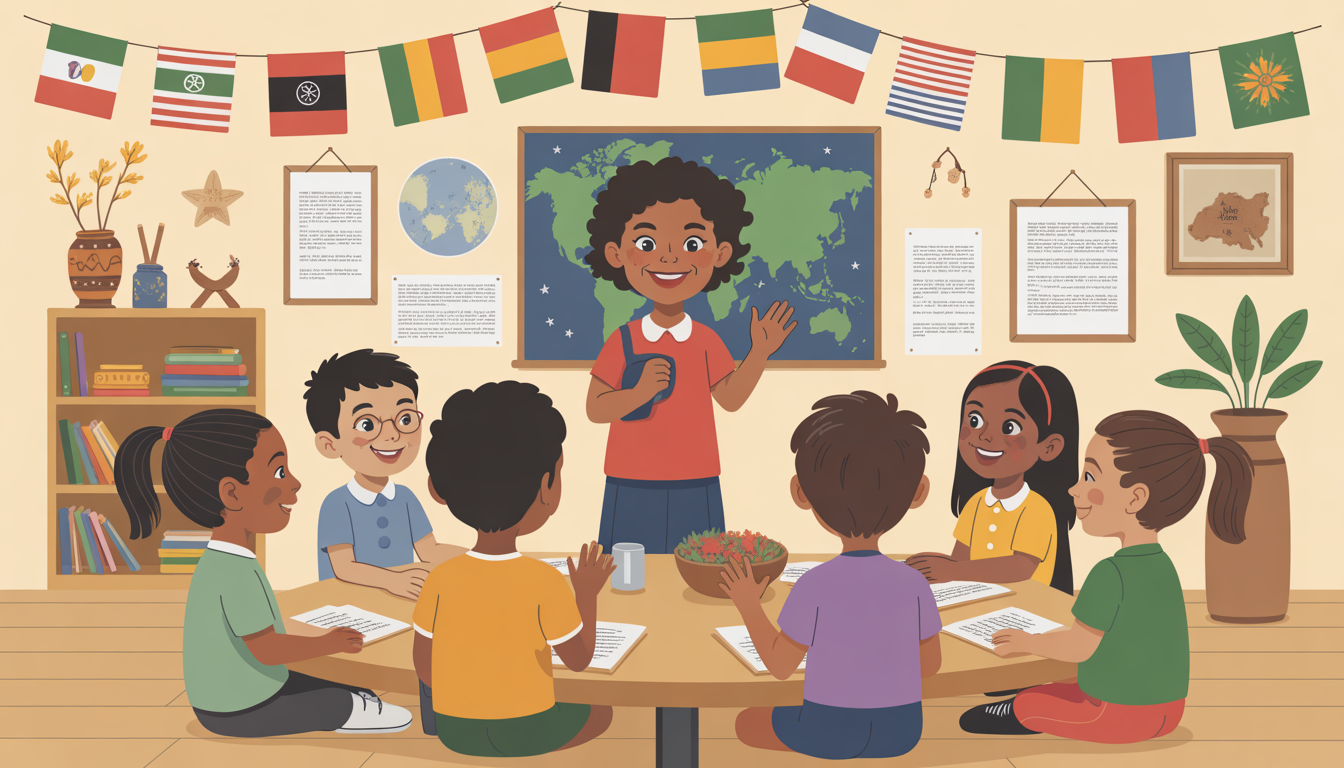
Valuing diversity means showing children that each person is unique and precious. Talk about different cultures, languages and traditions. With Lingoda, children discover the world while developing their open-mindedness and confidence. According to UNICEF, inclusion fosters self-esteem from an early age.
11. Encouraging sport and physical activity

Moving, jumping, running: physical activity releases endorphins and boosts self-confidence. According to ParticipACTION, active children are happier and have a better self-image. Whatever the sport, the important thing is to have fun and celebrate every little victory, whether on the pitch or in the living room.
12. Offer clothes that give confidence

Comfortable clothing that suits your taste is a great way to feel good about yourself. Local brands offer collections designed with children in mind, combining style and comfort. Discover Brand A 's new collections to dress your little ones with pieces that boost their confidence, while supporting local designers.
13. Limit comparisons
Comparing children to their brothers, sisters or friends can undermine their confidence. According to the Fédération québécoise des directions d'établissement d'enseignement, each child develops at his or her own pace. Focus on his or her personal progress and unique qualities. A "You're you, and it's perfect that way" is worth all the compliments in the world.
14. Creating your own space

A reading corner, a desk or even a little tent in the living room: having a personal space helps children feel respected and valued. According to IKEA Canada, 78% of children feel more confident when they have a place of their own. Let them decorate their own space to make it feel like home.
15. Be a model of trust

Children learn a lot by imitation. Show them that you too have confidence in yourself (even when it's not always easy!). Talk about your successes, but also about your mistakes and what you learn from them. According to the Ordre des psychologues du Québec, an assertive parent helps his or her child to do the same, day after day.