20 electric cars that are losing value fast
As a future buyer, you want to understand the depreciation of electric cars (EVs). This is all the more important as the EV market is evolving at a breathtaking pace, and the value of a vehicle is falling rapidly. Factors such as the age of the model, technological advances and competition have a strong influence on used car prices.

As a future buyer, you want to understand the depreciation of electric cars (EVs). This is all the more important as the EV market is evolving at a frenetic pace, and the value of a vehicle is falling rapidly. Factors such as the age of the model, technological advances and competition strongly influence used car prices. This list presents the electric cars that are losing the most value, grouped by category. The aim is to give you a clear perspective on this complex phenomenon, and to help you make the right choice as a consumer.
1. Renault ZOÉ
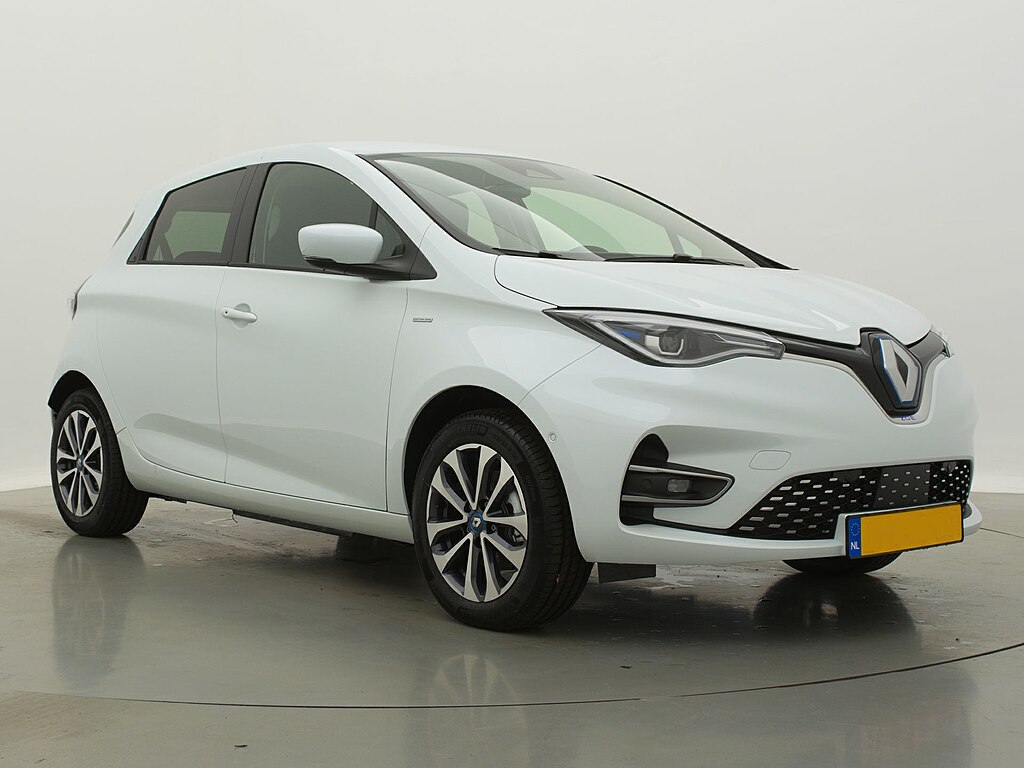
The Renault ZOÉ is a classic example of high depreciation, losing around 65% of its value after 5 years. As a pioneer, it has been replaced by more efficient models. Battery-rental versions have also complicated resale. Its resale value is really affected by the arrival of competitors offering longer autonomies.
2. Nissan Leaf
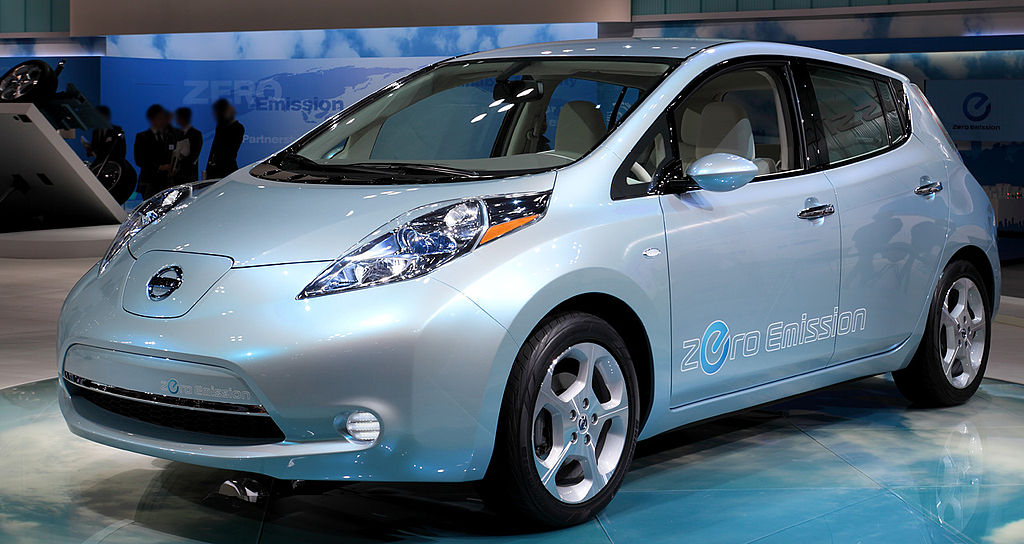
The Nissan Leaf, another pioneer, suffered a significant loss in value, reaching 64% over 5 years. Its first-generation batteries lacked thermal management, which affected their durability. Lack of compatibility with certain ultra-fast charging stations has also made older models less attractive to buyers on the second-hand market, affecting their resale value.
3. BMW i3
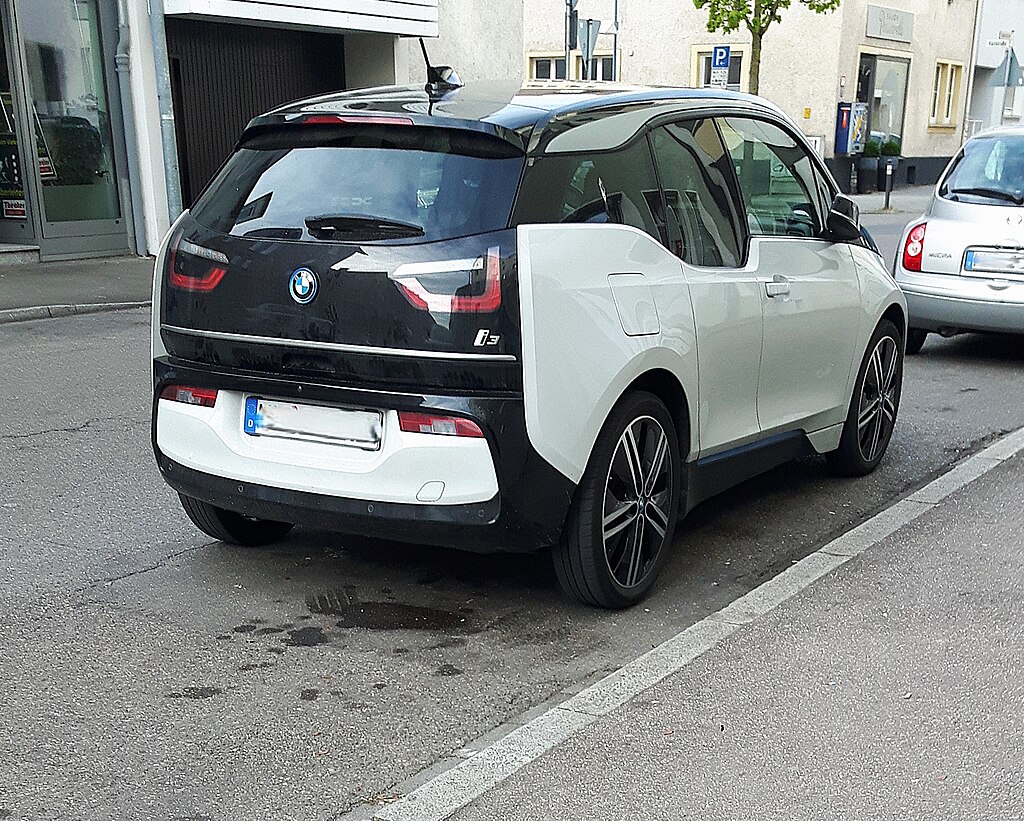
The BMW i3 is depreciating rapidly, losing almost 55% of its value after 5 years. Its distinctive design is not to everyone's taste, and its continuous technological improvements justify this loss. Models equipped with range extenders are depreciating even more on the second-hand market, due to the complexity of their maintenance.
4. Fiat 500e
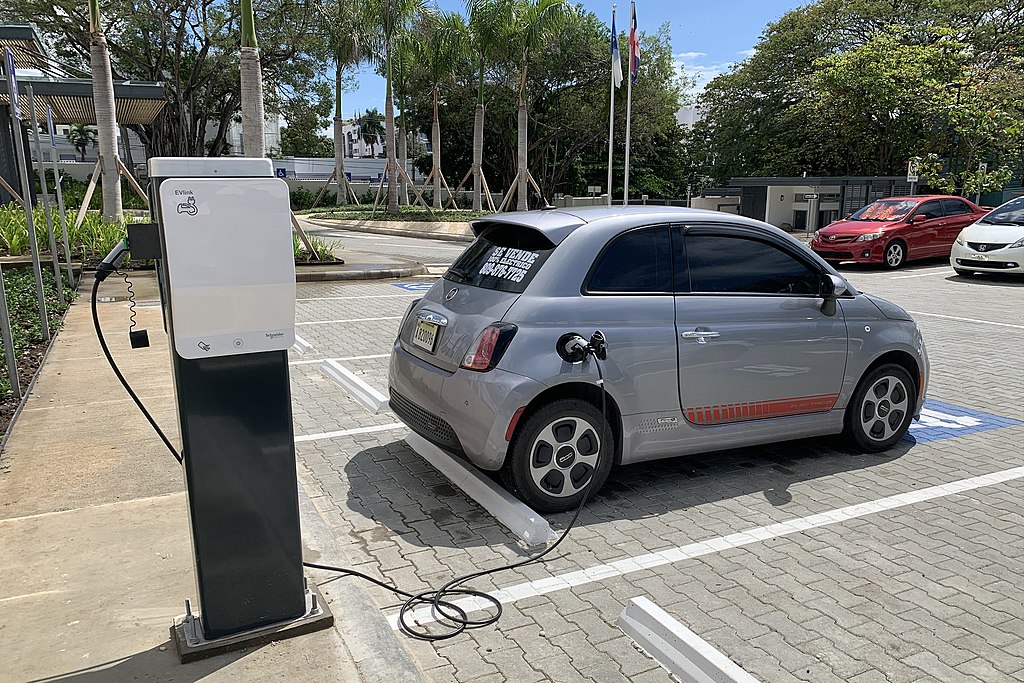
The Fiat 500e depreciates rapidly, losing more than 50% of its value over 5 years. Although a perfect city car, its limited range is insufficient for all-round use. Faced with stiff competition offering greater range and more modern options, the 500e is being abandoned on the second-hand market, driving down its price.
5. Chevrolet Bolt
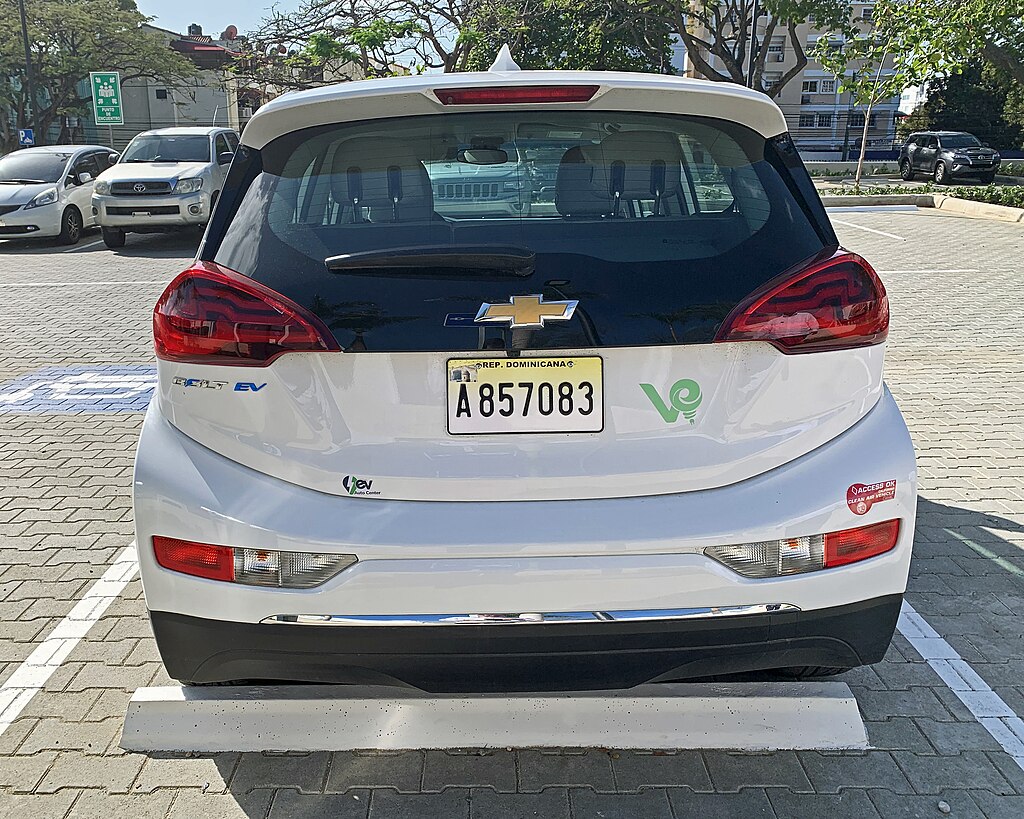
The Chevrolet Bolt has also seen a sharp drop in value, due in part to battery recalls. Some models can lose more than 58% of their value after 5 years. The battery problem has reduced buyer confidence, and the competition is now offering models with similar ranges for a comparable price, pushing its value down.
6. Smart EQ ForTwo
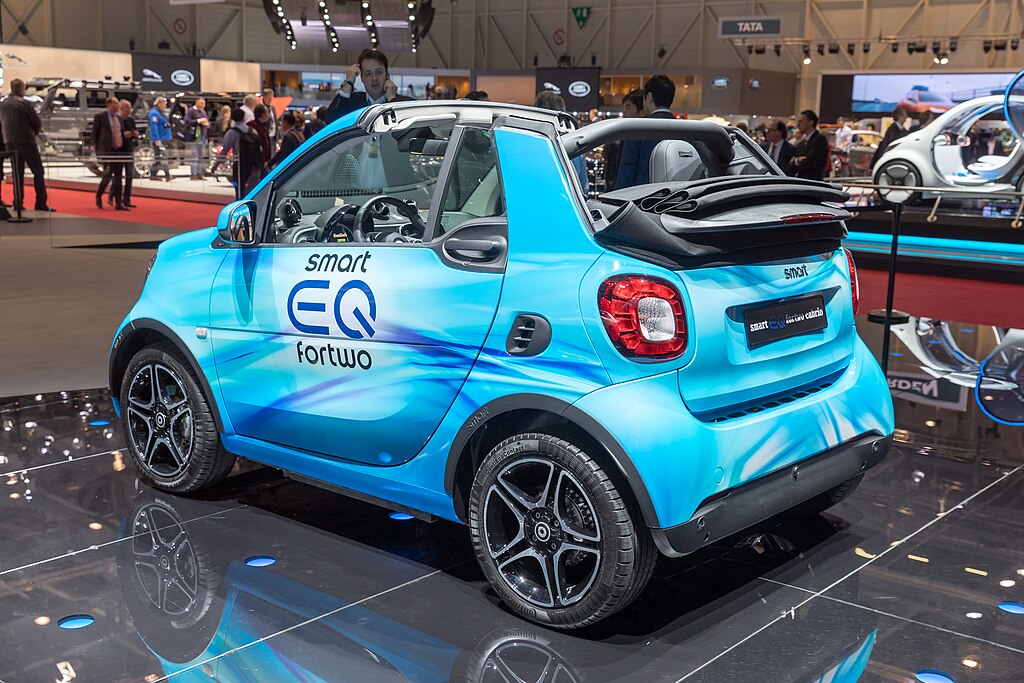
The Smart EQ ForTwo is falling rapidly in value, with a loss of over 60% over 5 years. The majority of buyers consider it less attractive, as it is mainly reserved for city driving. This very specific market niche translates into lower demand and a significant devaluation on the used car market.
7. Mitsubishi i-MiEV
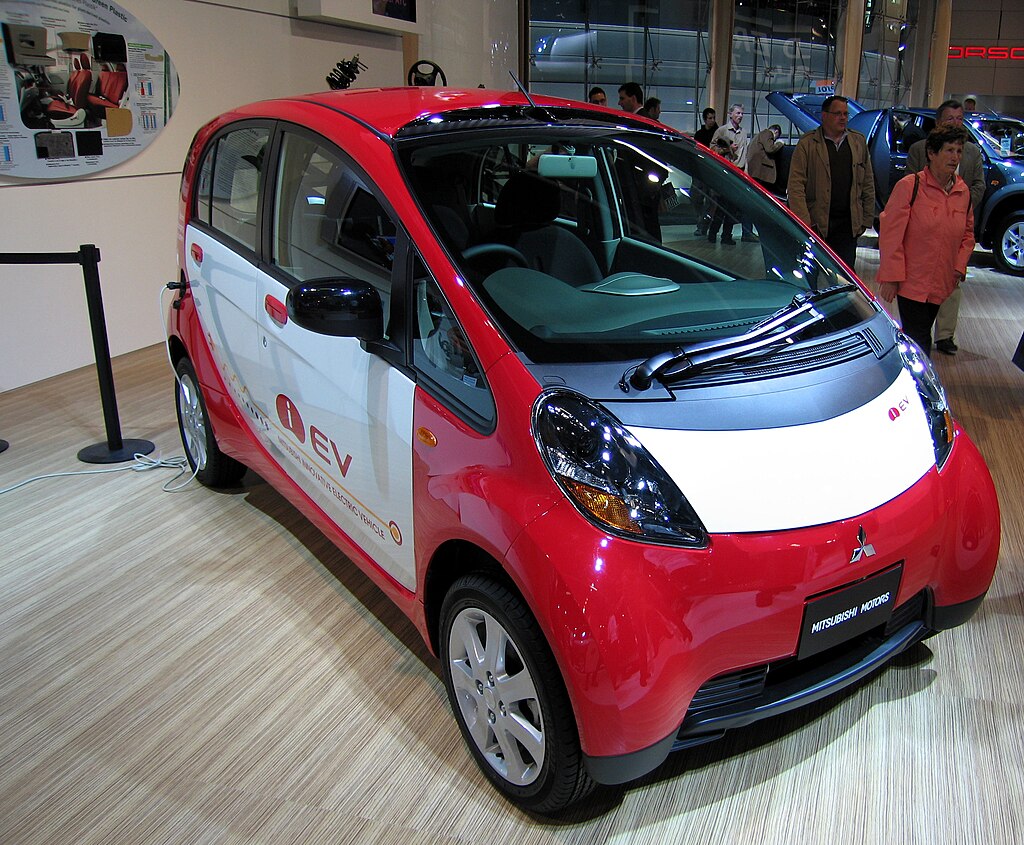
The Mitsubishi i-MiEV is one of the very first mass-market electric models. It has suffered considerable losses in value, sometimes as much as 65%. Its lack of range and performance have led to its rapid obsolescence in the face of the meteoric evolution of electric technology. Its age and dated technology directly affect its depreciation.
8. Volkswagen e-Golf
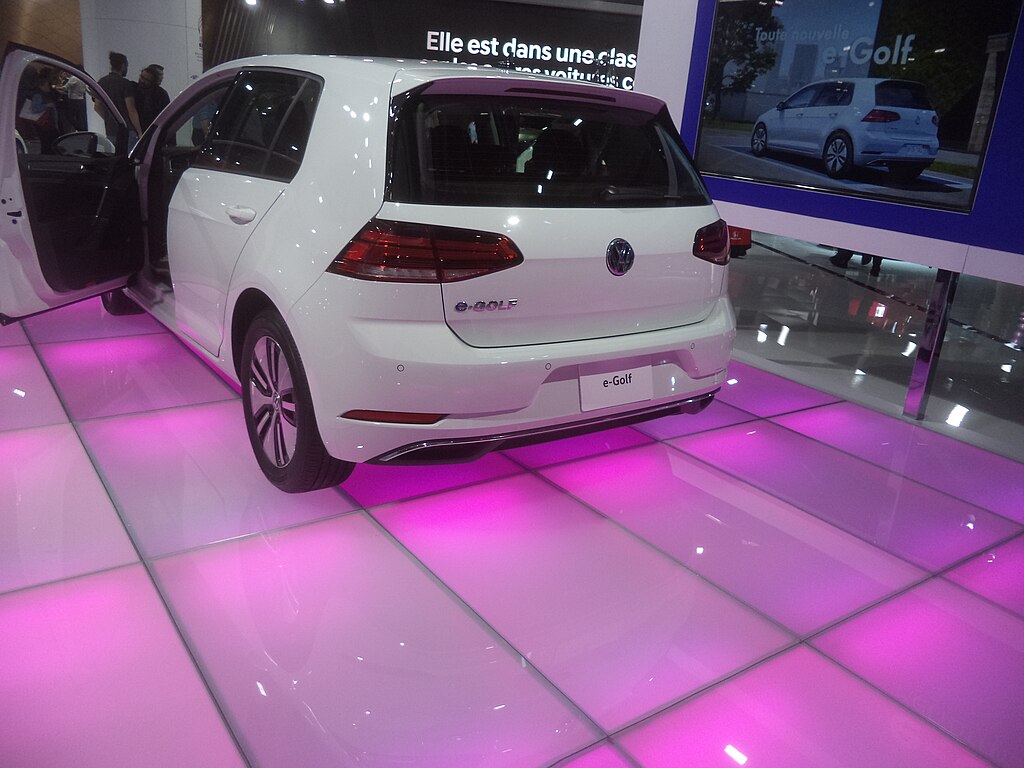
The Volkswagen e-Golf was a popular electric alternative, but it rapidly devalued (by over 50% in 5 years) due to the arrival of the ID. platform designed specifically for EVs. The e-Golf, based on a combustion platform, was unable to compete in range or technology, which caused its resale value to plummet.
9. Ford Focus Electric
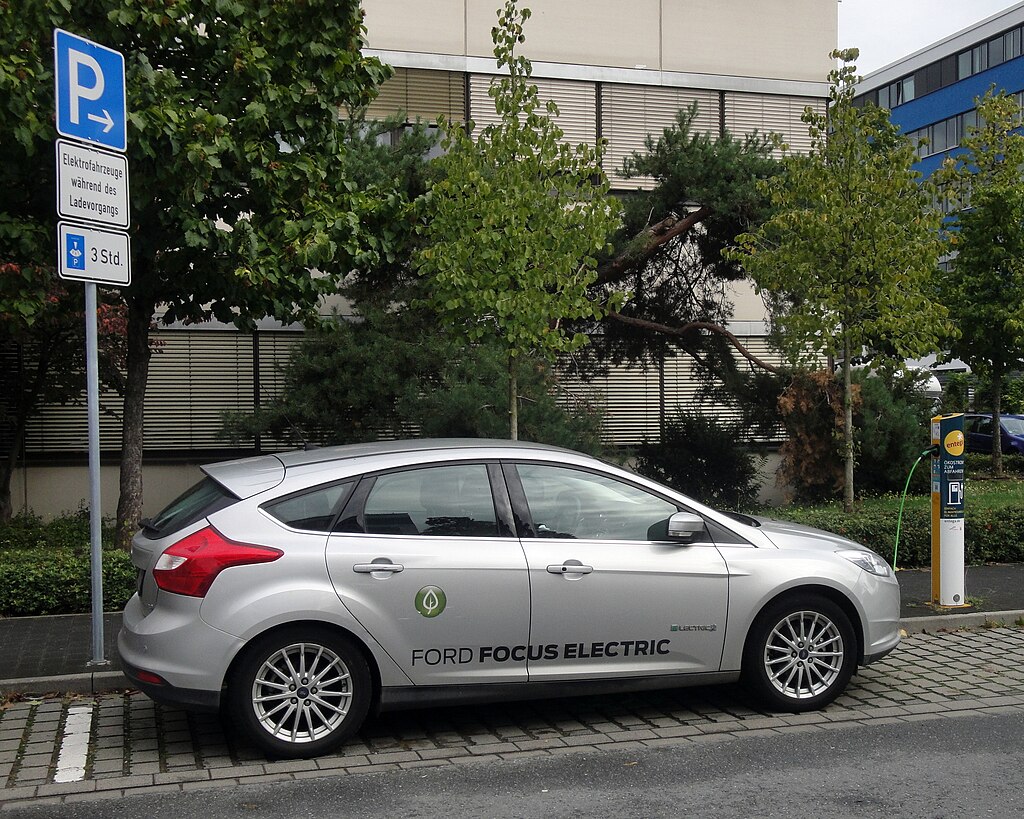
The Ford Focus Electric doesn't hold its value well. It loses up to 60% of its value in 5 years. Often relegated to second place compared with its more high-profile rivals, it has suffered from a perceived lack of range. Its low recognition on the second-hand market is a key factor in its rapid depreciation.
10. Tesla Model S
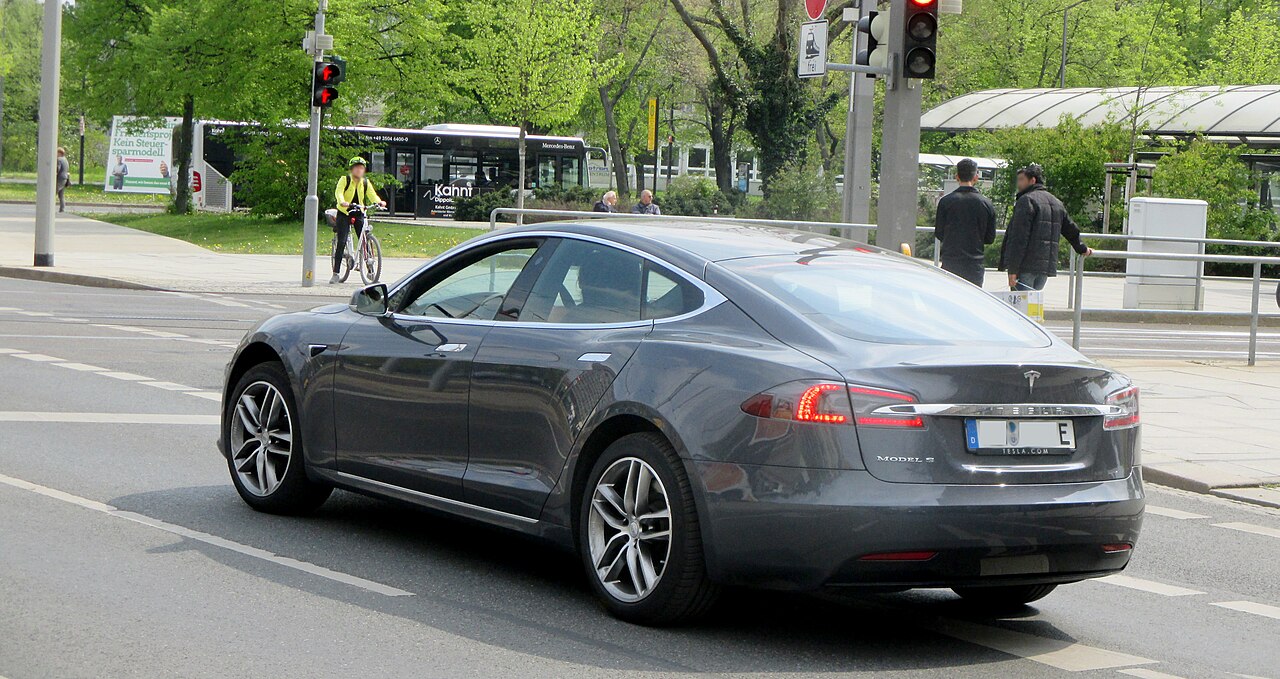
Even the first luxury models are not immune. The first Tesla Model S is proof of this, with a drop in value of up to 55% in 5 years. This is due to the constant introduction of new technologies and major upgrades. More recent versions of the brand are supplanting used models.
11. Tesla Model 3
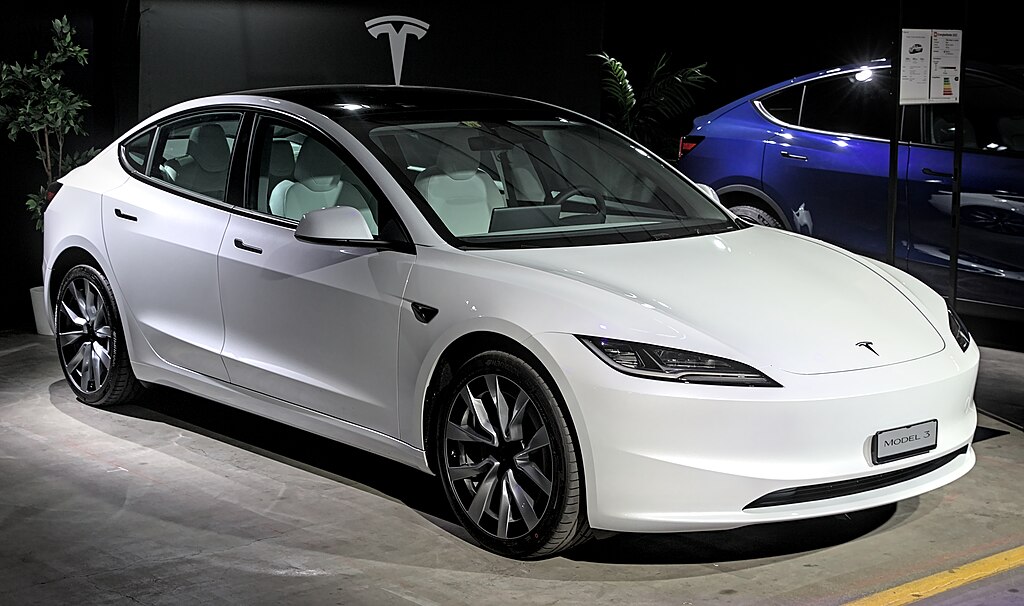
The Tesla Model 3 is one of the models that holds its value best, with an average depreciation of 30 to 40% over the first 3 years. Thanks to its popularity on the second-hand market and up-to-date software, it's a safe buy. What's more, the network of exclusive superchargers also helps to keep resale prices high.
12. Tesla Model Y
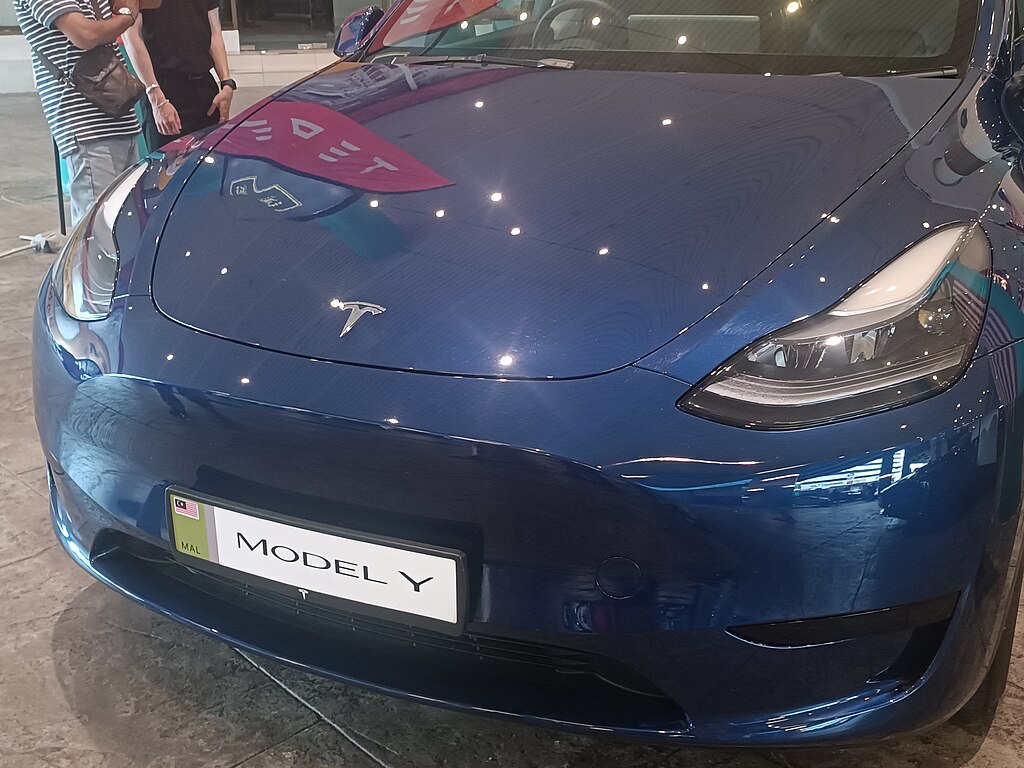
The Tesla Model Y, as Tesla's most popular SUV, retains an excellent resale price with a depreciation of around 35% over 3 years. Its high demand and utility make it a highly sought-after vehicle on the used market. What's more, it benefits from a software upgrade and is equipped with charging infrastructure.
13. Porsche Taycan
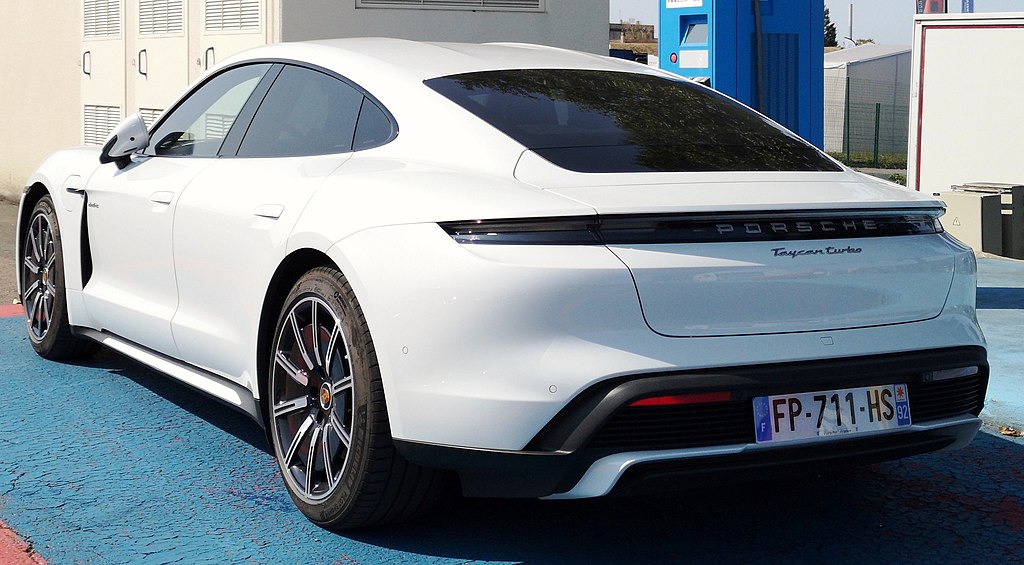
The Porsche Taycan loses its value less quickly than mainstream models, thanks to an average discount of around 35% over 3 years. The Taycan's excellent rate of depreciation is also due to its position in the luxury market and its competitive edge.
14. Hyundai Ioniq 5
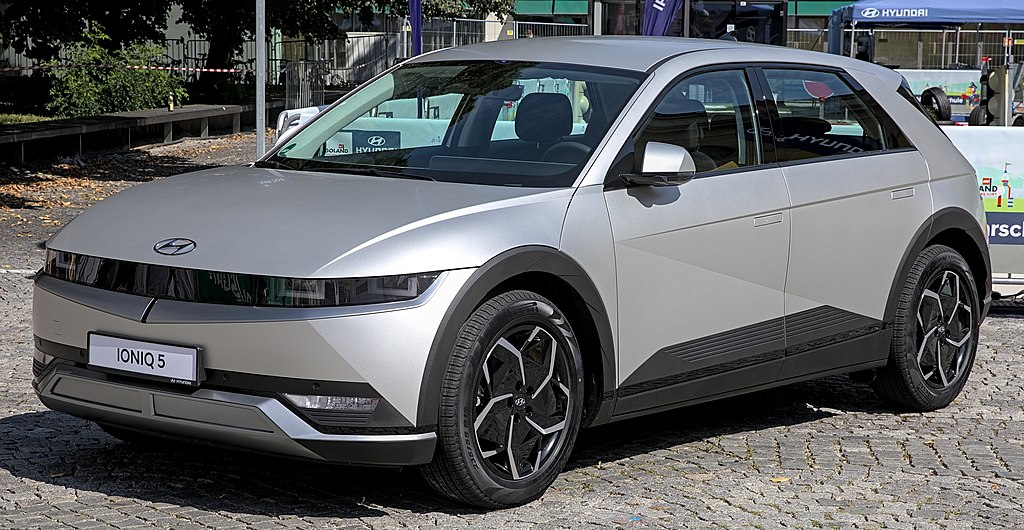
The Hyundai Ioniq 5 SUV proves that some electric models benefit from a reasonable discount, with depreciation estimated at around 40% after 3 years. What's more, it boasts major assets, such as an 800V platform and ultra-fast recharging capacity, which set it apart from the competition. Finally, its advanced technologies, combined with its unique design, are keeping up demand on the used market.
15. Kia EV6
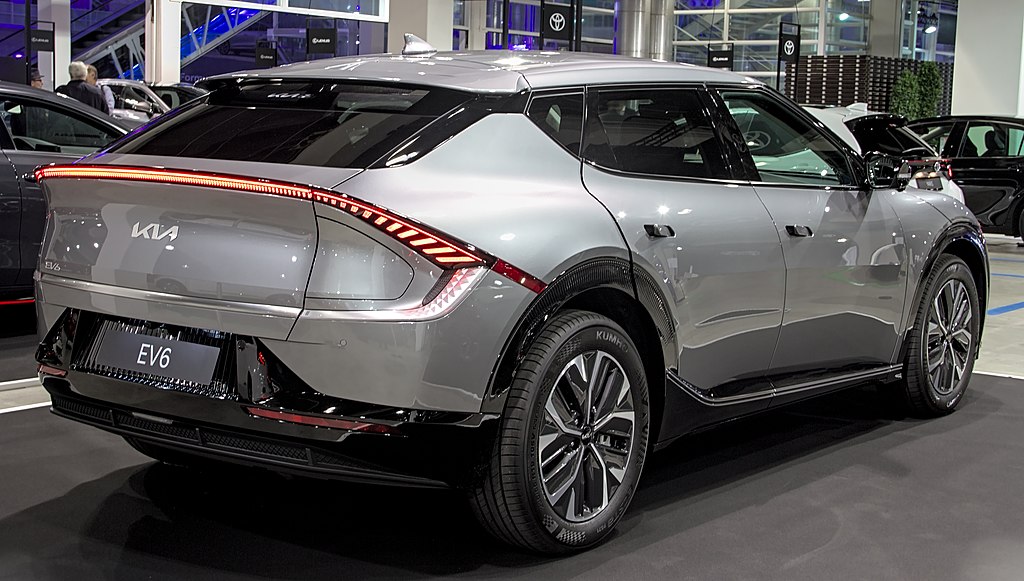
The Kia EV6 shares the technology of the Ioniq 5, but its sportier design gives it added appeal. With its excellent range and rapid recharging, it's a highly sought-after vehicle. It's resisting depreciation well (around 40% in 3 years) thanks to good dispositions, advanced technology and a unique layout.
16. BMW i4
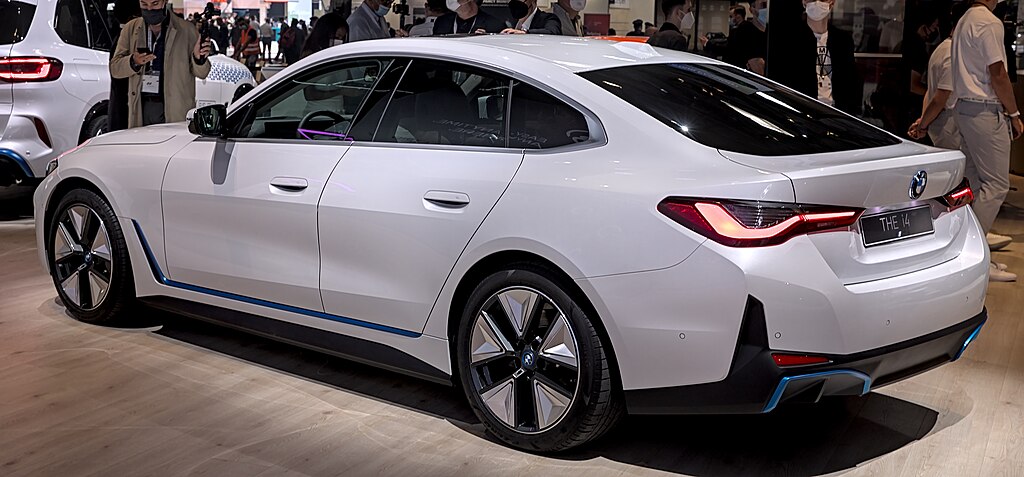
The BMW i4 is taking a relatively moderate cut for its segment, approximately 45% after 3 years. Its status as a premium sports sedan and the brand's reputation are holding it up well. This shows how a reputation for luxury and driving pleasure mitigates the loss of value.
17. Audi e-tron
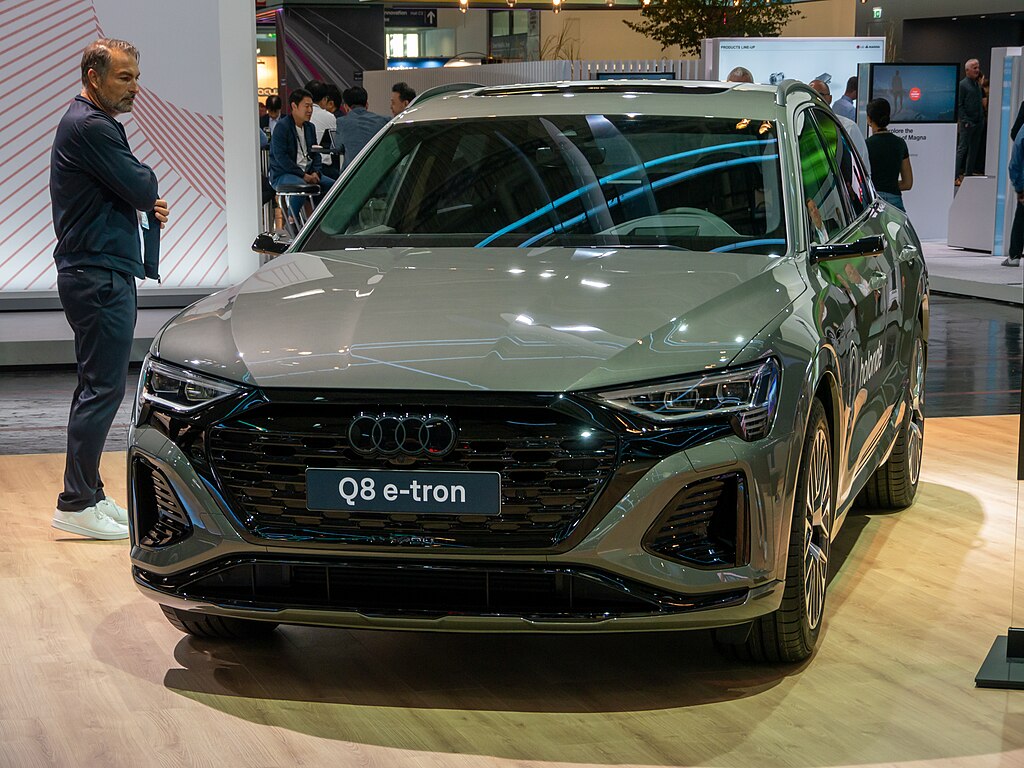
The Audi e-tron (Q8 e-tron today) loses 40 to 45% of its selling price over 3 years. It achieves this thanks to its upmarket positioning and the brand's renowned build quality. Its elegant design and ease of driving also contribute to its appeal. The brand helps maintain a high resale price despite the arrival of the competition.
18. Mercedes-Benz EQC
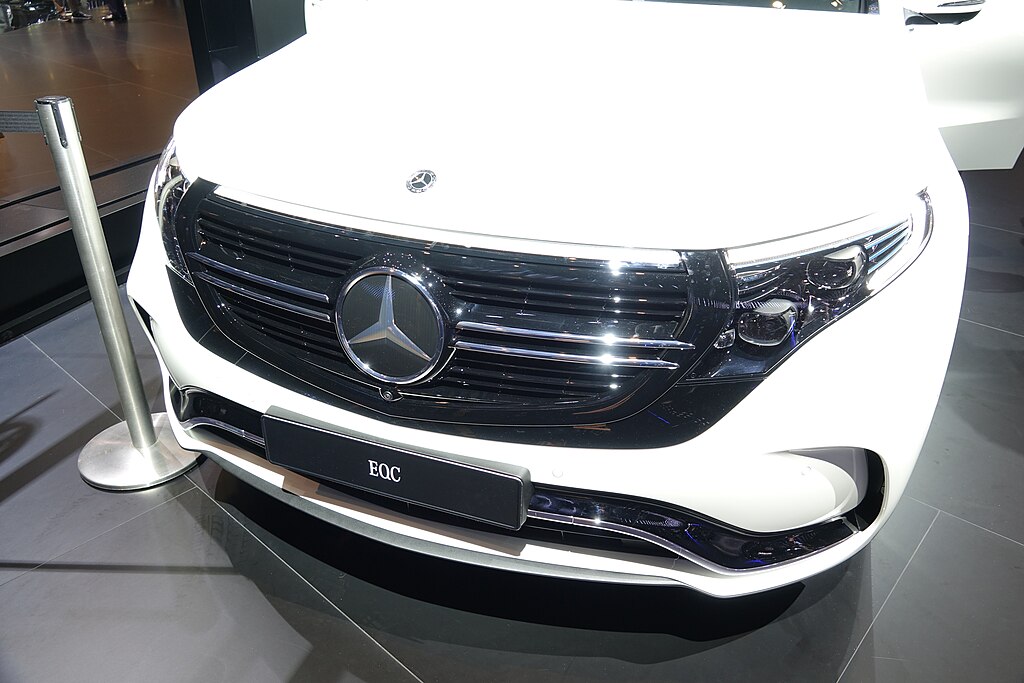
The Mercedes-Benz EQC is experiencing a moderate price drop (around 45% in 3 years) despite being the first in its series. Its value is partially maintained thanks to its status as a luxury brand and its reliability. Used buyers are reassured by the brand's build quality and protection.
19. Polestar 2
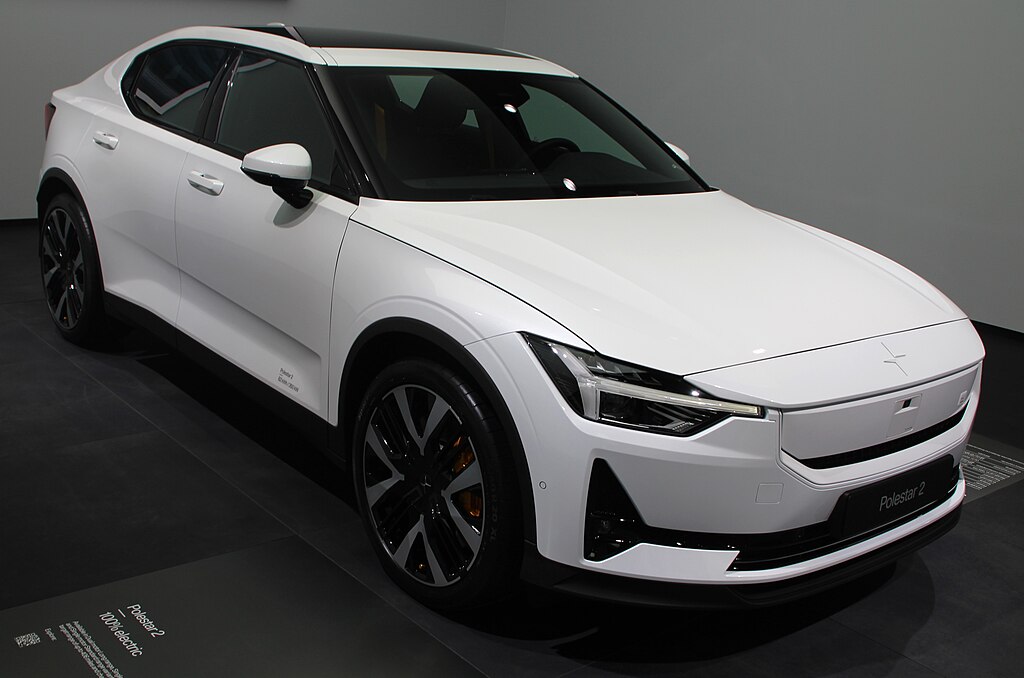
The Polestar 2 is still a recent model, with a depreciation rate ranging from 40 to 45% over 3 years. It's proof of how brands that are just starting out have to prove themselves. Its sleek design, features and Google Automotive OS integration augur well for a very competitive resale price.
20. Lucid Air
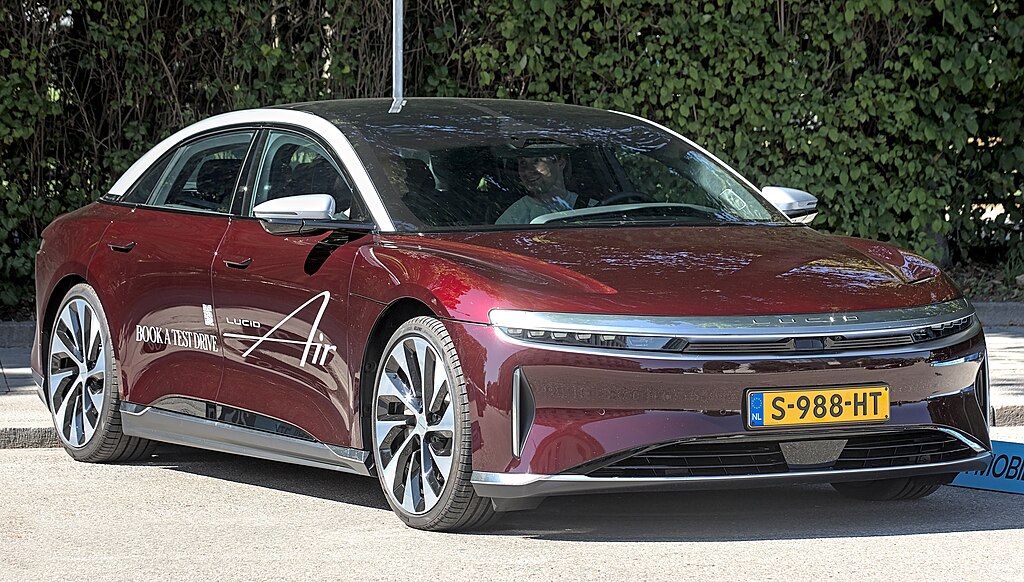
The depreciation of the Lucid Air has yet to be determined, but it will certainly be reduced due to its exclusivity and advanced technology. What's more, its record range and luxury status place it in a class of its own. Very high-end electric cars often hold their value well thanks to specialized demand.