5 well-thought-out children’s desks and 4 counter-productive ones
A child’s desk must be organized with the utmost care to encourage concentration and independence. From built-in storage to an adjustable seat, certain elements are essential for a well-designed children’s desk. On the other hand, a cluttered or unsuitable seat can cause discomfort and pain.
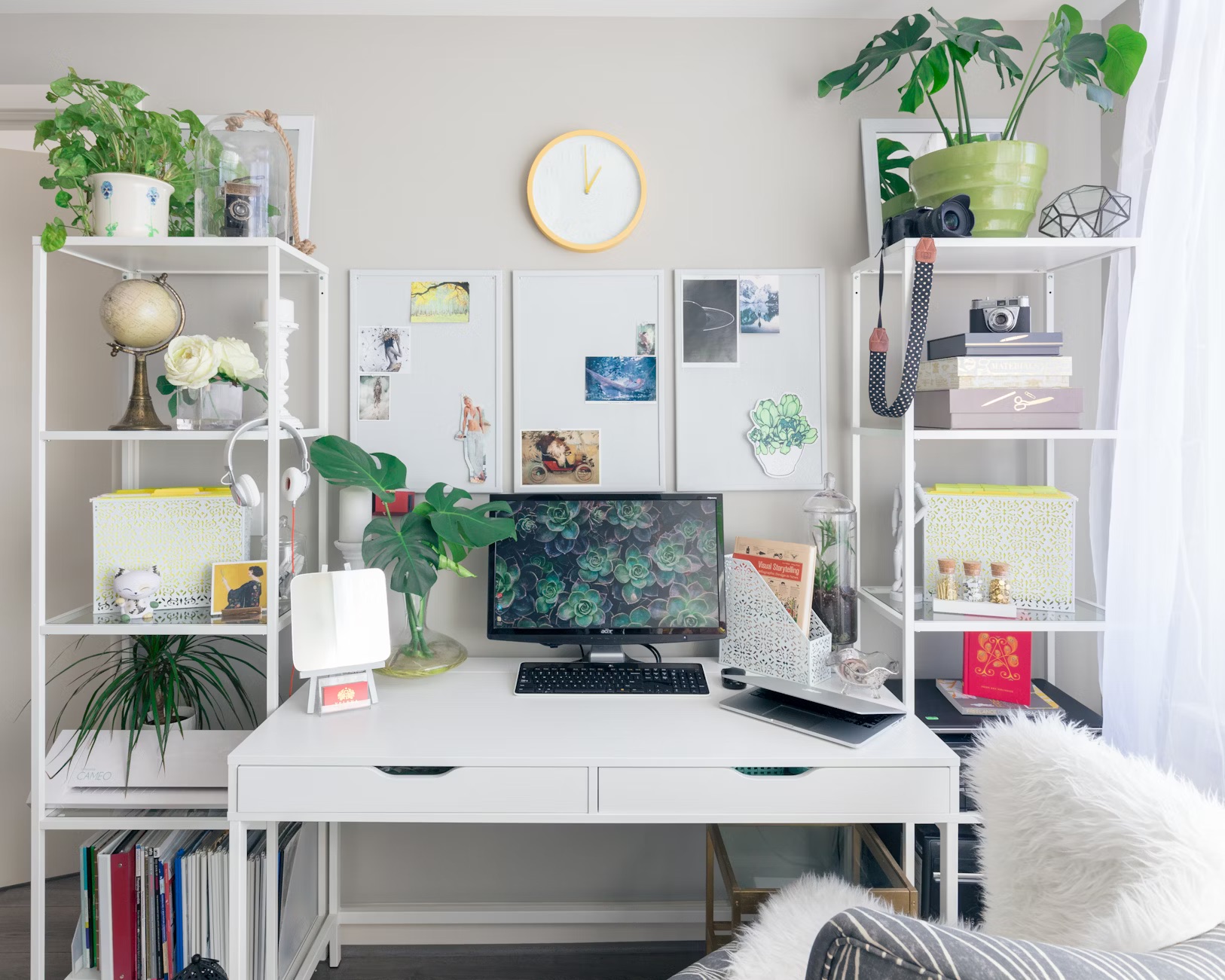
A child's desk must be organized with the utmost care to encourage concentration and independence. From built-in storage to an adjustable seat, certain elements are essential for a well-designed children's desk. On the other hand, a cluttered or unsuitable seat can cause discomfort and pain.
A desk with top and built-in storage
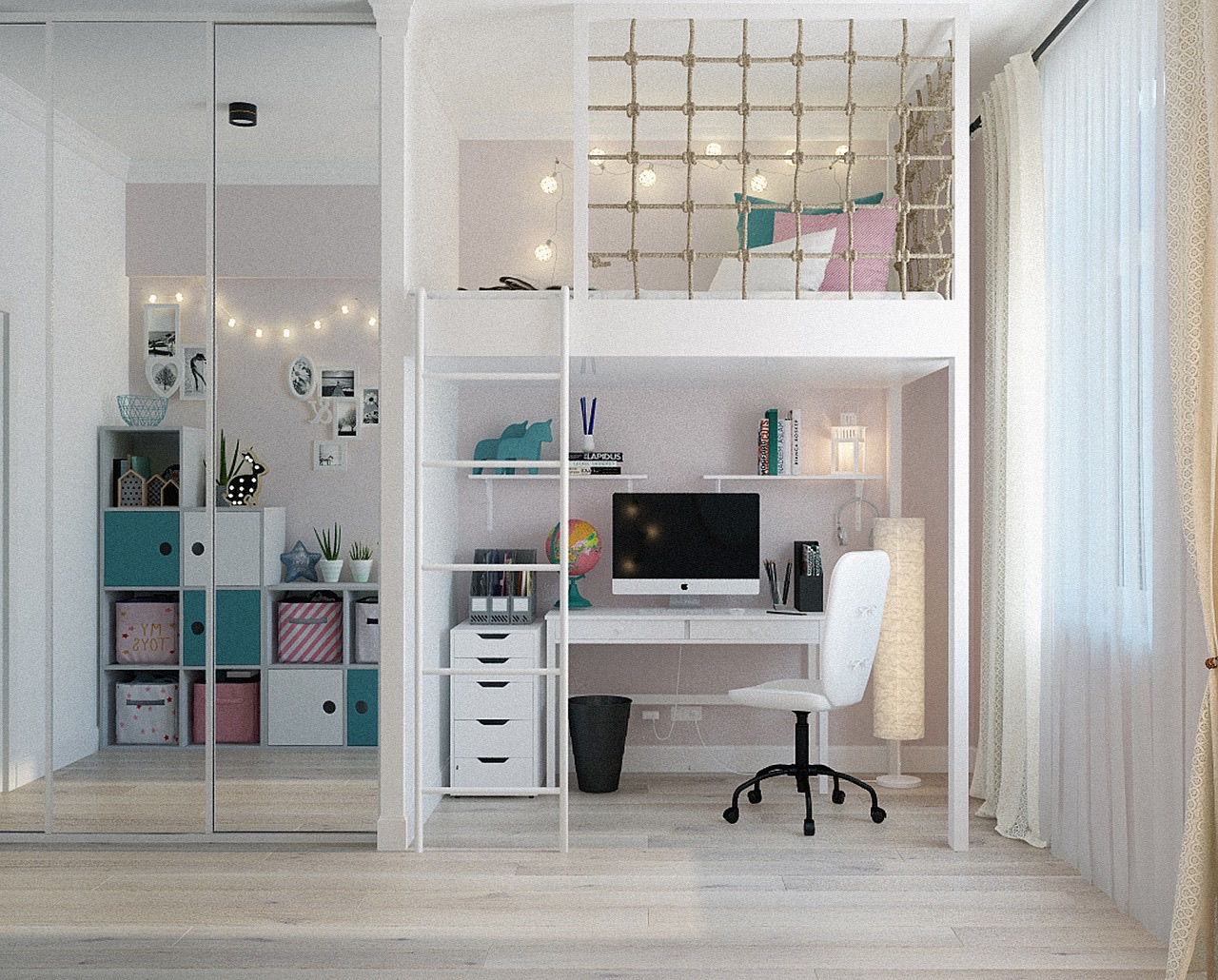
The best children's desks feature a spacious top. This allows children to work comfortably with all their belongings close at hand. These desks often incorporate built-in storage, such as a drawer or pedestal. The child can therefore store his school equipment and supplies. Such a layout saves time, avoids clutter and encourages concentration. Depending on the size of the desk, you can reserve a drawer for each type of supply: notebooks, textbooks, pens and pencils.
Dimmable lighting
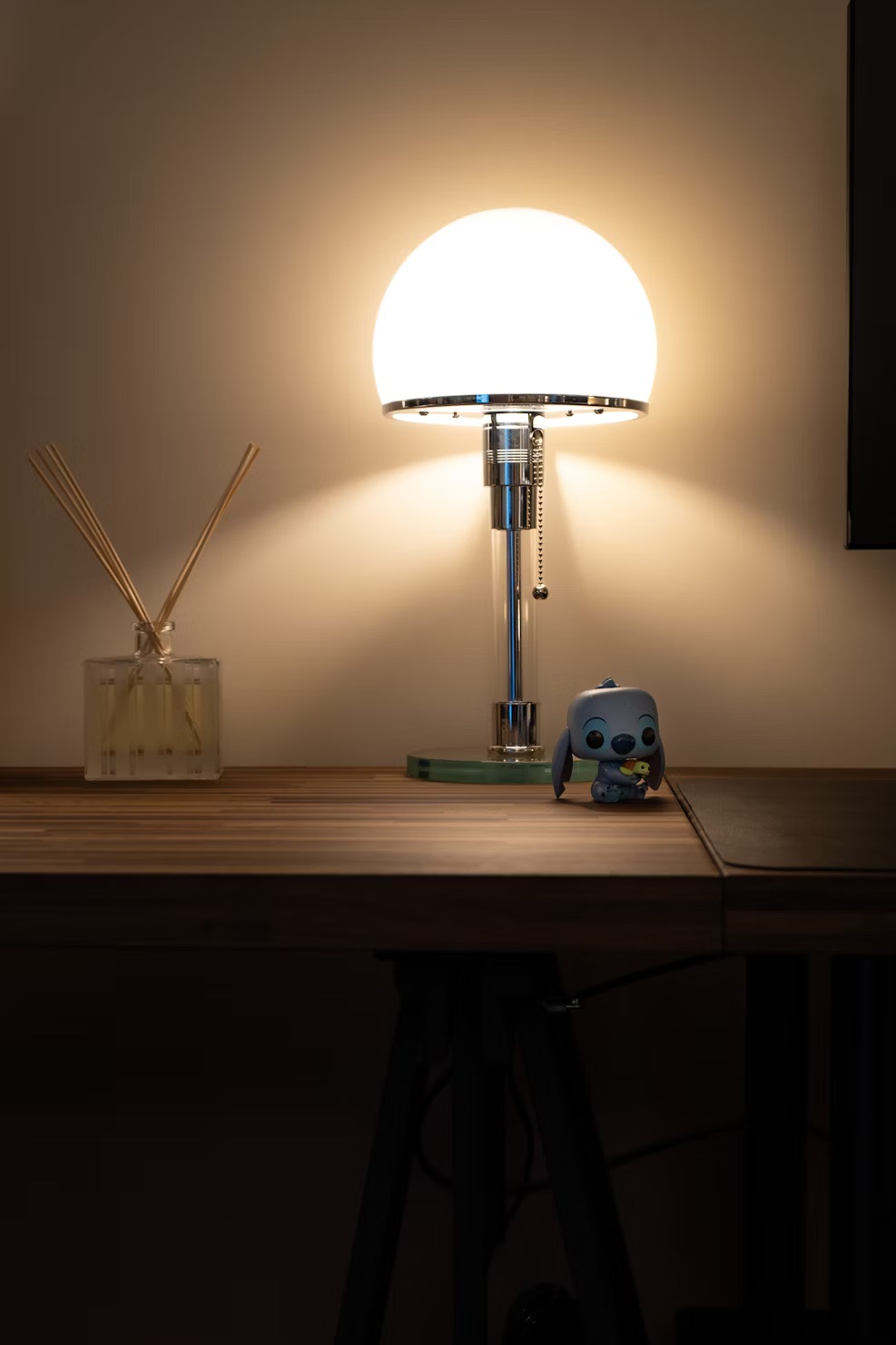
To work comfortably at your child's desk, he'll need lighting that's both efficient and appropriate. Choose a desk lamp with adjustable intensity, so you can adjust the brightness according to the child's activity and the time of day. Such lamps help prevent eyestrain while creating an atmosphere conducive to work. In addition, opt for warm, natural light with a temperature of between 2700 and 3000 Kelvin.
Height-adjustable seat
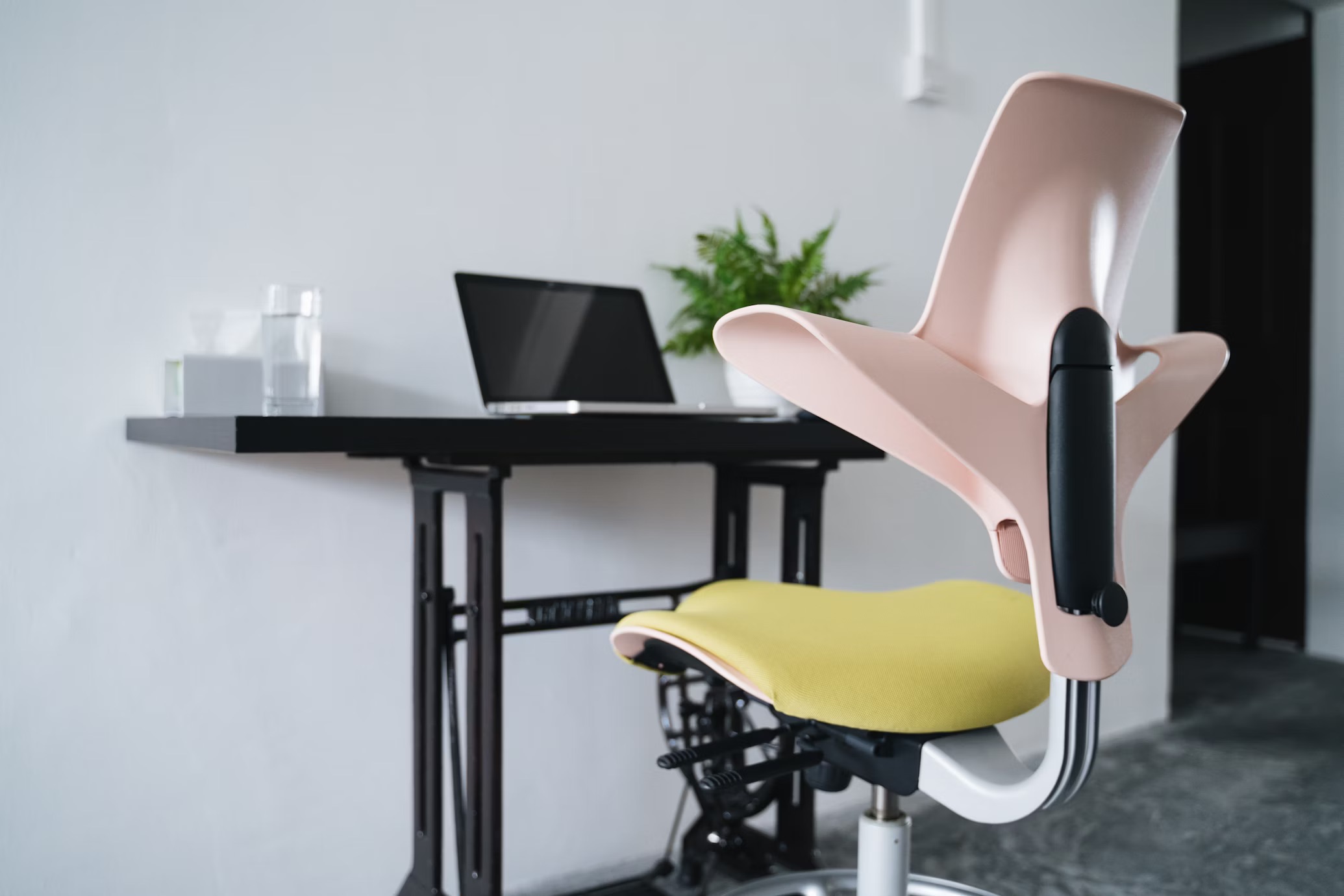
Whether you're a child or an adult, the comfort of your workstation depends to a large extent on your seating position. For children, we recommend a progressive desk with a height-adjustable seat to support their growth. This furniture guarantees optimum comfort at every stage, as well as preventing postural pain and discomfort associated with sitting.
Natural light as an ally
To make your child's work sessions as comfortable as possible, you should place his desk near a window. Firstly, the child benefits from a source of natural light, which limits visual fatigue and optimizes concentration. Secondly, the window lets in fresh air, which is good for morale and motivation.
A table for better organization
Whatever your child's age or grade level, you can set up a bulletin board or chalkboard near his or her desk. The aim is to show his monthly or weekly tasks and objectives, for better visualization. Depending on the situation, this may be a corkboard on which the child can display his creations or current projects. In all cases, the presence of this panel helps boost creativity and self-confidence.
A cluttered space
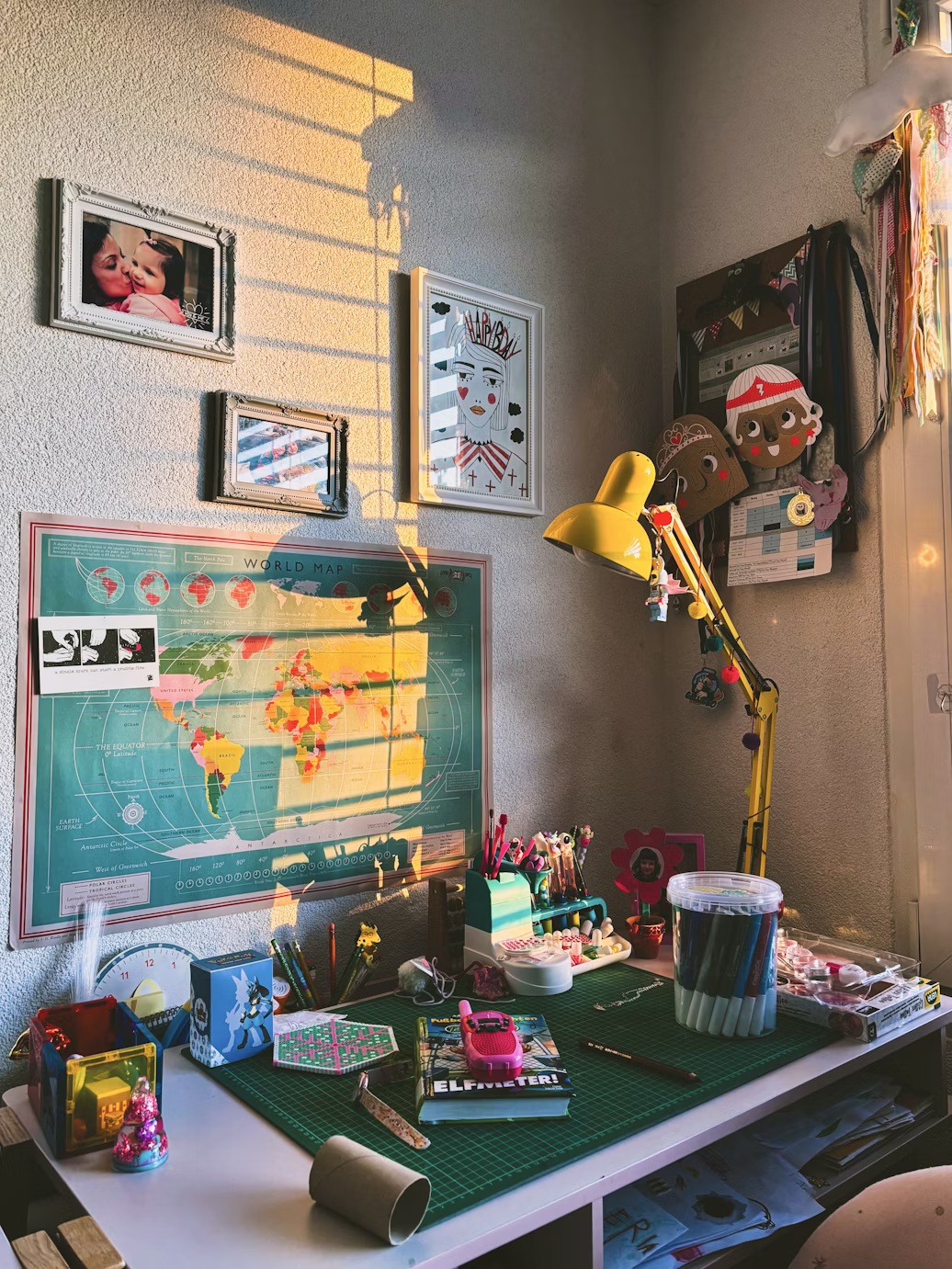
The clutter of a desk disperses attention and hinders concentration. If your child has too many objects within reach, he'll be more inclined to abandon his school materials to manipulate his toys, a games console, a comic book or a drawing tablet. Ideally, the desk should only be used for school equipment. Other accessories can be stored in a dedicated room, in the bed drawers or in the closet.
An office of unsuitable proportions
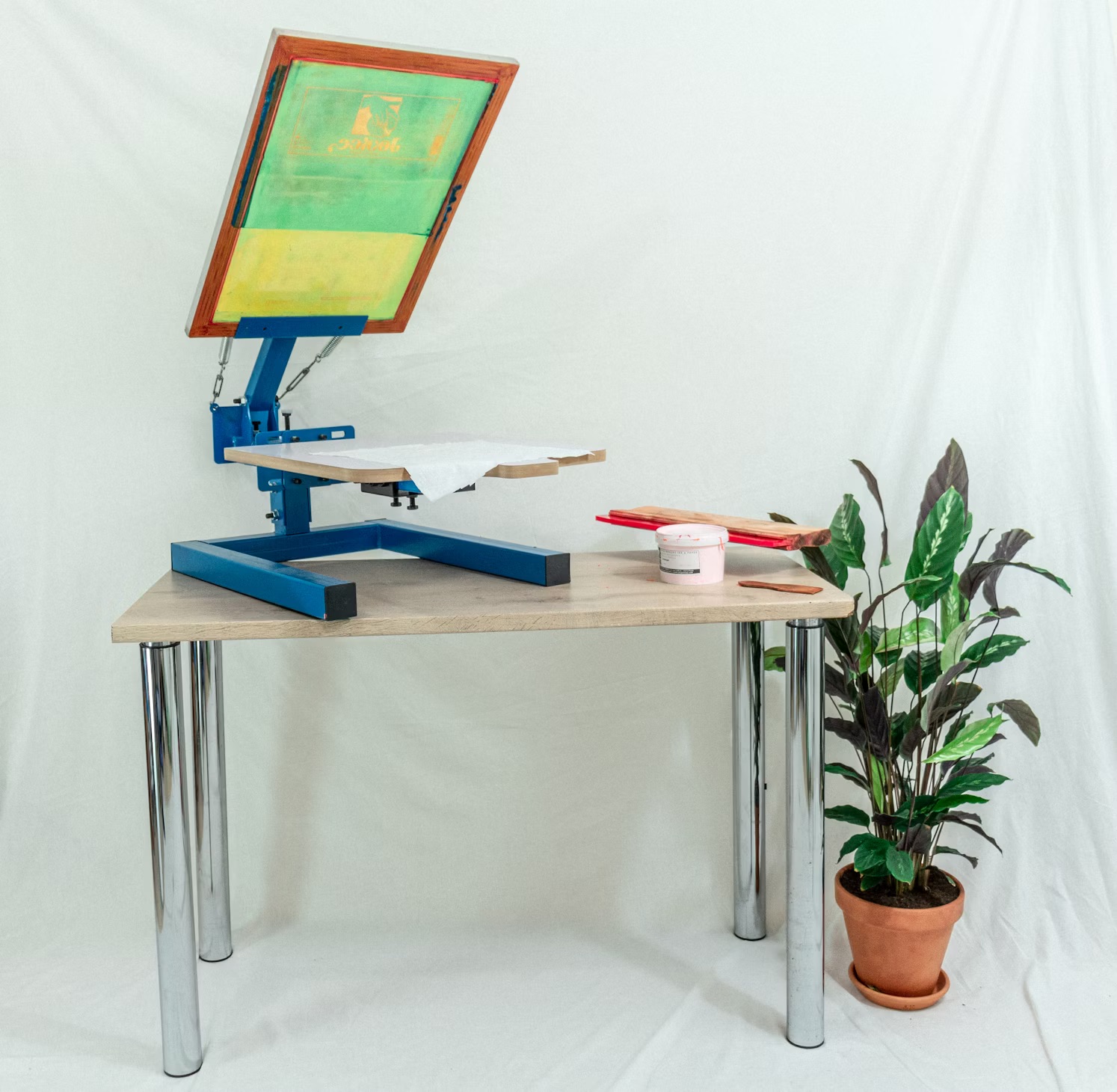
Before choosing furniture for your child, you should consider his or her measurements. If the desk is too high, your child will have to keep his feet up. In the long run, this posture leads to discomfort and poor spinal positioning. Not only does this make it difficult for the child to concentrate, it can also lead to chronic pain in the long term.
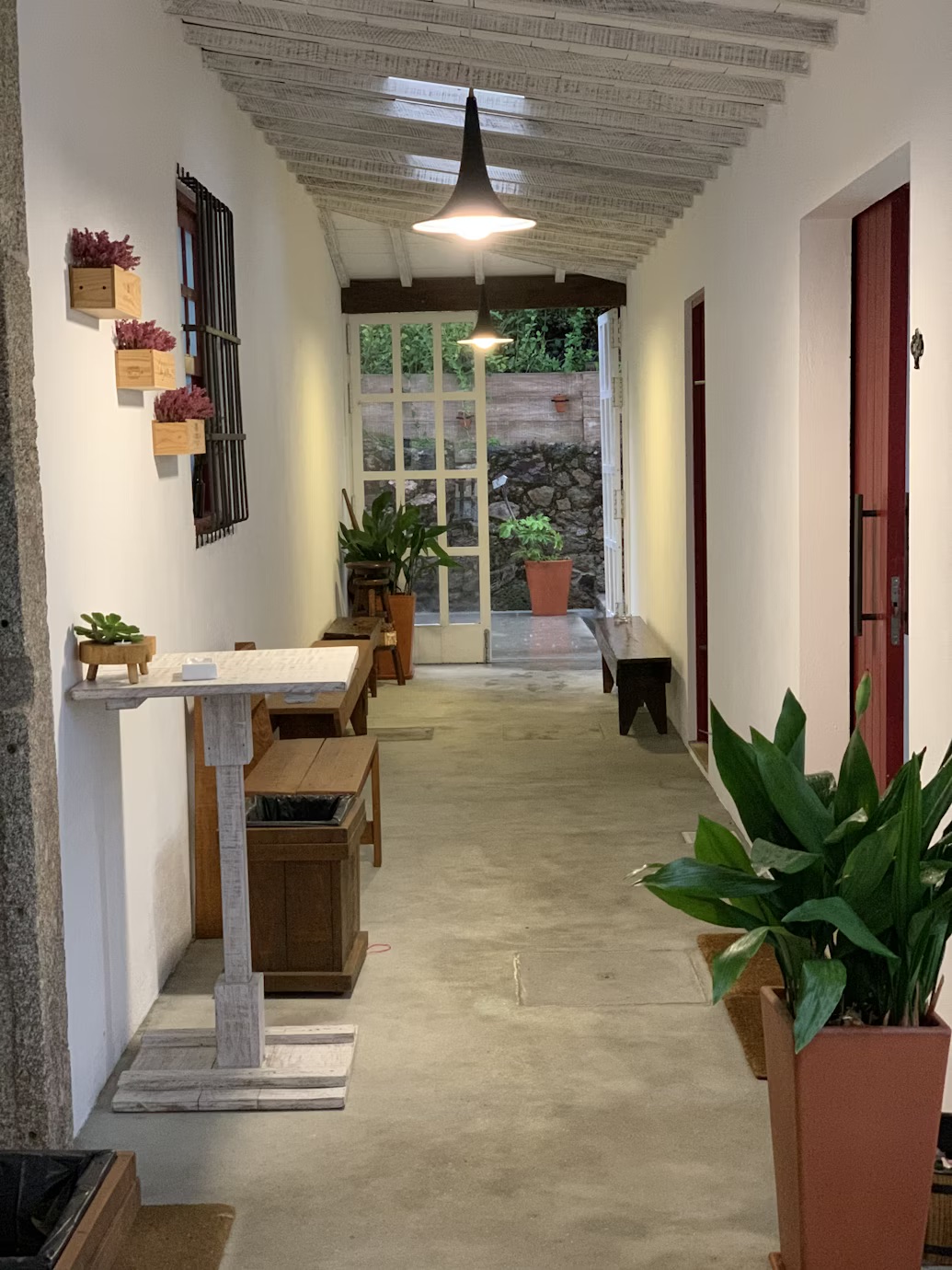
An office in a high-traffic area
An office without storage solutions
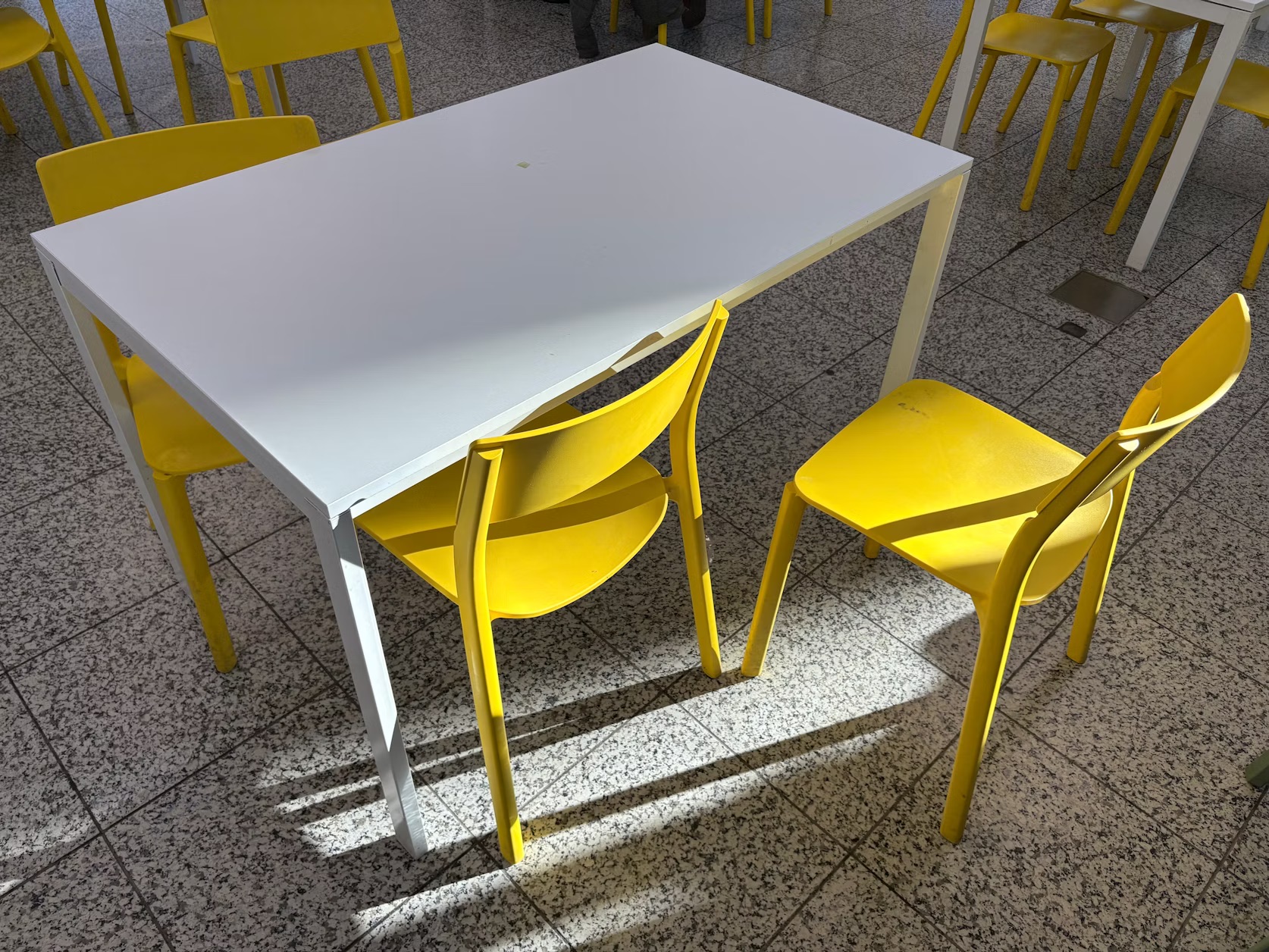
The absence of storage solutions encourages clutter and wastes time when children are looking for their pens and notebooks. This greatly compromises their organization and independence, as they'll have to consult you each time to find their textbooks or school supplies. On the other hand, when the desk has storage space, the child has all his or her belongings to hand and can manage on his or her own.