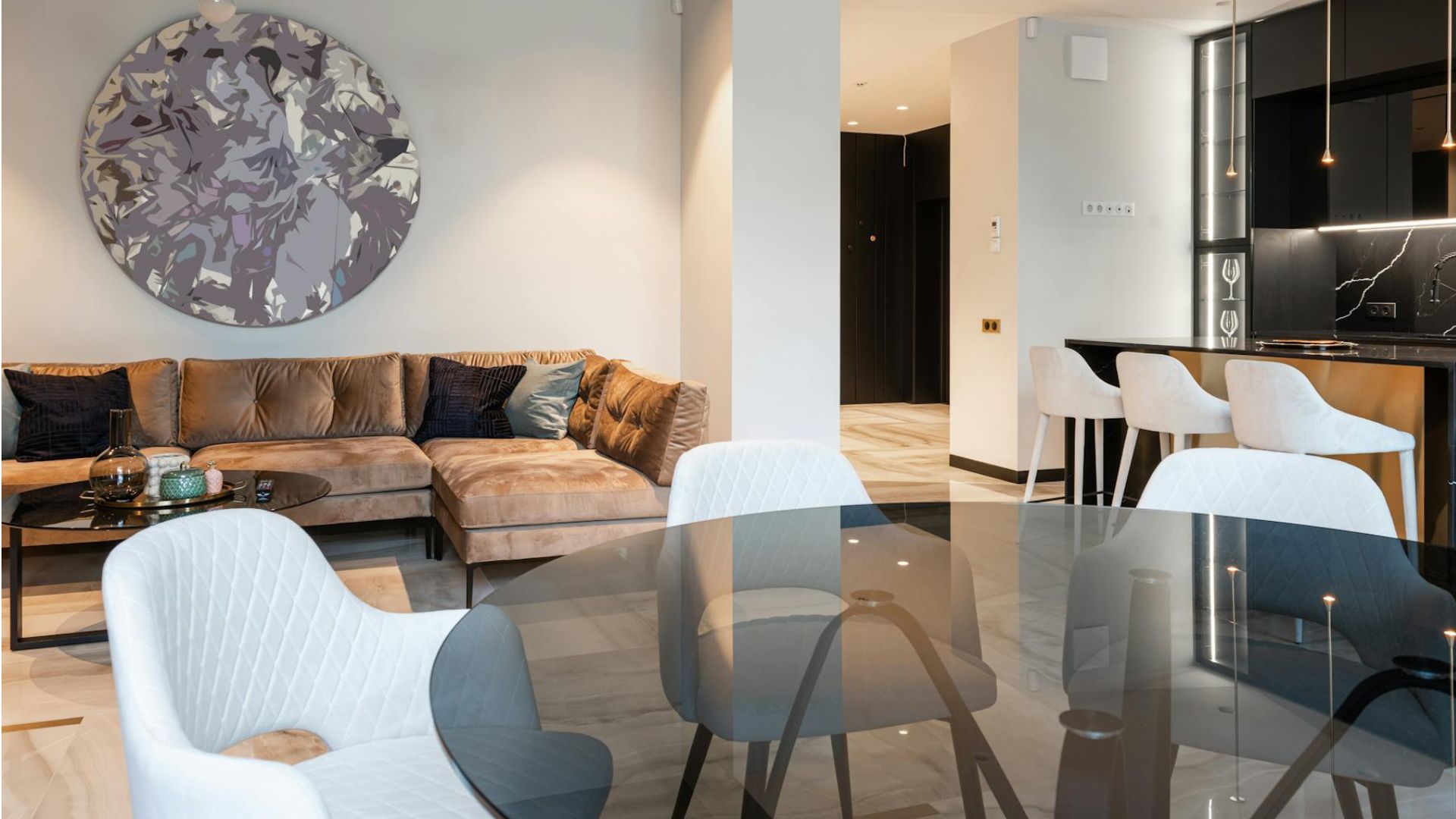
The term “living room” wasn’t always around. Back in the day, it was called the parlor—a space reserved for formal visits or, at times, even wakes. Following a wave of hardship and loss, a cultural shift occurred. People wanted their homes to feel more alive, more connected. So the “living room” was born—meant for gathering, relaxing, and actually living. That idea caught on, but here’s the thing: how you arrange the space still matters just as much. Some layouts feel effortless. Others turn the room into a maze. The difference? It’s all in the setup, and here are 14 options: seven that work and seven that don’t.
Open Floor Plan With Defined Zones
Sectional Sofa + Floating Rug Combo
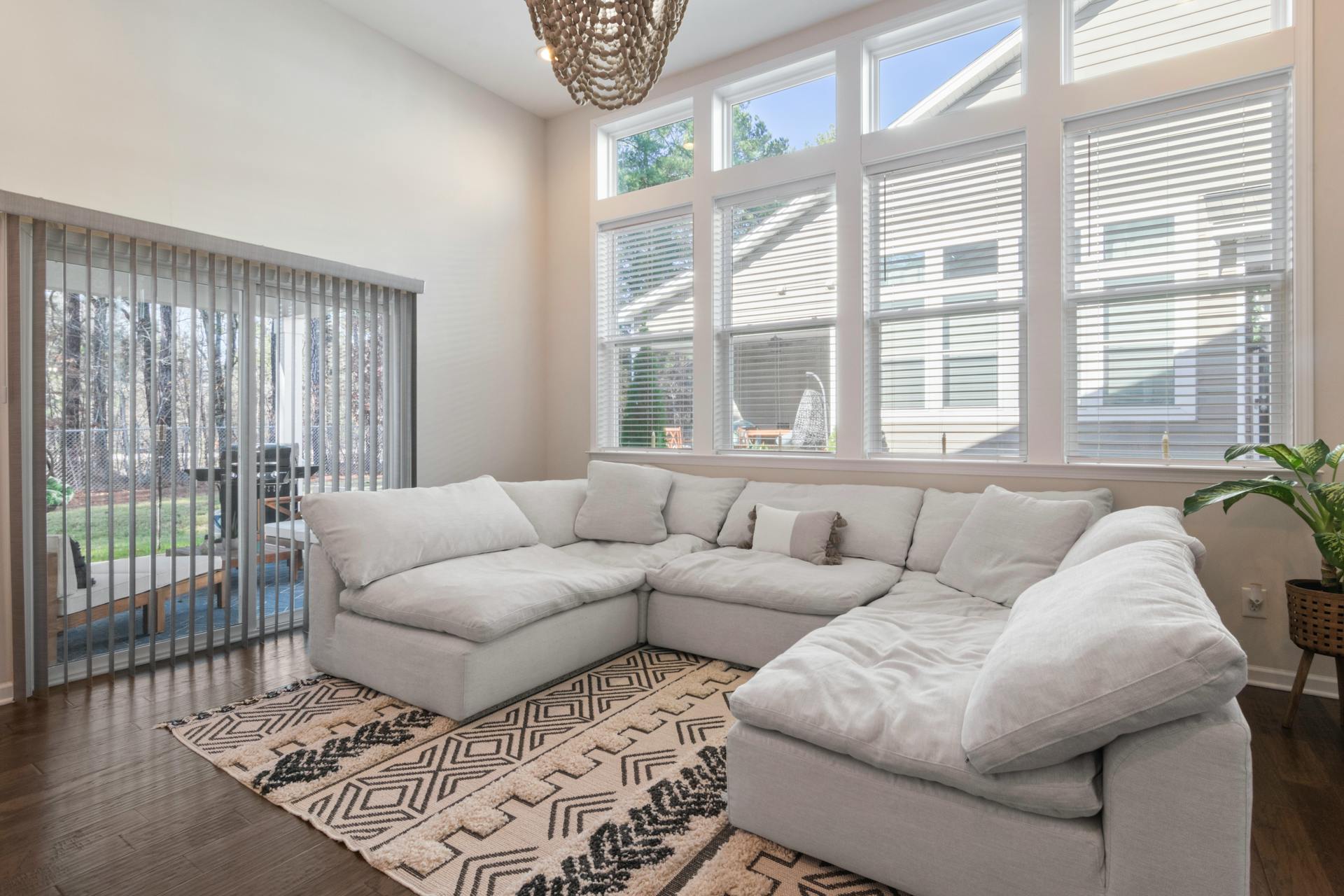
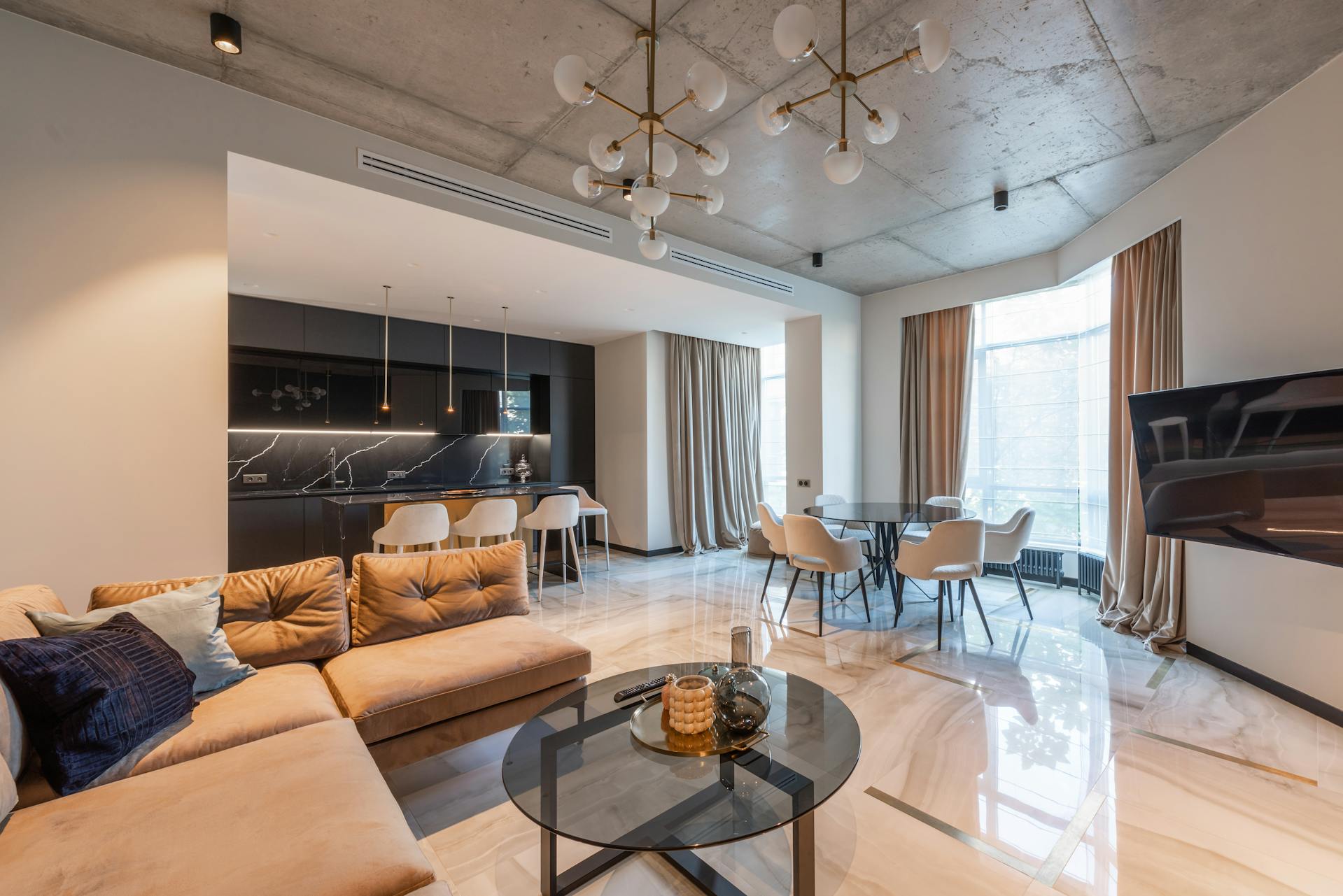
Think comfort meets cohesion with a sectional sofa, which helps keep everyone close without lining the walls. The floating rug cozies things up while giving the room an anchored feel. Families and game-night champions—this one’s for you. Bonus: It keeps the space from looking like a furniture showroom.
Window-Centric Layout For Natural Light
Conversation Circle Around A Coffee Table

Fireplace-Focused Symmetry
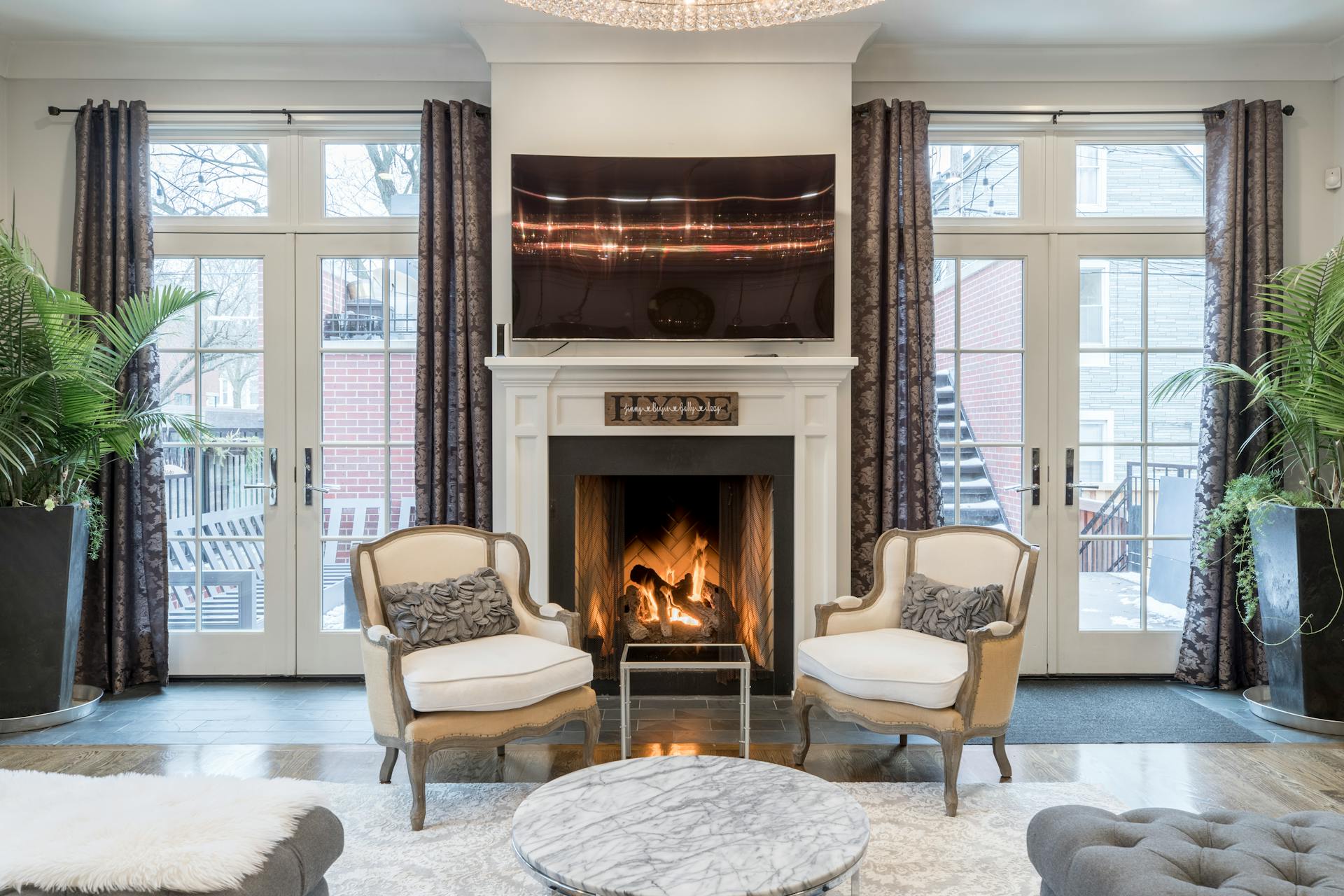
Here, the fireplace takes center stage, where you position sofas and chairs evenly around this warm centerpiece to create a layout that feels both formal and inviting. Add balance with artwork or built-in shelves above the mantle. This timeless setup shines in traditional homes and makes chilly nights feel like a page out of a novel.
Dual-Purpose Layout With Workspace Nook
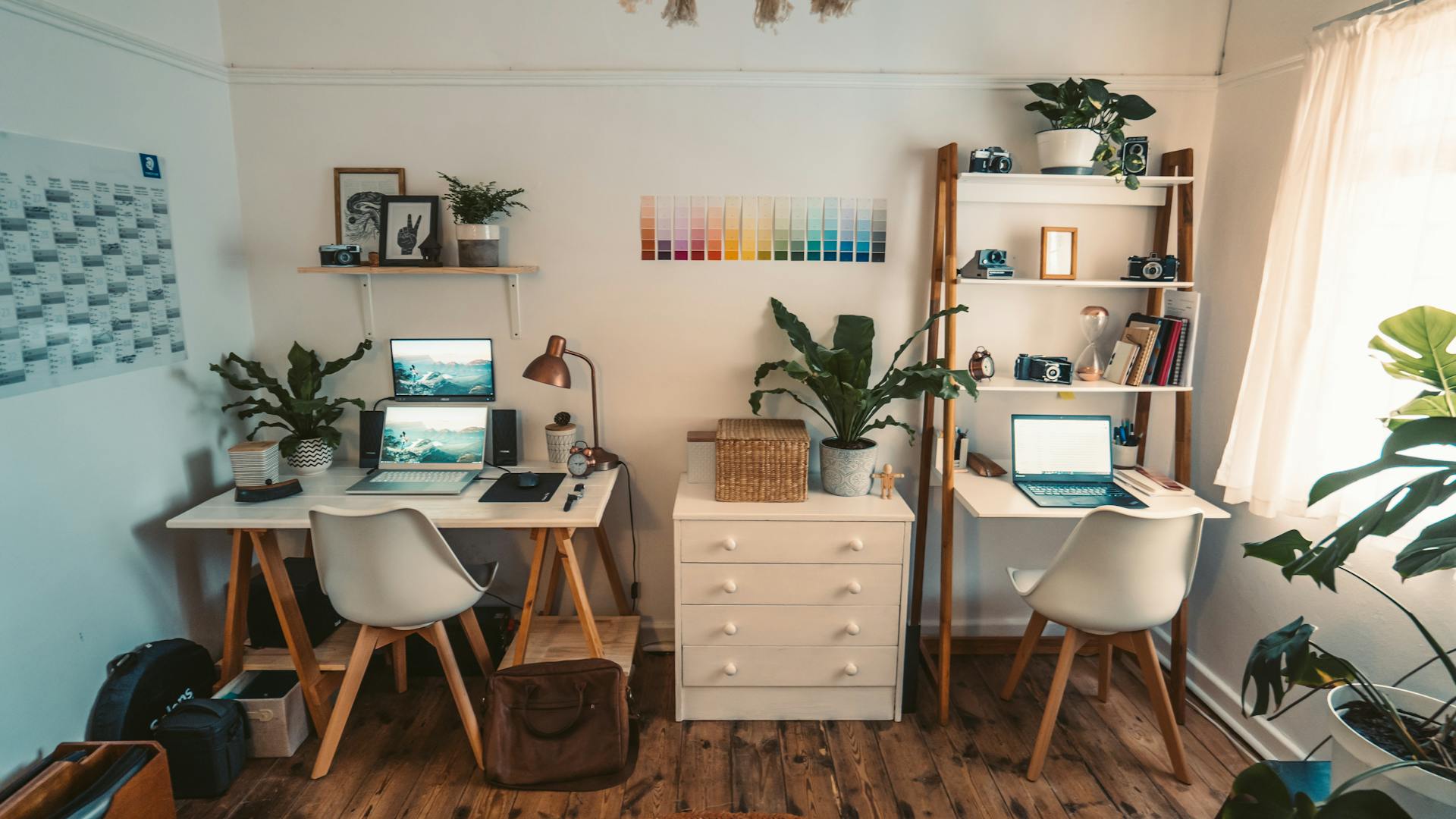
Compact Layout With Vertical Storage
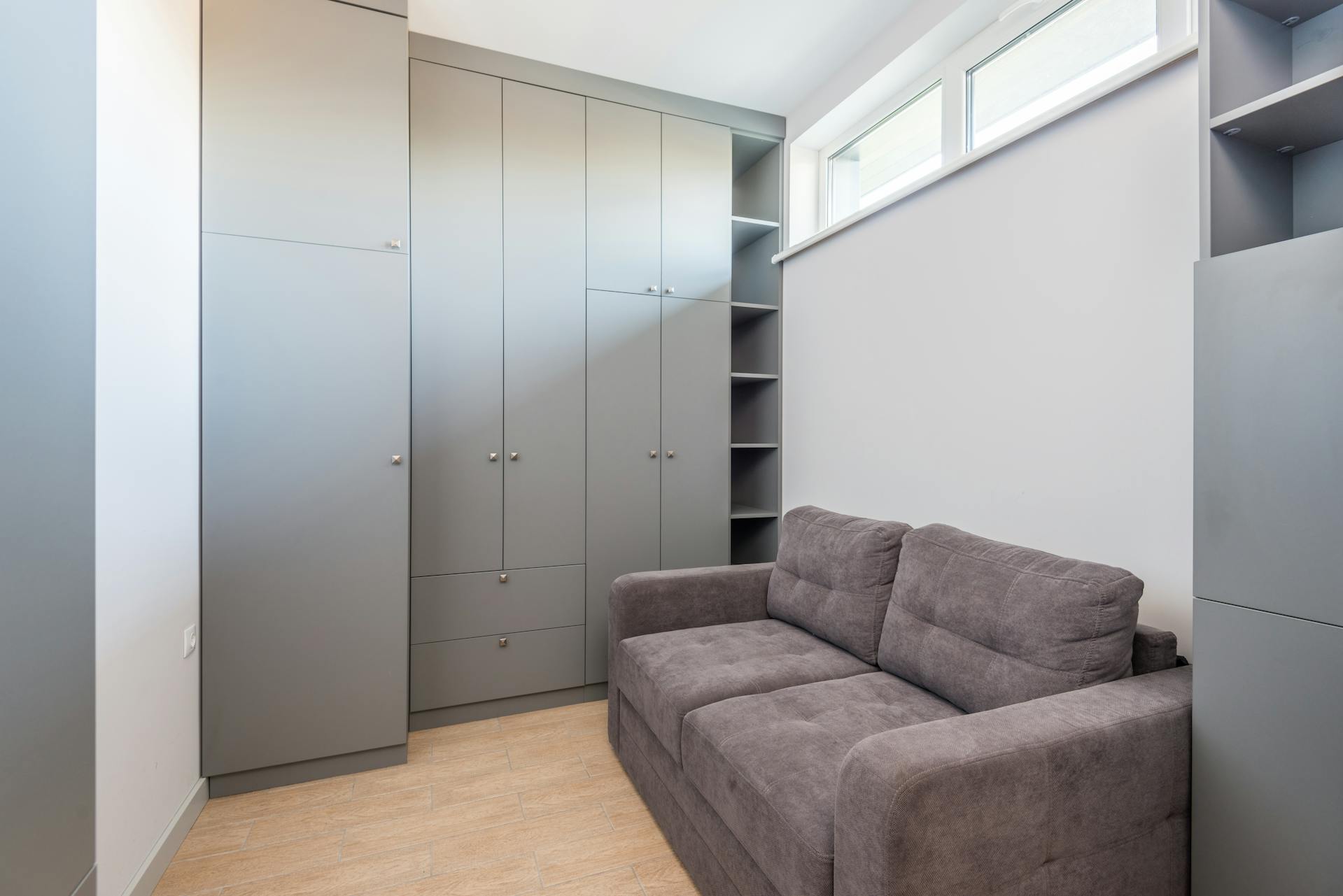
Oversized Furniture In A Small Space
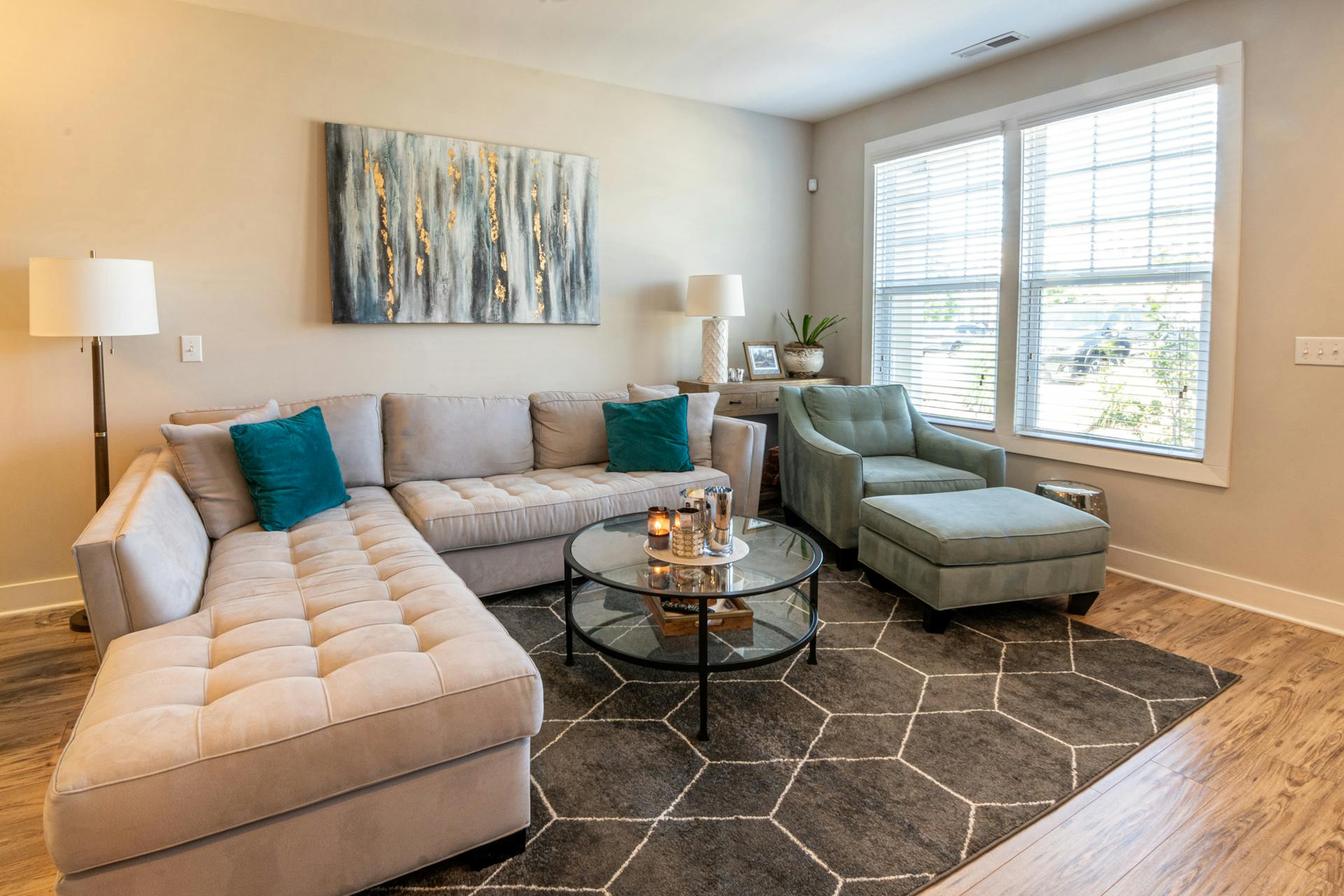
Massive couches and bulky chairs in a modest room? That’s a big design, don’t. Large furniture pieces consume space, obstruct walkways, and make movement awkward. Instead of comfort, you get daily detours. The room feels more like an obstacle course than a haven. Don’t let size sabotage flow.
TV Placed Opposite A Window
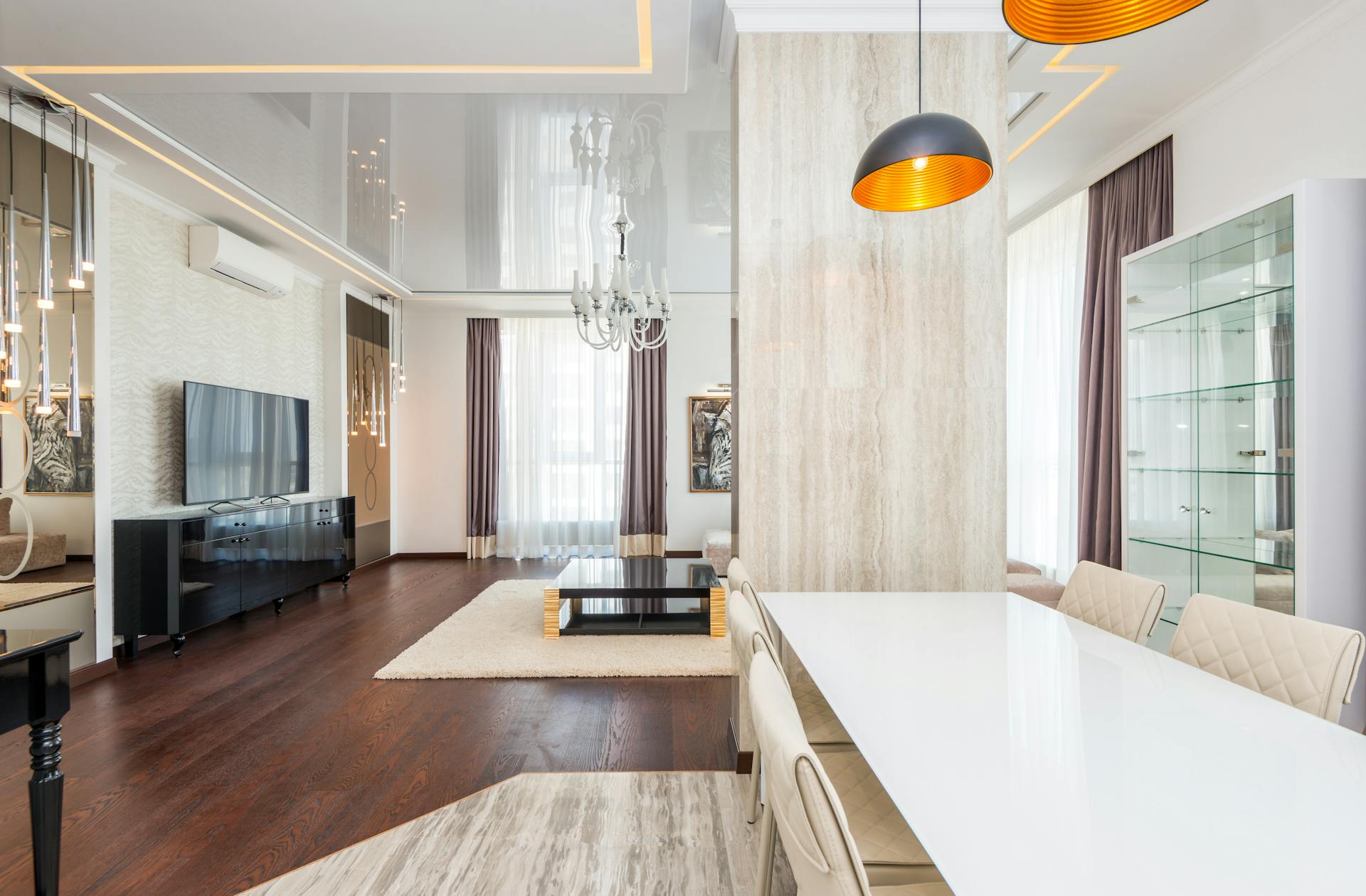
Glare. Squinting. Blackout curtains in the middle of the day. Putting a TV across from a window might seem fine—until the reflection takes over your screen. It throws off the room’s balance and turns watching anything into a chore. For better viewing, it’s worth rethinking where that screen goes.
All Furniture Pushed Against Walls
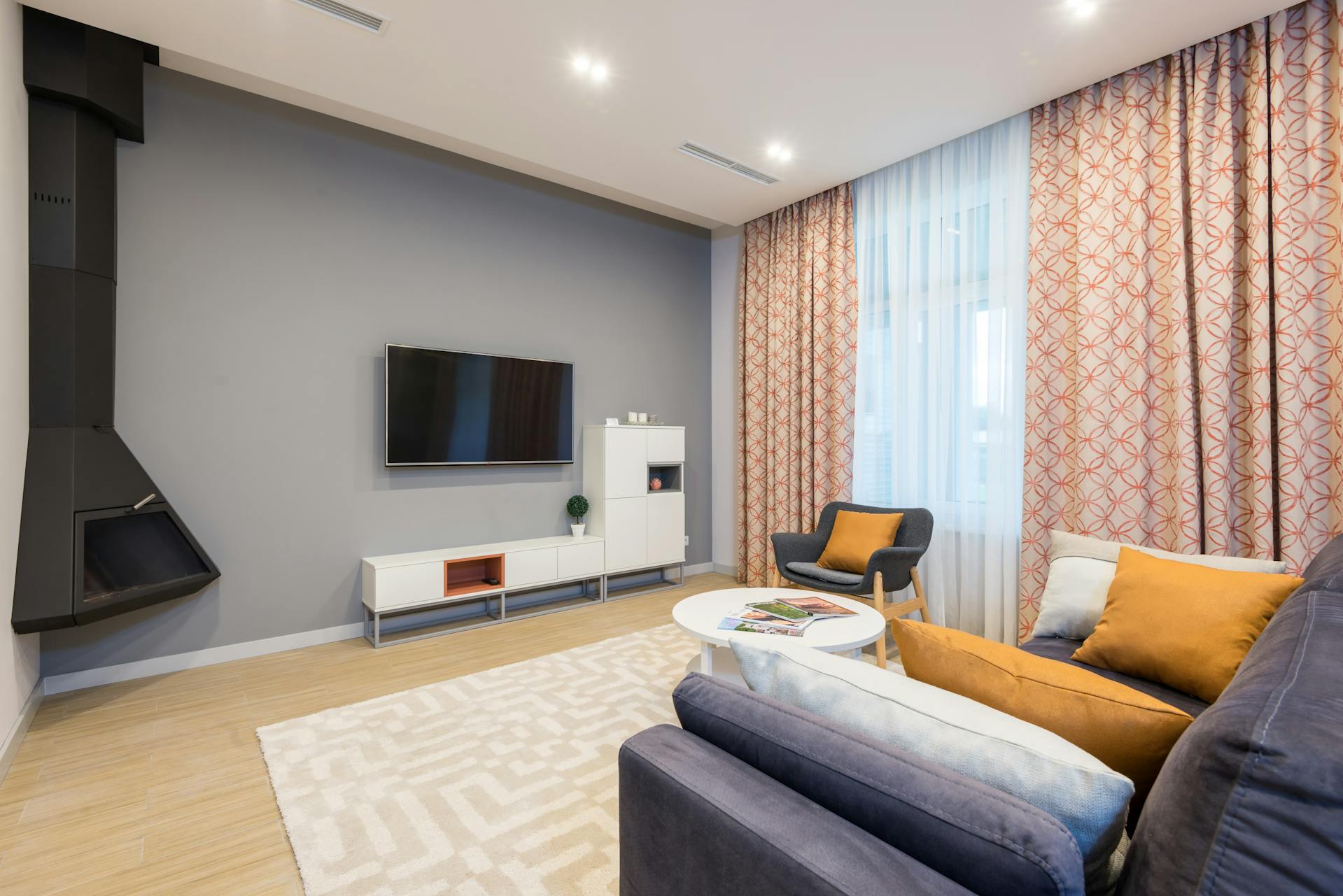
That big empty center? It’s not a dance floor. Pushing everything against the walls creates cold, disconnected seating. The room lacks intimacy and looks half-finished without a focal point. Keeping it this way feels more like a waiting room than a living space. Pulling pieces in also pulls in your guests.
Traffic Flow Blocked By Seating
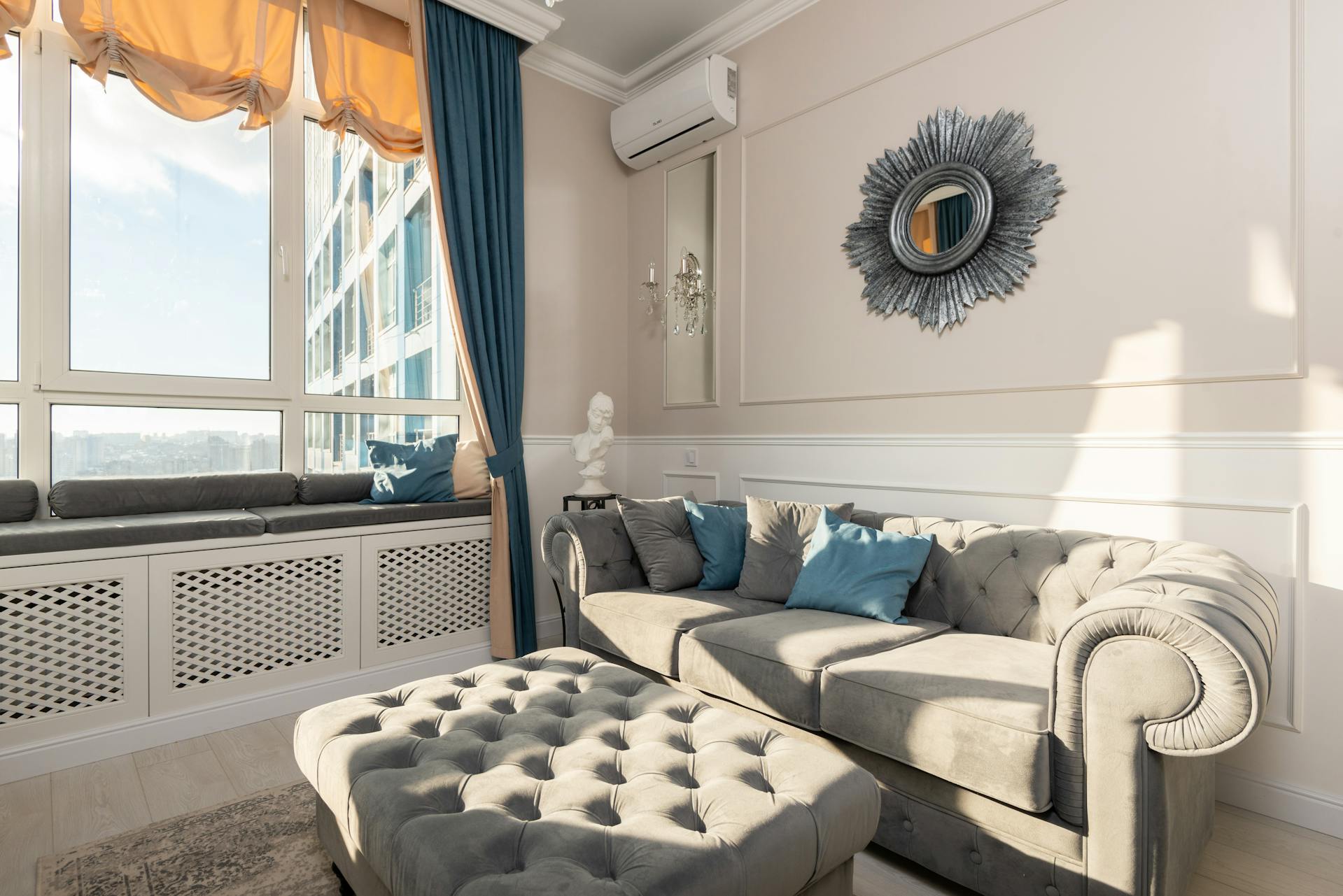
If you have to climb over a chair or squeeze behind one just to reach the kitchen, that’s a poor arrangement right there. In such scenarios, planning turns comfy seating into daily obstacles, where pieces clog up pathways, cause stubbed toes, and invite accidental spills. A clear flow is first convenient, so keep paths open.
One Massive Couch And Nothing Else
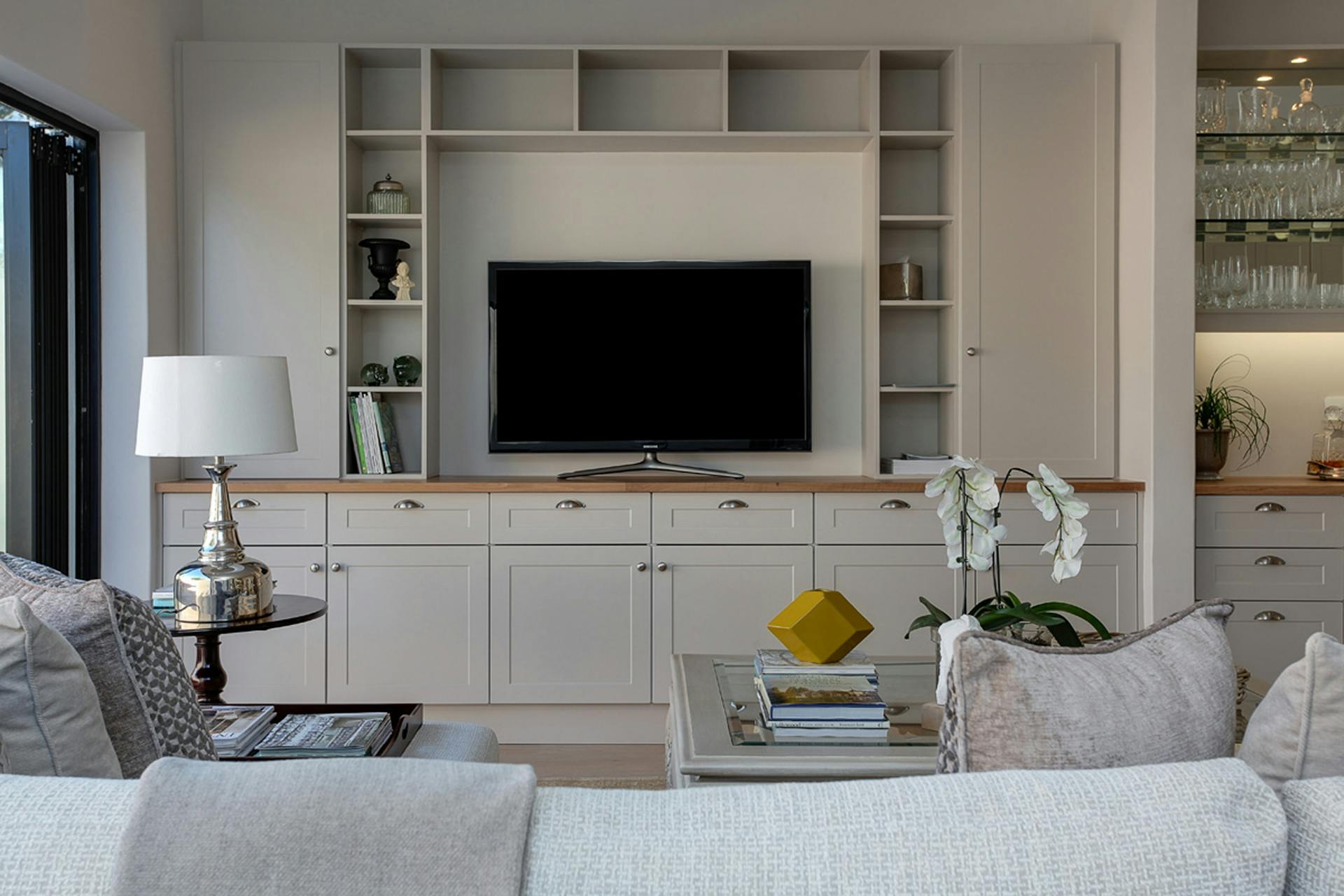
Floating TV With No Anchor Pieces
Overstuffed Layout With No Clear Focal Point
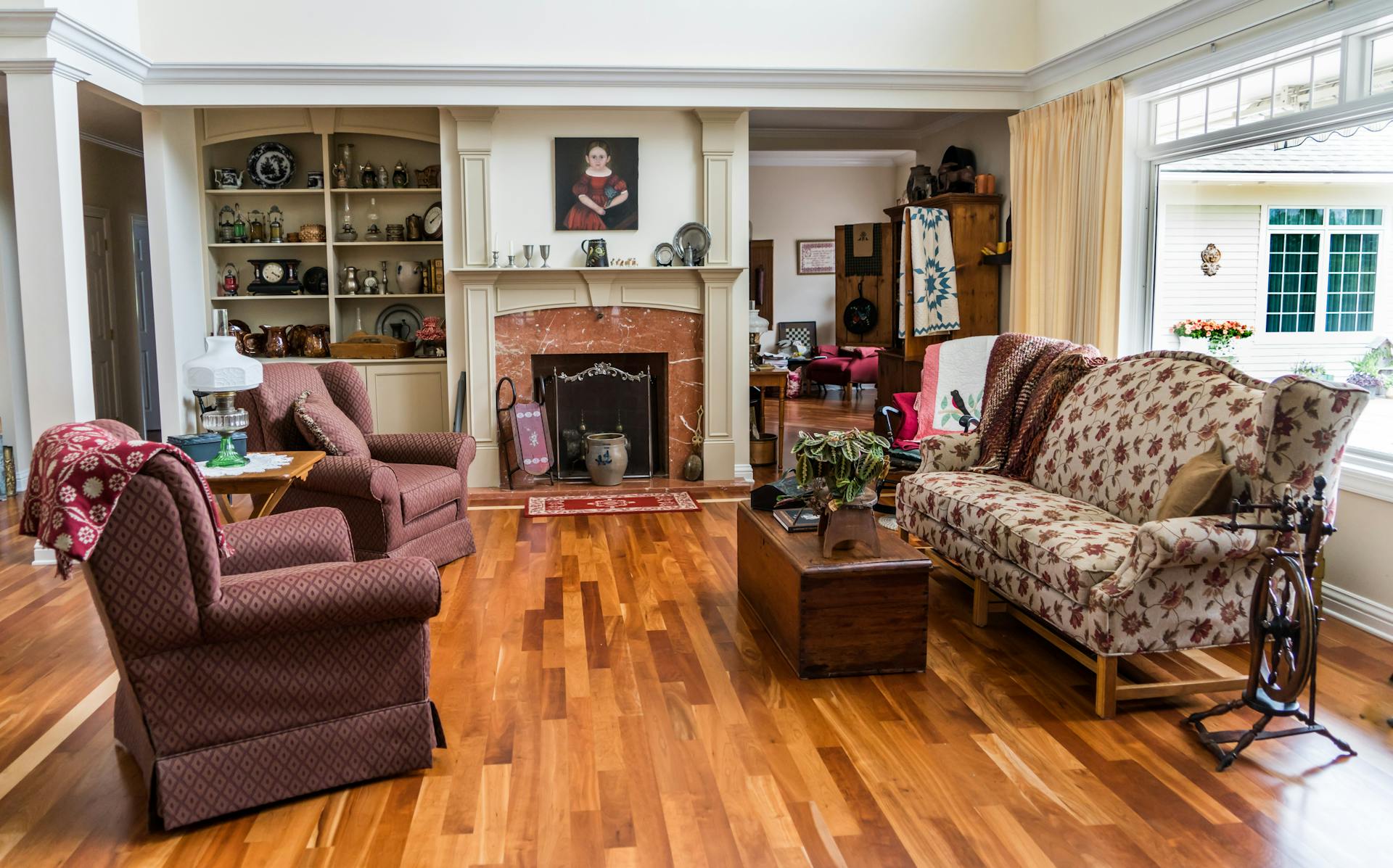
Too many chairs. Cluttered corners. And no visual center. This chaotic arrangement overwhelms the senses and confuses guests. Where do you sit? What do you look at? It’s hard to relax when everything competes for attention. Simplify and clarify. This way, the room (and your mind) will thank you.