7 Hidden Costs Of Moving And 7 Tips To Save When You Move To Your Next Home
Moving is exciting, but it can also feel like juggling boxes and surprise expenses all at once. You think you’ve got everything planned, then little costs sneak in and pile up faster than you expected. Extra supplies, last-minute meals, and even unexpected deposits can stretch your budget thin.

Moving is exciting, but it can also feel like juggling boxes and surprise expenses all at once. You think you’ve got everything planned, then little costs sneak in and pile up faster than you expected. Extra supplies, last-minute meals, and even unexpected deposits can stretch your budget thin.
The good news is that moving also opens the door to a little creativity and some clever ways to hold onto more of your cash. This list highlights the hidden costs that often sneak up on people and pairs them with practical, easy tips to keep your budget on track. Seven of each, so you know exactly what to watch for—and how to save while you’re at it!
The first lot includes the hiding costs.
Utility Connection And Deposit Fees

Deposits and connection fees often appear at your new address to get basic utilities up and running. Some companies may offer transfer discounts if you stay within their coverage area, but those savings aren’t always guaranteed. The problem worsens when one forgets to cancel them, which can result in double payments for both the new and old accounts.
Packing Supplies
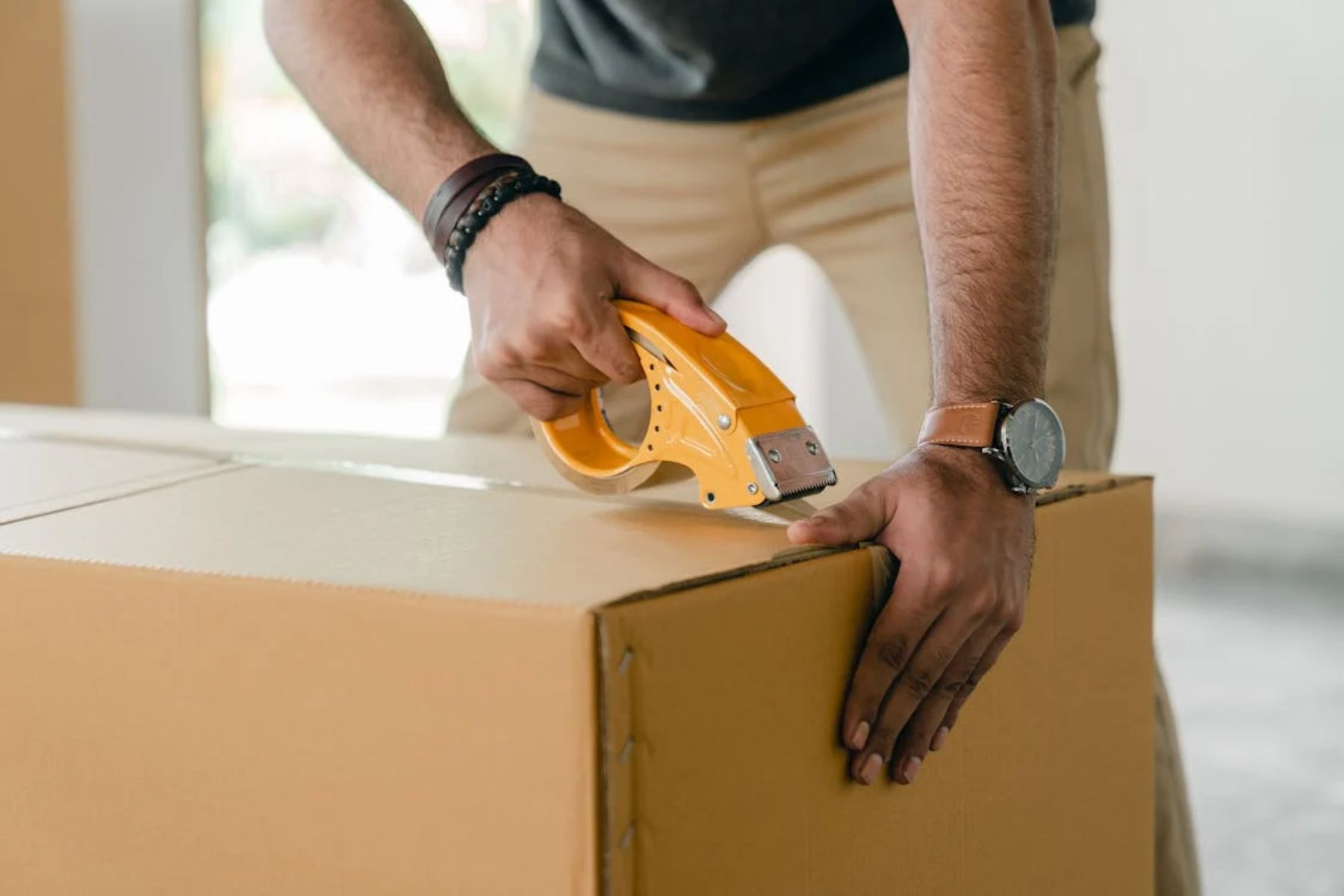
Moving means stocking up on boxes, tape, bubble wrap, and even markers. How much you’ll need depends on the size of your home and the types of items you’re packing. More fragile items like glassware or fine china call for extra bubble wrap, and a big book collection will always demand more boxes.
Cleaning Costs For Your Old Home

DIY cleaning might feel like a money-saver, but landlords often check tricky spots like ovens and baseboards with a sharp eye. When your leases require professional-level cleaning before you move out, you’ll have to find a company offering move-out cleaning specials. If you don’t, the expense can catch you off guard—even cost you part of your security deposit.
Temporary Storage Fees
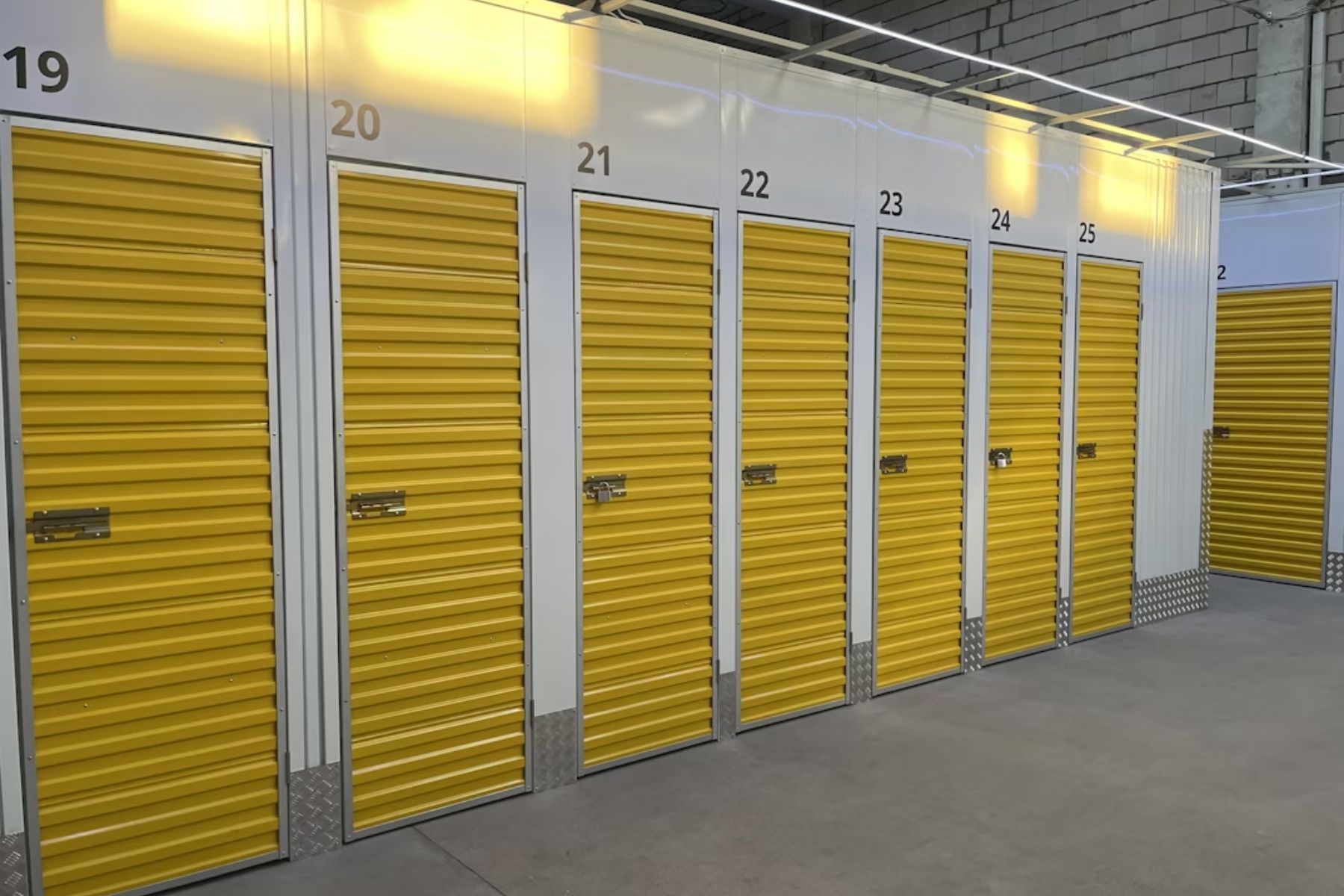
Storage unit rentals often take people by surprise during a move, especially when move-in and move-out dates don’t line up and temporary storage becomes necessary. A standard unit works for most belongings, but sensitive items like electronics or artwork may require climate-controlled options—making the costs vary more than expected.
Meals And Takeout During The Move

Food costs can sneak up quickly when your kitchen is packed, the fridge is empty, and even brewing coffee feels impossible. Until everything is set, takeout and quick bites become the norm. On the bright side, many families turn this into a chance to start fun “first meal” traditions in their new home.
Replacement Of Damaged Or Lost Items
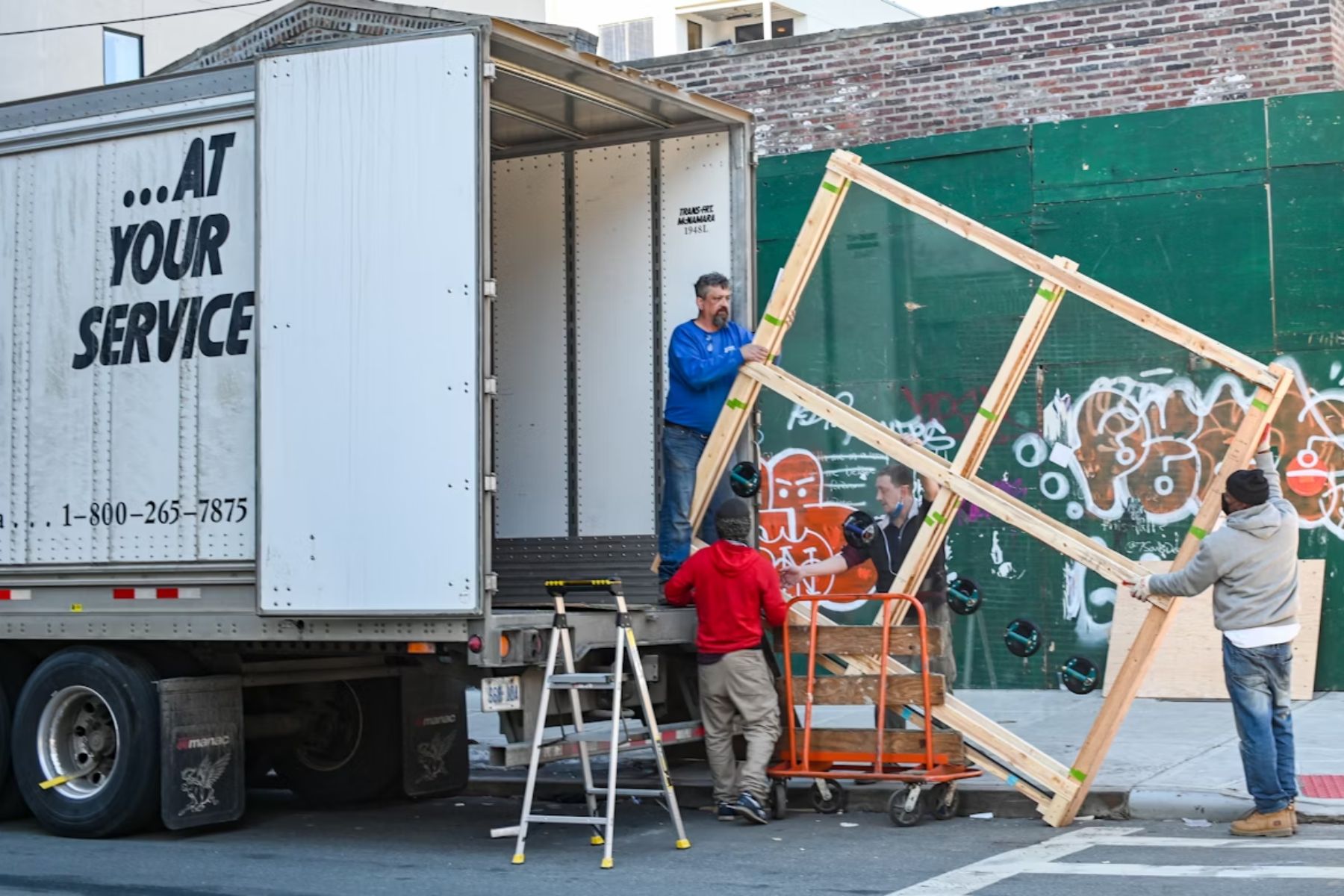
The risk of damaged or lost possessions looms over every move. Though moving insurance offers protection, these additional services come with extra costs. At the same time, valuation coverage only compensates by weight, so artwork or electronics need special consideration.
New Home Setup Costs

Last but not least, new household items and last-minute adjustments can spark unexpected expenses. Think about it—what if the curtain rods from your old place don’t fit here? That means buying new rods, plus the curtains. Maybe you’re even upgrading furniture or décor. And yes, that adds to the math, too.
Now that you know which expenses can sneak up on you, it’s time to look at some practical tips to help you save.
Collect Free Moving Boxes From Local Stores

Local retailers like Walmart and PetSmart often give away empty boxes after restocking, and they’re not the only ones. Grocery, wholesale, and liquor stores also offer sturdy produce boxes that are free for the asking. Some even include built-in dividers, making them especially useful for safely packing fragile items.
Compare Multiple Moving Company Quotes

Professional movers compete for your business, so use that to your advantage by asking about price-matching offers. Online platforms make it easy to collect quotes from multiple local companies. Once you have options, a little strategic negotiation can often lead to meaningful discounts because it helps you cut costs without sacrificing reliable service.
Declutter And Sell Or Donate Items Before Moving

Decluttering creates three key benefits during a move. First, selling unwanted items online provides you with extra cash to cover other expenses. Second, donating to charities with pickup services saves both time and effort. Third, reducing what you own means fewer boxes, lighter loads, and substantially lower moving costs.
Pack Belongings Yourself Instead Of Paying Movers

Professional packing services can substantially increase moving expenses. A do-it-yourself approach saves money by eliminating labor costs and utilizing creative household materials. In turn, your personal organization system simplifies the eventual unpacking process.
Use Household Items As Packing Materials

Instead of bubble wrap, why not use soft household items to protect fragile belongings like dishes and glassware during transit? Wrapping breakables in clothing saves space and minimizes box count. Using your own blankets and linens is an eco-friendly approach that reduces moving waste.
Cancel Or Transfer Utilities In Advance

Bills don’t stop the moment you move out, so it’s important to notify utility providers in advance. Doing so ensures essential services are ready at your new home, saves you from unnecessary penalties, and gives you a smoother transition without last-minute stress.
Ask Friends Or Family To Help With Moving

Asking friends or family to help with moving is one of the easiest ways to cut costs. Rather than paying for extra labor, you can count on trusted people to lend a hand. It saves money and turns the move into meaningful bonding time, where you create fun memories alongside the heavy lifting.