Nations don’t always speak the same language, but sometimes, they understand each other perfectly. In crisis, in celebration, in recovery, the world has moments when it moves in harmony. But just as often, it breaks into suspicion or even war. Those changes don’t happen quietly—they echo for decades. What we choose to do in certain moments either deepens our shared humanity or drives us further apart. So, before we label history as progress, we have to look at both sides. That’s where this story begins: with seven moments of unity and seven where that trust was shattered. Taken together, they tell a powerful truth about the fragile and extraordinary balance that defines life on a shared planet. Let’s start with the turning points that united multiple countries.
The Fall Of The Berlin Wall (1989)
Formation Of The United Nations (1945)

Fifty countries sent delegates to San Francisco to draft the UN Charter and lay the groundwork for lasting peace. This new organization replaced the ineffective League of Nations with stronger systems for global cooperation. The UN’s first efforts were focused on famine relief and resettling refugees, uniting nations for a humanitarian purpose.
The World’s Response To The 2004 Indian Ocean Tsunami
The Signing Of The Paris Climate Agreement (2015)
The End Of Apartheid In South Africa (1994)
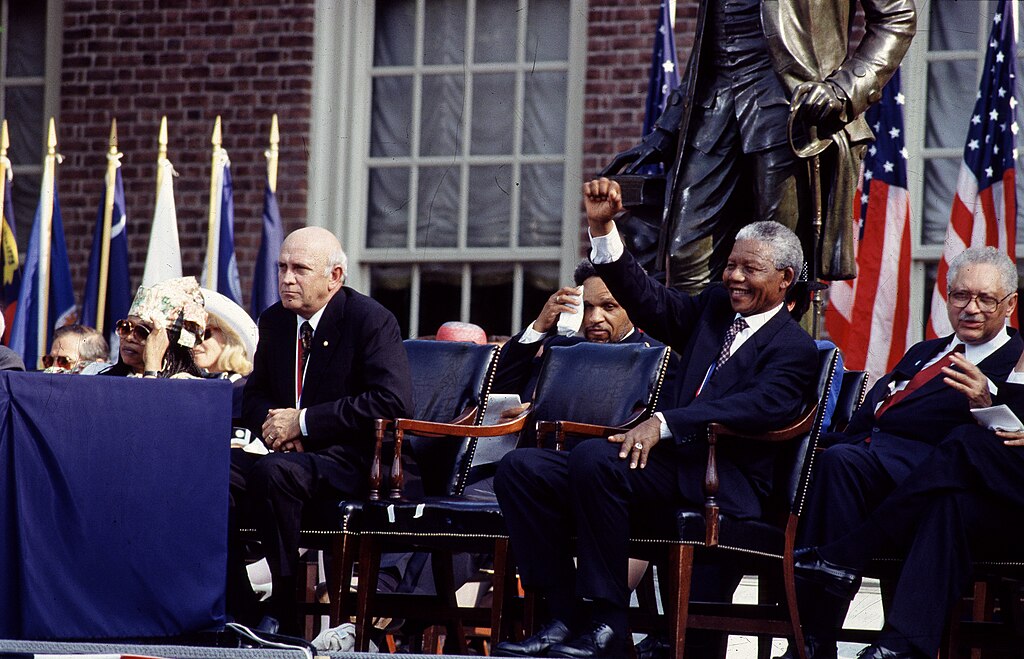
It took sustained global pressure to dismantle apartheid and usher in South Africa’s first democratic election. International observers praised the peaceful process, and Mandela’s presidency symbolized reconciliation. With the lifting of cultural and trade boycotts, the country re-entered the world stage as a united, democratic nation.
International Cooperation In The COVID-19 Vaccine Rollout
The Moon Landing Broadcast Worldwide (1969)
Russia’s Invasion Of Ukraine (2022)
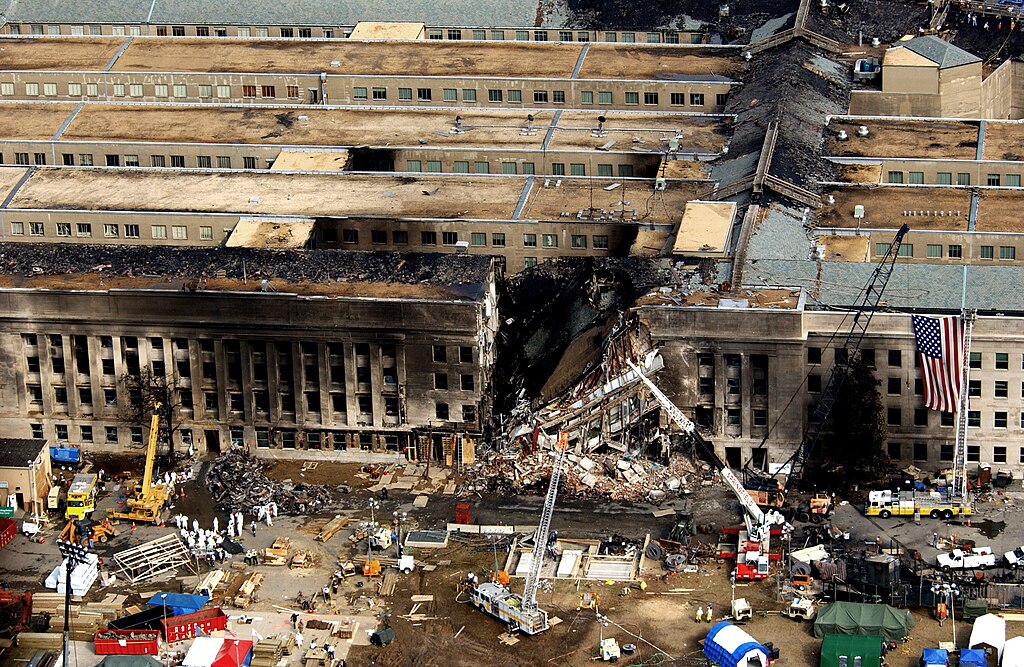
The 9/11 Terrorist Attacks (2001)
Brexit And The UK's Exit From The European Union (2016)

The U.S. Invasion Of Iraq Without UN Approval (2003)
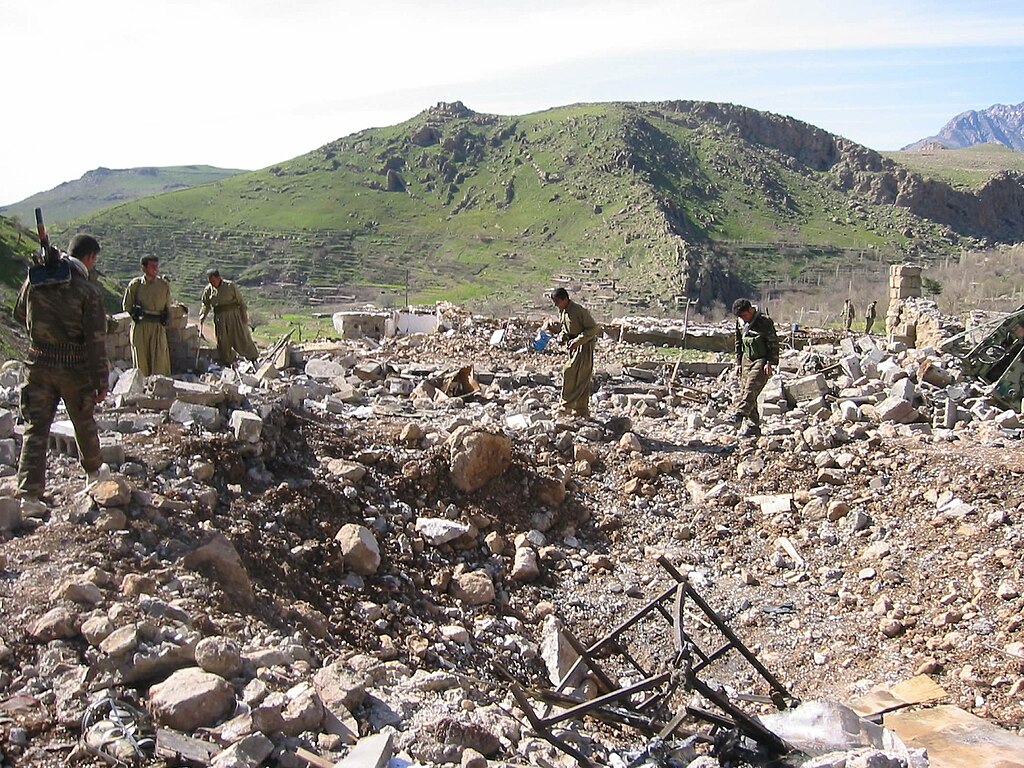
Citing weapons of mass destruction, the U.S. invaded Iraq without the United Nations' backing. Key global powers opposed the action, while mass protests erupted in dozens of countries. Ultimately, the war destabilized the Middle East and affected long-standing alliances. It also reshaped trust in Western foreign policy.
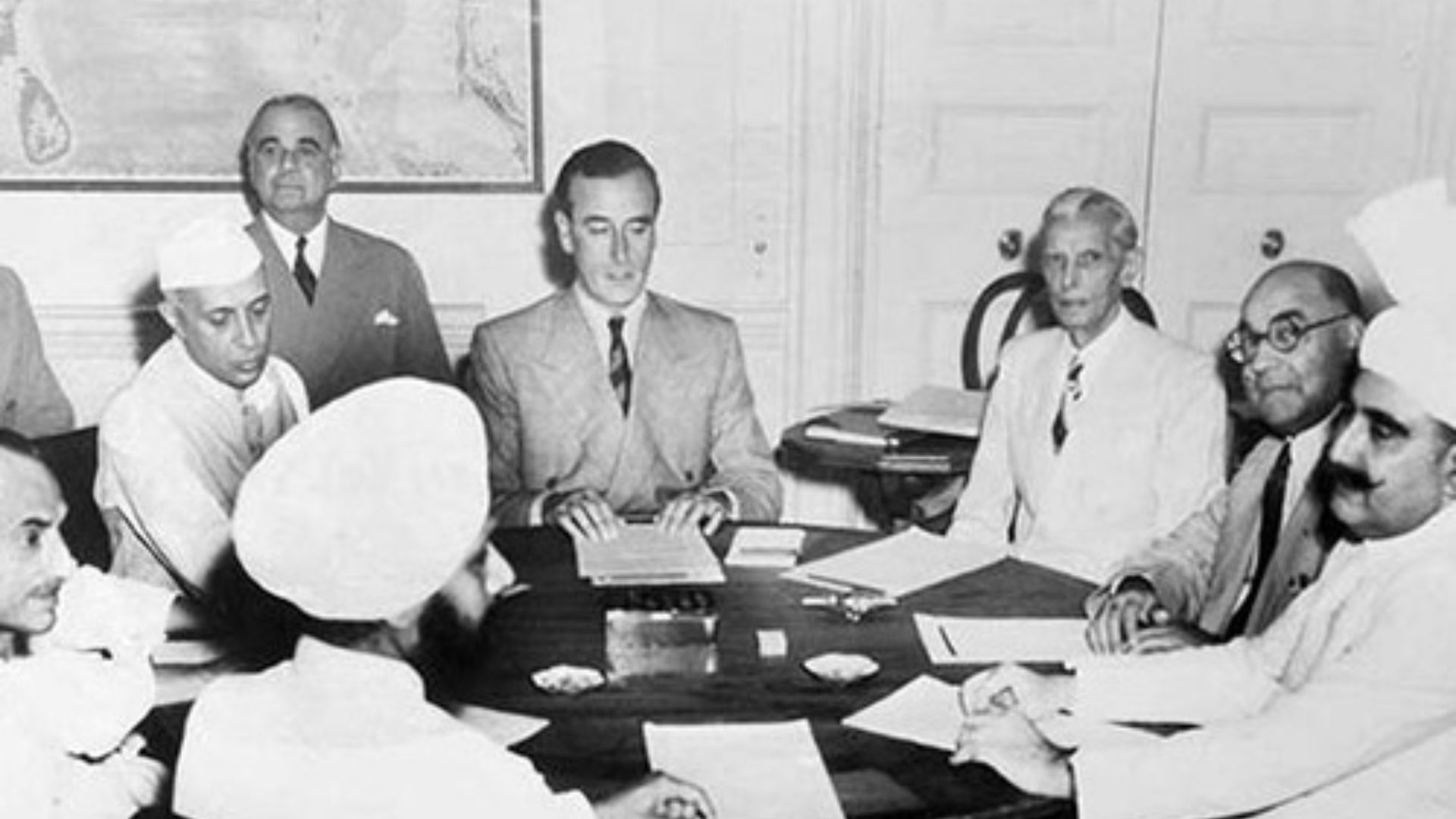
The Partition Of India And Pakistan (1947)
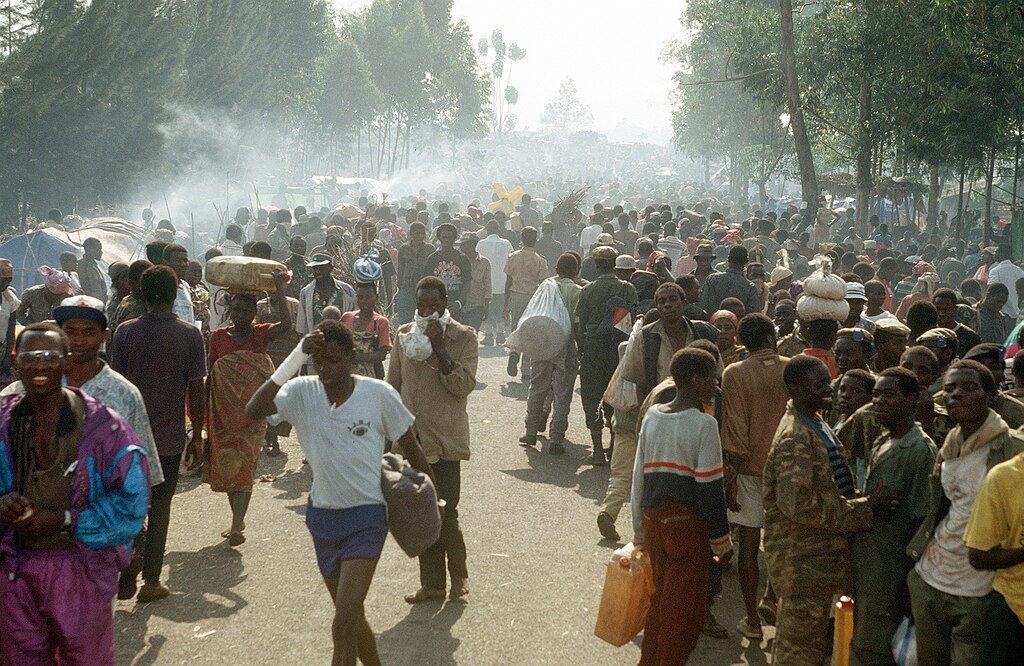
The Rwandan Genocide (1994)
The Oil Crisis Resulting From The Yom Kippur War (1973)

A surprise attack on Israel led Cold War superpowers to back opposing sides and raised fears of a wider conflict. In retaliation, OPEC cut oil exports to the West, triggering a global energy crisis. The war reshaped alliances and cemented deep divides in Middle Eastern geopolitics.