
The remote work culture had always been present, but right after the pandemic hit, it became the new normal for many. Years later, many companies are opting for the same setup, and not just out of necessity. For the company, it’s cost savings because they no longer pay for massive office spaces. For the employees, it's cozy, flexible, and kind of addicting. But let’s not act like it’s all upside; rainbows and butterflies. Once the novelty wears off, little details sneak in and start changing how work feels.
So before declaring pajamas your new office uniform, let’s talk about what makes remote work shine—and what tends to get overlooked. We’ll begin with the yays, then the nays.
Microbreaks Actually Happen At Home

Microbreaks happen naturally in home settings. A quick stretch or pet cuddle could boost your productivity. These are things you won’t find in office settings, but at home, they quietly restore focus. For those managing stress and attention, that’s a real gain. Step away for two minutes, and you’re investing in your stamina.
Introverts Thrive Without Daily Performances

Quiet minds often work their best when uninterrupted. For introverts, skipping daily chatter opens up bandwidth for ideas, not small talk. The calmness makes space for better output and less emotional fatigue. Without office noise, introverts can finally work in a way that honors their energy instead of draining it.
More Control Over Light And Sound
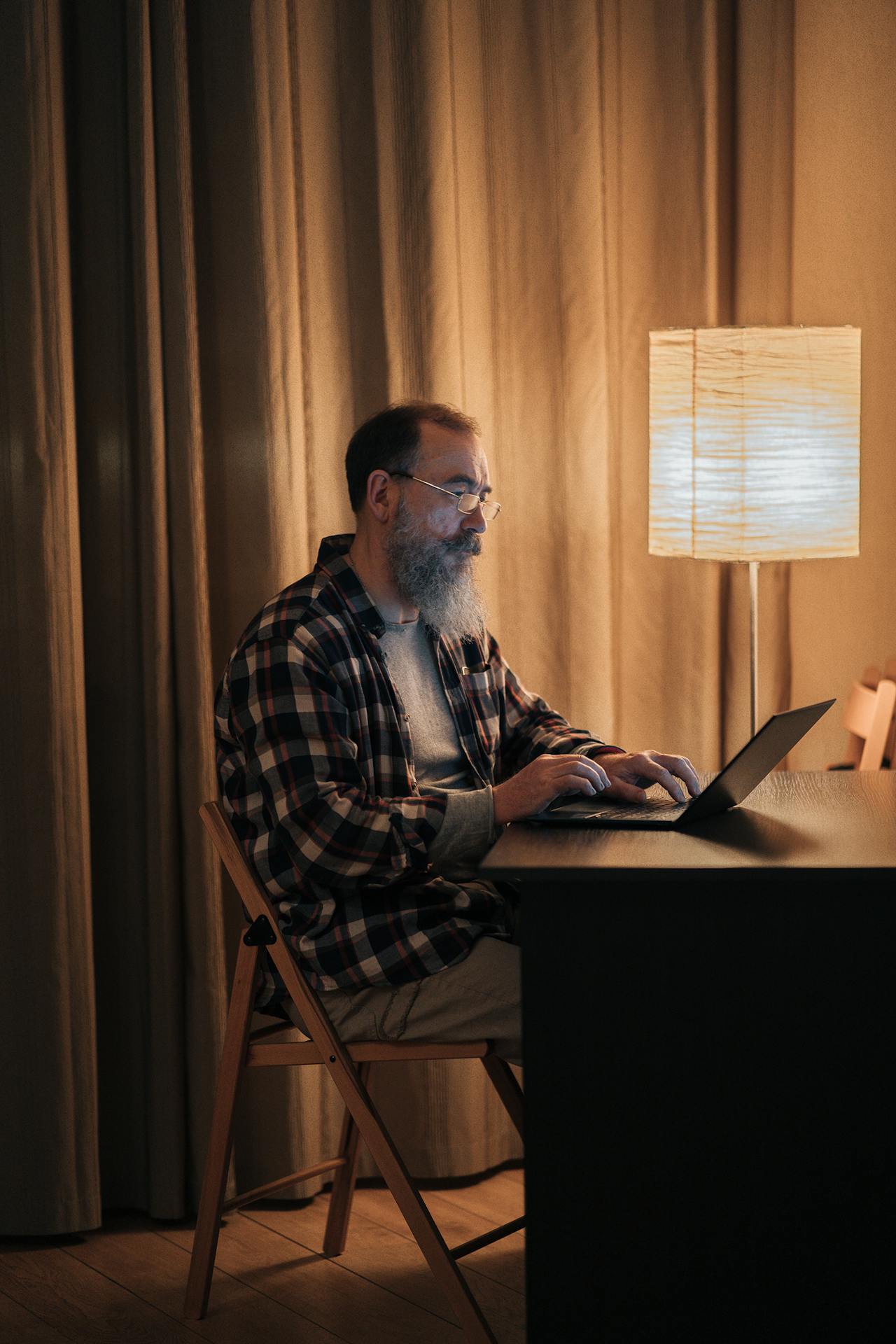
Lighting and noise control at home make a bigger impact than most expect. Harsh fluorescents and buzzing HVAC systems fade out. In their place, natural light lifts your mood, and quiet restores focus. Tired of headaches by 3 p.m.? Adjusting the brightness and volume might change everything.
Custom Workspaces Support Neurodivergence

A custom workspace is beyond fancy desks—it also includes comfort that helps regulate thought and feeling. At home, neurodivergent workers can fine-tune their surroundings without awkward stares. The freedom to move, stim, or sit quietly without disruption leads to better focus and better results.
Deep Work Gets A Fighting Chance

Deep work doesn’t thrive on constant chatter or interruptions. But when the surroundings are quiet and serene, it's easier to carve out protected time. When meetings become written updates and doors actually close, attention stabilizes. You get longer, uninterrupted blocks, the kind of focus that builds real progress.
Localized Life = Lower Carbon Footprint

One laptop, one home setup, and suddenly you’re shrinking your carbon footprint by nearly two tons a year. This right here is not a green marketing slogan, but a proven effect. No more gas for the daily grind. Fewer energy-sucking office lights. Multiply that by millions of workers, and it adds up fast.
Pets Become Emotional Coworkers

There’s a reason that tail-wagging around home offices boosts morale. Pets are companions you never knew you needed. A dog walk turns into a thinking break. A cat crash-landing mid-meeting might be the laugh everyone needed. And science backs it: loneliness and stress dip significantly when pets are part of the daily grind.
Now that we've looked at ways working from home boosts productivity, here are some examples of remote work hurting the employee, and their work.
Home Becomes A Permanent To-Do List

Living where you work means never really clocking out. And the constant reminders of your life, like a pile of laundry in view, can pull focus faster than a Slack ping. This mental tug-of-war between job tasks and housework builds stress quietly. Even Saturday mornings lose their reset magic when work mode never fully shuts down.
verdocumentation Can Kill Flow
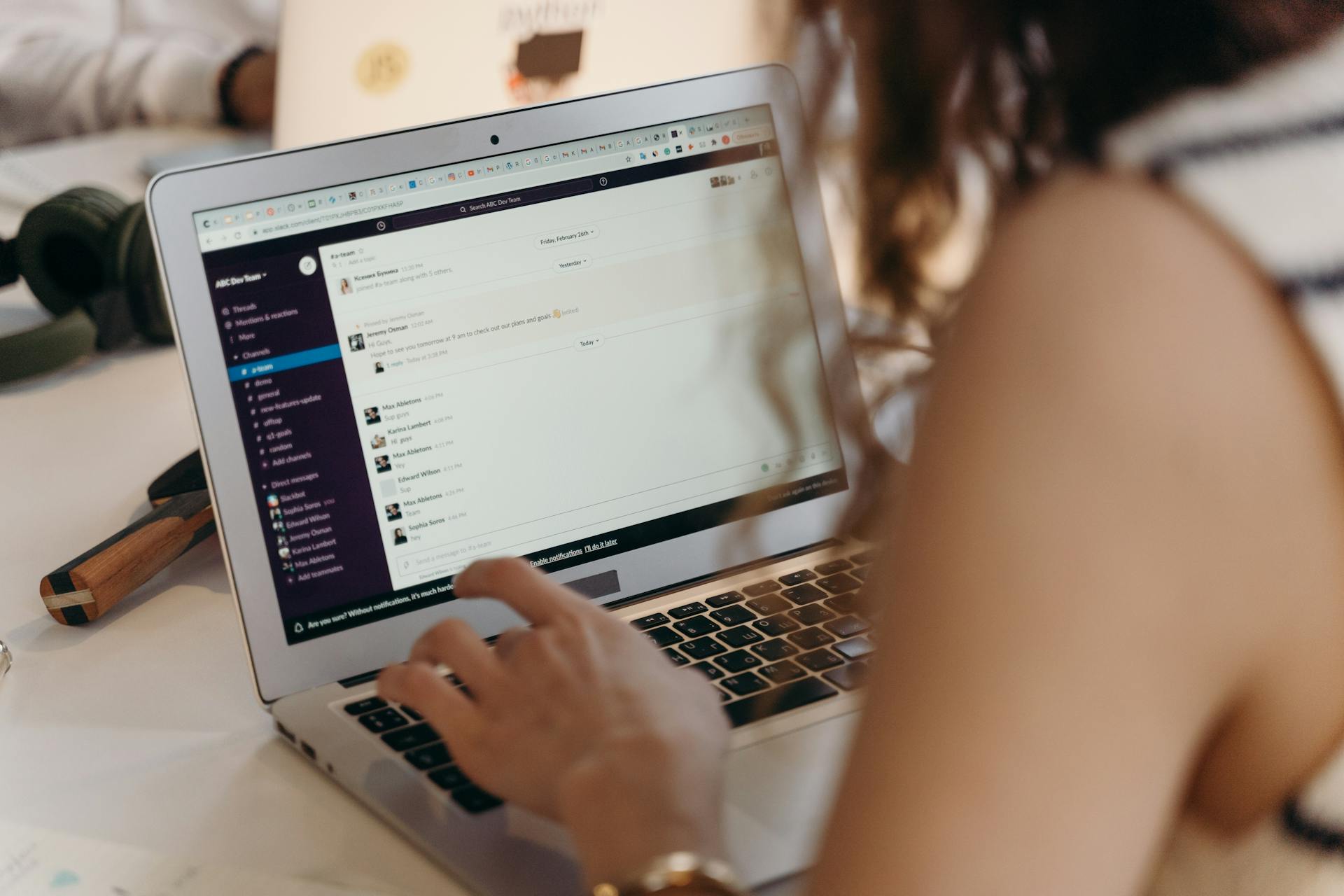
Writing everything down keeps teams aligned, but it also slows down momentum. What could’ve been a fast hallway pitch turns into a carefully worded Notion doc. Brainstorms pause while formatting gets debated. Sure, good ideas still happen, but they often hit friction before takeoff.
You Miss Spontaneous Cross-Team Serendipity

Those random coffee pot convos? They used to fuel ideas no one was assigned to think of. Remote setups tend to keep people in their lanes. Unless someone’s name is tagged, they’re out of the loop, and that limits the happy accidents that push teams into breakthrough thinking.
Digital Body Language Is Exhausting
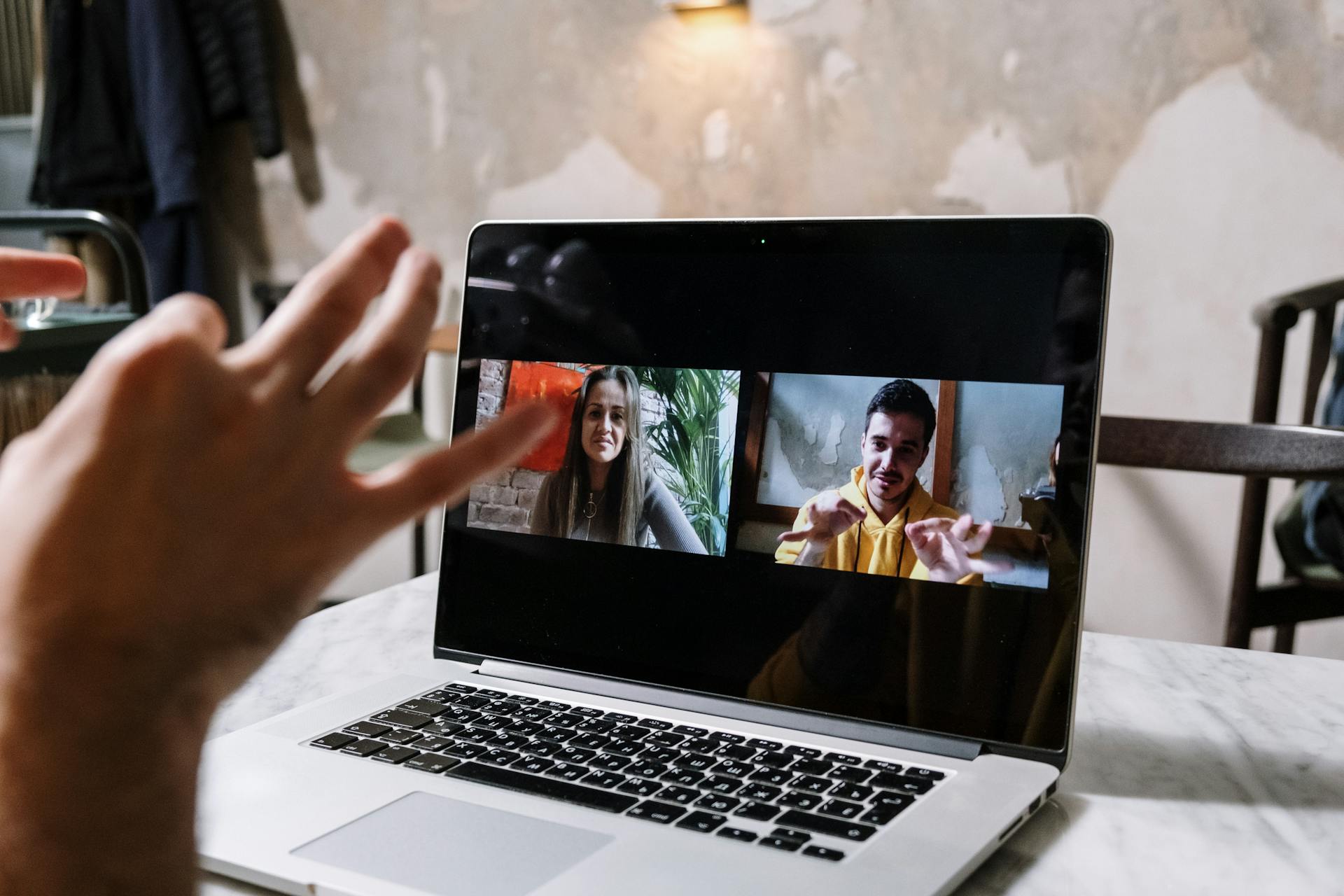
On screen, reading the room becomes a guessing game. A two-second lag can feel like judgment. In some instances, others will fake by smiling harder, or nodding more to compensate to seem “engaged,” even if they’re wiped. Multiply that across meetings, and burnout doesn’t wait for Friday.
Time Zones Warp The Calendar
One teammate logs off, another logs on—it never ends. Trying to sync remote teams across time zones can flatten the calendar. Special days lose their meaning when meetings don’t pause. Before long, your days stretch thin, and your downtime vanishes.
Your Promotions May Get Delayed

Out of sight often means out of raise cycles. Praise in passing doesn’t happen when you’re a square on a screen. Without face time, recognition turns into a chore, something workers must ask for rather than earn naturally. That changes the promotion game entirely.
Digital Clutter Quietly Adds Up

It starts with one more tool, one extra doc, and before long, search bars become black holes filled from corner to corner. Jumping between platforms just to find a single update drains mental energy fast. What used to be a one-click answer now takes 15 minutes.