7 Signs A Used Car Is A Great Deal & 7 Red Flags To Avoid
When buying a used car, it’s not just about finding a low price but knowing what gives real value and what’s cleverly disguised trouble. Some vehicles have been cared for like family, others patched up to fool the next buyer.
Since the difference often hides in the details most people overlook, you need to go beyond the surface, looking past fresh wax and persuasive talk to spot what truly matters. This will save you a lot of time, money, and frustration.
If you’re exploring the used car market right now, this list is your roadmap to making a smart, confident purchase. Let’s kick things off with the seven green flags that signal a deal worth driving home.

When buying a used car, it’s not just about finding a low price but knowing what gives real value and what's cleverly disguised trouble. Some vehicles have been cared for like family, others patched up to fool the next buyer.
Since the difference often hides in the details most people overlook, you need to go beyond the surface, looking past fresh wax and persuasive talk to spot what truly matters. This will save you a lot of time, money, and frustration.
If you’re exploring the used car market right now, this list is your roadmap to making a smart, confident purchase. Let’s kick things off with the seven green flags that signal a deal worth driving home.
Full Service Records Provided

The true measure of a vehicle's health lies in complete service records that reveal the full story: documenting every major repair and routine service performed. This comprehensive history demonstrates consistent care and helps prevent costly surprises from neglected upkeep.
Low Mileage Relative To Age
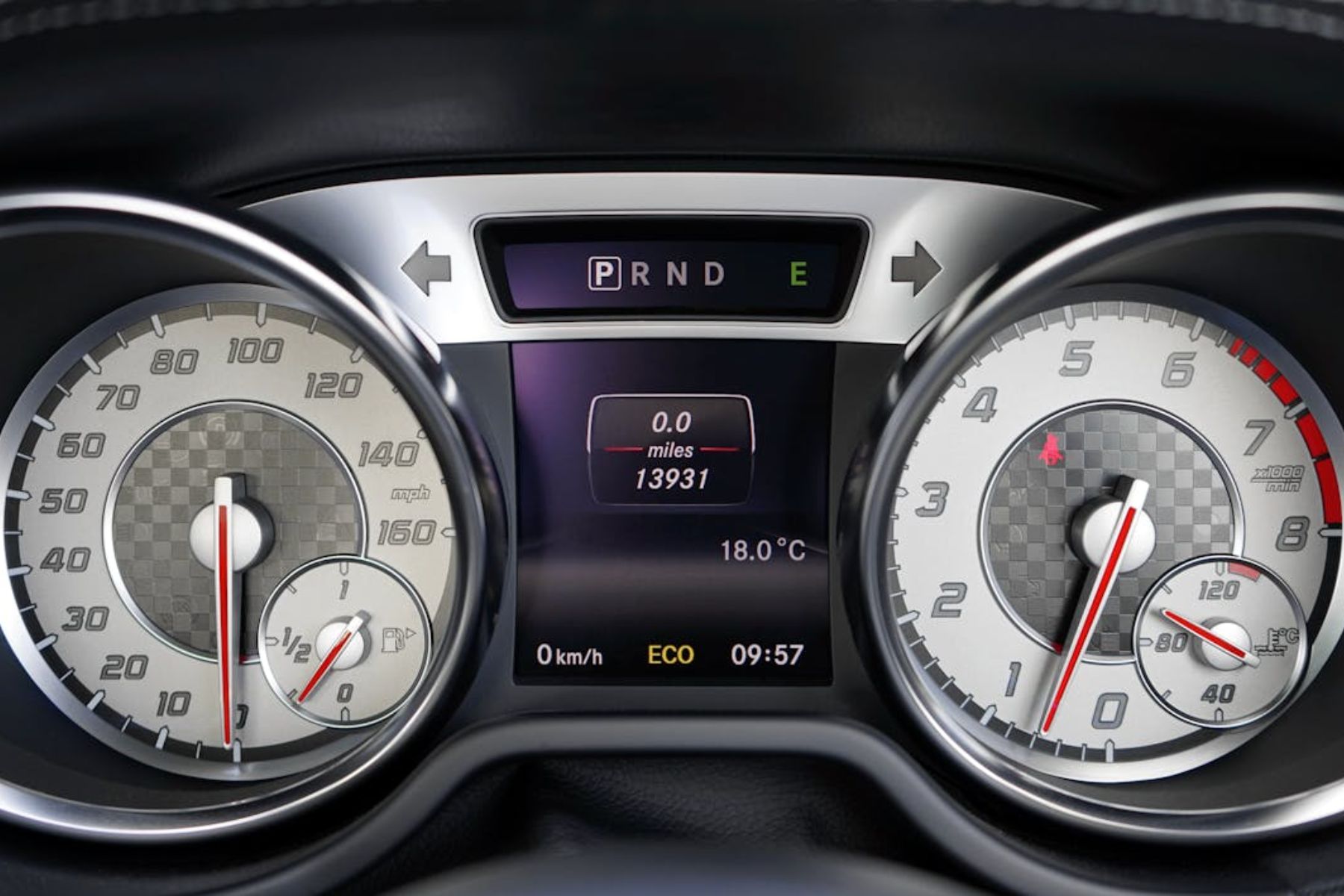
A vehicle with annual mileage under 12,000 hints at promising longevity. It shows that key components like the engine and brakes haven't faced excessive wear. However, you need to be smart here because extremely low readings on older models could signal odometer tampering.
Single Owner History

Like a well-documented case file, vehicle history demystifies a car's past—and single-owner vehicles tell an especially interesting story. These sought-after models typically showcase consistent usage and maintenance patterns, which makes potential issues easier to spot and verify. No wonder dealerships eagerly highlight these gems.
Clean Title With No Liens

A car's pristine title status confirms it has never been insurance-totaled due to severe damage, flooding, or theft. With zero liens or loans attached, you're guaranteed clear ownership without inheriting someone else's debt or legal complications. Many states allow you to verify title status online through their DMV websites.
Passed Independent Inspection

The stark contrast between sellers who welcome independent inspections and those who resist them tells you a lot about the car’s integrity. While trustworthy dealers offer certified pre-inspected cars, you can still choose an external inspection service if needed.
No Major Accidents On Vehicle History Report

Any seasoned mechanic knows that hidden damage can cripple even the most pristine-looking car. An accident-free vehicle history report strongly suggests the frame and mechanical components haven't suffered serious hits that compromise structural integrity. These reports can reveal major collisions.
Interior And Exterior Well Maintained

Clean interiors and well-kept exteriors typically indicate responsible ownership, while stains and excessive wear point to neglect. Always look for sun-damaged paint and cracked dashboards, as these are the most reliable indicators of long-term care that can't be easily hidden with a quick detail job.
Now, let’s move to the seven red flags that scream “bad deal.”
Seller Refuses A Pre-Purchase Inspection
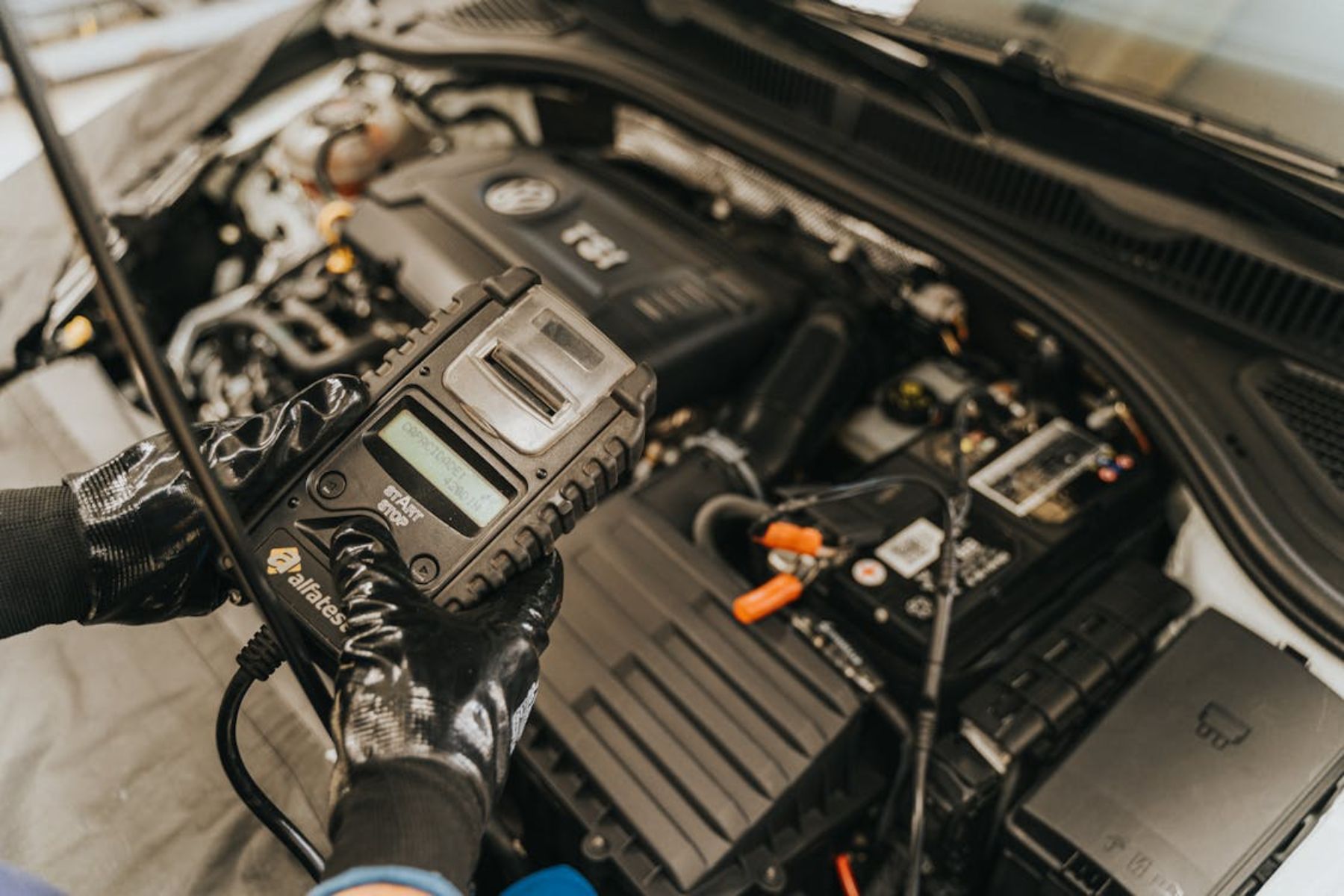
Today's savvy car buyers have powerful inspection options at their disposal, from bringing personal mechanics for on-site evaluations to hiring dedicated third-party services. A trustworthy dealer will welcome thorough examinations to validate their vehicles; those who block independent inspections typically have concerning issues they’re trying to hide.
Title Listed As Salvage Or Rebuilt
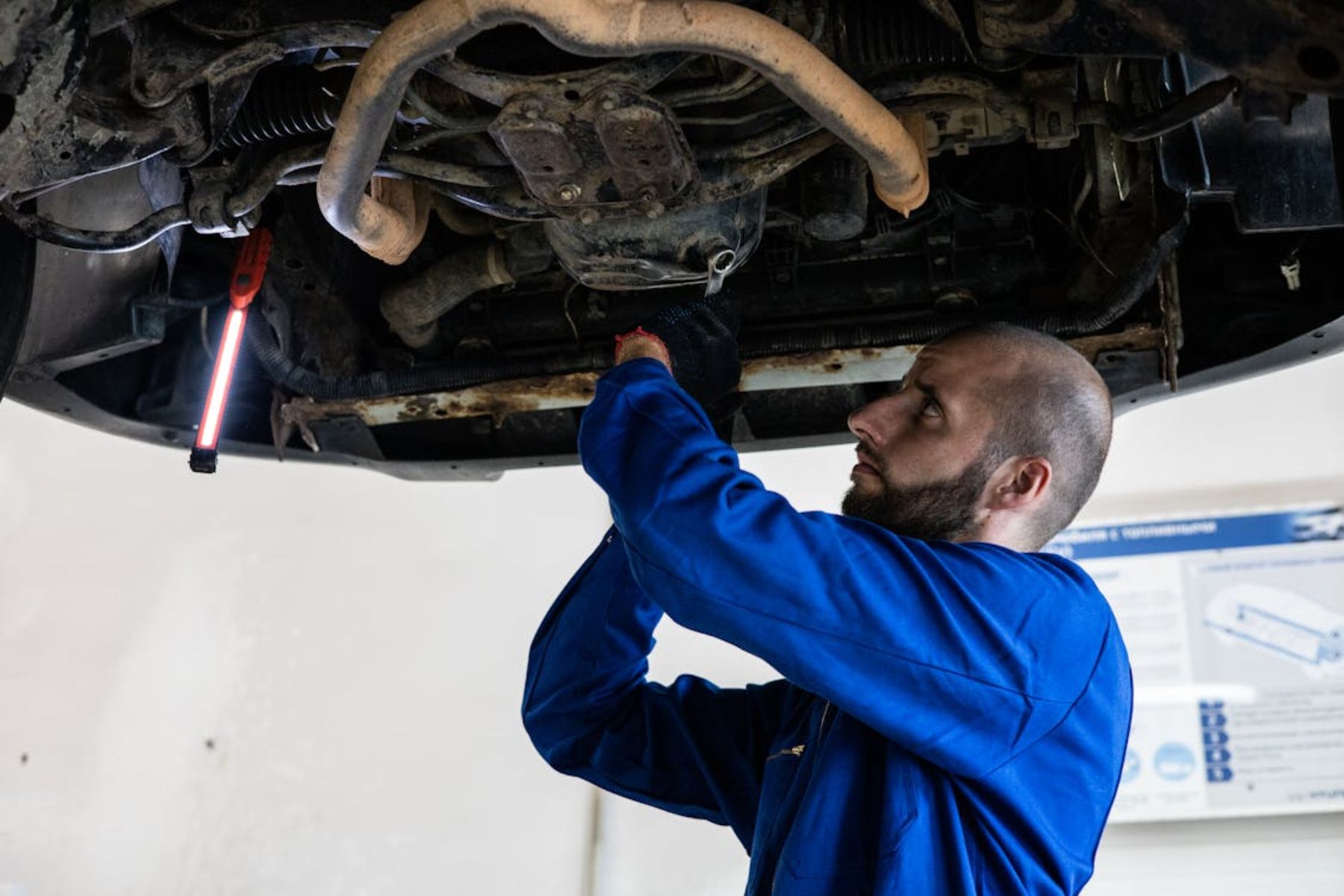
Those rock-bottom prices on salvage-titled vehicles might catch your eye in the shop, but there's a reason they're so cheap—these cars were previously declared total losses. When mechanics look at them, they see potentially hidden structural damage that's tough to spot and insurance companies that won't cover these rides.
Mismatched Paint Or Panels
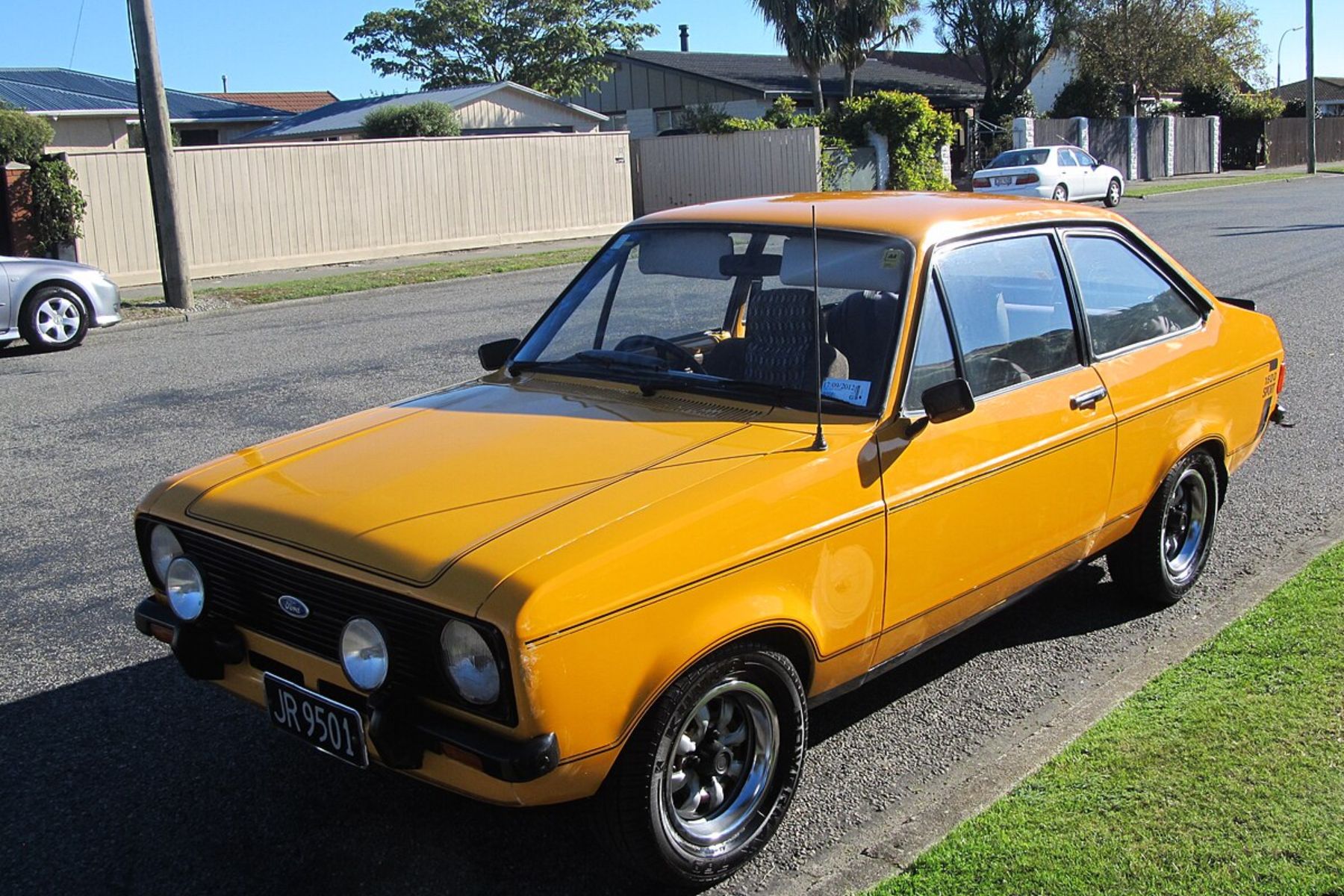
Mismatched paint colors and uneven panel gaps are telltale signs of hasty accident repairs. When repairs are done quickly, shops often opt for spot-painting rather than proper refinishing, creating visible inconsistencies. These visual cues hint at underlying structural problems, and paint thickness gauges can expose poor-quality bodywork and concealed damage beneath the surface.
Strong Odors Inside The Cabin
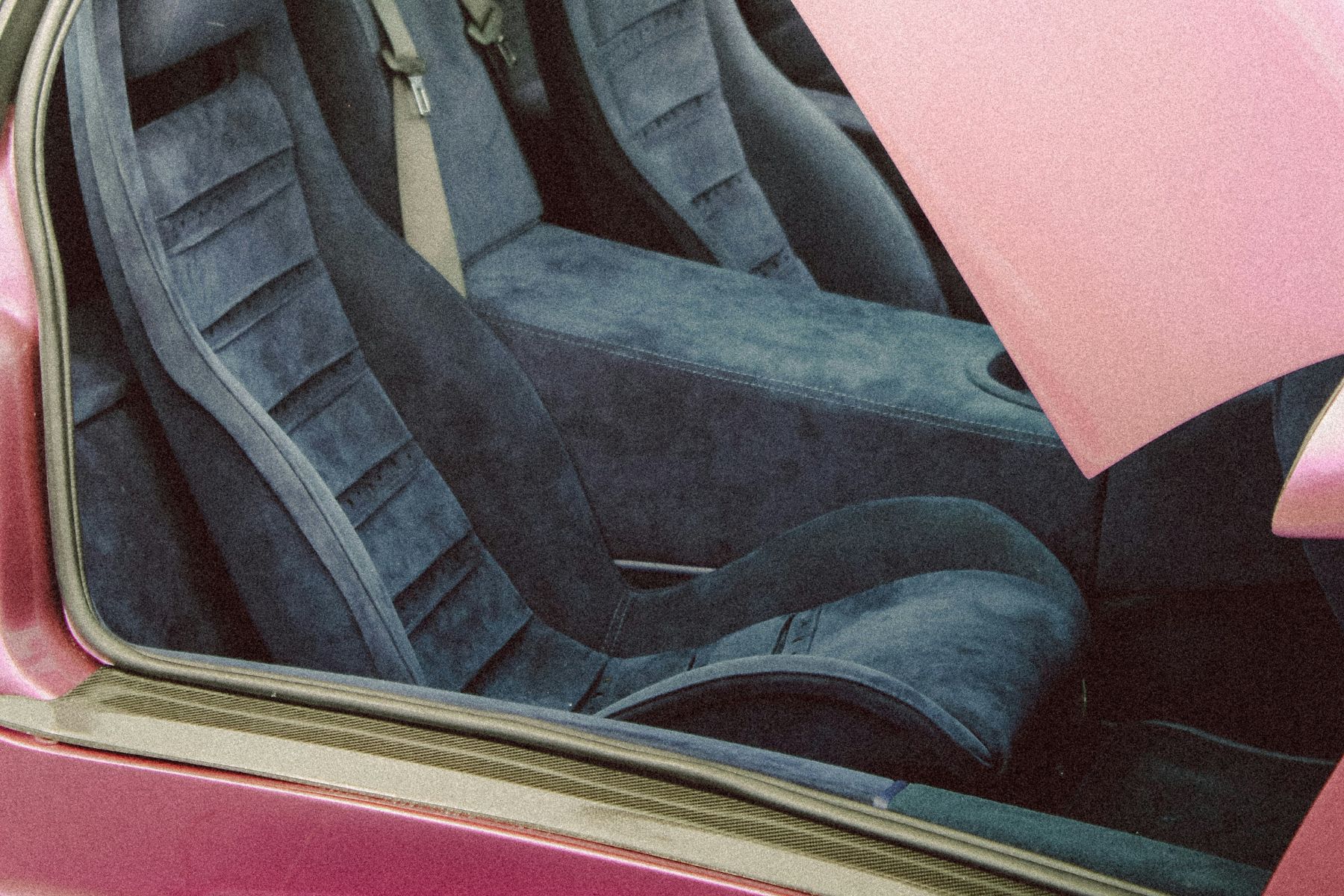
When floodwaters invade a vehicle's interior, they leave behind more than just initial damage. They spark an insidious cycle of mold growth that permeates the cabin with musty odors. Though sellers often resort to heavy air fresheners as camouflage, these temporary masks can't hide the permanent aftermath of water damage.
Dashboard Warning Lights On
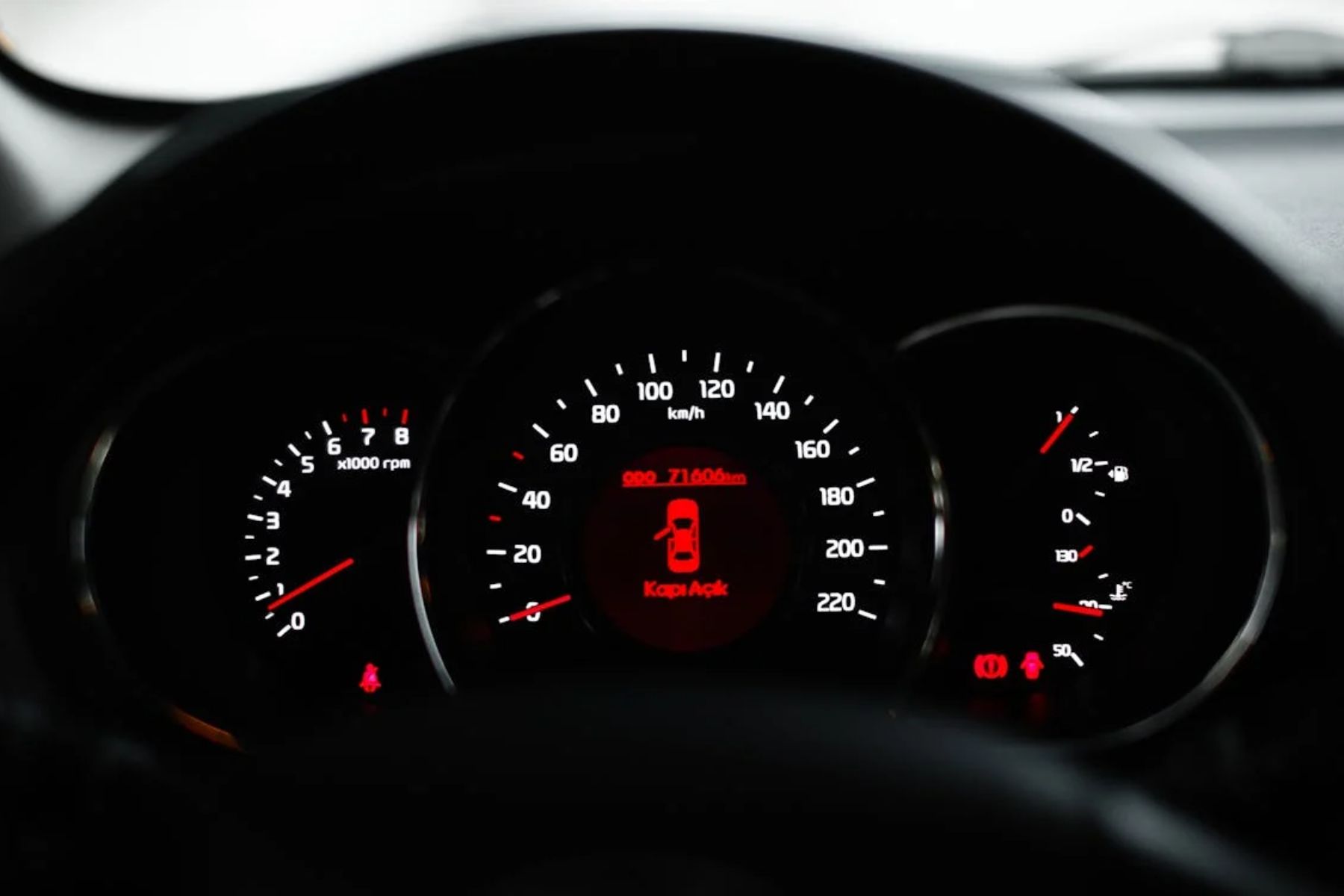
Illuminated dashboard warning lights indicate mechanical or electrical problems that need attention. Some unscrupulous sellers temporarily disable or reset these warnings to hide issues before a sale. But smart buyers insist on a proper diagnostic scan. The problem could range from something minor, like a loose gas cap, to a serious engine or transmission failure.
Inconsistent Service Records

Gaps in maintenance history raise immediate red flags about how the vehicle was actually cared for. Missing records often mean skipped oil changes or undocumented repairs that could indicate serious problems. While some owners legitimately lose paperwork, consistent gaps suggest neglect that can lead to unexpected breakdowns.
VIN Doesn’t Match Documentation
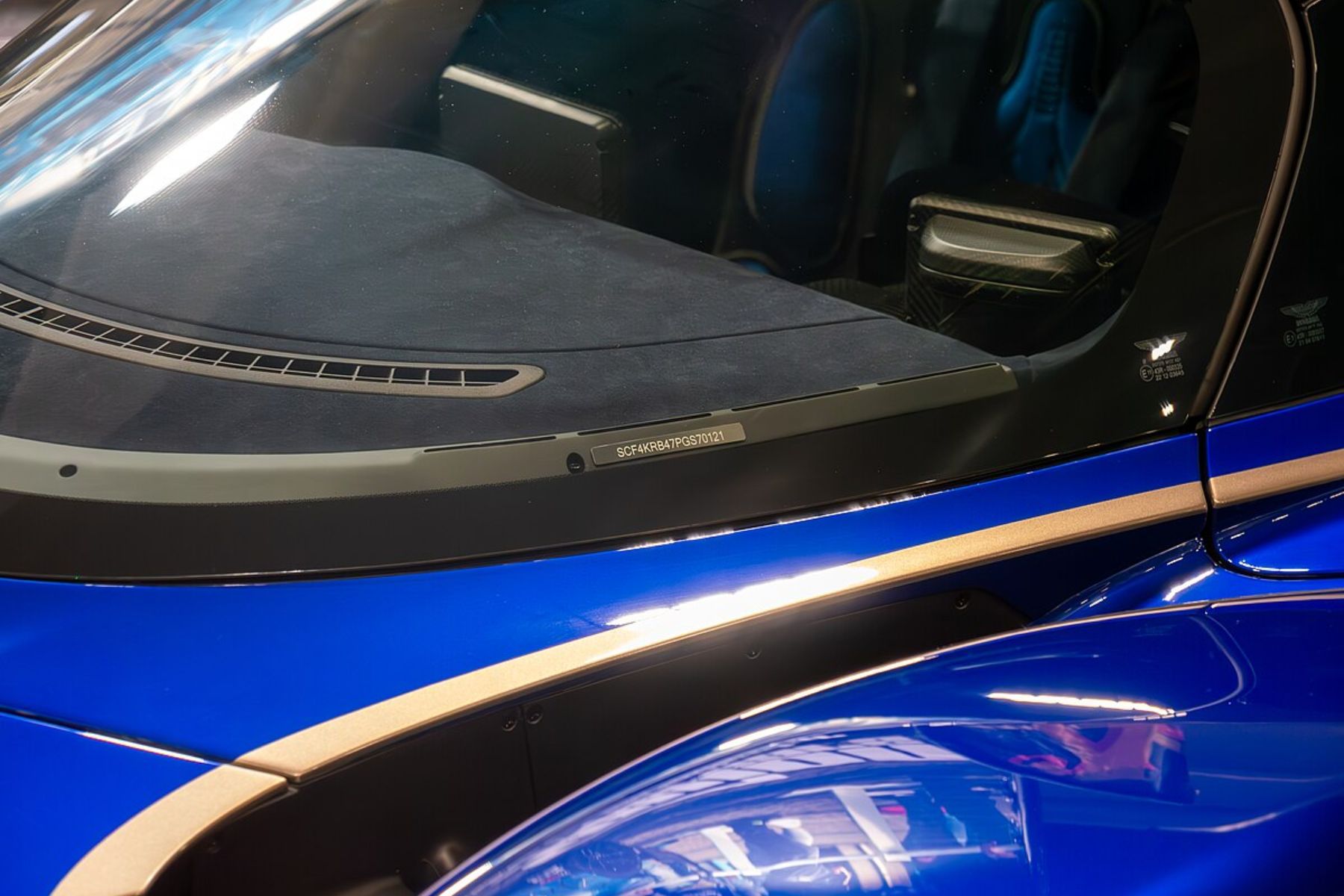
VIN details your vehicle's model and year through its sophisticated encoding system. Any seasoned mechanic will check all three standard locations—dashboard, driver's door, and engine bay—ensuring these numbers match perfectly with title and registration paperwork. Mismatched VINs mostly translate to stolen vehicles or fraudulent documentation.