Artificial Intelligence (AI) is now ubiquitous in the technology sector.
Ubiquitous AI
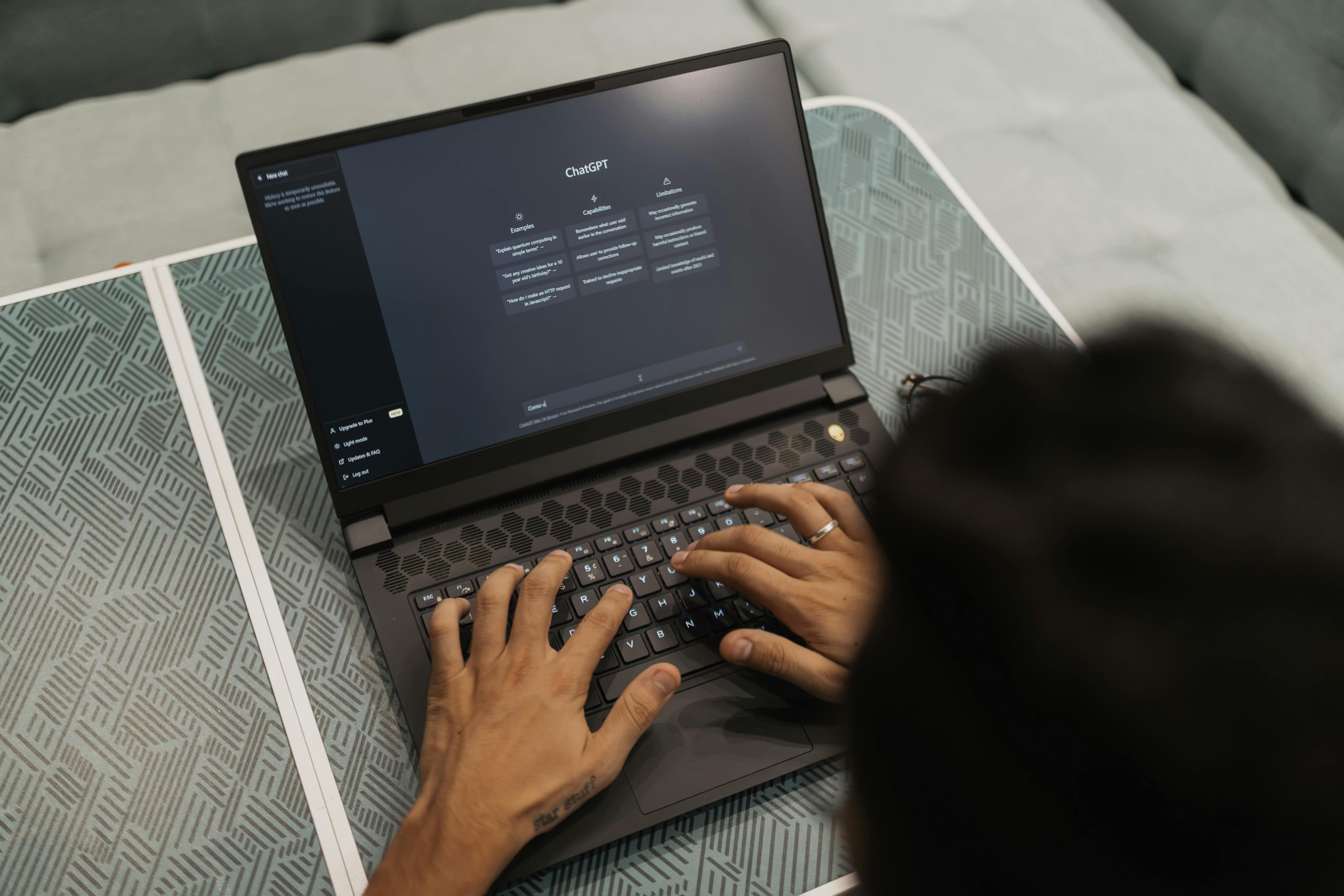
According to a recent report published by Google's DORA research division, over 90% of industry professionals use it in their daily work.
The main tasks
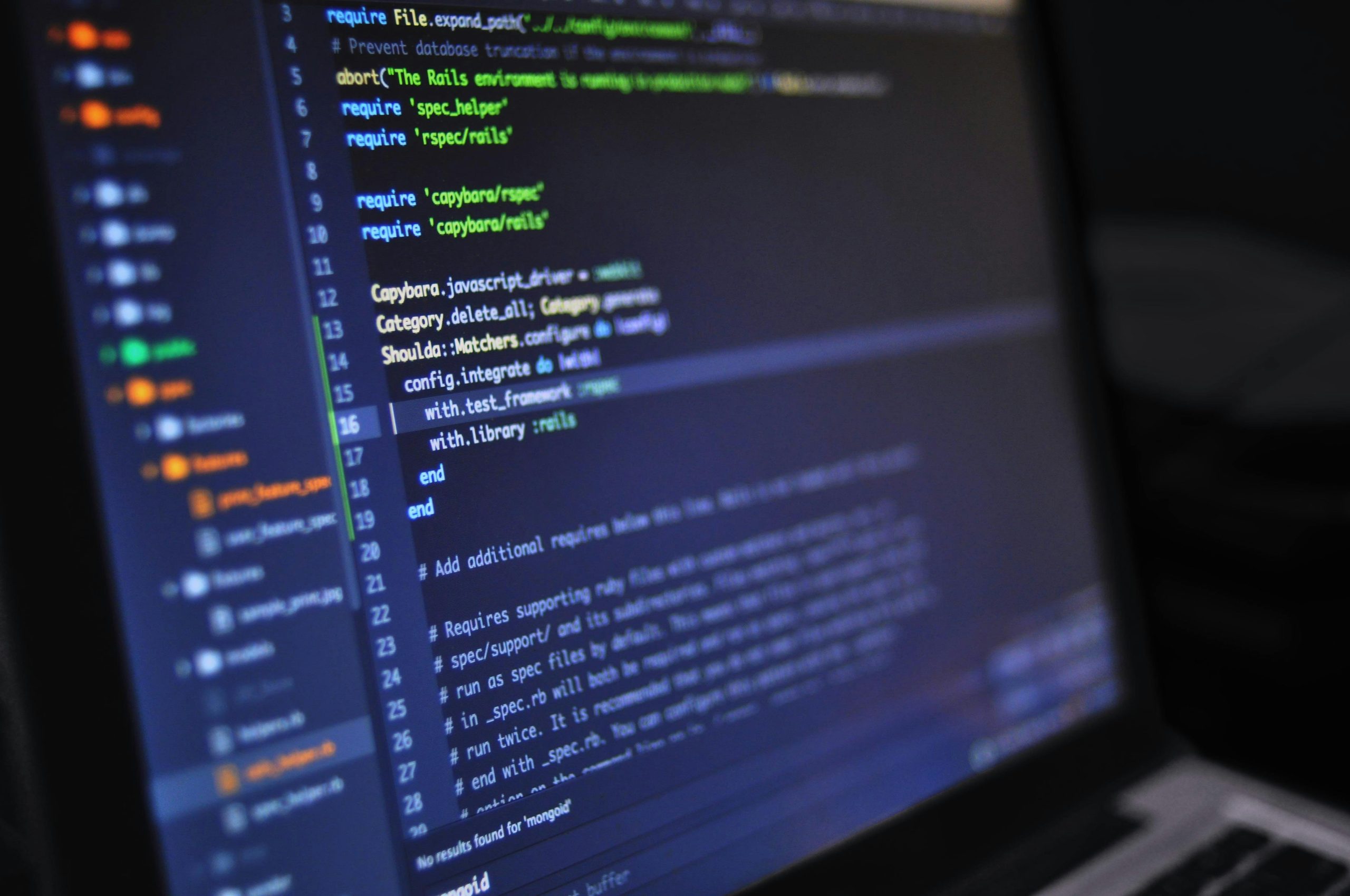
Among the 5,000 survey respondents, there was a 14% increase in the use of AI over the previous year. The main tasks entrusted to AI are writing and modifying code.
AI integration at Google
Ryan J. Salva, responsible for Google's coding tools such as Gemini Code Assist, confirms that "if you're an engineer at Google, it's inevitable that you'll use AI in your day-to-day work". Indeed, AI is integrated into almost all the web giant's internal tools.
Accessible tools

Google is benefiting from this internal transition by offering AI-assisted software development. There are several tools, both free and up to $45 a month, to help generate code and execute development tasks.
Competition between AI giants
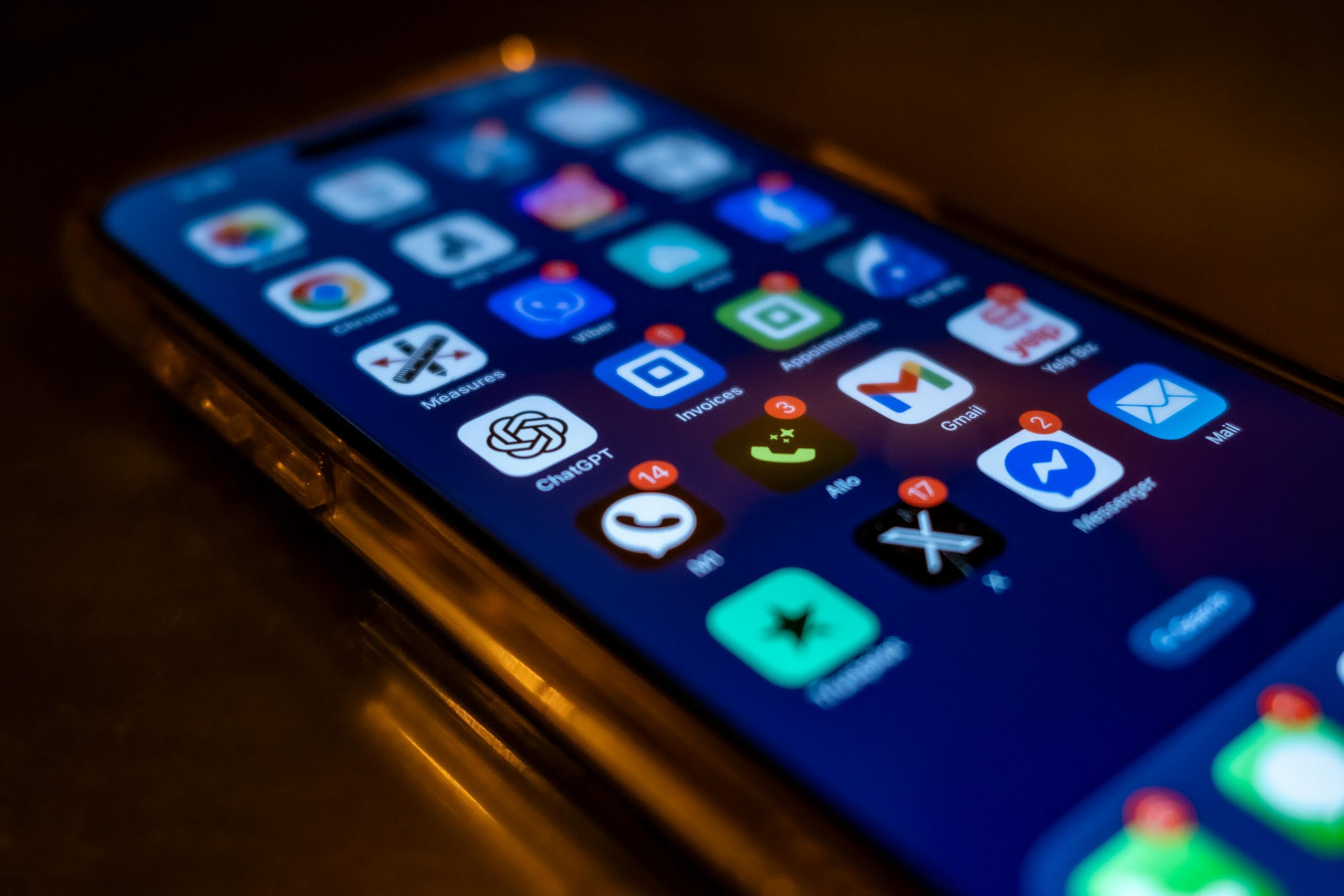
But competition is fierce. More and more companies are finding themselves in constant competition in the development of AI. To name but a few, Microsoft, OpenAi, Anthropic and, more recently, start-ups such as Replit and Anysphere are vying with Google in the AI market.
Qualified confidence

Even if programmers are using AI, their confidence in AI is mixed. 46% of professionals believe they can be "moderately confident" in the quality of AI-generated code, while 23% are only partially confident.
Technology still requires supervision
The direct impact of AI on the work of tech professionals is therefore moderate: only a third of programmers feel that AI has slightly improved the quality of the code produced.according to Salva, on a scale of one to five, AI-powered software development falls between levels three and four, so AI is still perceived as a tool to assist with their tasks , and stillrequires human supervision.
Young graduates in difficulty

Despite these testimonials, the adoption of these tools comes at a difficult time for young IT graduates. According to the Federal Reserve Bank of New York, the unemployment rate of these new entrants to the computer science and software engineering job market is higher than that of art history or English graduates.
Impact on the job market
Job vacancies fell by 71% between February 2022 and August 2025. Nevertheless, young graduates remain optimistic and recognize that AI has changed their perception and the primary nature of their profession. As Salva mentions, some essential tasks cannot be automated.
A fashion statement
Finally, the craze created by AI in software development can be compared to a fashion effect: "everyone wants to try something new".
This collective curiosity promotes the use of AI on any scale, even beyond its actual effectiveness.