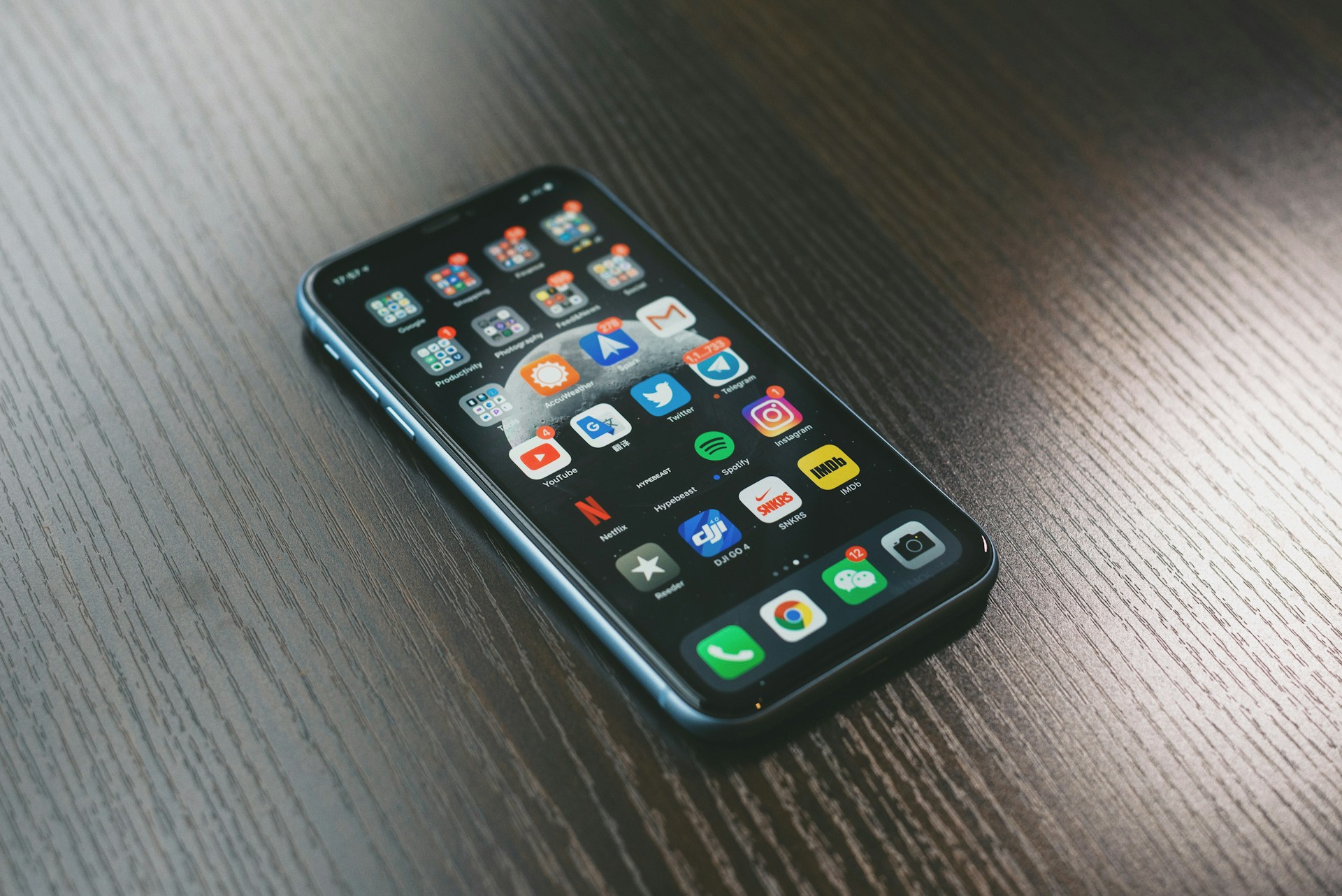
Cell phones are so common today that it's hard to imagine a time when we didn't have them. We have an entire generation of adults who probably don't remember ever having landline phones in their homes, nor do they remember not having a smartphone that can do practically anything they need at any time. It's easy to forget that cell phones weren't the all-powerful smart devices that are carried by everyone today. They've changed a lot over the years, from brick-sized monstrosities that were only capable of making relatively brief phone calls to pocket-sized computers that we have now. Let's take a look at each era of the cell phone to get an idea of how it's evolved.
The First Commercially Available Handheld Mobile Phone
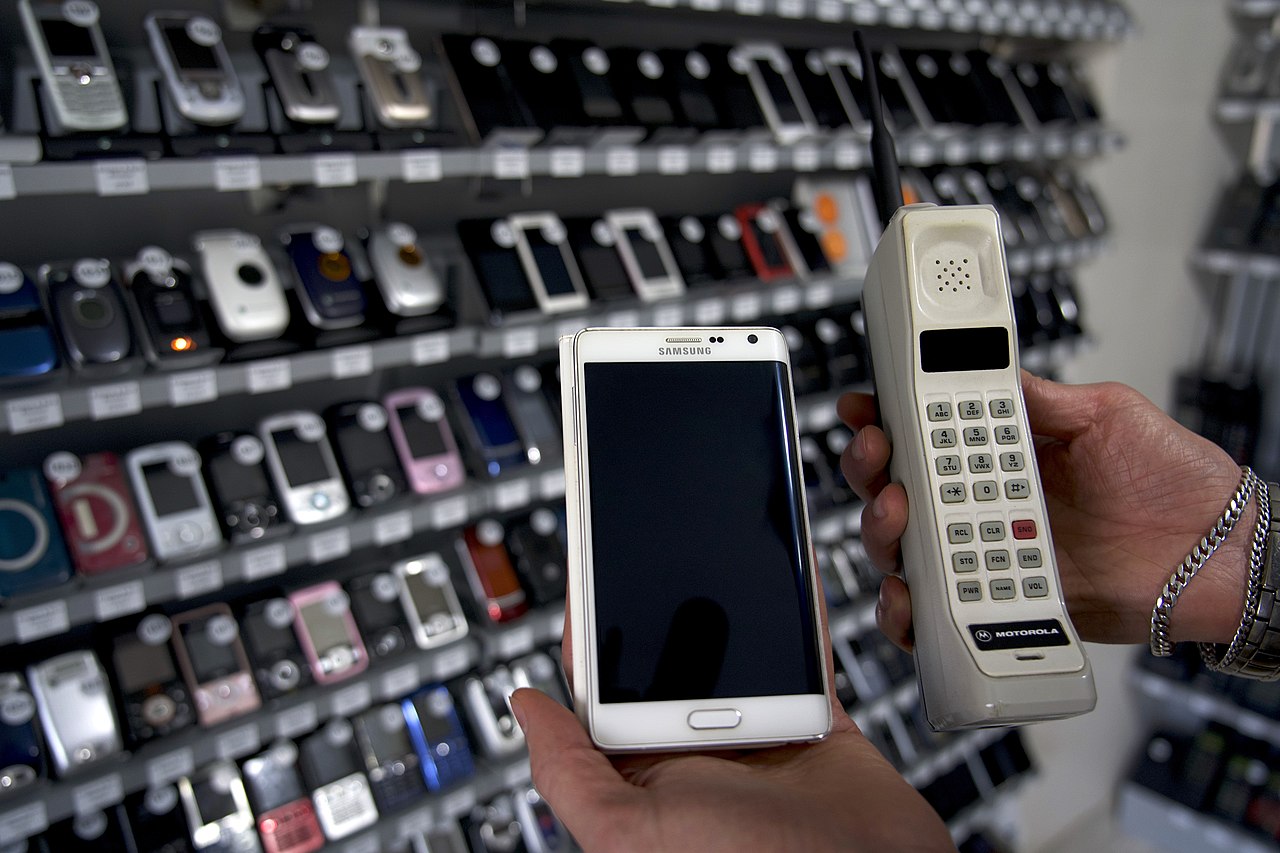
The Unwieldy "Brick Phones" of the 1980s and Early 1990s
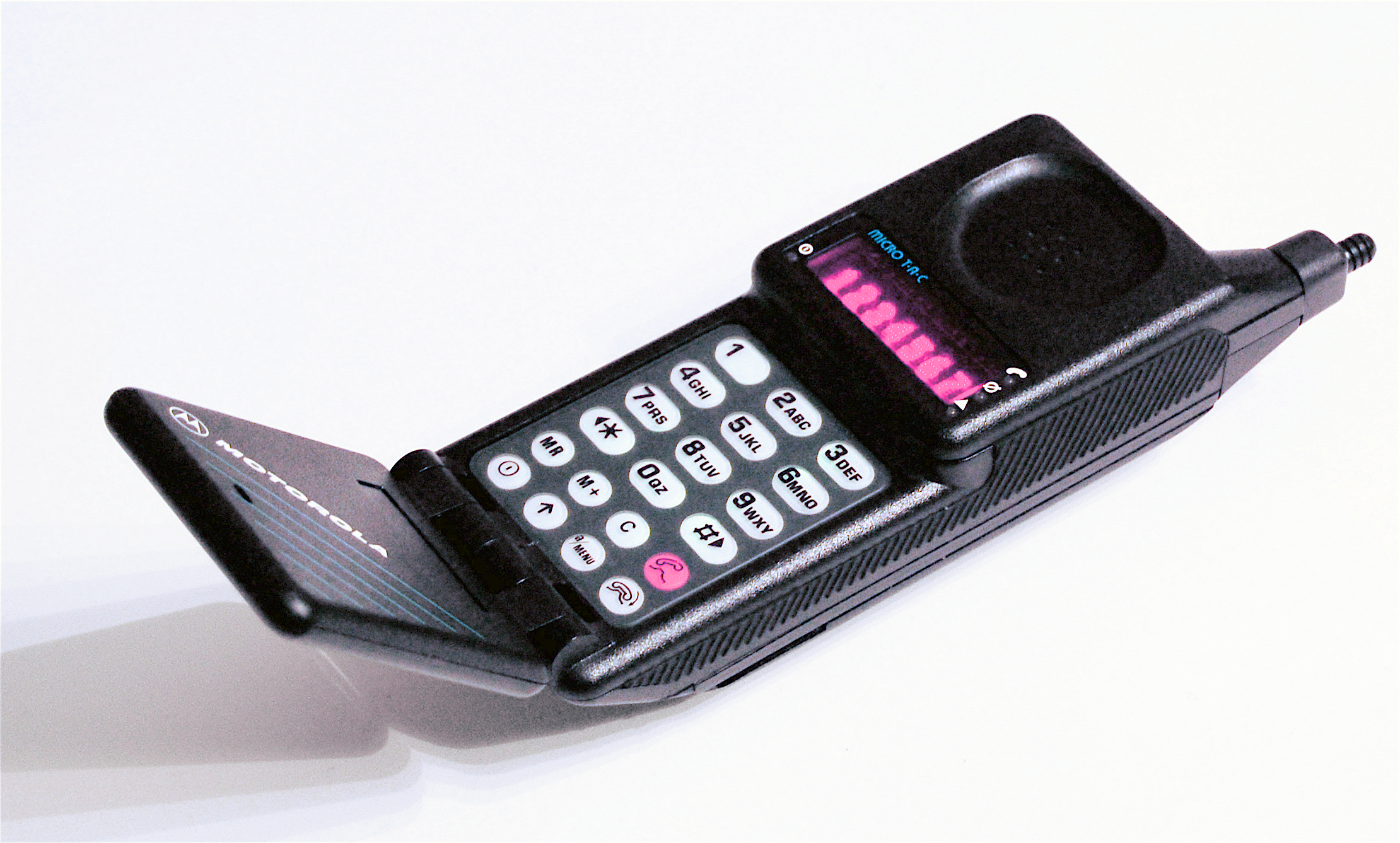
The late 1980s and early 1990s saw "brick phones" like the Nokia Mobira and Motorola MicroTAC dominate the growing mobile phone market. Known for their bulky size, long antennas, and limited battery life, they were status symbols despite their unwieldiness. These devices paved the way for the more compact cell phone designs that followed.
The Introduction of the Flip Phone
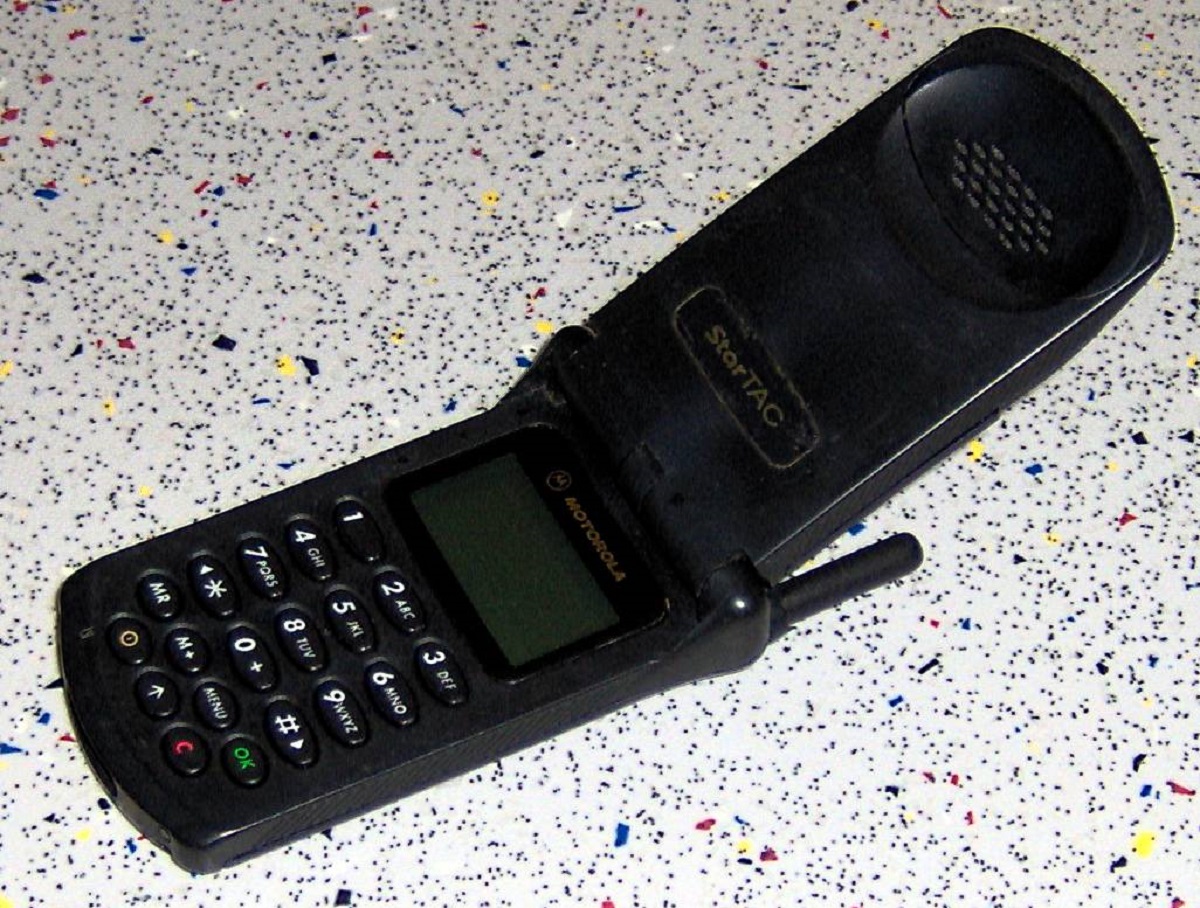
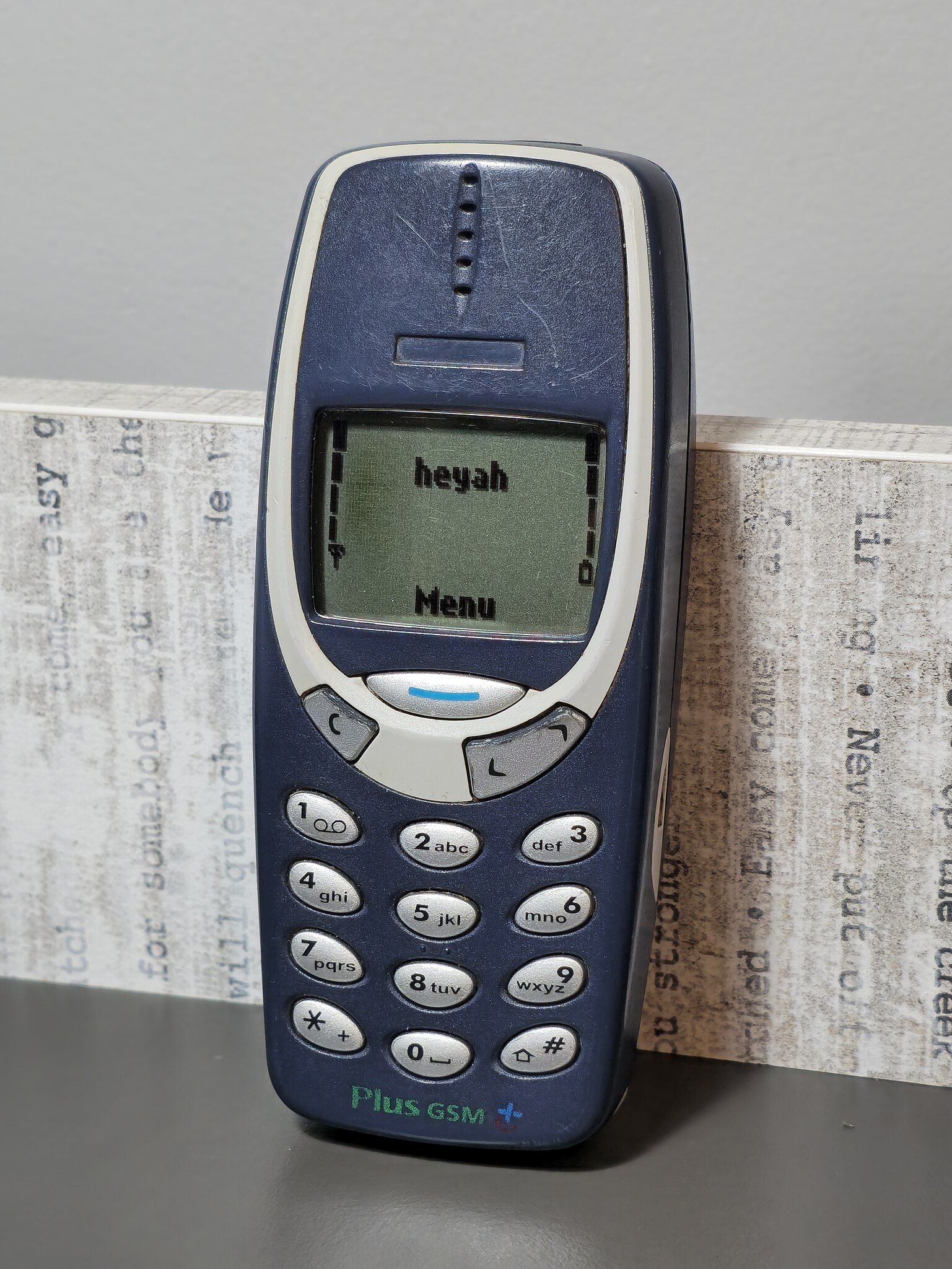
A Nearly Indestructible Best-Seller from Nokia
The Introduction of the BlackBerry
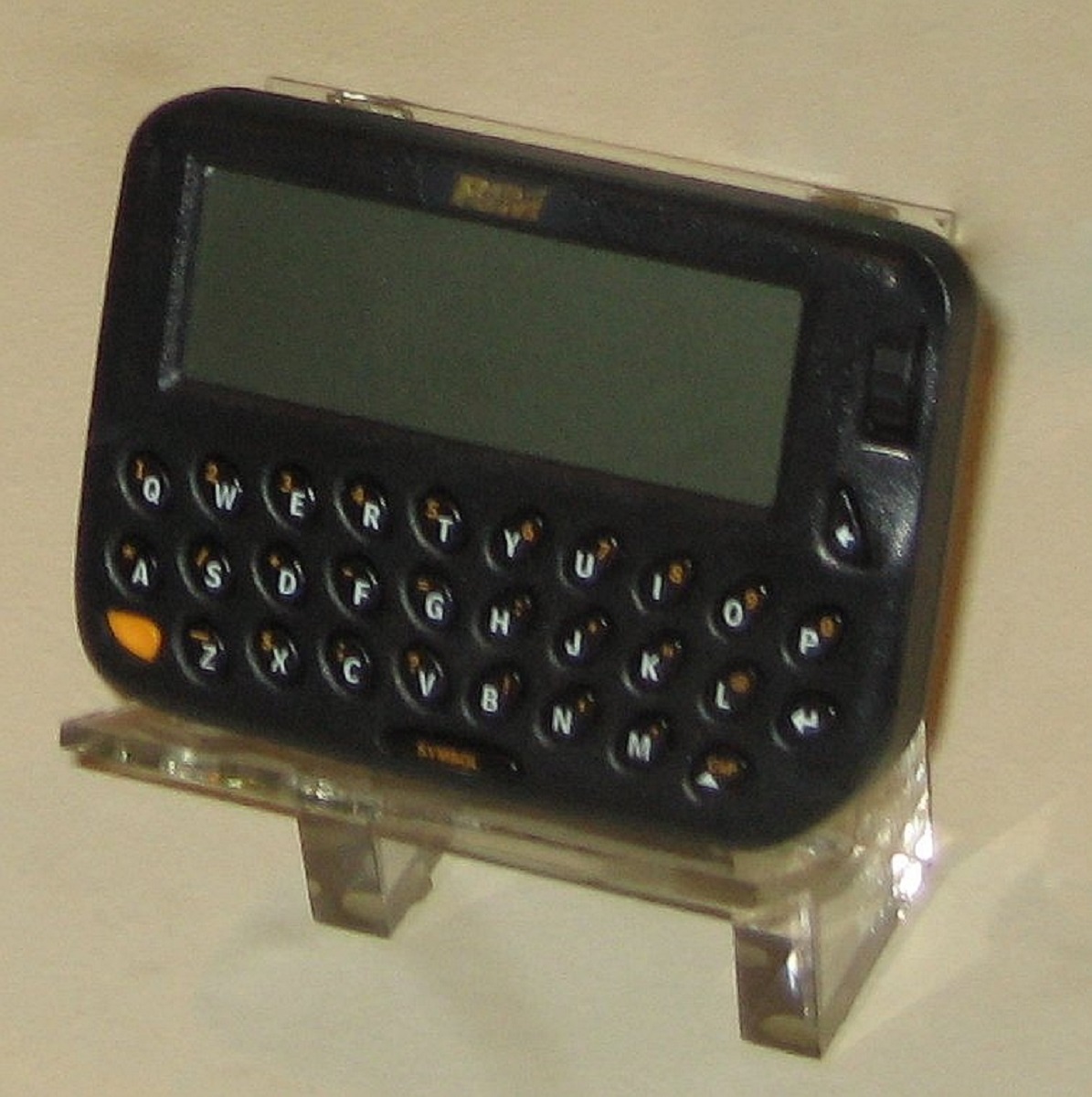
The BlackBerry 850, released in 1999 as a pager, was one of the first mobile devices to offer email and limited web browsing. Those features quickly made the BlackBerry 850 the communication tool of choice for business professionals and set the standard for business-first smartphones.
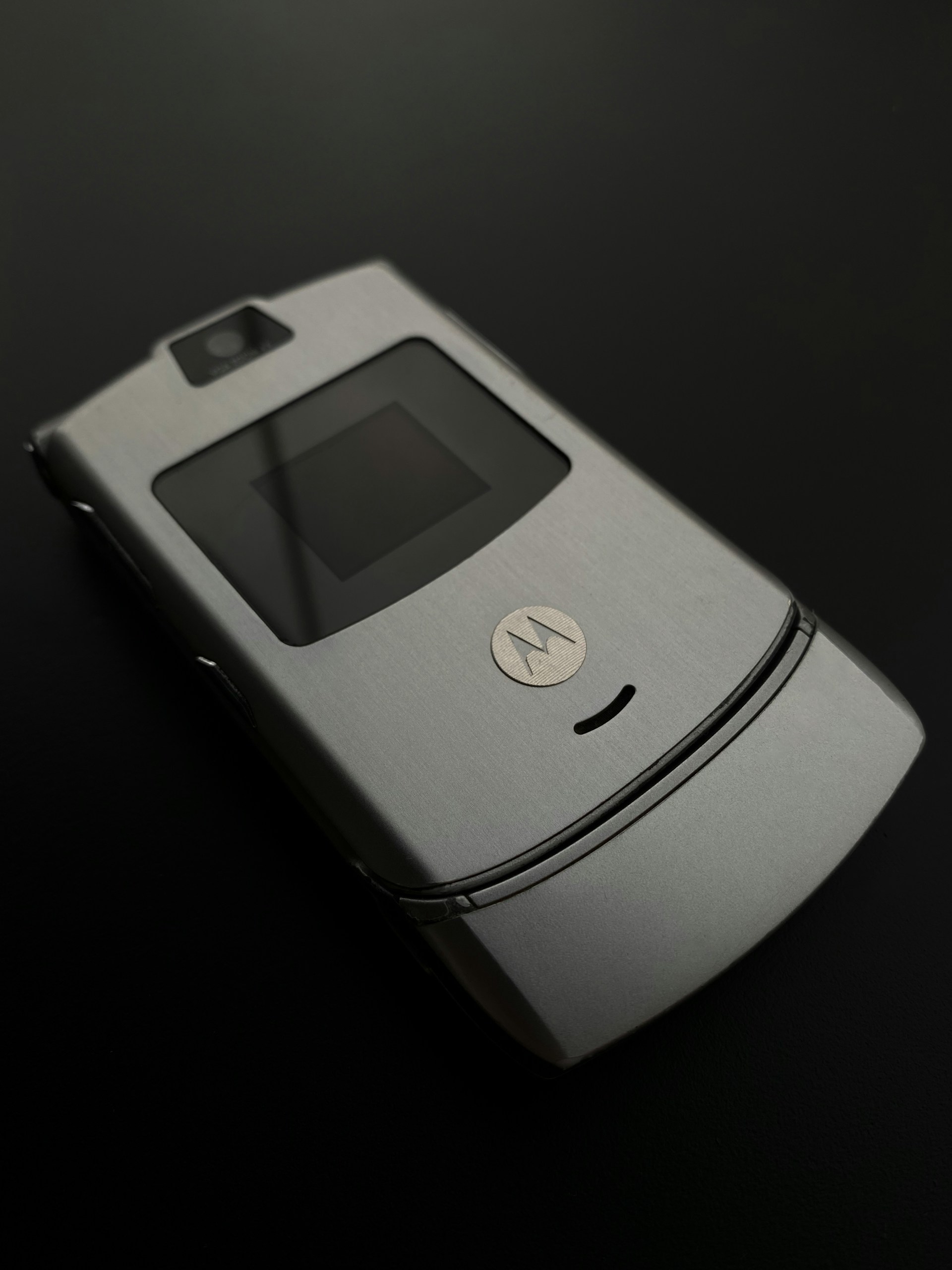
Ultra Thin and Ultra Fashionable
The Rise of the Text Message
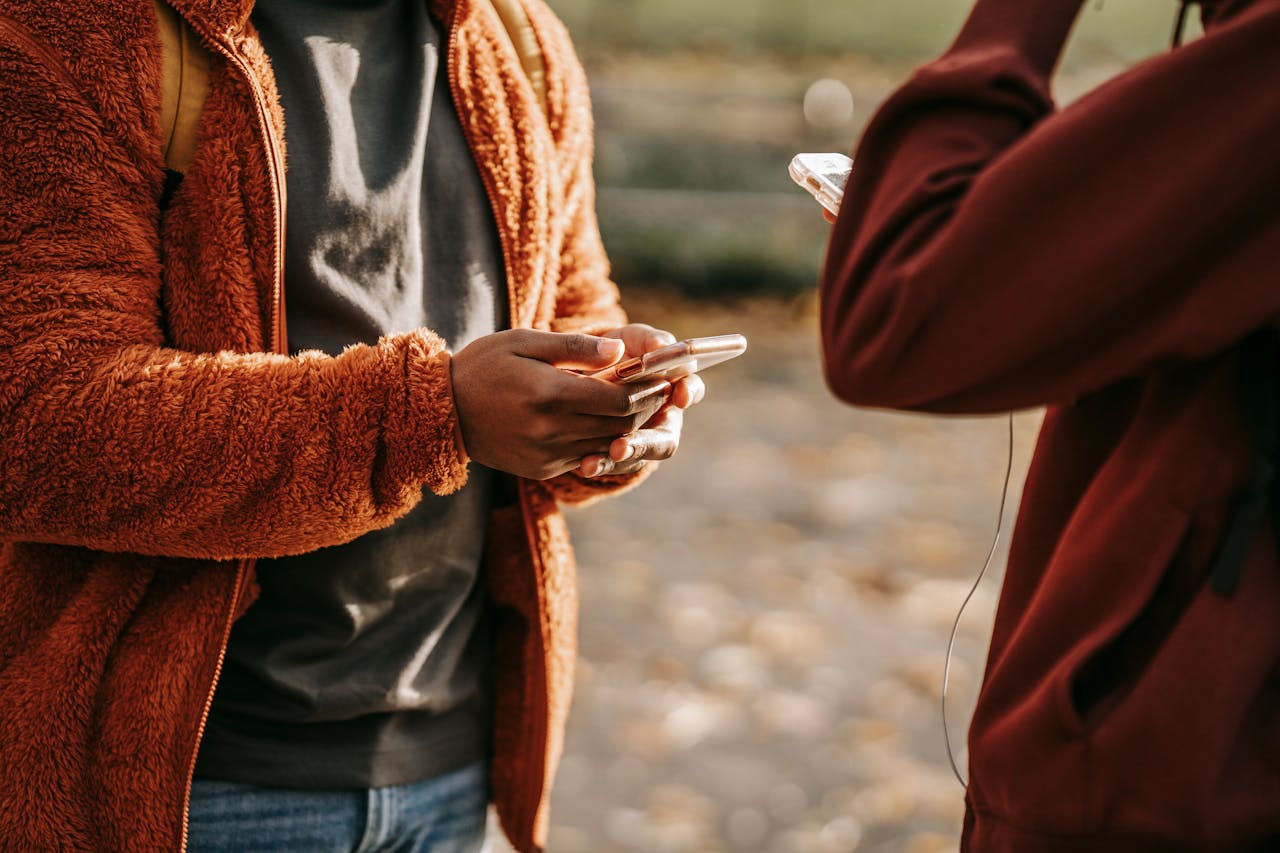
Texting, or SMS, started to take the world by storm in the late 1990s and 2000s. The advent of T9 predictive texting can be credited for making texting on numeric keypads fast and accessible, especially for the youth who quickly adopted this method of communication. Texting has become more common and convenient since then.
The Smartphone that Changed Everything
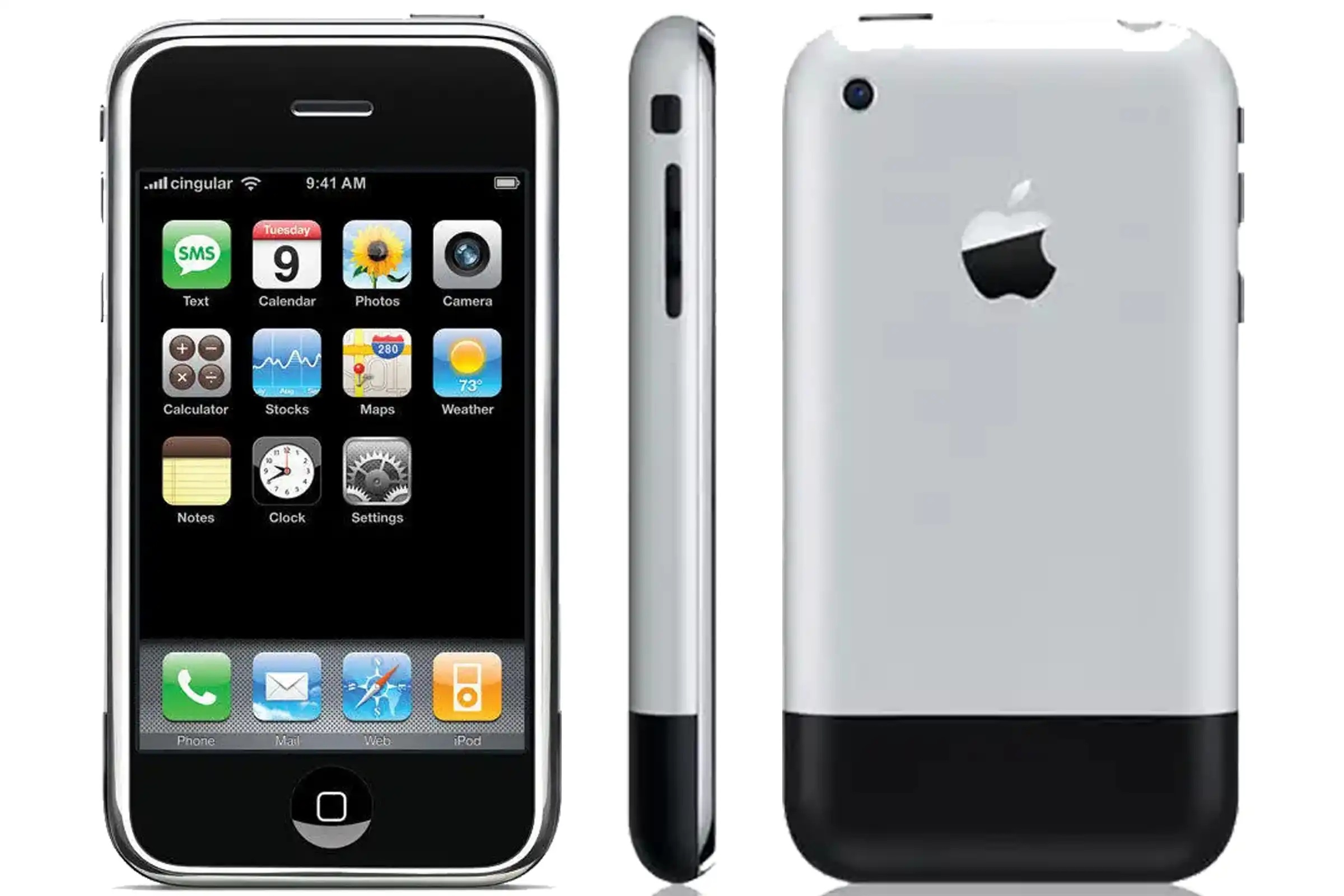
The 2007 launch of the iPhone by Apple changed the way we think about cell phones forever. By combining a responsive touchscreen with internet browsing, a powerful operating system, and a convenient app store, the iPhone set a new standard for what a smartphone could be, shifting the entire industry toward smart, touch-based devices.
Android Phones Make Their Debut
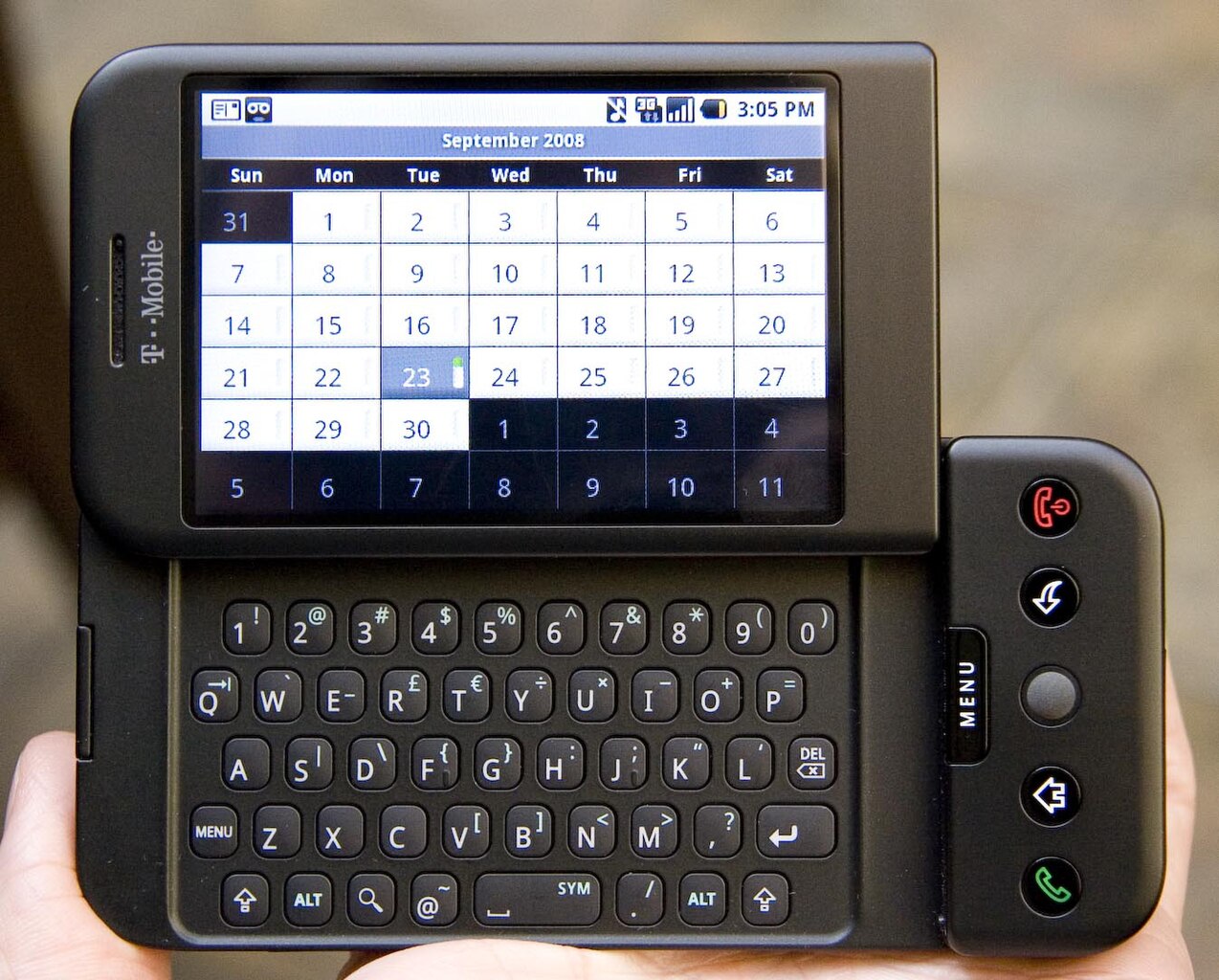
Android phones emerged shortly after the iPhone's launch, with the HTC Dream (also known as the T-Mobile G1) debuting in 2008. Android’s open-source platform encouraged rapid hardware innovation and global adoption, allowing manufacturers around the world to participate in the rapidly growing smartphone market.
The All-Purpose Device that Fits in Your Pocket
The Rollout of 5G Networks
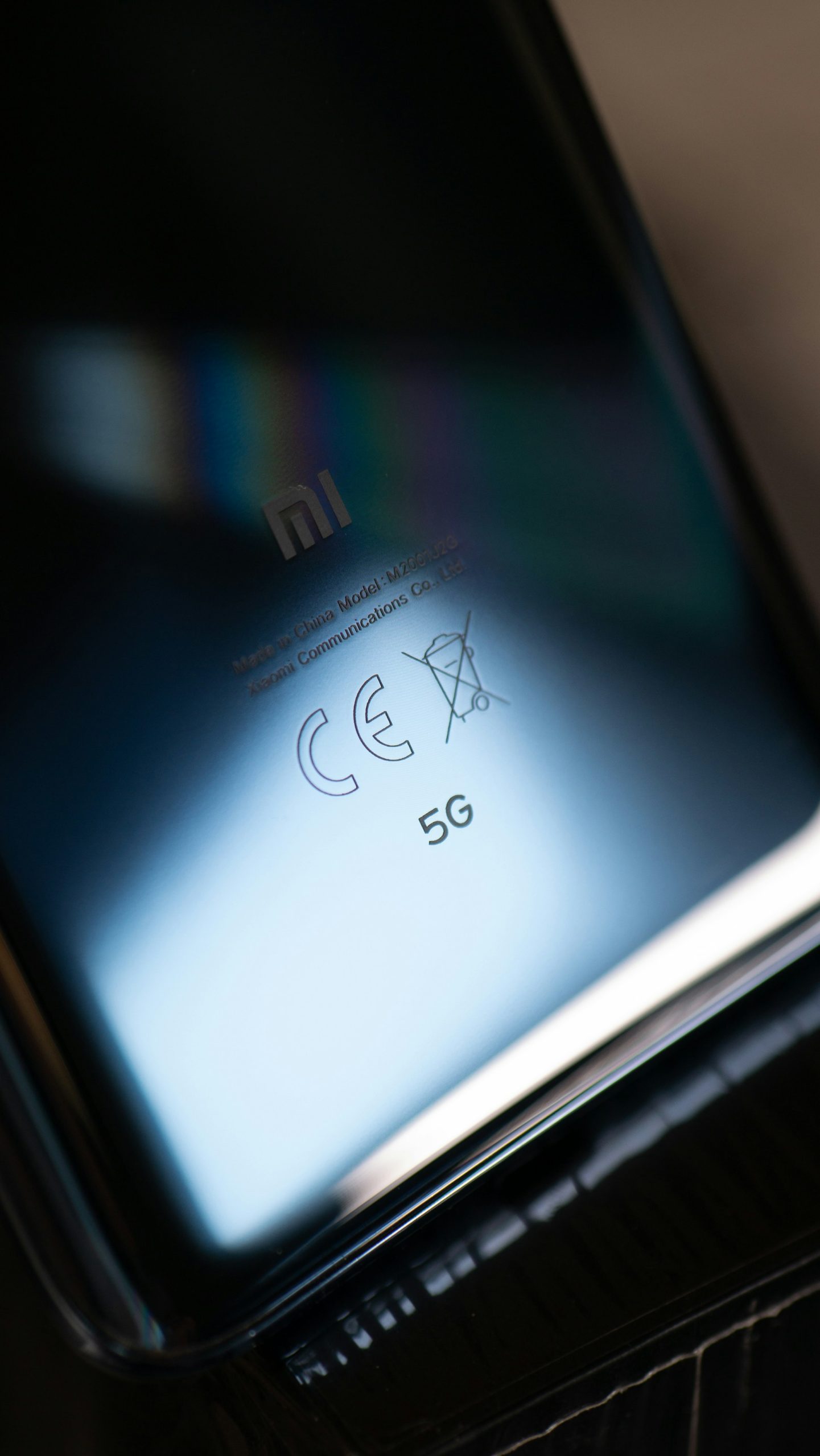
The rollout of 5G networks in 2019 enabled significantly faster data speeds and lower latency. This facilitated real-time applications like ultra-high-definition video streaming, online gaming, and the expanded use of augmented and virtual reality on mobile devices. 5G was first made available in the United States and South Korea, but it has greatly expanded since then.
A Foldable Smartphone for Increased Portability
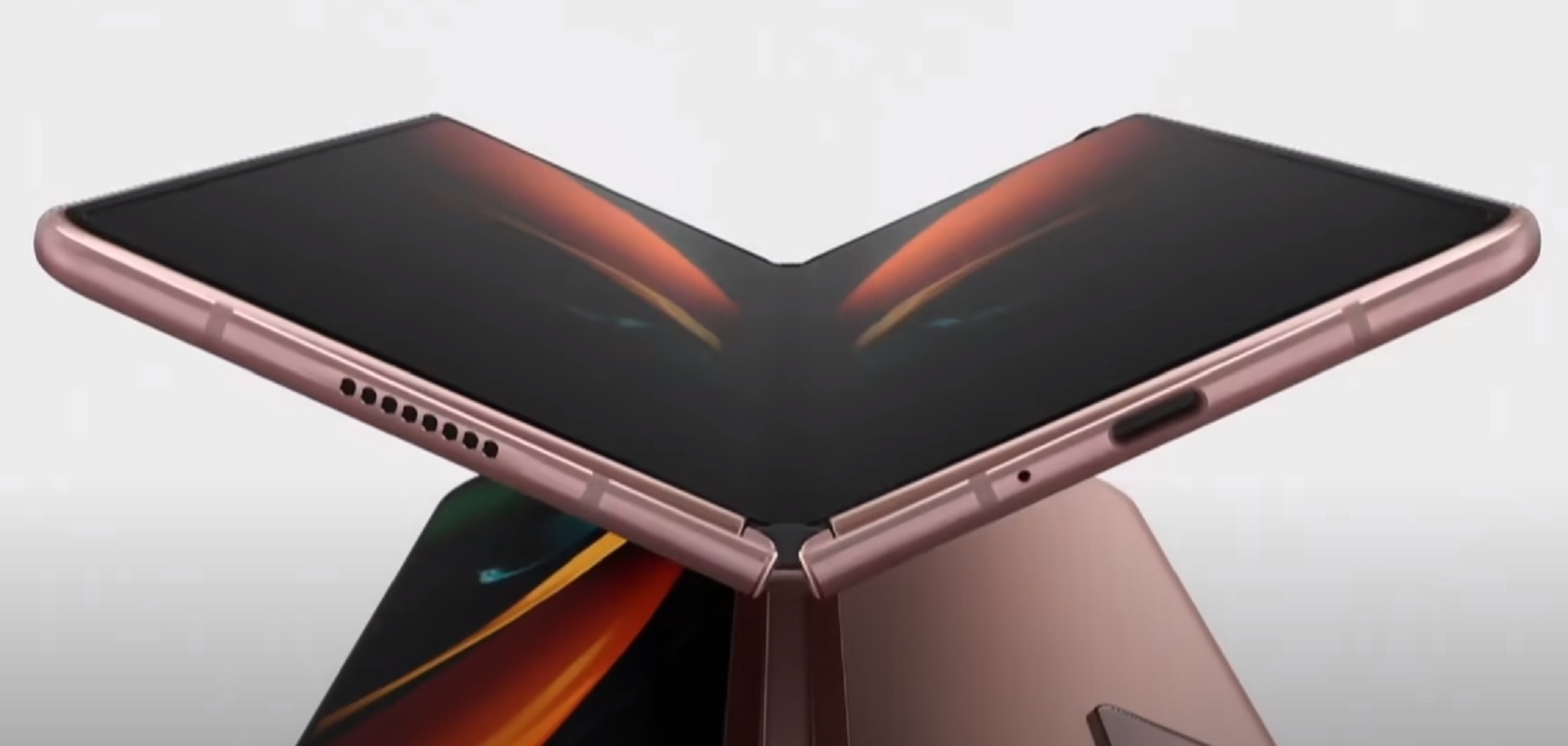
The Now-Standard Touchscreen Interface
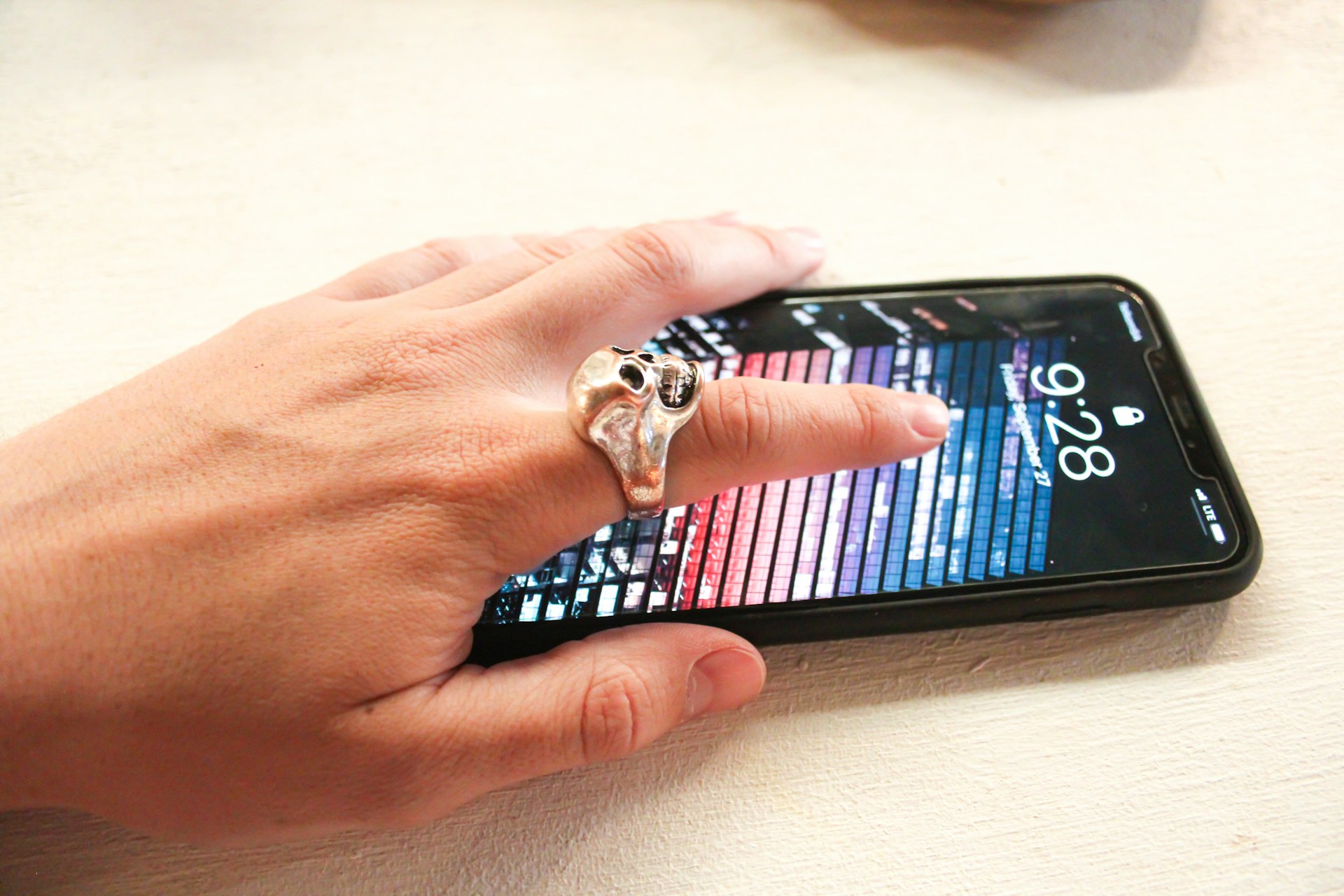
A High-Quality Camera in Your Pocket
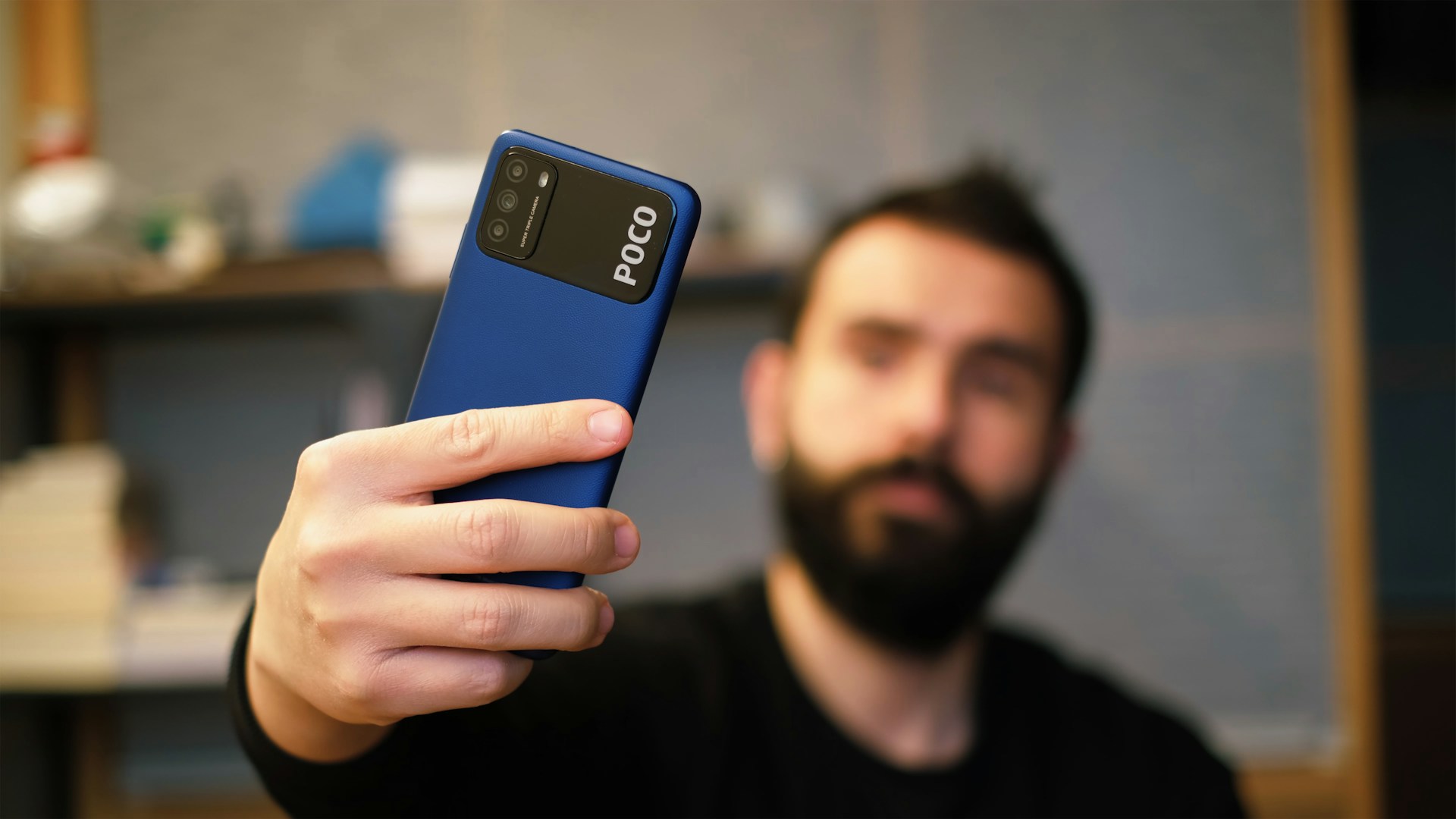
Innovations in Battery Technology
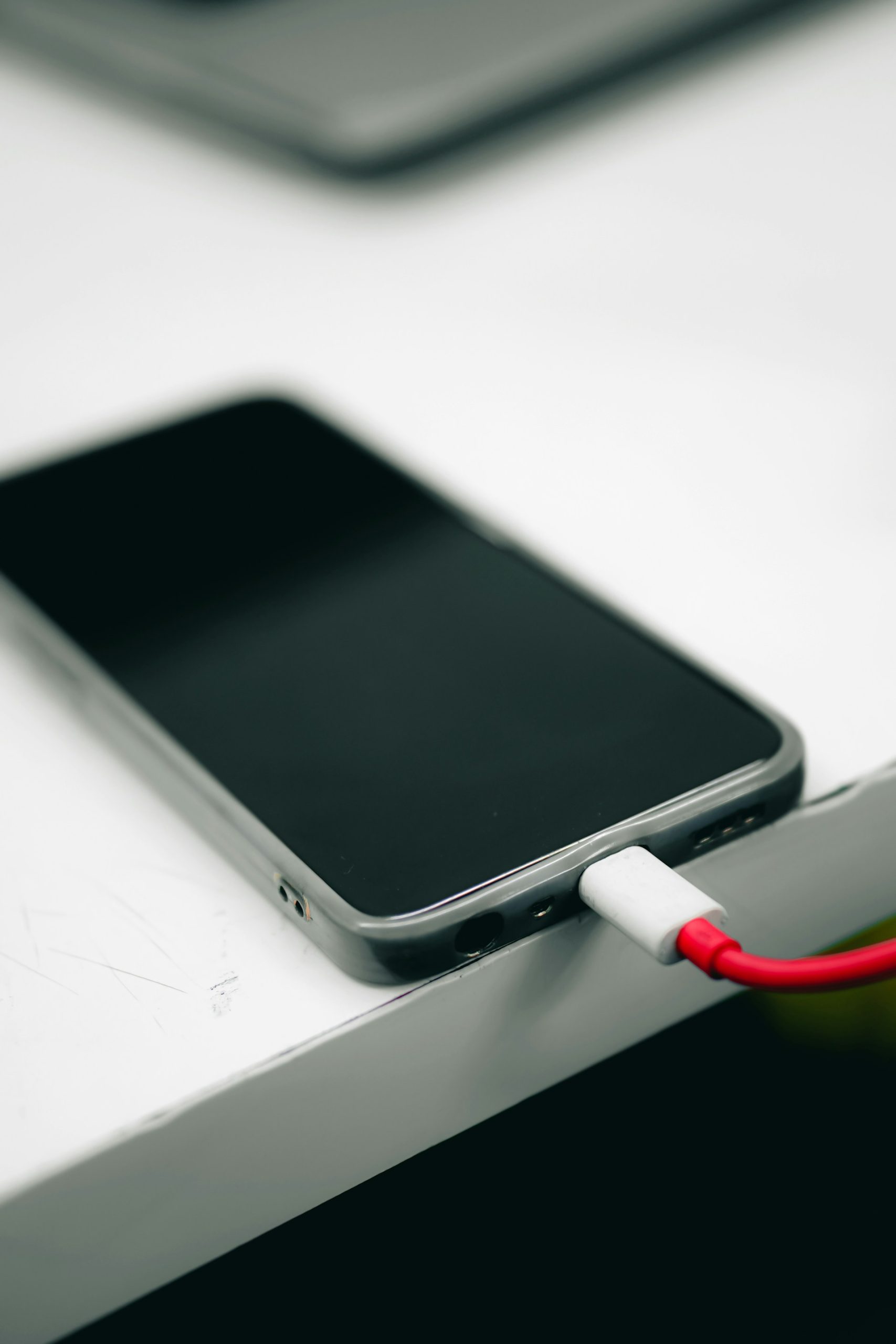
Advances in battery technology, wireless charging, and fast-charging have addressed consumer frustration with short battery life. Innovations in materials and charging speeds now allow devices to last longer and recharge quickly, ushering in more reliable service and mobile experiences. Things have come a long way from a brick-sized phone that only allows 30 minutes of talking.