
Walk into any car dealership today and ask to test drive something with a manual transmission. Then, watch the salesperson's face. They'll probably have to check if they even have one on the lot. Twenty years ago, that same question would have been met with a shrug and a handful of keys. Half the cars were stick, and everyone knew how to drive them.
The shift happened so gradually that most people barely noticed. One year, automatics became a little smoother. Next, they felt more responsive. And before anyone realized it, something that used to be everywhere had become surprisingly hard to find.
Read on to discover what killed the stick shift and why its disappearance matters more than you might think.
Decline In Manual Transmission Sales

Not too long ago, stick shifts held a big share of the market. In the 1980s, over a third of U.S. cars were manuals. Fast forward to 2023, and that number slipped under 2%. Many manufacturers dropped them altogether, leaving only a few sporty models holding the line.
Automatics Becoming Standard
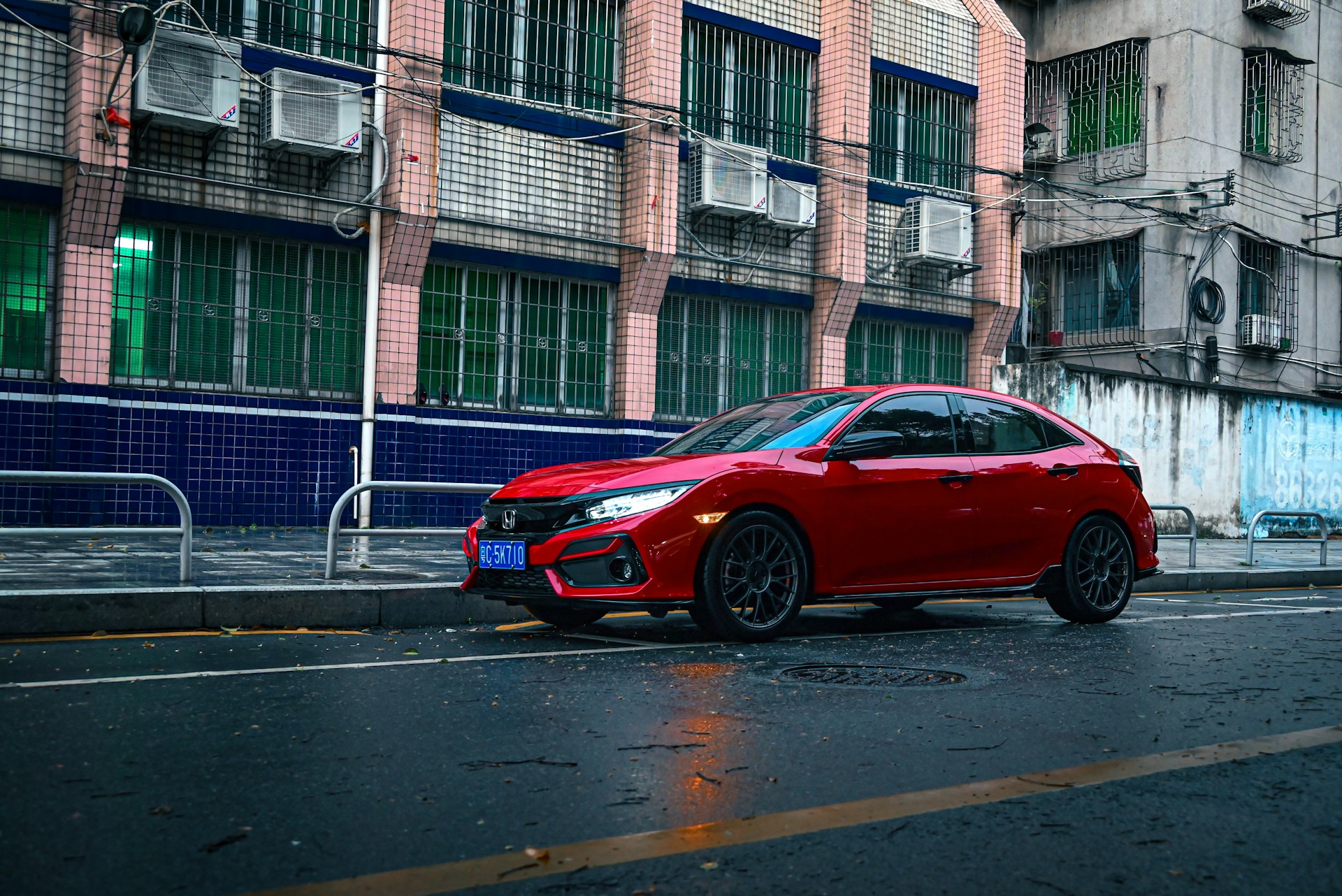
As the years rolled into the early 2000s, automatics moved from “option” to “standard.” They required less learning effort, and efficiency gains erased one of the few advantages manuals had. Add in CVTs and dual-clutch systems, and the shift toward automatics only picked up speed.
Europe’s Shifting Trends
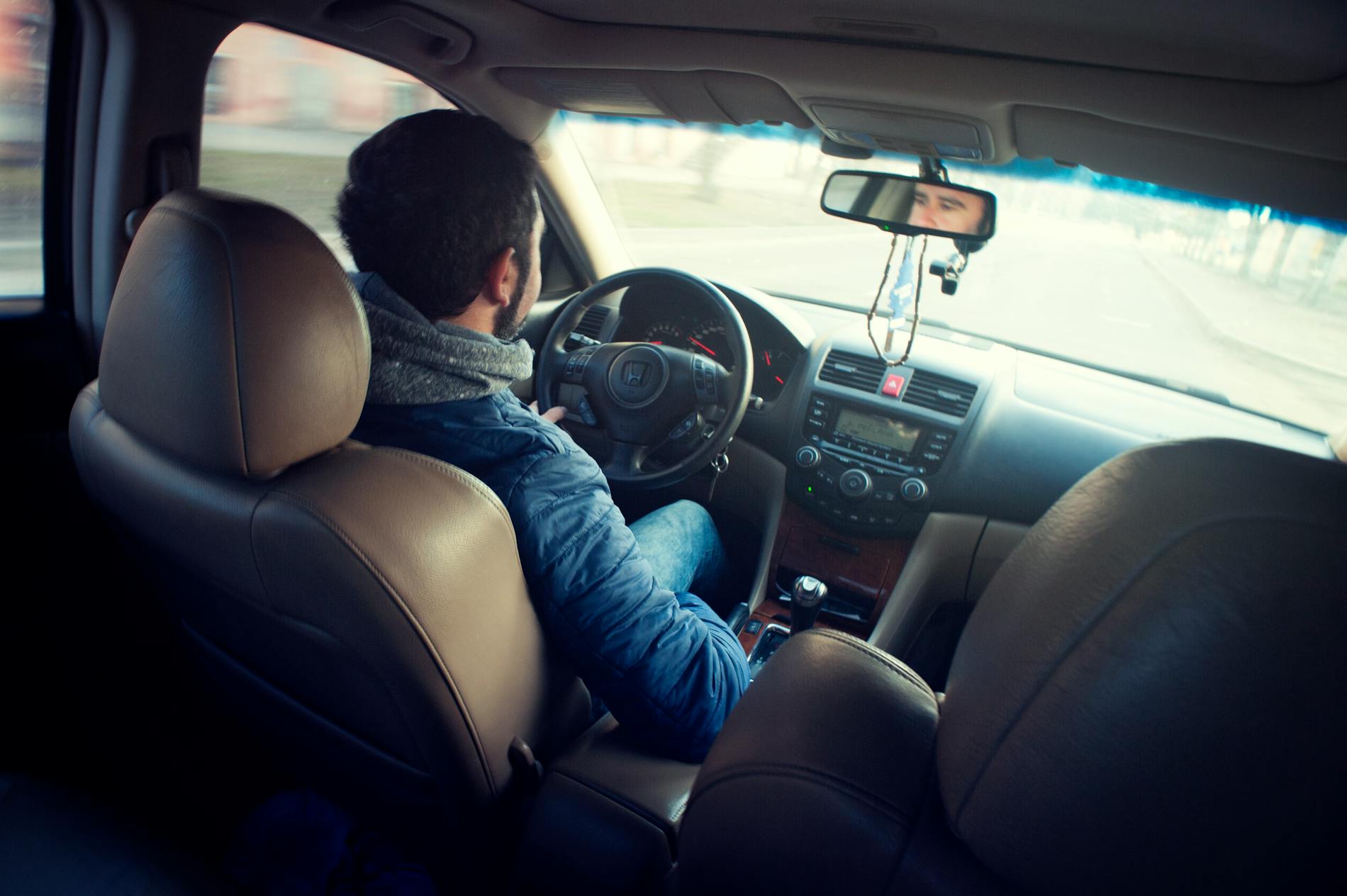
Europe used to resist the change, long preferring the control of a clutch pedal. That’s changing rapidly. By 2020, more than half of new European cars were automatic, with many younger drivers never touching a manual. The electric wave only accelerated that cultural switch.
The EV Effect
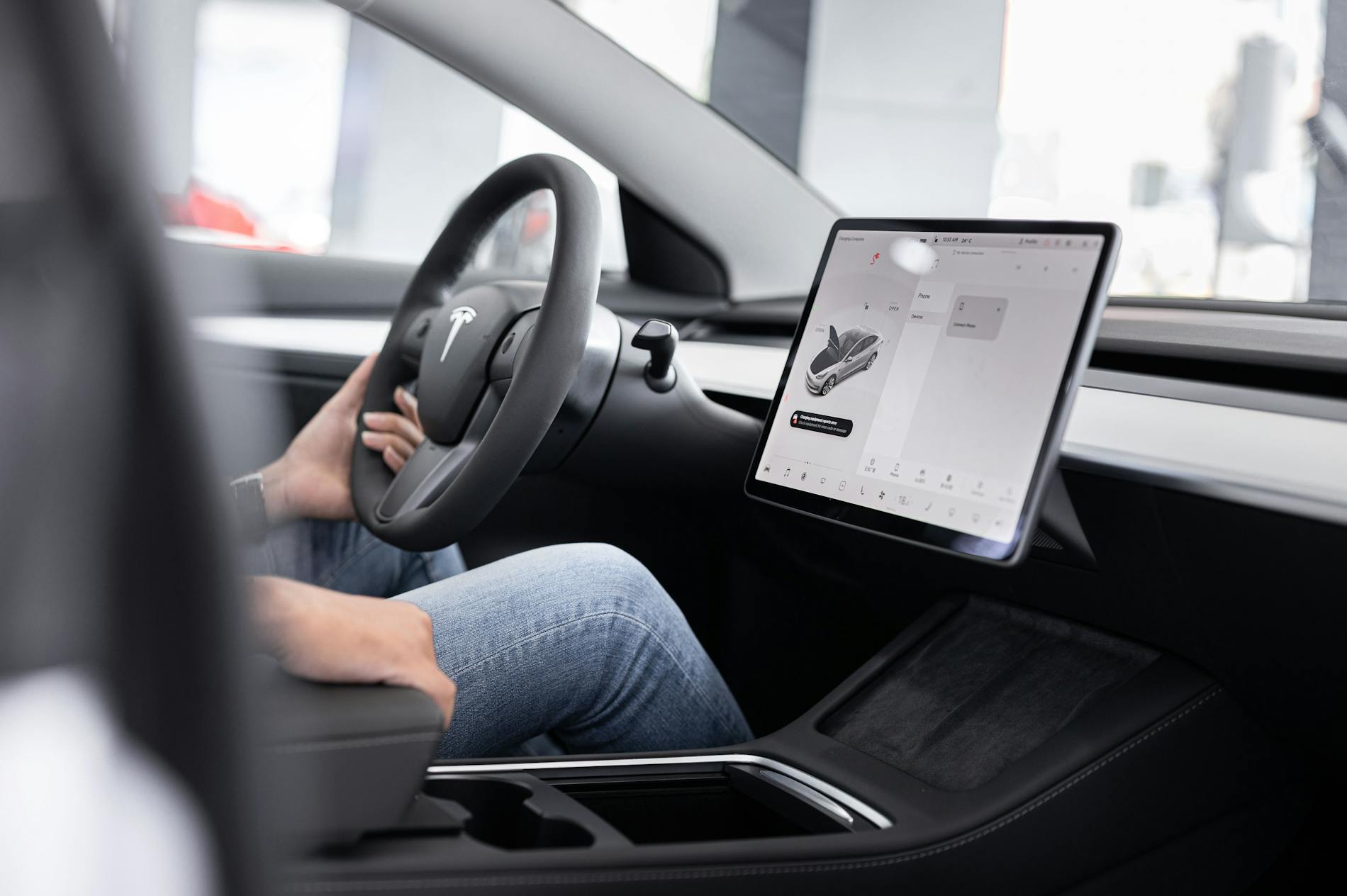
Electric vehicles delivered a final blow. With no need for multi-speed transmissions, EVs eliminated gear levers entirely. Tesla, Nissan, and nearly every electric maker designed their cars without manuals from the start. This left stick shifts feeling more like relics than realistic choices.
Declining Fleet Options
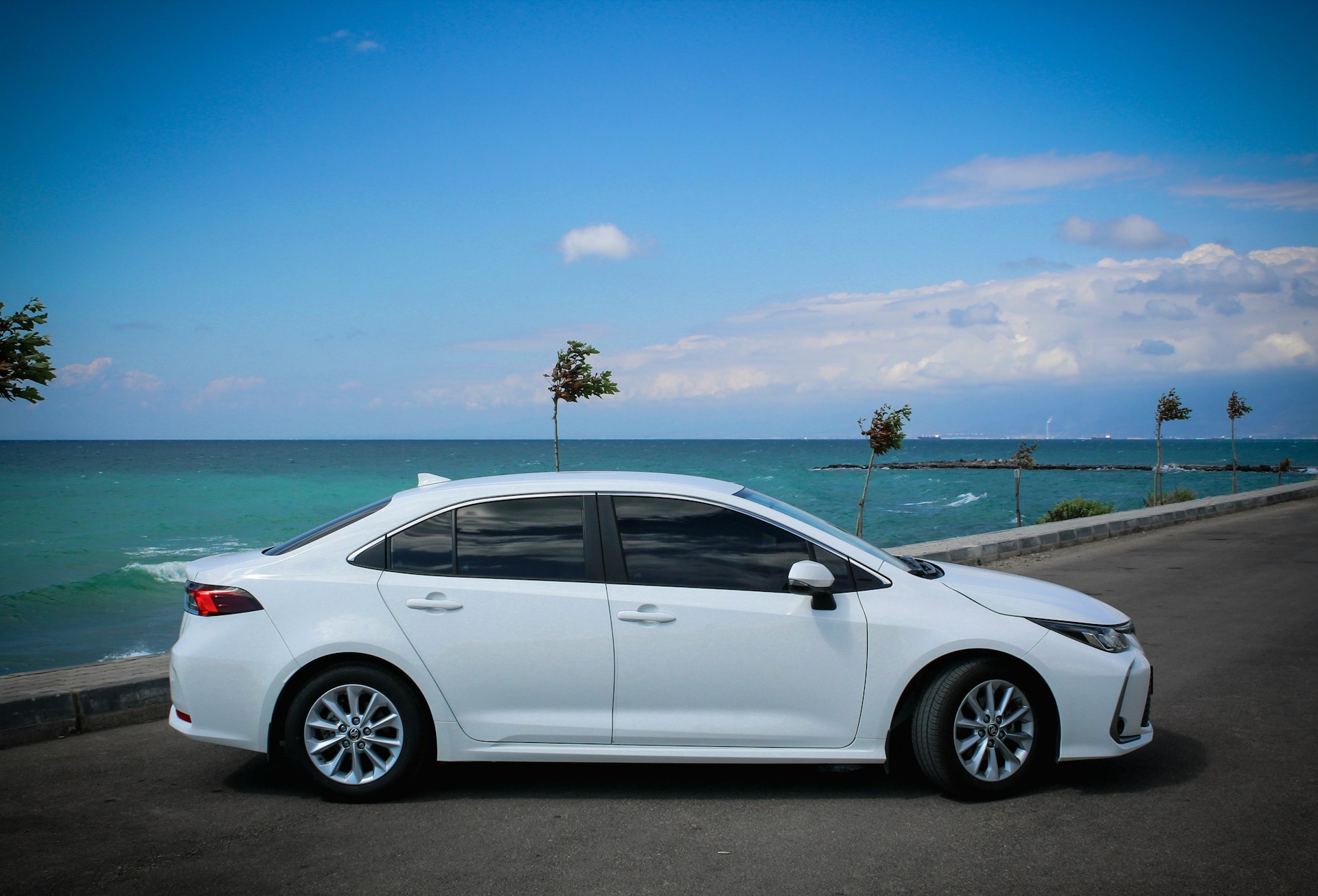
Even manual-heavy segments like pickups and compact sedans have mostly transitioned. The Honda Civic, Toyota Corolla, and nearly every truck line lean toward automatic now. Only a few options, like certain Jeep Wranglers, remain available, mainly for passionate off-road enthusiasts.
Safety And Accessibility
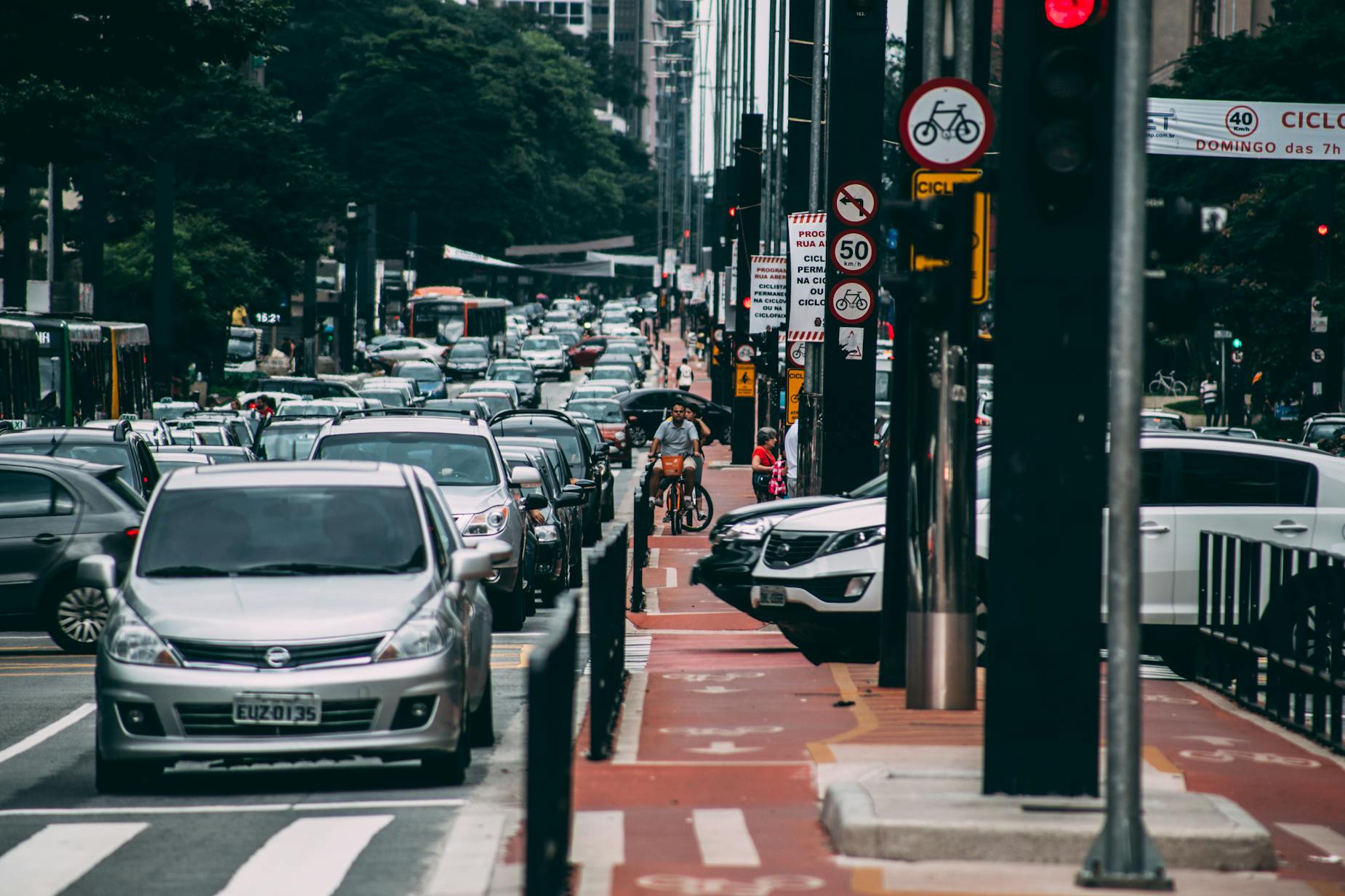
For city driving, stop-and-go traffic makes automatics the easy pick. They also allow broader accessibility for people with mobility challenges. With many countries adapting driver’s tests to automatics, families often encourage new learners to skip manuals entirely as they see them as unnecessary hurdles.
Training Gap For New Drivers

Learning gaps are widening, too. Fewer driving schools offer lessons in manuals, and rental fleets rarely stock them. That means many new drivers wouldn’t know how to operate one in a pinch, creating a generational divide between those who can and those who can’t.
Fuel Economy Myths
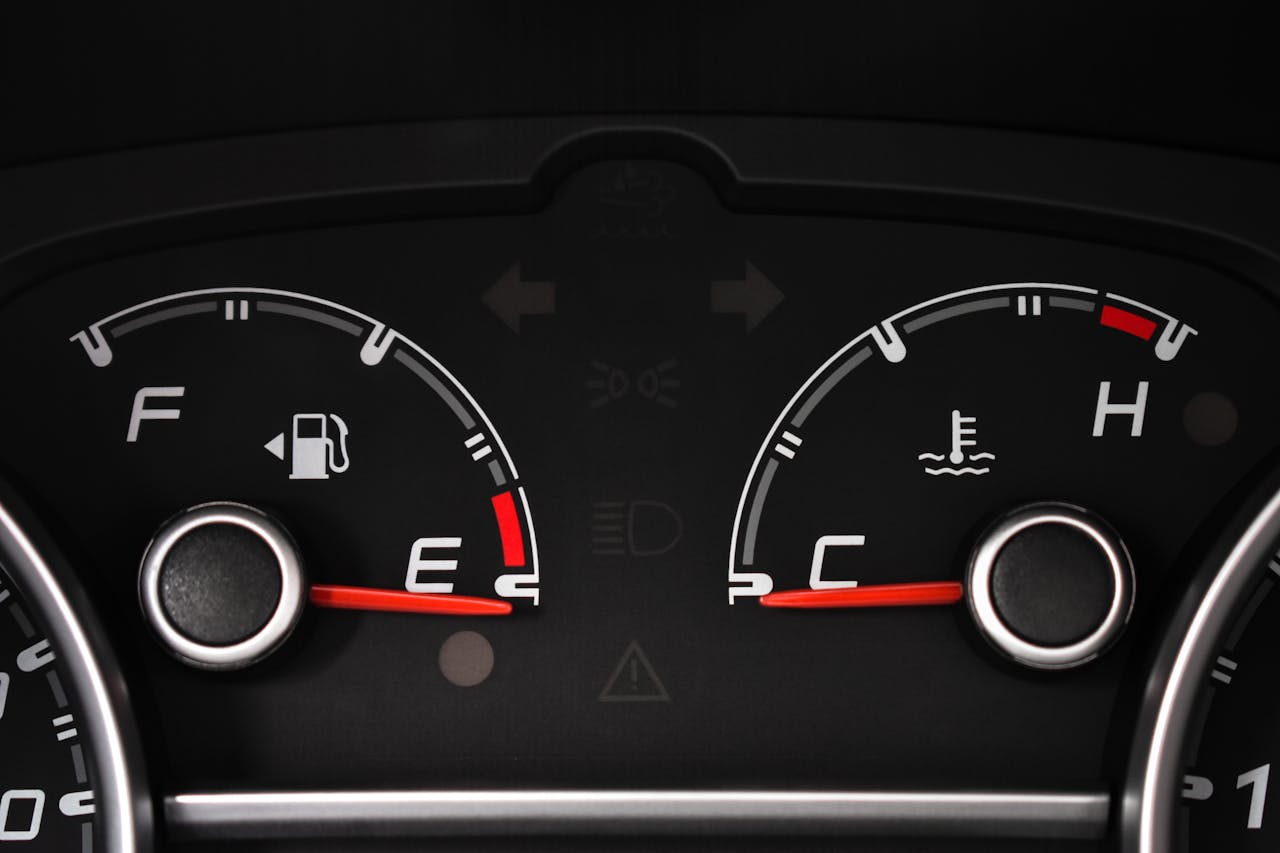
There was a time when manuals gave you better gas mileage. But this advantage is now history. Today’s automatics, especially CVTs and hybrids, outperform the average manual driver in efficiency. Once EVs entered the mix, the argument for manual transmissions saving fuel disappeared entirely.
Licensing Restrictions Abroad
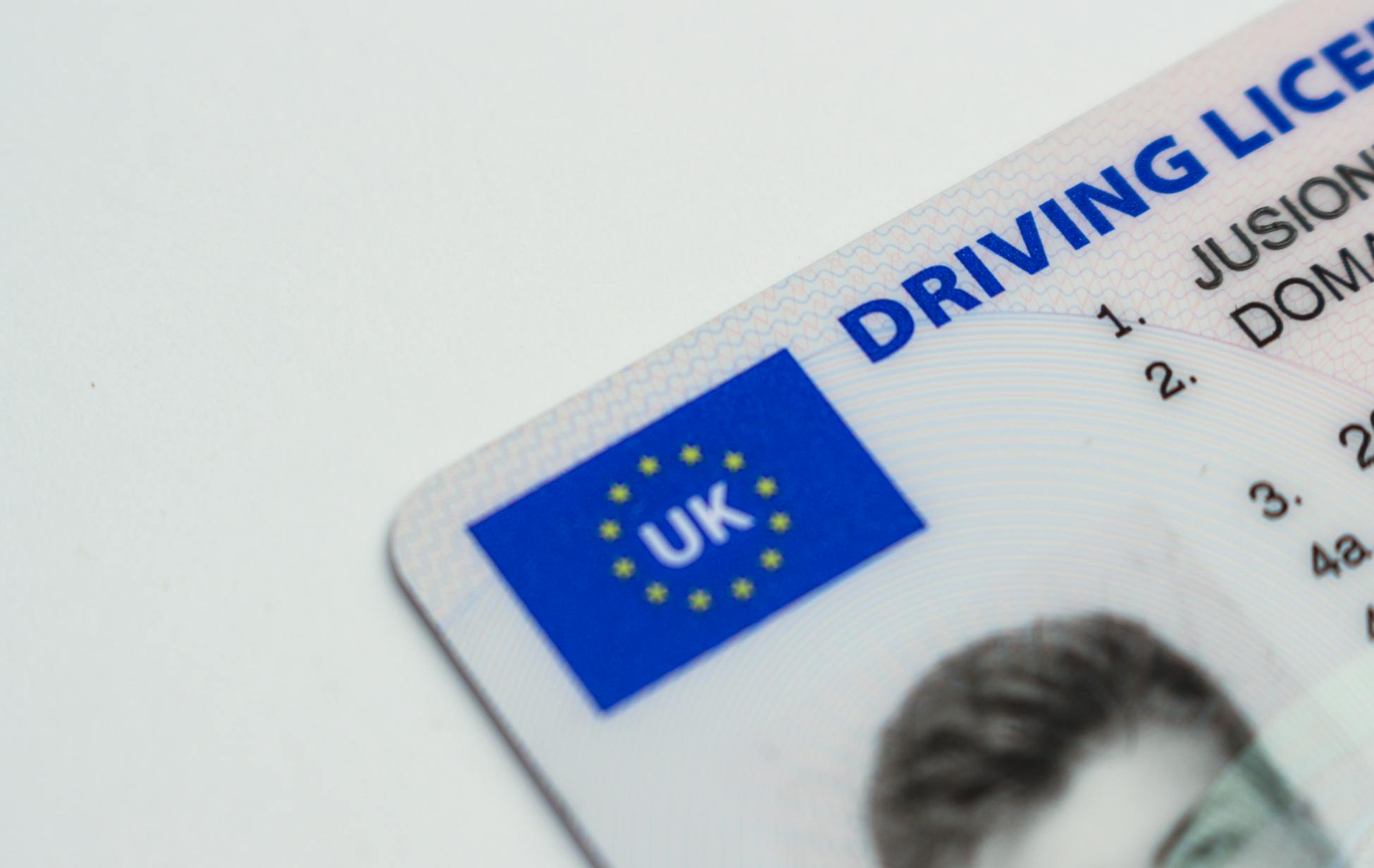
Some countries still structure licenses around transmission choice. In the UK, testing has automatic limits on what you’re legally allowed to drive. Despite that rule, more drivers are choosing automatics for convenience, which is creating a shrinking niche of people able to handle a clutch.
Driving Experience Factor

What remains is the feeling. Enthusiasts say rowing through gears makes them more alert and engaged with the road. For others, it’s just an unnecessary chore, especially in traffic-heavy cities. The debate highlights how lifestyle, not just performance, defines the choice today.