After a succession of bitter failures, a new step into space is taken
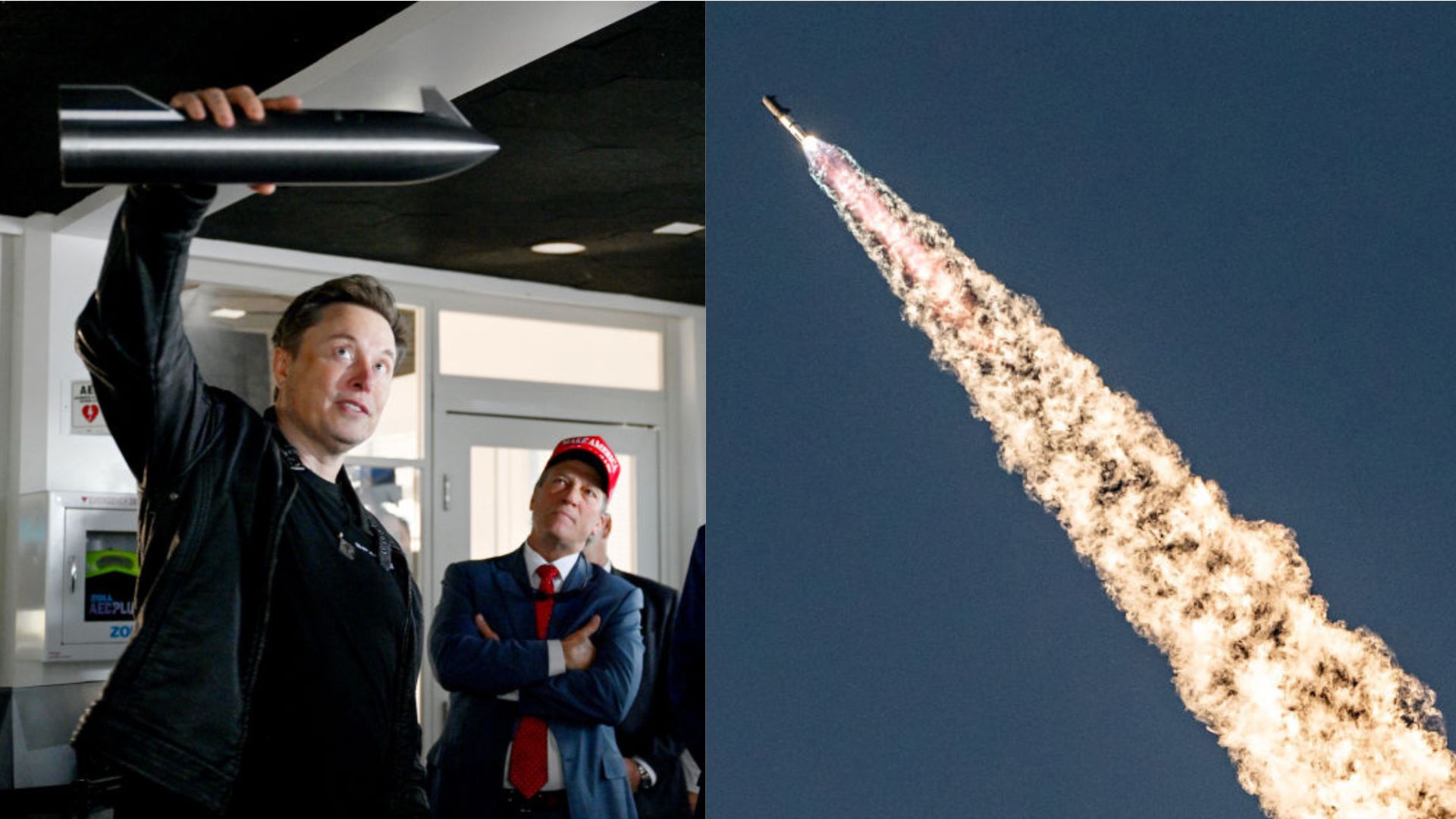
Space X's Starship has successfully completed its last two test flights. A new door opens to a more powerful rocket, ready to conquer space!
Second successful launch for Starship
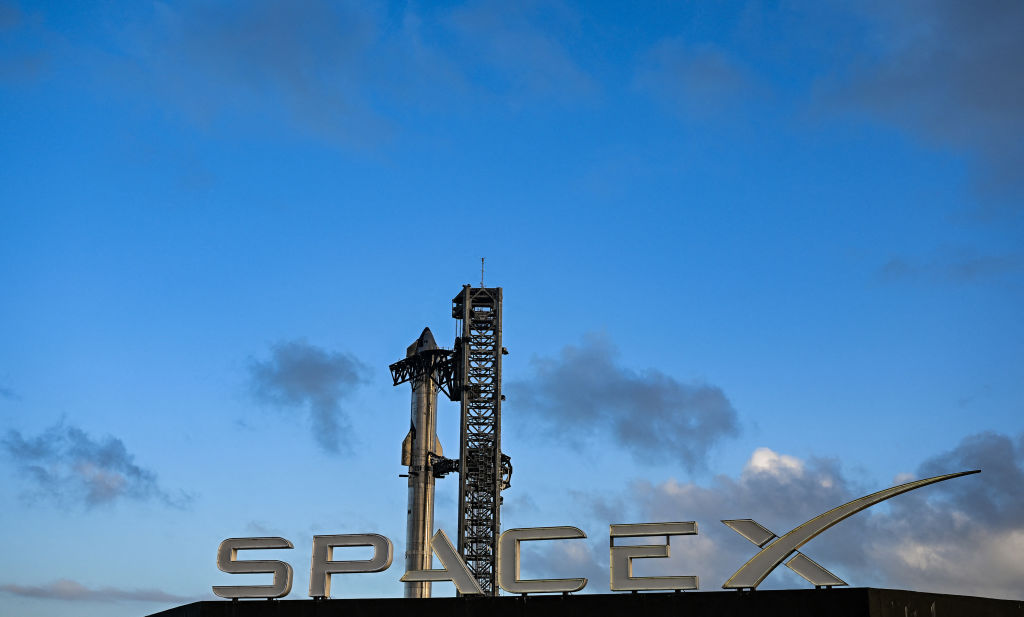
The second consecutive flight test of SpaceX 's Starship has been completed. The flight was completed without any major incidents, attesting to the program's significant progress.
The launch took place from Starbase, Texas, and allowed the steel colossus to soar without causing an explosion or suffering a loss of control.
Following a succession of notable failures earlier this year, this latest test marks a decisive step in the development of the system, seen as central to SpaceX's space aspirations.
A new version of Starship
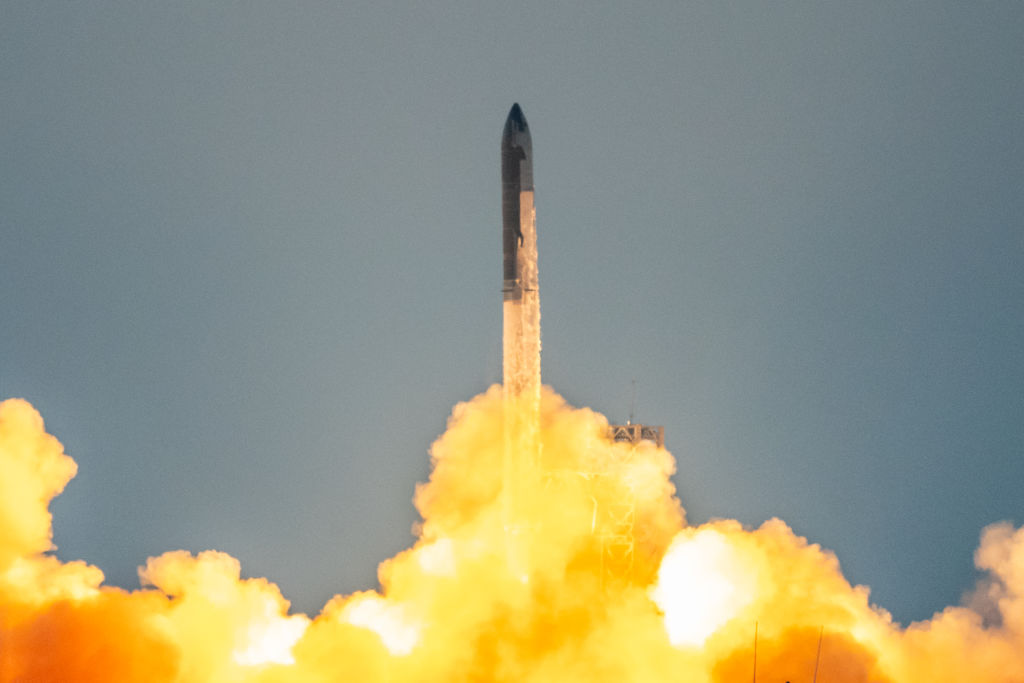
This flight was also the last for version 2 of the Starship rocket. This rocket is considered to be the most powerful ever built.
SpaceX, however, is thinking big and is now planning to transition to a version 3 of the model.
This prototype would be larger, more powerful and, above all, more in line with the final model that the company aspires to operate commercially. From a more technical point of view, this third version should incorporate new engines, revised internal systems and an architecture that facilitates rapid reuse between flights, like an aircraft.
Elon Musk believes that "any technology requires three major iterations before it is fully functional". SpaceX 's technologies are a perfect example of this philosophy.
Successful technical tests
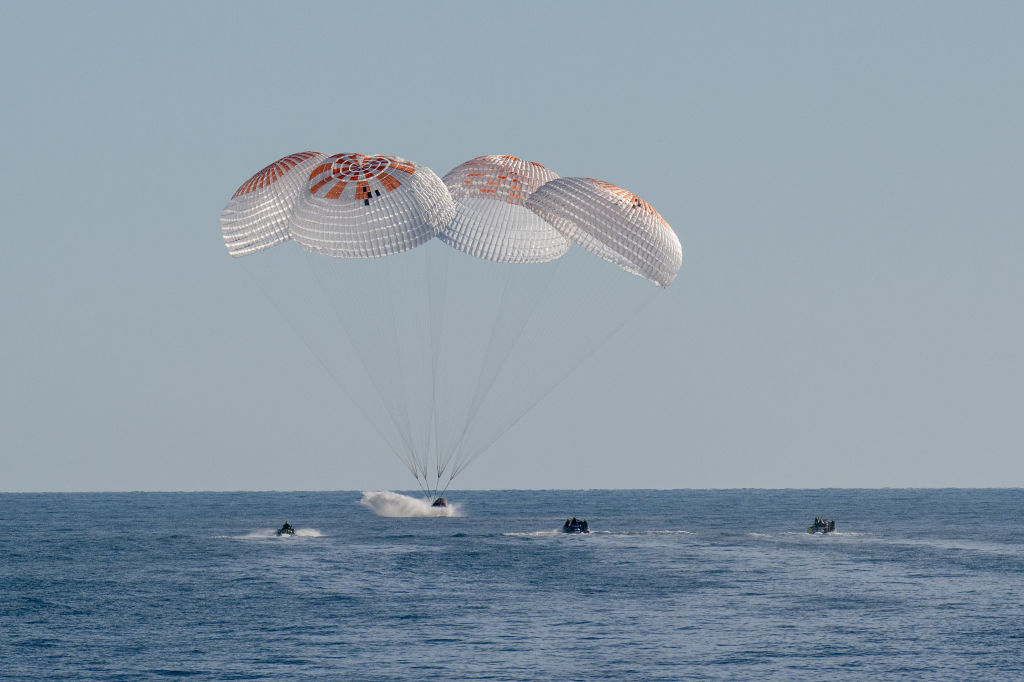
As part of this mission, SpaceX carried out several key technology demonstrations.
The Starship initially deployed dummy satellites, replicating future Starlink V3 satellite launches - a key test for SpaceX's global internet network.
Next, the Starship reactivated an in-flight engine, an essential step in guaranteeing a controlled return from orbit.
In the end, despite the deliberate removal of some heat shield tiles, the craft managed to survive atmospheric re-entry and make a controlled water landing in the Indian Ocean. An achievement which illustrates the growing robustness of the system.
Towards orbital refueling
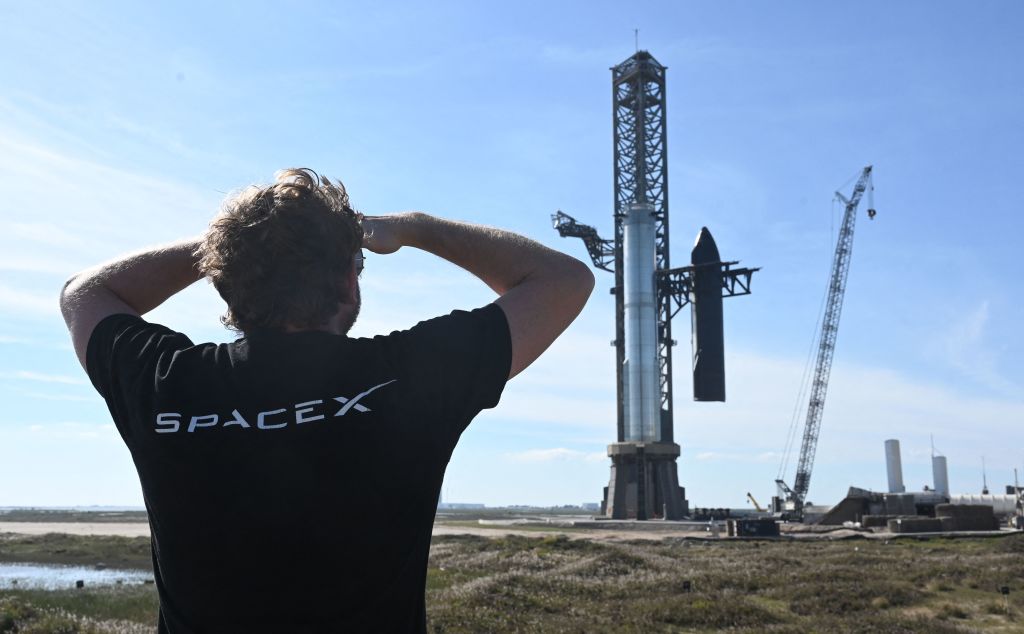
SpaceX's fundamental technological objective remains the same: to drastically reduce the cost of access to Space by co-completely reusing the launcher.
The Super Heavy booster, like the Starship rocket, will eventually have to be recovered, overhauled and relaunched within a few hours.
The company is also developing an unprecedented innovation: refuelling directly in orbit.
This process, which has never been tested before, will enable Starship to extend the duration of its missions to the Moon, Mars and potentially beyond.
Nevertheless, SpaceX will have to launch several tankers to fill the tanks of the main vehicle, which represents a considerable logistical and technical challenge.
The Moon lens
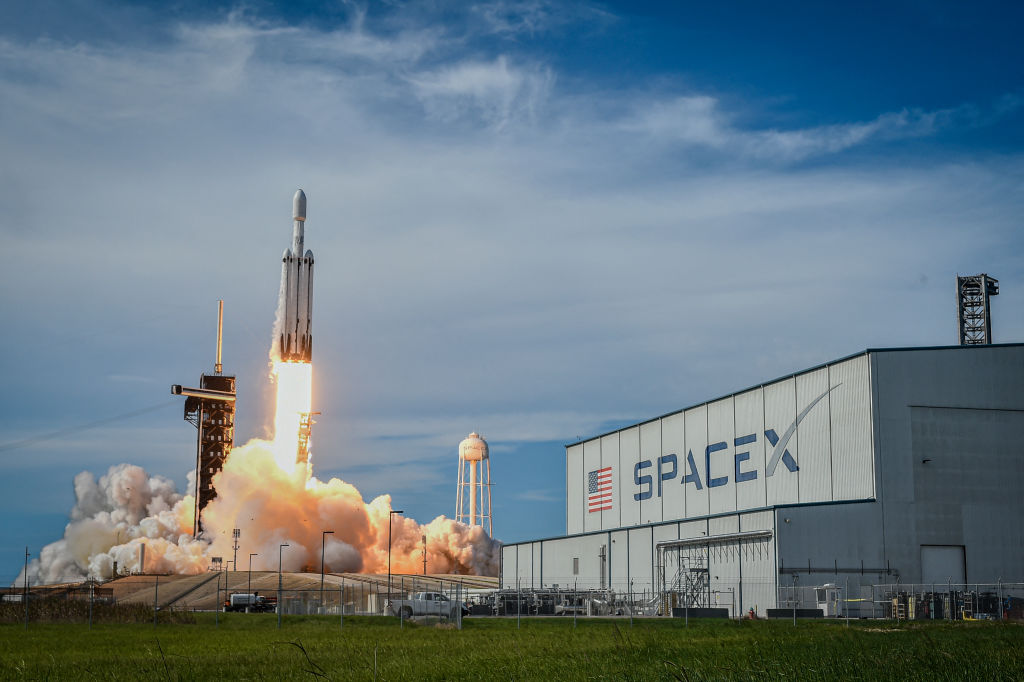
In addition to the tests, the competition for lunar exploration is taking shape behind Starship.
NASA is relying on Starship to land astronauts from the Artemis III mission on the lunar surface as early as 2027.
This deadline, in view of the significant expansion of China's space program, is putting SpaceX under considerable pressure.
Despite the technical uncertainties, U.S. authorities are cautiously optimistic: each successful flight brings the U.S. closer to its historic return to the Moon, and ultimately to Mars exploration, Elon Musk's ultimate dream.