
Not every generation got to poke a screen or ask an AI for help with algebra. Some of us remember dry-erase markers that squeaked too loudly, while others recall rewinding cassettes to hear pronunciation drills one more time. And let’s be honest—everyone has at least one “back in my day” learning tool they think was peak brilliance. Tools may not wear caps and gowns, but they’ve graduated through time, just like the rest of us. The most beloved ones weren’t always flashy. Sometimes, it was a piece of chalk or a clunky device that changed everything. These tools shaped attention spans, built curiosity, and made learning feel like a game—or at least less of a chore. Each era had its go-to gadget or method that quietly rewired how we absorbed knowledge. Ahead, you’ll find the tools that didn’t just teach facts—they defined how whole generations learned to think, explore, and grow.
The Rise Of Chalkboards In 19th-Century Classrooms
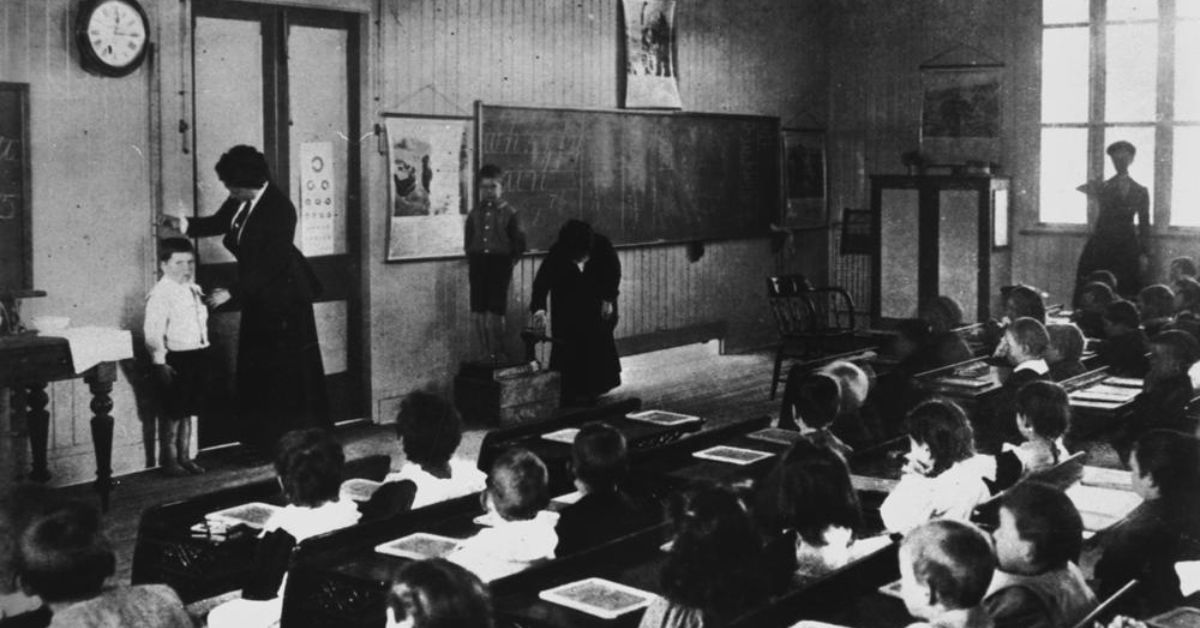
Chalkboards transformed classroom instruction by allowing teachers to deliver lessons to large groups with clarity and consistency. Their smooth surface made real-time collaboration during math and grammar drills highly effective. Reusable and durable, the tool quickly became a cost-efficient staple in classrooms across rapidly expanding public school systems.
Flashcards Revolutionized Memorization Techniques

The use of flashcards was an effective way to strengthen recall and retention across subjects. They also simplified repetition and built confidence in mastering core concepts in subjects like arithmetic and language. Even outside school, flashcards proved their worth as study buddies during exam prep.
The Golden Age Of Encyclopedias In Home Learning

Encyclopedias, like Britannica, introduced structured knowledge into the home. It also served as the pre-Internet gateway to global learning. Several families used them for school projects and to gain a profound understanding of the world. The authoritative entries helped foster critical thinking and a habit of independent fact-checking.
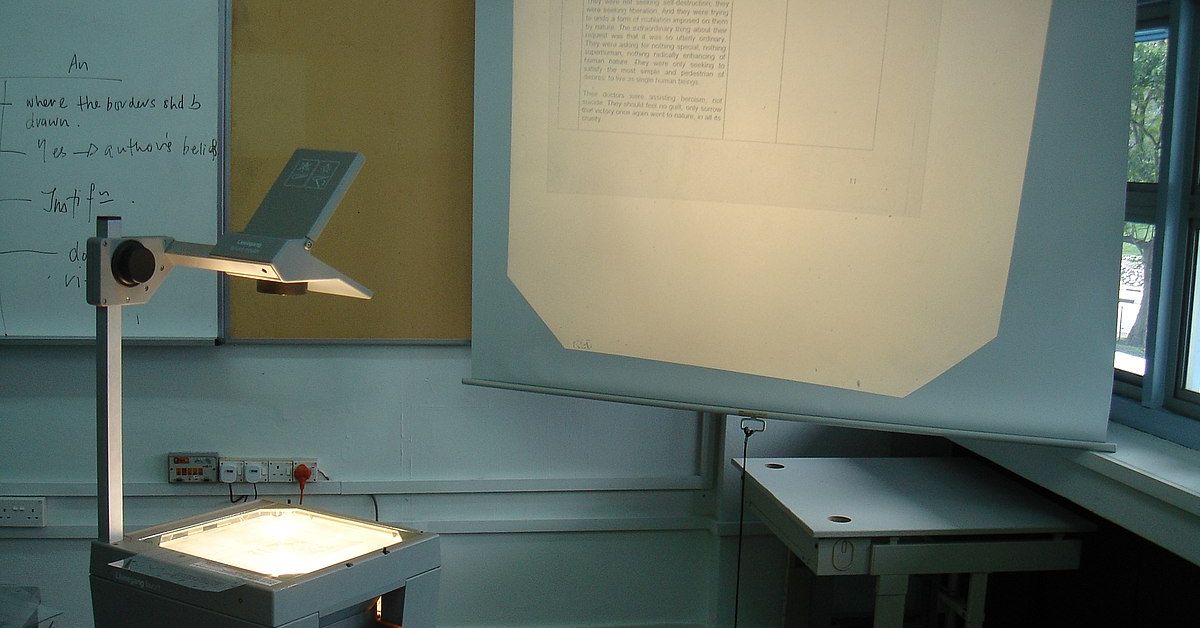
Overhead Projectors And Their Role In 20th-Century Teaching
The Impact of School Radio Broadcasts in the 1940s
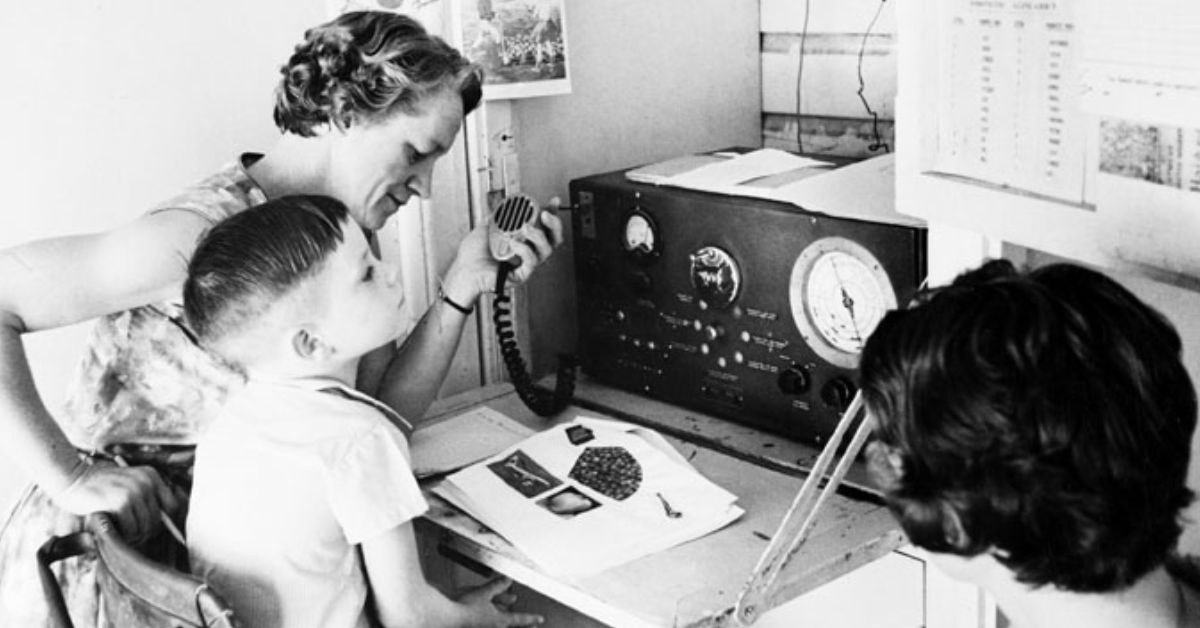
Back in the 1940s, a crackling radio was a lifeline to learning. Students in remote corners of the world tuned in as teachers delivered lessons over the air. It wasn’t just novel—it leveled the field, letting kids hear the same expert voices no matter their zip code.
Educational Television Programs That Defined Childhood
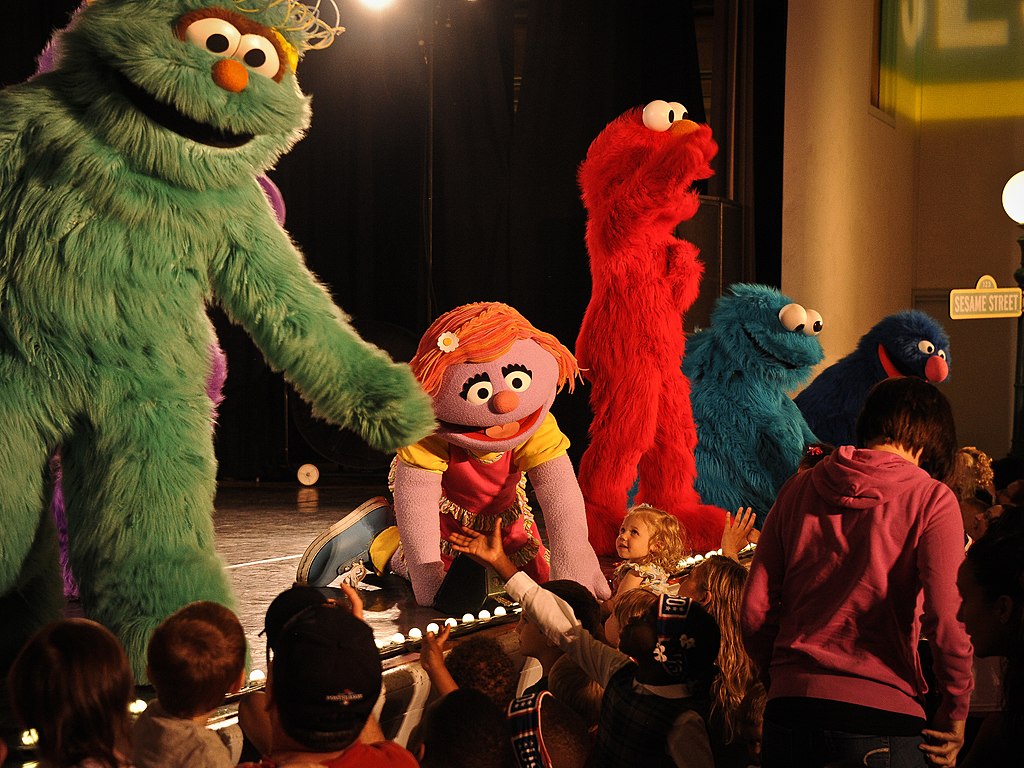
Television introduced learning through entertainment, blending songs, puppets, and color to teach letters, numbers, and empathy. Programs like “Sesame Street” became daily companions for millions of children, especially in underserved areas. These shows made foundational concepts accessible and enjoyable, often before formal schooling even began.
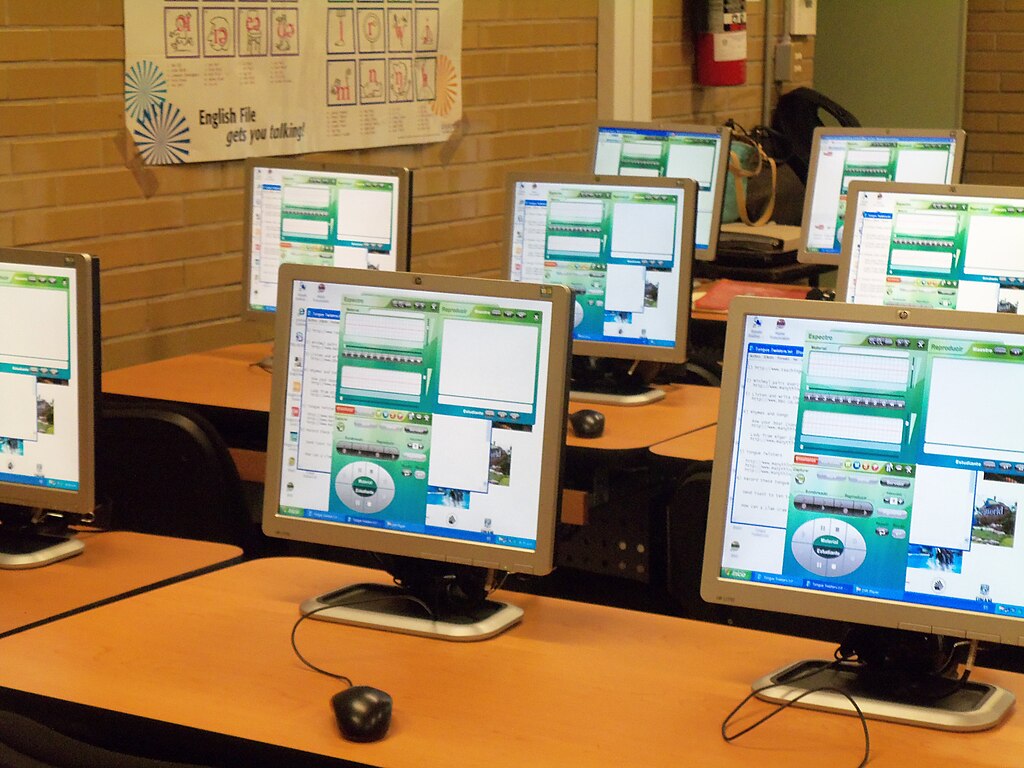
The Boom Of Language Labs In Post-War Schools
How The TI-83 Calculator Changed Math Education
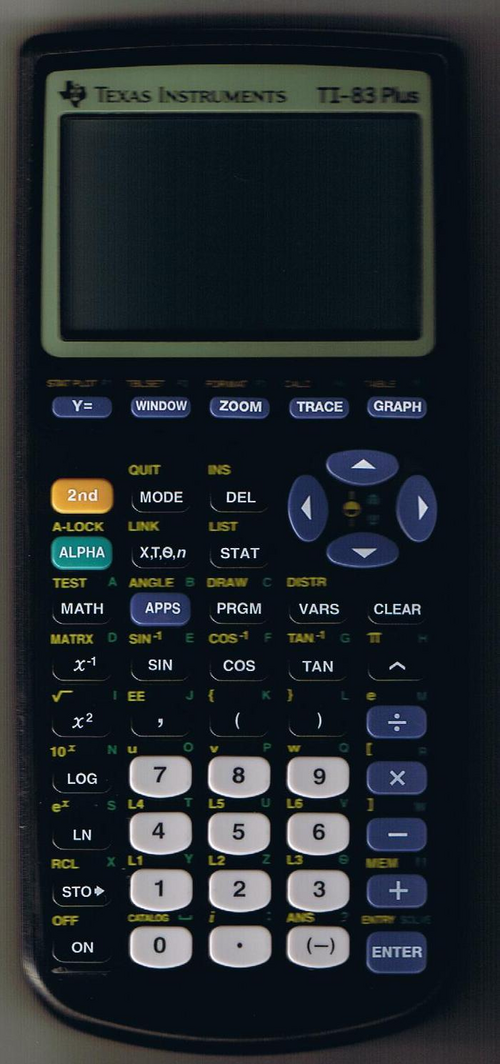
With the TI-83, students could plot graphs and solve complex equations directly on a screen—no graph paper required. It became popular in high school math and reshaped how concepts like calculus and statistics were taught. Rather than replacing skills, it shifted the focus toward deeper problem-solving.
CD-ROM Encyclopedias And The Digital Learning Shift

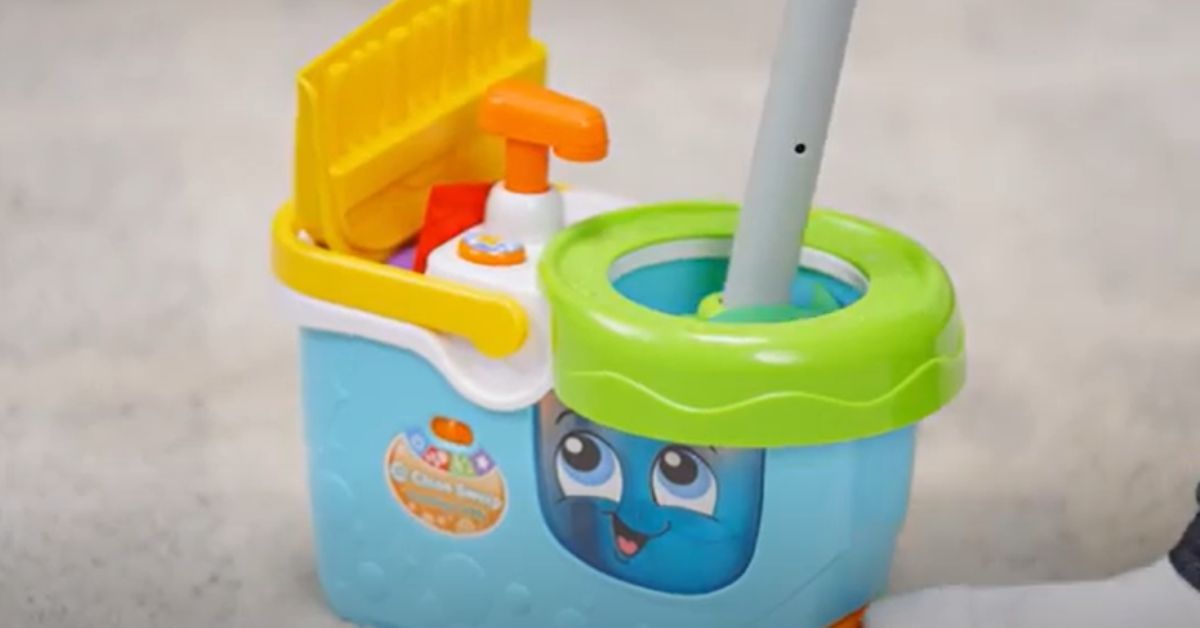
The Role Of LeapFrog Toys In Early Literacy Development
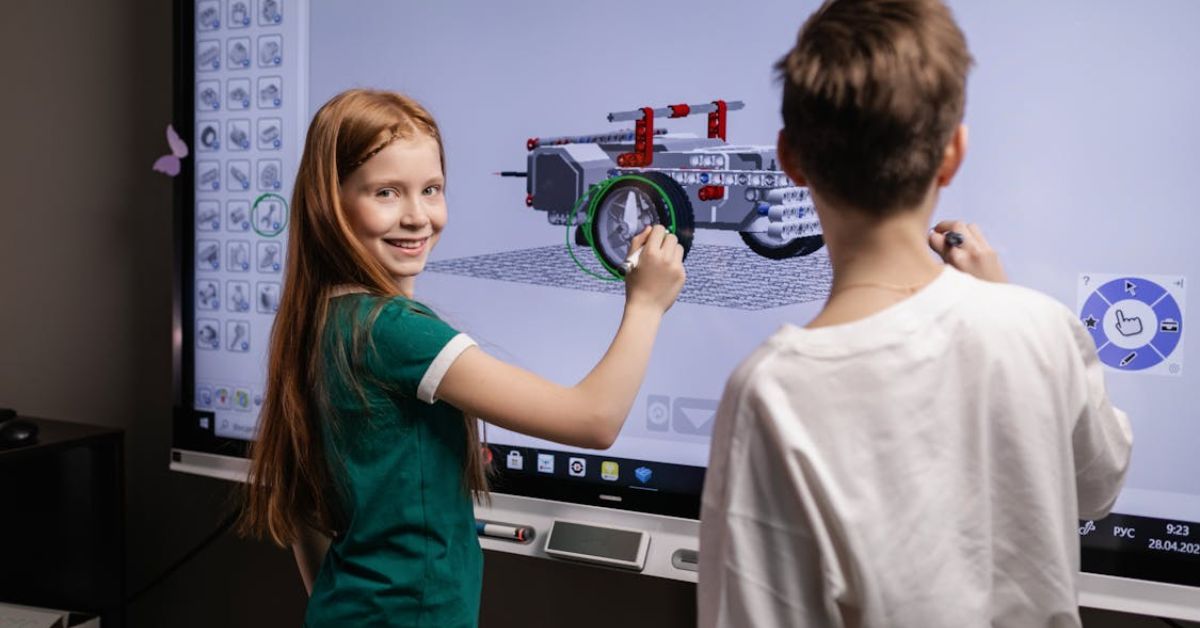
Smartboards And The Dawn Of Interactive Classrooms
How Khan Academy Democratized Online Tutoring

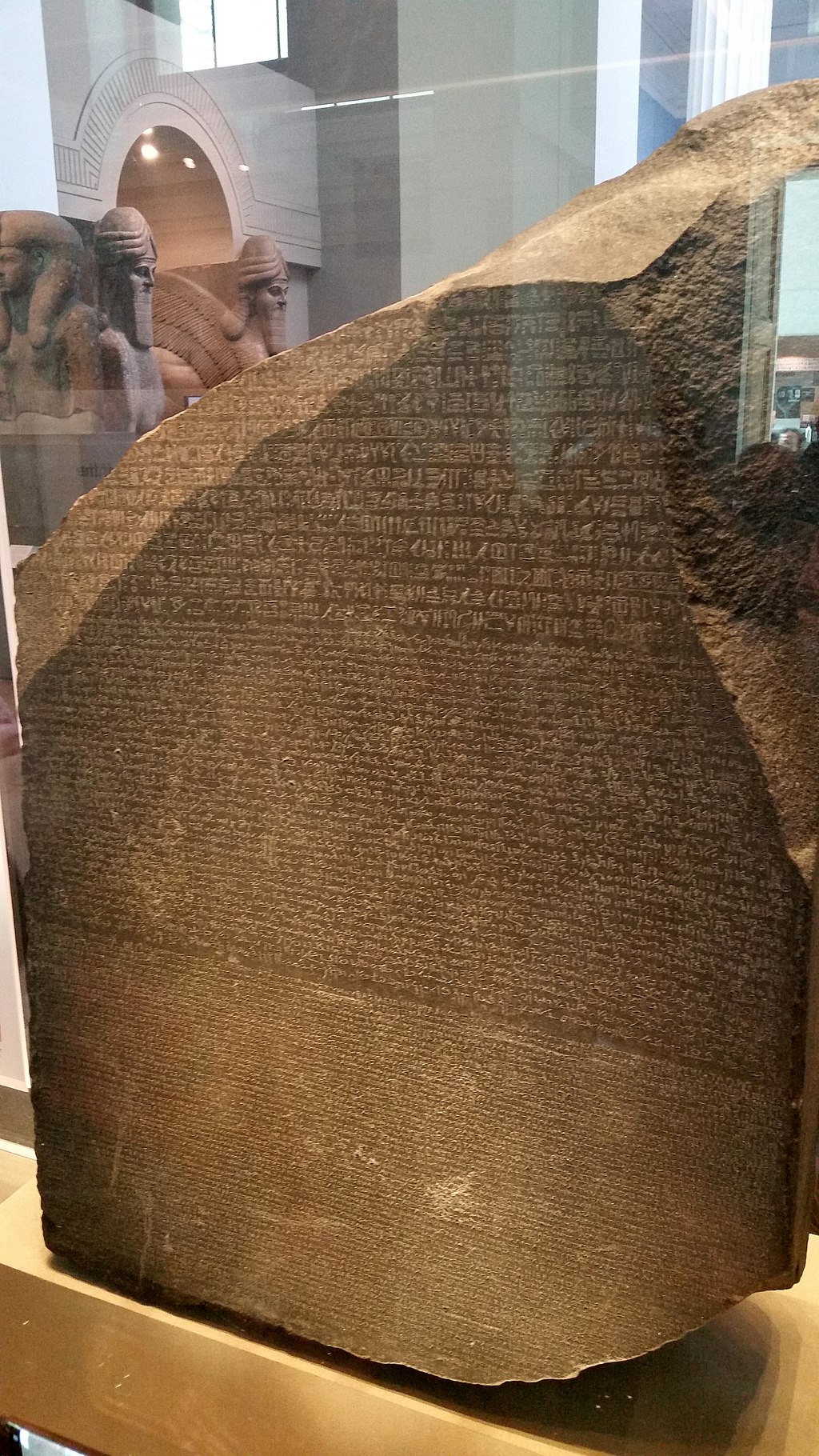
The Influence Of Rosetta Stone On Language Learners
Google Search As The Default Research Tool For Students

The tech giant transformed student research by making nearly any fact or source accessible in seconds. As libraries took a backseat, digital literacy, and search skills became essential topics in the classroom. This shift empowered independent inquiry but also challenged students to distinguish credible sources from the vast amount of information available online.
The Emergence Of Coding Apps For Kids In The 2010s
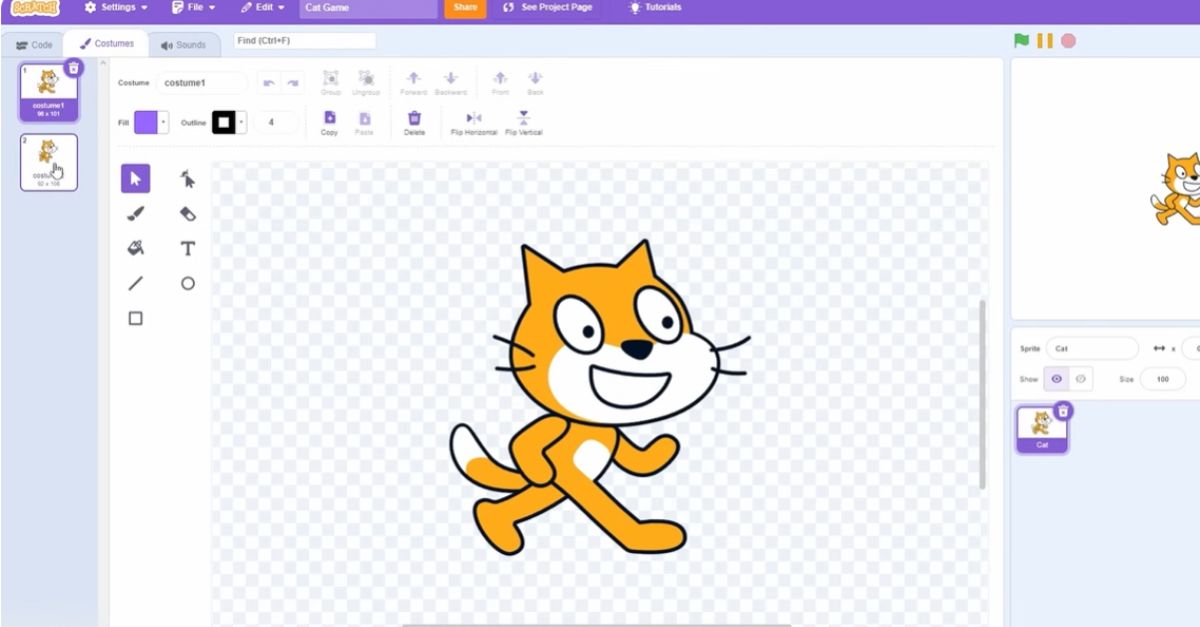
Apps like Scratch provided children with a playful entry point into programming, allowing them to build animations, games, and stories. Through colorful interfaces and drag-and-drop commands, they learned logic without needing to type code. As demand for tech skills rose, schools began to incorporate these tools into their curriculum to teach creativity alongside computation.