From his graduation from HEC Montréal to the conclusion of his role as Premier of Quebec, François Legault’s career illustrates an atypical path between business and politics. Discover in 10 key points how he shaped contemporary Québécois politics through a pragmatic approach, a willingness to break with traditional divisions, and a focus on government efficiency. His time in power was marked by structuring choices in terms of identity, language, and secularism, as well as by an assertive centralization of decision-making. His crisis management, economic focus, and assertive nationalism have profoundly redefined the priorities and tone of modern Québécois governance.
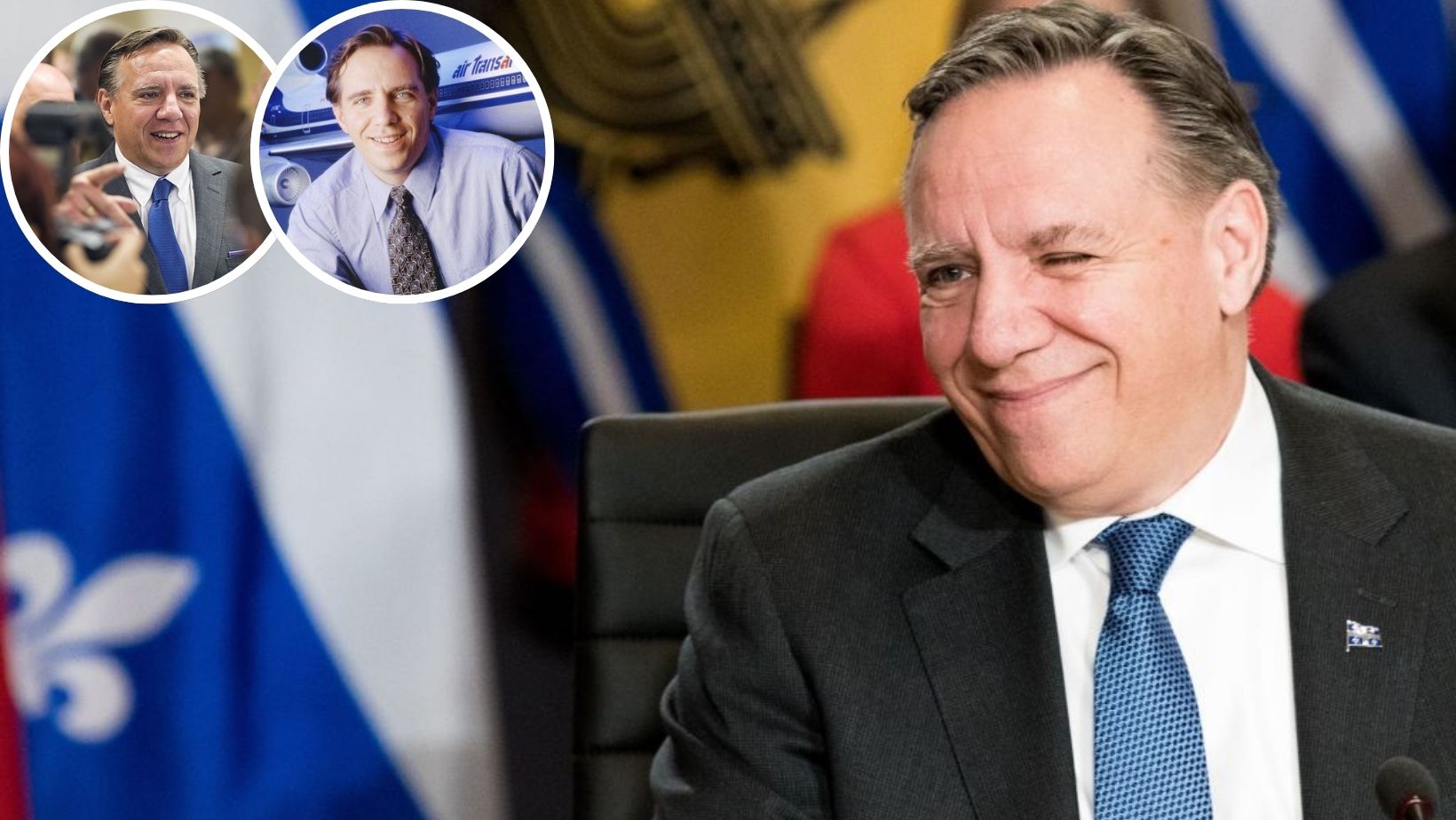
From his graduation from HEC Montréal to the conclusion of his role as Premier of Quebec, François Legault's career illustrates an atypical journey between business and politics. Discover in 10 key points how he shaped contemporary Quebec politics through a pragmatic approach, a willingness to break with traditional divisions, and a focus on government efficiency. His time in power was marked by structural choices in terms of identity, language, and secularism, as well as by a deliberate centralization of decision-making. His crisis management, his focus on the economy, and his assertive nationalism profoundly redefined the priorities and tone of modern Quebec governance.
Trained at HEC Montréal
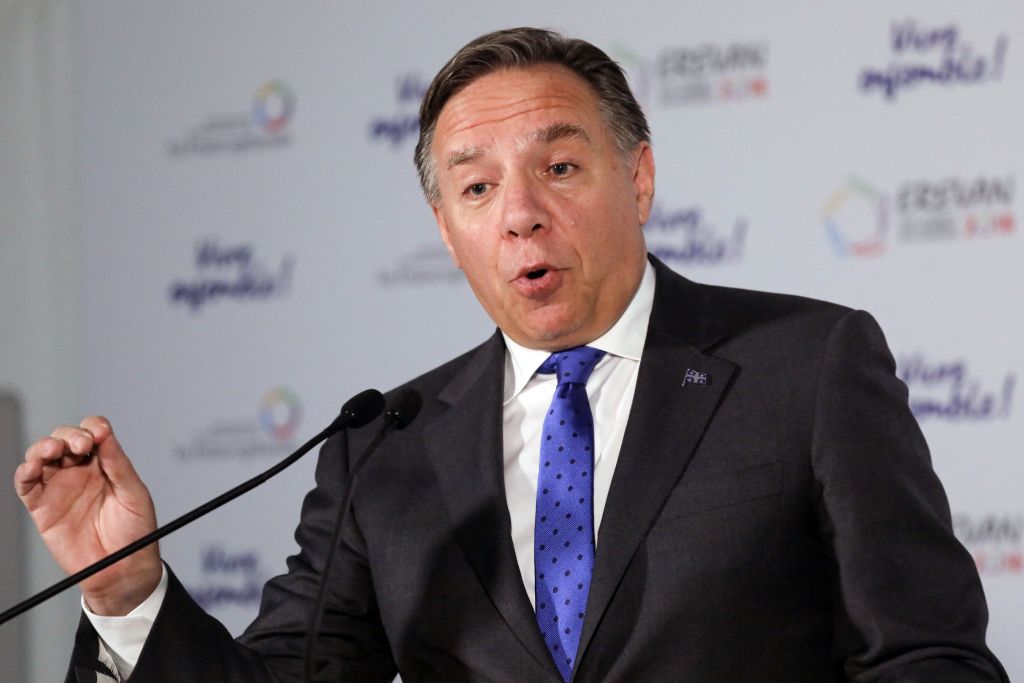
François Legault 's education at HEC Montréal played a decisive role in shaping his professional and political approach. Graduating with a degree in administration in 1978 and a master's degree in business administration in 1984, he acquired a solid understanding of economic mechanisms, financial management, and strategic decision-making. This academic foundation subsequently nurtured his profile as a pragmatic manager focused on results and government efficiency. Throughout his career, this training has been reflected in his discourse centered on budgetary discipline, the performance of public organizations, and the promotion of expertise. HEC Montréal thus constitutes the intellectual foundation of a leadership marked by realism and economic rationality.
Air Transat

François Legault's relationship with Air Transat began in 1984, when he joined the company at its founding after obtaining his MBA from HEC Montréal. He quickly took on strategic roles, helping to structure and develop the company in a highly competitive market. In 1997, he became president and CEO, during which time Air Transat experienced significant growth and strengthened its position on the international scene. The company went public in 1999, confirming its success. This experience of more than 15 years in the airline industry forged François Legault's image as a rigorous manager, a profile that would profoundly influence his political approach thereafter.
His arrival in politics

François Legault 's career within the Parti Québécois began in 1998, when he was elected Member of Parliament for Rousseau. He quickly established himself as an influential figure in the party and was appointed Minister of Industry and Commerce in 2001, then Minister of Health and Social Services in 2002. In this position, he spearheaded a major reform of the healthcare system, focusing on performance and management. In 2009, disagreeing with the PQ's sovereignist orientation, he left politics and the party. This departure marked a decisive break and paved the way for the creation of a new political future.
The creation of the CAQ
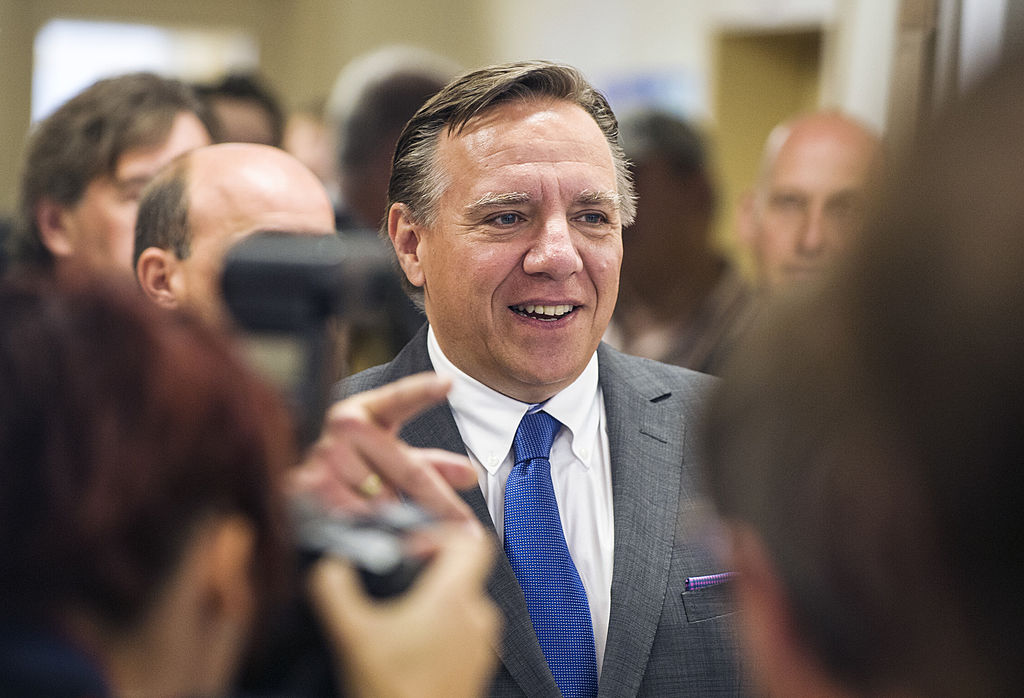
The creation of the Coalition Avenir Québec (CAQ) in 2011 was the result of a thoughtful process led by François Legault to propose a new political path for Quebec. Noting the stalling of the constitutional debate, he initiated a broad public reflection and brought together actors from different backgrounds. The CAQ was initially born as a citizen movement, structured around consultations, working groups, and a program focused on concrete issues. This process aimed to build a party centered on governance, the economy, and identity, rather than on the issue of sovereignty. The movement's transformation into a political party formalized this approach and initiated a lasting realignment of the Quebec political landscape.
Nomination as Leader of the CAQ
The appointment of François Legault as leader of the Coalition Avenir Québec (November 14, 2011) was a decisive step in the emergence of this new political movement. As soon as the CAQ officially became a party, he naturally took the helm, embodying the vision and direction of the project. His leadership is based on a pragmatic, results-oriented approach, effective management of the state, and overcoming traditional divisions. As leader, he structured the organization, consolidated the program, and established a discourse focused on economic, identity, and institutional priorities. His appointment marked the beginning of the CAQ's gradual rise to become a major political force in Quebec.
Election as Premier
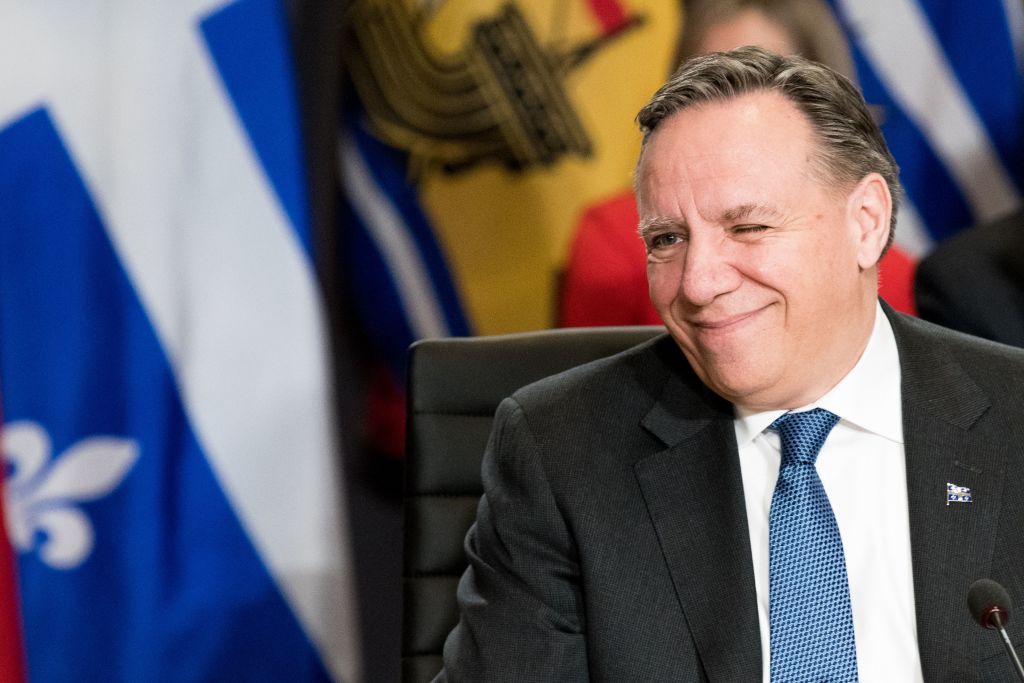
François Legault's accession to the head of the Quebec government on October 18, 2018, is part of a profound political realignment. Carried by an unprecedented electoral wave for a relatively young party, he became premier in a context of rupture with the traditional parties. This appointment enshrines a leadership built on the promise of efficiency, stability, and refocusing of government priorities. More than just a change of leader, his arrival in power reflects a redefinition of the relationship between the state and its citizens, emphasizing public performance, national affirmation, and rigorous management. This moment marks the beginning of an unprecedented political cycle that will have a lasting impact on the Quebec landscape.
His management of the pandemic
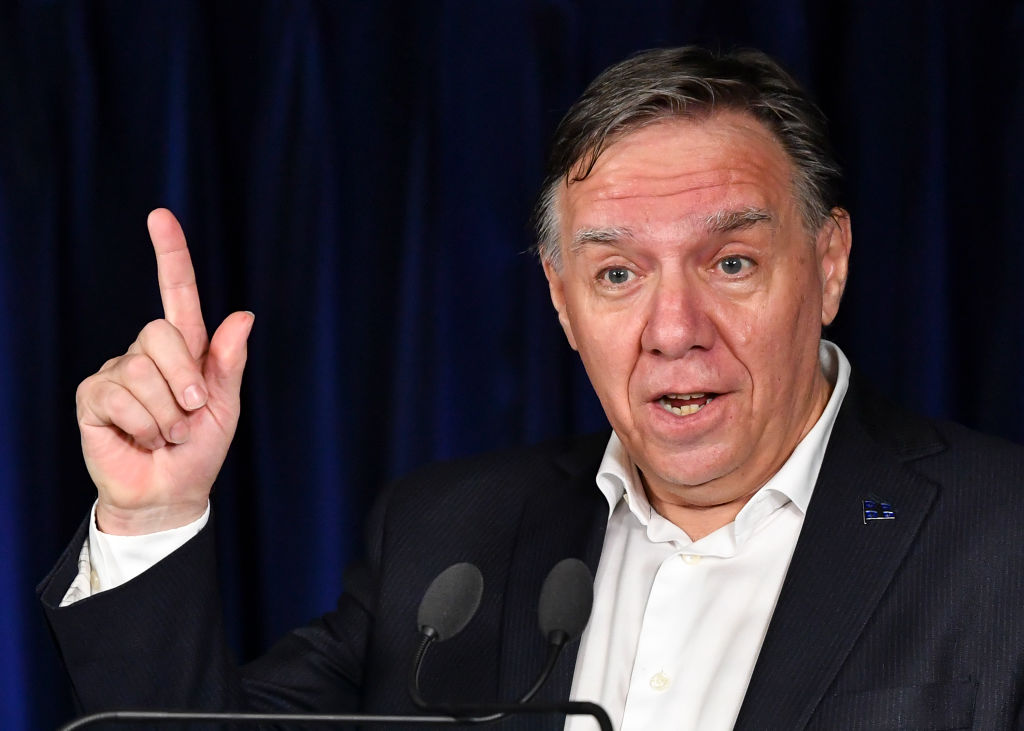
François Legault's management of the pandemic crisis has profoundly marked his time in power. Faced with an unprecedented situation, he has adopted a centralized approach, relying on daily press briefings and direct communication with the public. His government quickly imposed strict measures to protect the healthcare system and vulnerable individuals. This period has been marked by difficult, often controversial decisions, but ones guided by the health emergency. The pandemic reinforced his image as a present and determined leader, while sparking debates about the balance between individual freedoms, public health, and crisis management.
Re-elected for a second term
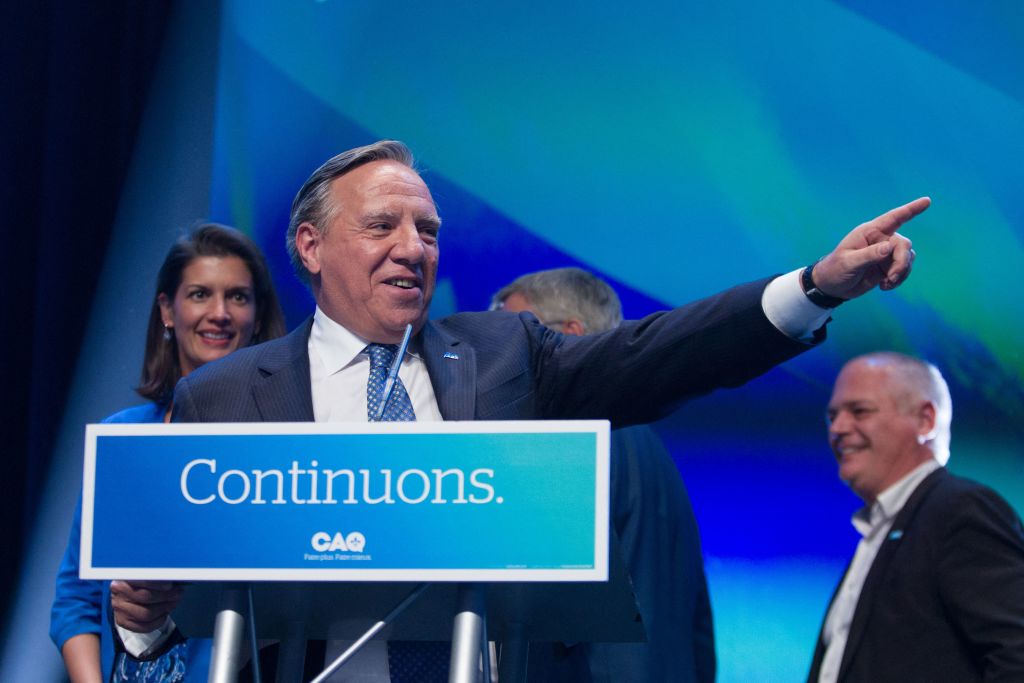
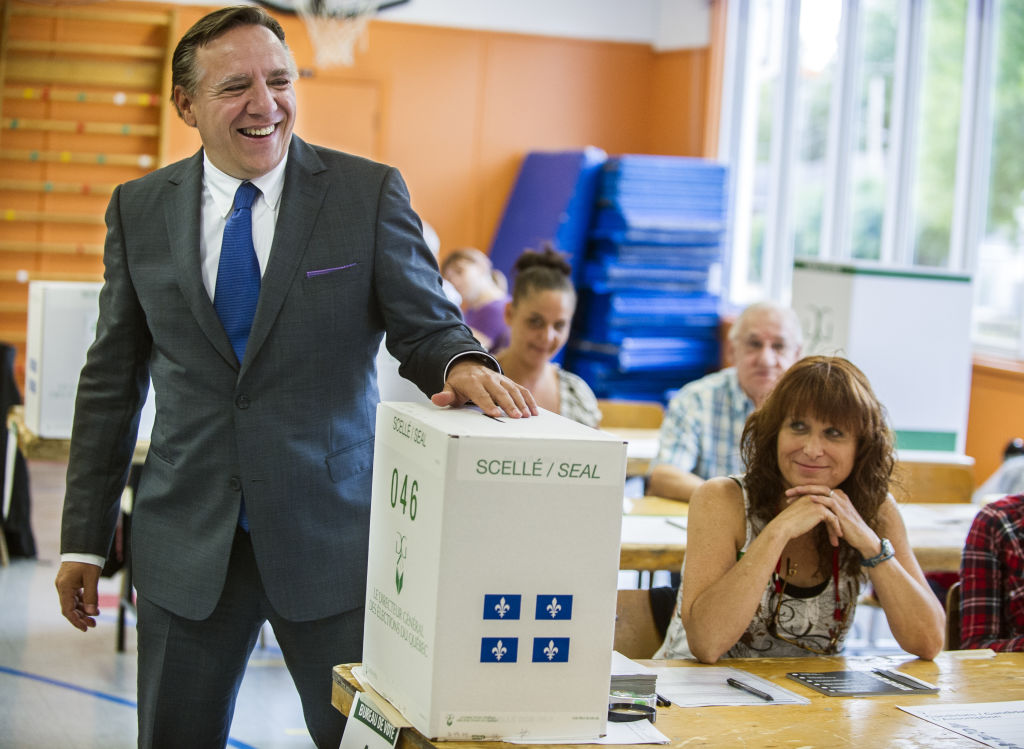
François Legault 's re-election in 2022 confirms the Coalition Avenir Québec's lasting hold on power. Carried by a large majority, he won a second consecutive term, strengthening his legitimacy after a first term marked by the pandemic. This result reflects the confidence of a significant portion of the electorate in his crisis management and his stability-focused style of governance. The victory was based on a platform focused on the economy, the protection of the French language, and Quebec identity. Despite a fragmented opposition, this re-election consolidates his dominant role in the political landscape and gives him a strong mandate to continue his structural reforms.
His resignation
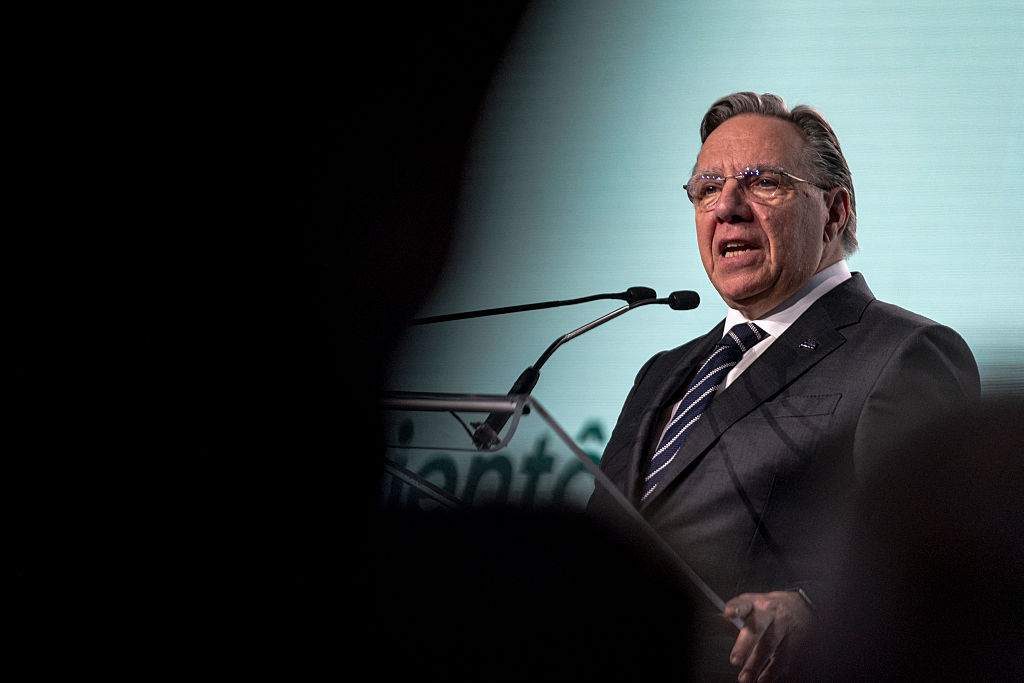
On January 14, 2026, François Legault announced his resignation as Premier of Quebec after more than seven years at the head of the government and the Coalition Avenir Québec (CAQ). This decision comes amid a sharp decline in the party's popularity and unfavorable election results in the polls, where the CAQ found itself behind several other political parties. Legault explained that he had heard a desire for change among Québécois and chose to step down, while remaining in office until a new leader was elected by the CAQ. His resignation opened the door to a major transition in provincial politics just a few months before the general election.
His important and structuring decisions
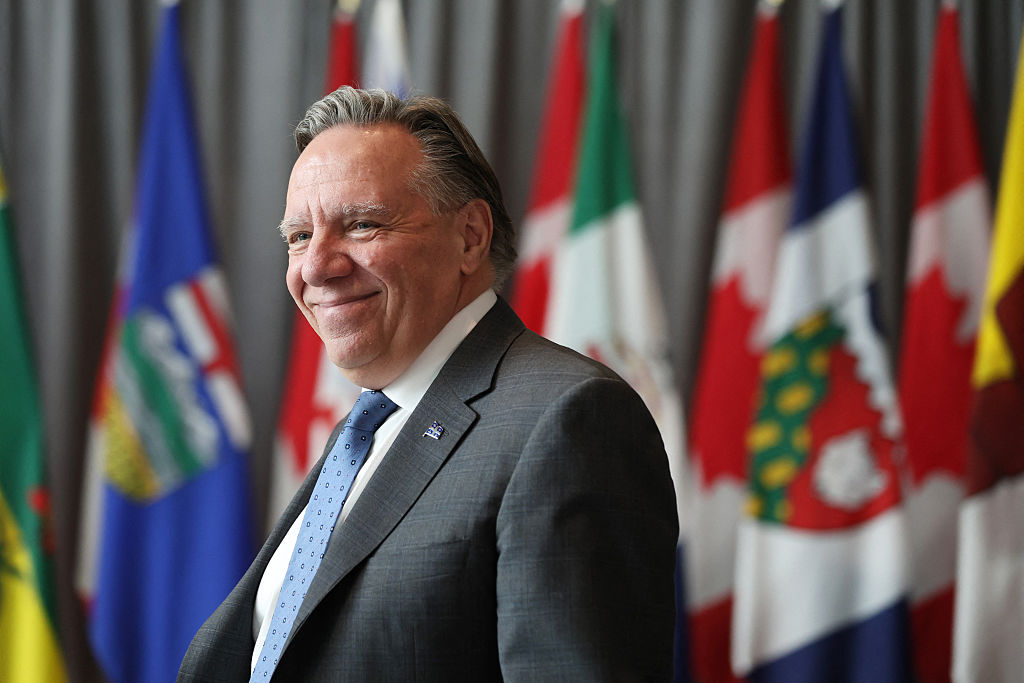
Under François Legault, several structural decisions have marked Quebec, notably Bill 21, Bill 96, and immigration policy. Bill 21 affirms the secular nature of the state by prohibiting the wearing of religious symbols for certain employees in positions of authority, a measure defended in the name of neutrality but hotly contested. Bill 96 strengthens the protection of the French language, broadening the application of the Charter of the French Language in order to curb linguistic decline. In terms of immigration, his government has favored more controlled thresholds and increased francization, seeking to reconcile reception capacity, integration, and the preservation of Quebec's cultural identity.