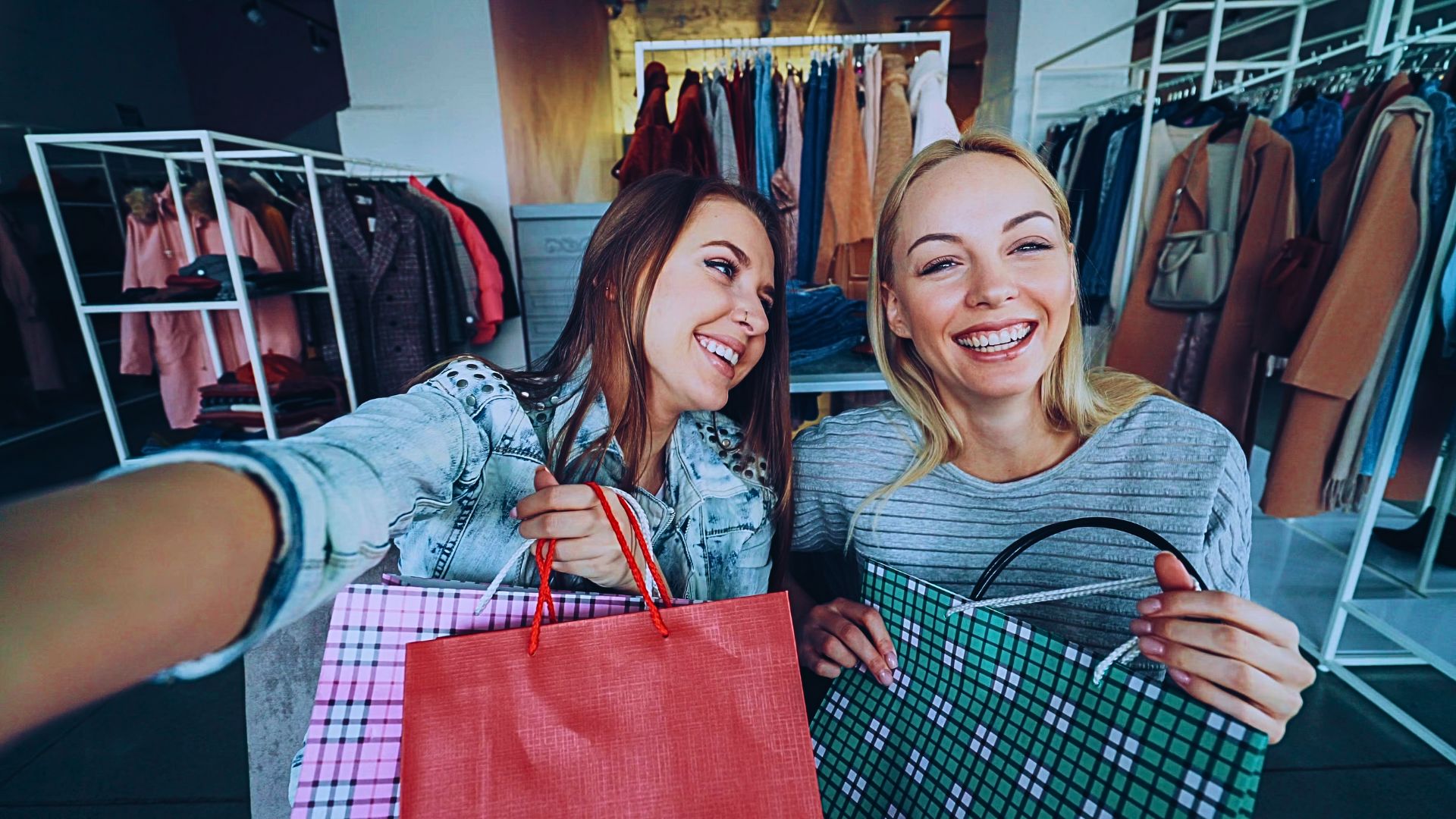
For some people, a “quick stop” at the store ends up with three bags of stuff they didn’t plan on buying. That’s impulse buying working its magic. It isn’t just poor planning—it’s psychology, marketing, and timing teaming up against your willpower.
Sales signs shout urgency, dopamine rewards spur excitement, and social media drops daily temptations right in your lap. Even fatigue can nudge you toward snacks and “just in case” items you never needed.
What makes it even trickier is how normal it feels. Retailers count on that little thrill you get when hitting “add to cart” or grabbing one more deal. Luckily, once the hidden patterns become obvious, the spell starts to break. Get ready to laugh and nod along as we dig into the sneaky reasons impulse buying is so hard to resist.
The Dopamine Rush That Fuels Impulse Buys
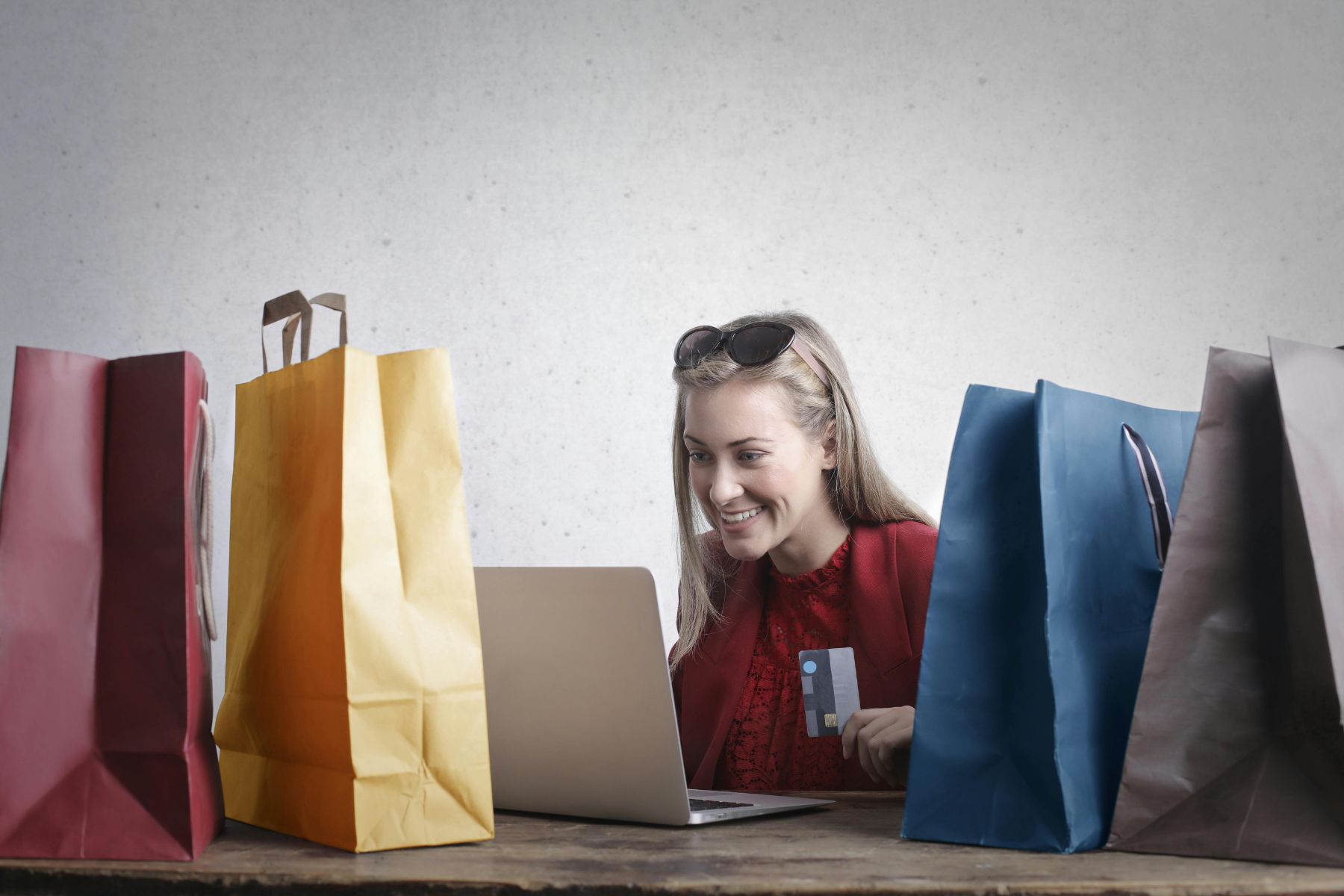
Dopamine spikes whenever an unplanned purchase is made to create a short-term reward loop that feels instantly satisfying. The same brain chemical is also tied to gambling highs, chocolate cravings, and even the thrill of checking notifications. This rush fades quickly, but it often fuels the next impulse to buy.
Sales And Discounts Trick The Brain
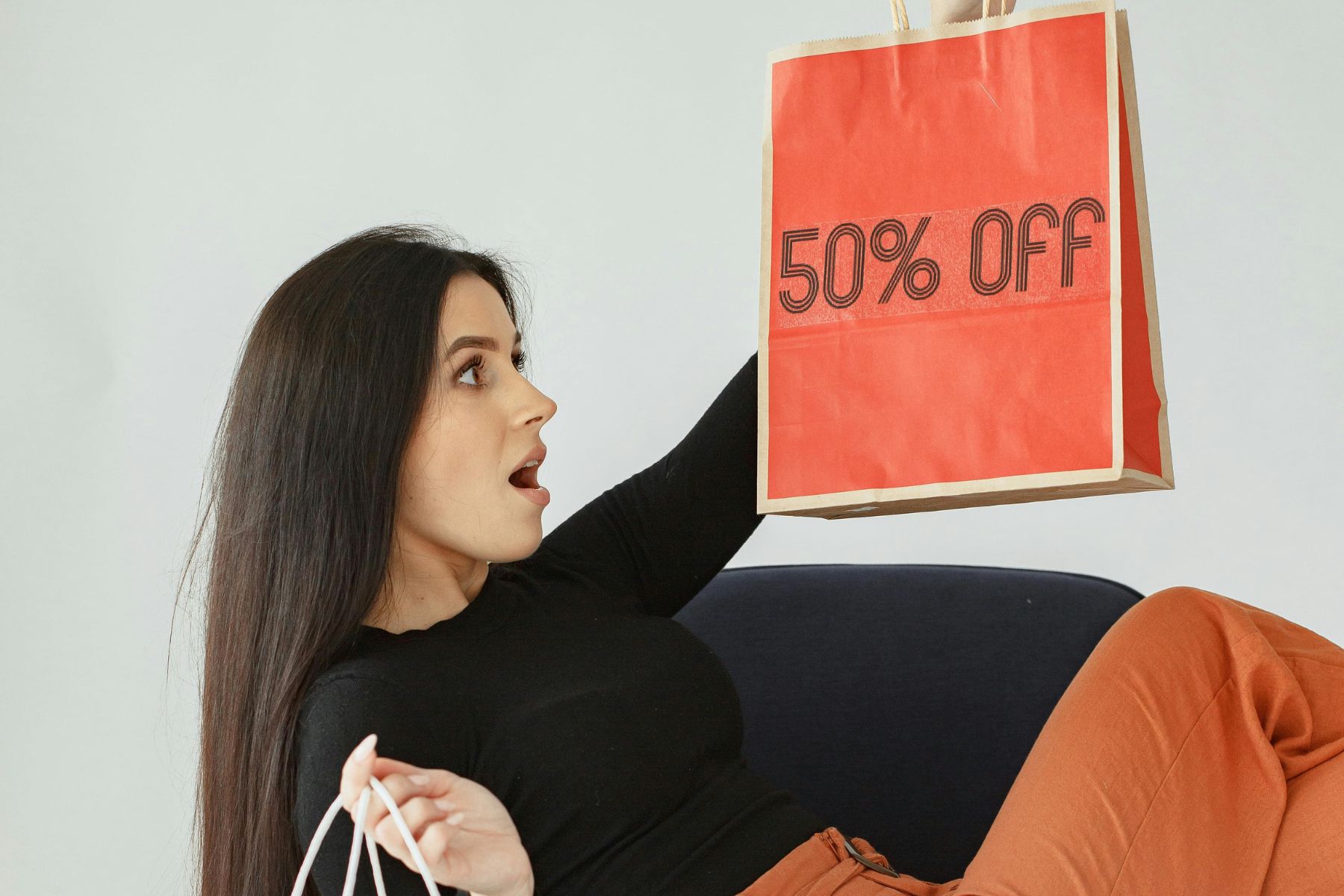
“Limited time offers” and discounts spark the fear of missing out, making shoppers act fast. Even a fake “sale” tag can trigger excitement strong enough to push a purchase. People often overspend during savings events, while clearance signs heighten urgency, nudging quick and impulsive decision-making at checkout.
The Emotional Spending Trap
Stress and sadness push people toward quick, feel-good purchases, and turn buying into a coping mechanism. As a matter of fact, retail therapy is a recognized behavior across cultures. Interestingly, happy shoppers buy faster as well. Moods directly change cart sizes, which proves that emotional states often dictate not just what people buy, but how much.
Store Layouts Make You Spend More

Store layouts are carefully designed to drive spending. Items are placed at eye level for maximum visibility, while checkout aisles tempt last-minute buys. Grocery stores even pump out bakery scents to spark cravings. Music tempo shapes how quickly shoppers move, and floor plans encourage “just browsing” that often becomes buying.
Online Shopping Rabbit Hole
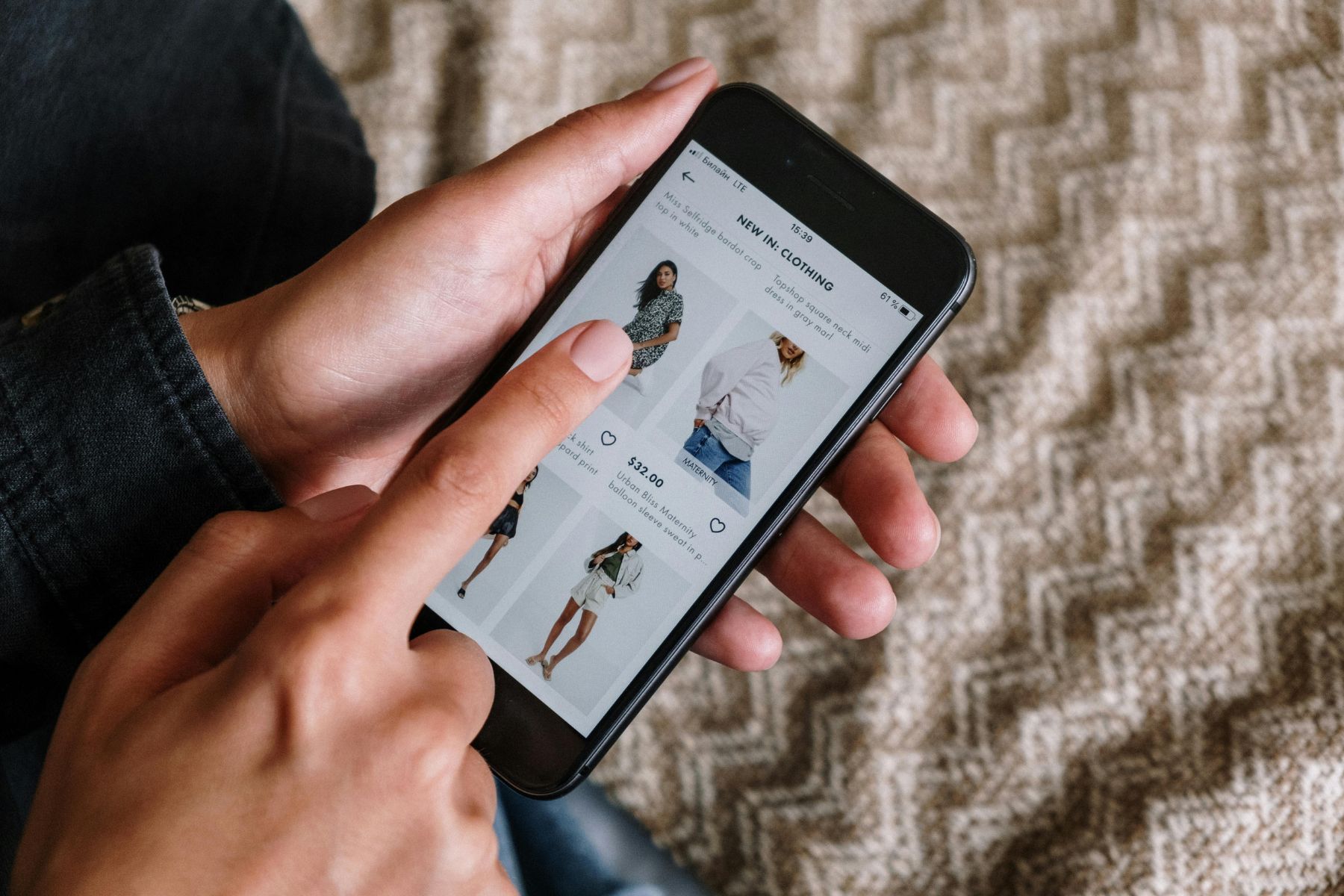
One-click checkout and endless scrolling make online shopping a prime space for impulsive buying. Midnight shopping sessions are more common than morning ones, often leading to late-night splurges. “Recommended for you” algorithms are built to target weak spots, while free shipping offers cleverly nudge shoppers into filling larger carts.
Social Media’s Subtle Persuasion
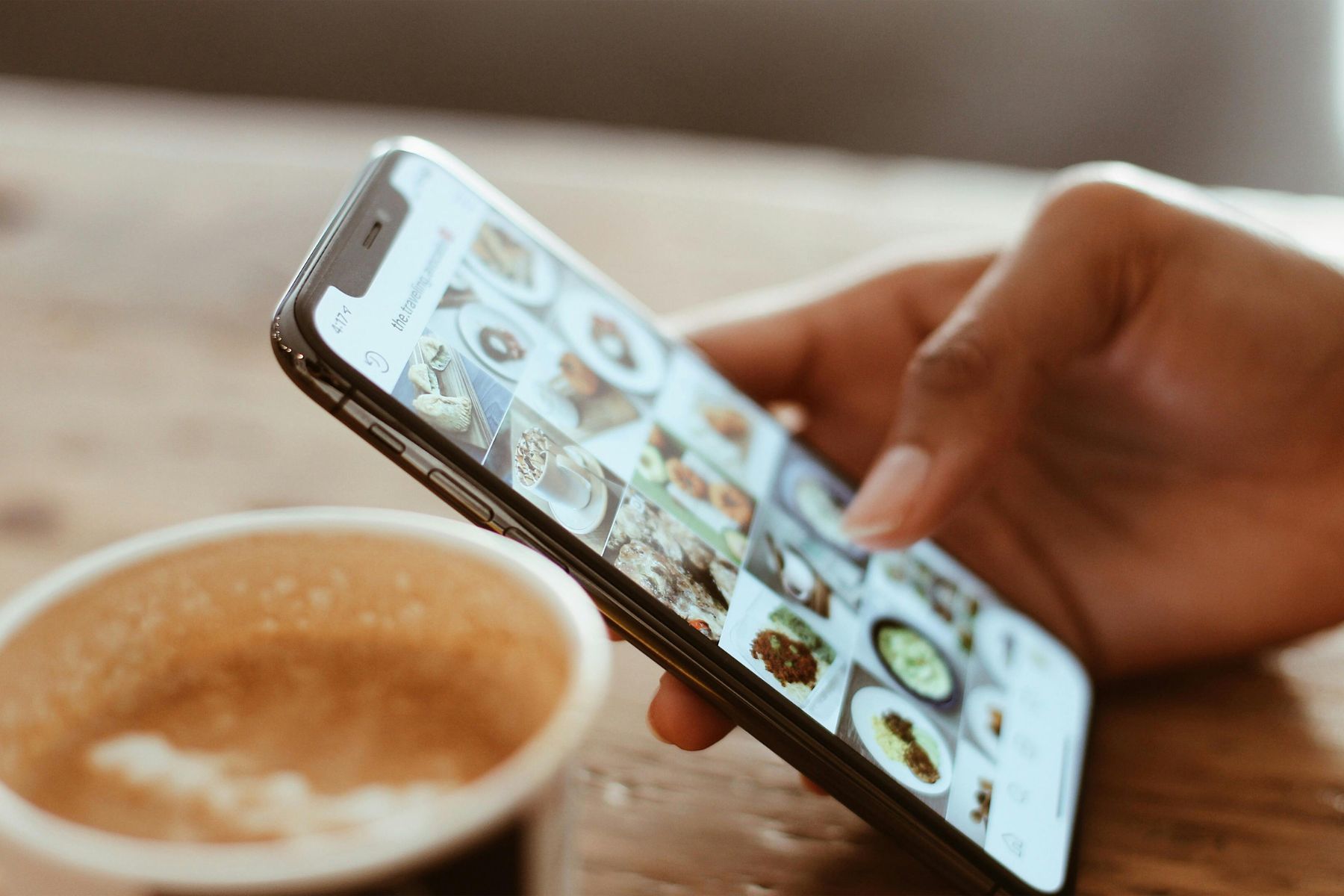
Influencer promotions and shoppable posts blur the line between ads and entertainment, which makes purchases feel natural. People trust influencers almost like friends, which amplifies persuasion. Scrolling and hashtags can even spark buying frenzies that turn trends into mass shopping movements overnight.
Credit Cards Encourage Overspending
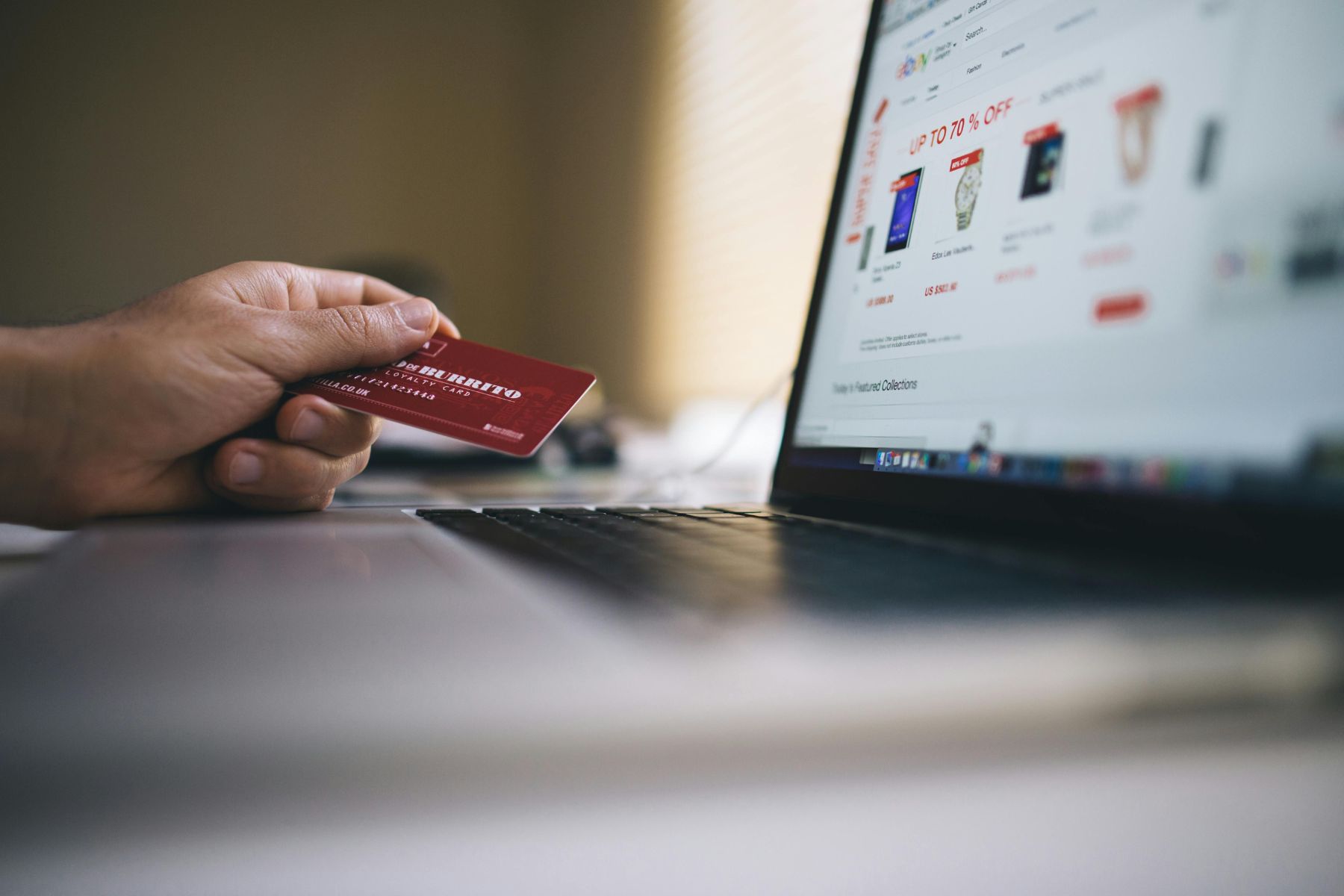
Swiping a credit card reduces the pain of paying compared to handing over cash. Delayed billing further hides the real cost, which creates a dangerous illusion of affordability. Premium or visually striking cards may even encourage overspending, as buyers link purchases with enhanced status and social appeal.
The Role Of Stress And Fatigue In Purchases
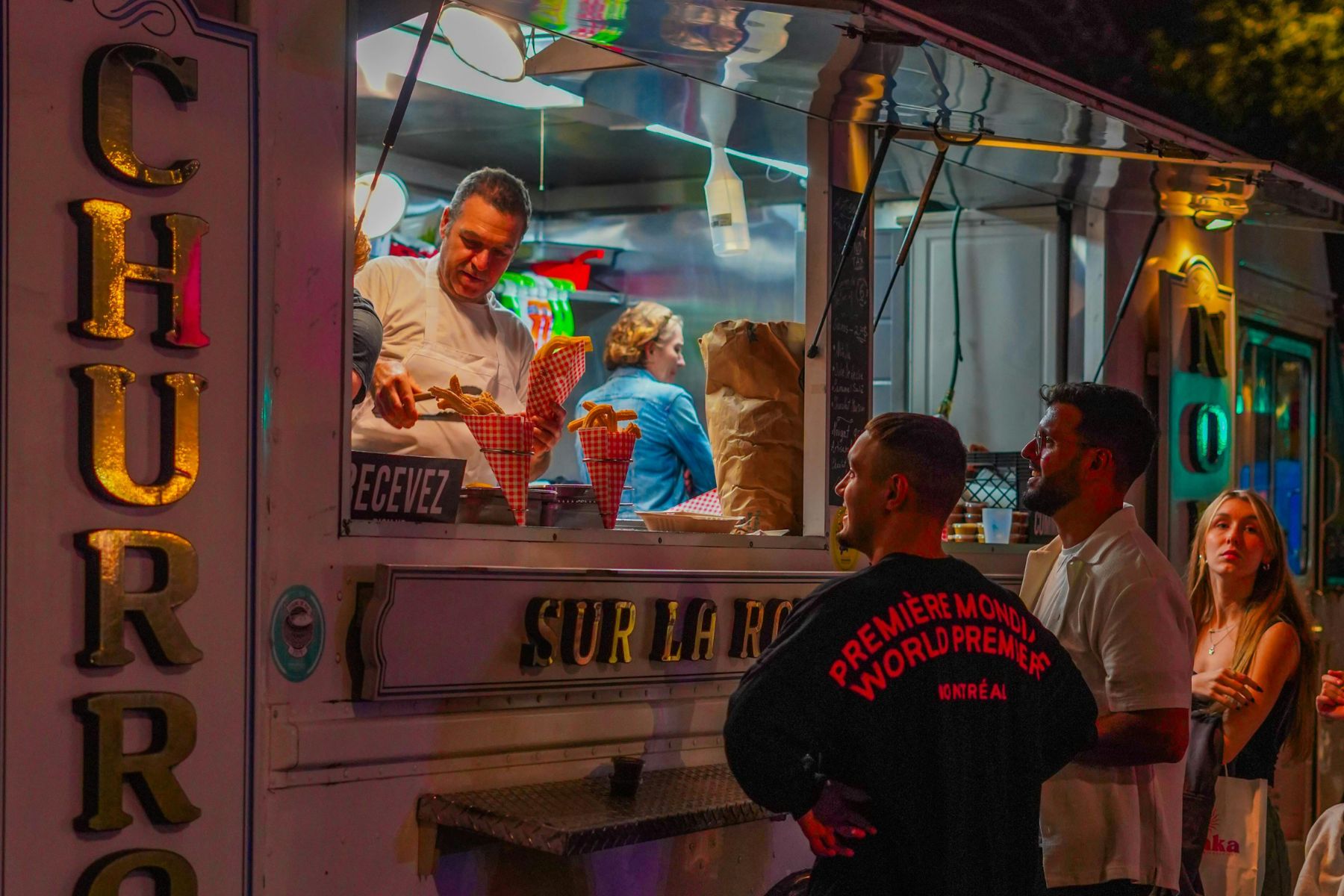
Tired brains have weaker self-control. Stress hormones heighten impulsivity and create the perfect storm for impulse buying. Late-night shopping often leads to regret or second thoughts the next morning. Decision fatigue makes people buy whatever is easiest. Snacks and small treats dominate purchases when exhaustion drives the decision.
Seasonal And Holiday Shopping Pressure
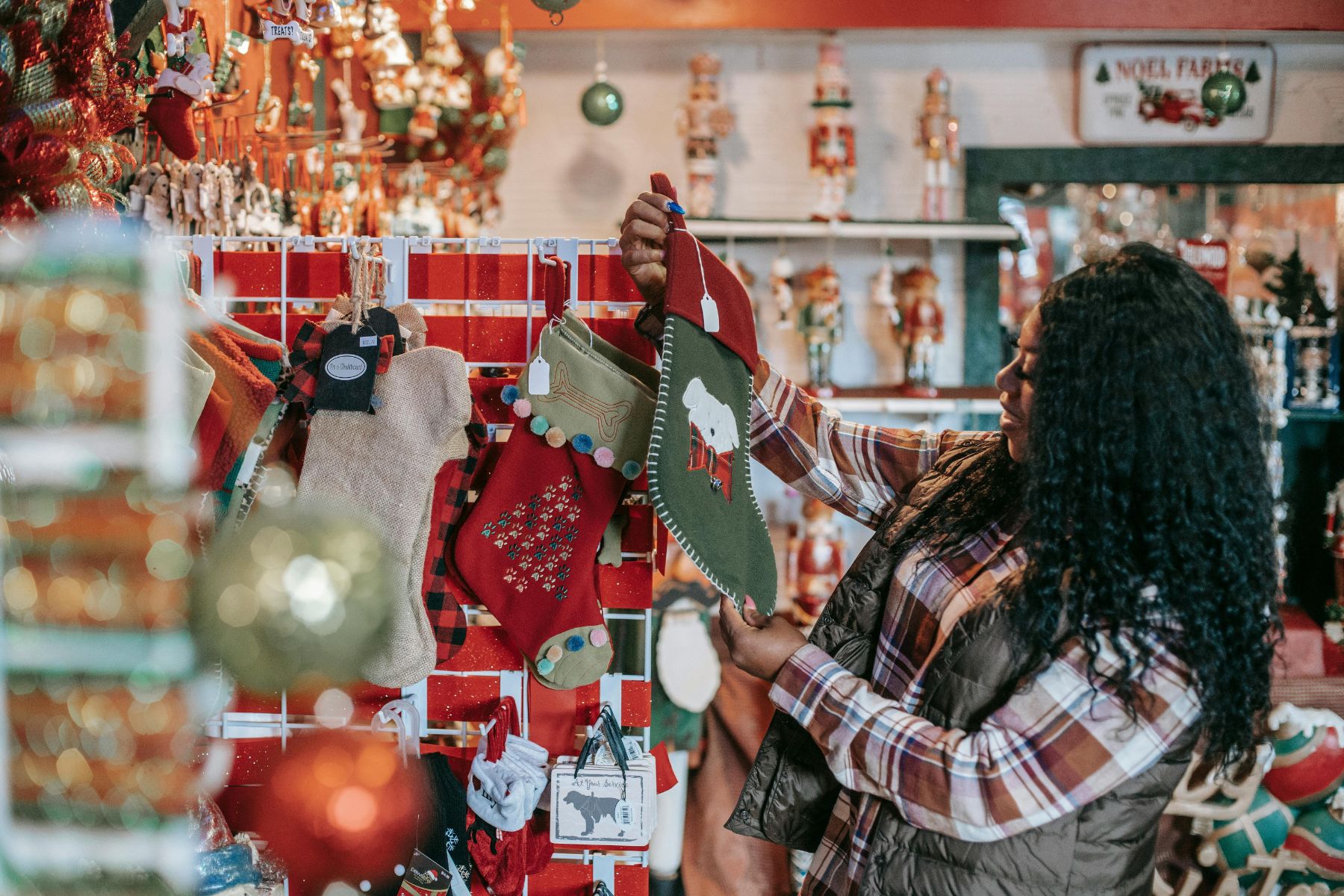
Holidays and seasonal sales fuel the urgency to spend, while traditions make extra purchases feel normal. People often buy more during the “holiday spirit,” even for themselves. Themed packaging plays a big role in boosting sales. Black Friday still drives shoppers to line up days in advance, chasing fleeting deals.
Peer Influence And Group Spending
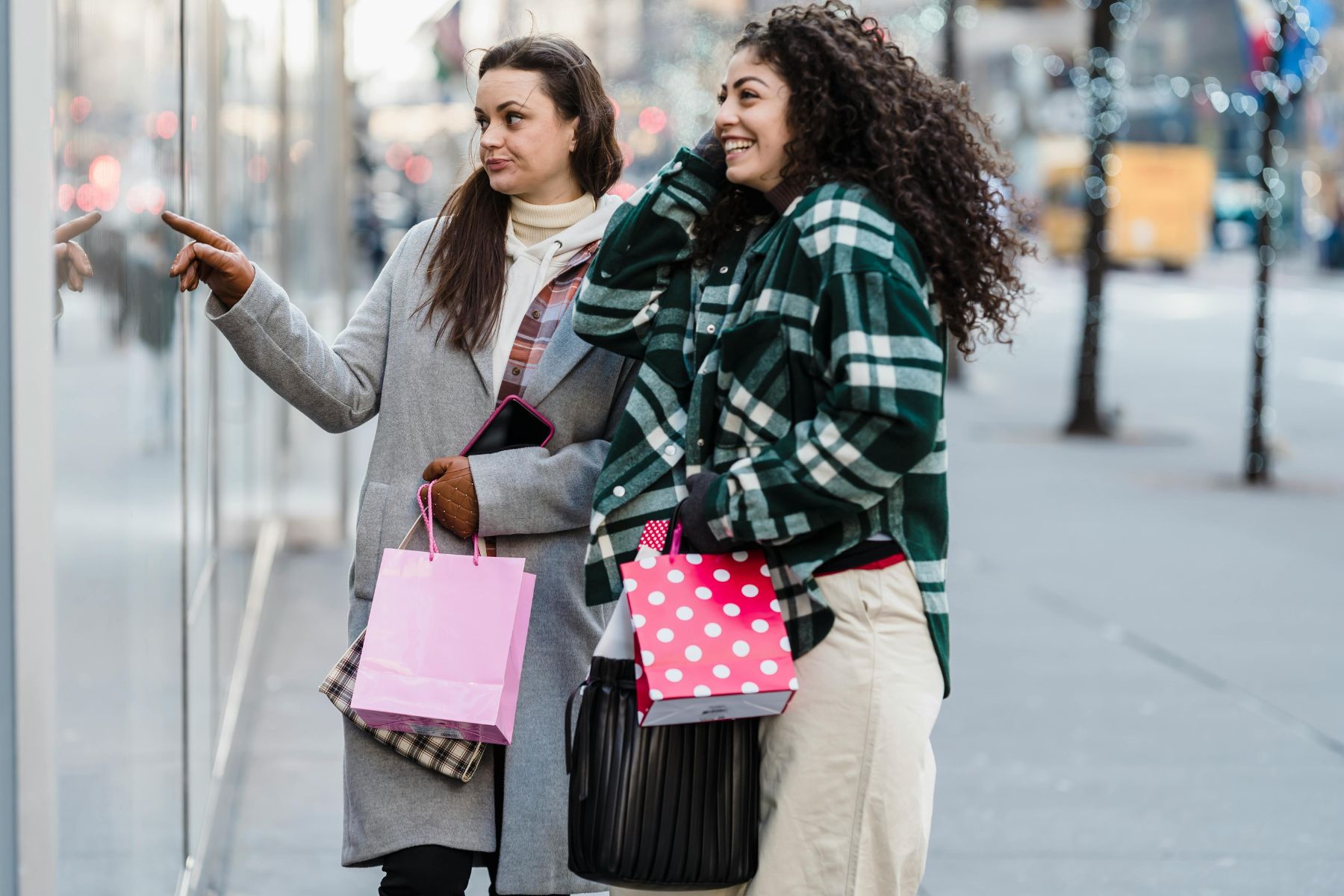
Shopping with friends and family often leads to unplanned purchases, as social approval reinforces buying decisions. People are more likely to order dessert when others do because of the power of influence. Splurge buddies extend shopping sprees, and kids add pressure by pushing parents toward impulse purchases.