Do you feel like the internet is throwing glittery bargains your way just to see if you’ll bite? Well, it’s happening everywhere. Scammers are experts at dressing up traps to look like steals, and they thrive on tricks that grab your curiosity.

Do you feel like the internet is throwing glittery bargains your way just to see if you’ll bite? Well, it’s happening everywhere. Scammers are experts at dressing up traps to look like steals, and they thrive on tricks that grab your curiosity.
But behind those catchy promises lies a whole playbook designed to empty wallets faster than you can hit “checkout.” Luckily, it’s easy to spot these digital scams. This isn’t rocket science—it’s about knowing the red flags before you get lured in.
So, if you’re all set to sharpen your instincts and shop smarter, here are 10 ways to spot fake deals like a pro.
“Too Good To Be True” Discounts

When a site offers 90% off on designer brands, it’s clearly a bait. Scammers know that nothing grabs attention like a jaw-dropping price tag. But let’s be real: Louis Vuitton doesn’t do flash sales, and Apple doesn’t hand out MacBooks like party favors. If the discount feels like a fantasy, it probably is.
Sketchy URLs And Website Design

A legit deal starts with a legit website. And you’re not in safe territory when a URL looks like it was generated by a toddler smashing a keyboard—think www.bestdeals-now.xyz. And if it has a clunky design and missing security certificates, close it right away.
Pressure Tactics: “Act Now!”

Scammers love urgency. They’ll slap on countdown timers, flash “Only 2 left!” banners, and make you feel like you’re missing out on the last unicorn. But real retailers don’t need to bully you into buying. So, when the site’s energy feels like a used car salesman on espresso, take the hint.
Unusual Payment Methods

Here’s the golden rule: no card means something’s fishy. Frauds often push for gift vouchers, wire transfers, or crypto because those methods are nearly impossible to trace or refund. A trustworthy seller will offer secure, mainstream payment options—not a scavenger hunt for Bitcoin.
Fake Coupons On Social Media
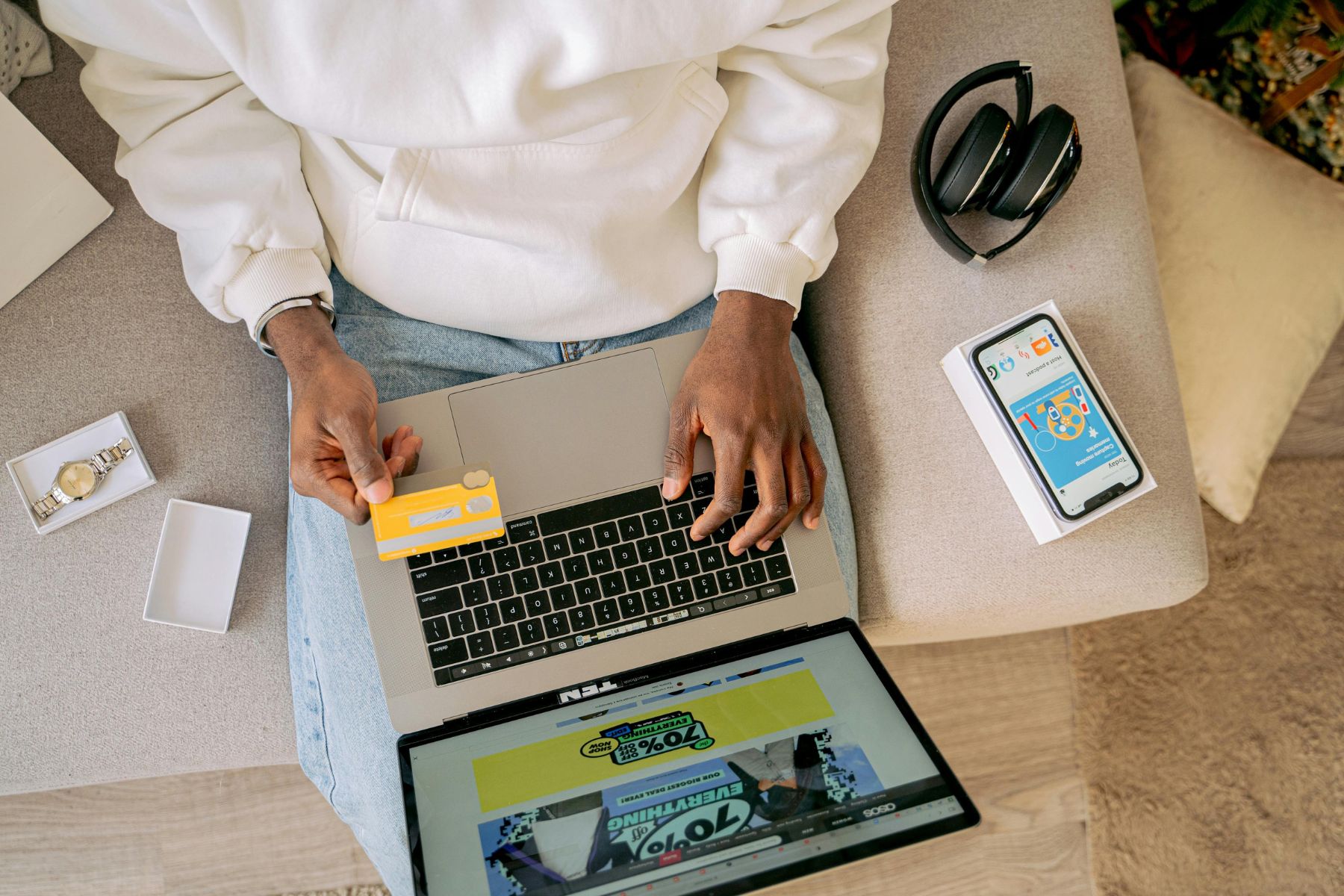
You’re scrolling Instagram and boom—“$100 off at Target!” But the coupon looks like it was made in Microsoft Paint or a free AI tool. These are fraud deals with doctored images and fake promo codes. Always verify with the retailer’s official page before clicking anything that smells too sweet.
No Contact Info Or Reviews

Legit businesses want to be found. However, when a site hides its customer service info or has zero reviews, it’s not mysterious—it’s suspicious. So, before you buy, Google the store name with the word “scam” and see what pops up. If it’s crickets or complaints, walk away.
Fake Loyalty Programs
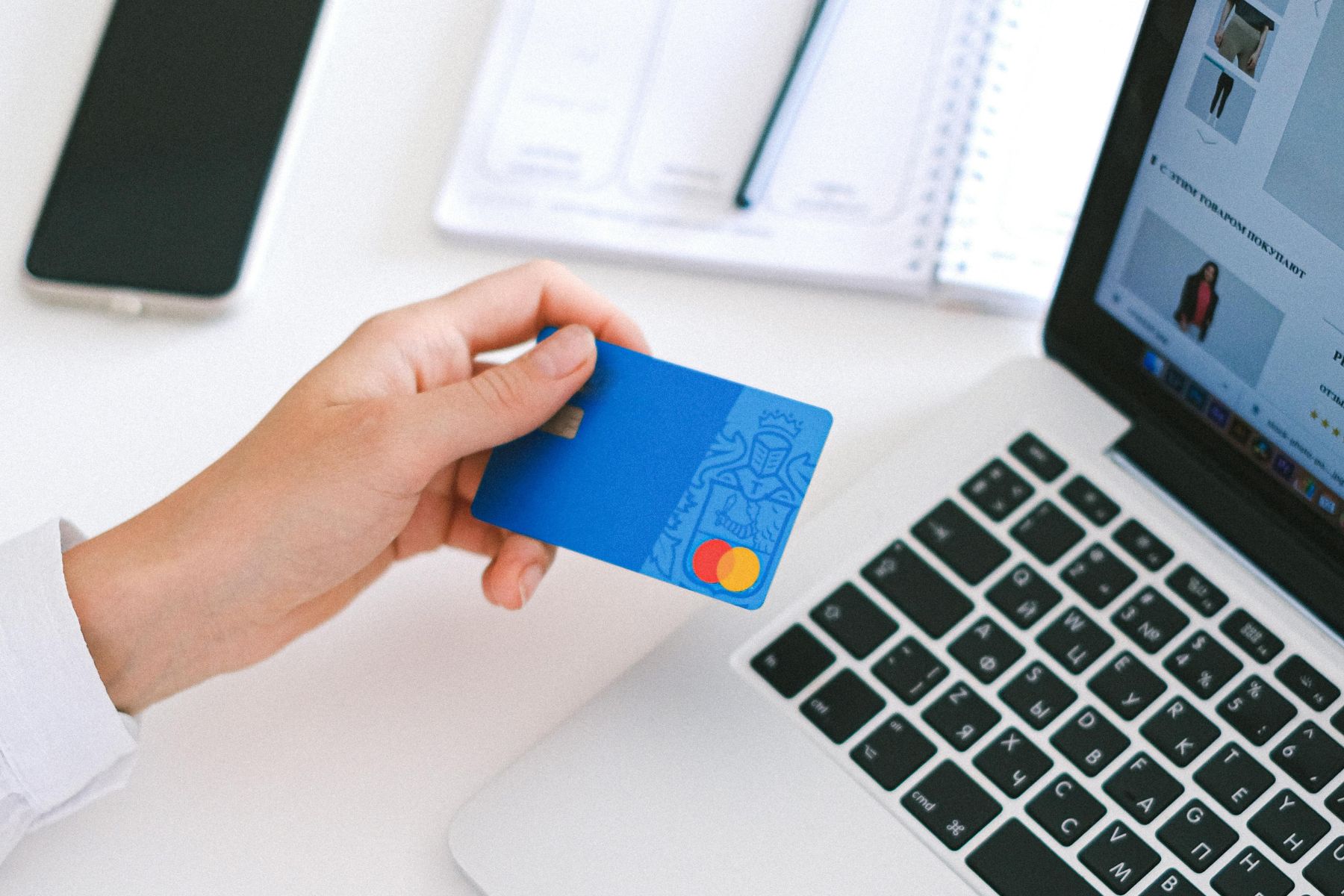
Is the signup process more invasive than a TSA pat-down? Here’s another hint. “Sign up now for a free iPhone!” sounds tempting—until they ask for your credit card. Real loyalty programs reward you for shopping, not for handing over sensitive data.
Email Deals From Unknown Senders
Your inbox can also become a minefield. If you get a deal from “BestBuy123@deals-now.biz” promising a free TV, hover over the links before clicking. Phishing emails often use misspelled names, shady domains, and urgent language to trick you into giving up personal info.
Non-Delivery Scams

Some scams rely on fake tracking numbers and vague shipping policies. So, if you can’t find buyer protection details or refund guarantees, skip it. Otherwise, that sleek pair of headphones you ordered may look like it came from a dollar store clearance bin. Or worse—you get an empty box.
Use Trusted Deal Sites
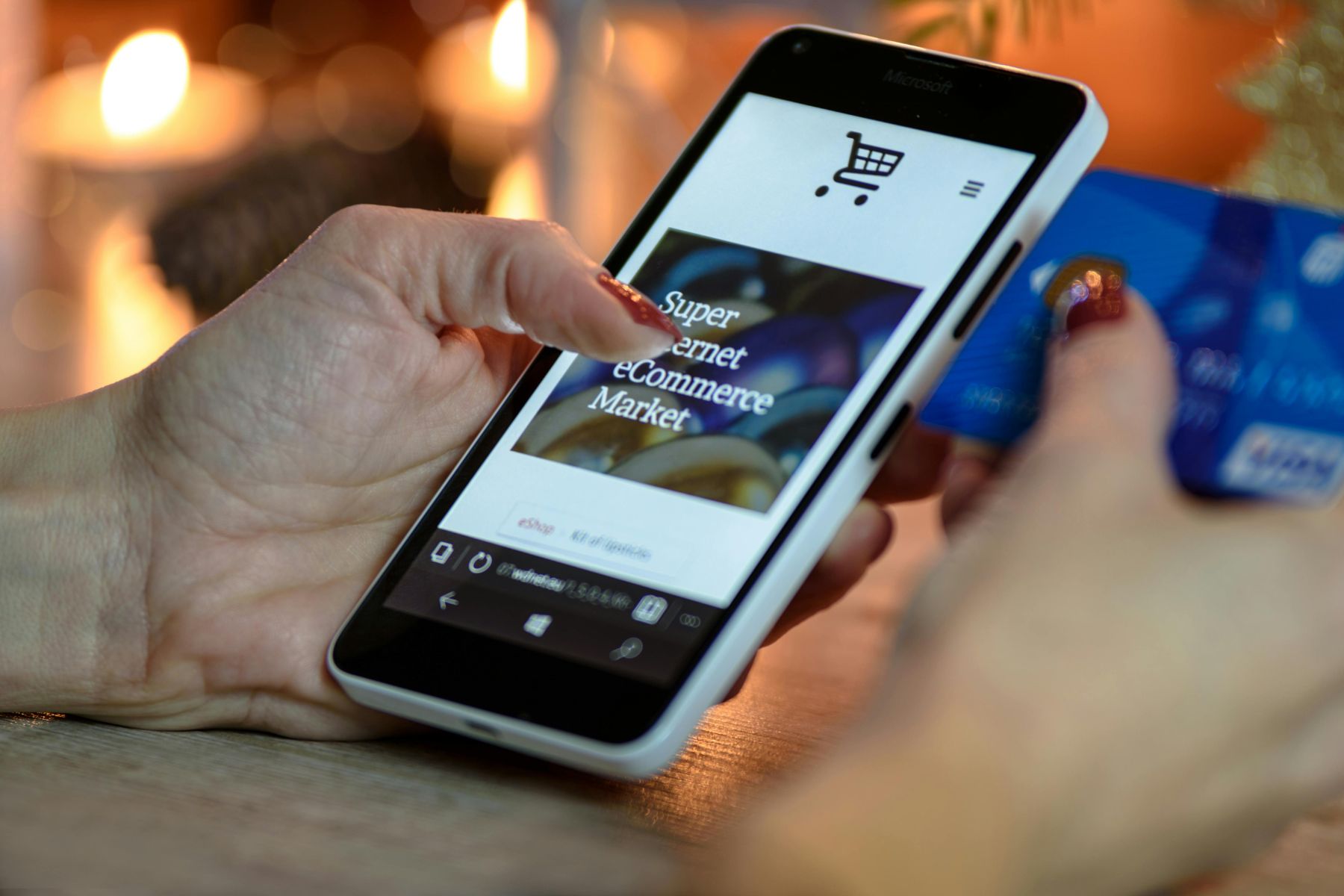
The easiest way to spot fake deals is to check the platform’s age and reputation. RetailMeNot, Honey, and CamelCamelCamel aren’t just catchy names—they’re your digital watchdogs. They track price histories, verify sellers, and help you avoid falling for flashy fakes. When in doubt, let the pros sort the real from the ridiculous.