Jobs doomed to disappear within 36 months
Artificial intelligence (AI) is the latest social debate everywhere. It’s already here, transforming the way we live and, above all, the way we work. It’s no longer a matter of science fiction; reality is racing ahead at breakneck speed. What’s the urgency? In the next two years, AI will revolutionize the job market, and some familiar professions will have to change, or risk seeing their core tasks disappear. What’s the solution for threatened professions? Only adaptation and upskilling will be the key to bouncing back. Explore these professions to help you rethink your career path in this new digital era.

Artificial intelligence (AI) is the latest social debate everywhere. It's already here, transforming the way we live and, above all, the way we work. It's no longer a matter of science fiction; reality is racing ahead at breakneck speed. What's the urgency? In the next two years, AI will revolutionize the job market, and some familiar professions will have to change, or risk seeing their core tasks disappear. What's the solution for threatened professions? Only adaptation and upskilling will be the key to bouncing back. Explore these professions to help you rethink your career path in this new digital era.
Bank tellers

Most day-to-day banking operations, such as deposits and transfers, are carried out via ATMs or our mobile applications. Digitization reduces the need to go into a branch for these simple actions. The role of the teller is changing: fewer transactions, more complex advice, while the human touch remains available to listen and provide personalized support.
Assembly workers
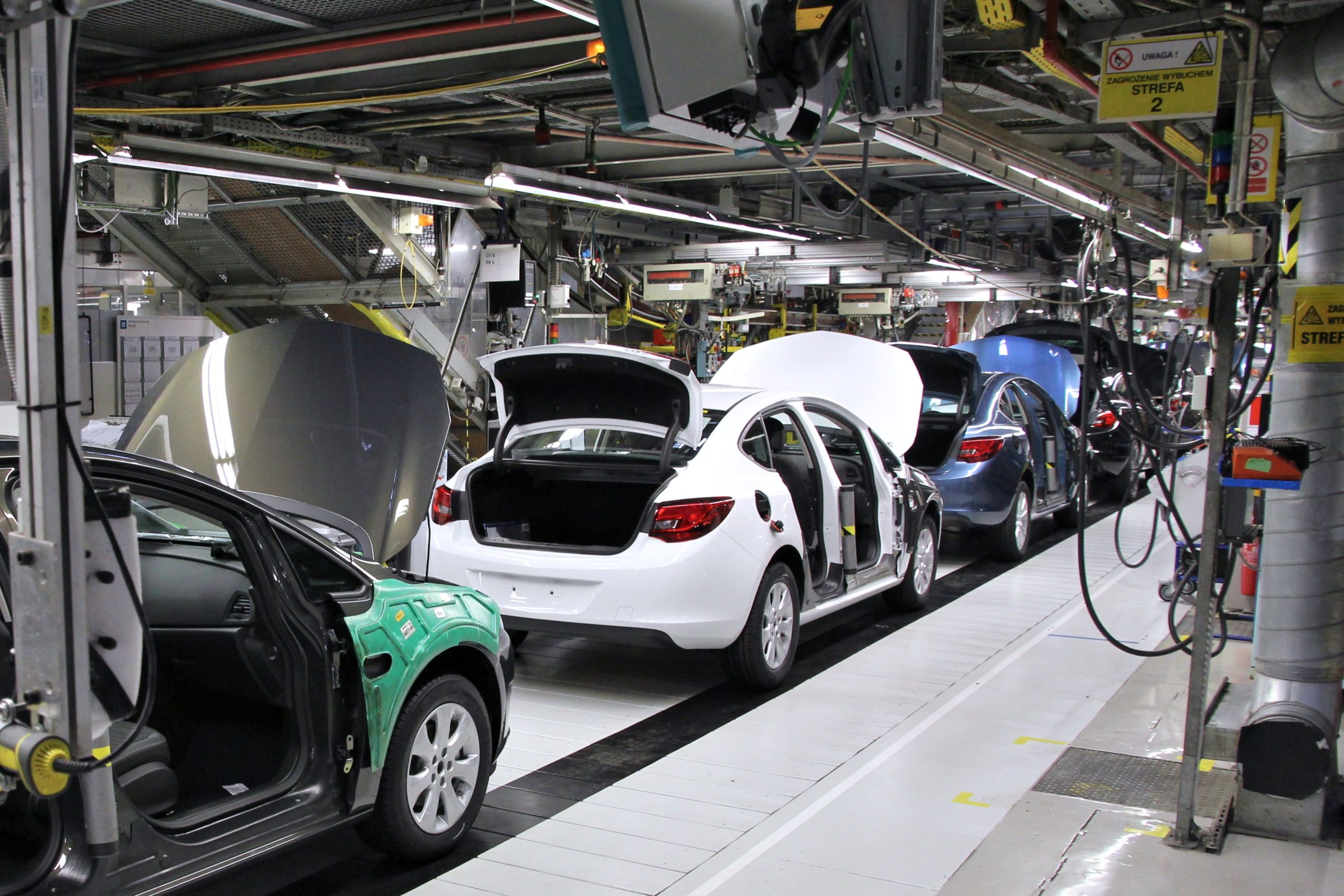
In factories, AI-powered robots have become incredibly precise and tireless in handling repetitive assembly tasks. eventually, intelligent automation will eliminate human access to these simple manual jobs. The human job will be to supervise, program or maintain these machines.
Logistics order picker
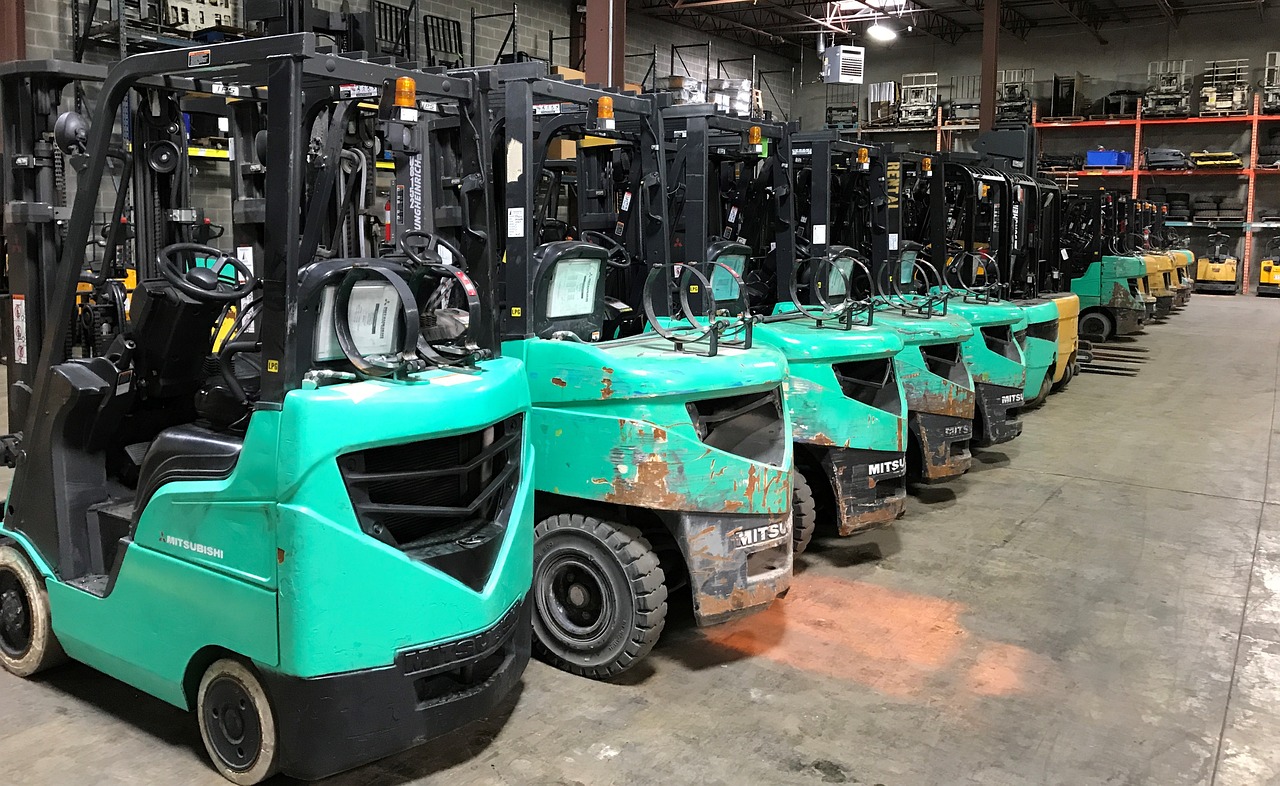
When it comes to logistics, the impact of AI is already clearly visible in warehouses. In fact, robots are already involved in order picking. Reinforced by AI, sorting and moving goods optimizes flows with unprecedented speed and precision. Everyone is happy to leave physical handling to the machines.
IT support

From now on, your minor technical problems can be solved online by guides or conversational agents. Powered by AI, these virtual helpers diagnose your most common faults and suggest solutions. This lightens the workload for human operators, who can now focus on the really complex problems requiring in-depth expertise, intuition and a fine-tuned understanding of the context.
Content writers

Describing products, writing basic news stories, summarizing texts - generative AI has become surprisingly good at these tasks. It rapidly produces large volumes of content at minimal cost. Difficult to compete with, but creativity, originality and critical analysis will remain the domain of humans, who will have to adapt their skills to integrate AI as a tool.
Quality control inspectors
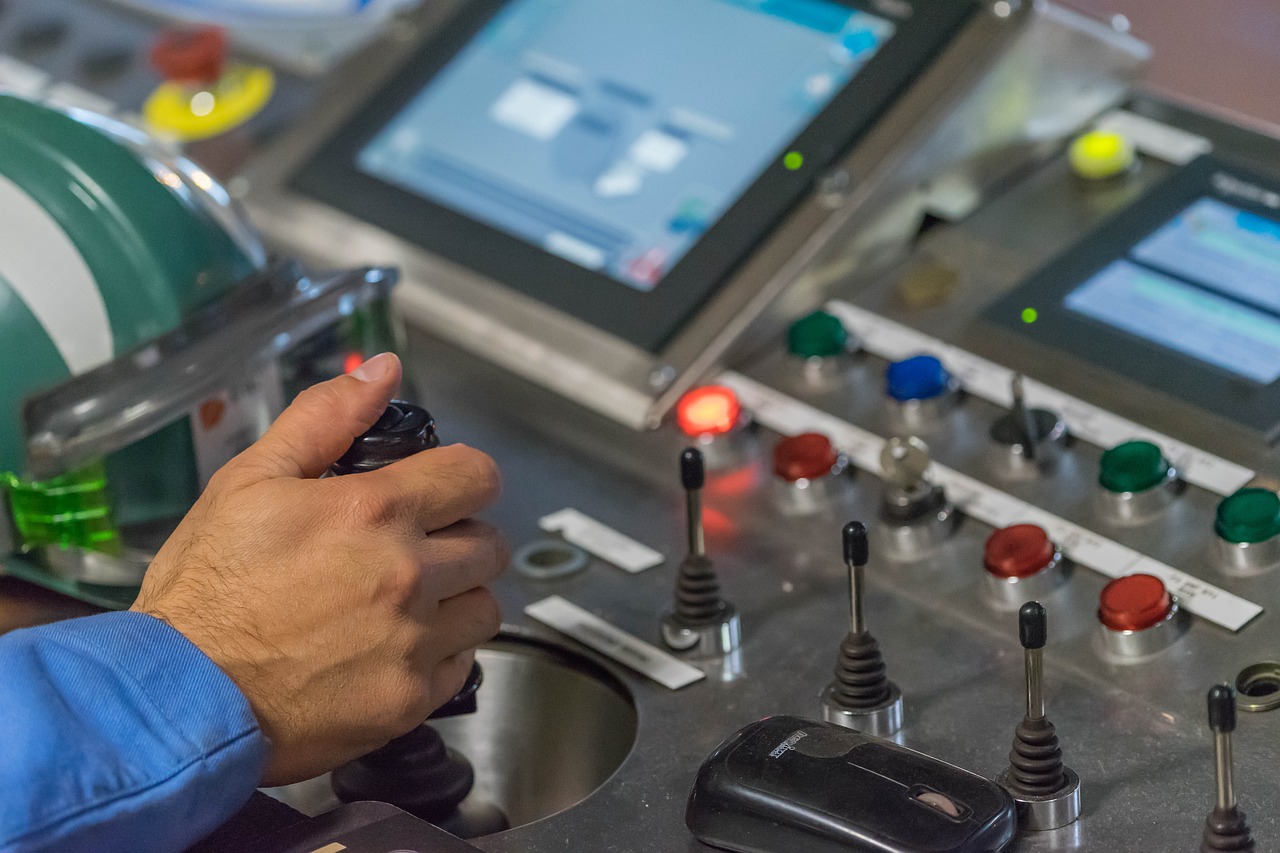
In industry, robots, guided by AI and their sensors, perform fixed, repetitive tasks on production lines with unrivalled efficiency and precision. It's impossible to compete with the constant detection of microscopic defects! The human element is now more involved in the supervision and maintenance of these intelligent machines, or in decision-making in the face of complex problems.
Postal sorting agents

Automated postal sorting systems, equipped with smart cameras and AI, sort millions of parcels and letters every day. What human is capable of such speed and accuracy? None at all. As a result, pure sorting stations will be largely automated, to the benefit of the operators who oversee these complex systems in sorting centers, a role more focused on technology than mail handling.
Data entry operators

It's an often repetitive and painstaking task. Today, AI excels at character recognition and information processing at lightning speed. The latest generation of software reduces the number and consequences of errors made during this massive data entry process. This function is gradually being absorbed by the efficiency of automated systems.
Teleoperators

Have you already noticed? Conversational agents and voice assistants (Alexa, Siri...) are getting better at giving standardized answers to your questions. As AI becomes better at understanding human words and responding instantly, it is taking on a growing share of simple interactions. For teleoperators, their role will devolve to more delicate cases, requiring empathy and complex problem-solving.
Switchboard operators and receptionists

As far as secretaries and receptionists are concerned, AI takes care of many of their repetitive administrative tasks. Automated diary management systems, dialogue agents for telephone reception and intelligent filing software are already in place. Soon, they will reduce the need for humans, whose missions will evolve towards relational and organizational skills.
Cashiers and cashier hosts

Automatic cash registers and contactless payment systems are increasingly the norm in many businesses. Now intelligent, they are able to scan and pay without any human intervention. The number of traditional cash registers is slowly but surely dwindling. A little foresight? in the future, cashiers will really take on the role of checkout hosts, with more technical assistance and fewer direct cash-outs. The majority of customers will use automatic checkouts.
Long-haul truck drivers
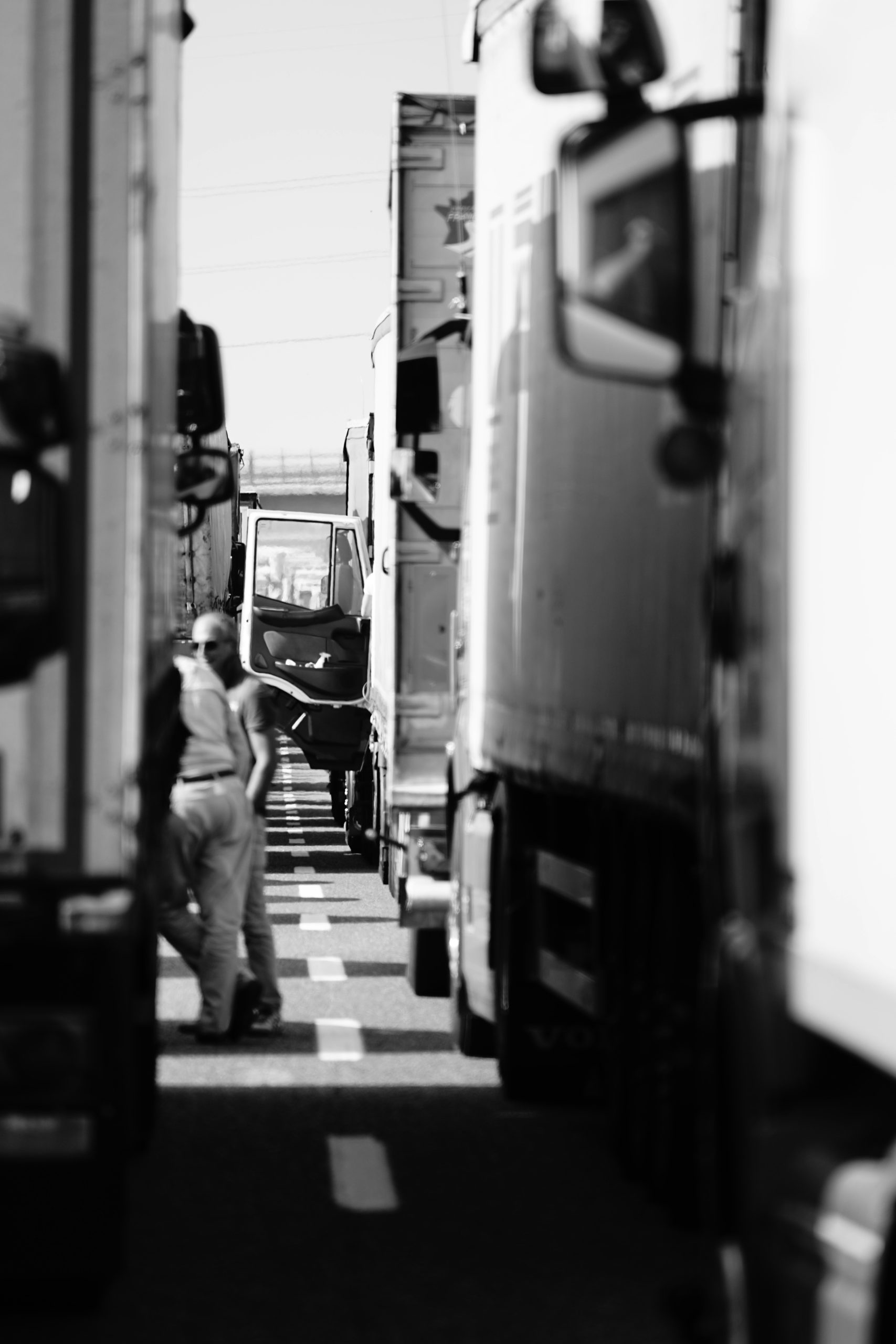
Long-haul autonomous trucks are no longer science fiction; they are in advanced testing and promise to transform logistics. AI can drive, optimize routes and even fuel consumption. Admittedly, their widespread deployment will take time, yet the great replacement of human drivers by AI will soon begin on long-haul routes.
Travel agents

Do you dream of planning the perfect trip? AI-powered online travel platforms are already optimizing your itineraries and finding you the best deals. Not to mention suggesting personalized experiences based on your preferences. The human touch will make the difference, indispensable for guiding you towards complex or tailor-made stays thanks to its expert advice.
Language translators
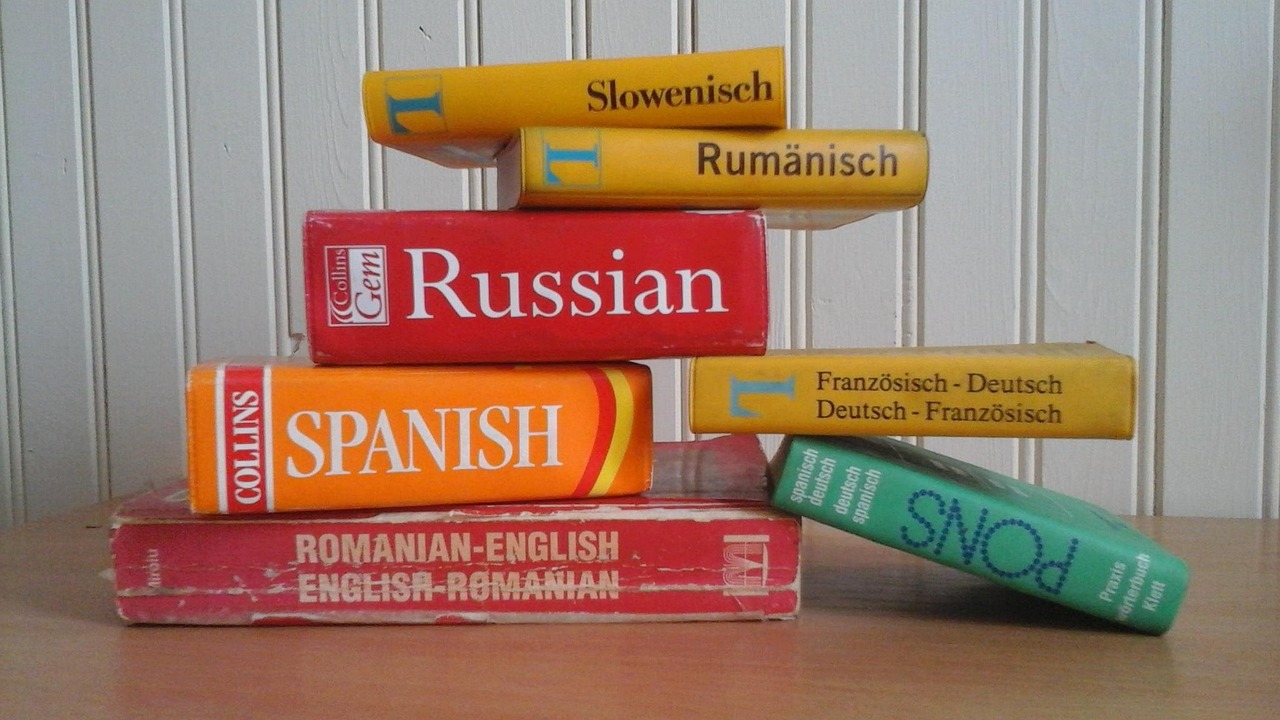
Automatic translators have made incredible progress. For technical texts or factual documents, AI is capable of translating impressive volumes with astonishing accuracy, much faster than a human being. Of course, robotic translation will take the lion's share. Literary translation, on the other hand, with all its cultural nuances, will remain the prerogative of humans.
Real estate agents

Real estate agents are seeing their profession digitized at high speed. AI is taking over the task of finding properties and providing accurate estimates based on millions of pieces of data. It even offers virtual visits, considerably reducing the number of physical visits required. The agent will have to refocus on skills that are irreplaceable by the machine: complex negotiation, empathy with buyers' doubts and human advice.