Rising military tensions across the Middle East have pushed global oil prices back into triple-digit territory, renewing fears of a broader energy crisis. With key maritime shipping routes facing mounting threats and global supply buffers already depleted, investors are increasingly worried that prolonged disruptions could drive fuel prices even higher and place additional pressure on the global economy in the weeks ahead.
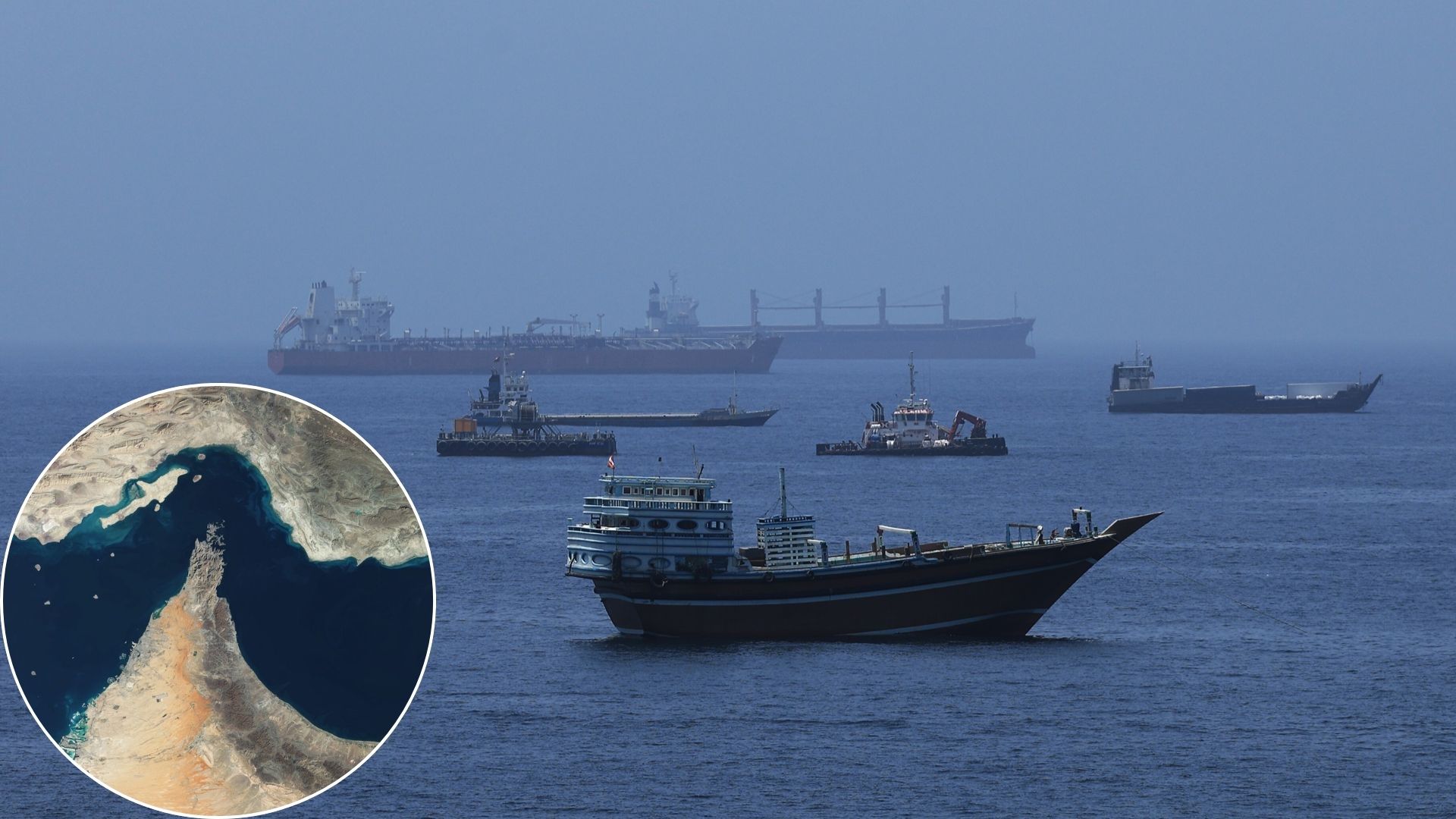
Rising military tensions across the Middle East have pushed global oil prices back into triple-digit territory, renewing fears of a broader energy crisis. With key maritime shipping routes facing mounting threats and global supply buffers already depleted, investors are increasingly worried that prolonged disruptions could drive fuel prices even higher and place additional pressure on the global economy in the weeks ahead.
Oil Breaks $100 Again
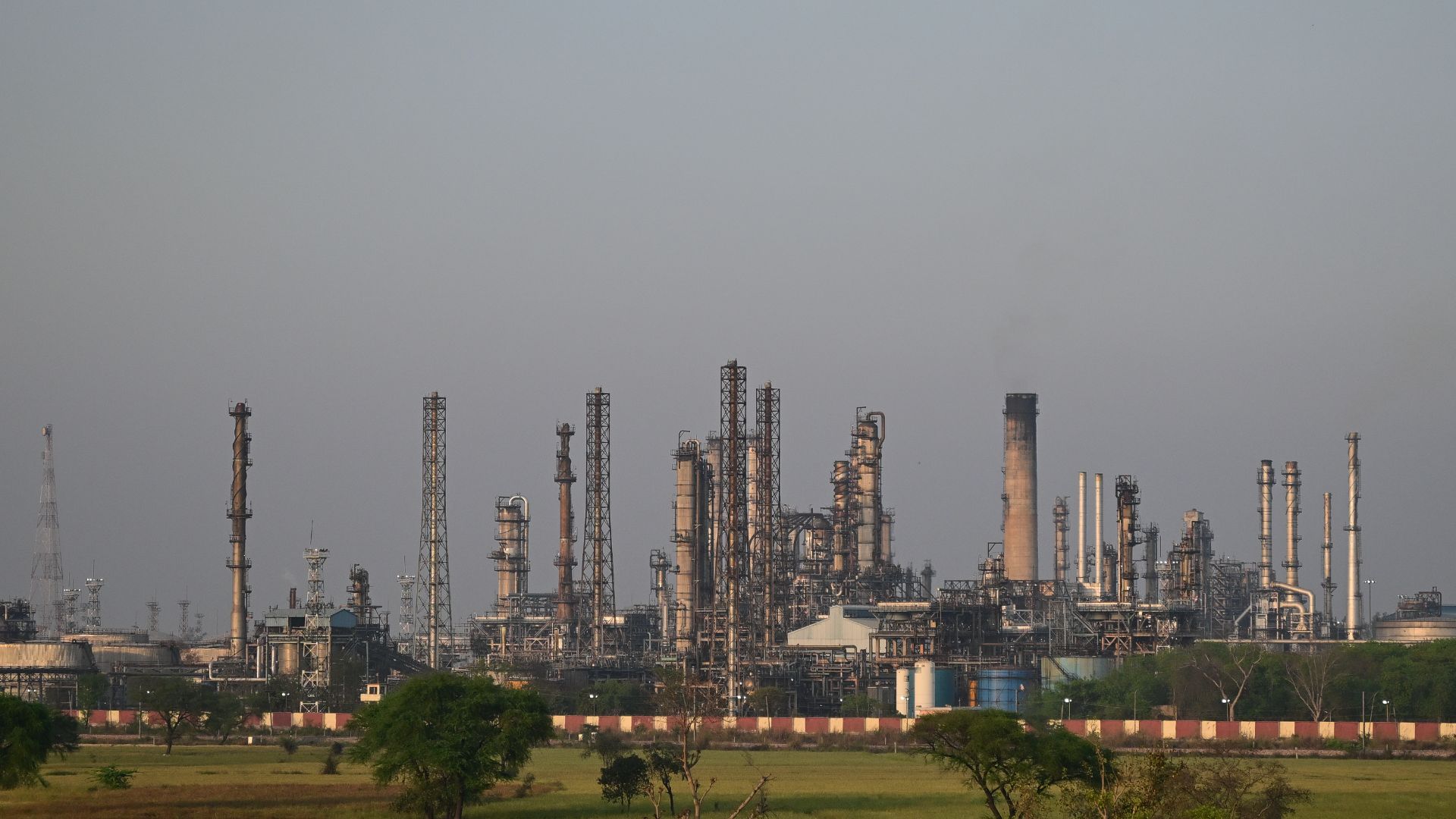
Global oil prices climbed back above the symbolic $100-per-barrel mark on July 23 as investors reacted to a rapidly deteriorating security situation in the Middle East. Brent crude settled at $100.60 per barrel after gaining more than 7% during the session, while U.S. benchmark West Texas Intermediate climbed above $91 per barrel.
A 29% Monthly Rally
Shipping Routes Under Fire
Hormuz Still Under Pressure
Alternative Route at Risk
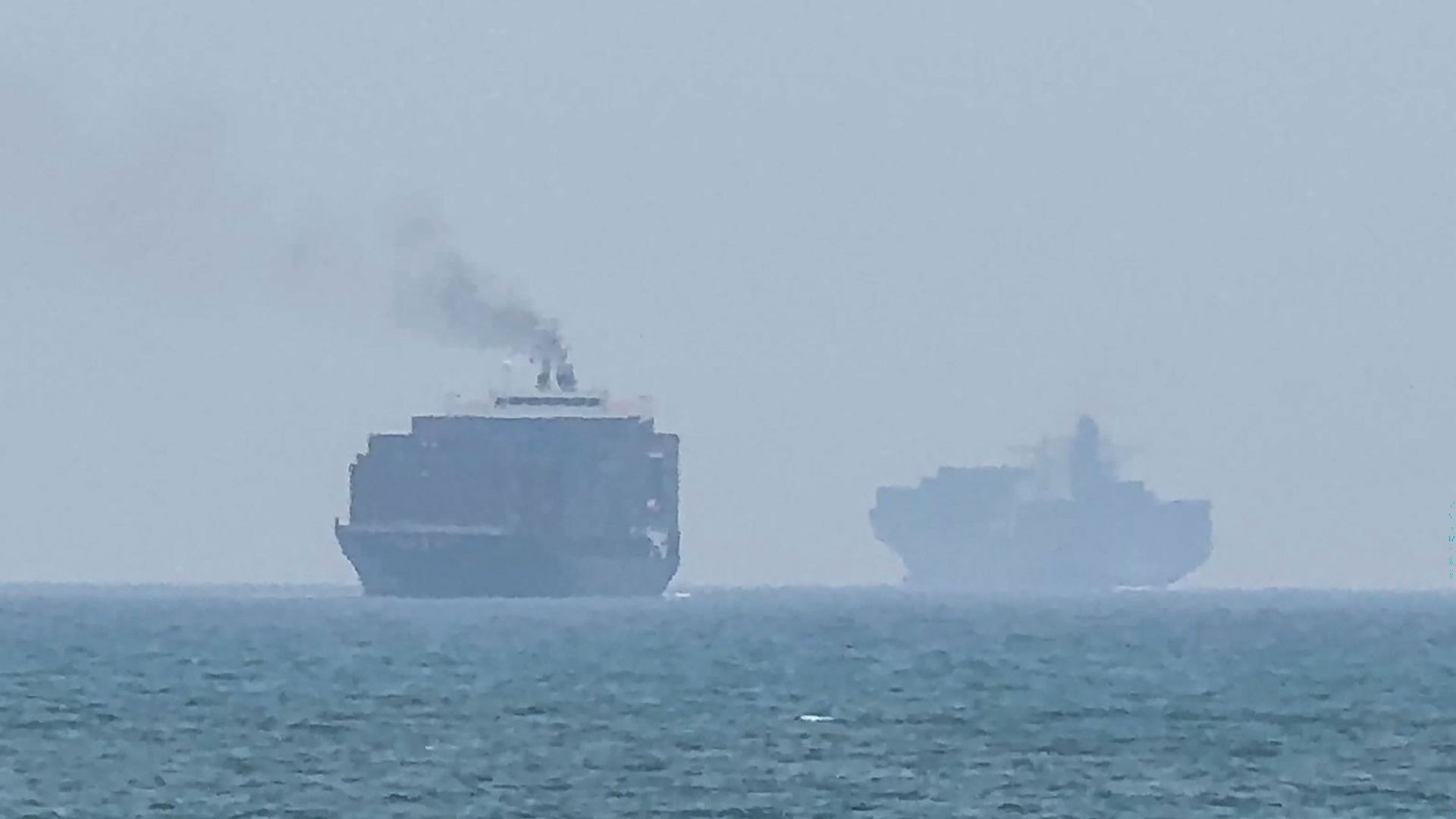
The Red Sea had increasingly become the preferred alternative for tankers attempting to bypass Hormuz. However, the latest Houthi attacks now threaten that strategy as well, placing another estimated 4% to 5% of global oil supplies at greater risk if the maritime campaign continues to intensify.
Markets React Immediately
Drivers Feel the Impact
Russia Adds More Pressure
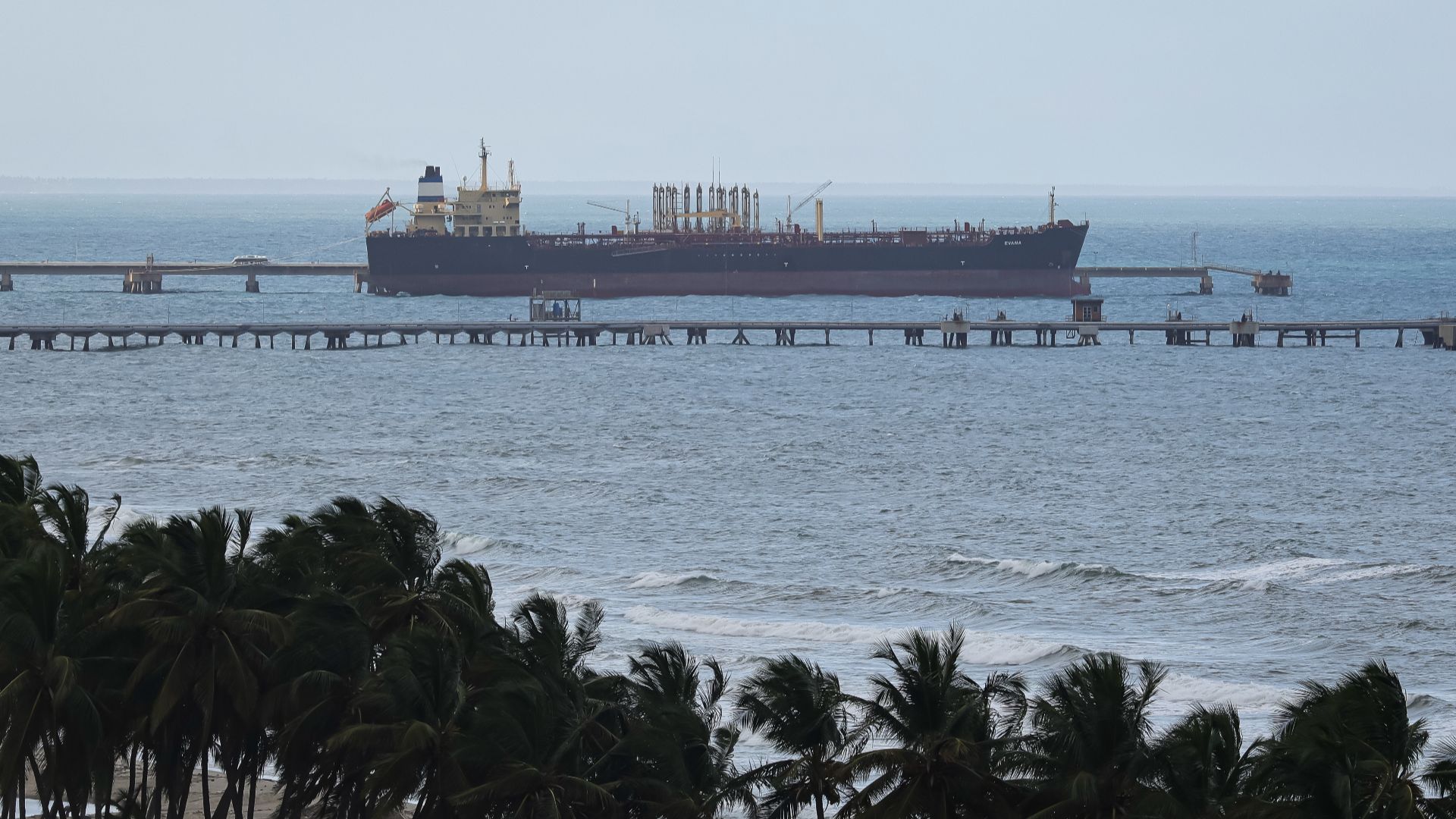
Global fuel markets are also dealing with tightening refined-product supplies. After repeated Ukrainian drone strikes damaged domestic energy infrastructure, Russia imposed a diesel export ban in early July to protect its own market, further reducing supplies available to international buyers.
Buffers Are Running Low
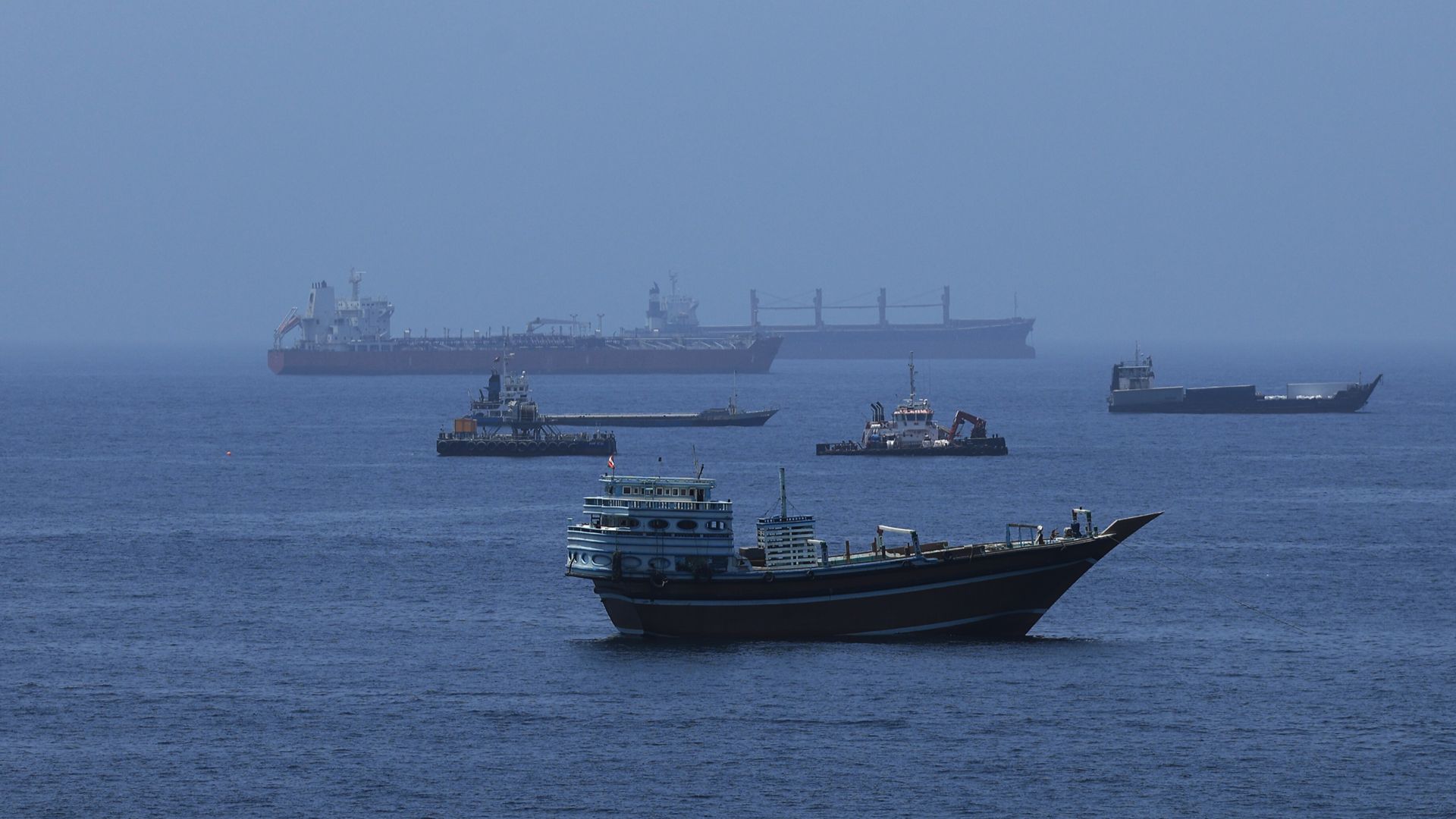
Two Chokepoints, One Crisis
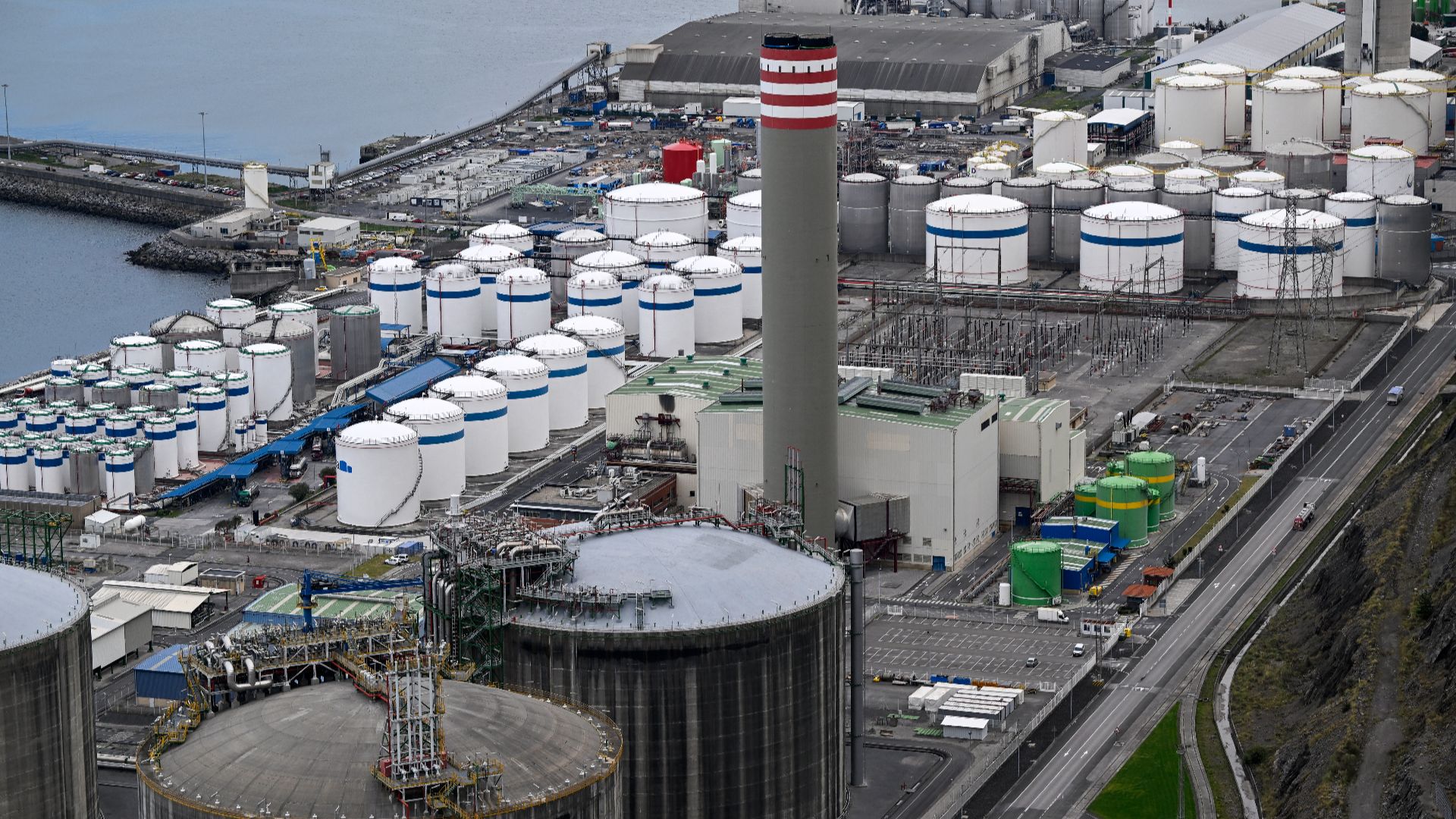
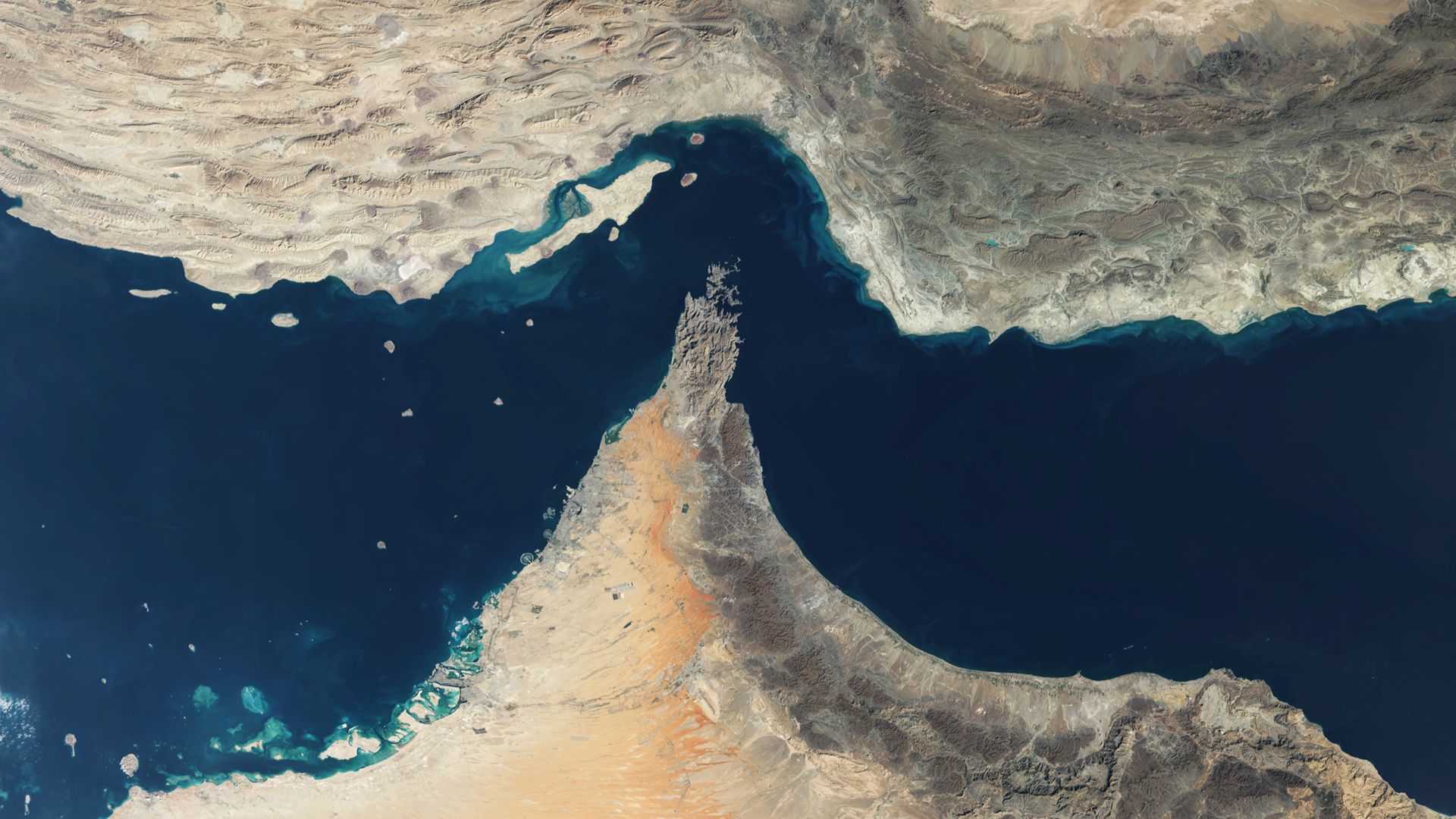
Energy analysts now warn that the market faces an unusually dangerous situation because both principal export corridors from the Persian Gulf are under pressure simultaneously. Disruptions affecting either the Strait of Hormuz or the Bab al-Mandab gateway could significantly reduce global oil flows, but problems affecting both at once would have even greater consequences.
Uncertainty Remains High
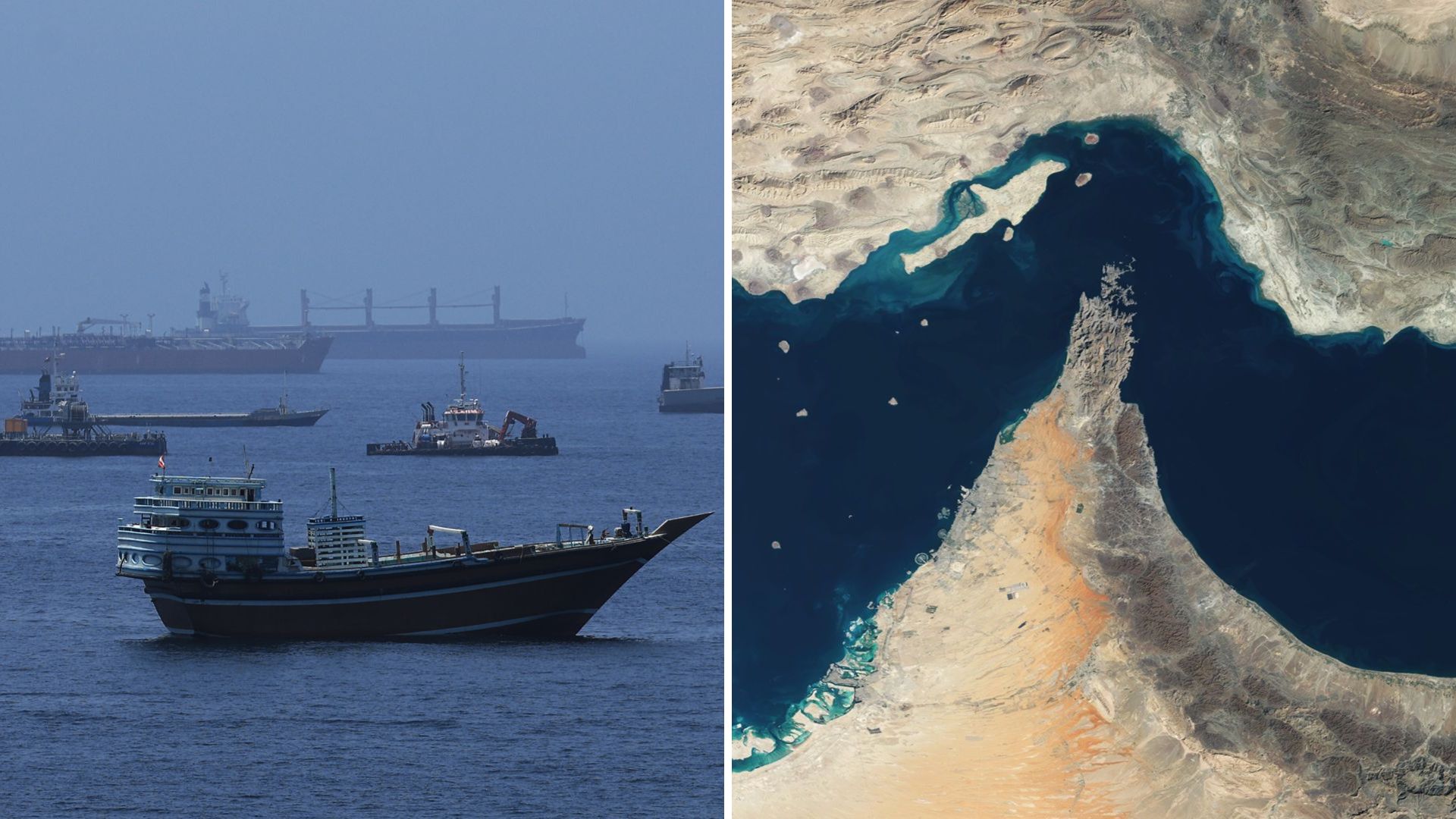
With diplomatic efforts stalled, military operations continuing and inventories significantly depleted, traders are increasingly preparing for additional volatility. Unless security conditions improve and shipping routes stabilize, analysts believe oil prices could remain above current levels—or continue climbing—as markets struggle to price the growing geopolitical risk.