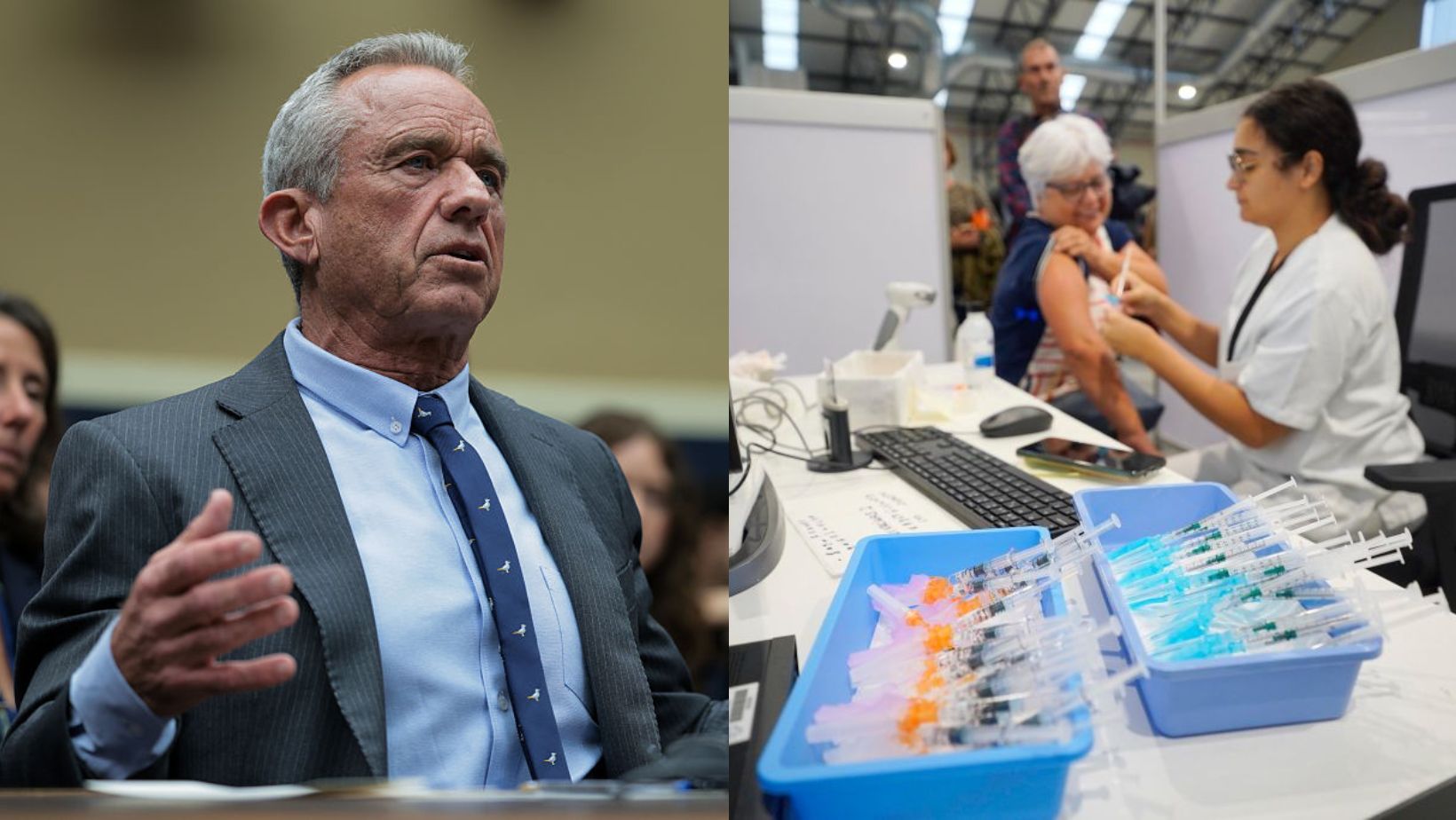
The "most dangerous public health decision in my 50-year career", said one expert.
$500 million
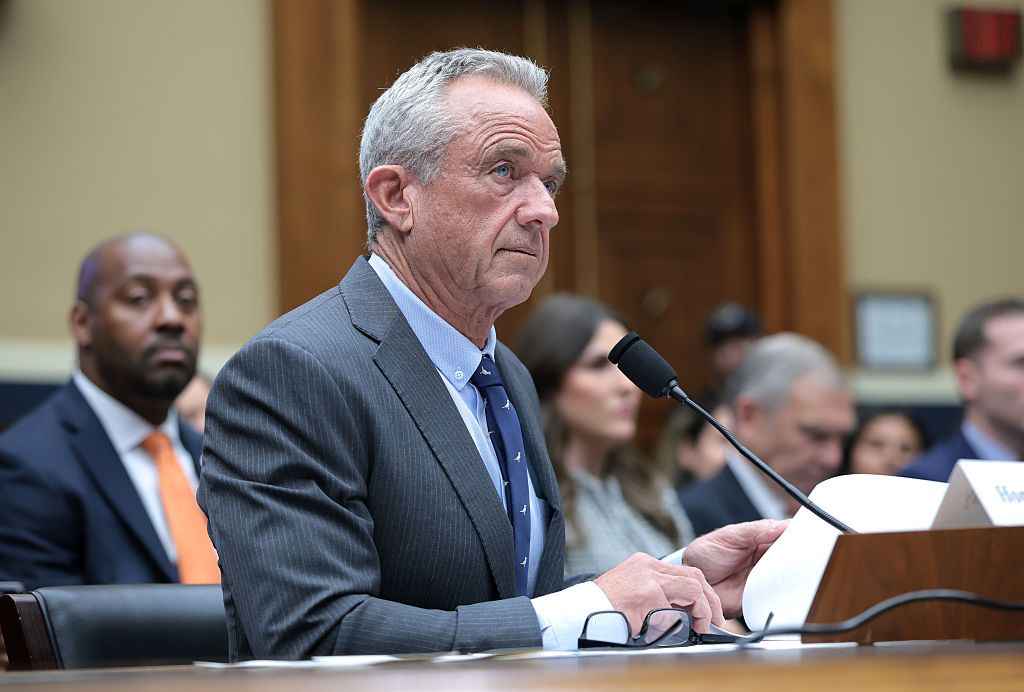
Kennedy, known for his vaccine-skeptic rhetoric, announced in a press release that he was halting 22 vaccine development projects using messenger ribonucleic acid (mRNA) technology, worth "around $500 million".
Produced by leading names in the industry

The funding was for the development of treatments for bird flu and swine flu. They were produced by several big names in the pharmaceutical industry, including Moderna, Pfizer and Sanofi.
"Safer, broader vaccine strategies", says Kennedy

"The data show that these vaccines do not effectively protect against upper respiratory tract infections, such as COVID and influenza," charged the politician, without going into detail. HHS will "prioritize the development of safer and broader vaccine strategies", he added.
MRNA and virus mutations
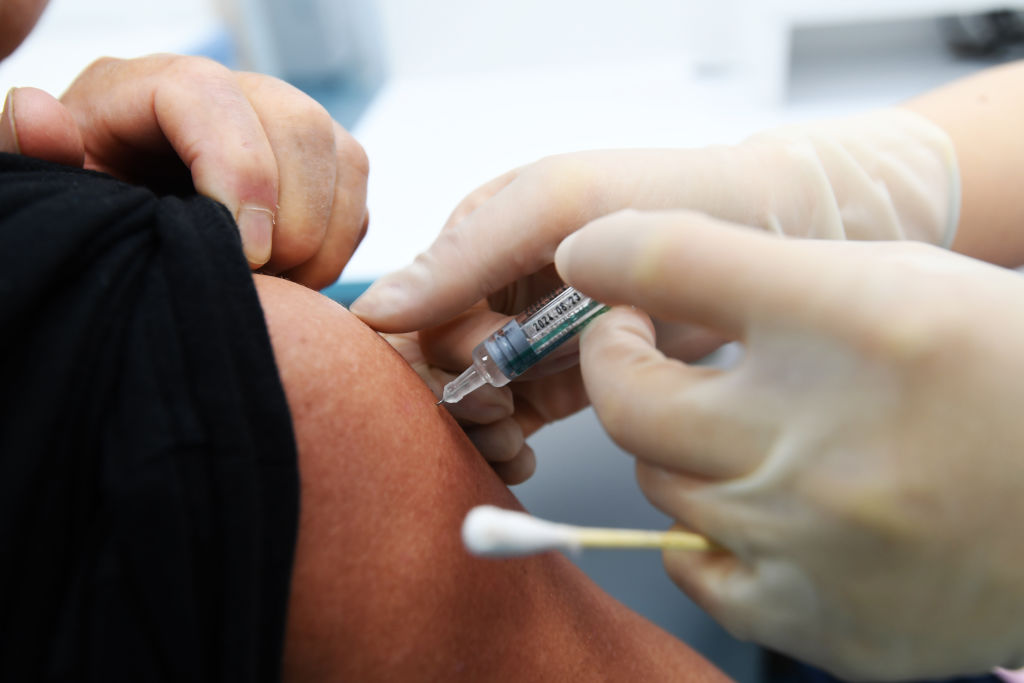
Citing the coronavirus as an example, Kennedy justified his decision by asserting that mRNA codes for only a small fraction of viral proteins [...], which means that the vaccine paradoxically encourages new mutations and may actually prolong pandemics, as the virus constantly mutates to escape the protective effects of the vaccine.
MRNA slows coronavirus pandemic
Yet infectious disease experts say the mRNA used in modern vaccines is safe. In their view, the advancement of this technology during the first Trump administration in 2016 helped slow the 2020 coronavirus pandemic.
A "dangerous decision", according to Dr. Mike Osterholm

They warn that future pandemics will be difficult to contain without mRNA. Mike Osterholm, an expert in infectious diseases and pandemic preparedness at the University of Minnesota, called it "the most dangerous public health decision in my 50-year career".
The standard virus culture method
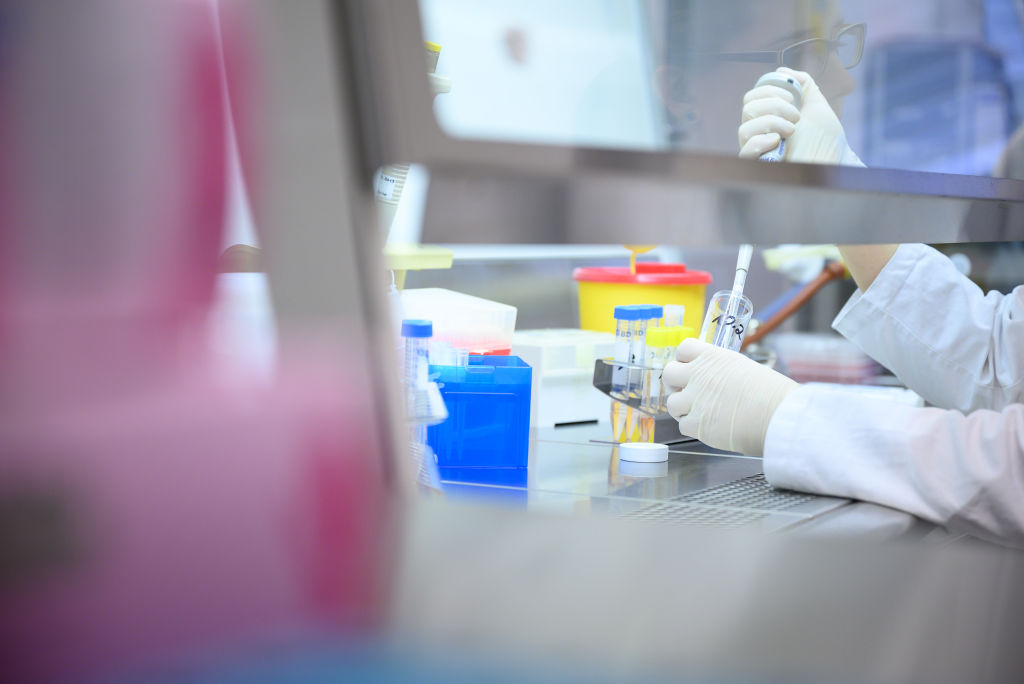
The latter pointed out that mRNA technology offers the advantage of rapid production. "If a flu pandemic occurred tomorrow, the world's flu vaccine manufacturing capacity, using the standard method of growing the virus in chicken eggs, would only produce enough vaccine for a quarter of the world's population in 18 months," he told CBS News.
Fast-production technology
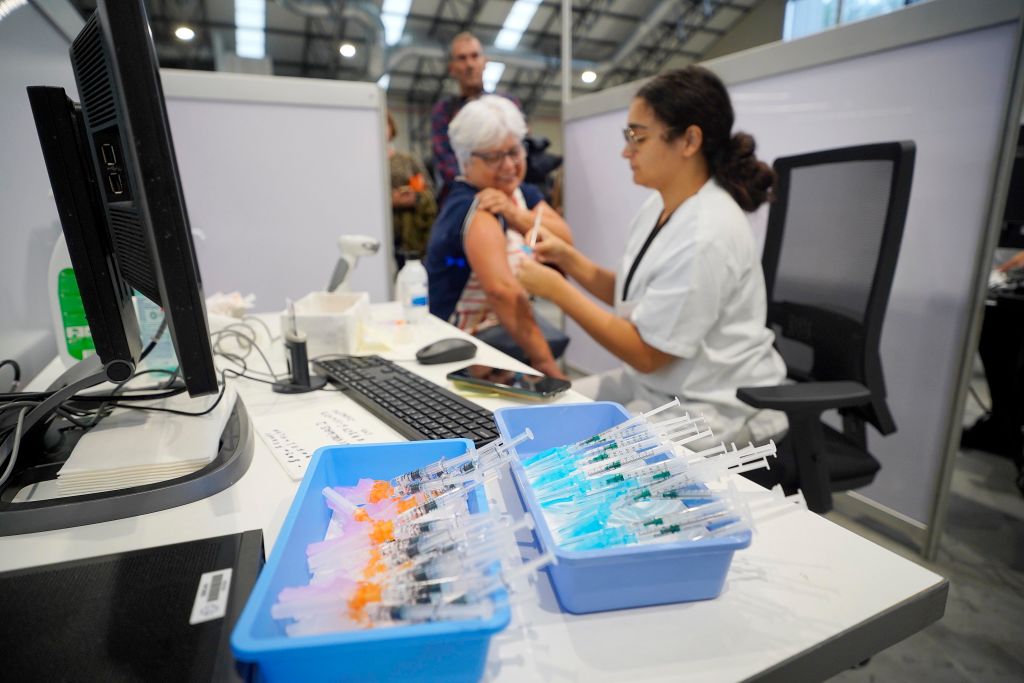
"We desperately need a vaccine technology that would enable us to make enough vaccine for the world in a year," continued the epidemiologist.
The body becomes its own vaccine factory
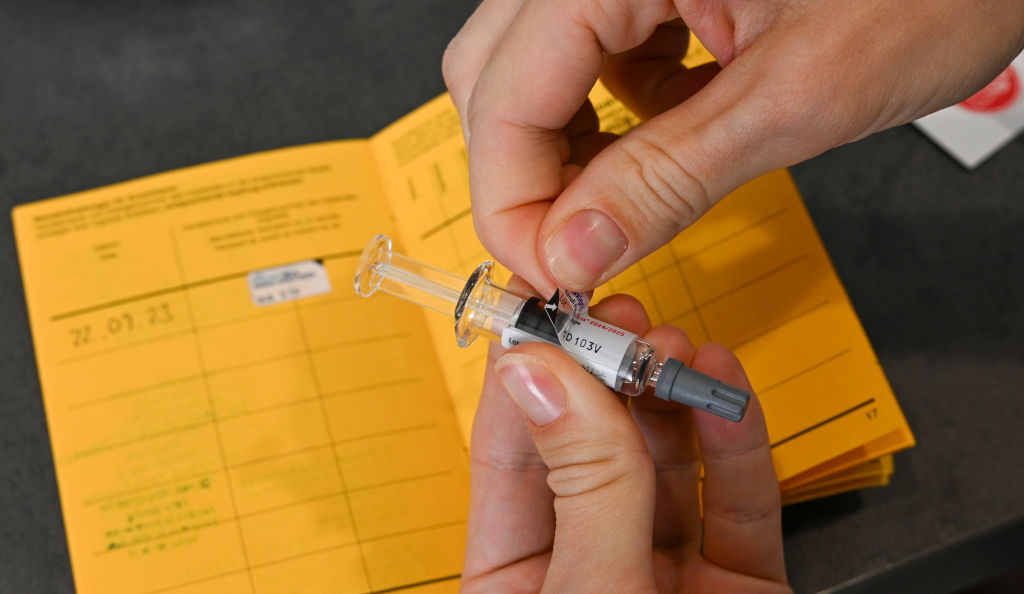
MRNA is an approach that starts with a short segment of genetic code, carrying instructions for protein production. Scientists choose the protein to target, inject this blueprint and the body produces just enough to trigger an immune response, producing its own dose of vaccine.
mRNA for cancer treatment
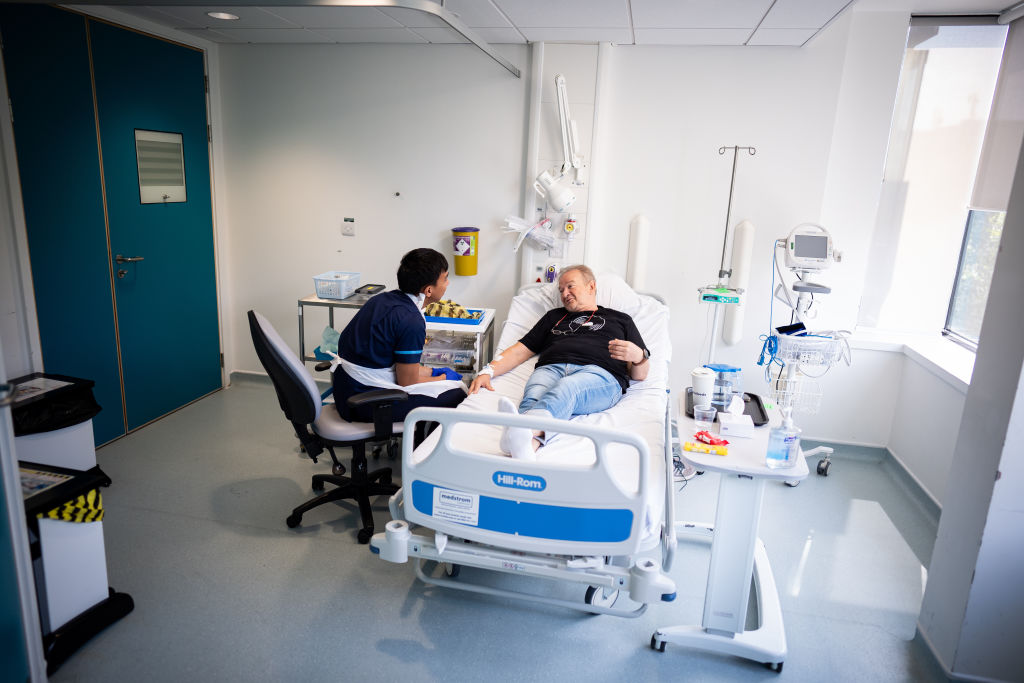
The usefulness of mRNA goes beyond protection against respiratory viruses. Indeed, researchers and biologists around the world are experimenting with the potential of this Nobel Prize-winning technology for the treatment of cancer.
Only Barda projects affected

However, the Ministry of Health has specified that other uses of mRNA technology within the department are not affected by this announcement. Only the projects of Barda, the US authority responsible for providing the country with the means to deal with health crises, are affected.