Family life can be beautifully messy. Some families barely see each other in the morning; everyone stumbling around half-asleep, passing quickly in hallways. But come evening, dinner’s ready at roughly the same hour, homework happens while dishes clink in the sink, and bedtime sneaks up like clockwork. Other homes aren’t fans of structure—they might go days without a consistent bedtime or meal hour.

Family life can be beautifully messy. Some families barely see each other in the morning; everyone stumbling around half-asleep, passing quickly in hallways. But come evening, dinner’s ready at roughly the same hour, homework happens while dishes clink in the sink, and bedtime sneaks up like clockwork. Other homes aren’t fans of structure—they might go days without a consistent bedtime or meal hour.
Yet even they find comfort in predictable moments, like movie night every Friday or pancakes every Sunday. These tiny threads of consistency, intentional or accidental, end up pulling everyone closer, creating an unspoken sense of togetherness. Curious about finding your own family’s rhythm? Explore simple strategies that can help your family stay connected and comfortable—every day.
Create A ‘Launch Pad’ For Mornings

Meal Prep With A Theme Night Twist

Themed meal nights simplify dinner choices with predictable favorites like Taco Tuesday, and these make meal planning effortless. Kids enthusiastically engage in cooking and menu choices, easing grocery shopping and encouraging adventurous eating. Special themes like “Wacky Wednesday” or “Taco Tuesday” inspire children to sample unfamiliar foods, and it turns dinner into playful exploration.
Set Alarms For Everything—Even Fun

Color-Code The Family Calendar

Color-coded calendars quickly show each family member their daily tasks. They reduce confusion and eliminate schedule overlaps. They also provide visual support to learners who benefit from clear cues. Children naturally love selecting their unique color, becoming more eager participants, and are invested in keeping track of their responsibilities.
Use A Sunday Planning Huddle

Turn Bedtime Into A Ritual, Not A Rush

Assign ‘Mini Boss’ Roles For Chores
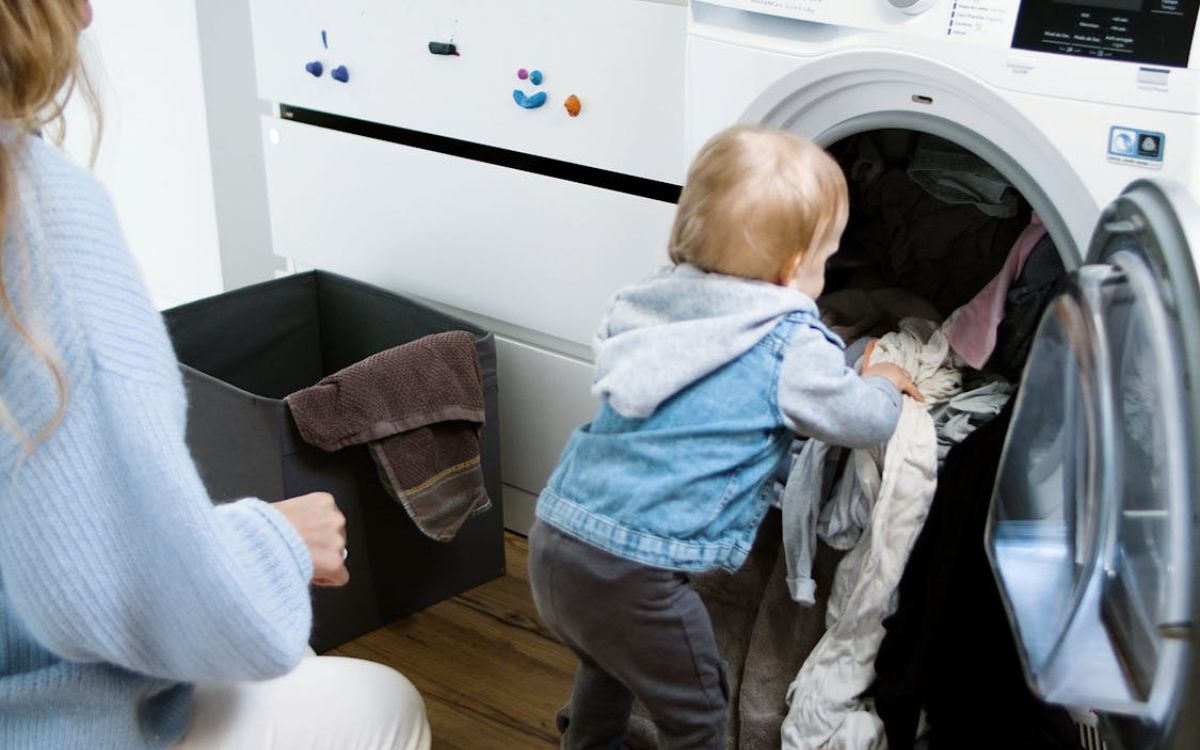
Want to raise responsible adults in your kids? Give them controlled authority. Giving children authority over specific chores promotes responsibility and builds pride in their contributions. It effectively teaches valuable time management skills through practice. Humorously, kids often initiate playful negotiations about “promotions” to reflect their developing sense of accountability and personal achievement.
Use Visual Schedules For Little Ones

Batch Activities Into Time Blocks

Declare A Weekly “No Plan” Day

Rotate Task Ownership Weekly

Gamify Repetitive Routines

Create A Family Command Center

Prep The Night Before Like A Pro
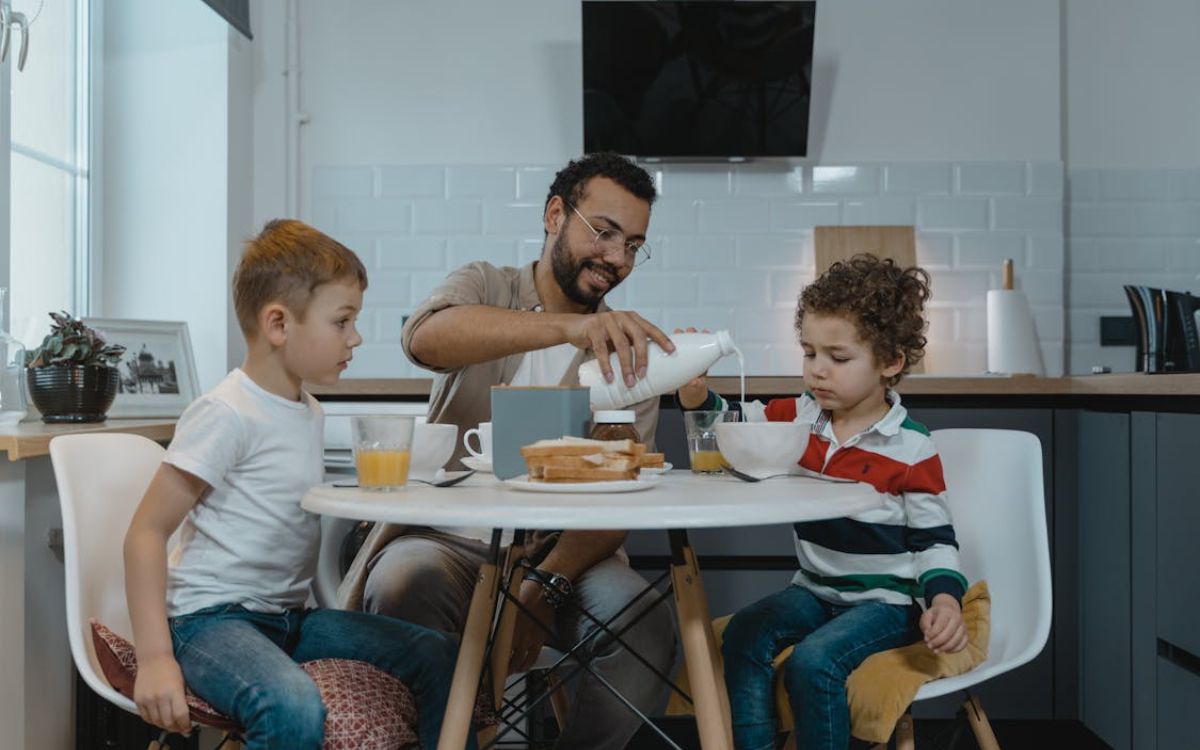
Nightly preparation significantly reduces morning indecision and creates calmer family mornings. This practice builds disciplined habits. Most families who prepare ahead report fewer disagreements in the morning because consistent evening routines help everyone start the day more smoothly and peacefully, and this benefits the entire family dynamic.