Tech Products That Sounded So Good But Flopped Fast
Big promises can make even the most ordinary gadget look like the next big thing. We’ve all seen a device that seemed destined to change everything, only to fade into the background once the excitement wore off.
Sometimes it’s a clunky design, other times bad timing that kills the buzz. Maybe shoppers got curious, tried it out, then quietly move on when the shine faded. The truth is that not every flashy launch becomes a staple.
Let’s revisit 20 products that started strong but stumbled fast.
Big promises can make even the most ordinary gadget look like the next big thing. We’ve all seen a device that seemed destined to change everything, only to fade into the background once the excitement wore off.
Sometimes it’s a clunky design, other times bad timing that kills the buzz. Maybe shoppers got curious, tried it out, then quietly move on when the shine faded. The truth is that not every flashy launch becomes a staple.
Let’s revisit 20 products that started strong but stumbled fast.
Pebble Smartwatch
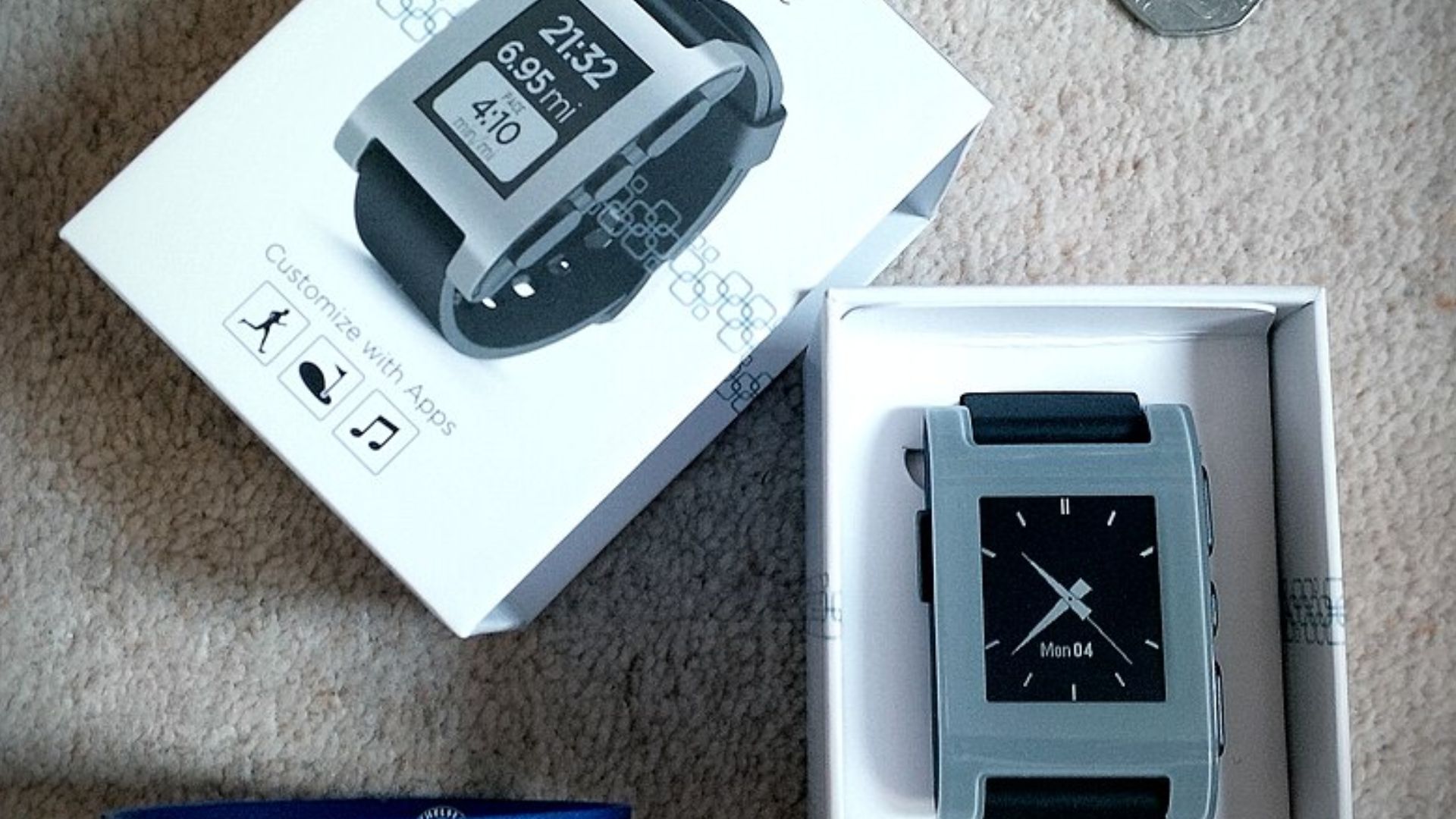
The timing seemed perfect in 2012 when Pebble captured lightning in a bottle, raising $10 million from 68,000 Kickstarter backers and launching its pioneering smartwatch in 2013. Yet by 2016, that early-mover advantage had become a vulnerability, as tech giants like Apple entered with overwhelming resources, and that left the million-unit-selling startup unable to survive.
Google Wave
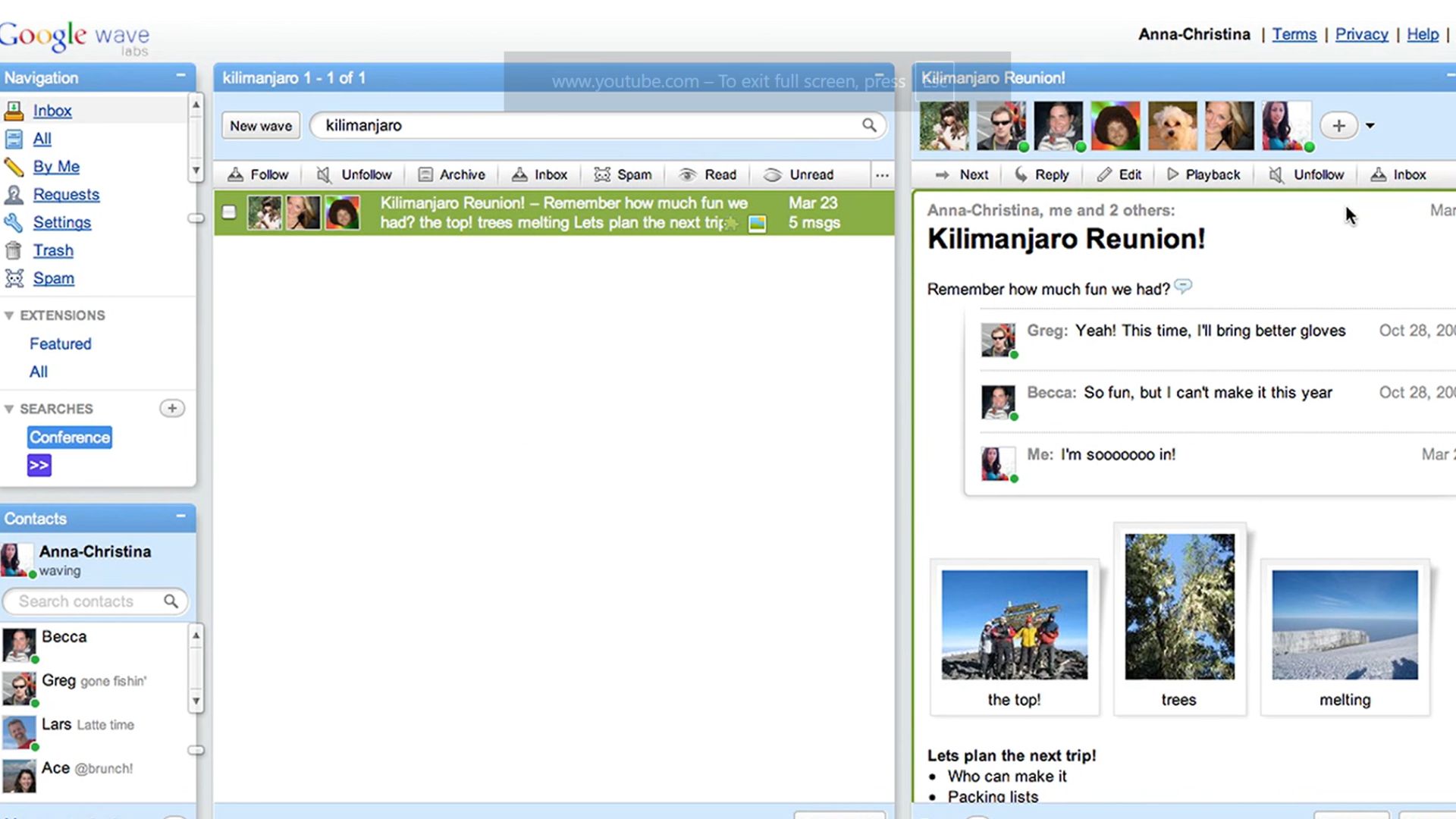
Google's swift shuttering of Wave in 2010 stands as a classic "too much, too soon" tale in tech history. The platform's novel concept of "waves" blurred the lines between messages and documents, and its real-time collaborative editing features dazzled early adopters in 2009. Unfortunately, the digital zeitgeist wasn't quite ready for such radical reinvention.
Coolest Cooler
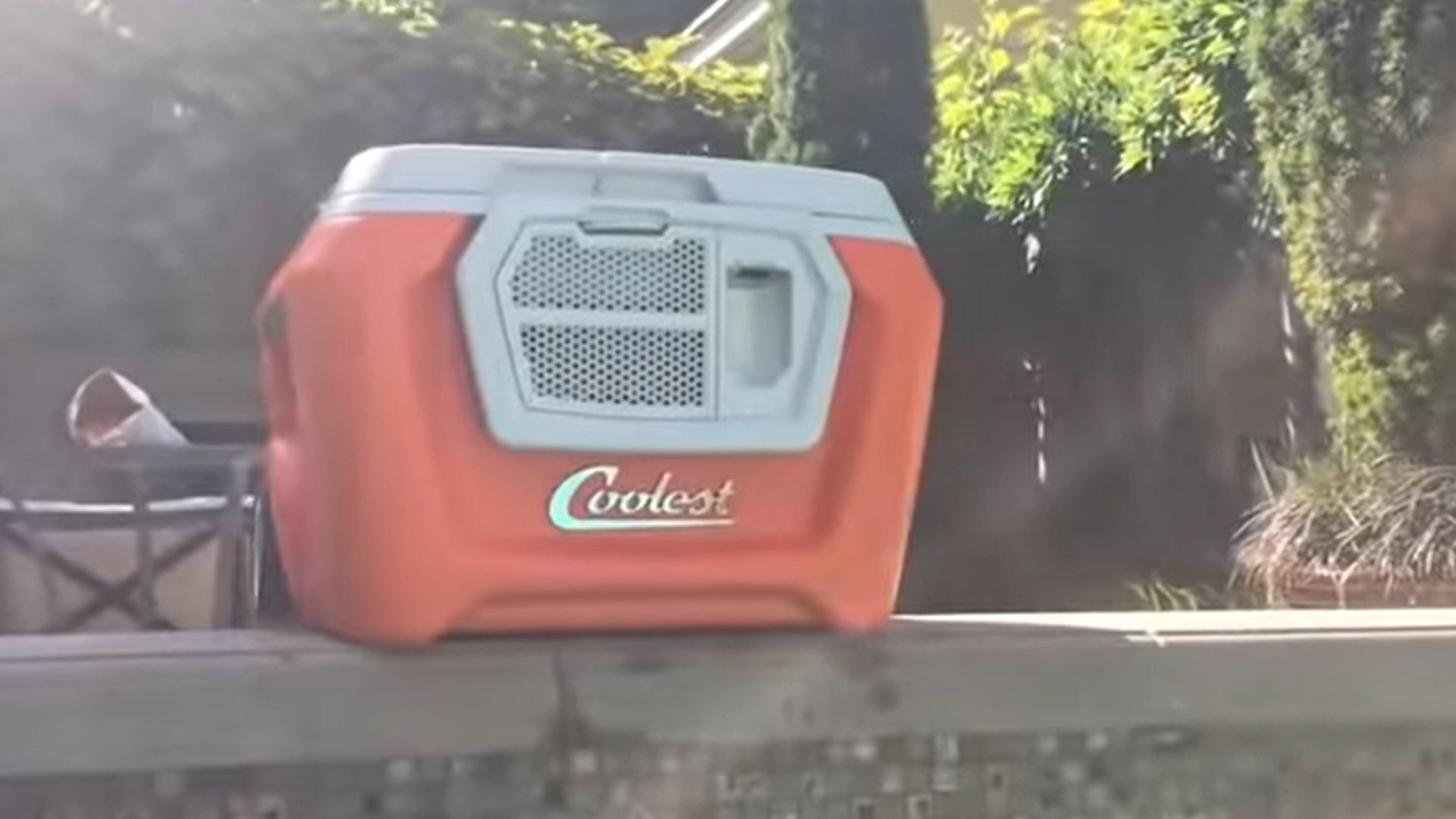
Follow the money on Kickstarter's notorious Coolest Cooler and you'll find a cautionary tale. Despite smashing records with $13M raised in 2014, this tech-loaded cooler with built-in blender, Bluetooth speaker, and USB charger burned through cash in manufacturing mishaps. Many backers never received their units, while others paid an additional $97 shipping fee but still never received them.
Snapchat Spectacles (First Gen)
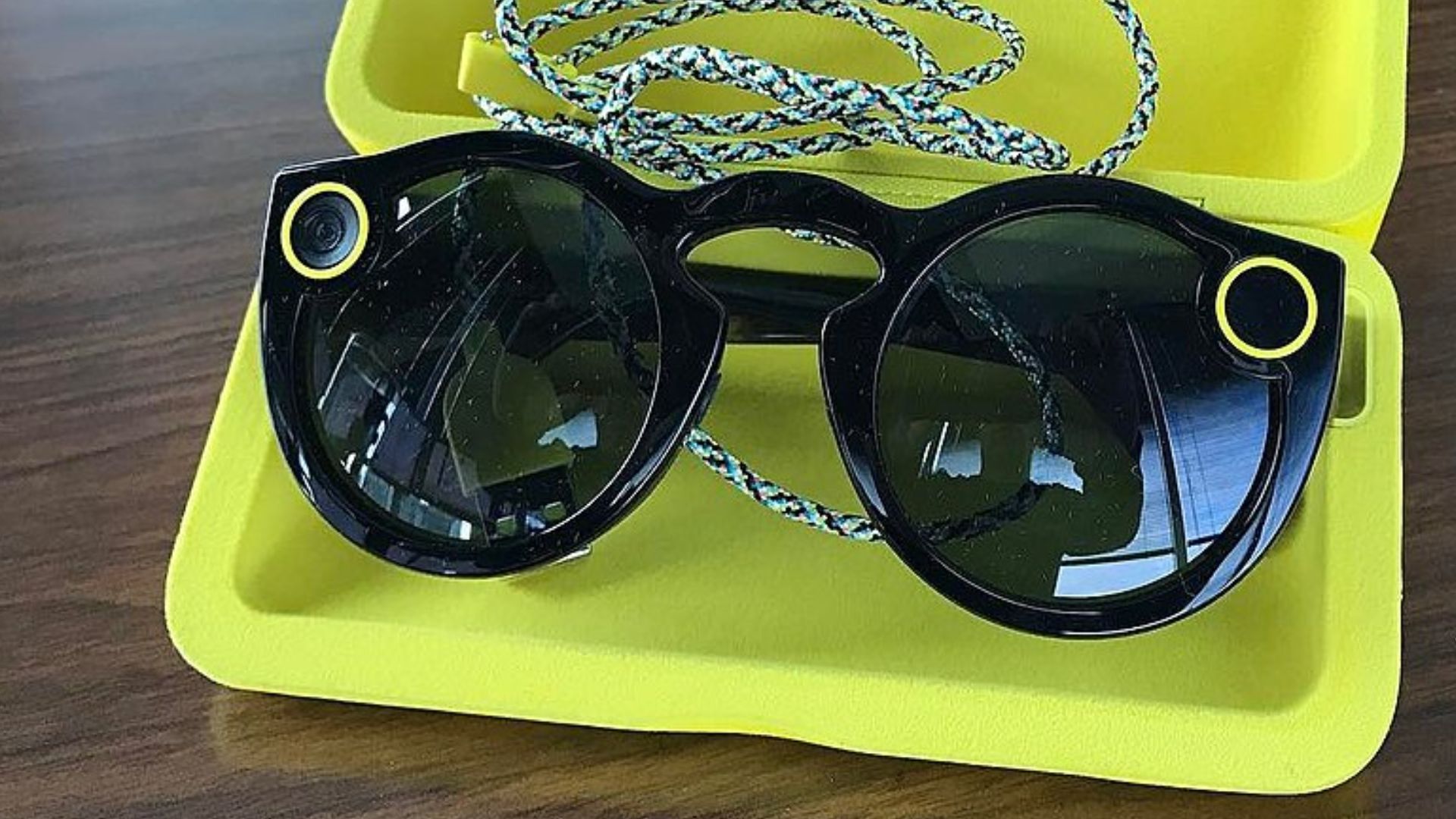
The viral hype was real when Snapchat dropped its video-recording Spectacles through Instagram-worthy "Snapbot" vending machines in 2016. But the buzz-worthy distribution couldn't save these social-sharing shades from becoming a cautionary tech tale, as Snap Inc. ate a painful $40 million loss—though they surprisingly kept releasing new versions anyway.
Dell Streak
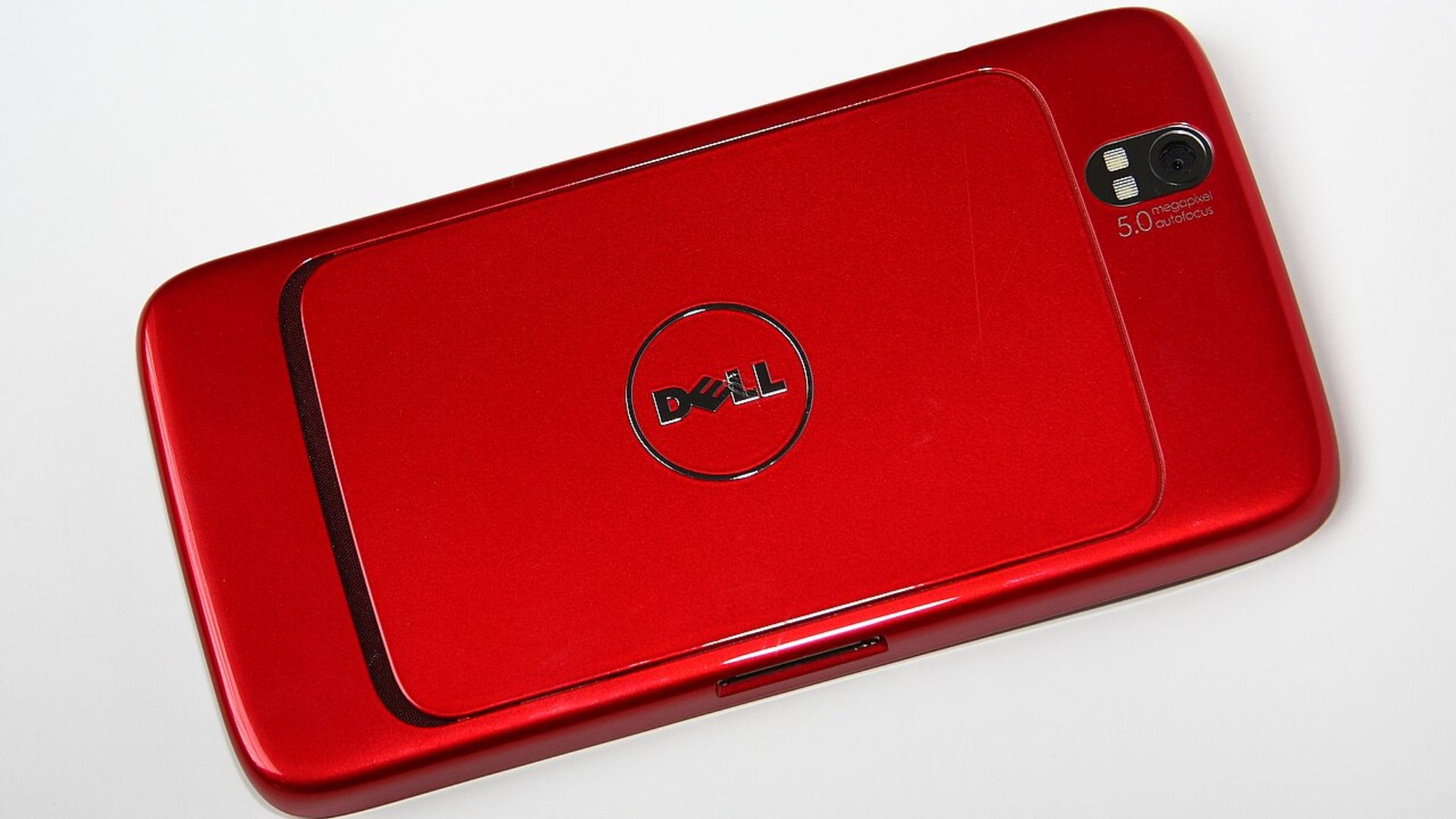
Dell's attempt to create a hybrid device category was manifested in the 2010 Streak, a 5-inch Android offering that combined the aspirations of both tablet and phone. This identity crisis proved fatal; as it was pioneering the "phablet" concept, the device's compromised positioning between form factors, coupled with outdated software, led to its swift discontinuation by 2011.
Google Nexus Q
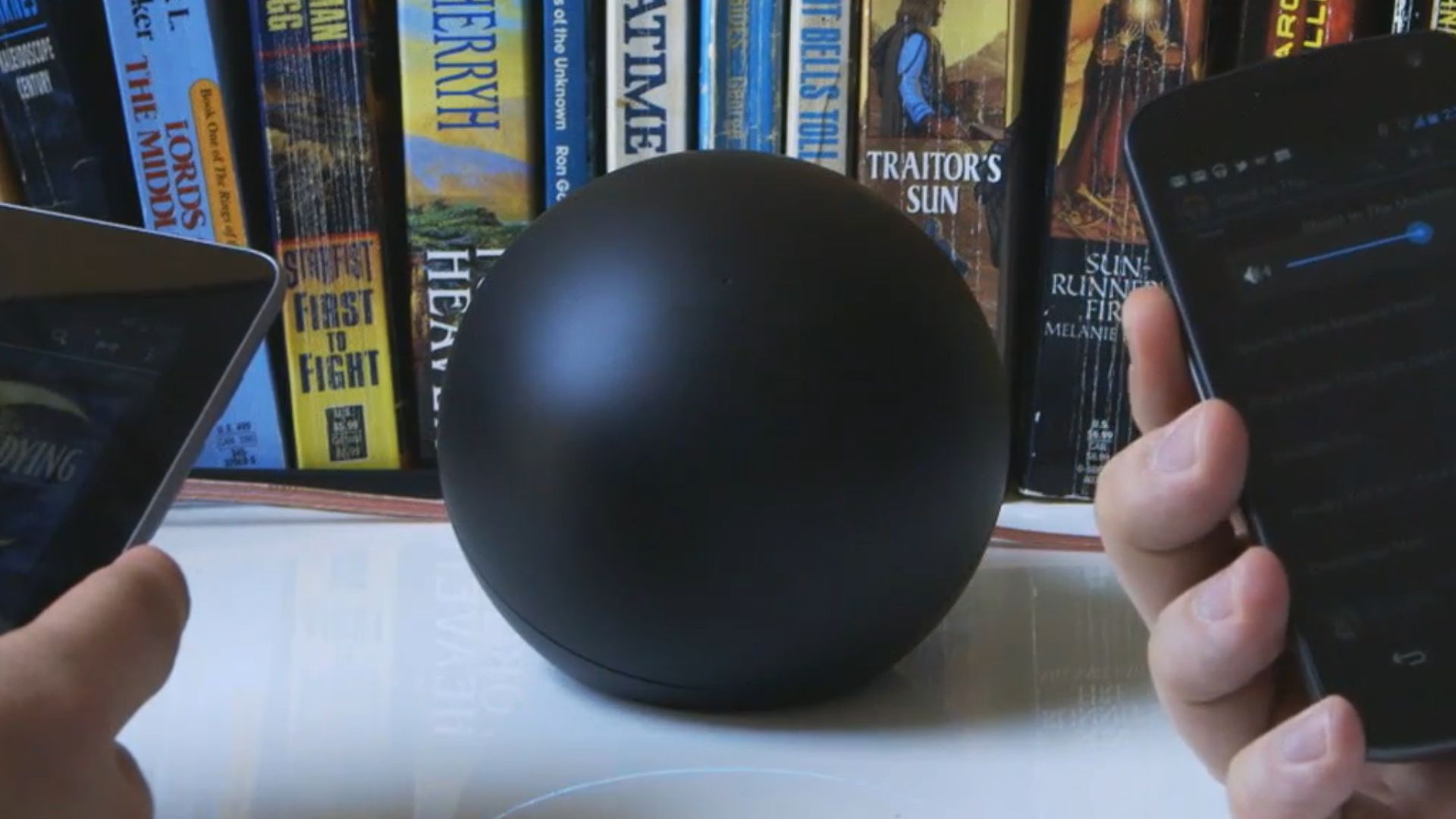
Announced in 2012, Google’s sphere-shaped Nexus Q streaming player never reached most consumers. A handful of early adopters who pre-ordered, however, struck gold when the company canceled the project after tester feedback. Instead of refunds, Google shipped the device free, leaving owners with a rare but short-lived gadget.
Theranos Edison Device
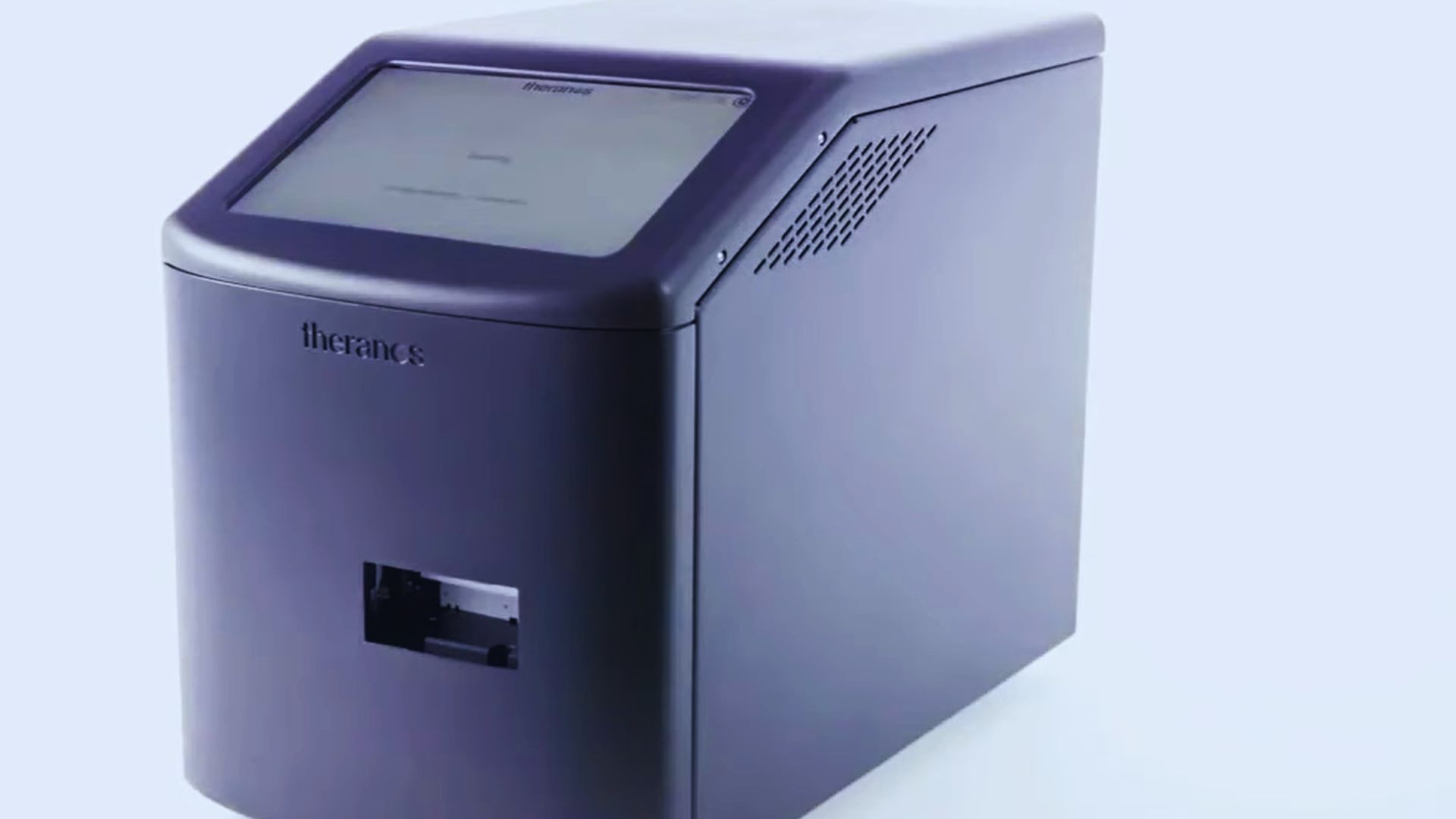
Promising to revolutionize healthcare with hundreds of tests from a single blood drop, Theranos's Edison device was pure Silicon Valley hype that crashed spectacularly. The supposedly groundbreaking machine proved wildly unreliable, taking down the entire company and landing founder Elizabeth Holmes in legal hot water for fraud. Ironically, even its namesake connection to Thomas Edison was nonexistent.
Palm Foleo
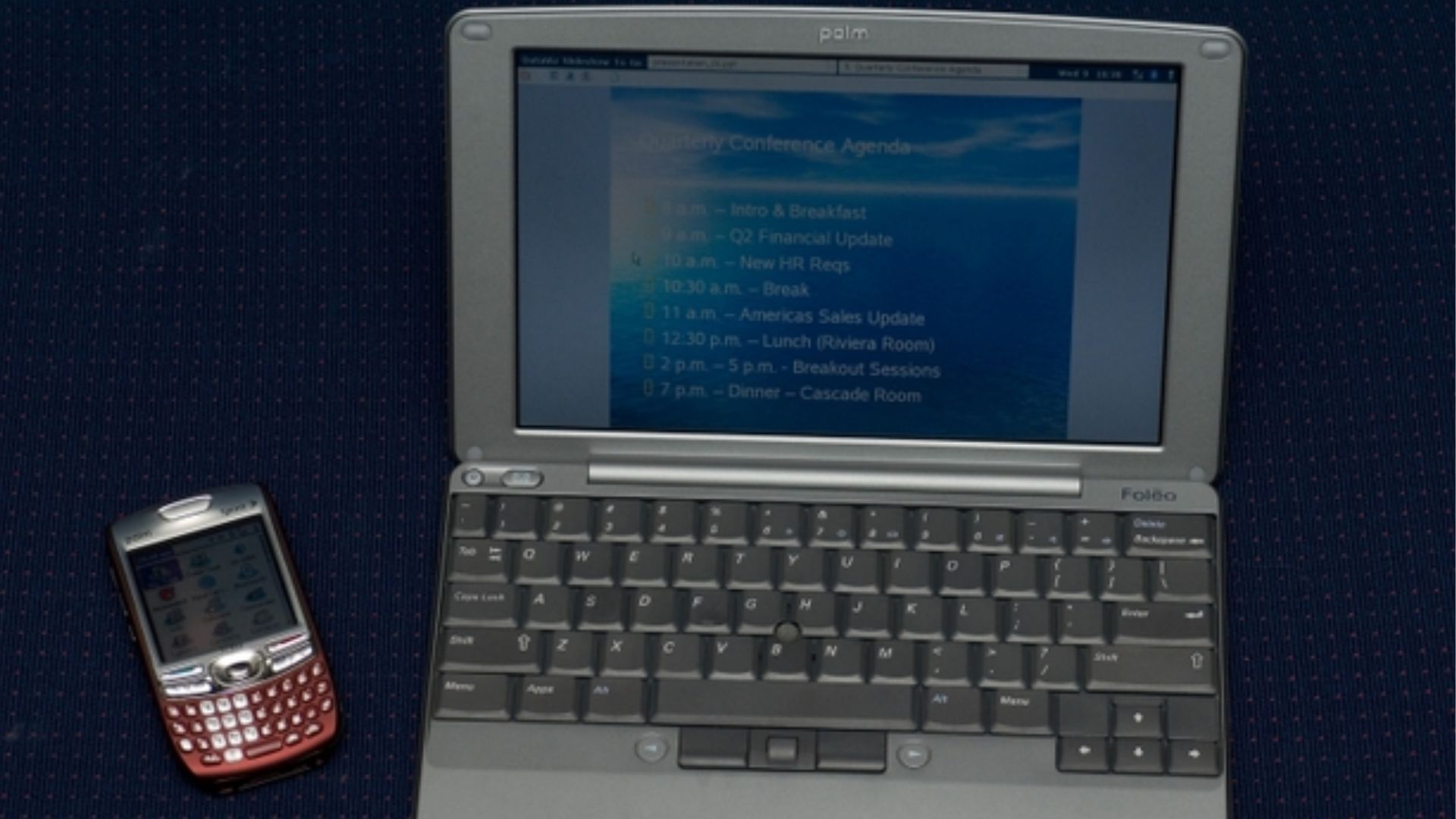
In 2007, Palm envisioned a revolutionary companion device for smartphones by conceptualizing the Foleo to enhance mobile productivity through its expanded screen and keyboard interface. The company invested $10 million in developing this email and document editing solution, but ultimately terminated the project before launch to maintain focus on its primary product lines.
Intel RealSense Camera
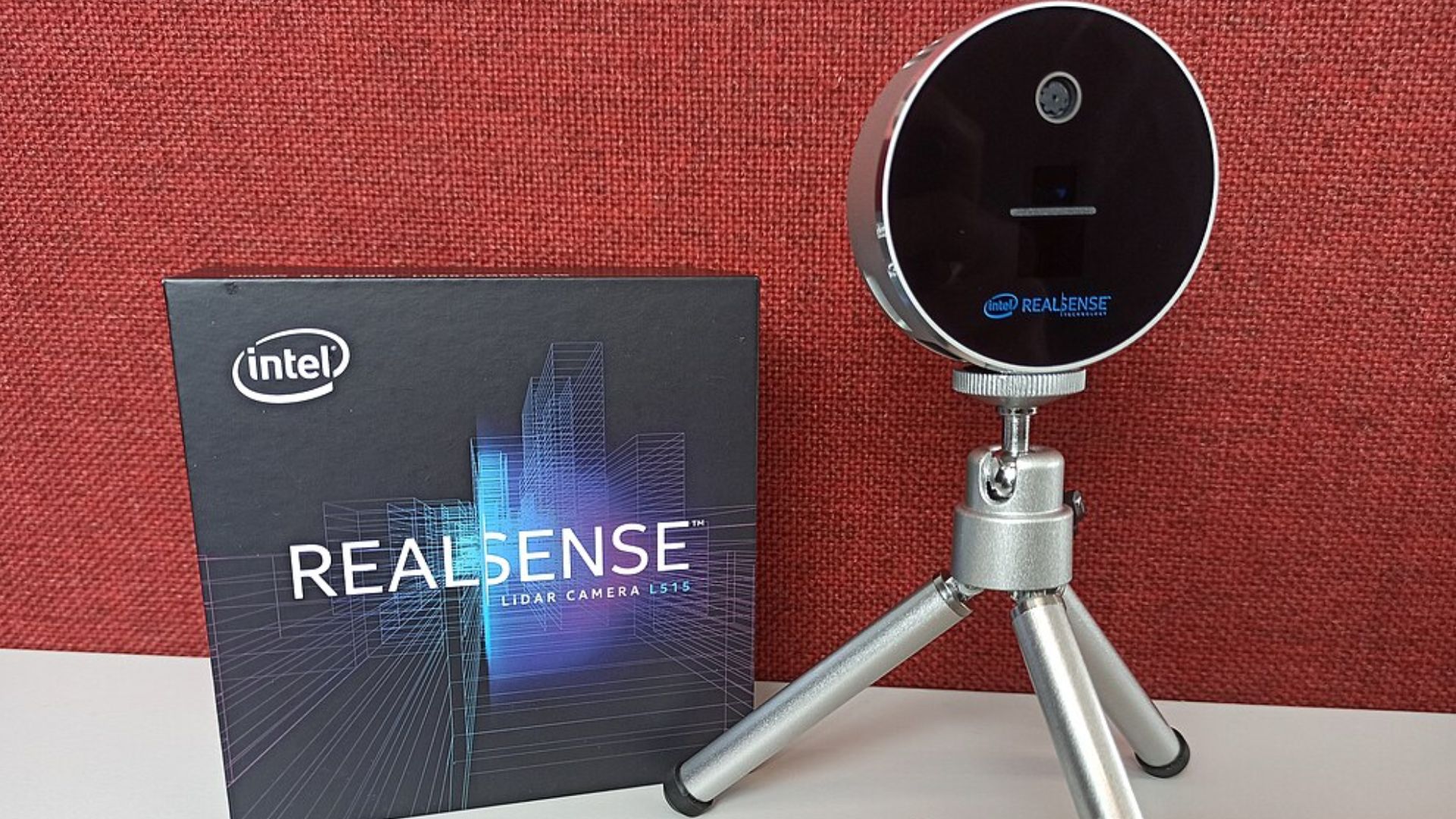
When Intel introduced its RealSense cameras in 2014, the tech world buzzed about their next-level depth-sensing capabilities. The device utilized infrared and stereo vision to see in 3D literally. Ultimately, the cameras quickly found their groove in robotics, drones, and AR applications. But by 2021, the hype fizzled, and Intel pulled the plug on the division.
LG G5 Modular Phone
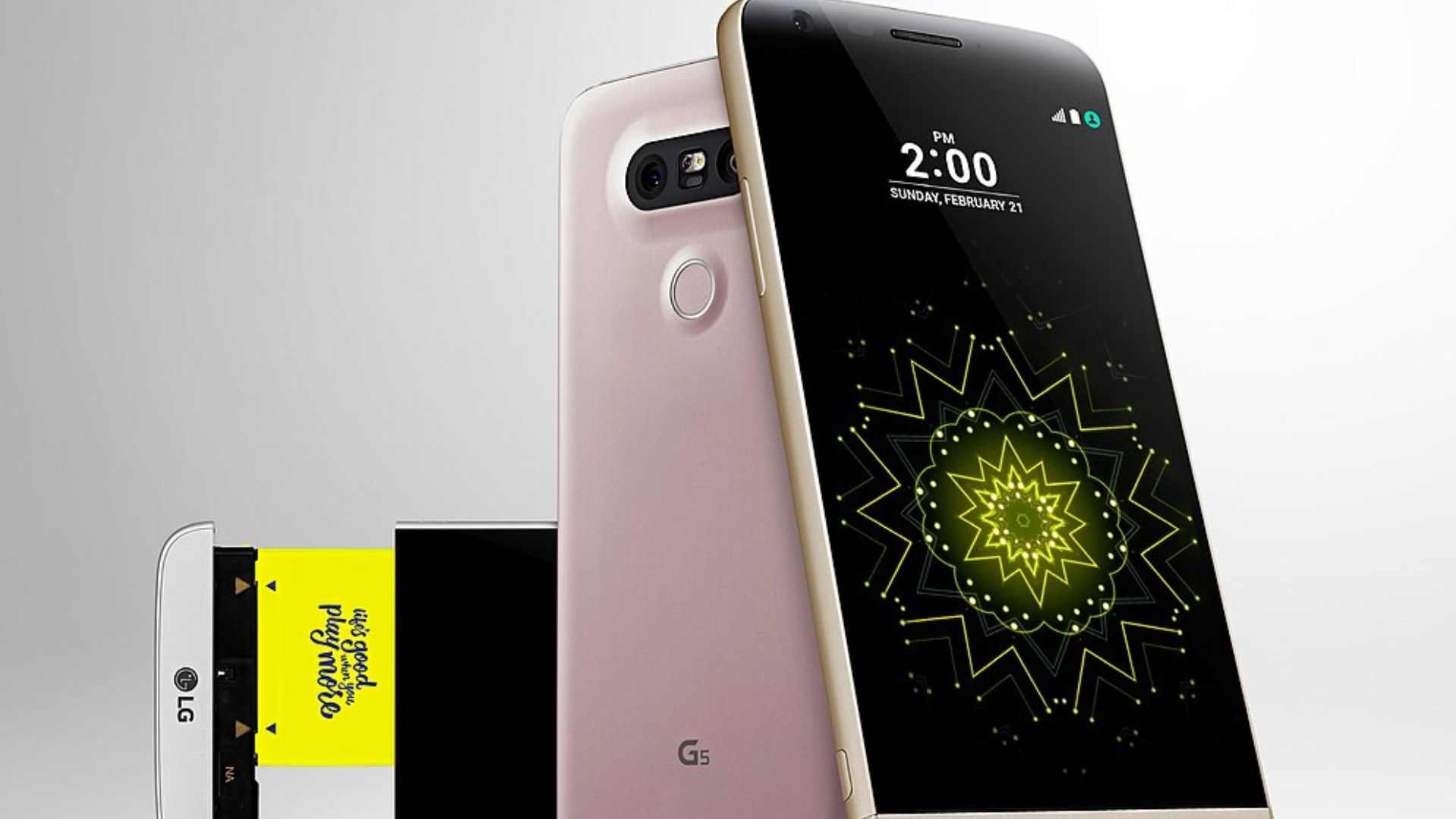
Ever wonder why we can't just swap out phone parts like Lego pieces? The LG G5 tried to make this dream real in 2016 by dropping a modular design that let users snap on cool extras like a camera grip and hi-fi audio player. But with too few "Friends" modules available, the concept flopped—and LG quickly ghosted the whole idea.
Google Stadia
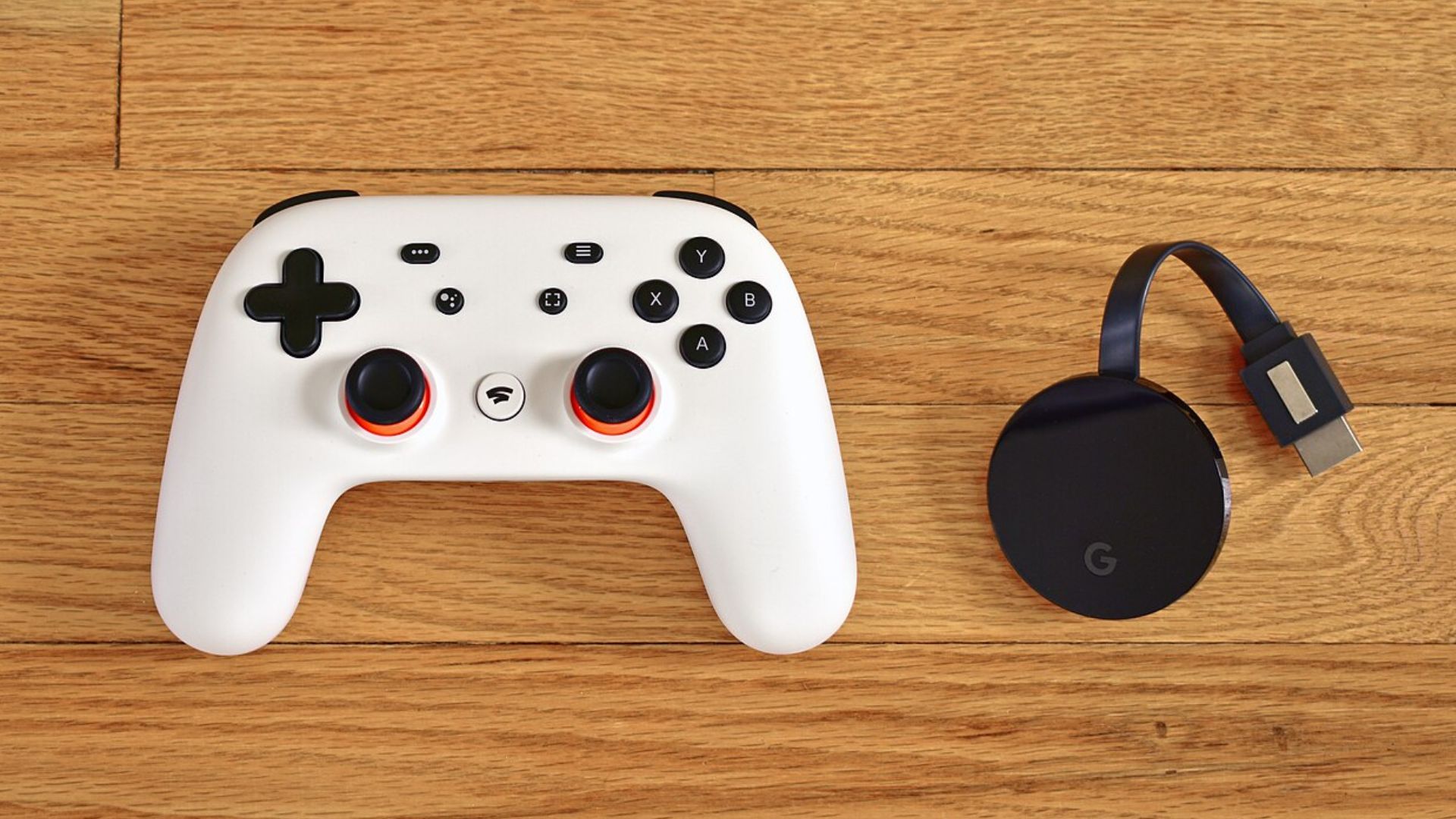
From its buzzy 2019 debut to its final farewell in January 2023, Google Stadia blazed a brief but innovative trail through gaming's next frontier. This cloud service dropped jaws with zero-download instant play and a groundbreaking Wi-Fi controller. But it ultimately couldn’t build the user base needed to survive.
Razer Edge Pro Gaming Tablet
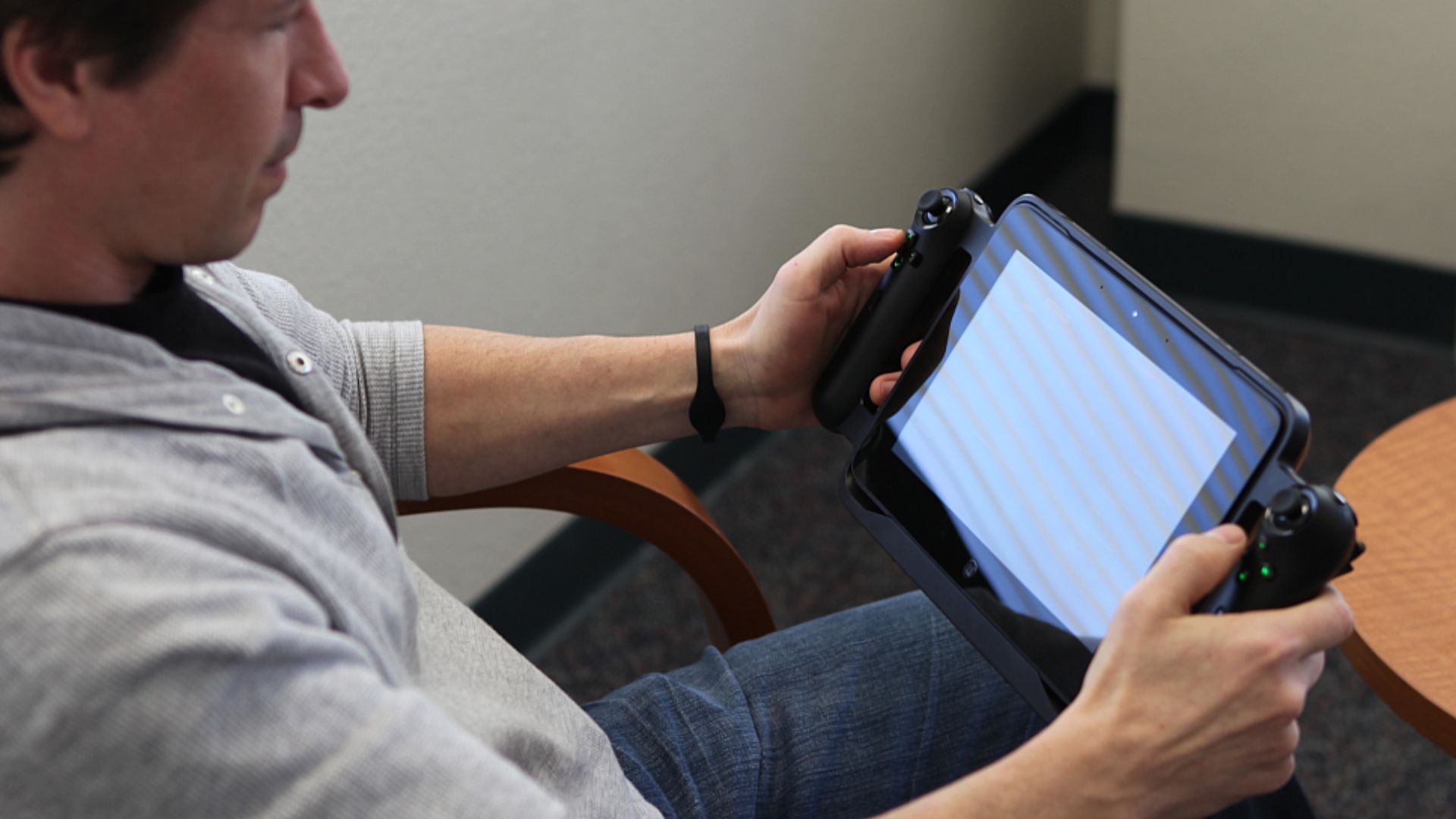
Before the Nintendo Switch existed, Razer's Edge Pro blazed a prescient trail in 2013 with its modular Windows 8 gaming vision. The innovative tablet transformed between laptop, handheld, and tablet configurations via a detachable gamepad and accessories. However, this pioneering versatility came at a cost, as battery limitations and premium pricing hindered widespread adoption.
Amazon Fire Phone
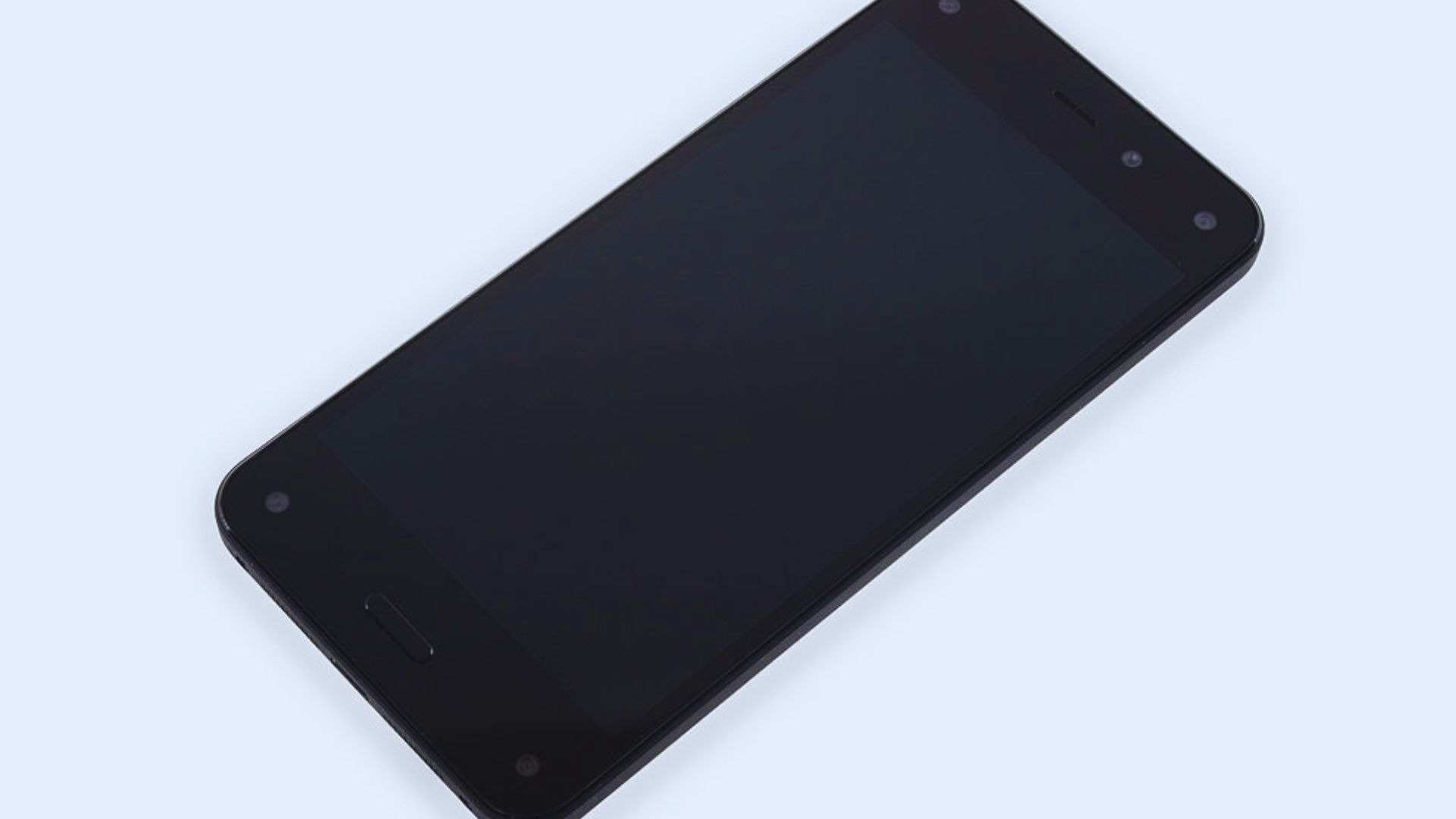
Amazon dropped major innovation vibes with the Fire Phone's head-tracking 3D "Dynamic Perspective" tech, and this made its hotly anticipated smartphone debut in July 2014. Even throwing in a free year of Prime couldn't save this bold experiment. Why? The device totally flopped with critics and customers, and this forced Amazon to pull the plug by 2015.
Microsoft Zune
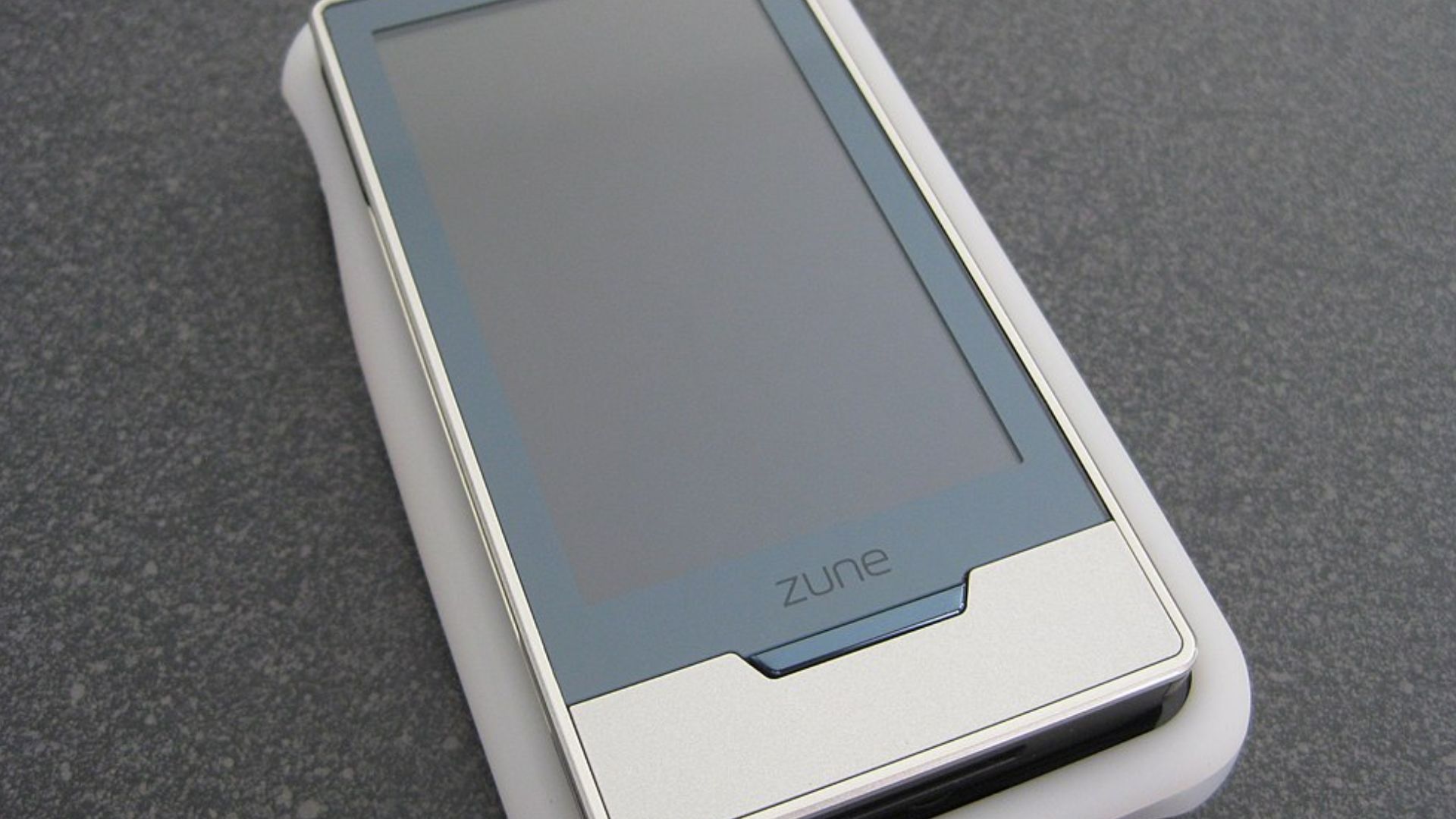
Nothing says mid-2000s tech hubris quite like Microsoft debuting a brown Zune. That peculiar color choice became the perfect metaphor for a device that aimed high but missed the mark. From its well-intentioned wireless sharing feature (limited to three plays) to its futile challenge of the iPod's dominance, it seemed promising before fizzling out in 2011.
Google Glass
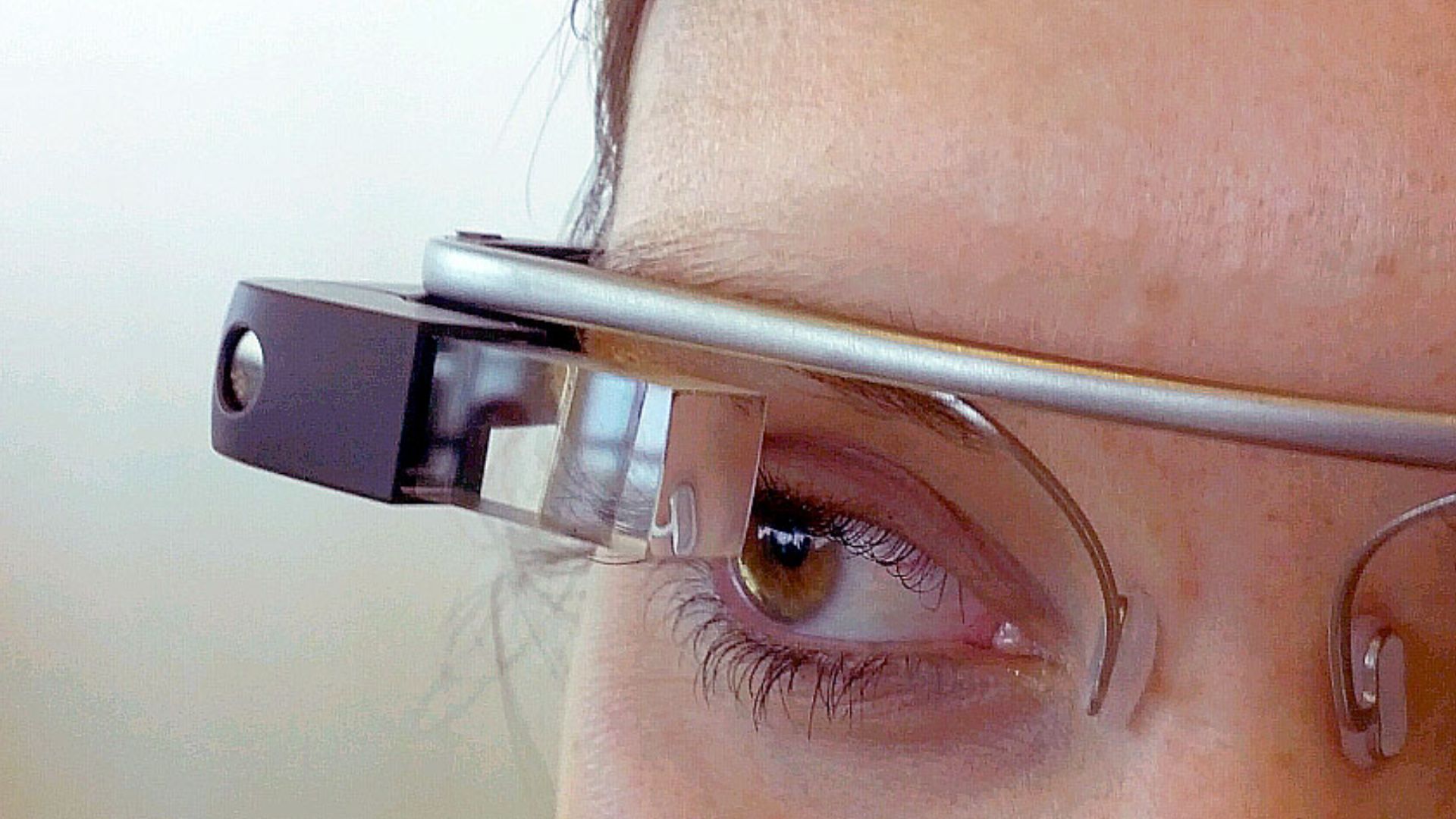
Remember when Google Glass promised to bring sci-fi into our everyday lives? This head-up display wonder could show information and capture photos hands-free, available exclusively to developers and journalists in 2013 for a cool $1,500. However, between privacy concerns, the hefty price tag, and limited features, even Google's ambitious vision couldn't save Glass from its 2023 discontinuation.
Juicero Press
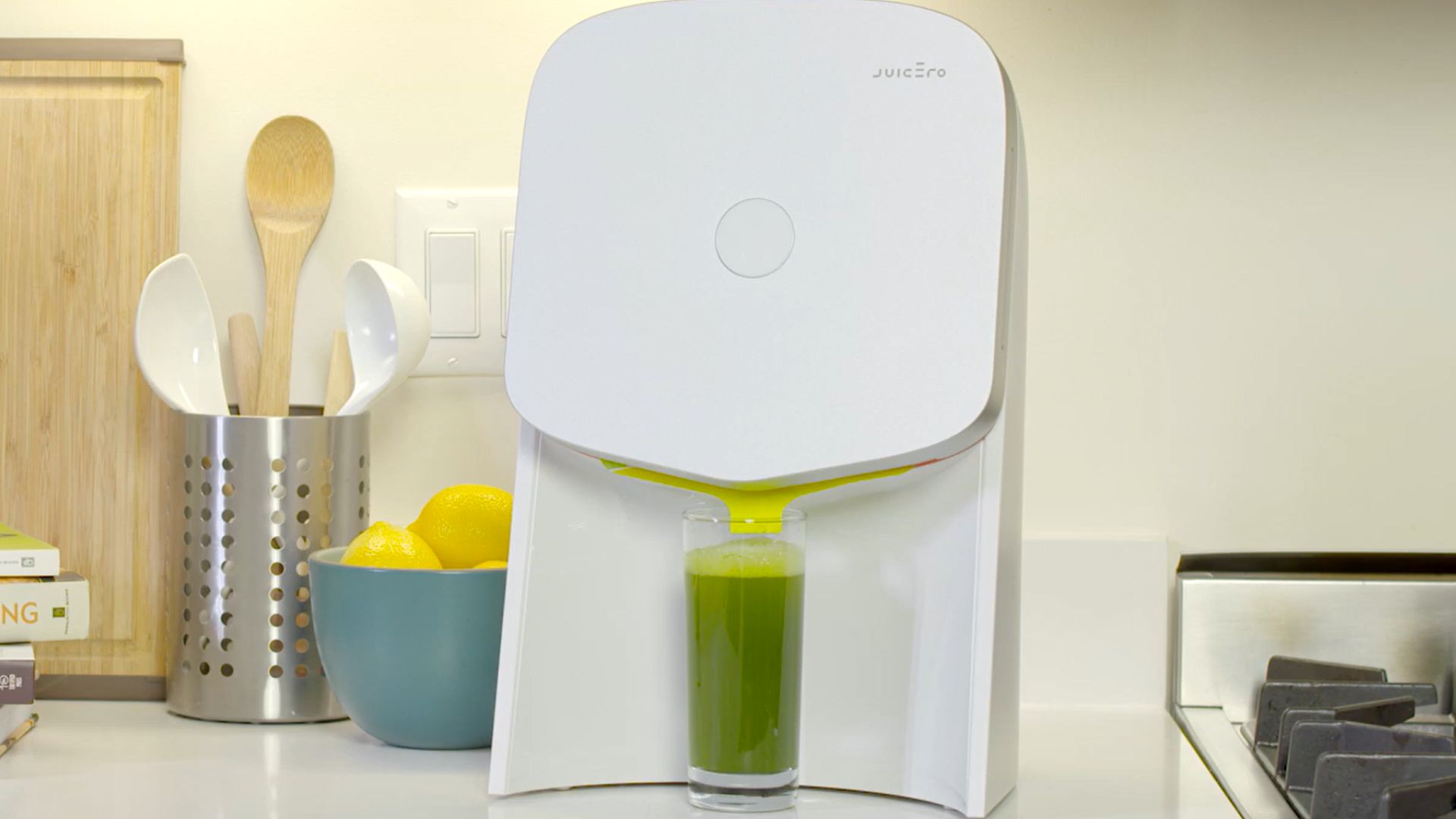
The Juicero story began with great promise in 2016: A high-end $699 Wi-Fi juicer that scanned QR codes to verify the freshness of your juice pack. When sales dragged, they slashed the price to $399, but the real squeeze came in 2017 when consumers realized their hands worked just fine. This sent the $120-million venture down the drain.
Segway Personal Transporter
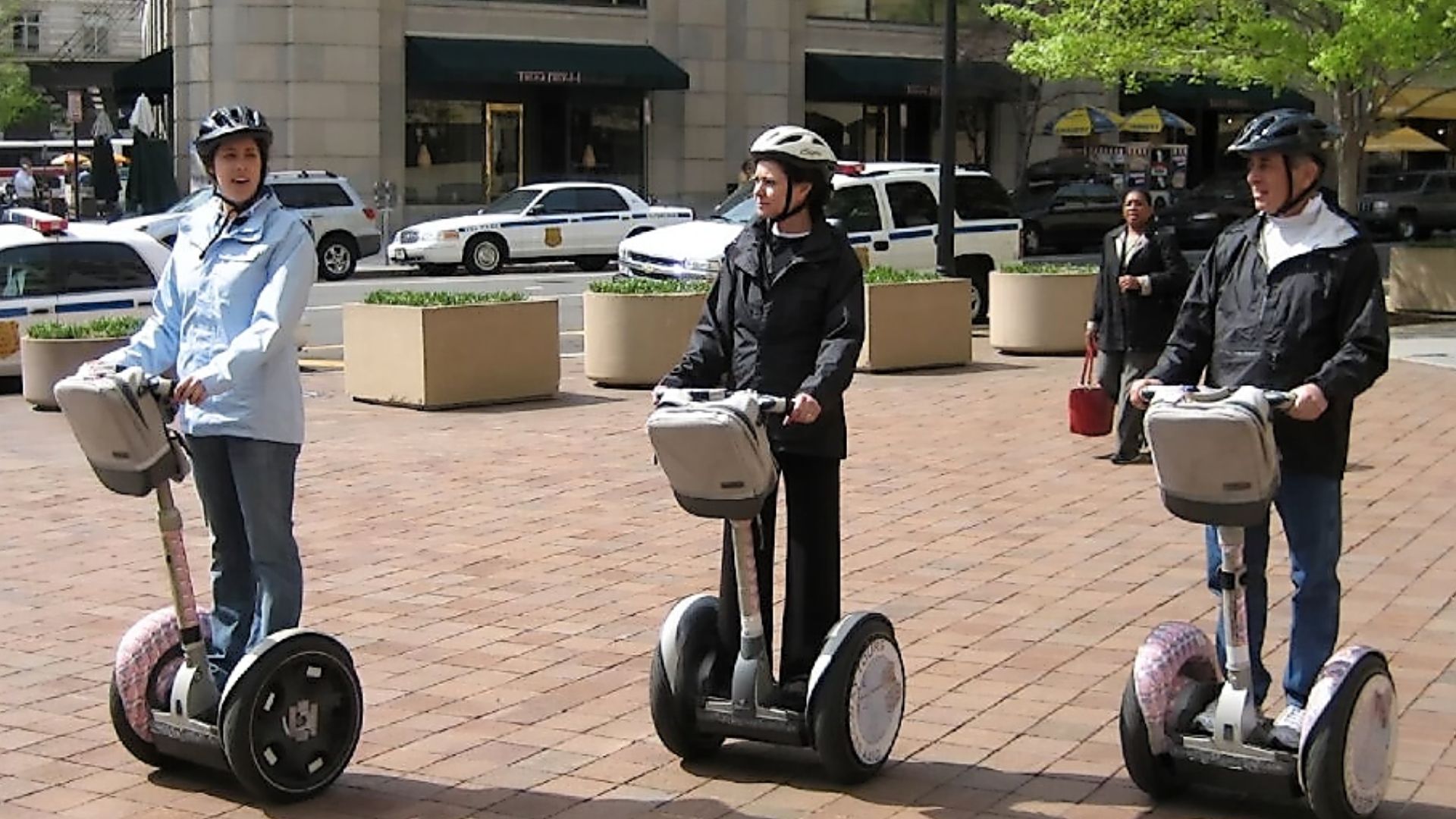
Back in 2001, the Segway PT rolled onto the scene as a transportation breakthrough, with Steve Jobs boldly declaring it would match the PC's revolutionary impact. Even though the two-wheeled wonder found its groove with tour groups and mall security patrols, mainstream consumers never quite hopped on board. Its final production stop was in 2020.
Apple Newton
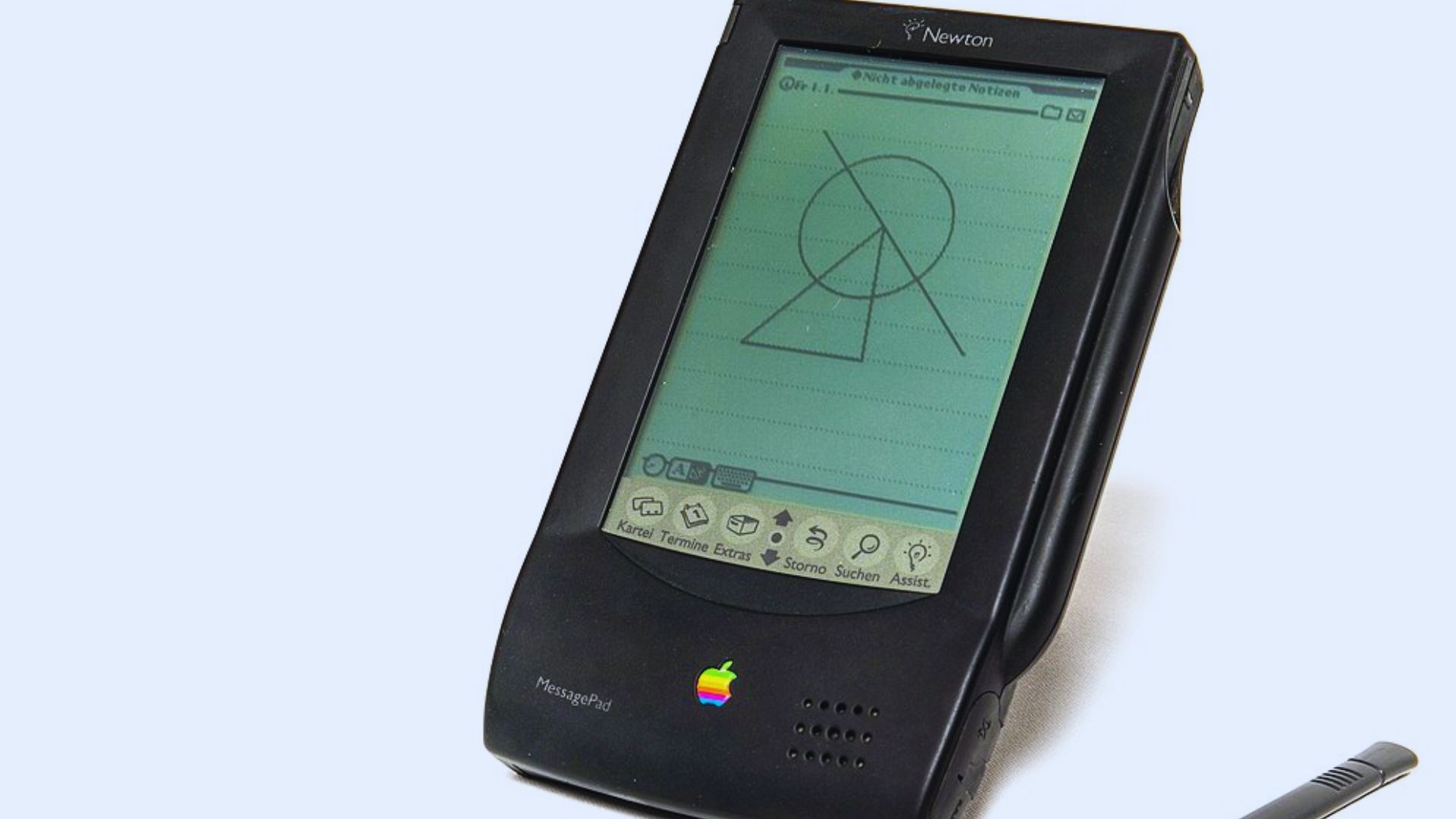
Before the sleek iPhones and iPads that dominate today's tech scene, Apple's revolutionary DNA first emerged in the Newton, a pioneering PDA launched in 1993. Though its notoriously glitchy handwriting recognition became comic strip fodder and led to its 1998 discontinuation, the Newton's ambitious vision laid the groundwork for Apple's future mobile empire.
Nintendo Virtual Boy
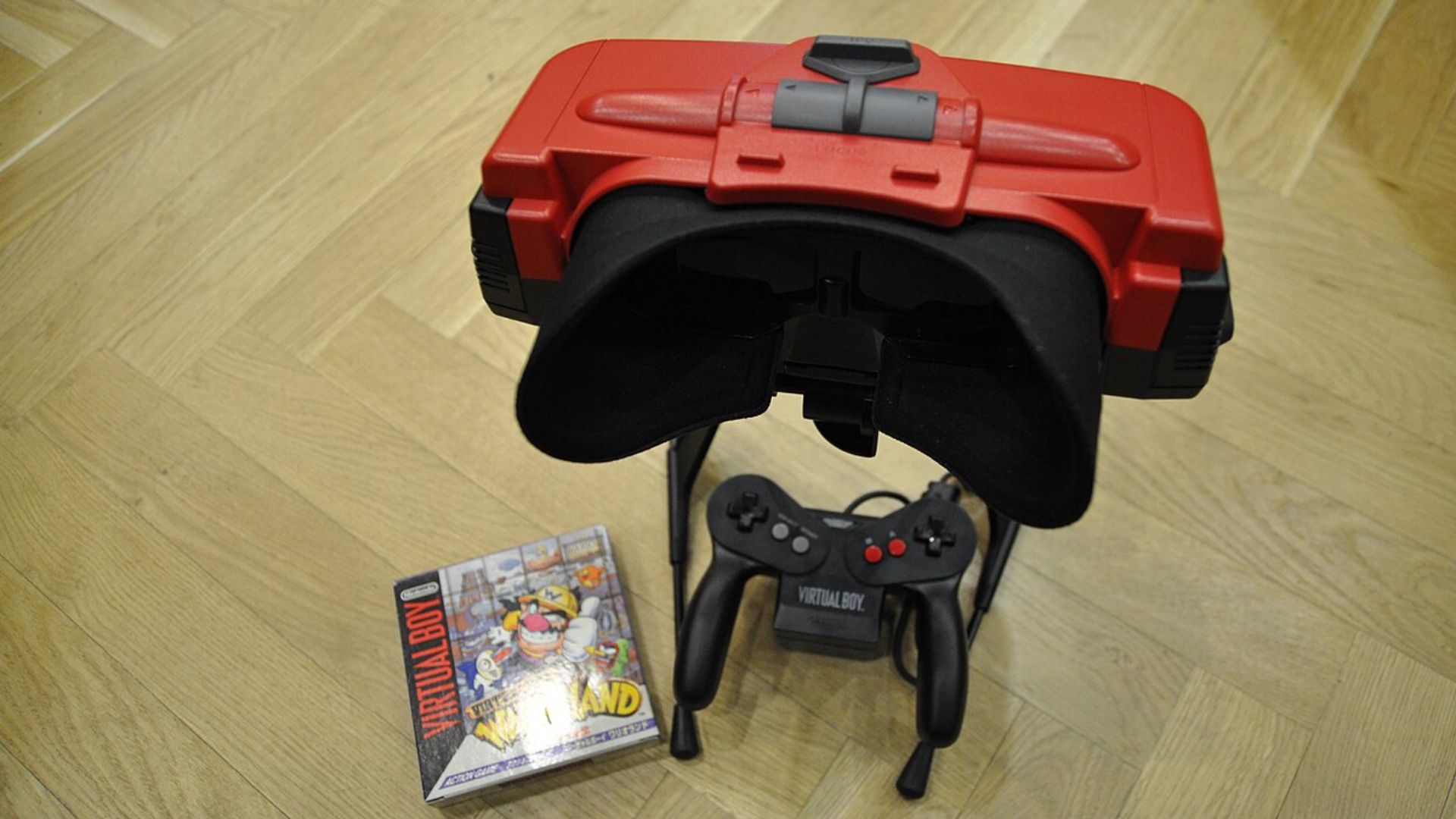
When Nintendo dropped the Virtual Boy in 1995, gamers couldn't wait to dive into next-level 3D experiences. Then came the reality check: the console's red-and-black-only display was a total buzzkill, and players quickly discovered the not-so-fun bonus of eye strain. With just 22 games ever released, this headache-inducing experiment lasted barely a year before Nintendo pulled the plug.
Blackberry Playbook
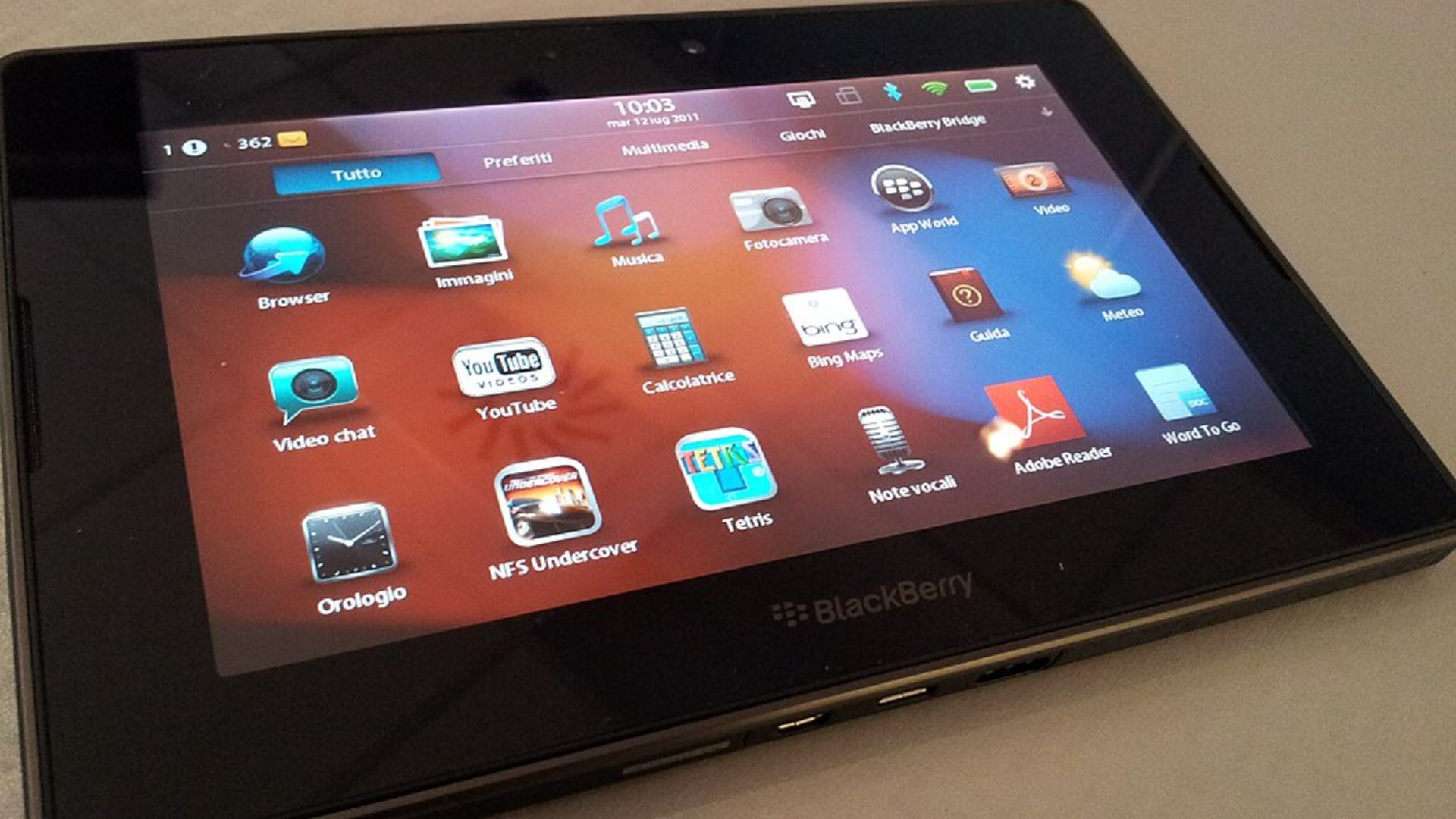
While the BlackBerry PlayBook's multitasking interface drew legit praise, this 2011 iPad challenger totally missed the mark where it mattered most. The tablet's inability to handle basic email without being tethered to a BlackBerry phone was a major drawback, though the OS 2.0 update eventually addressed this issue.