The 7 Best SUVs And The 7 Worst On The Market Right Now
The SUV market continues to grow—and evolve—faster than ever. Between all the bold designs, it’s easy to feel overwhelmed. While SUV selections can be highly subjective, what really makes one a hot commodity? Is it the ride quality? Safety features? A usable third row? Answer: All the above (and more). Unfortunately, not every SUV lives up to the hype. Some skimp on essentials, others overpromise and underdeliver. And these days, buyers want more than a pretty face. Practicality, performance, safety, and innovative engineering are what separate the stars from the duds. So, we did the legwork for you. Scroll on to see which SUVs are worth your money—and which ones you might want to steer clear of, starting with the “yes” bunch.
The SUV market continues to grow—and evolve—faster than ever. Between all the bold designs, it’s easy to feel overwhelmed. While SUV selections can be highly subjective, what really makes one a hot commodity? Is it the ride quality? Safety features? A usable third row? Answer: All the above (and more). Unfortunately, not every SUV lives up to the hype. Some skimp on essentials, others overpromise and underdeliver. And these days, buyers want more than a pretty face. Practicality, performance, safety, and innovative engineering are what separate the stars from the duds. So, we did the legwork for you. Scroll on to see which SUVs are worth your money—and which ones you might want to steer clear of, starting with the “yes” bunch.
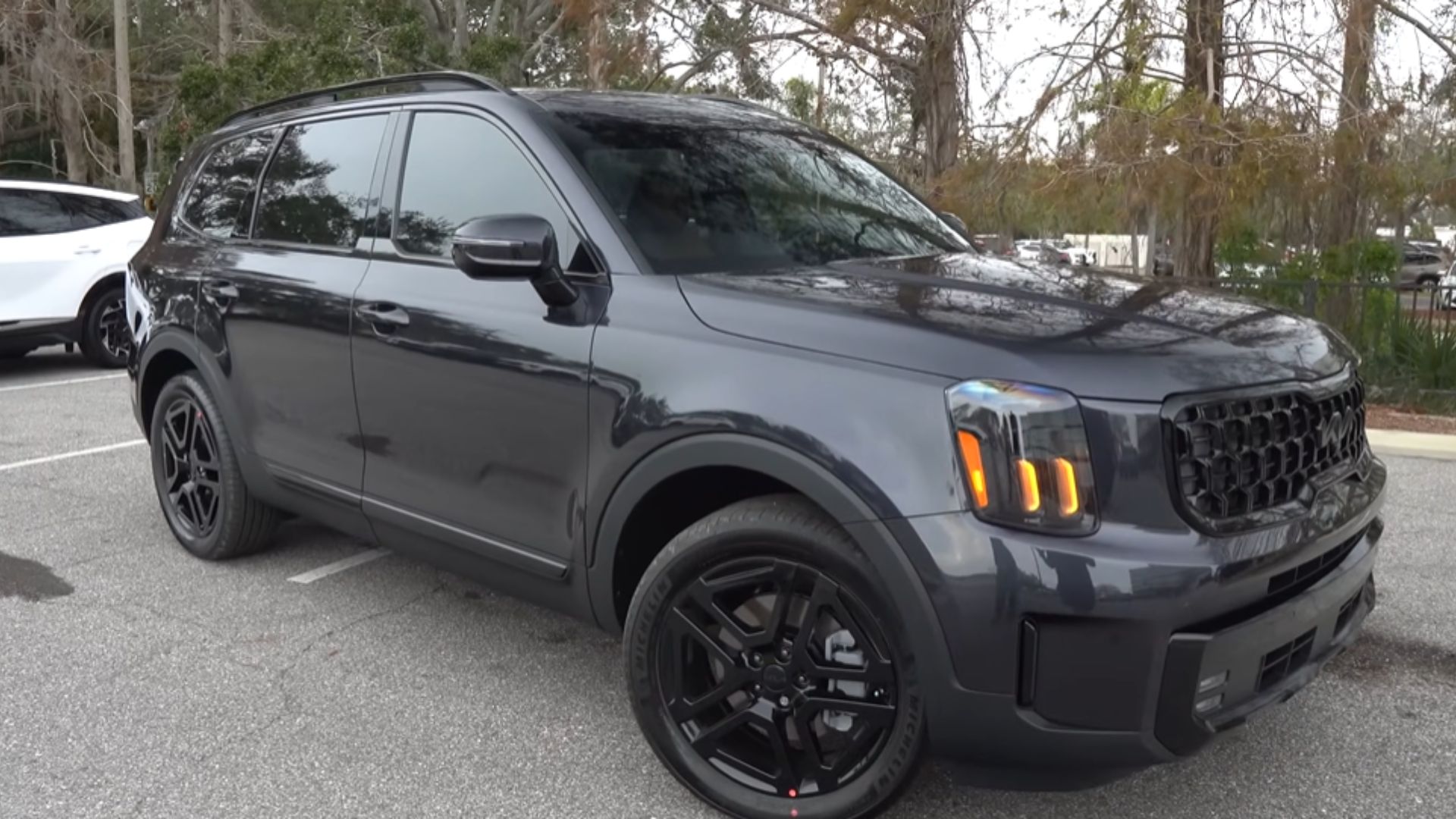
Kia Telluride (2025)
Honda CR-V Hybrid (2025)
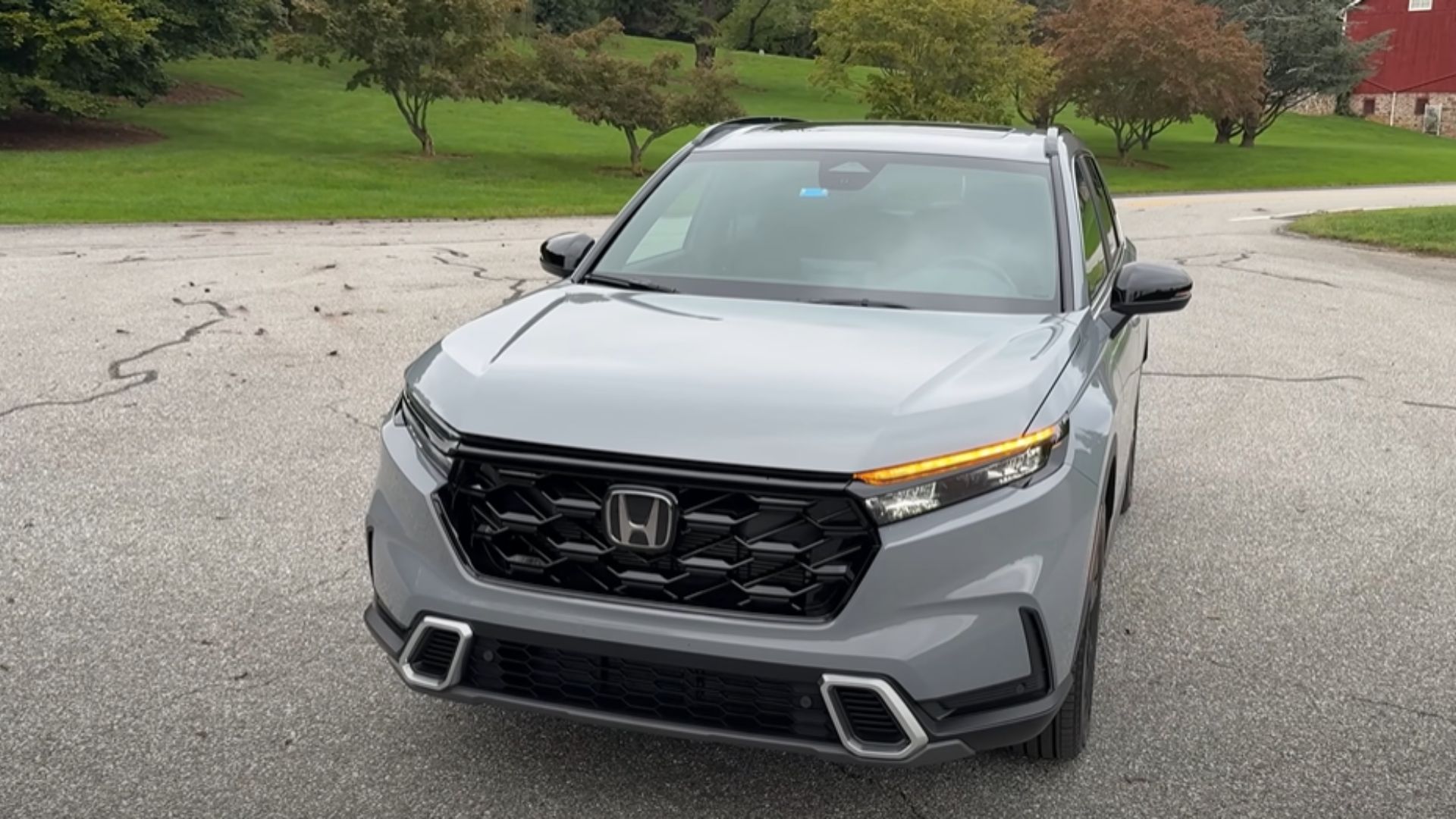
Delivering 204 total horsepower and up to 40 mpg combined in FWD form, the CR-V Hybrid excels in efficiency and practicality. Its roomy cabin and smooth regenerative braking make urban and suburban commutes effortless. Honda Sensing® safety features come standard, reinforcing Honda’s reputation for long-term reliability and daily confidence.
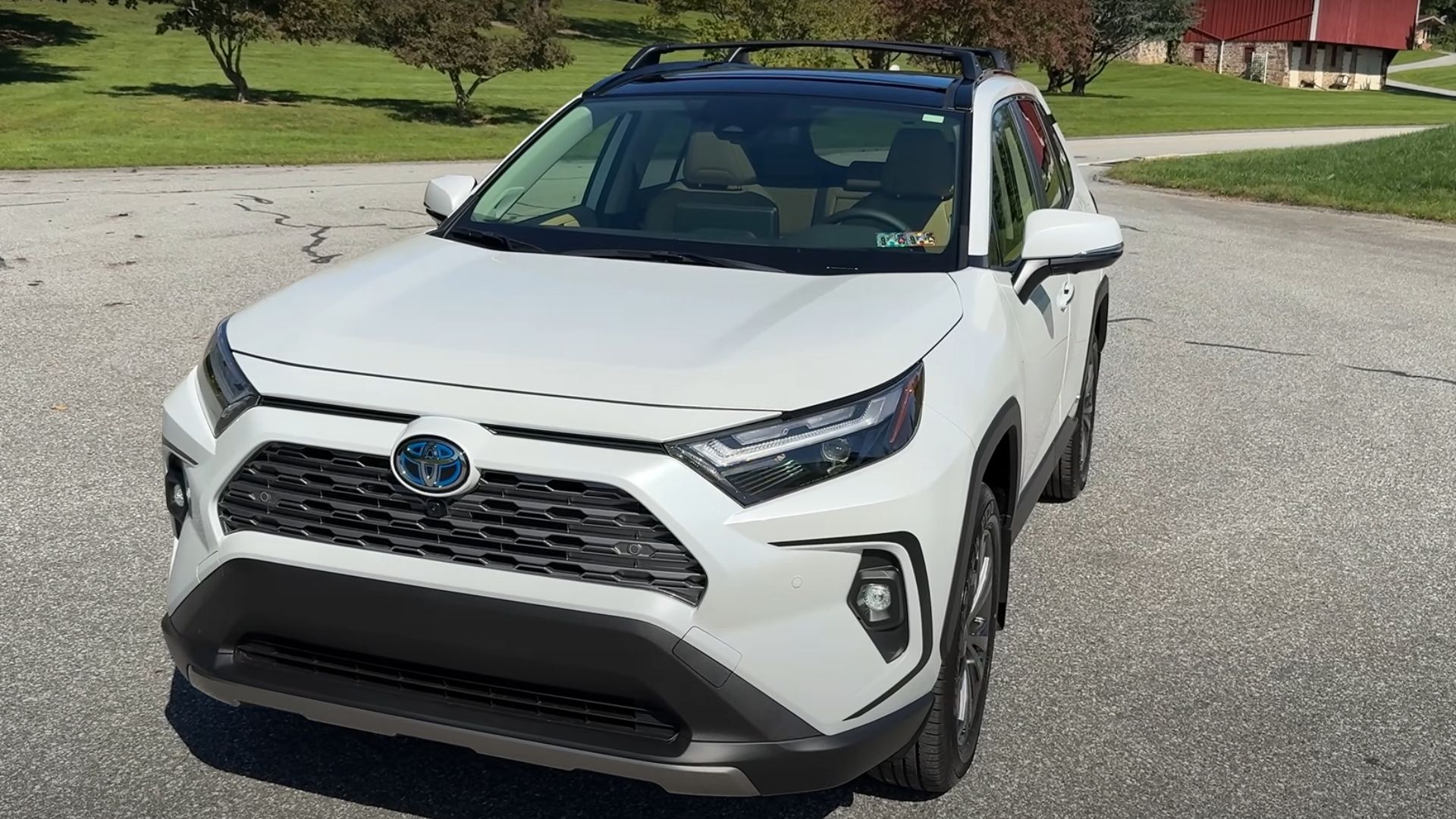
Toyota RAV4 Hybrid (2025)
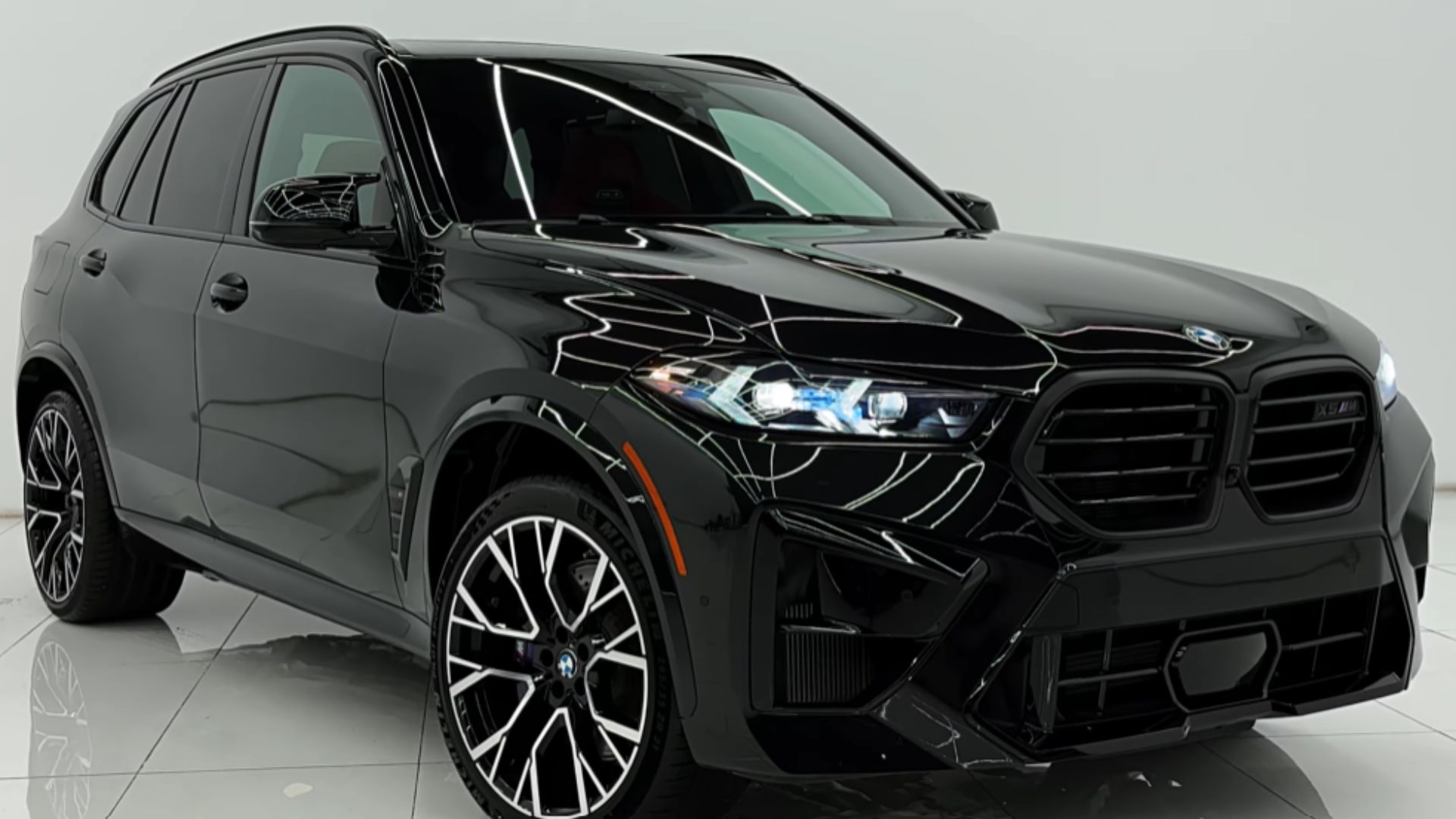
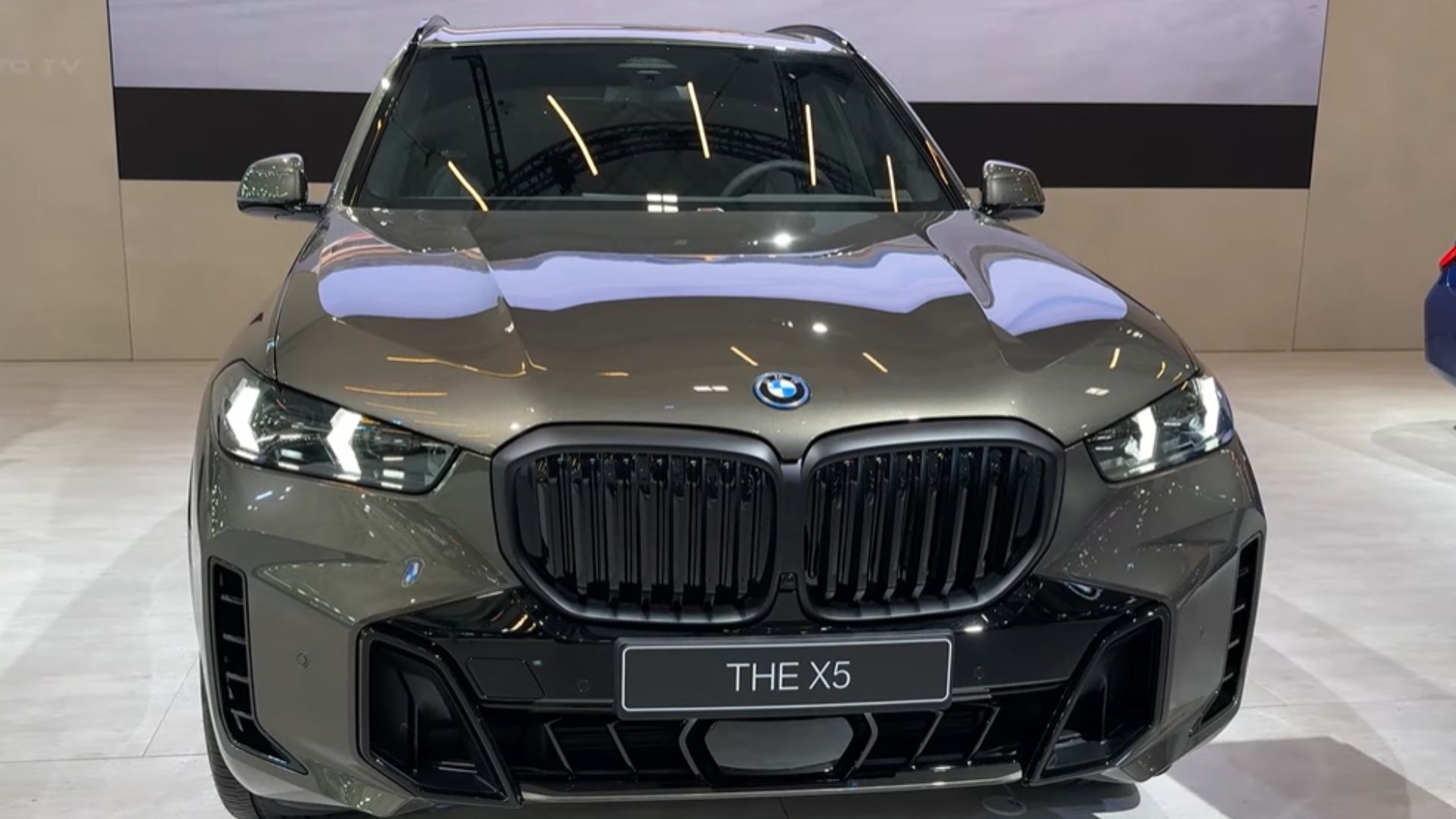
BMW X5 (2025)
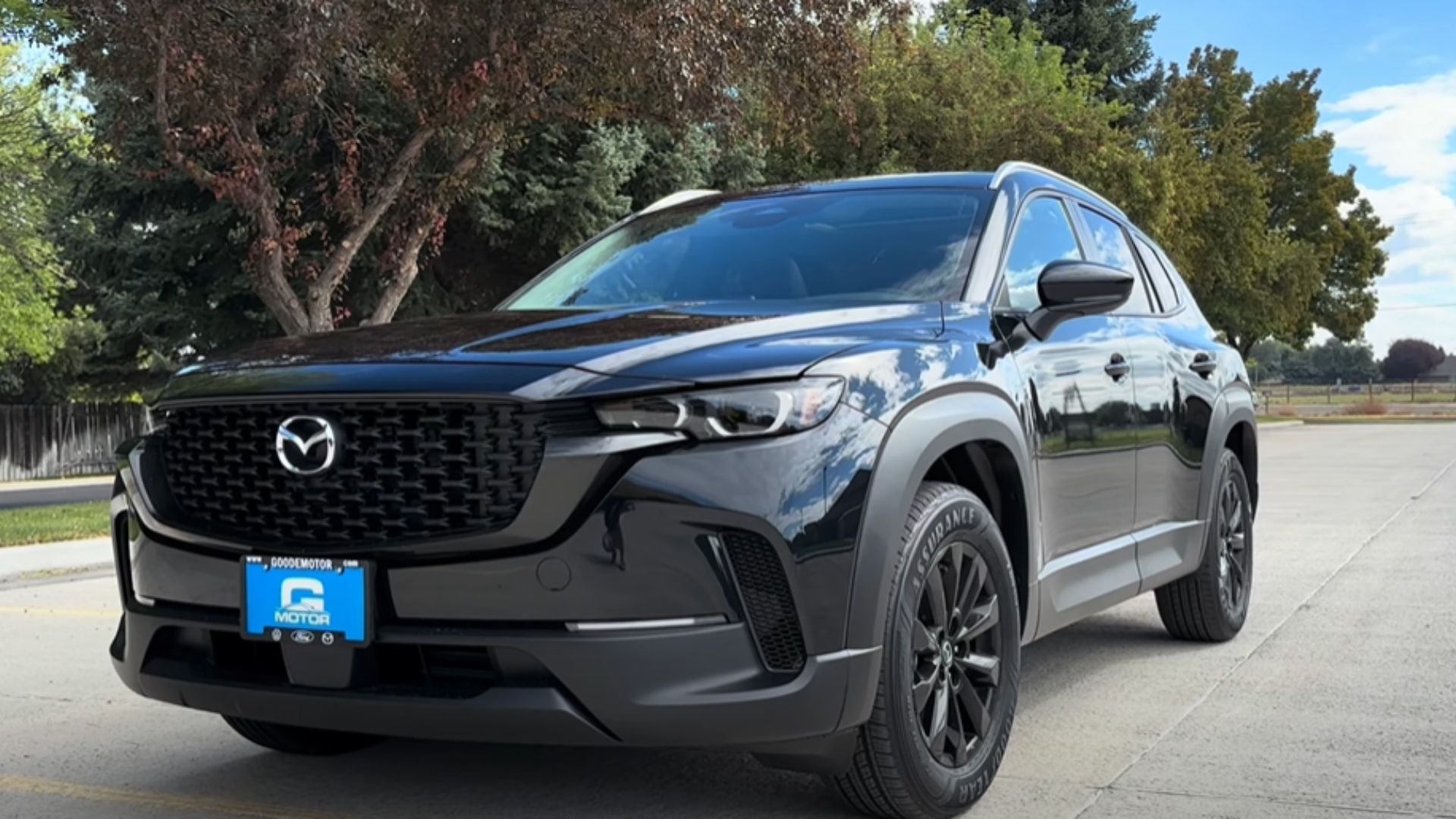
Mazda CX-50 (2025)
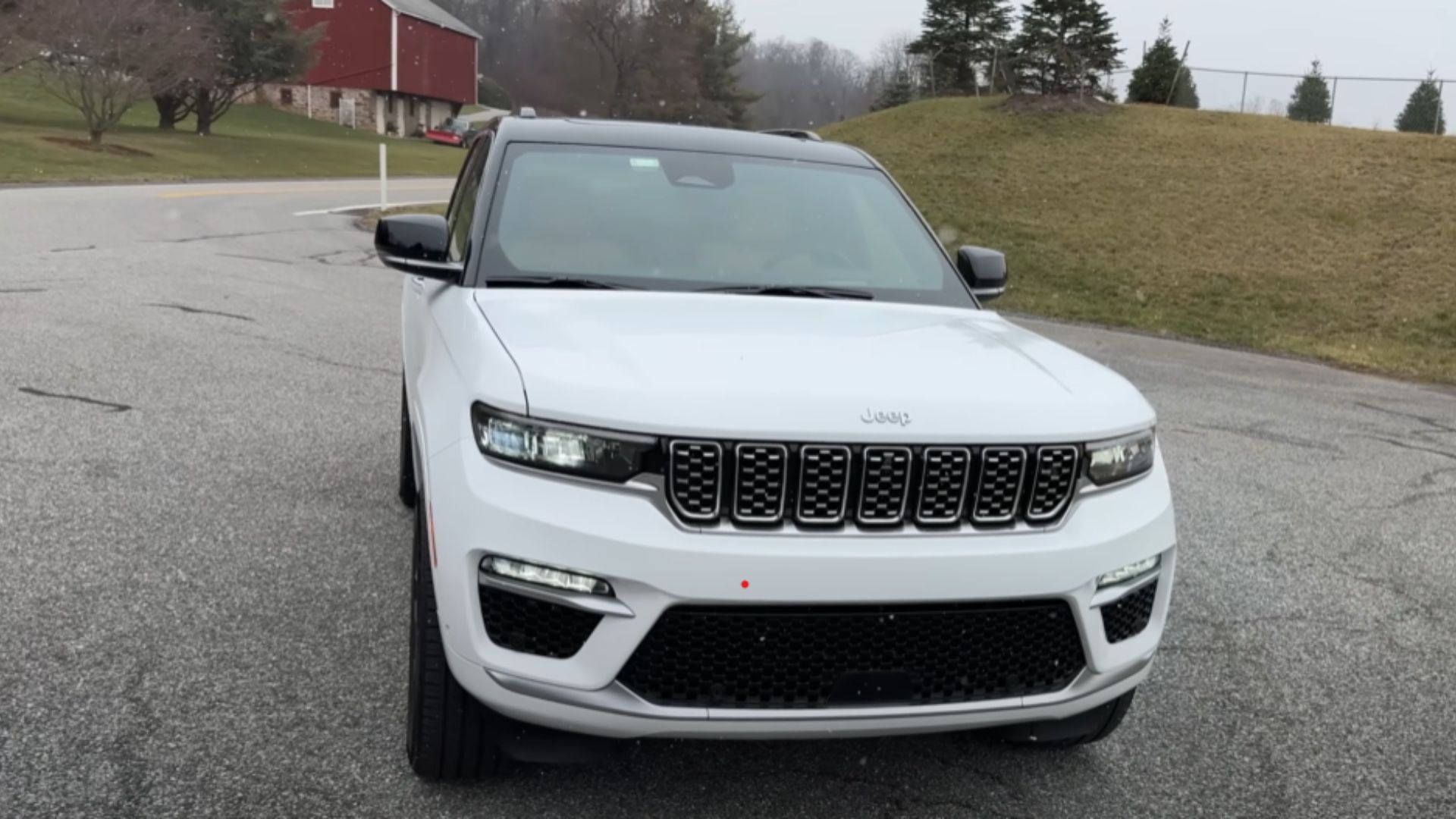
Jeep Grand Cherokee (2025)
Genesis GV70 (2025)
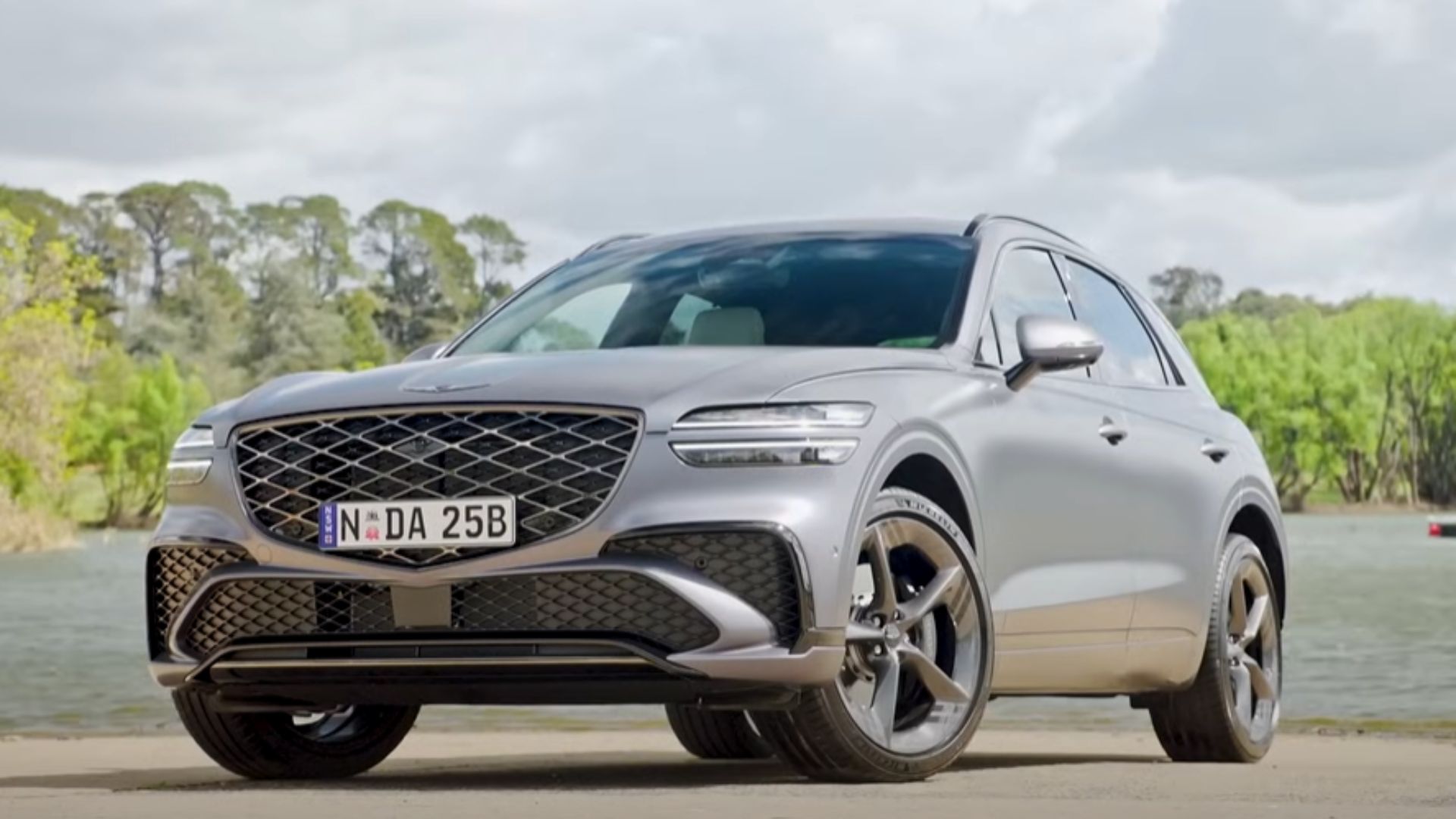
This one brags commendable features like premium finishes, strong technology, and value-rich pricing. The GV70 punches above its weight, offering available 21-inch alloy wheels on select trims for long-distance driving stability and a fingerprint authentication system for added security. The adaptive cruise control with machine learning is also something innovation-loving buyers get excited about.
While the SUVs we’ve just covered continue to dominate the market, the following have been considered the worst in the class. They are not “bad” cars, just underperformers in the SUV market.
Mitsubishi Outlander PHEV (2025)
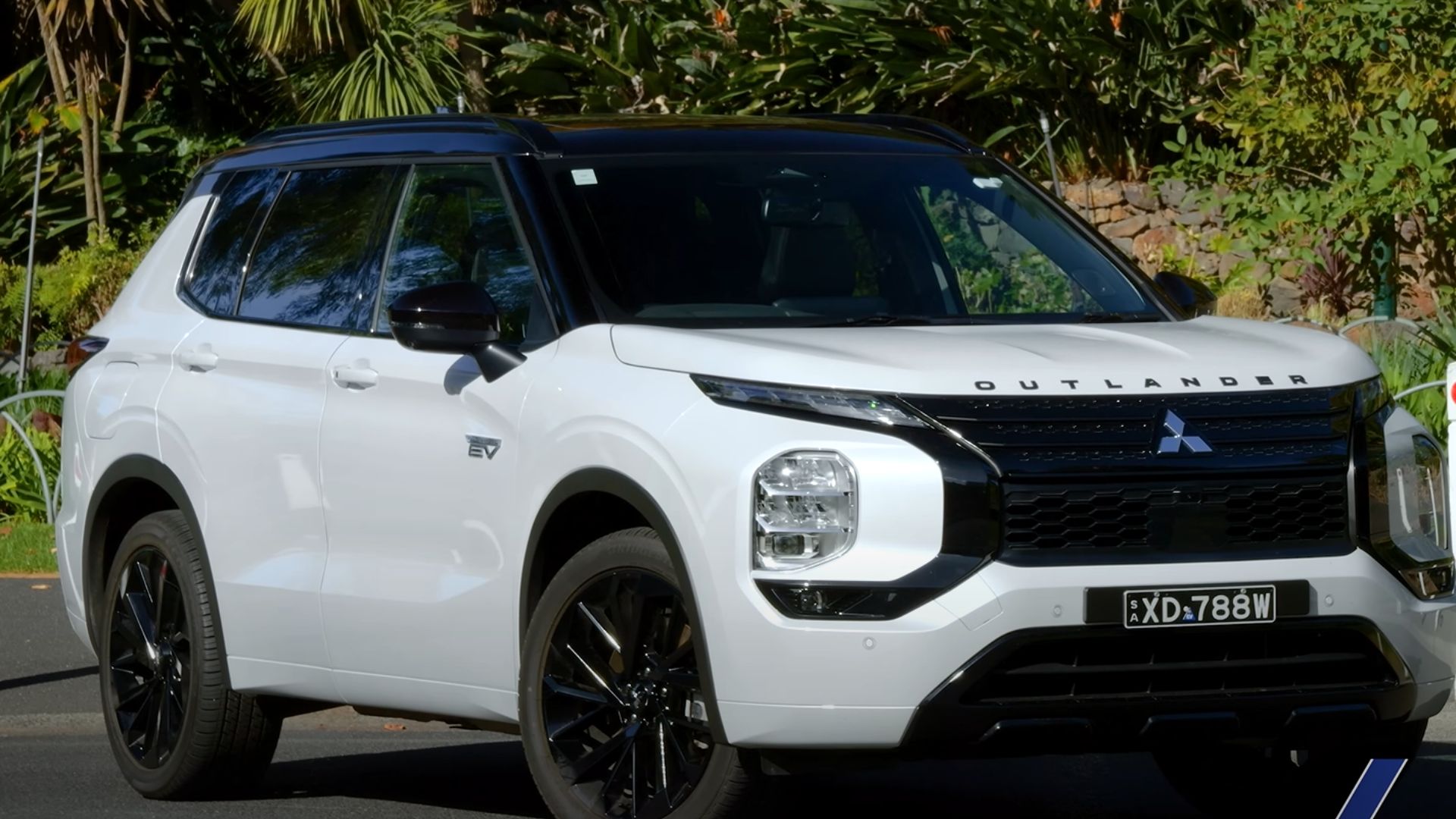
Although it offers 38 miles of EV range, the Outlander PHEV is hindered by three main drawbacks that SUVs typically excel in: a cramped third row, sluggish performance when loaded, and dated infotainment. Its interior is notably underwhelming; the original PHEV comes with an 8.0- and 9.0-inch screen and higher trims have a 12.3-inch screen.
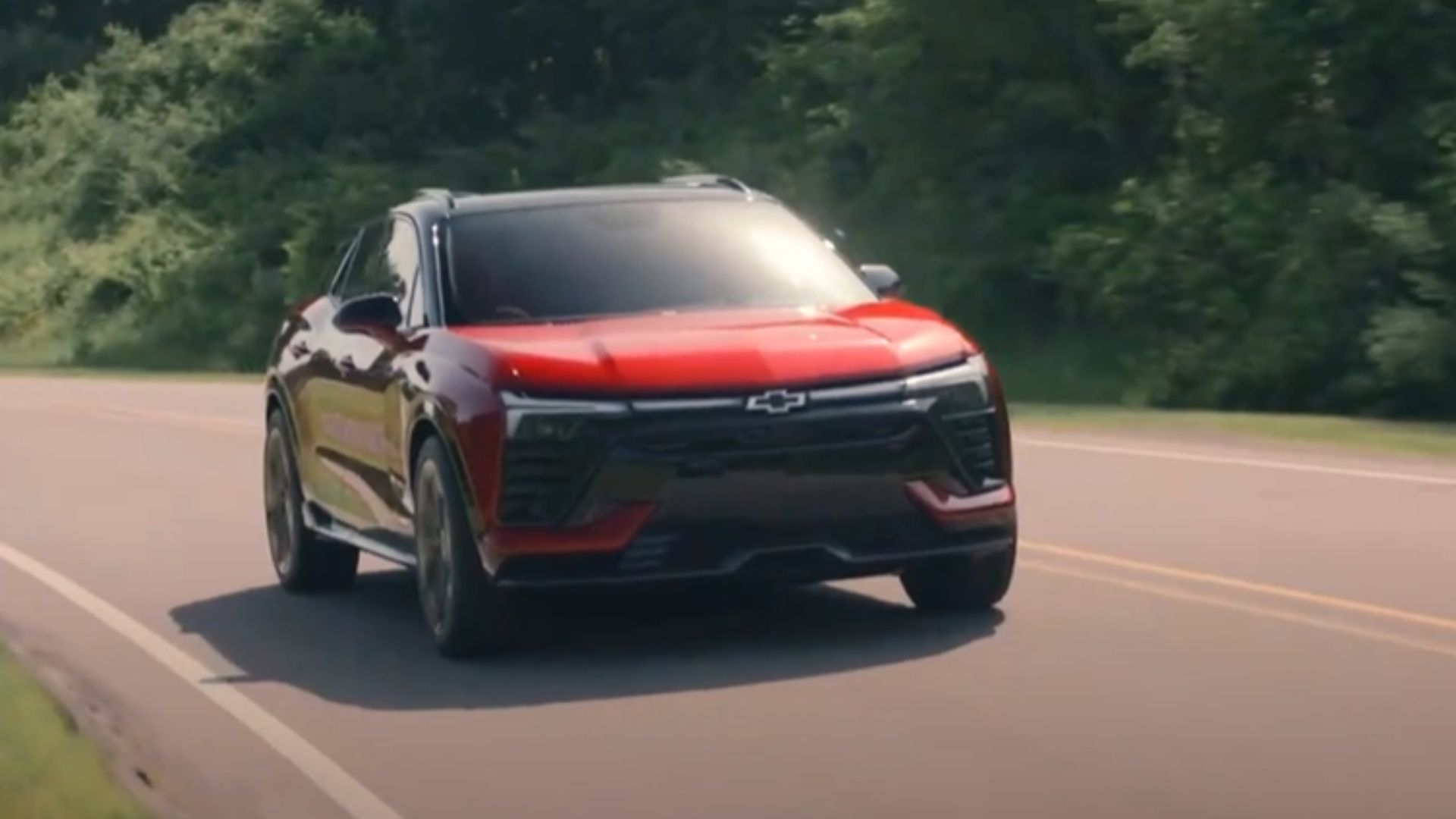
Chevrolet Blazer (2025, Gas Model)
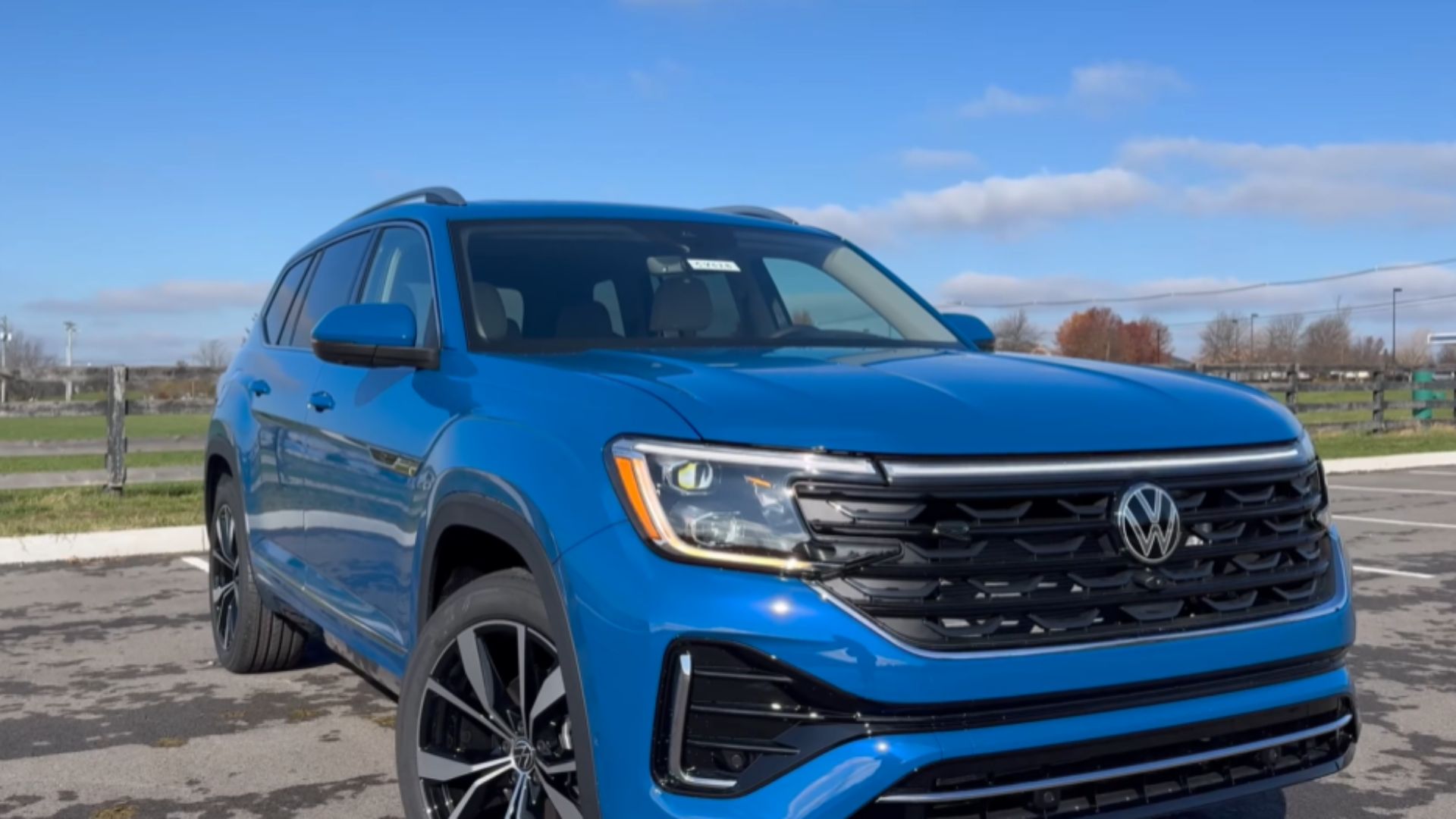
Volkswagen Atlas (2025)
Subaru Ascent (2025)
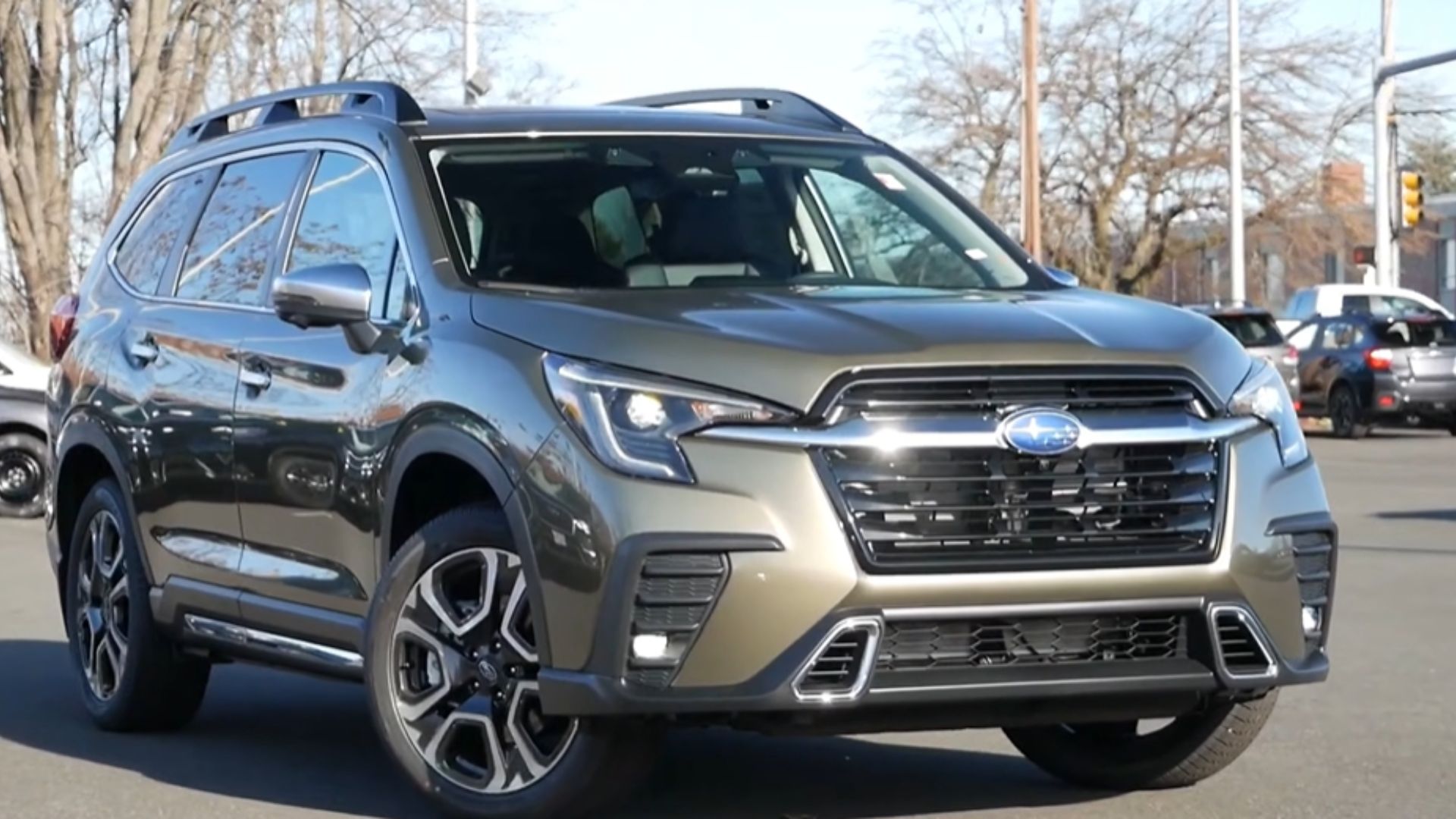
While it offers decent towing (5,000 lbs) and smooth cruising, acceleration is middling, and the turbo lags under load. The CVT is generally smooth, but it can feel sluggish when accelerating hard. The 11.6” Starlink touchscreen? That has been widely reported to freeze or go unresponsive, especially in cold conditions or after startup.
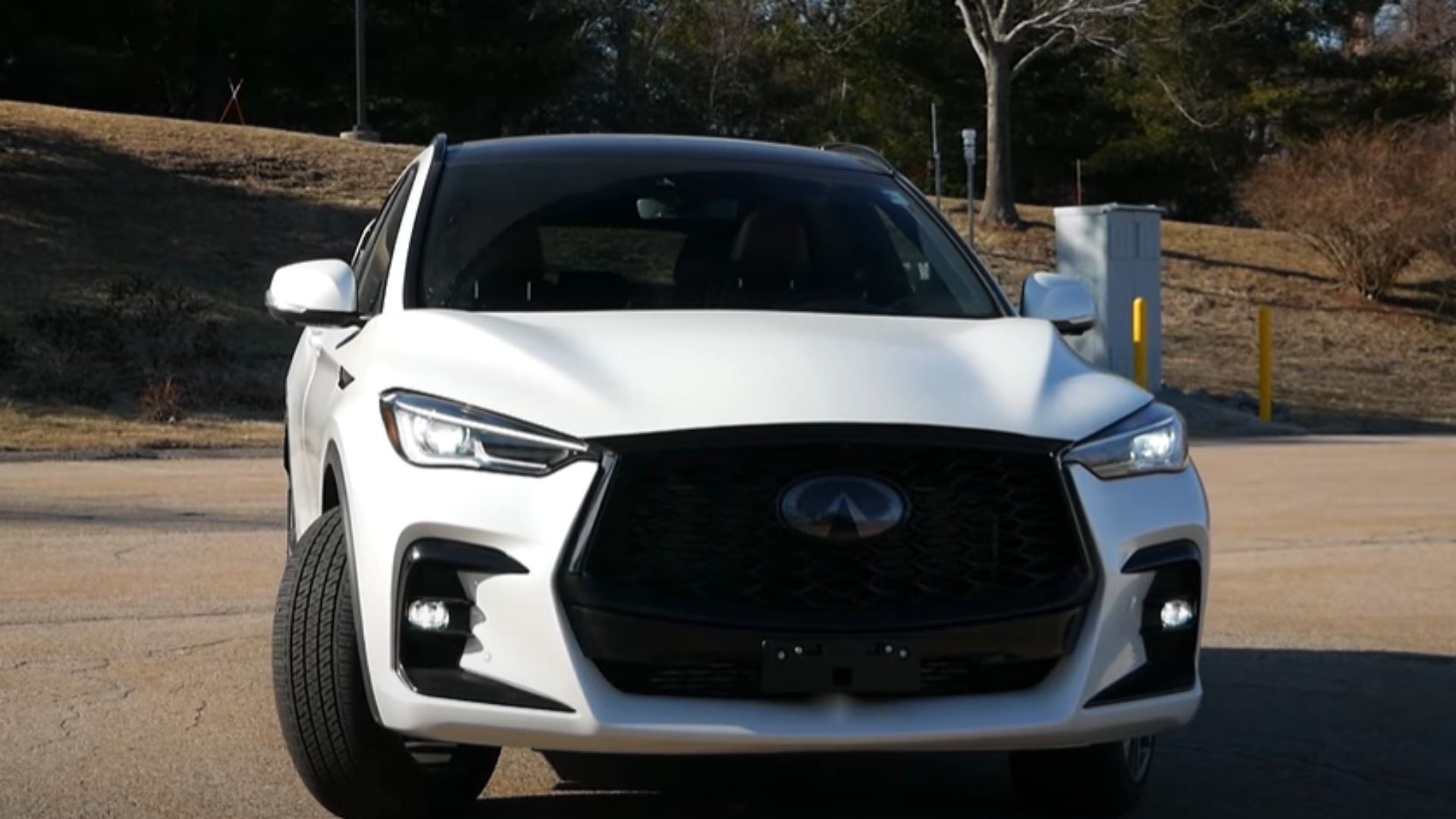
Infiniti QX50 (2025)
GMC Terrain (2025)
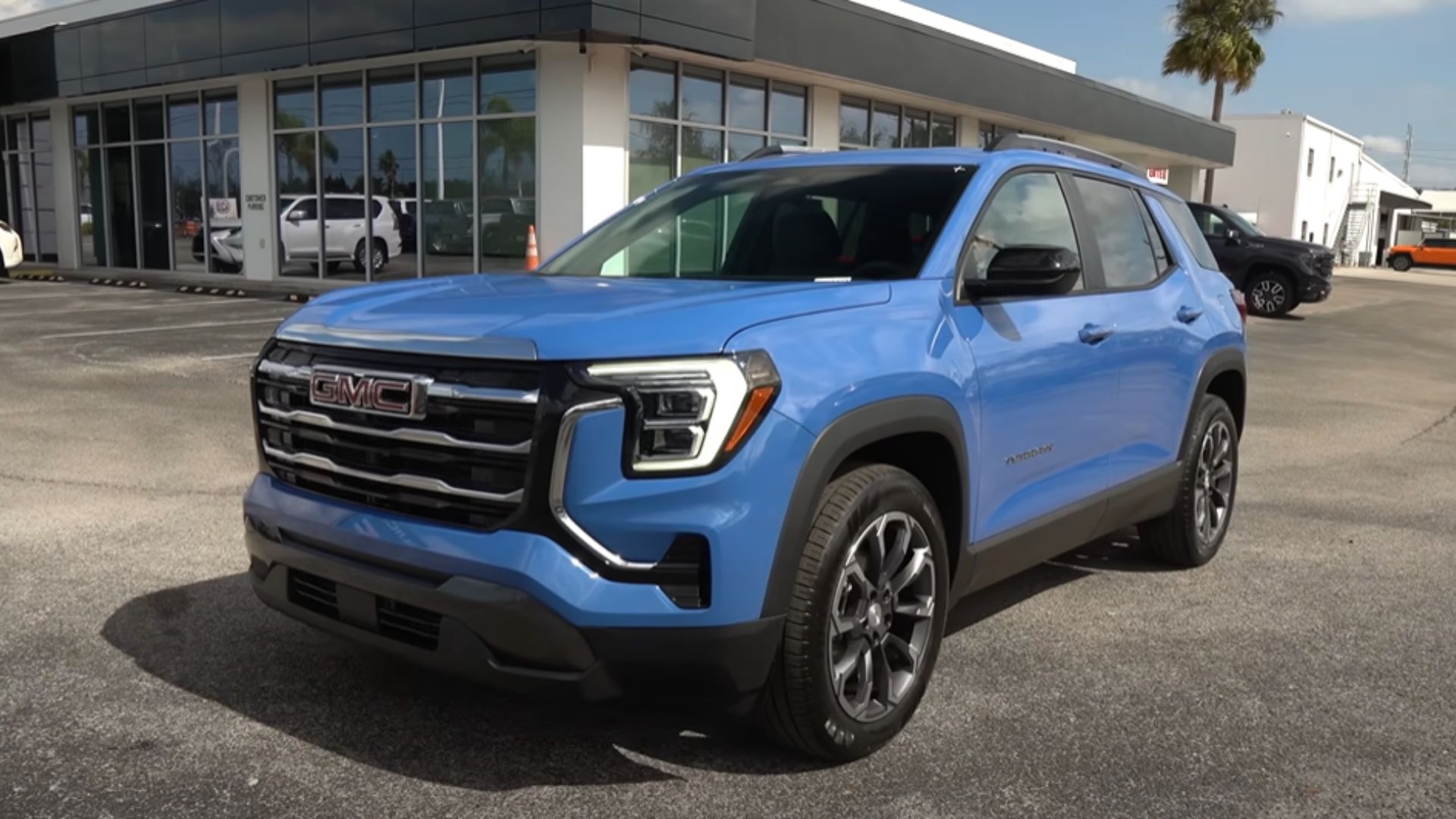
The GMC Terrain’s underpowered 1.5L engine makes just 175 hp, leaving acceleration flat. Earlier Terrains used push-button gear selectors, which were widely criticized for being unintuitive. This 2025 redesign features a steering column-mounted stalk, a win. However, for the price, it still lacks refinement.
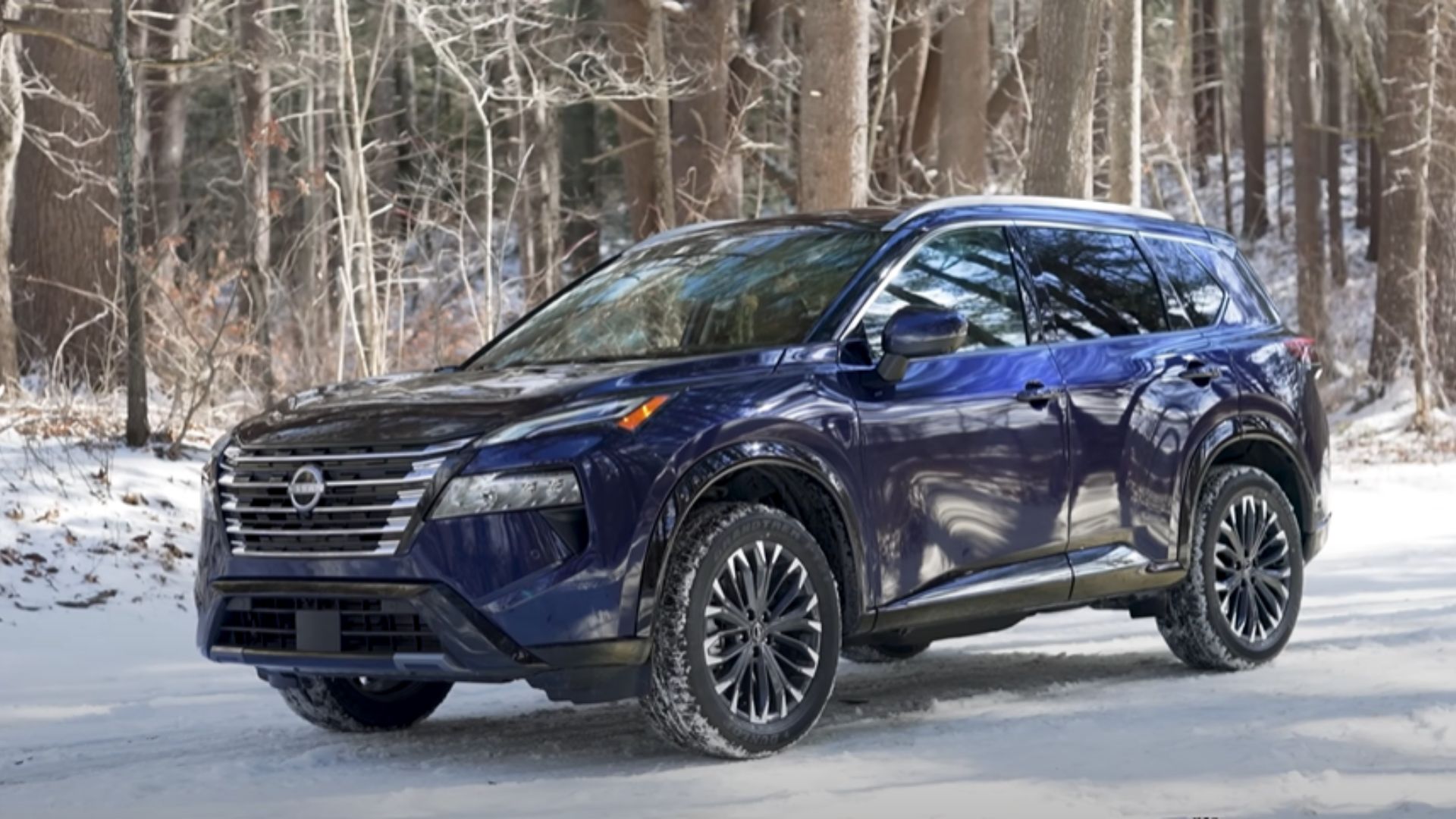
Nissan Rogue (2025)