The 7 Best Visualizations Of The Future And The 7 That Are Dystopian Or Apocalyptic
What comes to mind when you think of the future? Maybe it's a clean, connected city full of innovation—or perhaps it's a crumbling world shaped by chaos. In this list, you’ll see both possibilities through fourteen visualizations. Seven reflect progress and hope. Seven raises concern about what we might face instead. These aren't guesses or fantasies. They're based on real science, design, and storytelling. Each one influences how we think, vote, build, and adapt. You've likely seen them in classrooms, news reports, or films without even realizing their impact. Let’s begin with the best visualizations of the future, those grounded in possibility and meaningful intent.
"Wanderers"
Carl Sagan's voice carries across a silent solar system as images of Mars and Europa appear. These planetary surfaces are reconstructed using actual NASA and ESA data. In 2014, Erik Wernquist utilized this imagery to create a film that continues to shape people's visions of the future of space exploration.
"Timelapse Of The Future"
The universe unfolds rapidly as John Boswell's 2019 visual epic moves from the quiet end of our solar system to the heat death of the cosmos. Drawing from NASA and Fermilab data, it combines astrophysics and music. The result has reached millions and is widely used in classrooms.
"The Next US" (Pew Research)
"NASA Environmental Visualizations"
"City Of The Future" (MIT Senseable City Lab)

MIT's Senseable City Lab reimagines how cities operate. Projects like Copenhagen Wheel and TrashTrack collect real-time data from everyday infrastructure. These tools are developed in collaboration with global partners, such as Singapore and Milan. The lab's research influences urban planning by designing more adaptive and sustainable city environments.
"Climate Spiral"
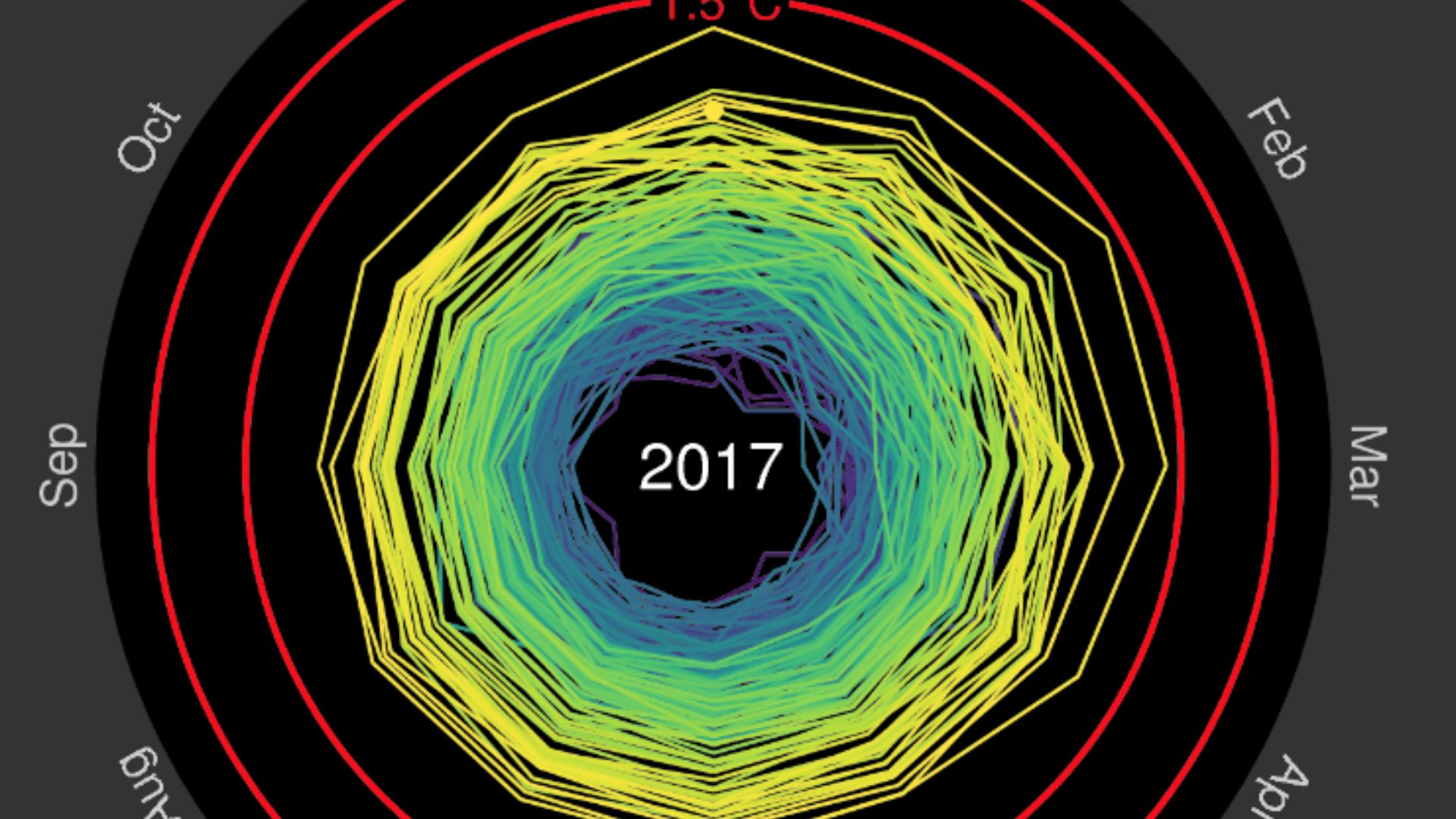
Instead of rising or falling, the lines spiral outward. Ed Hawkins designed this 2016 visualization using NOAA and NASA temperature data. It reveals global warming trends through expanding loops. Projected at the Rio Olympics and endorsed by scientists, the spiral made climate change visually immediate and globally accessible.
"Earth 2100"
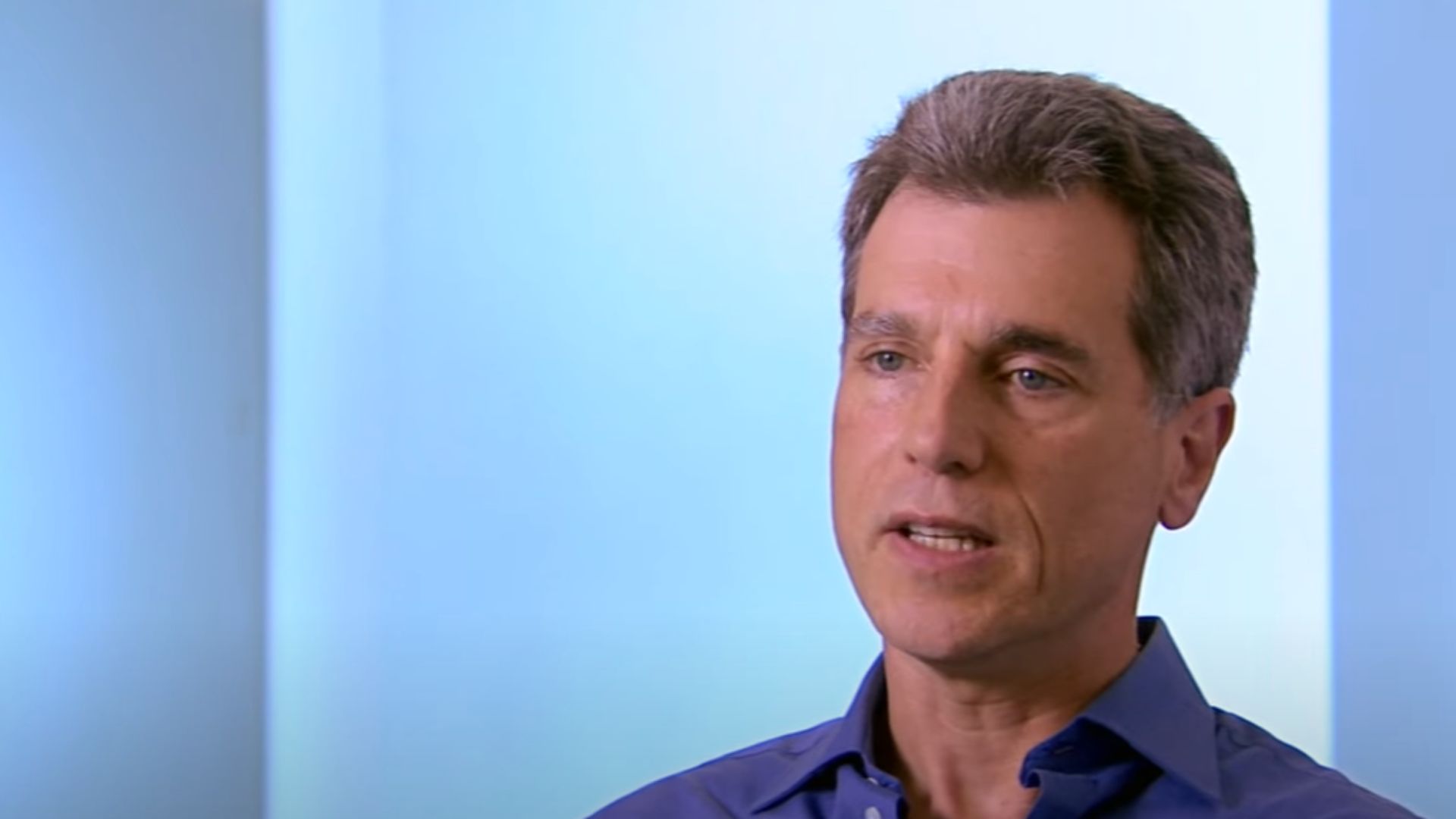
Lucy's journey through a changing century reflects the world's escalating challenges. Climate and social disruption shape her experience. "Earth 2100," released by ABC in 2009, combines dramatization and real data. With voices like Jared Diamond and Lester Brown, it visualizes the decisions we face now.
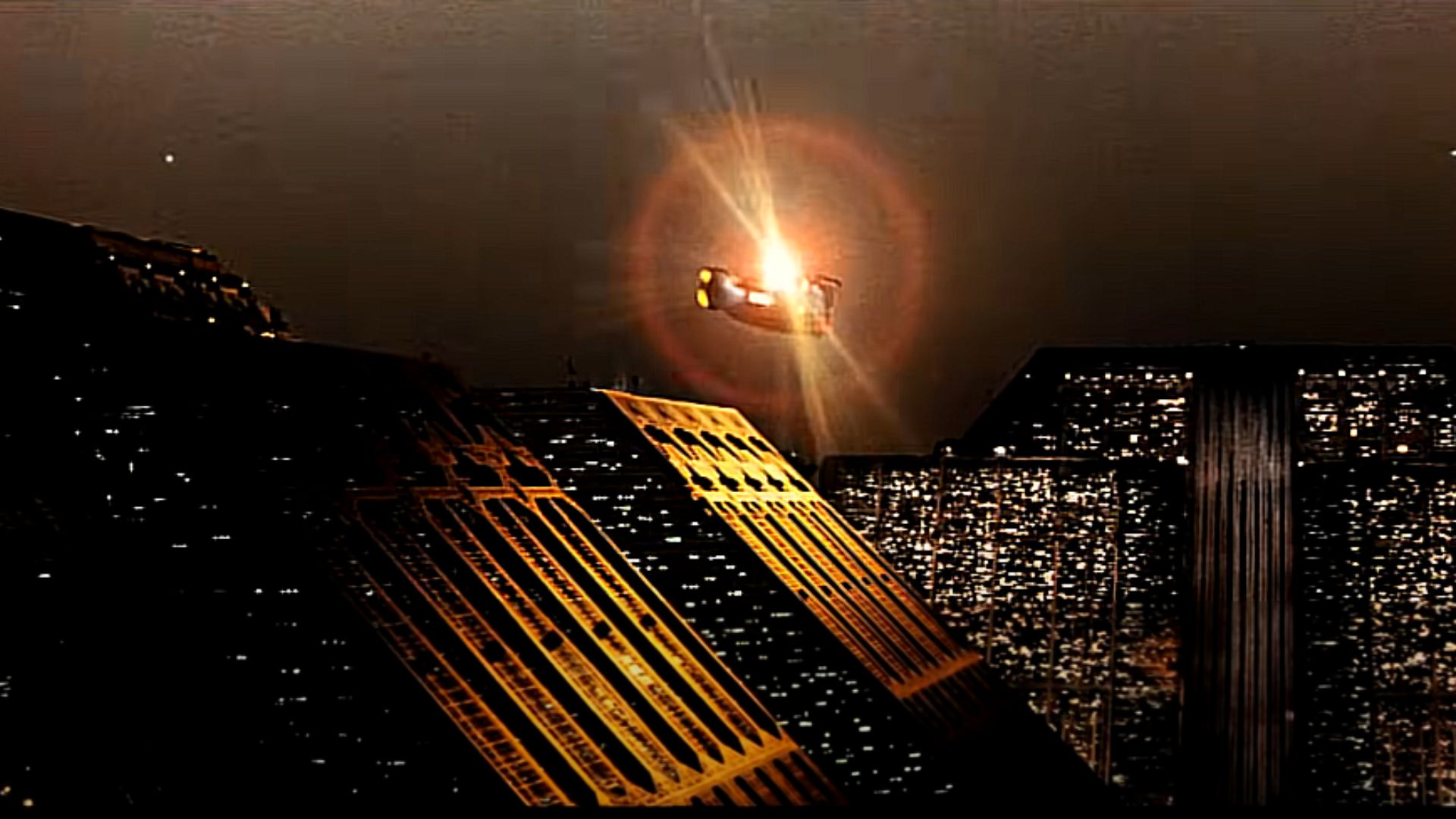
"Blade Runner"
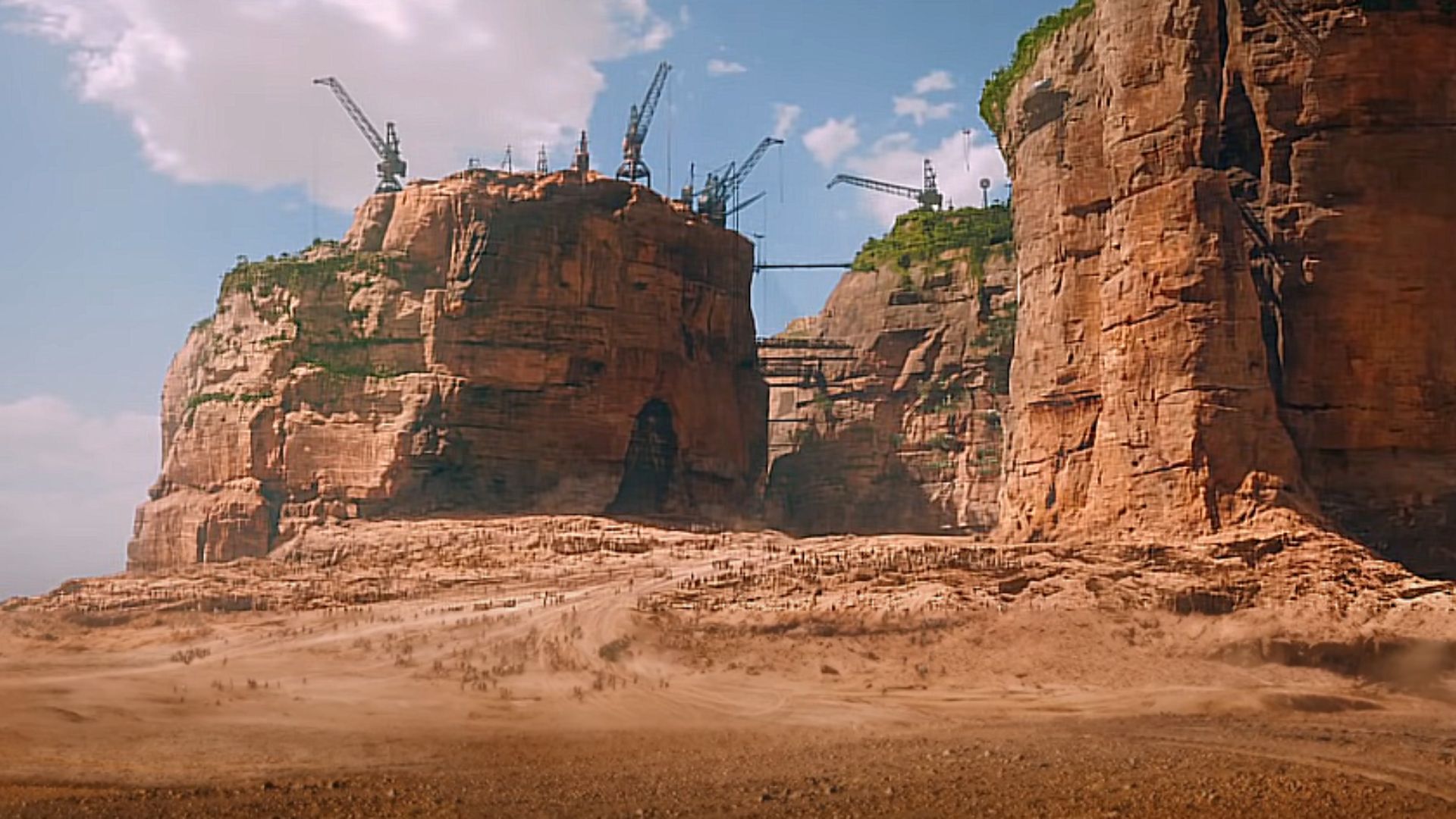
"Mad Max: Fury Road"
"The Road"
"Children Of Men"
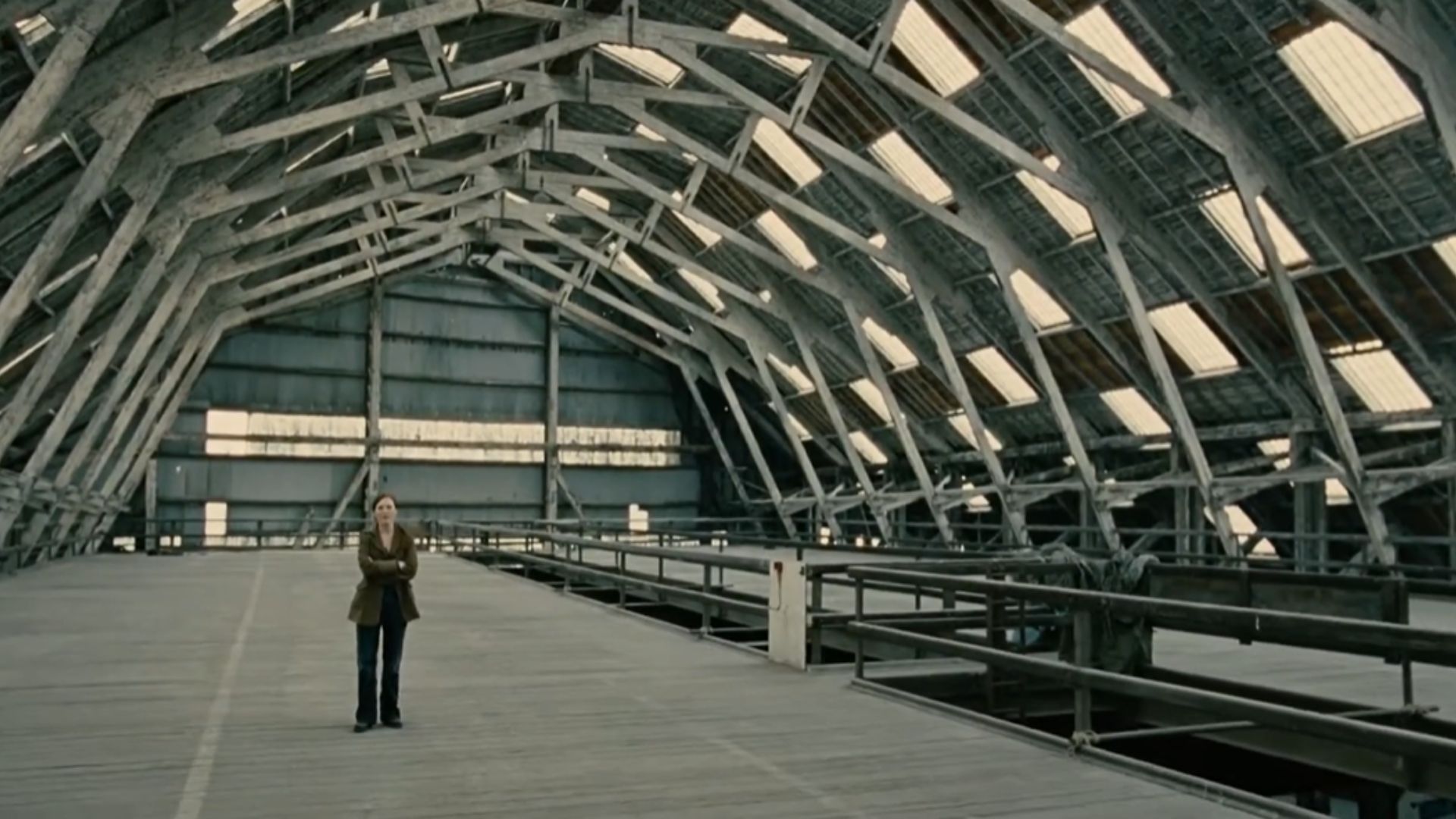
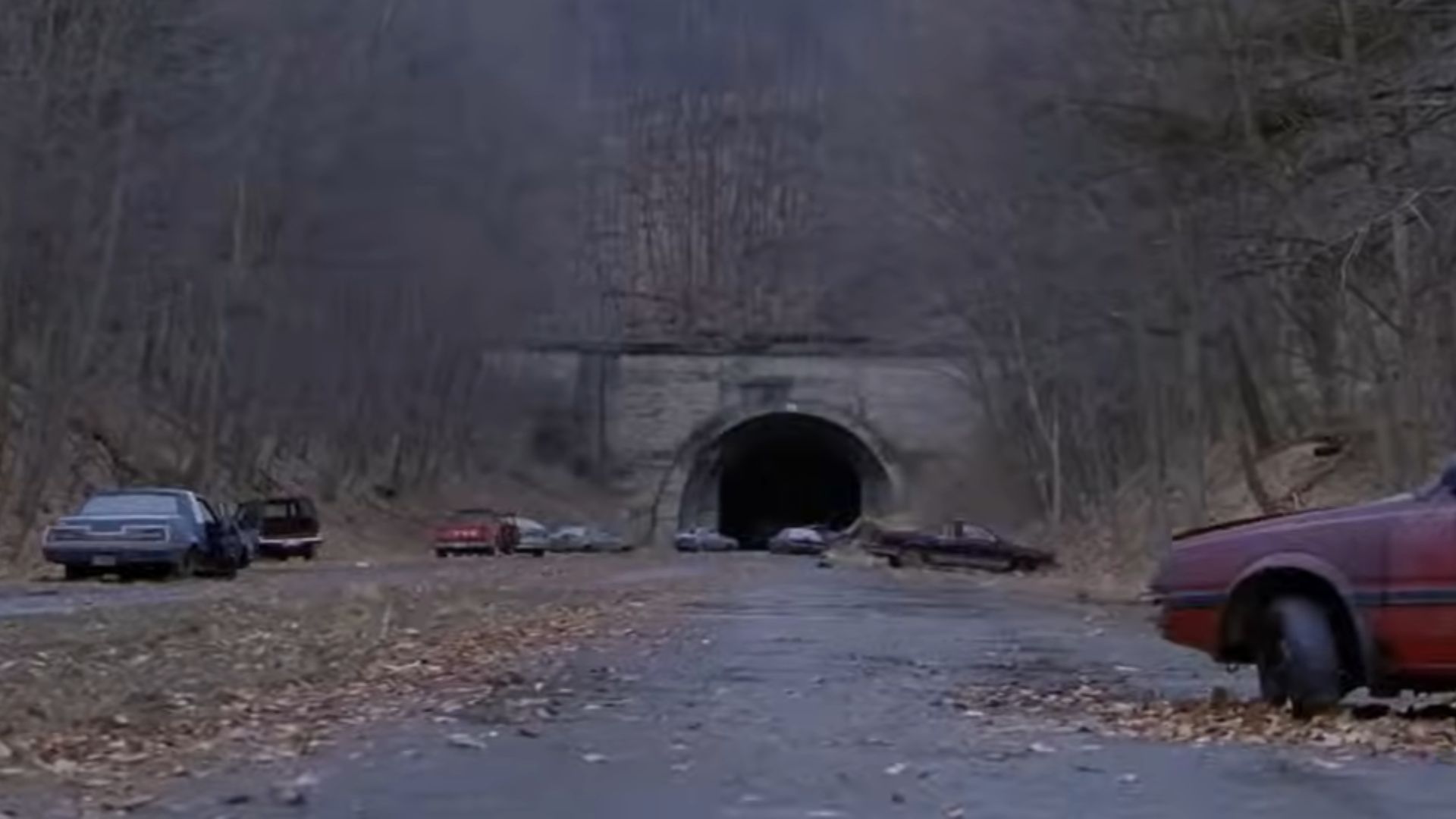
Hope has vanished in "Children of Men." Set in 2027, humanity faces extinction as no children are born. Streets teem with armed patrols and desperate refugees. Alfonso Cuarón adapts P.D. James' novel with long takes and brutal realism, which paints a future where fear replaces stability and systems collapse from within.
"WALL-E"
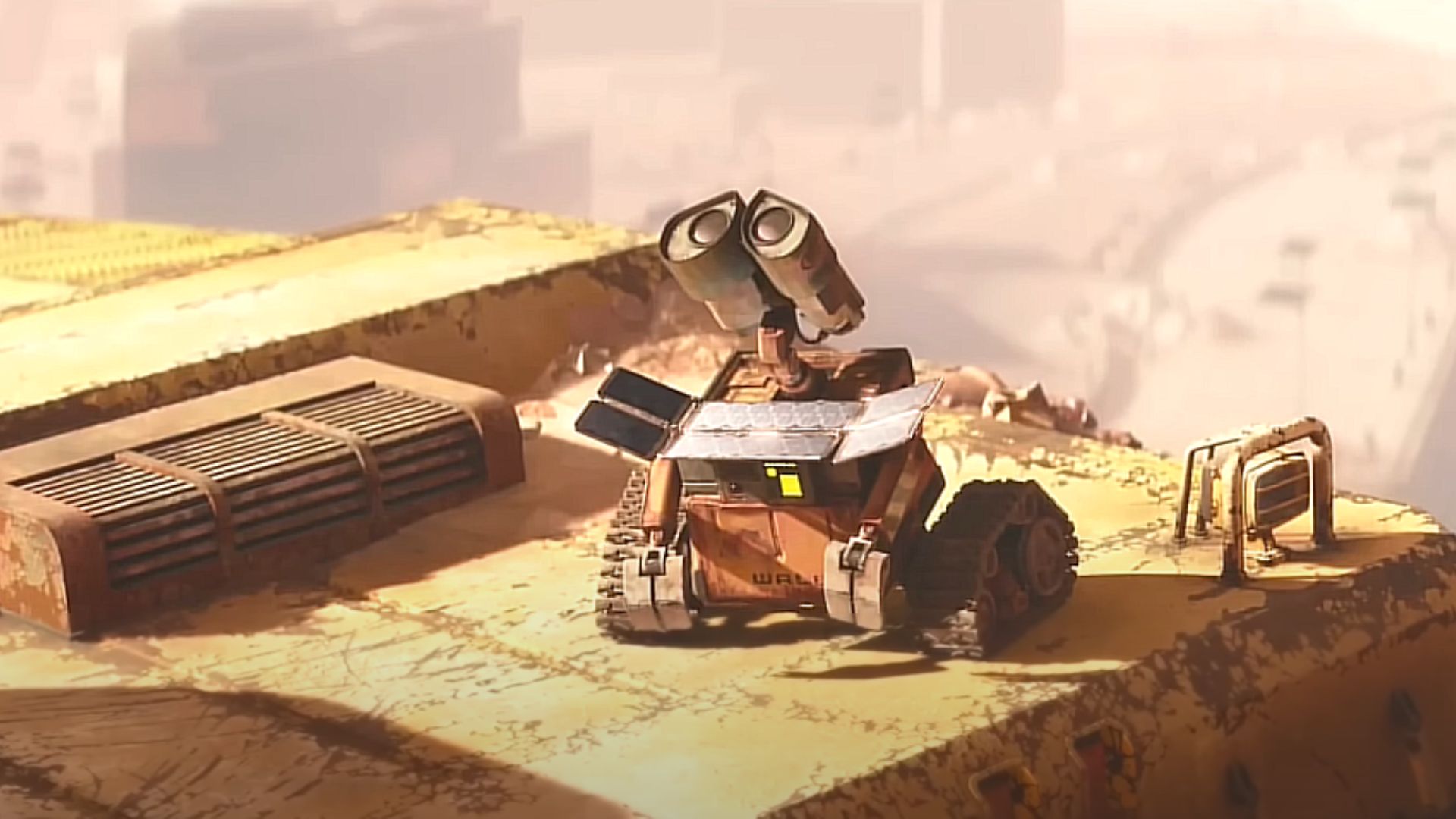
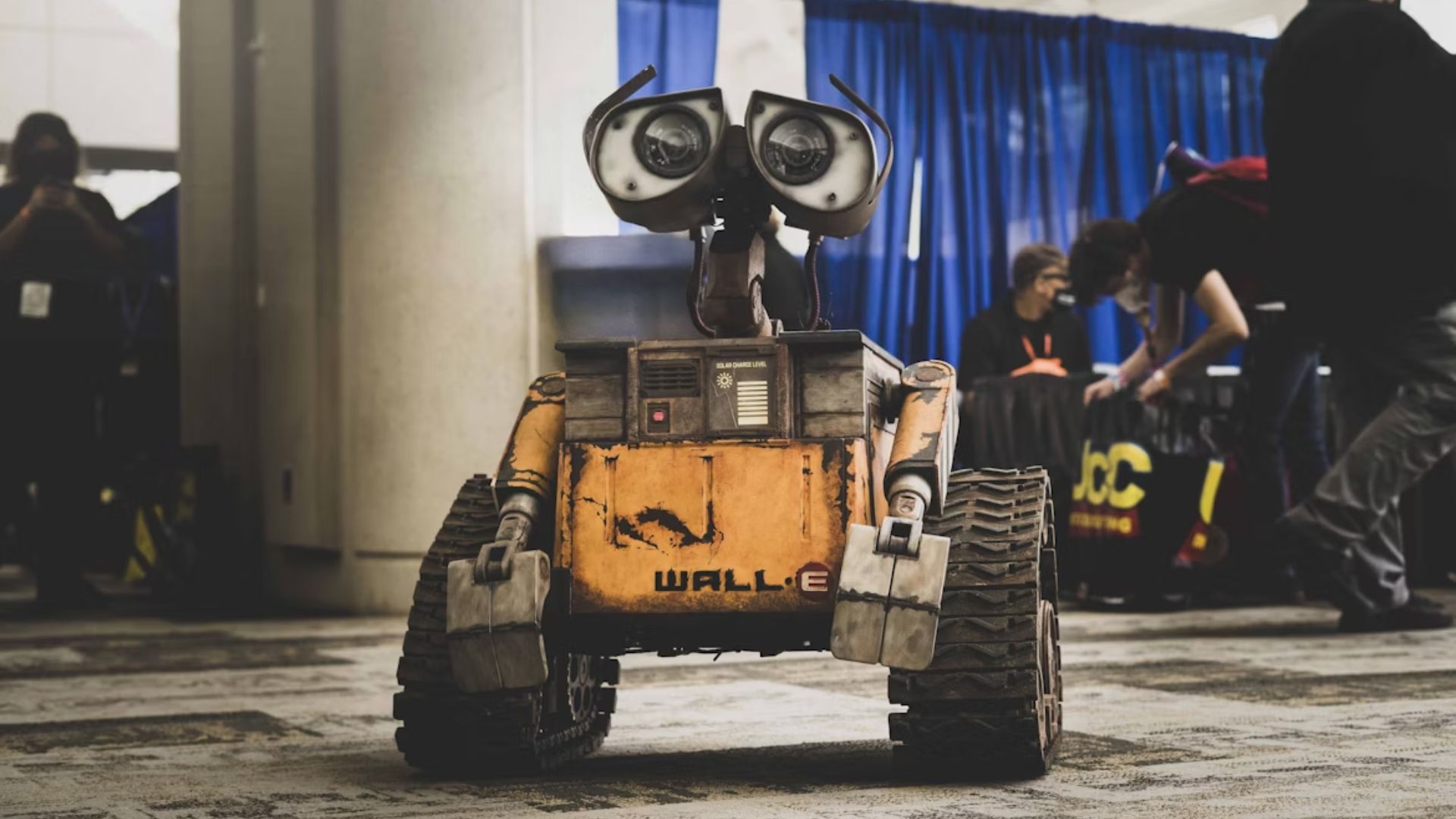
Pixar's film won an Oscar and continues to echo in environmental discussions. "WALL-E" begins with silence and waste, a planet abandoned by people who fled. Trash piles have buried the Earth. As the last clean-up robot moves through the ruins, viewers confront a future built on overconsumption and neglect.
"28 Days Later"
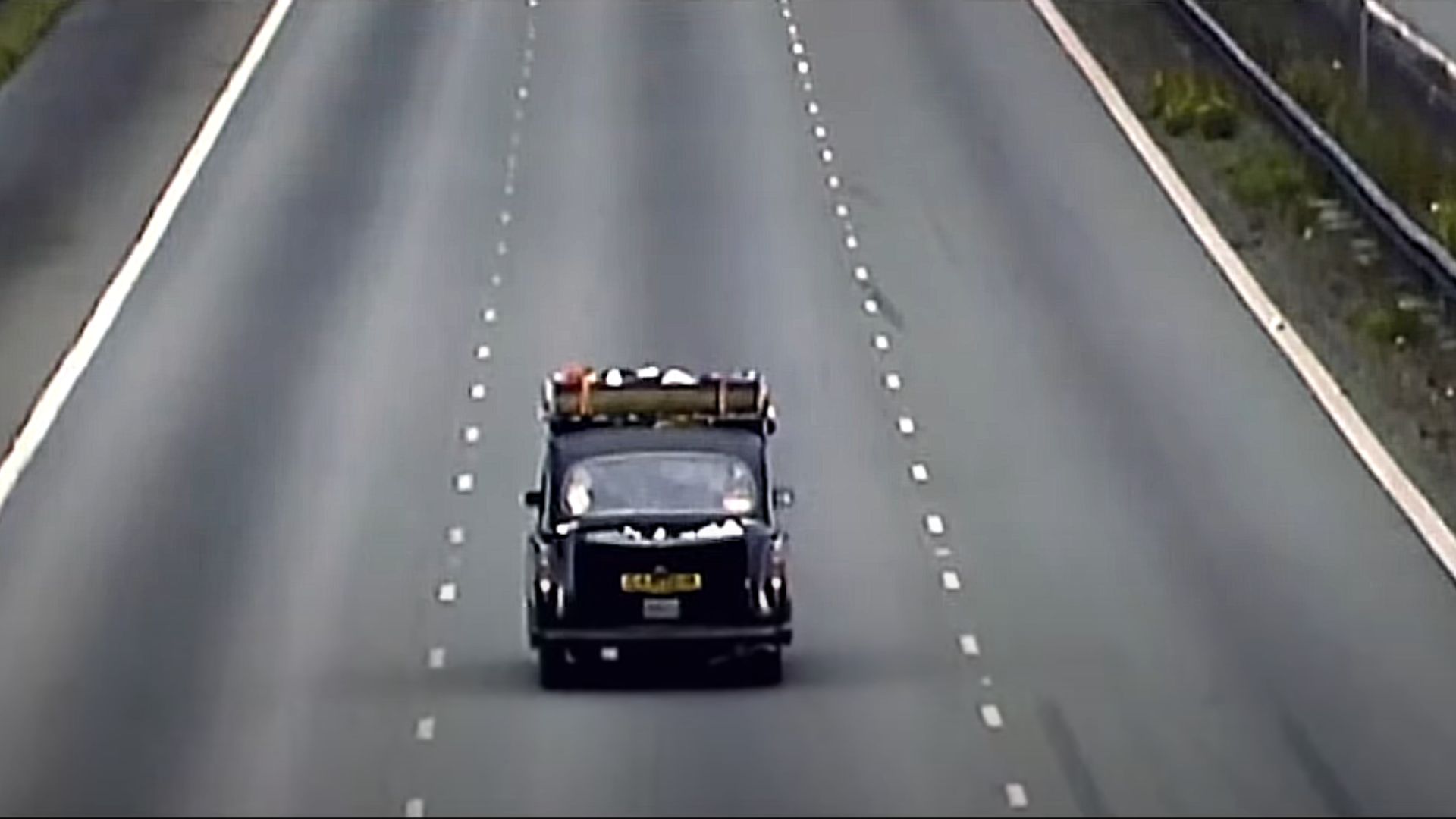
London is empty in "28 Days Later." A virus has emptied the streets and left behind silence and fear. Filmed at dawn in real locations, Danny Boyle's 2002 thriller employed handheld cameras to convey a sense of urgency. It reignited the zombie genre by showing what happens when modern systems fail within a matter of days.
"2073" (Asif Kapadia)