The 7 Inventions That Truly Changed The World And The 7 That Were All Hype
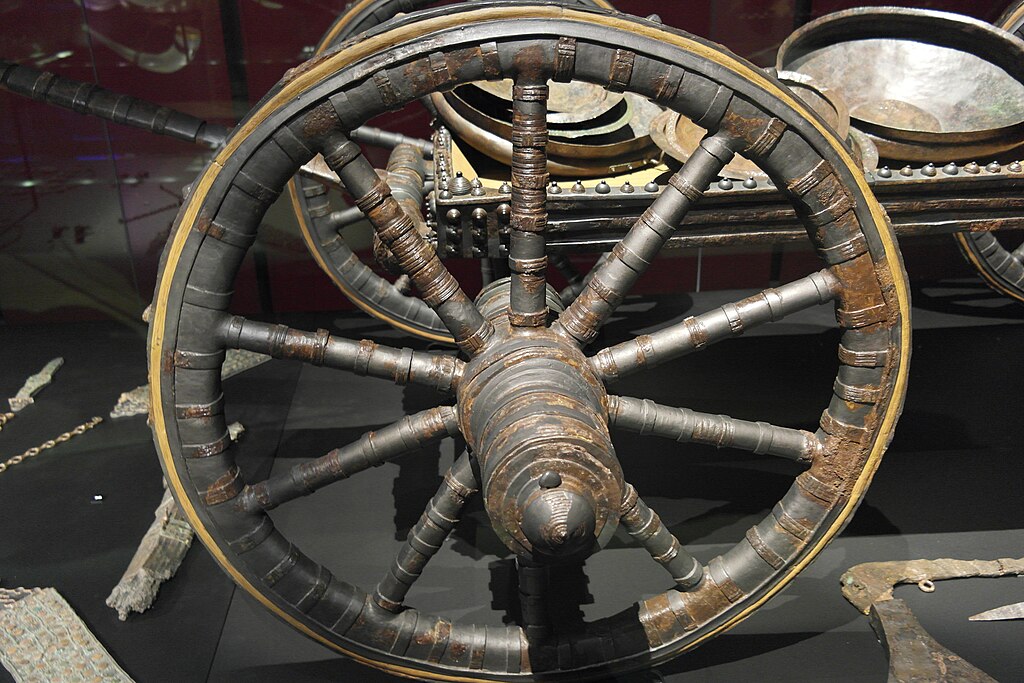
The wheel invented around 3500 BCE in Mesopotamia, was initially used for pottery rather than transport. It wasn't until much later that it revolutionized carts and complex machines. The oldest known wheel, found in Slovenia, reflects how impactful tools can have humble beginnings.
The Printing Press
The Telephone
The Internet

Penicillin
The Light Bulb
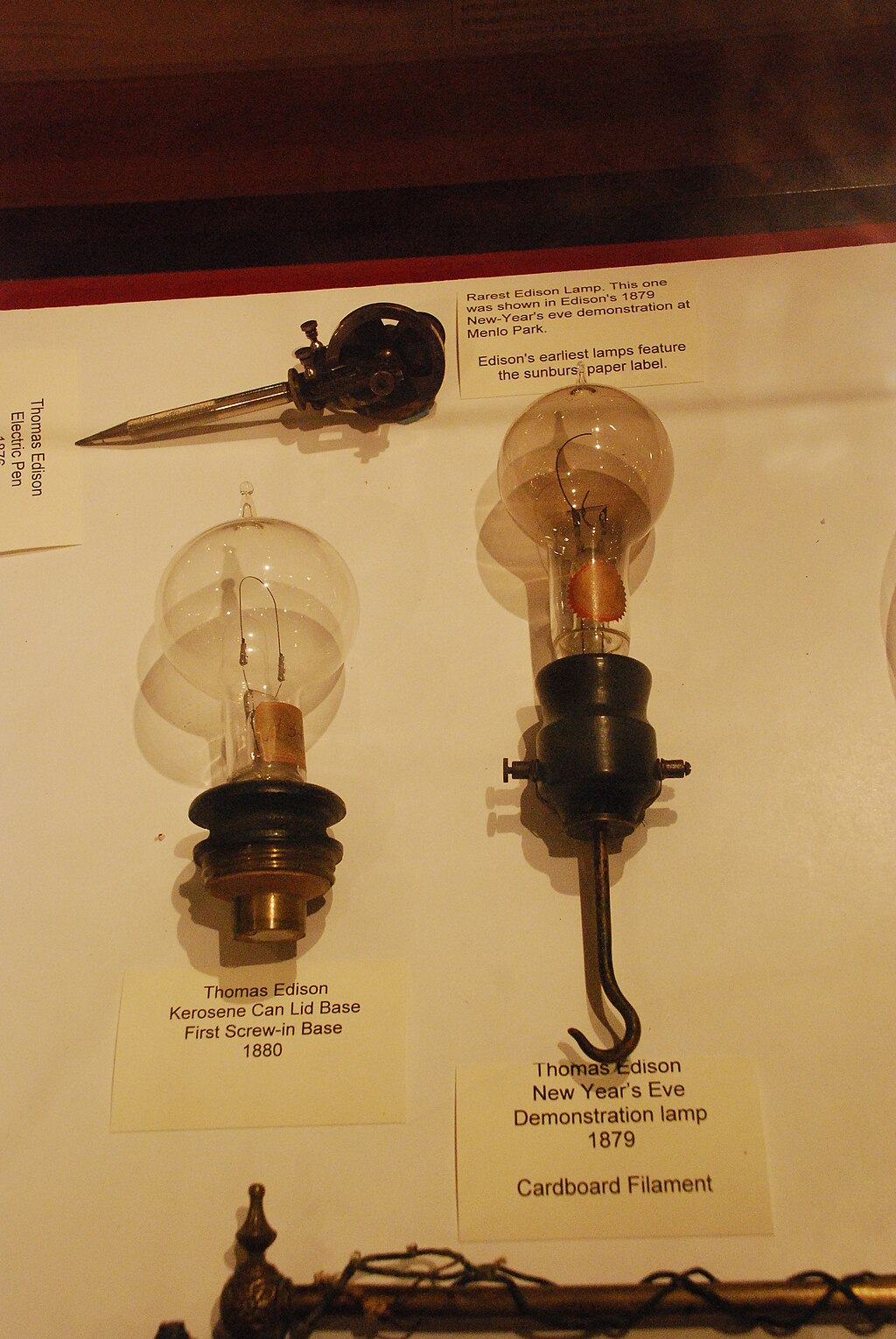
Thomas Edison’s practical bulb, created in 1879 with groundwork from Humphry Davy, made indoor lighting safe and reliable. It extended productive hours after dark. Over 1,000 prototypes failed before success, and early versions used bamboo. Notably, the Centennial Light has lasted since 1901.
The Airplane
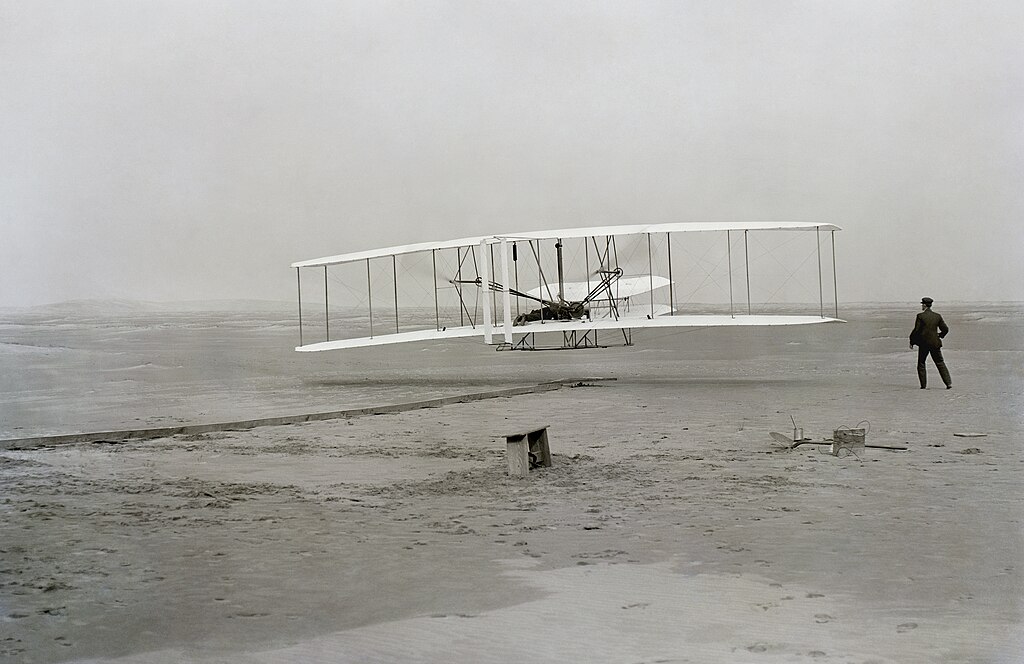
It was in 1903 that the Wright brothers completed the first powered flight, lasting just 12 seconds. This feat paved the way for modern air travel and global logistics. Today’s advanced jets easily exceed 500 mph, and the Concorde once flew the Atlantic in under 3.5 hours. These are some world-changing inventions. Now, let’s flip to those that were just hype.
Google Glass
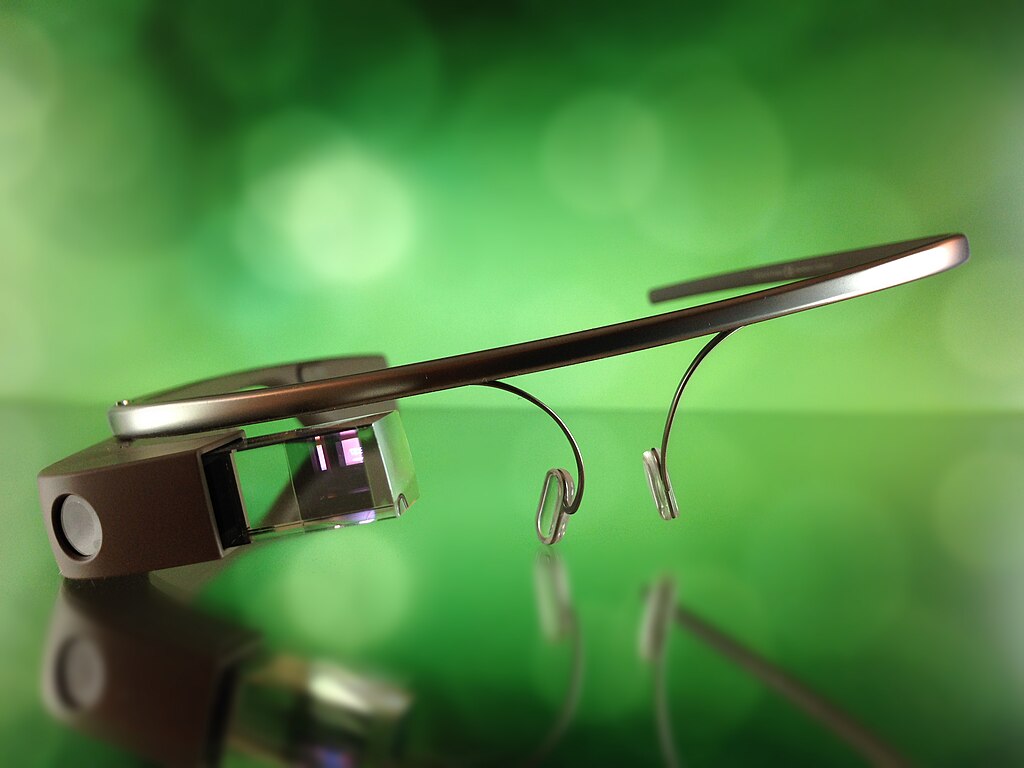
Back in 2012, Google Glass promised a sci-fi future through smart glasses. However, privacy fears and a lack of compelling features made it stumble. “Glassholes” became shorthand for awkward tech flaunting. Bans in public spaces further sealed its fate. Yet, it still finds life in industry.
Juicero
Segway

Released in 2001 as a groundbreaking transport solution, the Segway failed largely because of its high price and impractical design. Steve Jobs invested heavily, famously saying it would be "bigger than the PC." Only 140,000 were sold, and today, it can only be found among tourists.
Hoverboards

3D TV

Promoted heavily around 2010, 3D TVs were marketed as the future of home entertainment. However, consumers disliked wearing special glasses, and some experienced dizziness or nausea. The lack of affordable and plentiful content didn't help, either. By 2017, most manufacturers abandoned production altogether.
Theranos
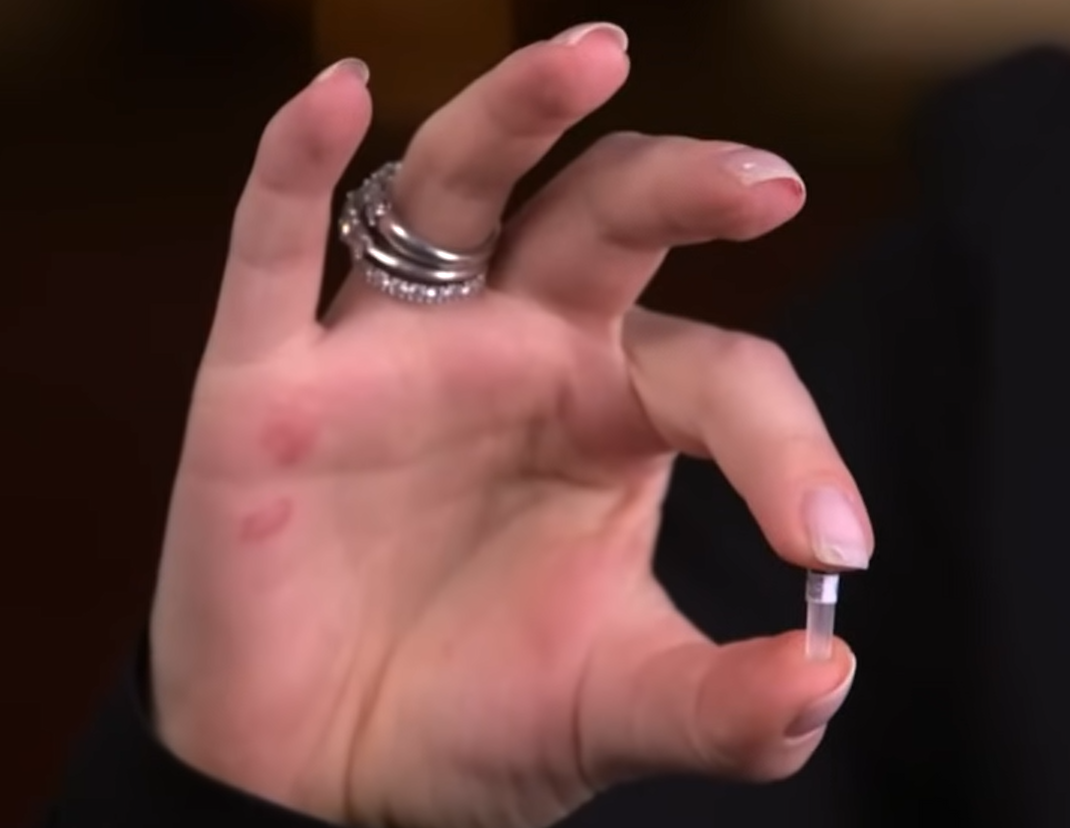
Theranos said it could run full blood tests from just a finger-prick. It turned out to be false, as the results were wrong, and the tech didn’t work. At its peak, it was worth $9 billion. Founder Elizabeth Holmes moved from being praised as “the next Steve Jobs” to becoming a cautionary example.
Betamax
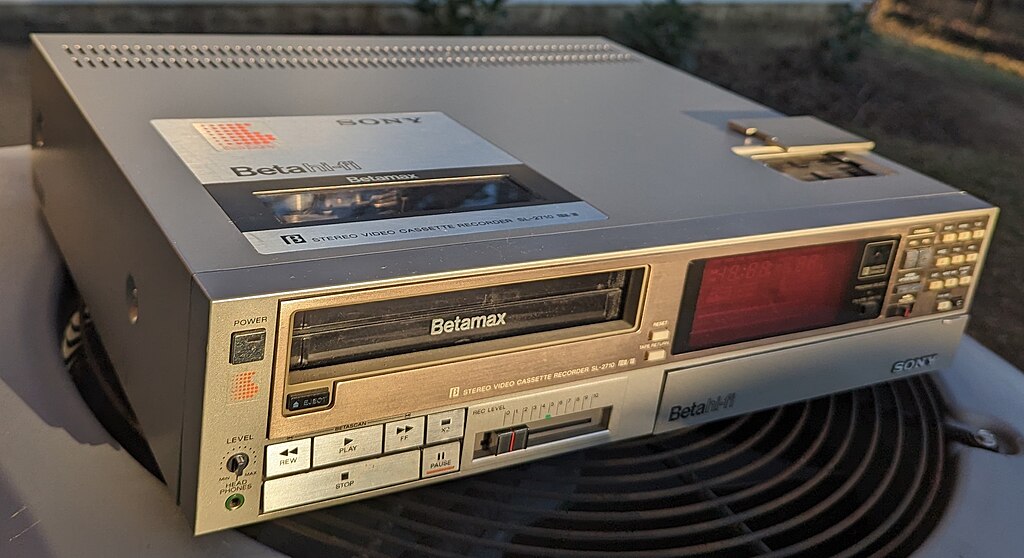
Released by Sony in 1975, Betamax delivered better video than competitors but lost ground due to shorter recording limits and licensing errors. VHS capitalized on these weaknesses and dominated video rentals in the '80s. Yet, a few broadcast archives still rely on Betamax tapes.