The 7 most brilliant civilizations in history – and the 7 most overrated
Throughout the centuries, certain civilizations have illuminated the world with their genius.

Throughout the centuries, certain civilizations have illuminated the world with their genius. They have revolutionized thought, redefined art, invented political or scientific systems ahead of their time. Others, on the other hand, although widely glorified, owe their prestige to romanticized, mythologized and embellished accounts rather than to actual facts. This text highlights the seven most brilliant civilizations in history, whose influence has spanned the ages. You'll also discover the seven most overrated civilizations, whose reputations sometimes far exceed reality. There's no room for illusions here: we slice and dice, question and put things into perspective. at the crossroads of knowledge and critical daring, let's discover together who really deserves its place in the Pantheon of Humanity... and who doesn't.
1. Ancient Egypt
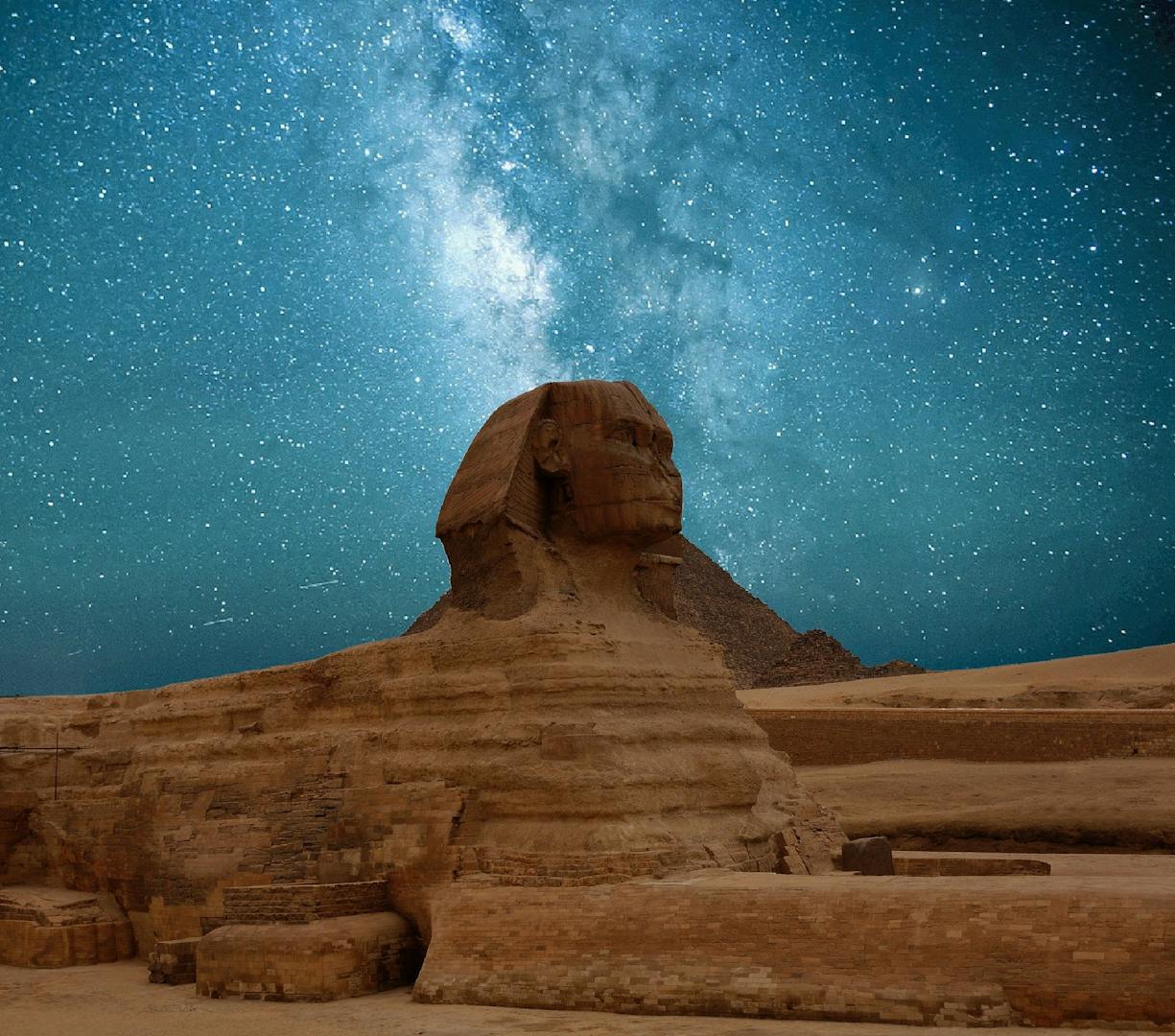
Ancient Egypt stands out for its architectural genius (pyramids, temples, etc.), its mastery of mathematics, astronomy and medicine. This civilization was also renowned for the complexity and refinement of its social and religious organization. Its hieroglyphic writing, symbolic art and vision of the world after death had a profound impact on African and Mediterranean cultures.
2. Ancient Greece

As the cradle of democracy, rational philosophy and theater, Greece laid the foundations of Western thought. It influenced science, art and politics. Its thinkers shaped centuries of knowledge. Its culture, founded on reason, aesthetics and debate, has influenced Western politics, art and education.
3. Imperial China (Han, Tang, Song dynasties)

Imperial China, particularly under the Han, Tang and Song dynasties, excelled in administration, science and culture. It invented paper, the compass, printing and gunpowder. Its administrative system, based on imperial examinations and Confucian thought, ensured stability, innovation and influence over Asia for centuries.
4. Medieval Islamic civilization (8th-13th centuries)
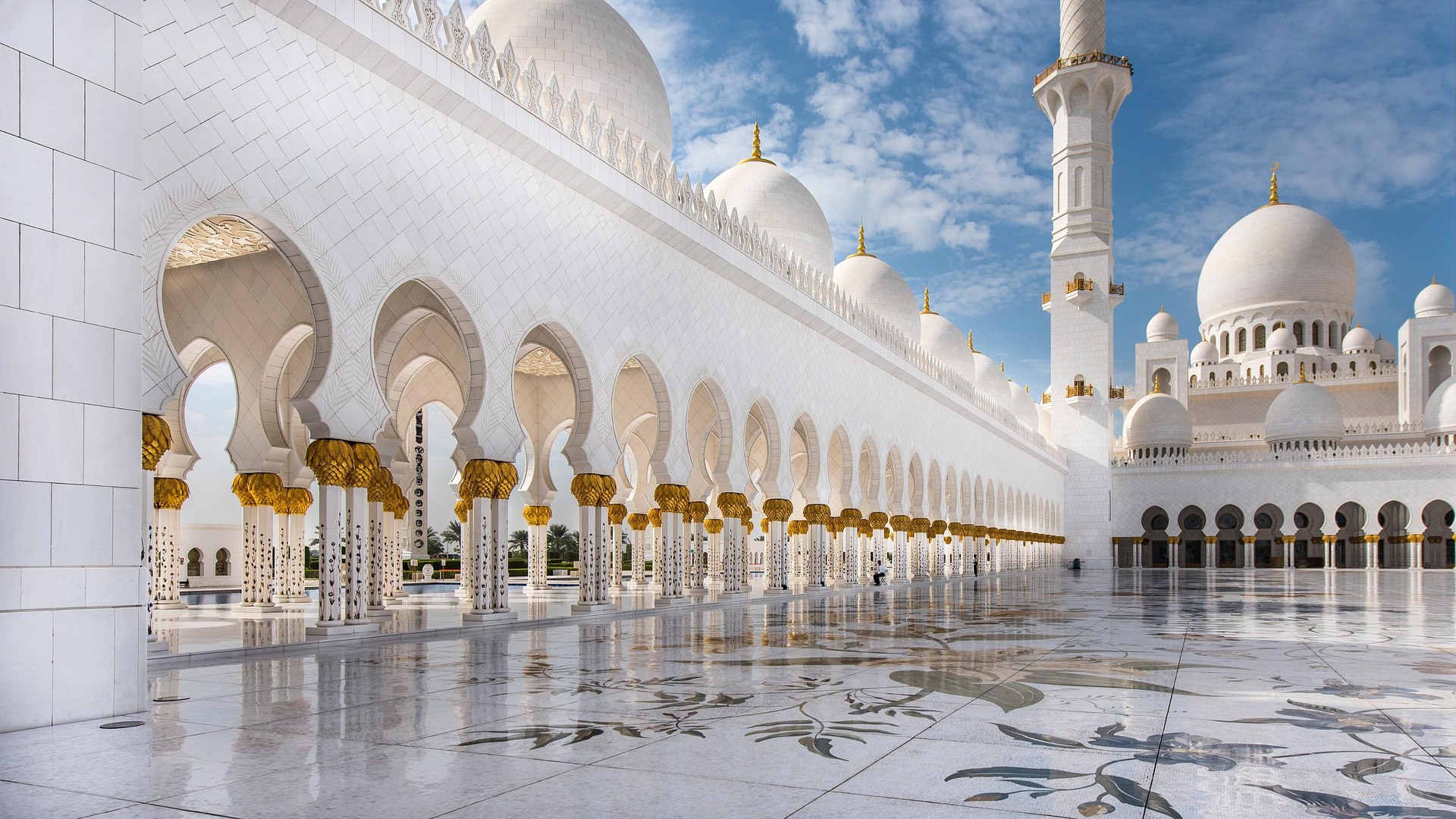
Medieval Islamic civilization enjoyed a golden age between the 8th and 13th centuries. This period was marked by major advances in algebra, medicine, astronomy, philosophy and architecture. Centers such as Baghdad, Cordoba and Cairo preserved, enriched and transmitted ancient knowledge. This civilization played a key role in shaping the world's scientific knowledge.
5. Mayan civilization
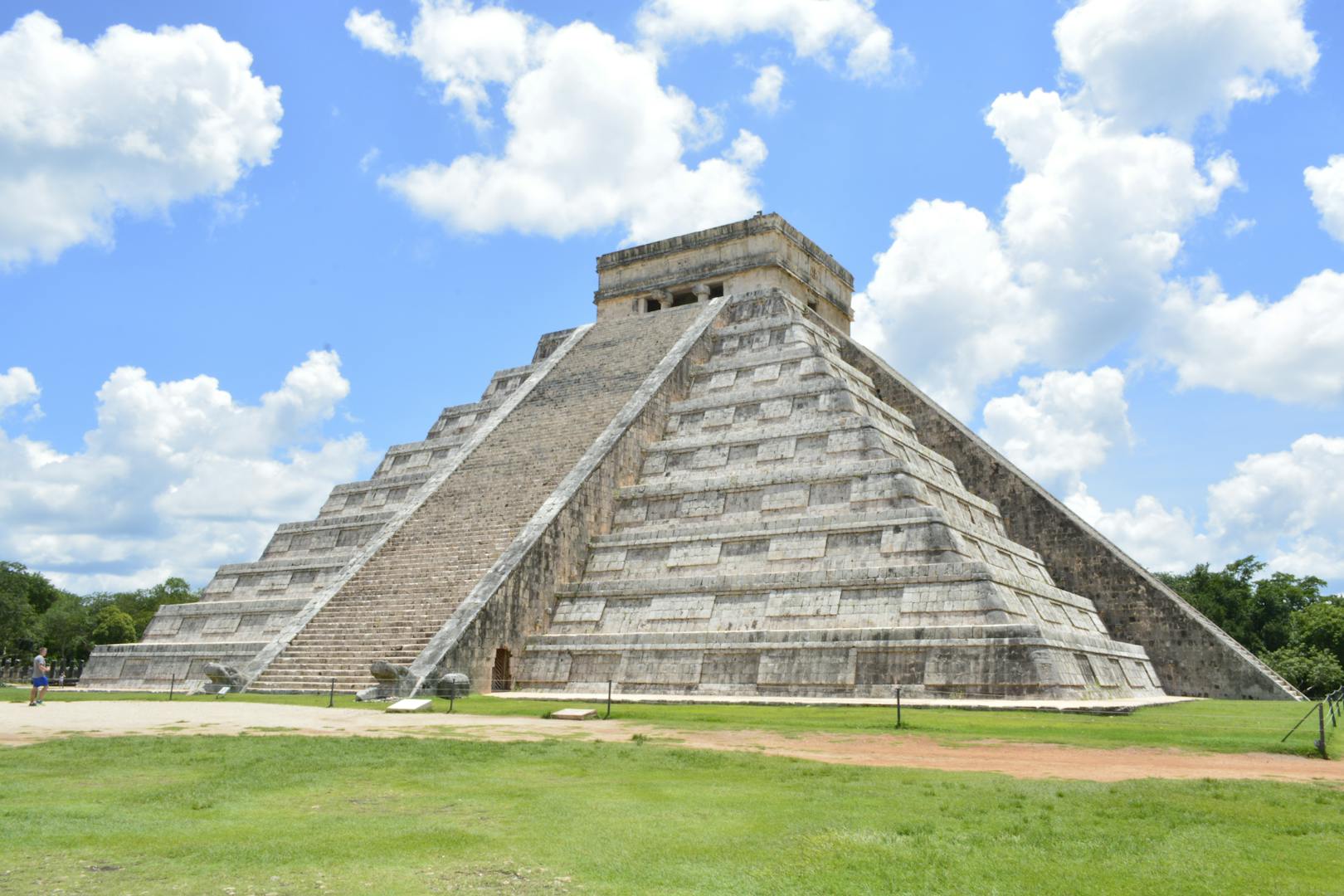
The Maya developed complex writing and an extremely precise calendar, and made astonishing advances in astronomy and mathematics. They also distinguished themselves by their well-organized monumental architecture, building imposing urban centers with temples and observatories. Their legacy lives on in the languages and spiritual practices of contemporary Mayan peoples.
6. Ancient Indian civilization (Maurya, Gupta)
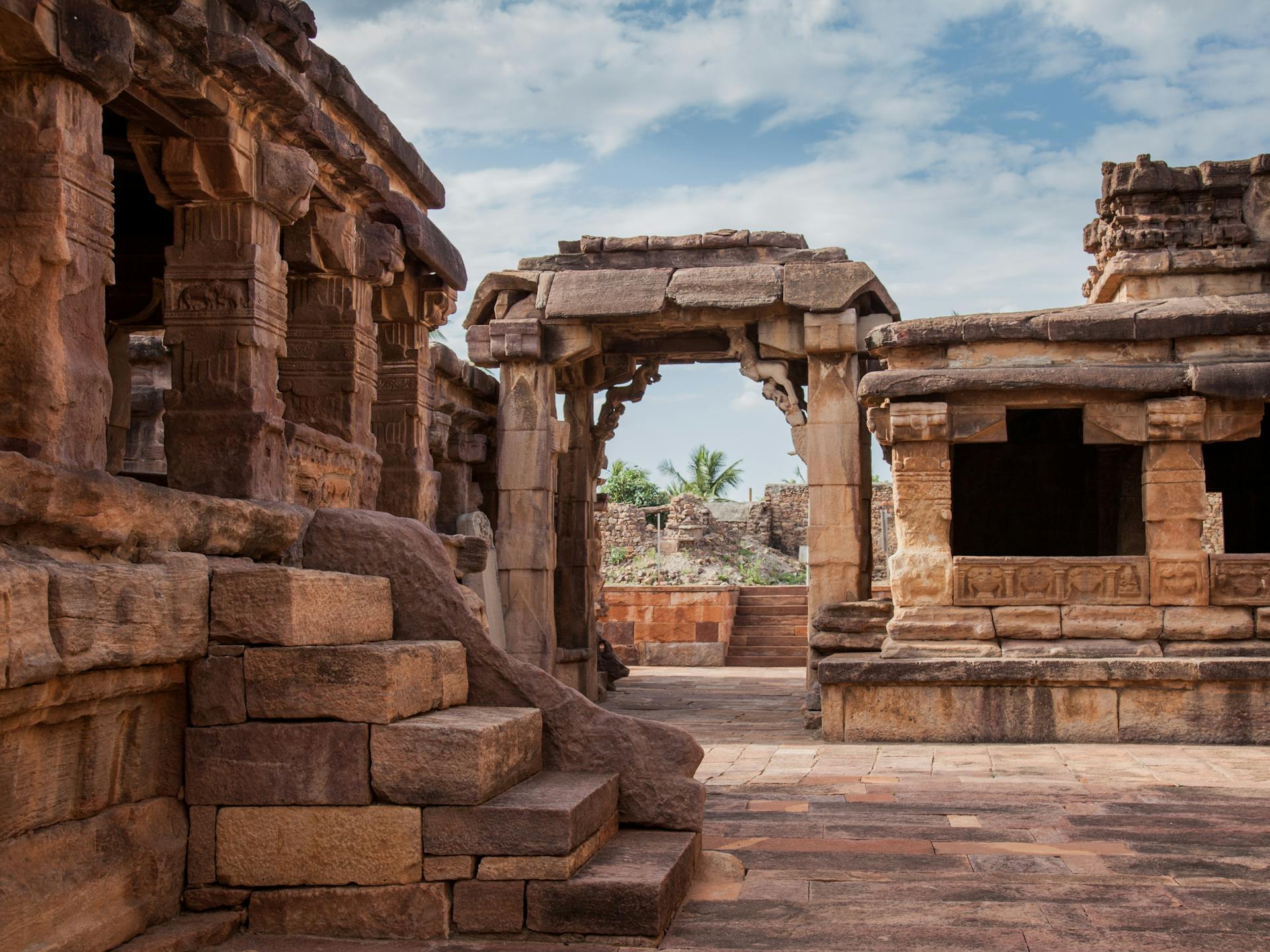
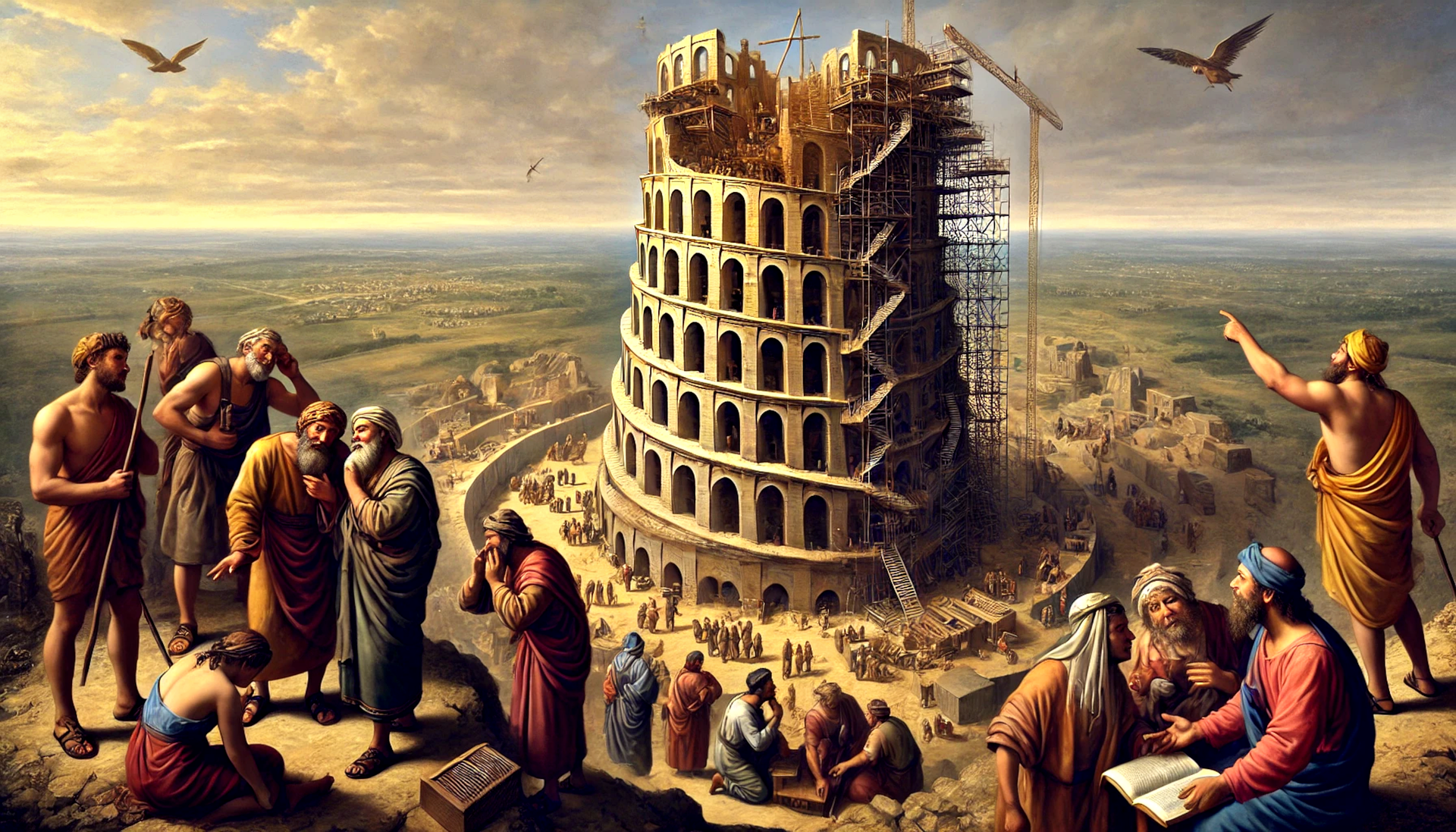
7. Babylonian Empire
1. Aztec Empire
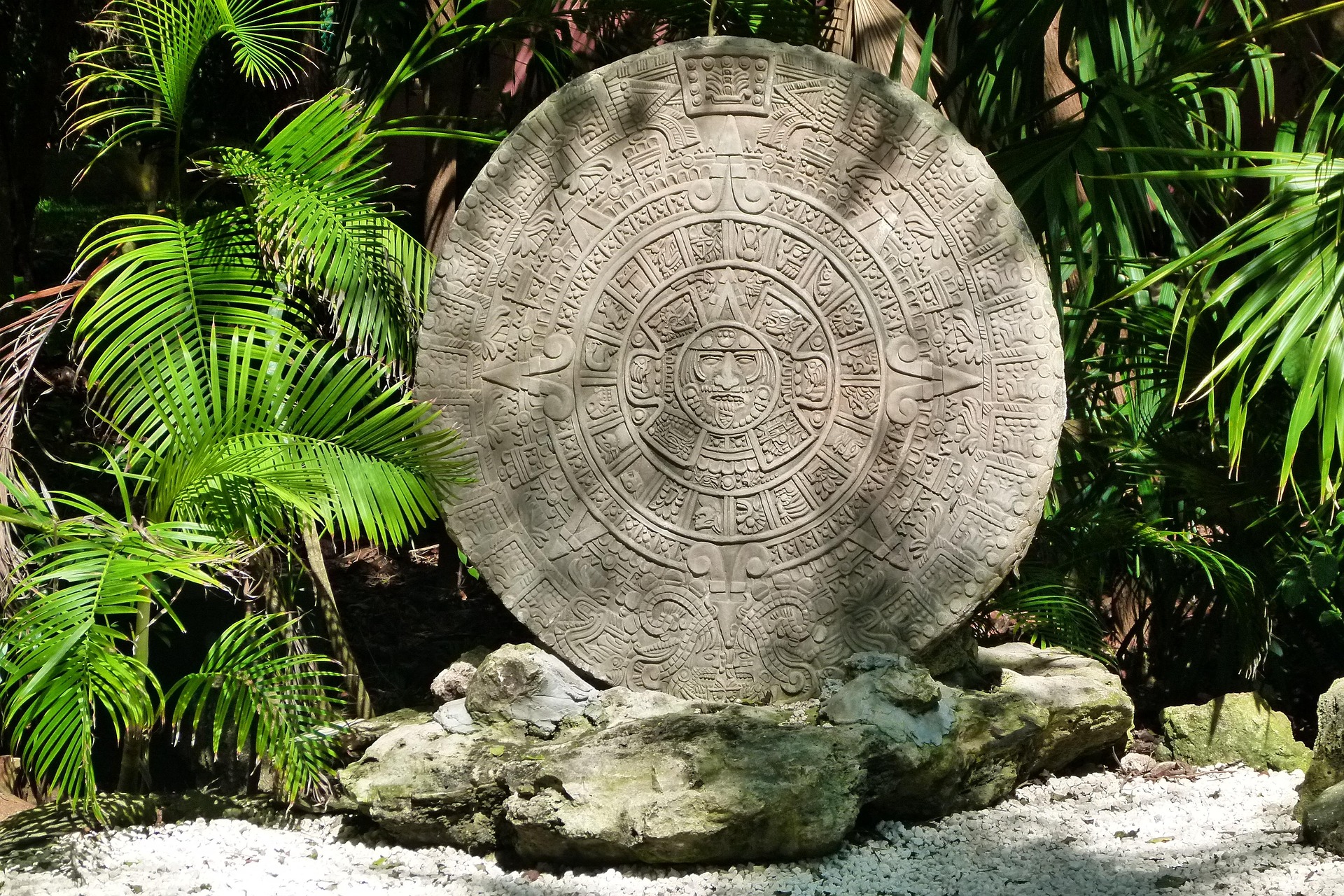
Although militarily powerful and symbolically rich, the Aztec Empire lasted barely two centuries. It remains largely overestimated. Its brutal expansion, based on war and human sacrifice, contrasts with the more enduring contributions of the Mayas and Incas. Its grandeur is often exaggerated in modern reconstructions, while its scientific and philosophical legacy remains limited.
2. British Empire

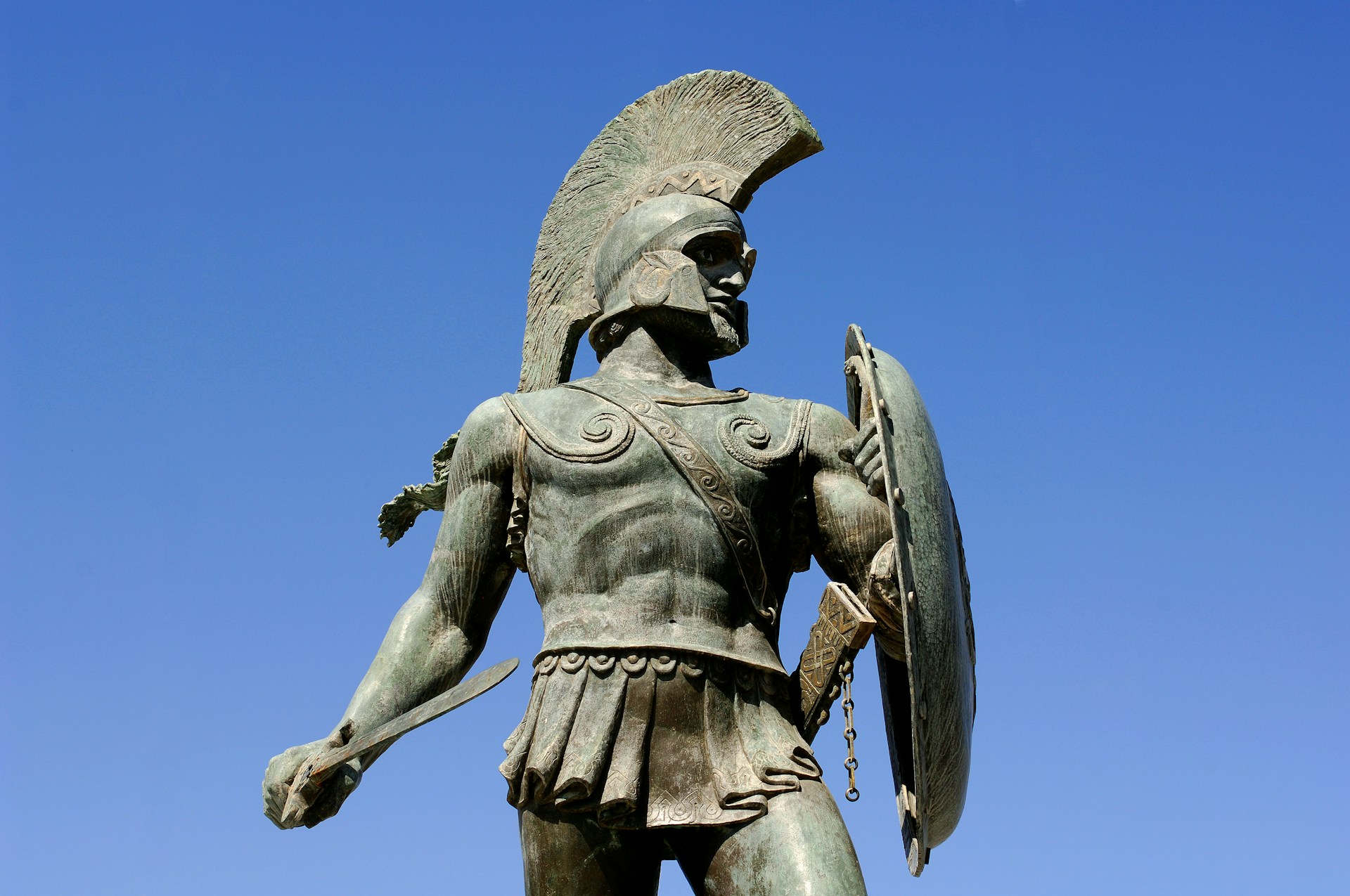
3. Spartan civilization
4. Mongol Empire

5. Carthaginian Empire
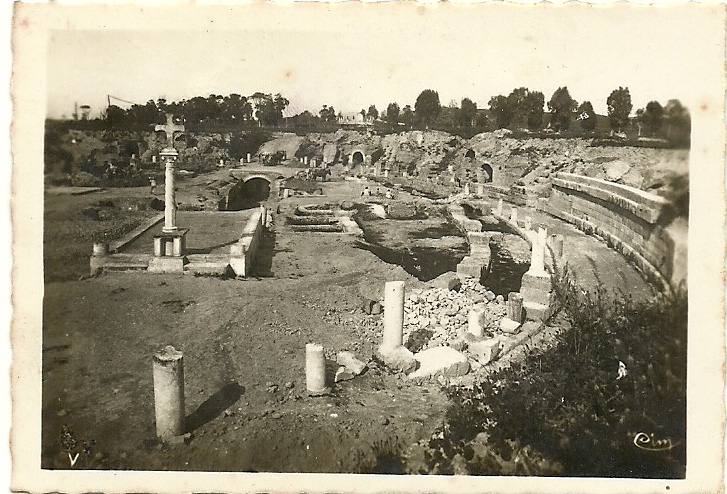
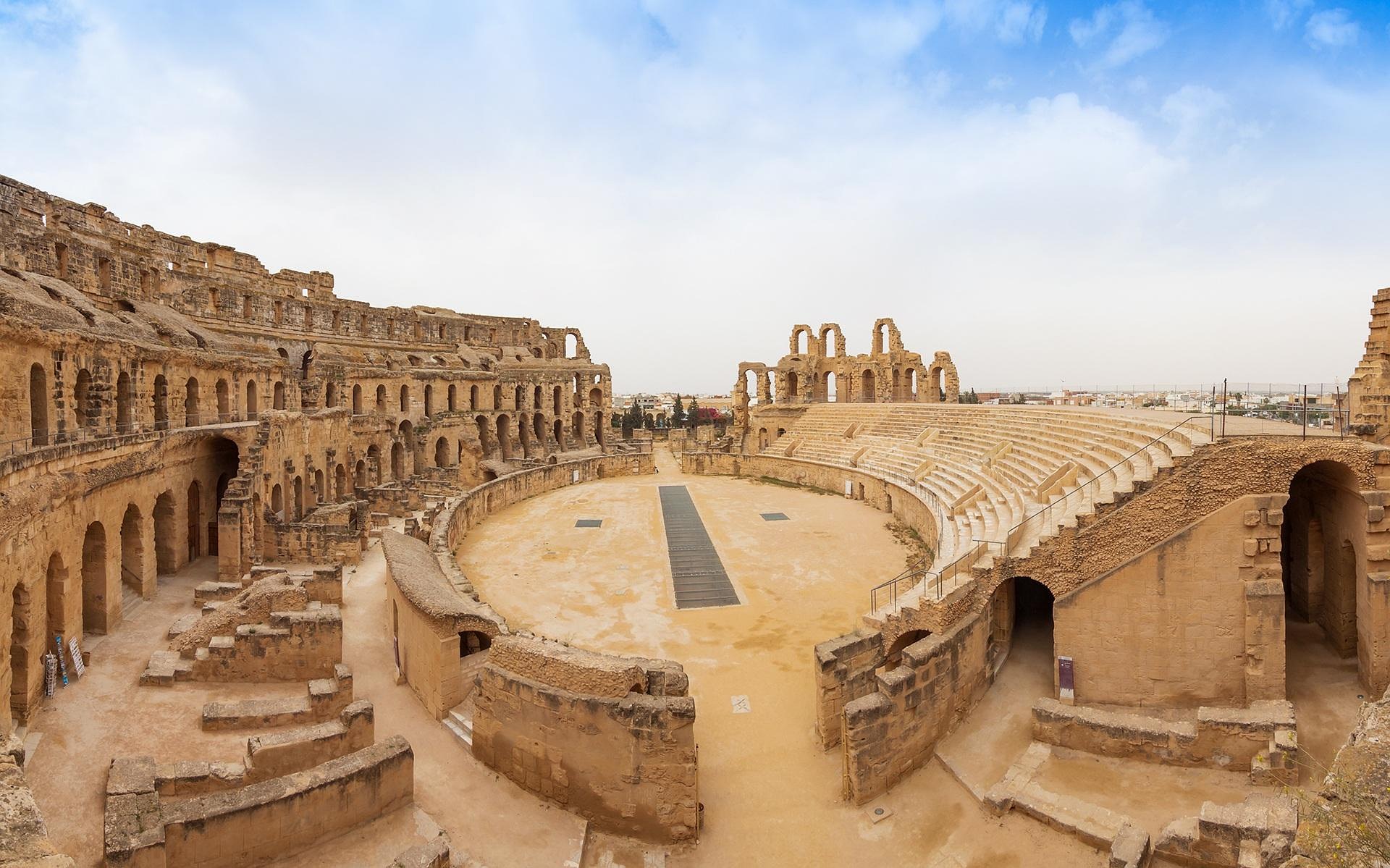
6. Roman Empire
7. Viking Empire

Viking civilization is sometimes overestimated due to its romanticized image of intrepid conquerors. In reality, their civilization, though fascinating, remains underdeveloped politically, scientifically and artistically. Their contribution to human progress is minimal, and their real cultural impact, outside a few European regions, remains marginal. Their fame far exceeds their historical influence.