The 7 most misunderstood historical figures – and the 7 who received the most undeserved praise
History has its inequities: visionaries like Nikola Tesla or Mary Shelley, long isolated, await their full recognition. conversely, icons like Thomas Jefferson or Gandhi conceal inconsistencies that speculate on their myth. Let’s delve into these ambiguous providences, where posterity has sometimes betrayed reality.

History has its inequities: visionaries like Nikola Tesla or Mary Shelley, long isolated, await their full recognition. conversely, icons like Thomas Jefferson or Gandhi conceal inconsistencies that speculate on their myth. Let's delve into these ambiguous providences, where posterity has sometimes betrayed reality.
The Chevalier d'Eon
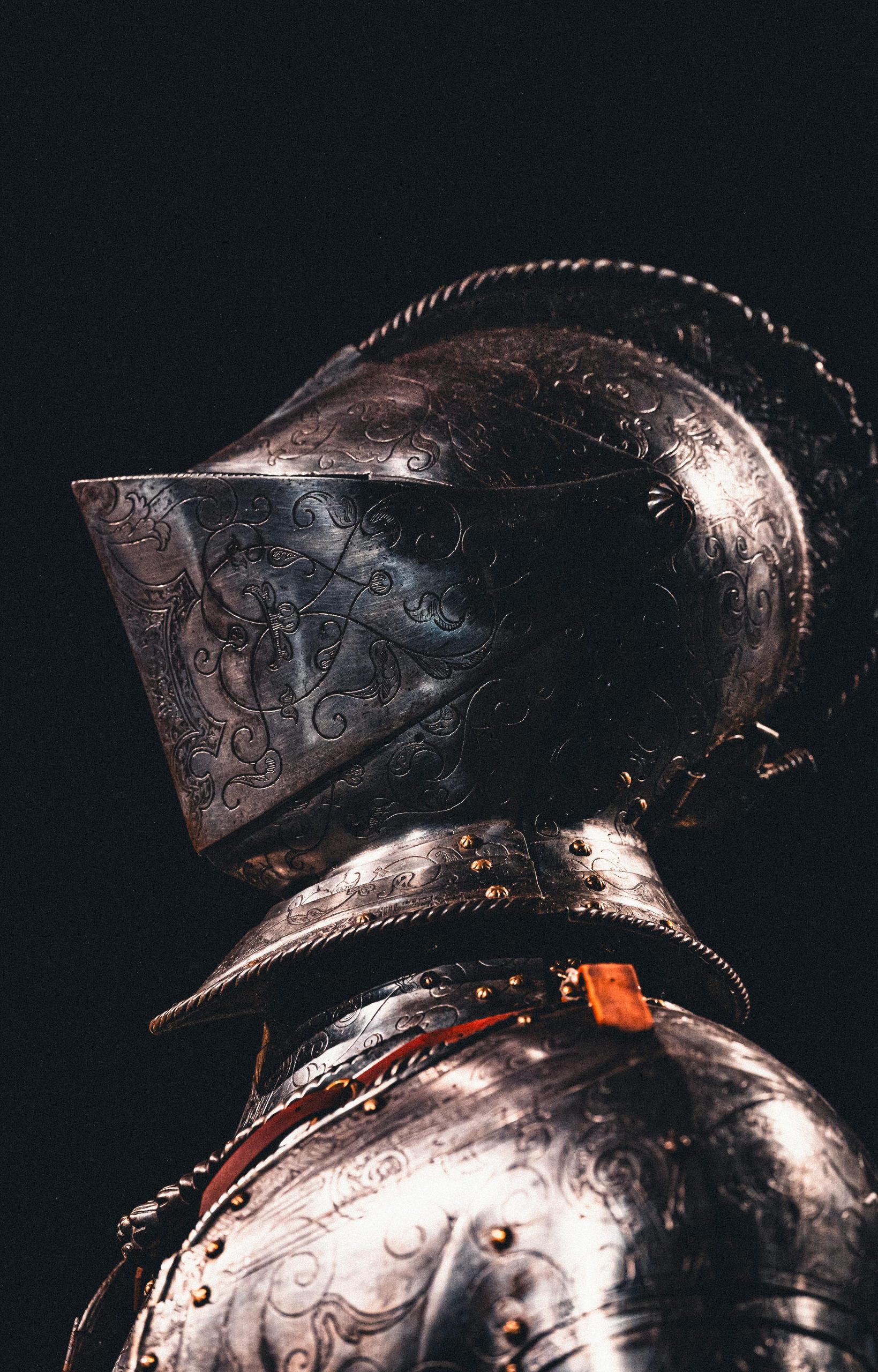
This famous 18th-century diplomatic agent, both spy and enigmatic figure, remains poorly understood due to his existence between several identities. His rather complex relationship with gender, as well as his true intentions, continue to divide scholars, raising as much fascination as elusive speculation around his legend.
Nikola Tesla
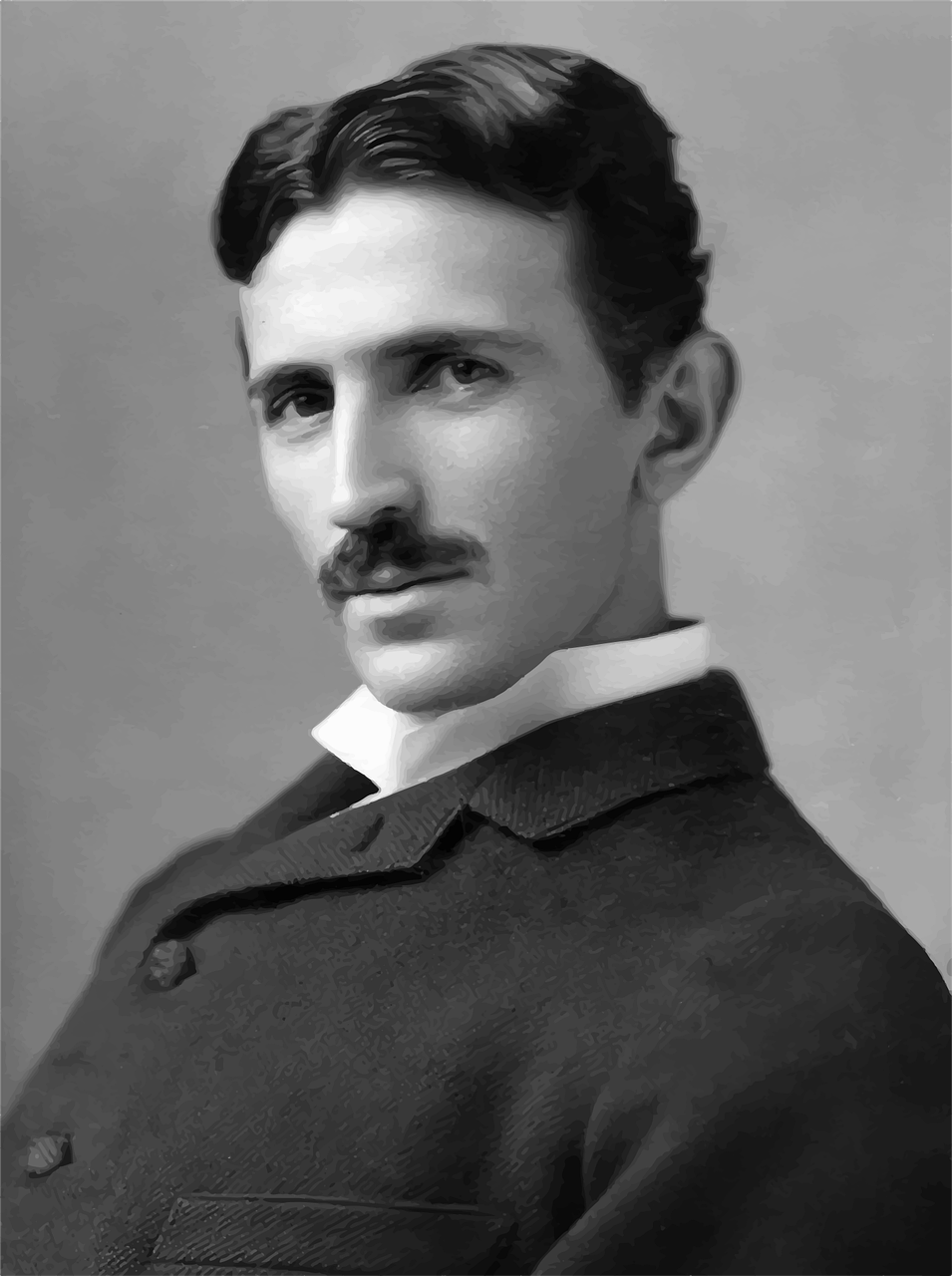
A visionary of the electrical age, Tesla revolutionized applied physics with over 300 patents, ranging from alternating current to wireless transmission. Unfortunately, this genius was a victim of his times: ousted by Edison, ruined by J.P. Morgan, he died alone in a New York hotel. It wasn't until the 20th century that the full extent of his prodigy was rediscovered.
Judas Iscariot
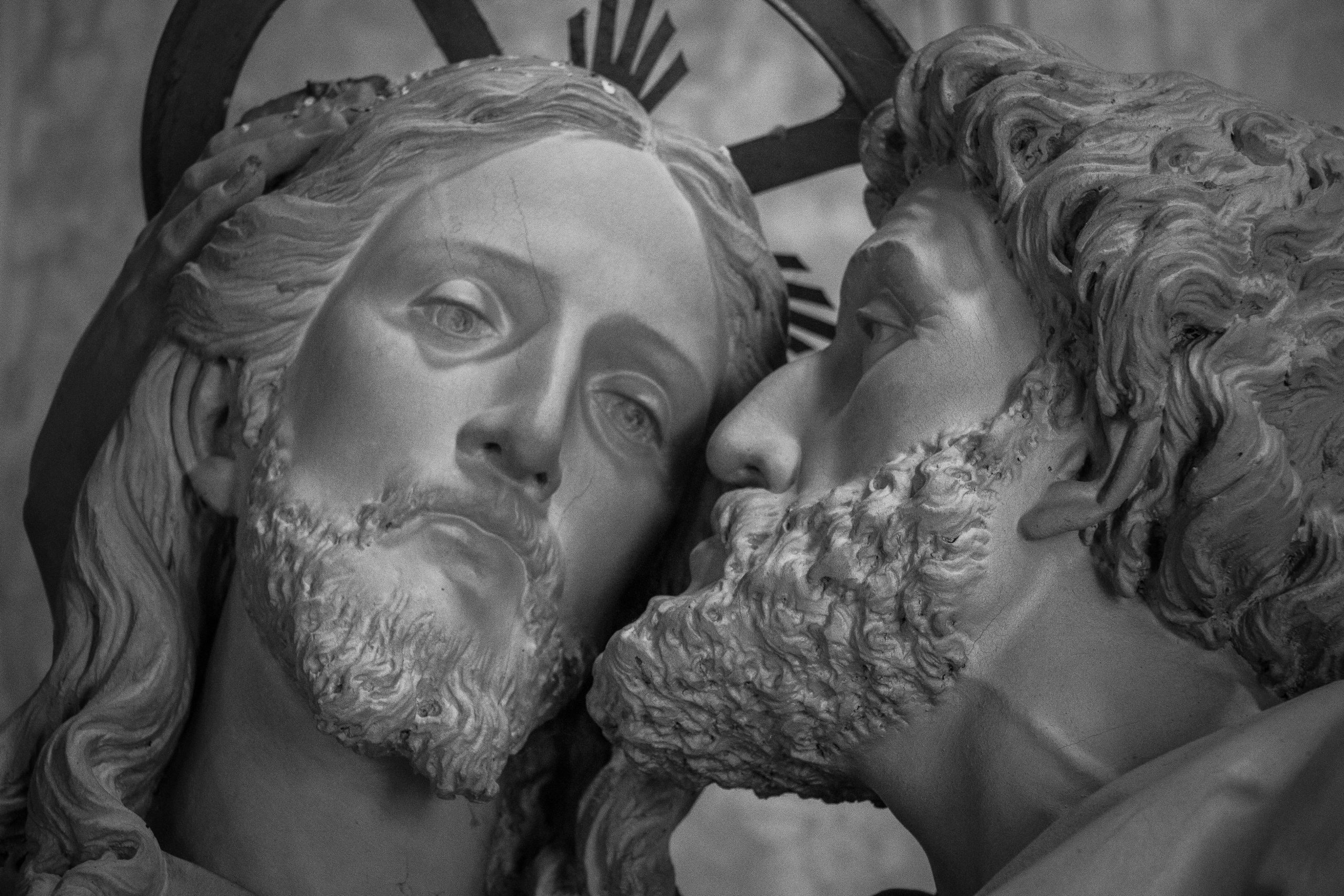
Perceived as the archetypal traitor, his historical influence is in fact far more nuanced. Various speculations coexist: some see him as a necessary part of a higher purpose, others as a disciple led astray by his own reading of Christ's words.
Lenin
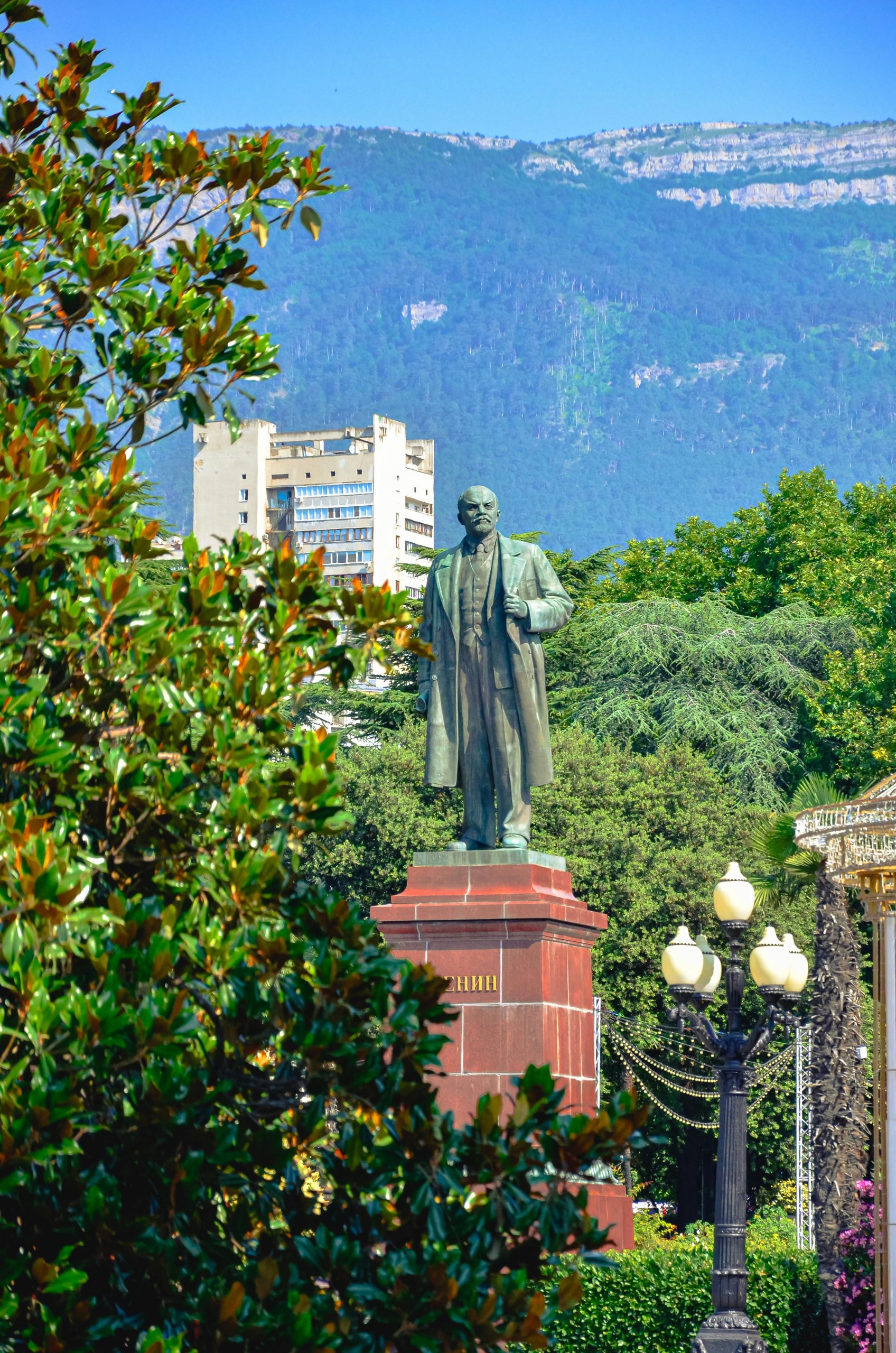
A key player in the Russian Revolution, his name is synonymous with bloodthirsty tyranny. However, his political action and legacy remain debated: some insist on his importance in building a socialist state, others accuse him of unorthodox methods.
Cromwell
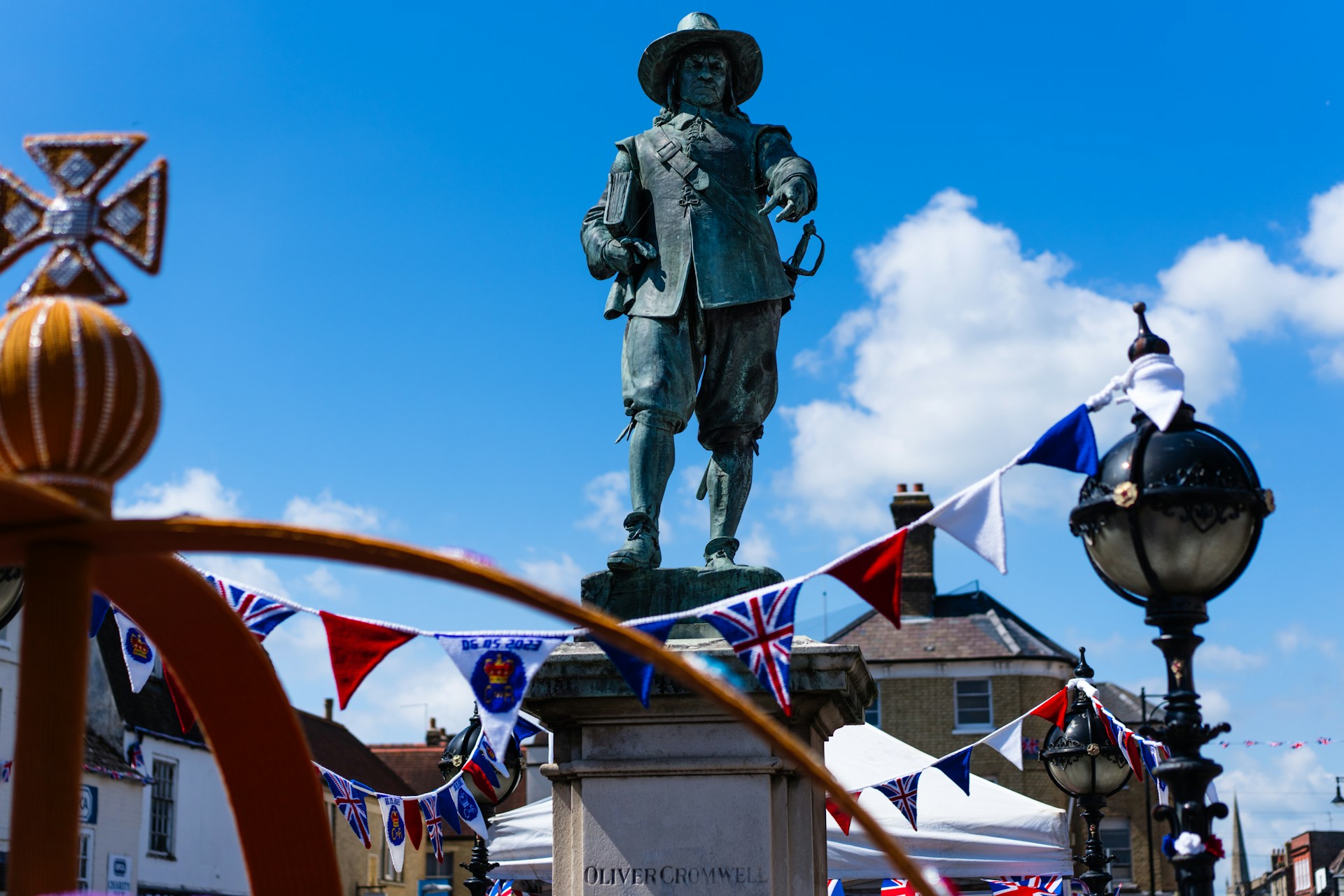
Perceived as a republican champion by some and a military despot by others, his legacy remains deeply divided. His complicity in the English Revolution and the execution of Charles I continue to overshadow heated historical debates.
Marie-Antoinette

Behind the portrait of the impulsive princess of Versailles lies another Marie-Antoinette. Letters and archives bear witness to a politically dynamic queen, cornered into her role as the prime target of revolutionary satire, which made her the perfect antithesis of a regime to be eliminated.
Mary Shelley

Much more than just the inventor of a literary myth or the wife of a Romantic poet, Mary Shelley today stands out as an avant-garde pioneer. Her futuristic work, a blend of scientific prediction and social criticism, prefigures the great modern discussions. It took decades for posterity to assess the extent of her pioneering talent.
Thomas Edison

Behind the 1,093 patents and the cliché of solitary genius lies a murkier truth: Edison excelled at both marketing and innovation. His clashes with Tesla, whose alternating current he appropriated, reveal a scrupulous strategy of stripping away the inventions of others. History is finally beginning to separate the cunning industrialist from the true scientific pioneer.
Napoleon Bonaparte
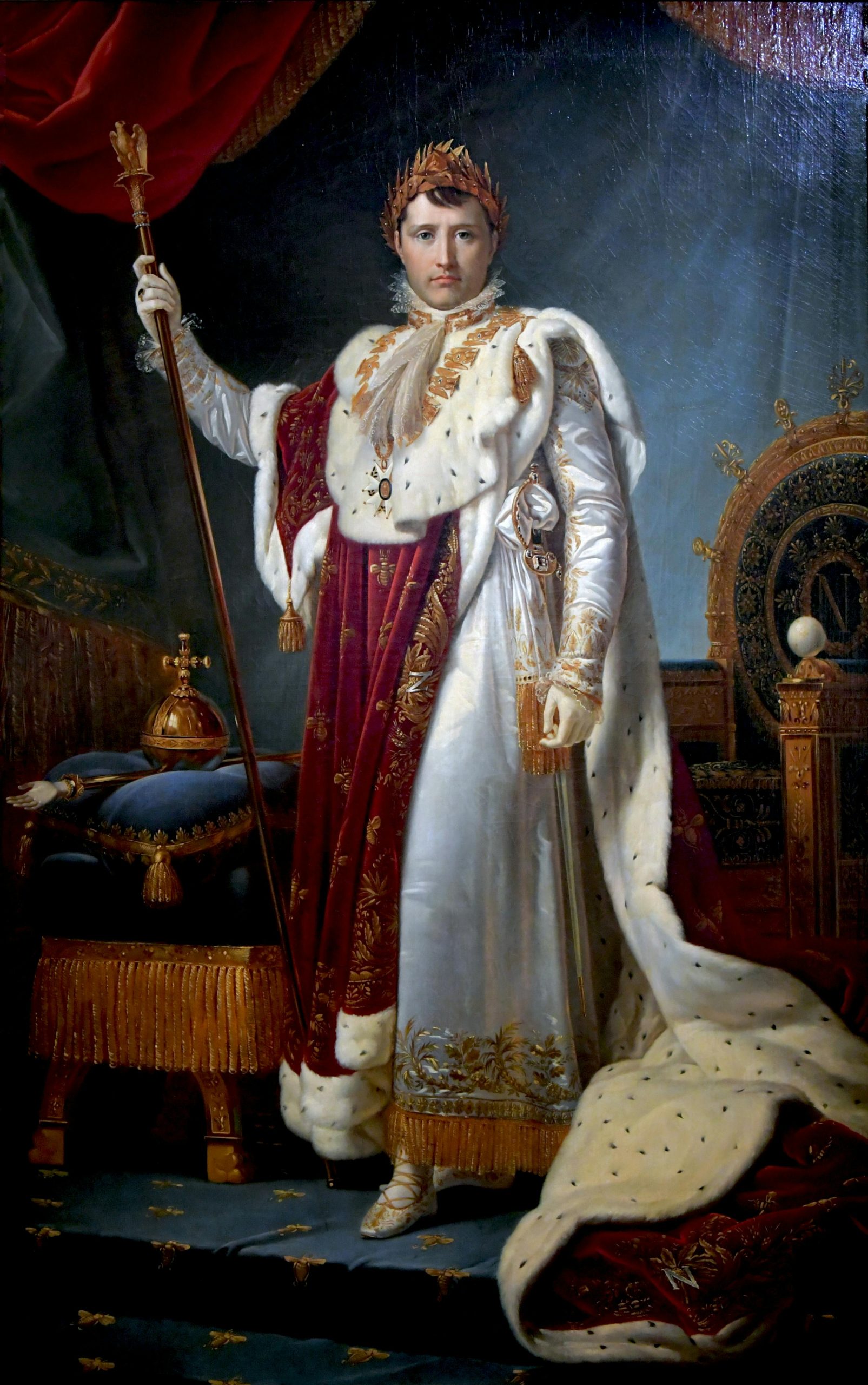
Idolized as the military genius who modernized France, Napoleon's summary is now being called into question by its inconsistencies. The Civil Code came close to restituting slavery in 1802, and the elite lycées were faced with a million dead from military expeditions. The Emperor now interprets this historical ambivalence: builder and despot, reformer and bloodthirsty conqueror.
Christopher Columbus
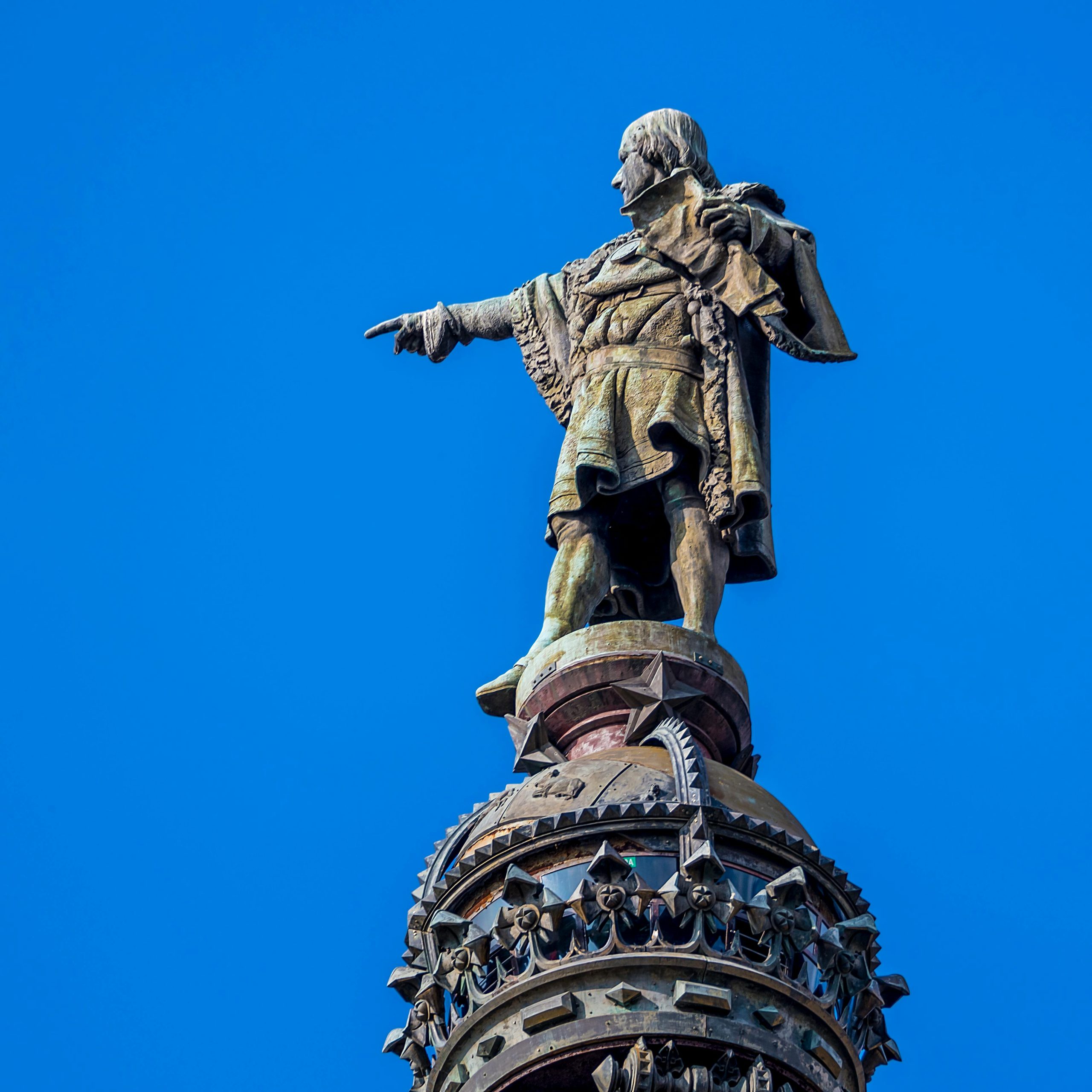
Long lauded as a visionary hero, Christopher Columbus to this day personifies the shadows of European expansion. His landing in 1492 marked the beginning of native genocide and the largest forced demographic transfer in history. Today, the "discovery of the New World" is proving to be a devastating occupation for pre-Columbian civilizations.
Thomas Jefferson

Founding father of the United States and author of the immortal phrase "All men are created equal", Jefferson nonetheless represents the most troubling of American contradictions. This architect of freedom owned as many as 600 slaves on his Monticello plantation, perpetuating until his death a problematic relationship with the institution he scorned.
Mother Teresa
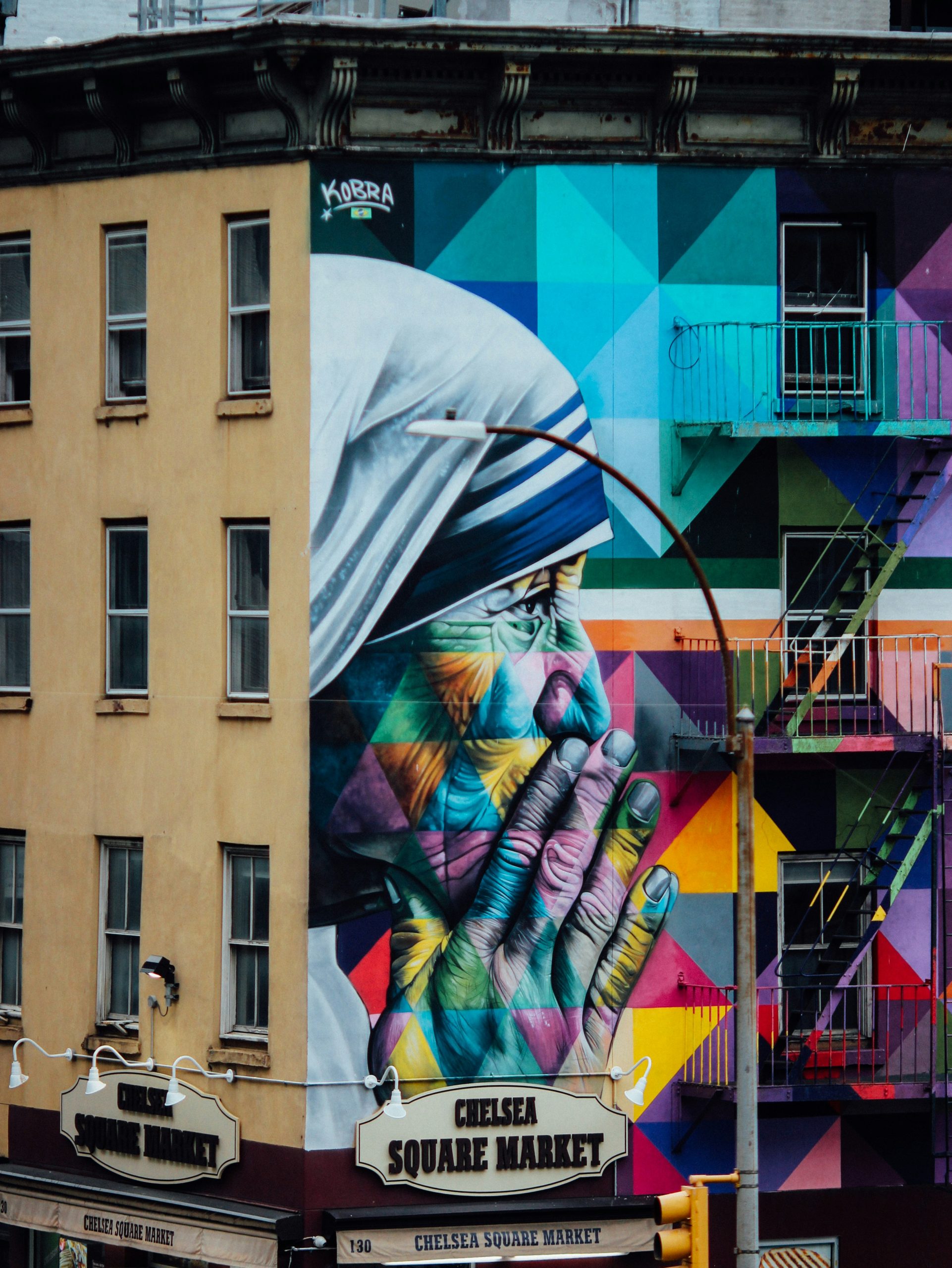
Canonized in 2016, but denigrated by some researchers, Mother Teresa leaves a legacy of contrasts. Her cliché as an angel of the slums masks a much more complex reality: rudimentary care, glorification of suffering and opaque funding. Doctors even denounced the absence of painkillers in her hospices, while millions of donations seemed to escape all traceability.
Mahatma Gandhi
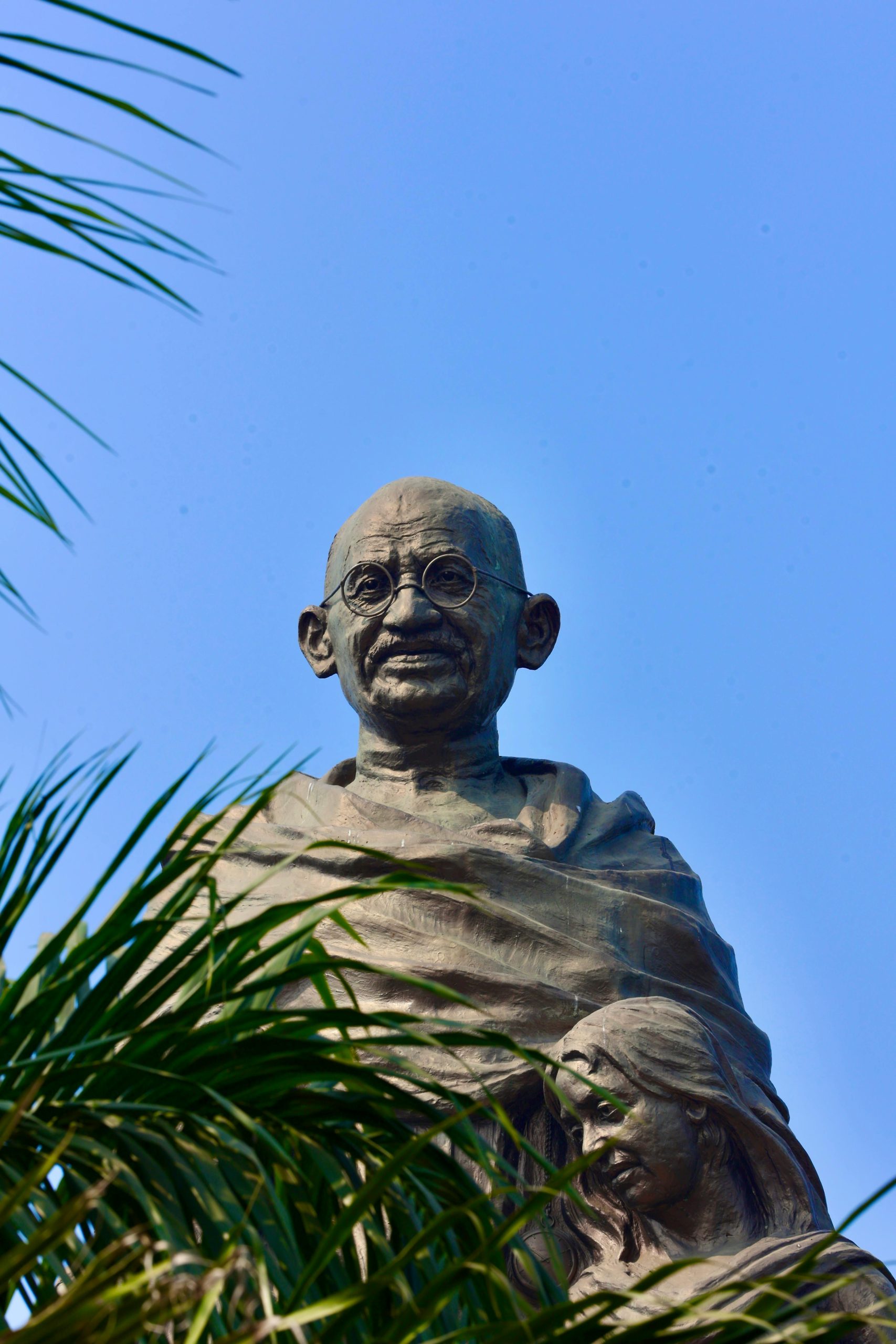
A global symbol of non-violent resistance, India's "Bapu" is now seeing his legacy re-examined through the prism of his contrasts. Between his racist youth works in South Africa and his polysemous positions on the caste system, the father of Indian independence now evokes the pluralities of the anti-colonial struggle.
Ronald Reagan
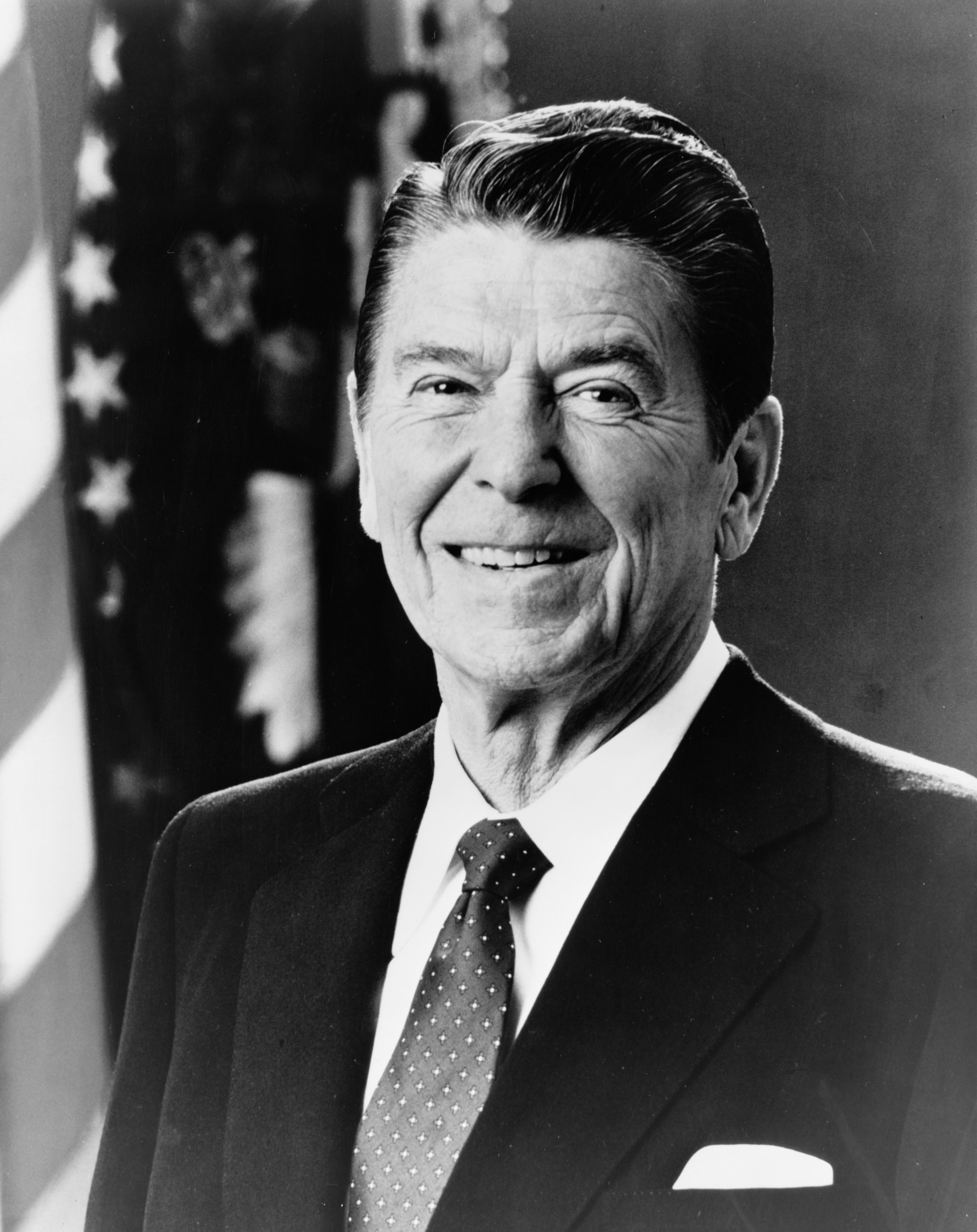
Having come to power on a promise to "make America great again", the 40th American president leaves a disparate legacy. While his role in bringing down the Soviet bloc is acclaimed, the repercussions of his neoliberal revolution are still fracturing American society to the core.