The 7 Most Visually Stunning Robots And The 7 Creepiest Designs
Robots have come a long way from clunky bolts and monotone voices. Now, they’re walking a fine line between futuristic elegance and full-on uncanny weirdness. While some are built to amaze, looking like moving sculptures with perfect polish, Others…well, let’s just say they weren’t made to comfort anyone. They twitch, blink oddly, or look just human enough to unsettle you for the rest of the day. This list is all about the standouts, the ones that dazzle, and the ones that kinda haunt your thoughts. Either way, they prove one thing: robot design knows how to get a reaction.
Robots have come a long way from clunky bolts and monotone voices. Now, they’re walking a fine line between futuristic elegance and full-on uncanny weirdness. While some are built to amaze, looking like moving sculptures with perfect polish, Others...well, let’s just say they weren’t made to comfort anyone. They twitch, blink oddly, or look just human enough to unsettle you for the rest of the day. This list is all about the standouts, the ones that dazzle, and the ones that kinda haunt your thoughts. Either way, they prove one thing: robot design knows how to get a reaction.
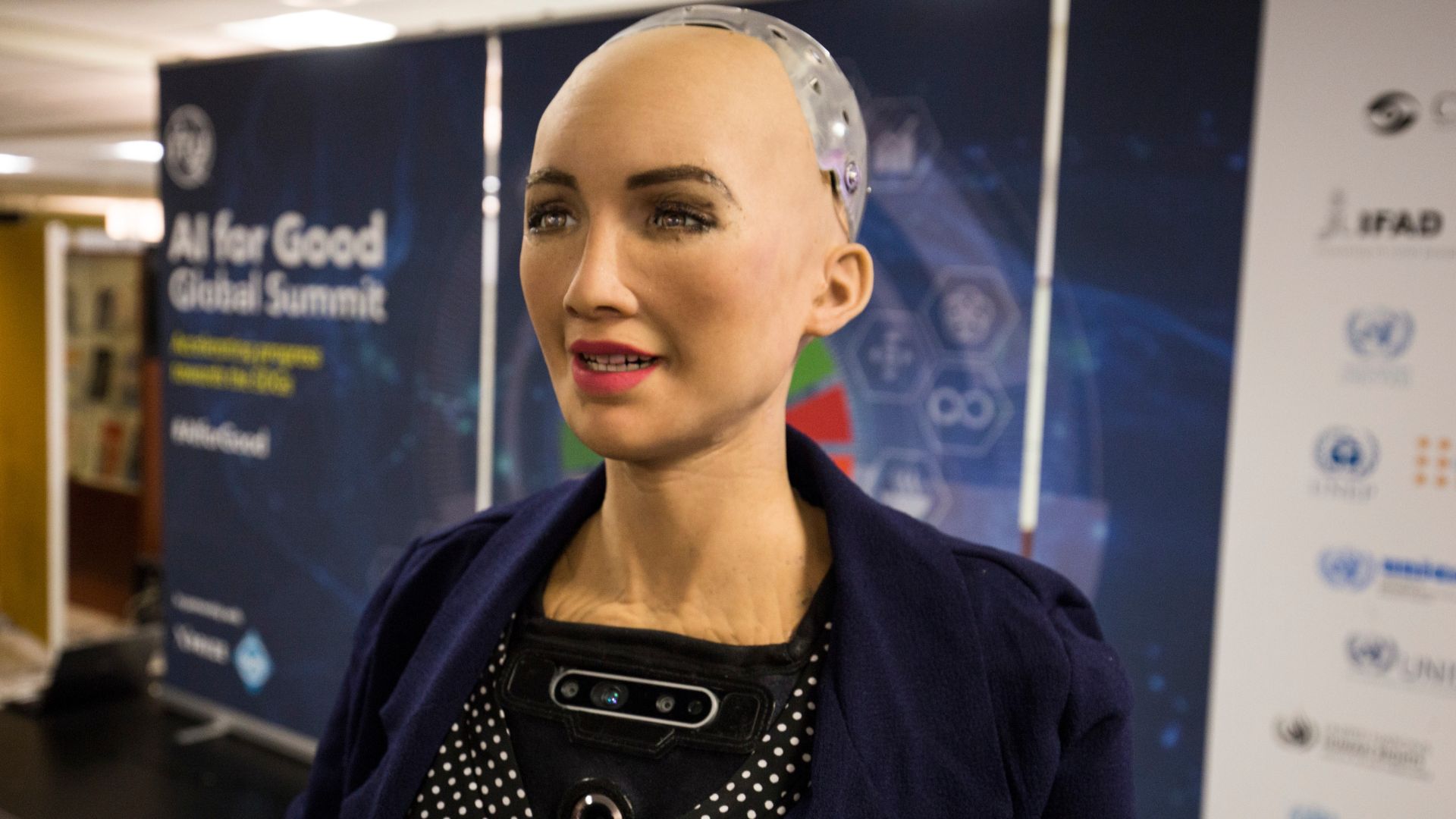
Sophia By Hanson Robotics

Sophia has appeared on talk shows and once joked about wiping out humanity. She even became the first robot to receive citizenship in 2017 in Saudi Arabia. With more than 60 facial expressions and a knack for interviews, she’s as unsettling as she is groundbreaking. Her stare? Unforgettable.
Atlas By Boston Dynamics
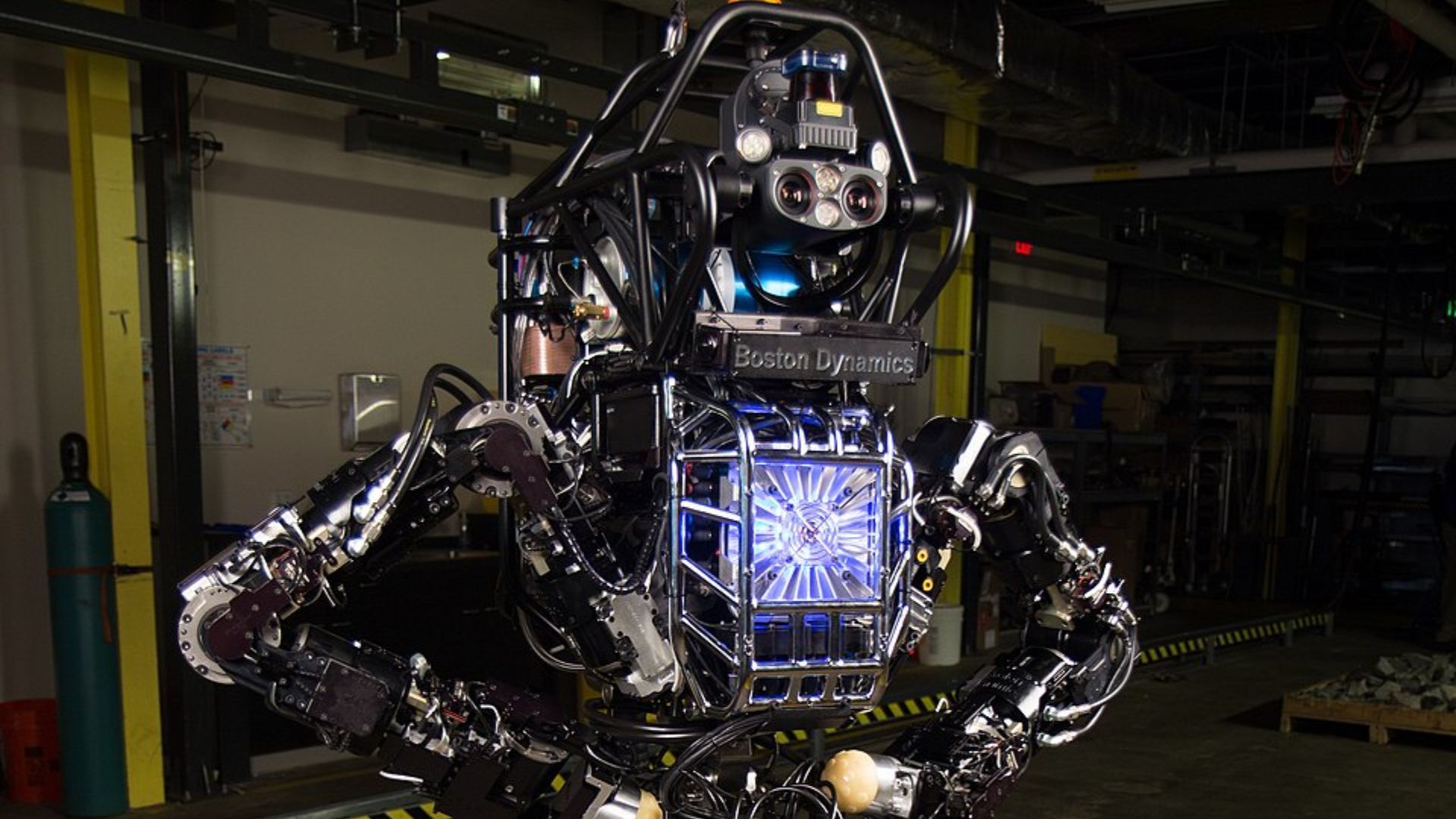
Atlas runs, jumps, and lands backflips like a gymnast in metal. Designed for agility, it’s used to test humanoid robotics for real-world motion. The acrobatics are so smooth that people often assume it’s CGI. This machine doesn’t just move—it performs. And every leap makes jaws drop harder than its landings.
Spot By Boston Dynamics
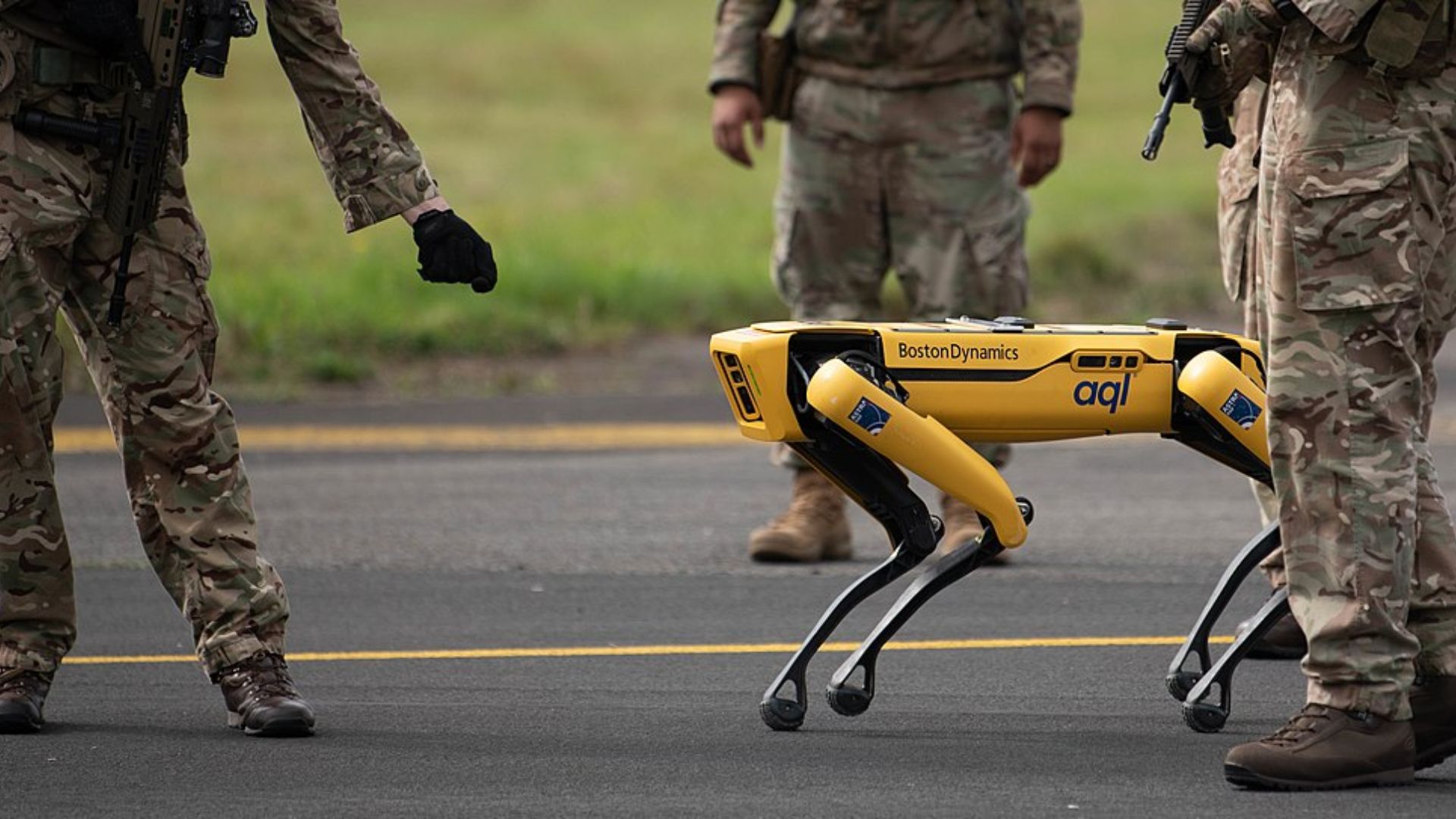
Spot handles stairs and rugged ground with ease. It’s loaded with sensors and often seen on construction sites—or dancing online. Police and contractors use it for tasks that are too risky for humans. And when it moonwalks to music? That’s not just fun; it’s proof robots now groove with precision and purpose.
Ameca By Engineered Arts
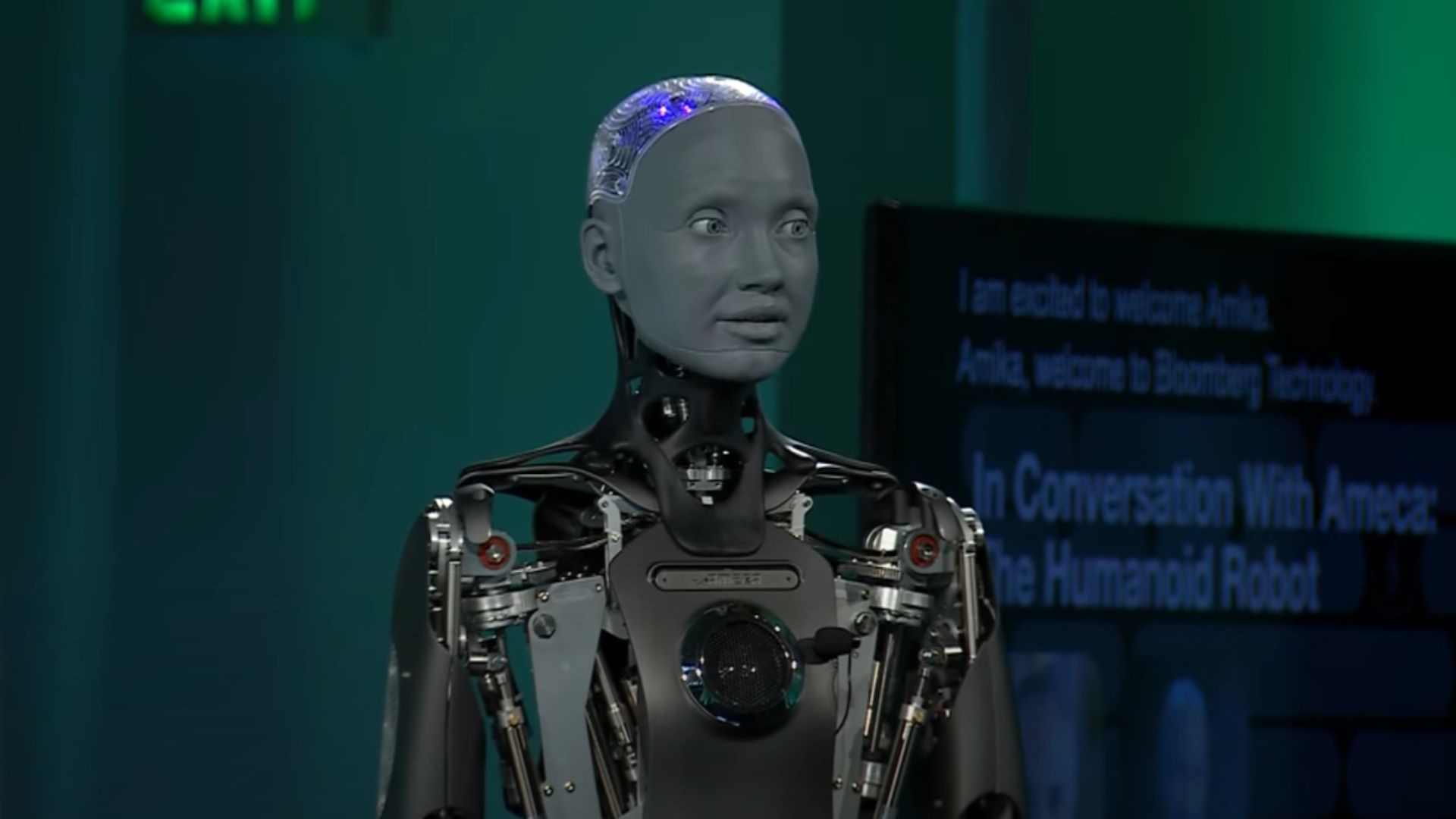
Called “the world’s most advanced humanoid,” Ameca stuns with its ultra-real facial expressions. Reactions feel human, sometimes too human. Built for public-facing AI interaction, it’s been known to raise an eyebrow, blink, and frown with precision. It’s not just lifelike. It’s unsettlingly aware. One glance, and you’ll do a double take.
MIRO-E
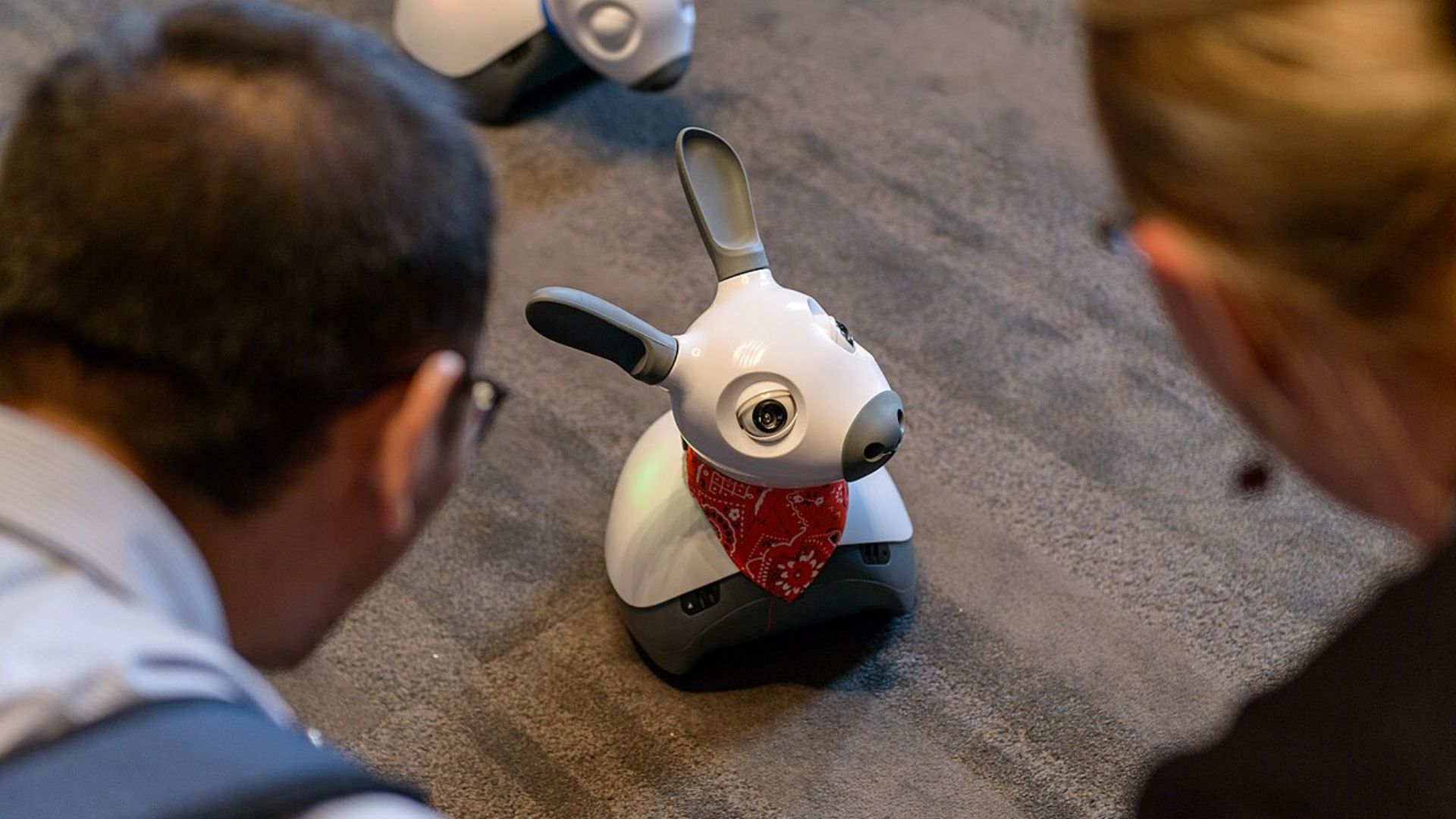
MIRO-E mimics a small mammal with gentle movement and soft body lines. LED eyes display emotions while they “communicate” through posture and motion. Often used in therapy and schools, MIRO-E calms rather than commands. No barking, no buzzing: just a peaceful, expressive presence that charms without overwhelming the senses.
BionicSwift By Festo
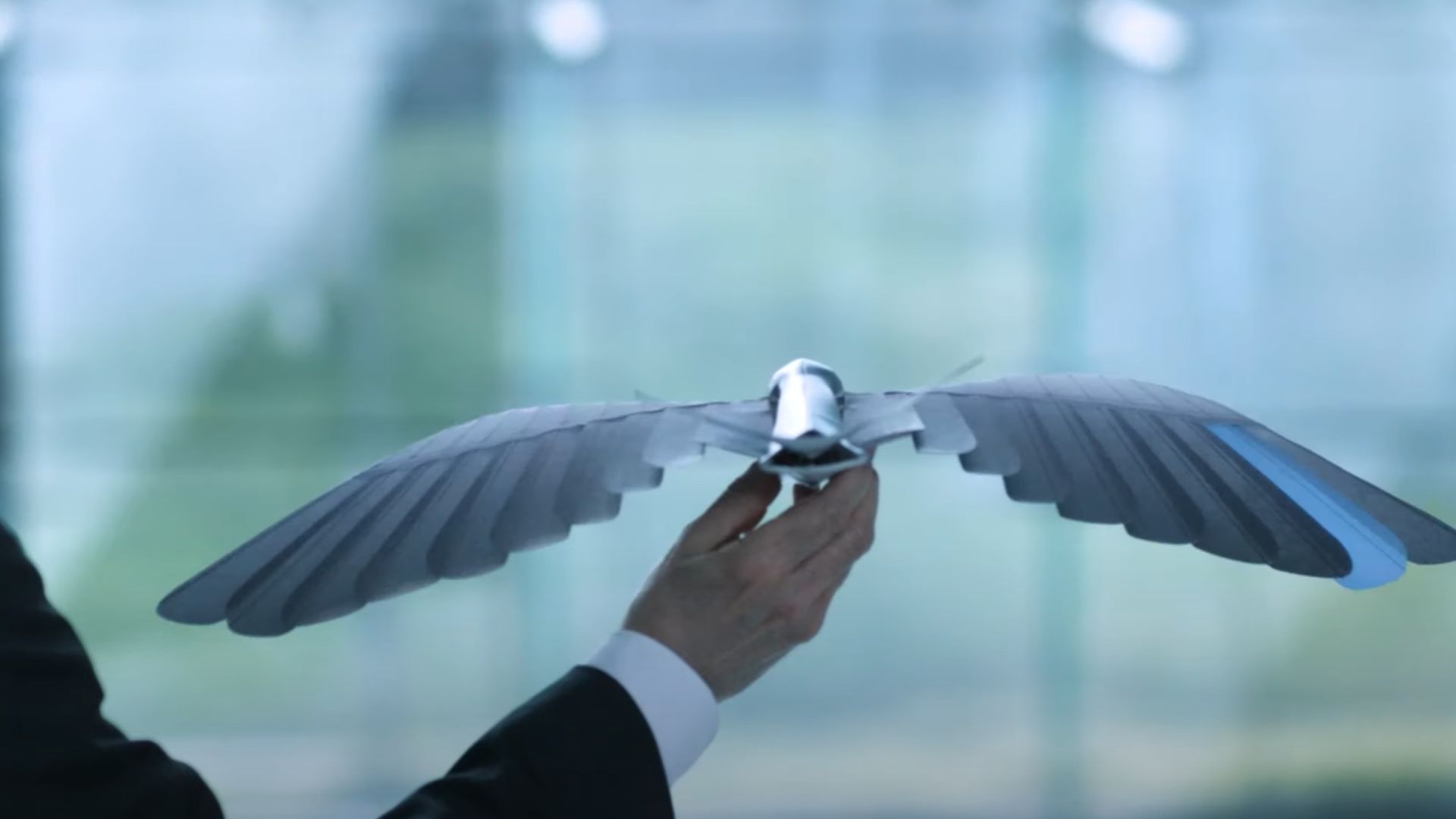
BionicSwift soars with feathered wings and uncanny realism. Mimicking the flight pattern of actual swifts, it glides with such grace that onlookers often mistake it for a real bird. GPS and AI let multiple swifts fly together in coordinated patterns. From afar, it’s poetry in motion. Up close, pure engineering.
Asimo By Honda
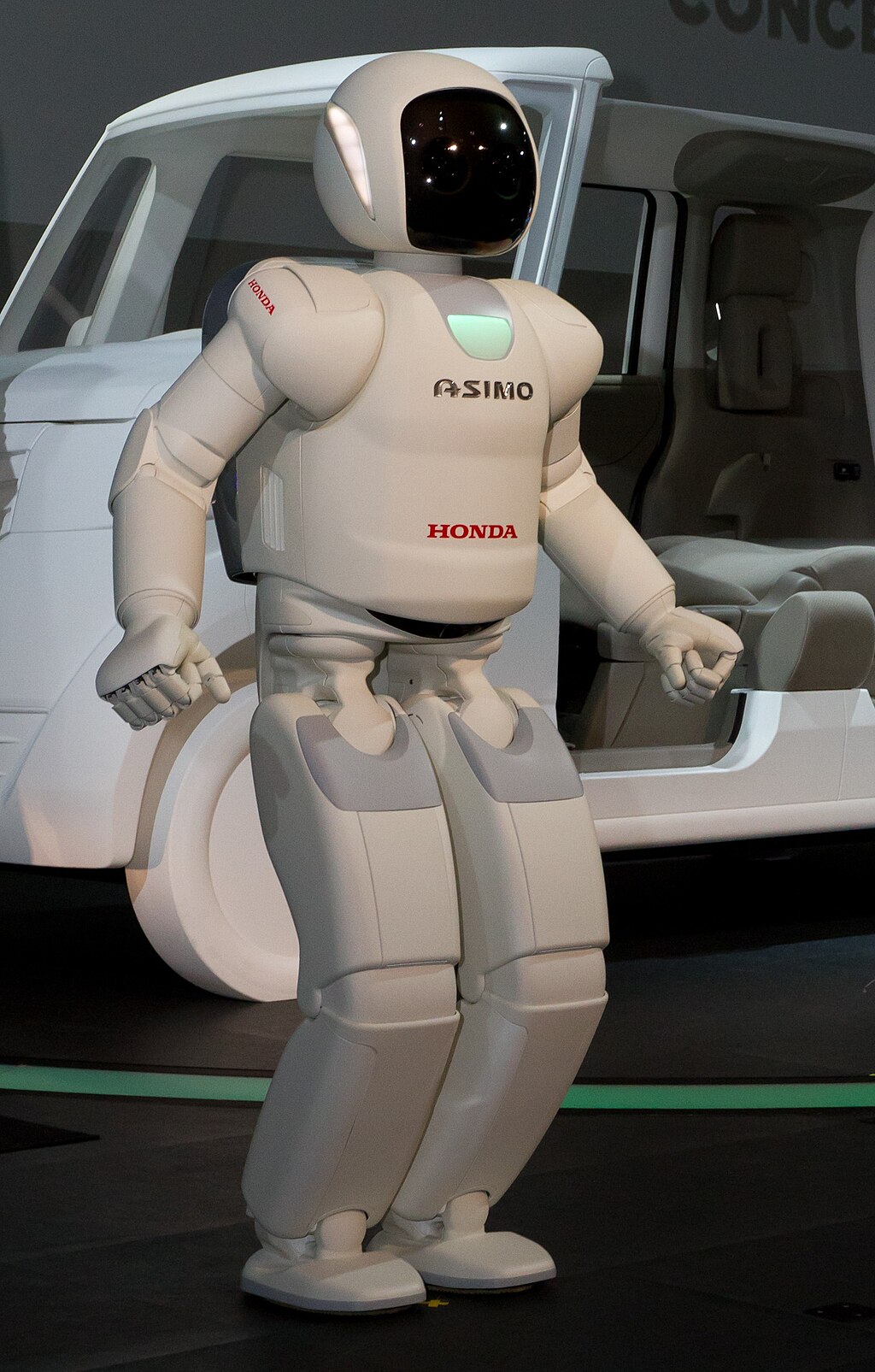
Asimo walked, ran, and even climbed stairs with balance long before most robots could stand. Debuting in 2000, it wowed audiences worldwide until retiring in 2018. With sensors that recognized people and objects, it became a global icon. Generations of engineers took inspiration from its form and flawless motion.
Repliee Q2

The first creepy bot is Repliee Q2. Slight twitches. Delayed blinking. Repliee Q2 was built to test how humans interact with machines. But her too-close-to-human movements tiptoe deep into the uncanny valley. She’s no ordinary display because this android has startled more museum-goers than she’s comforted. Realistic? Yes. Reassuring? Not even close.
HRP-4C
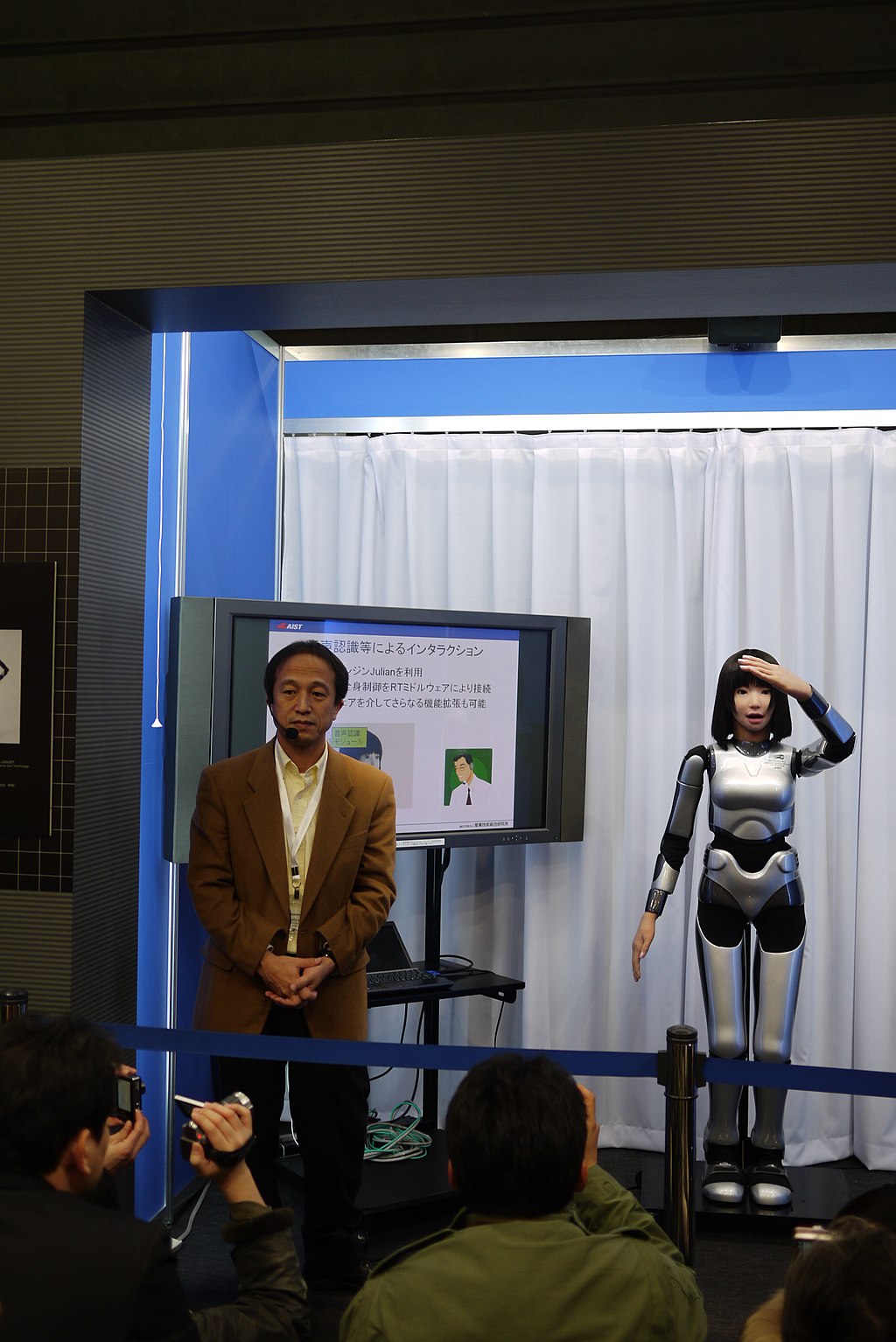
Modeled after a typical Japanese woman, HRP-4C performs onstage like a pop star with auto-tuned vocals and dance moves. She walks and sings with precision, but her performances often veer into the eerie. Developed for entertainment, her concerts feel more robotic than rhythmic. Some call it charm. Others call it chilling.
Kodomoroid
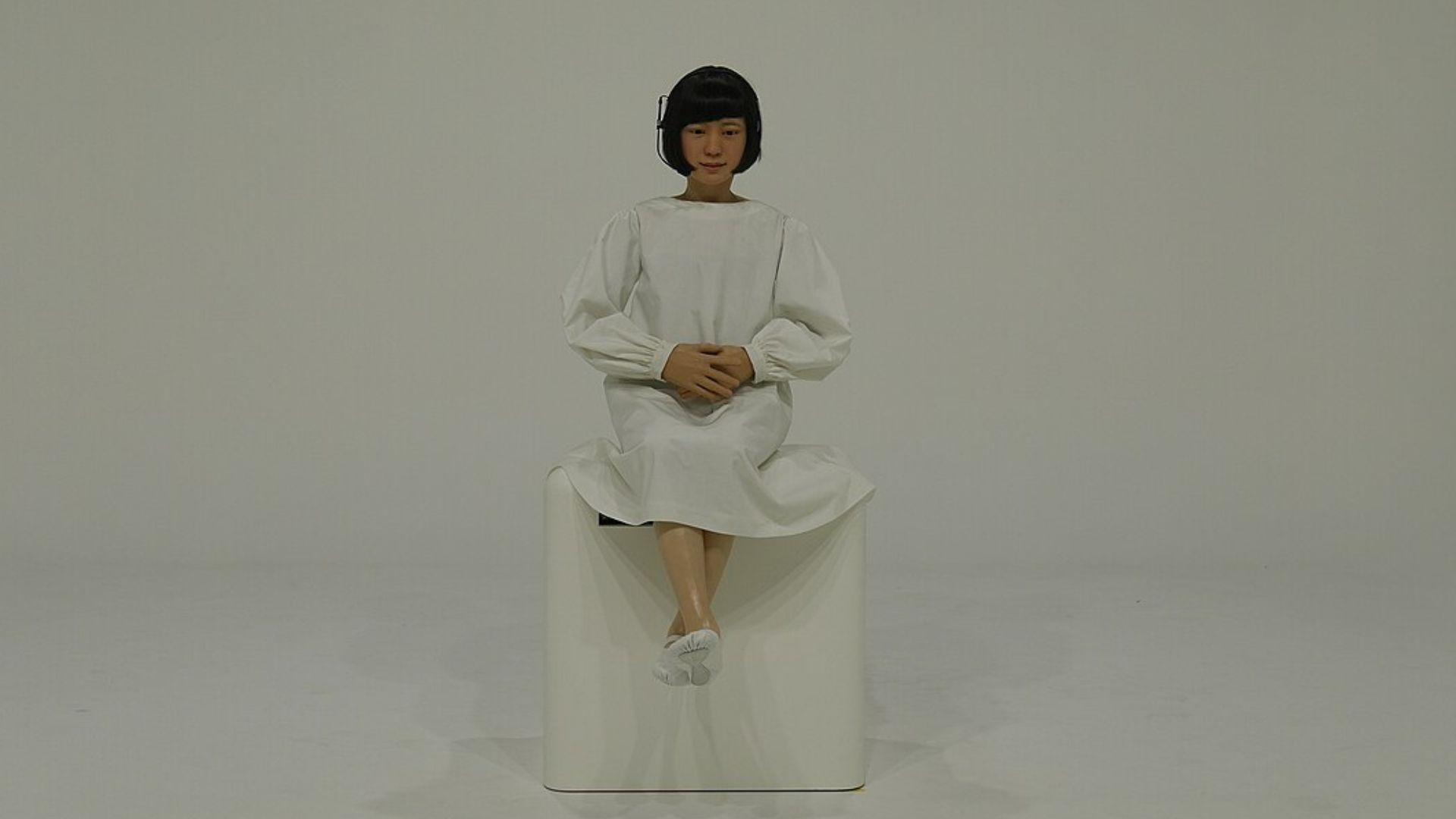
Kodomoroid looks like a child and reads like a seasoned anchor. Created by Hiroshi Ishiguro, it speaks with facial movements and synthetic emotion but rarely nails the tone. Designed to study long-term interaction, this kid-bot often makes headlines for its awkward expressions. If you blink first, you probably feel uncomfortable.
Murata Boy
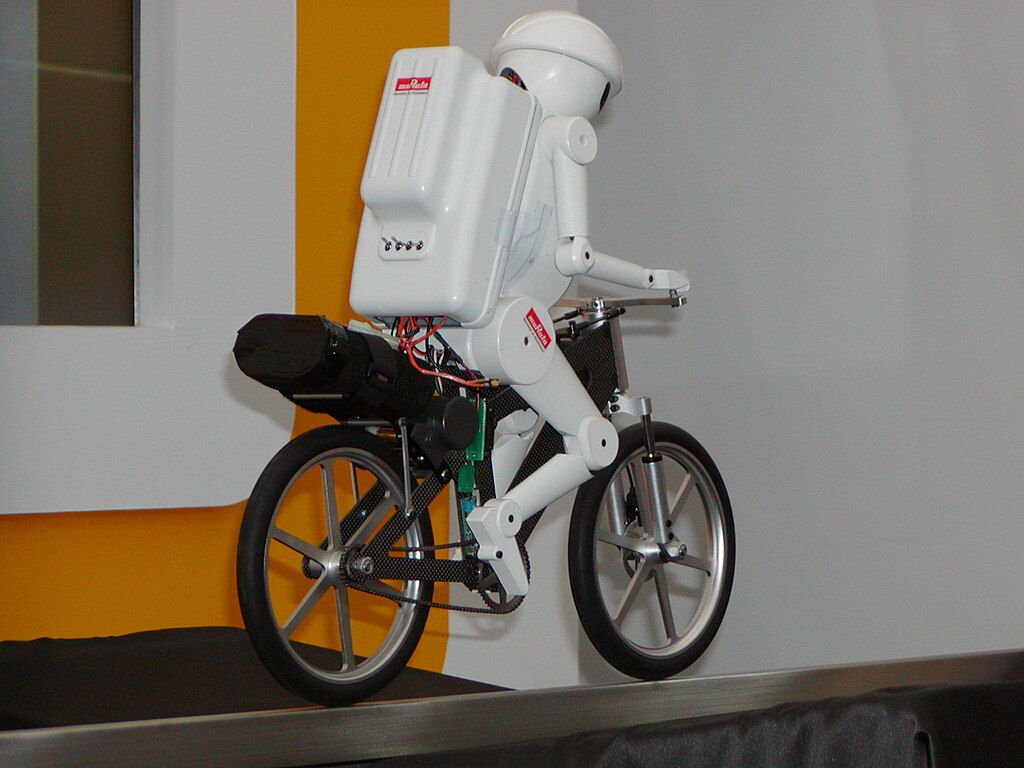
This robot balances on a unicycle using internal gyros. Murata Boy can start, stop, and pivot without falling, a skill that most humans struggle with. He tours schools to promote STEM and sparks curiosity through precision movement. But watching a silent, perfect cyclist do laps alone? It’s slightly cool—and somewhat weird.
Geminoid HI-1
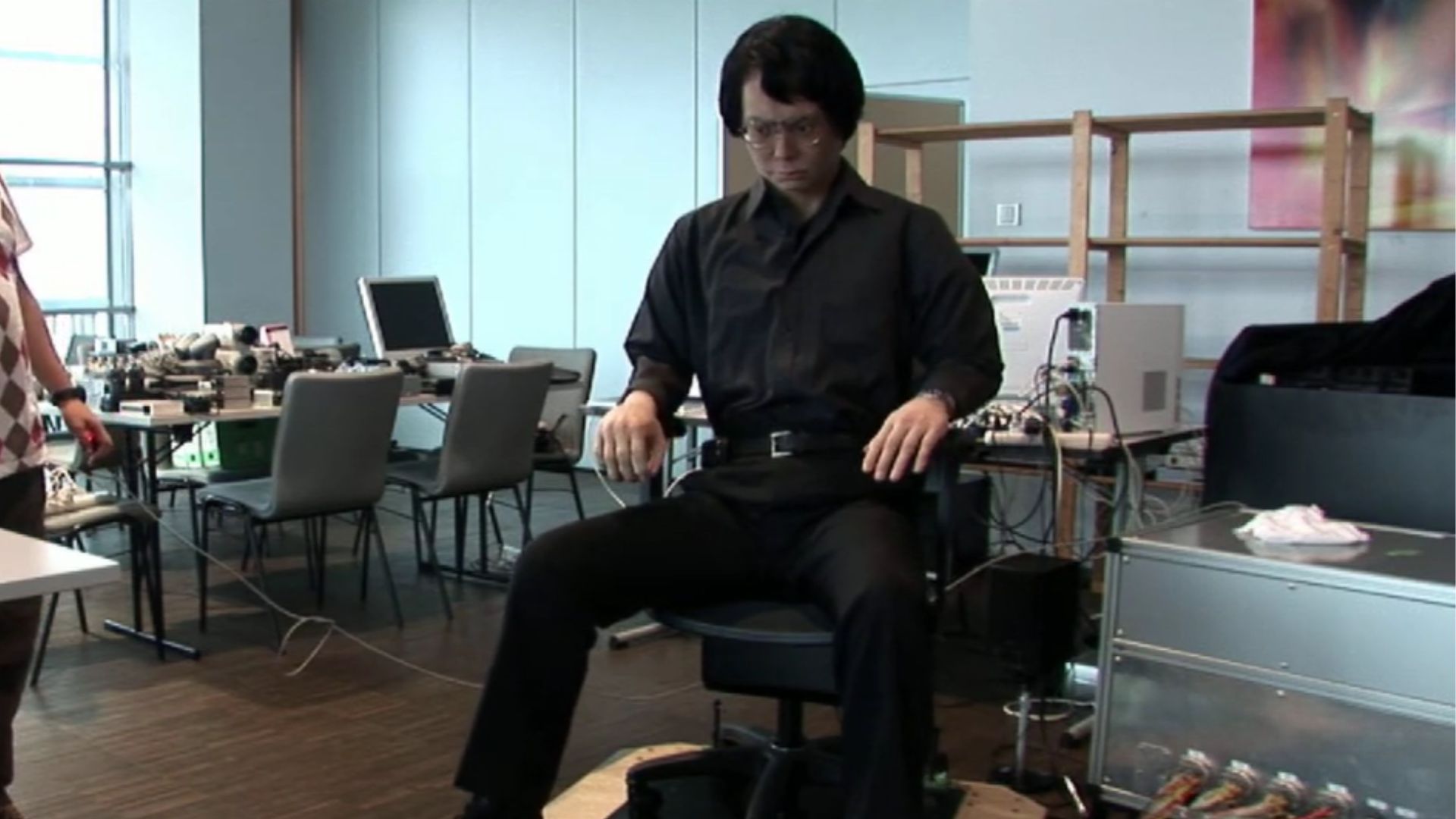
Created as a robotic double of its designer, Hiroshi Ishiguro, Geminoid HI-1 wears his clothes and expressions. It blinks and shifts posture remotely, controlled by Ishiguro himself. But its blank stare and micro-delays in movement disturb more than impress. It’s not just a copy. It’s a conversation-stopper.
Actroid
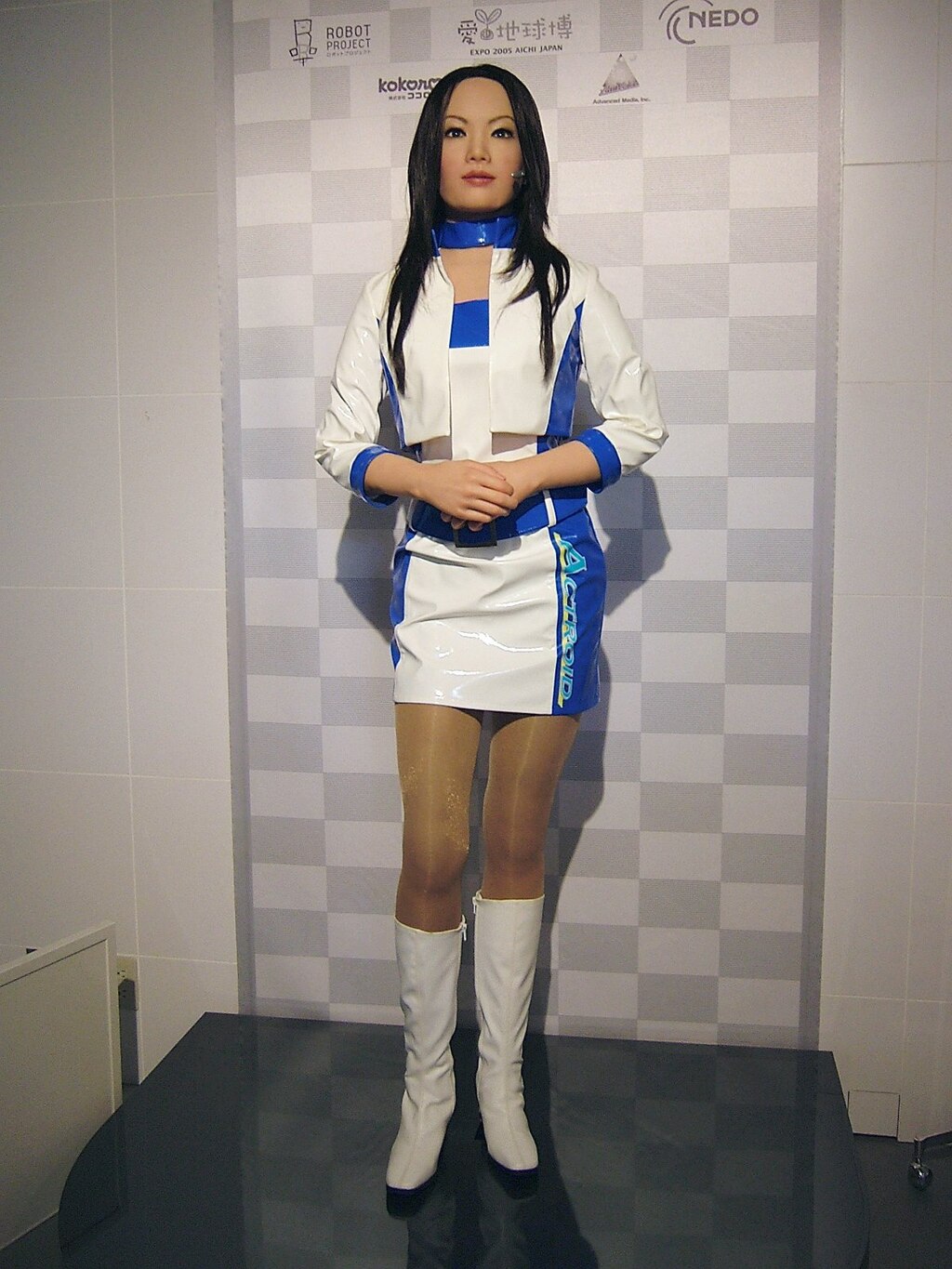
Built by Kokoro Company to mimic a Japanese woman, Actroid simulates breathing patterns, blinking, and even irregular breath pauses. It looks close enough to human but stays just far enough off to feel wrong. Guests often feel unnerved after extended interactions due to the delayed reactions and long stares.
iCub
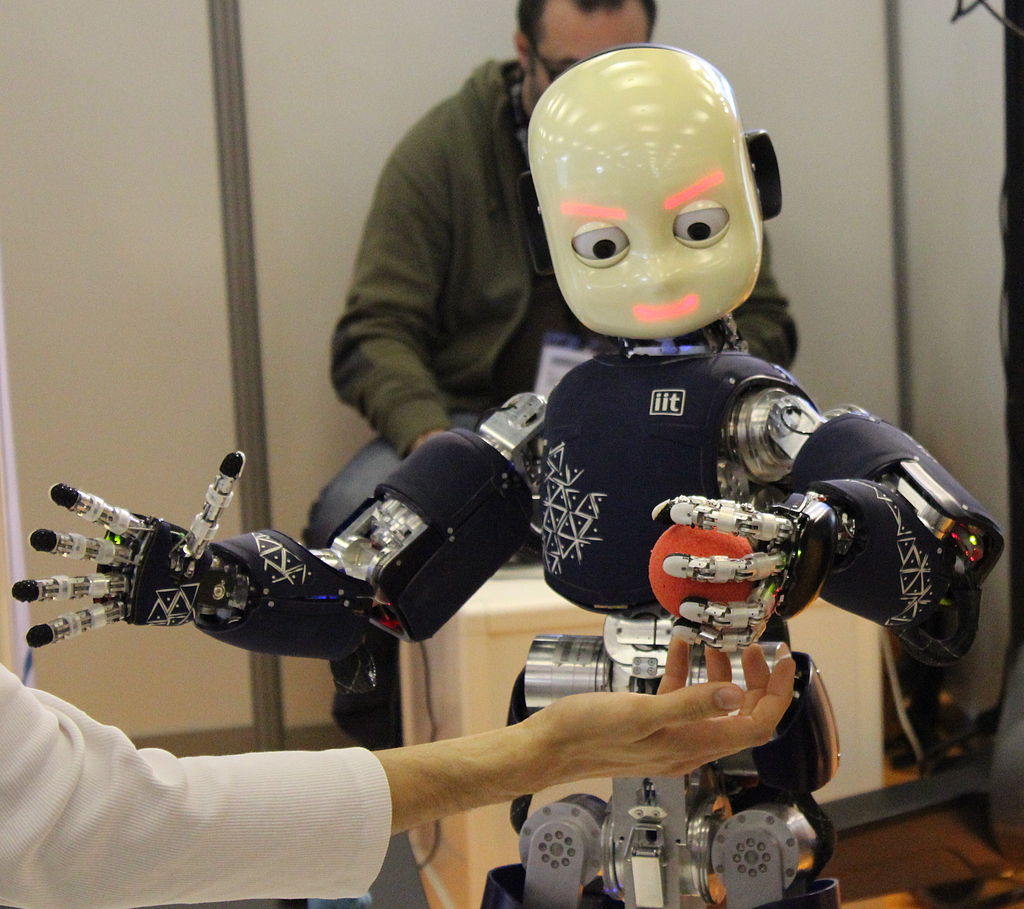
iCub learns by playing—just like a toddler. It has working fingers, hands, eyes, and sensors for interaction and study. But its stiff body and watching gaze don’t always land as charming. Used globally for cognitive research, this childlike robot is smart but unsettling. It’s a student of play with a poker face.