The SUVs That Depreciate The Fastest
Ever bought something fancy and watched it tank in value faster than you could brag about it? Yeah, cars tend to do that —including SUVs. Some of these rides look like royalty today, but five years down the road, they’ve lost half their sticker price. That’s called depreciation.
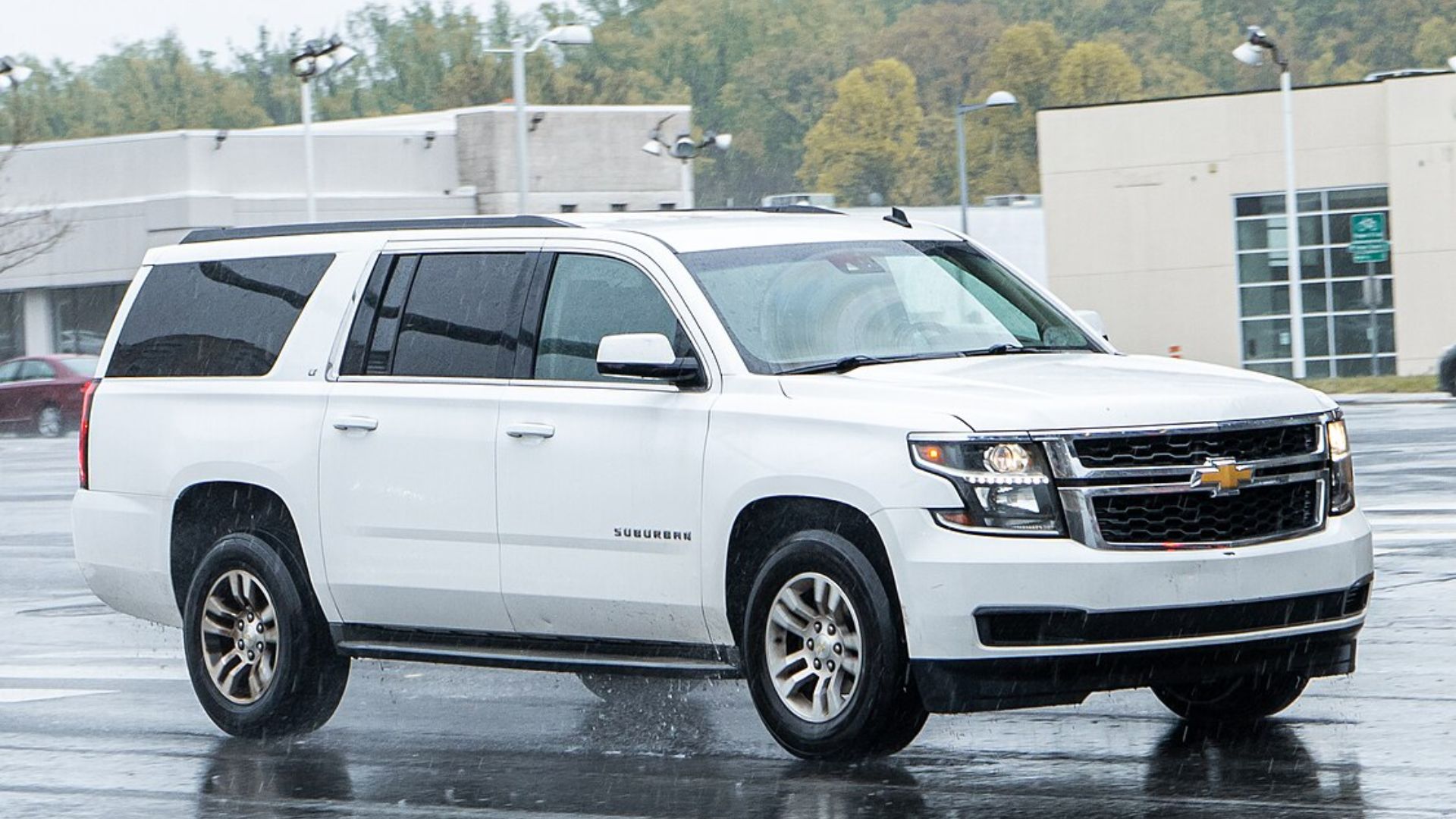
Ever bought something fancy and watched it tank in value faster than you could brag about it? Yeah, cars tend to do that —including SUVs. Some of these rides look like royalty today, but five years down the road, they’ve lost half their sticker price. That’s called depreciation.
You’ll often see “resale value” mentioned alongside depreciation. It simply shows how much of the car’s original price it keeps. A higher resale percentage means slower depreciation, while a lower one means the car has lost more value. We’ve arranged this breakdown from lowest to highest depreciation (lower resale value to higher), and it is all based on iSeeCars.com’s data.
Nissan Pathfinder: Midsize SUV
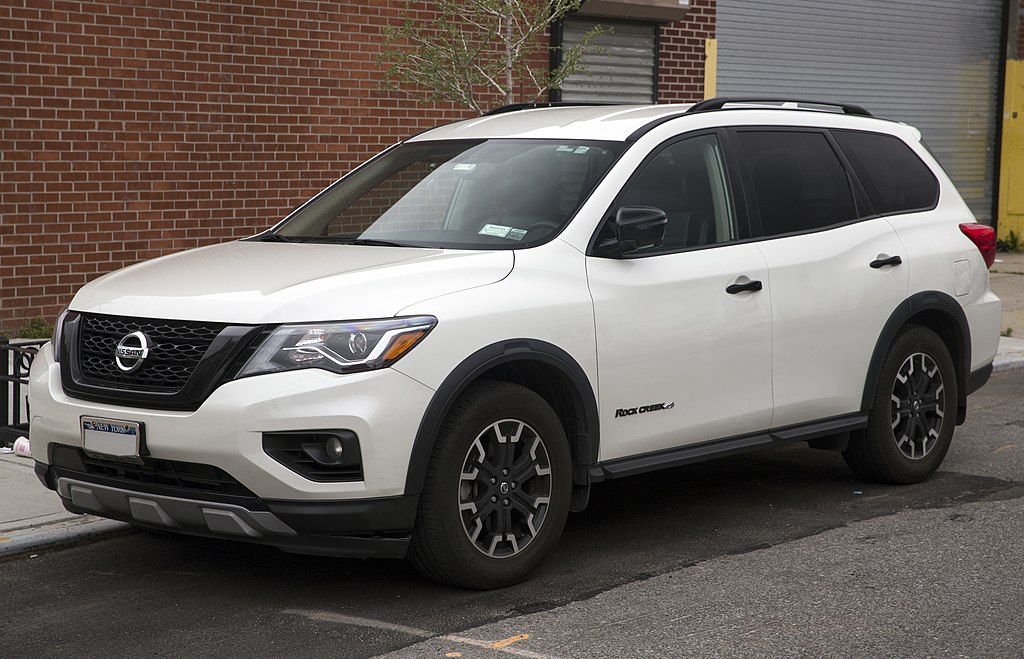
You’re looking at 48.5% value retention, barely above half for the 2020 model. The Pathfinder has been plagued by reliability concerns, especially pre-2022 models. CVT problems, cheap-feeling interiors, and strong competition from Toyota and Honda all add up. It’s roomy and capable, but used buyers hesitate, and that’s reflected in what they’re willing to pay.
GMC Yukon XL: Full-Size SUV
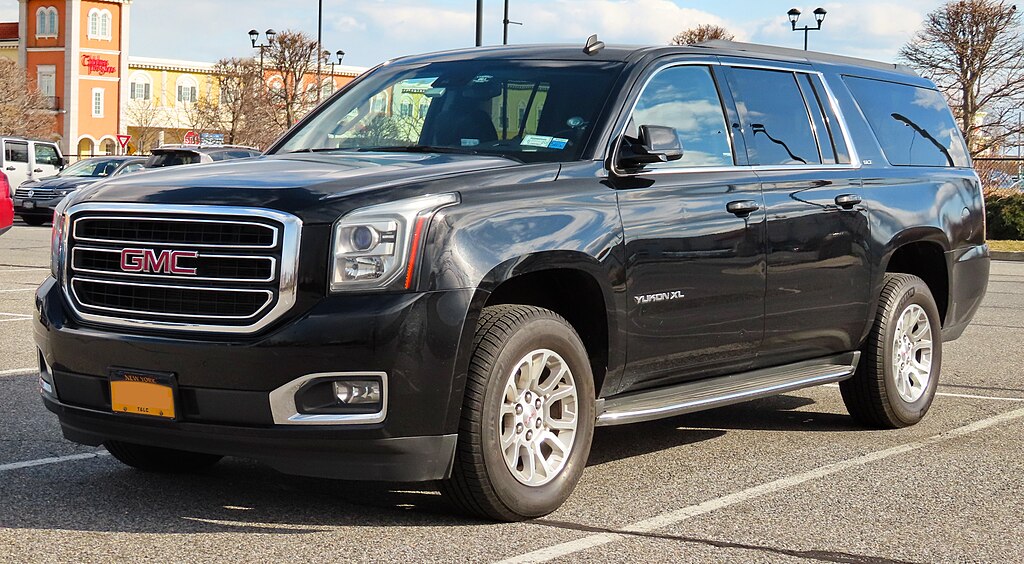
While the Yukon XL offers ample space, its cost to own and operate is substantial. Repairs and fuel are constant themes in owner forums. Plus, General Motors’ badge overlap between Suburban and Yukon confuses buyers, further hurting resale for both by cannibalizing demand. Still, it retains 51.1% of the 2025 model’s original price.
Chevrolet Suburban: Full-Size SUV
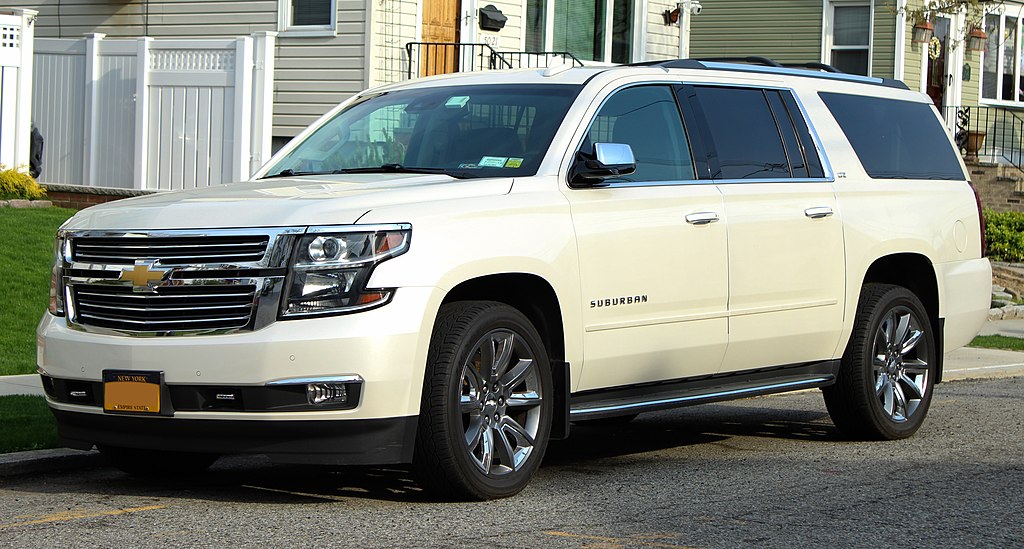
At the end of five years, the Suburban keeps just 54.1% of its value. Why? Overproduction, aging base trims, and plenty of fleet usage make it feel less exclusive. Additionally, newer models with advanced technology make older Suburbans feel like relics. That size might impress, but used buyers want more than just cargo space.
Land Rover Discovery: Luxury Midsize SUV
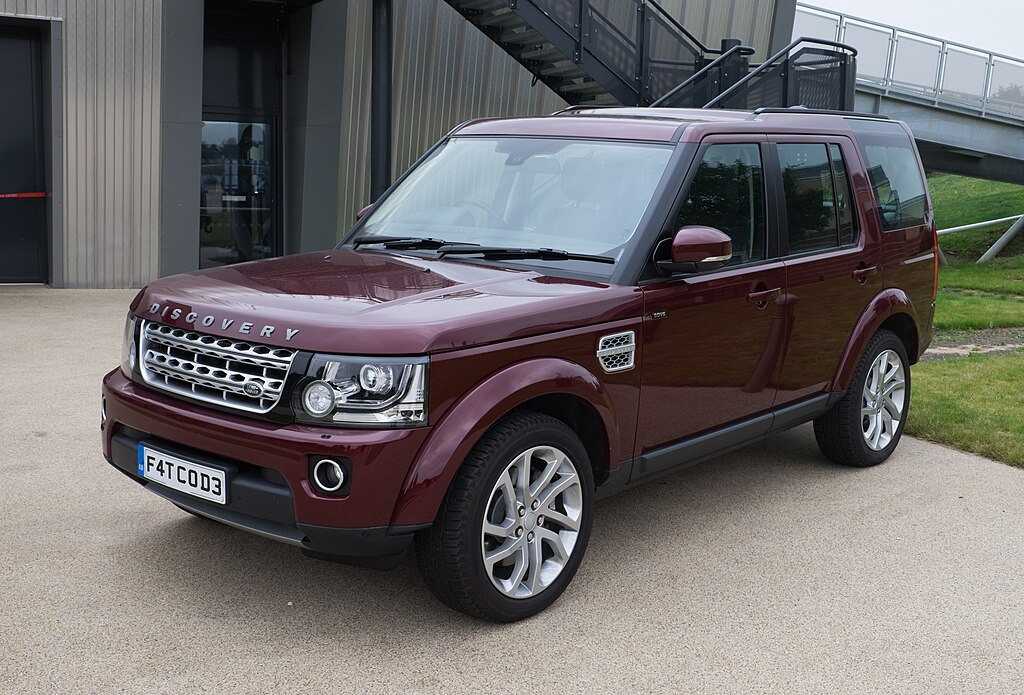
Just 55.1% of its value is left after five years. Despite the badge and off-road chops, it’s a gamble used. Owners report repeated issues, like transmissions and infotainment. Sensors can also be part of the complaint package. For buyers looking for value retention, this SUV is more risky than a reward.
Infiniti QX60: Luxury Midsize SUV
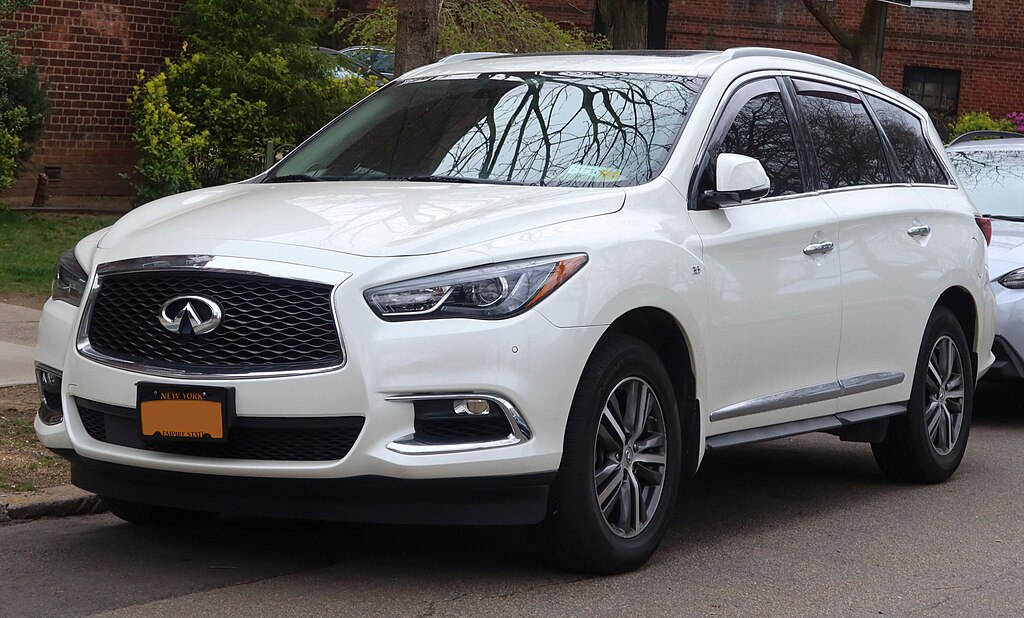
Luxury feel, budget problems. CVT issues and outdated powertrain tech weigh it down. While newer models have improved, shoppers don’t forget the past. And with Infiniti’s unclear long-term strategy, trust and resale value both take a hit. For these reasons, the QX60 retains only 55.1% of its value.
Audi Q7: Luxury Midsize SUV
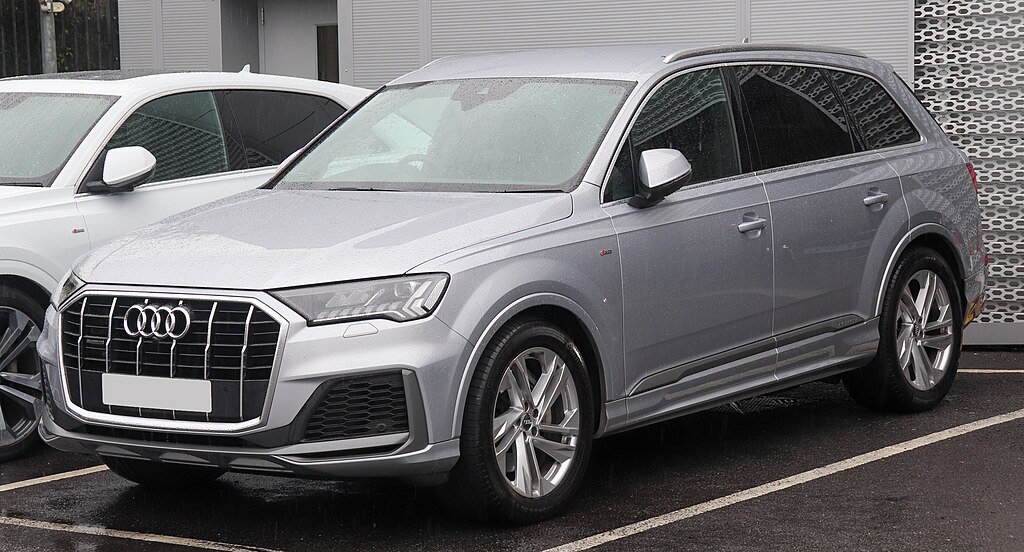
Smooth ride? Yes. Strong resale? Not so much because this vehicle retains just 55.1% after five years. The Q7’s complex tech and stiff competition make it a risky buy. Buyers in this segment have choices—and many go for brands with better reputations for dependability and easier upkeep.
Maserati Levante: High-End Luxury SUV
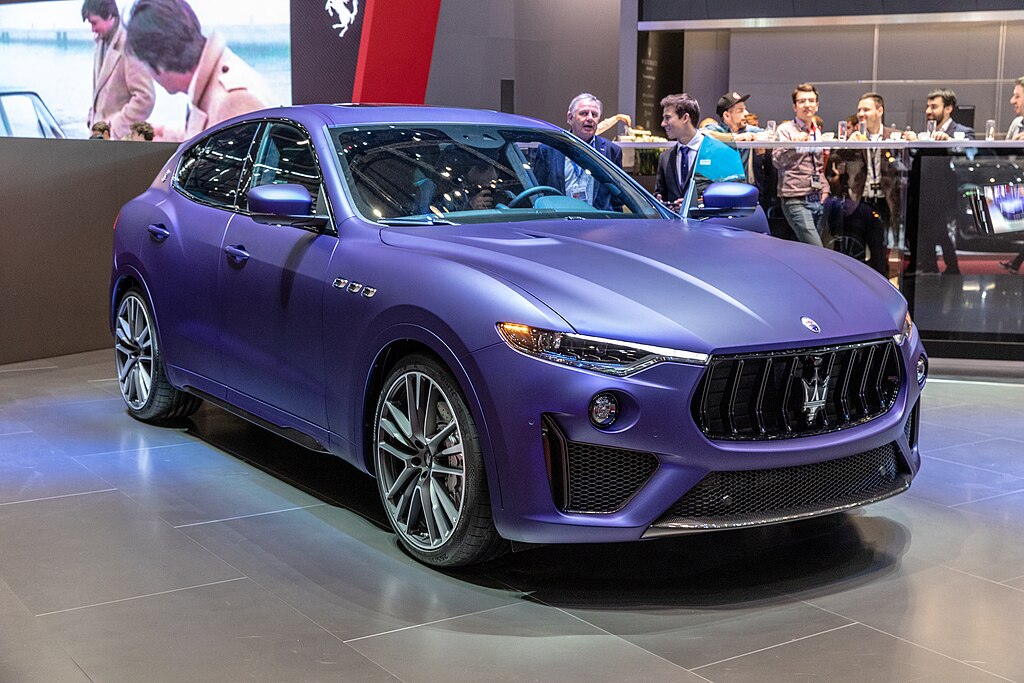
Only 55.1% of the Levante’s original value is left after five years. It turns heads, but not enough to turn a profit. Costly maintenance and inconsistent reliability hold this Italian stunner back. Exotic appeal doesn’t translate to resale strength, especially when used buyers fear hefty repair bills.
BMW X6: Luxury Midsize SUV
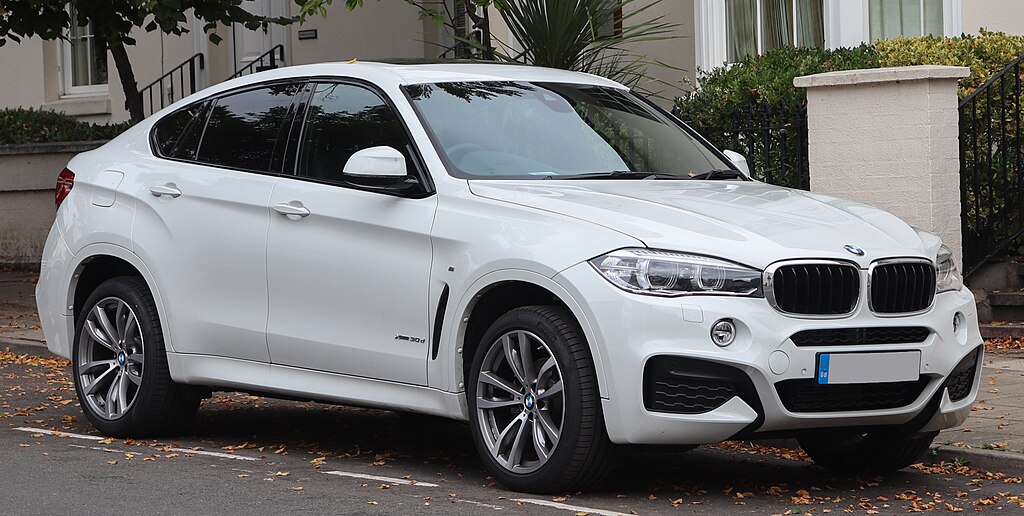
The BMW X6 loses approximately 55.1% of its value over a five-year period. That’s steep, especially for a vehicle with premium trim and performance. The culprit? It’s niche. The sloped roof cuts practicality, tech ages fast, and repairs aren’t cheap. Buyers want comfort and space, not just flash. That hurts it in the resale market.
Ford Expedition: Full-Size SUV
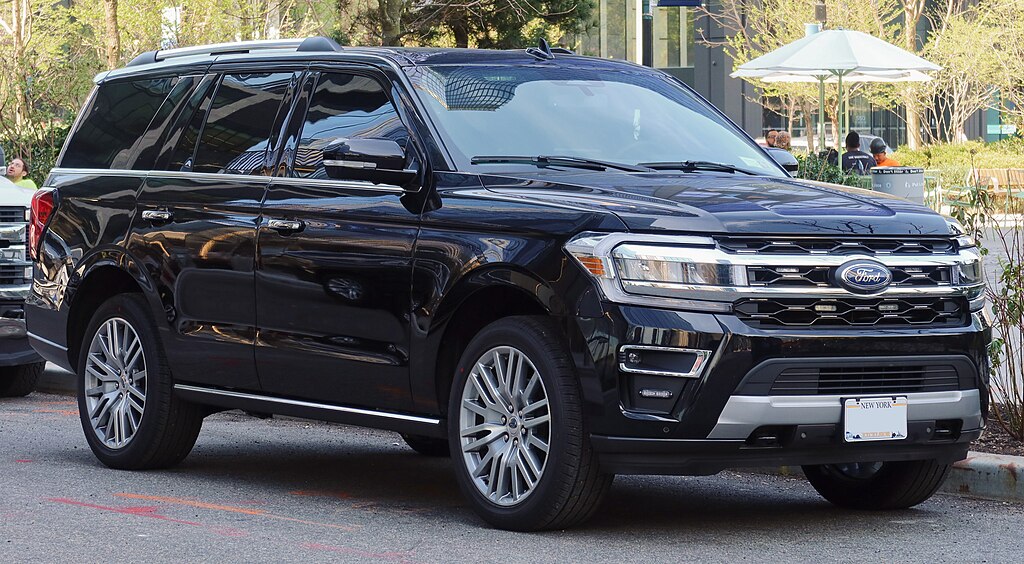
Fuel costs and complex powertrains turn off secondhand buyers. After five years, the Expedition holds only 55.9%. Even families that love its space often worry about turbo longevity and higher ownership costs. It’s solid—but not so solid on the resale side. Buyers want long-haul confidence, and this one’s shaky.
Buick Enclave: Midsize SUV
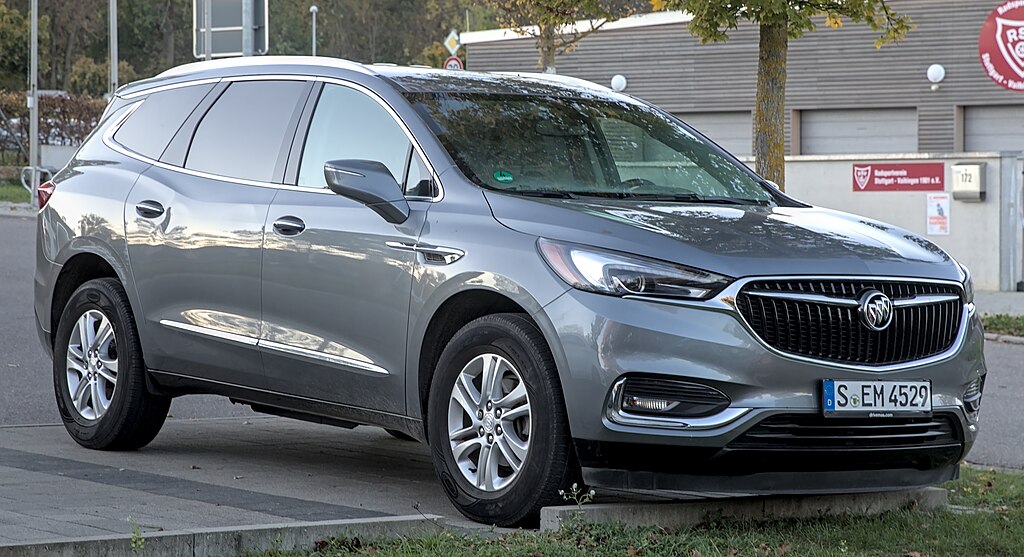
Five years in, the Enclave holds 57.5% of its value. A smooth ride and upscale cabin help it on day one, but not in year five. The lack of brand cachet and heavy rental fleet use drag it down. Buyers expect more premium from a Buick badge than this segment delivers.
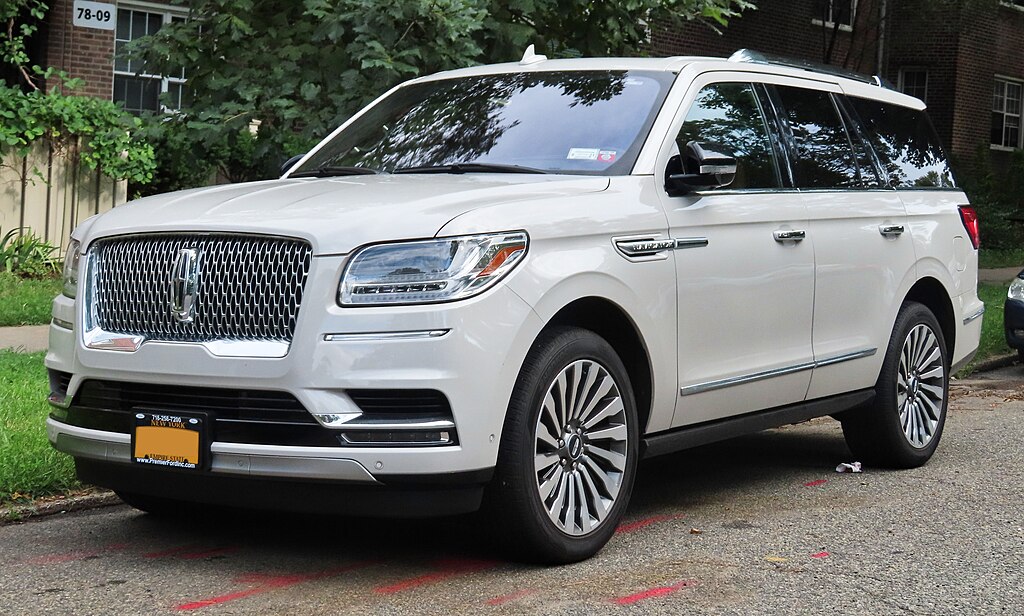
Lincoln Navigator L: Full-Size Luxury SUV
Nissan Armada: Full-Size SUV
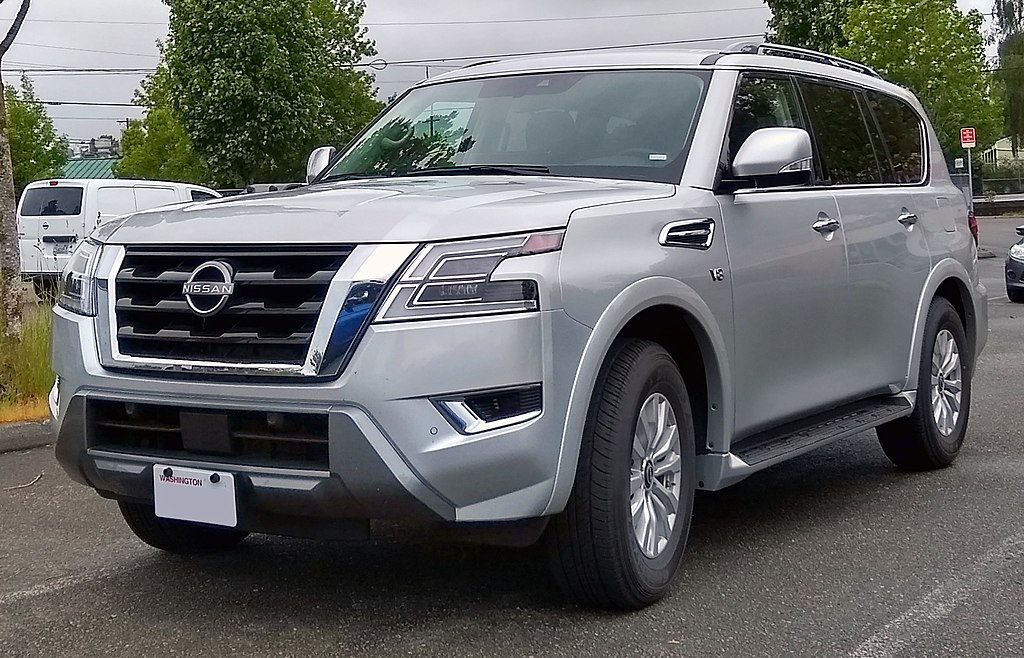
The Armada hangs onto 59.1% after half a decade. It’s not terrible, but it’s not ideal either. It suffers from poor MPG, dated styling, and an interior that feels older than its rivals. Secondhand buyers often choose the Sequoia or Tahoe instead, leaving the Armada lingering longer and priced lower on dealer lots.
Range Rover: High-End Luxury SUV
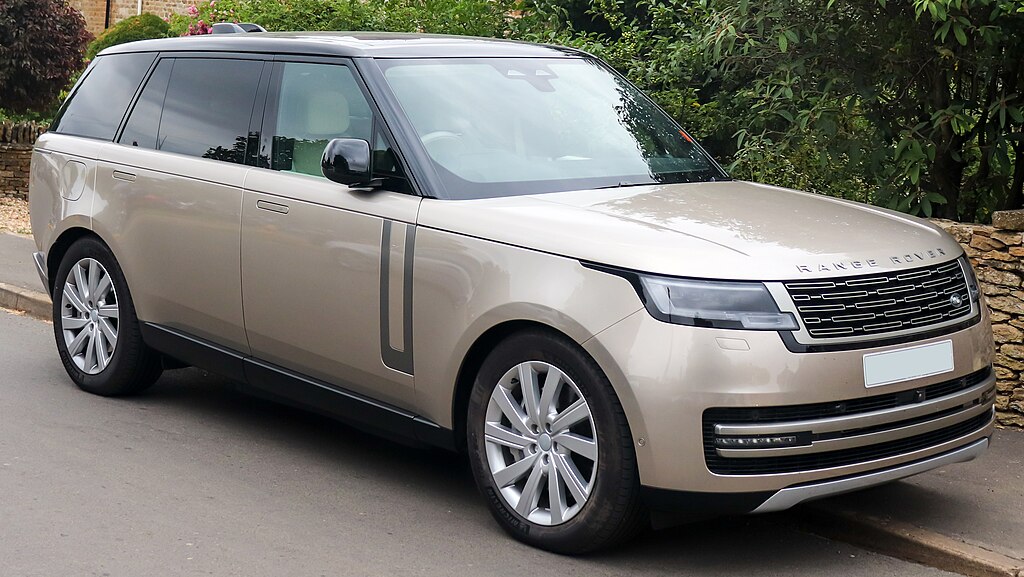
When it’s the fancy one, be warned. Buyers walk away once they hear about costly repairs and electrical gremlins. The Range Rover loses a hefty 60% of its value in half a decade. Sure, it screams prestige, but it also whispers “maintenance nightmare.” In the used market, prestige gets you nowhere if the dashboard keeps lighting up.
Cadillac Escalade: Full-Size Luxury SUV
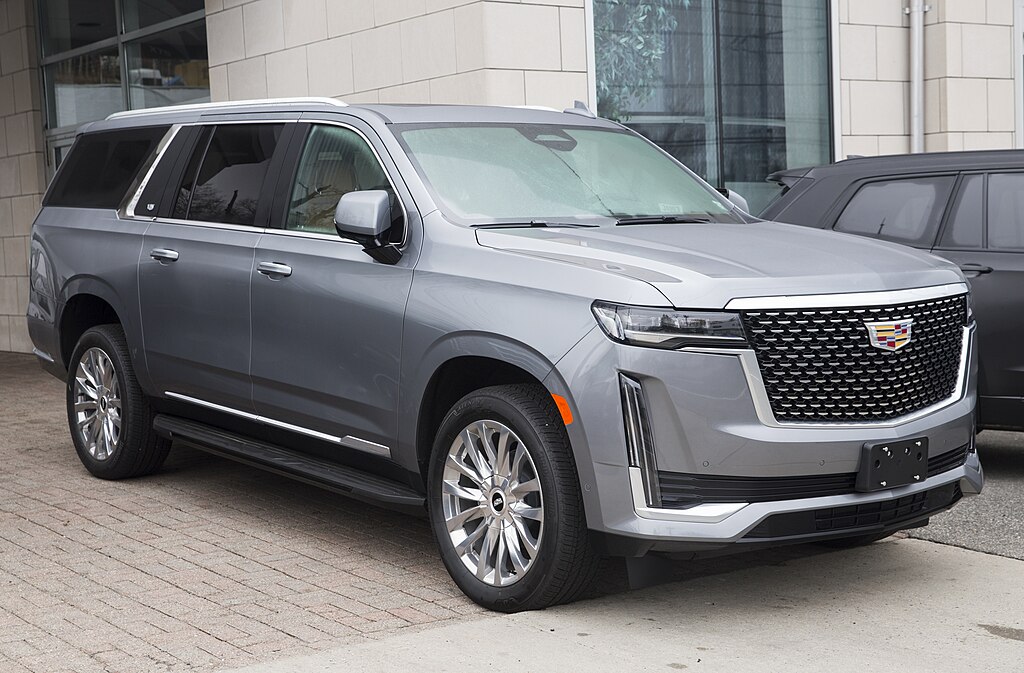
At around 60.2%, the regular Escalade suffers the same fate as its ESV sibling—quick generational changes, high maintenance costs, and a buyer base that prefers newer tech packages. It dazzles upfront but ages fast, and in resale markets, fresh updates make even recent models feel yesterday’s news.
Cadillac Escalade ESV: Full-Size Luxury SUV
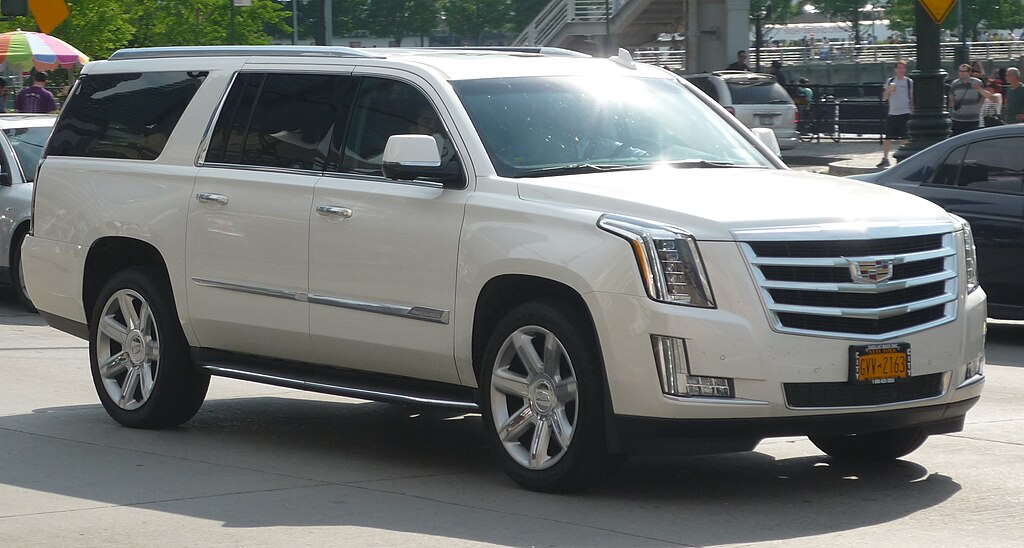
Towering presence and massive space don’t save the Escalade ESV from shrinking value. After a while on the road, you’re left with just 69.2% of its price. Tech becomes outdated quickly, fuel economy stays low, and saturated fleet sales dilute desirability. Flashy new models don’t help older ones hold their ground.