Asteroid 2024 YR4, which earlier this year set a record risk of collision with the Earth (now ruled out), has a 4.3% chance of colliding with the moon in 2032.
A gigantic meteor shower
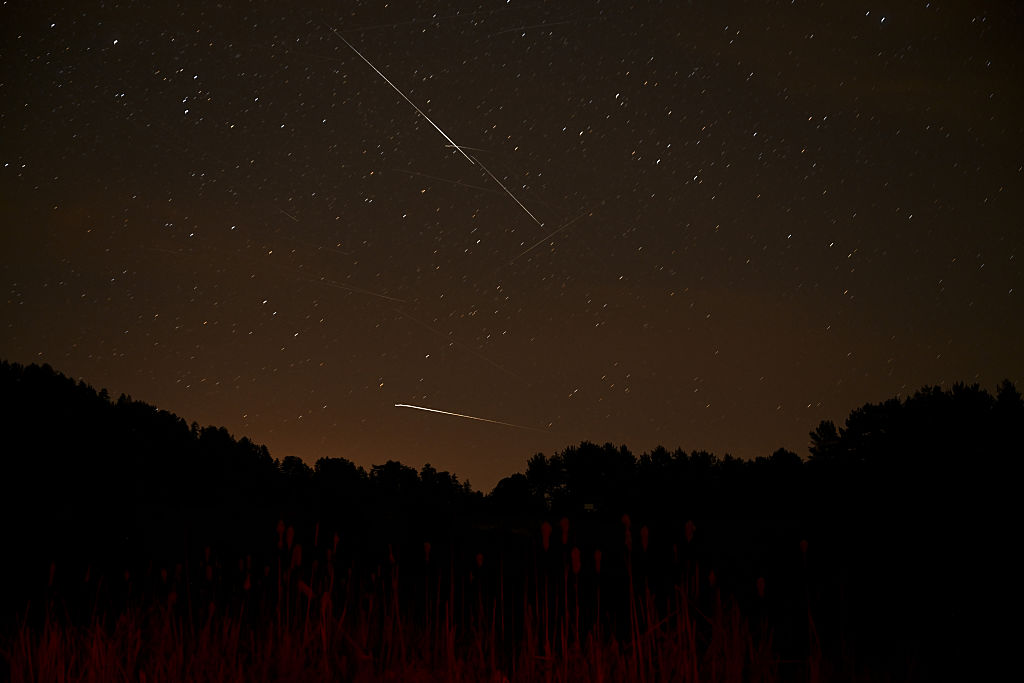
If the asteroid hits the moon, debris could be attracted by Earth's gravity, triggering a gigantic meteor shower.
A preliminary study
This scenario was evaluated for the first time in a preliminary study, released on the ArXiv platform for pre-publication of scientific articles and submitted to the journal Astrophysical Journal Letters.
A first in five thousand years

The 60-meter-diameter celestial body would be the largest asteroid to crash into our natural satellite in around five thousand years, Paul Wiegert of the University of Ontario, the study's lead author, told AFP.
Comparable to a large nuclear explosion
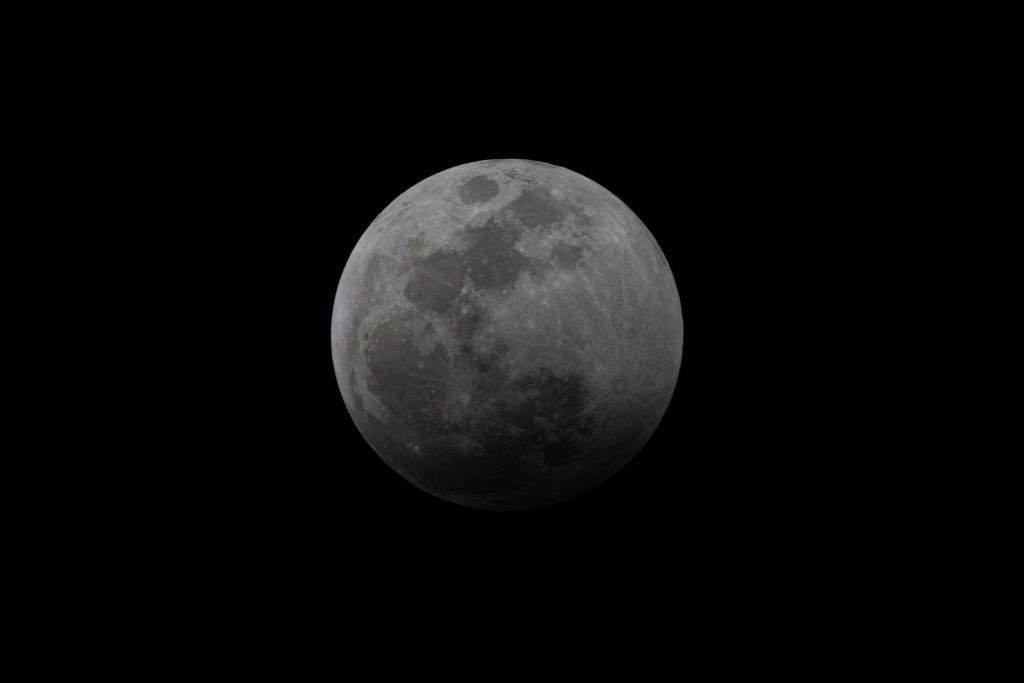
The impact would be "comparable to a large nuclear explosion in terms of the amount of energy released", says the researcher. using simulations, Wiegert and his team have calculated that up to 100 million kg of material would be projected from the Moon's surface.
A thousand times more meteors near Earth
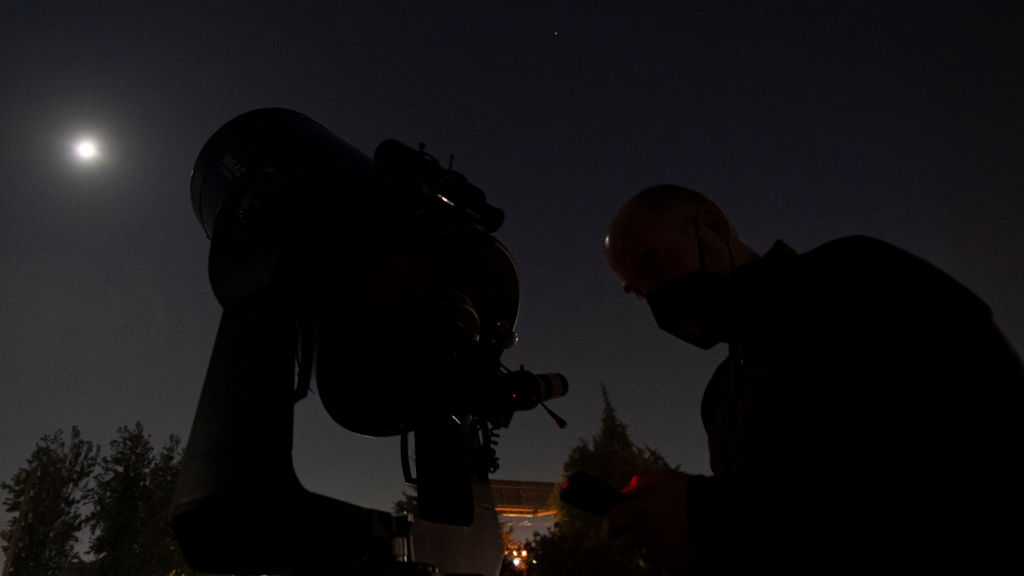
In the days following impact, there could be more than a thousand times the usual number of meteors threatening the satellites orbiting the Earth.
Tens of thousands of meters per second
"A centimeter-diameter rock traveling at tens of thousands of meters per second is like a bullet," explains Wiegert's team.
No risk to Earth's inhabitants
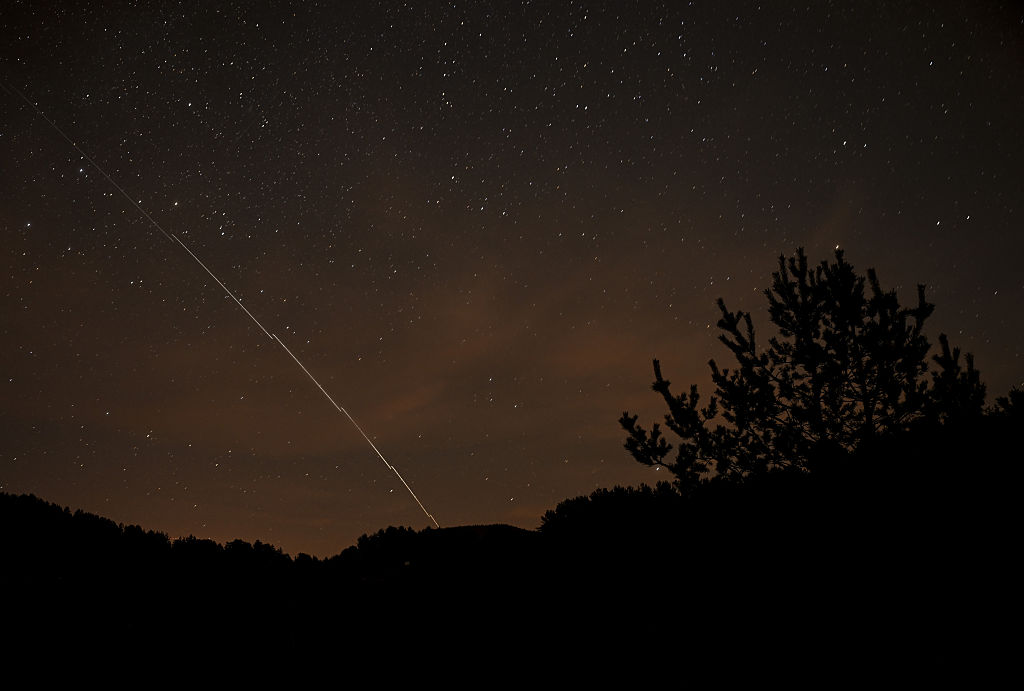
These small pieces of debris should disintegrate in the atmosphere. They would therefore present no risk to the inhabitants of Earth. They would, however, witness a "spectacular" meteor shower.
Back in 2028

At the time of its discovery, 2024 YR4 had just passed within 800,000 kilometers of our planet, twice the distance to the Moon. It is currently moving away from the Earth, but will return in 2028. Its course will then be observable again.
"A good target" for a global defense exercise
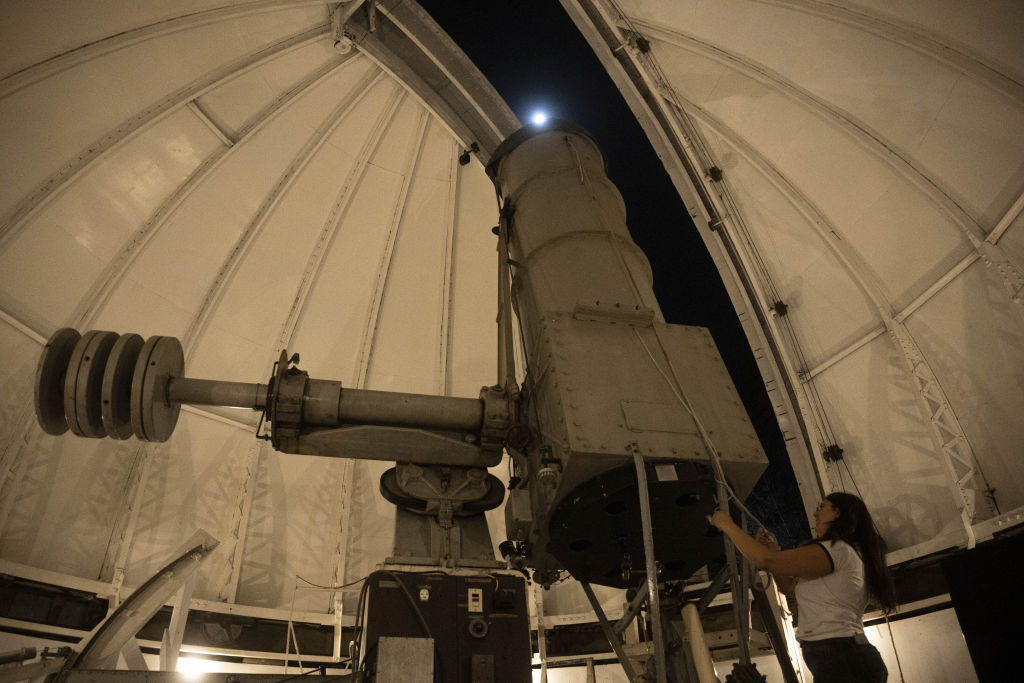
According to Mr. Wiegert, if the risk of a collision with the Moon increased, this would make it "a good target" for a planetary defense exercise. "I'm sure that would be considered," he says.