The « low sugar » label quickly gives the impression of a healthy choice, but often hides many surprises. Many products bearing this label conceal dubious ingredients or unexpected effects.

The "low sugar" label quickly gives the impression of a healthy choice, but often hides many surprises. Many products bearing this label conceal dubious ingredients or unexpected effects. For health-conscious consumers, it's important to know what's really behind the label. From artificial sweeteners to hidden fats and marketing traps, this article reveals the 10 secrets behind the label. You'll discover what manufacturers don't always tell you, and how to make more informed choices. at the end of the day, you'll be better prepared to understand what you're eating, and to avoid false positives.
1. Artificial sweeteners
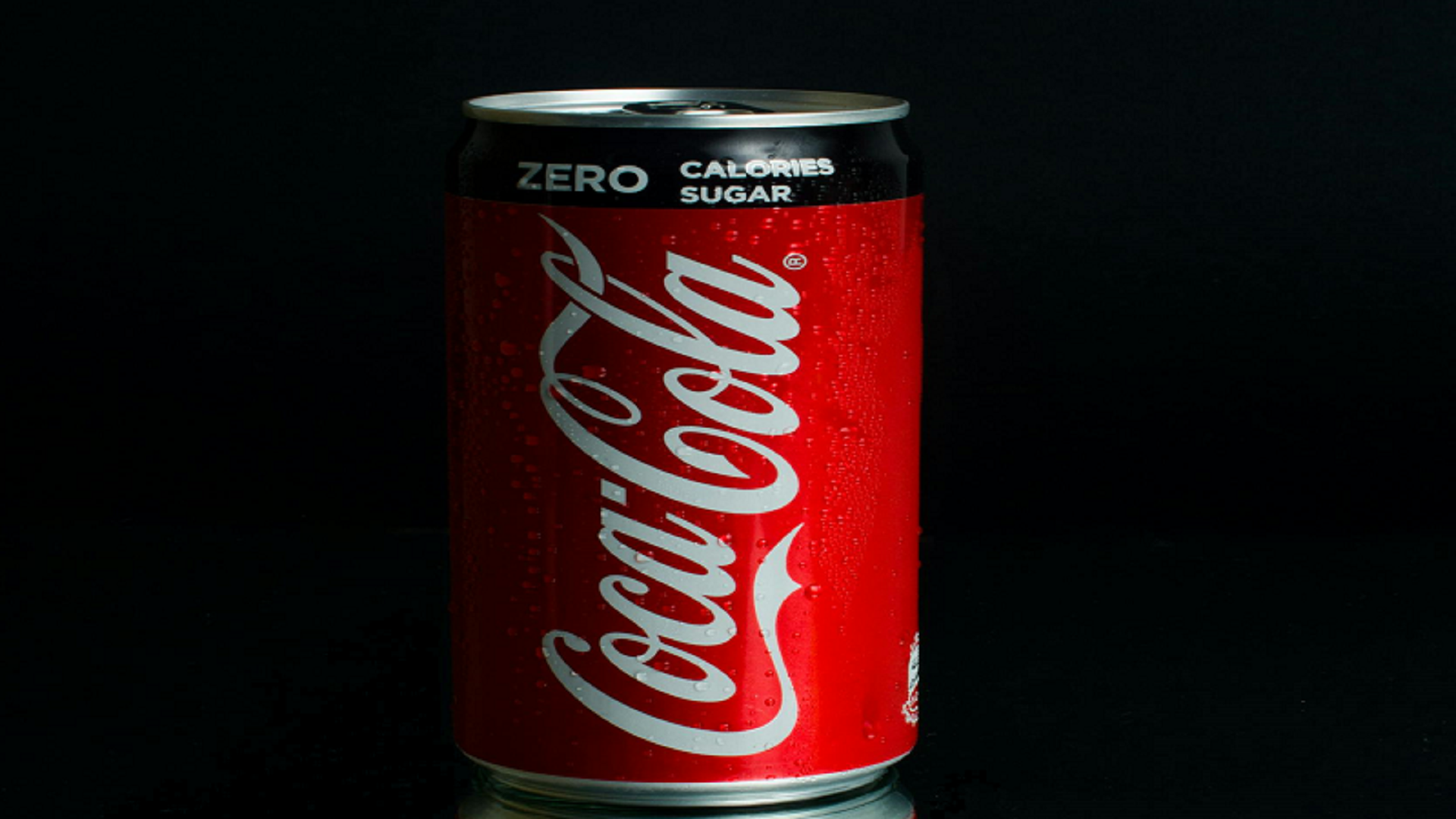
Products labeled "low sugar" are often filled with artificial sweeteners, such as aspartame or sucralose. Although these substitutes are used to reduce sugar content, they can cause undesirable effects, including headaches and digestive disorders. Excessive consumption can also disrupt the appetite, making it difficult to control cravings.
2. Hidden fats

Some products have higher fat contents to compensate for the absence of sugar and to maintain texture! This can, however, increase their calorie content, which, over the long term, can of course lead to weight gain. These hidden fats may therefore make these products less beneficial to health than they first appear.
3. Hidden calories
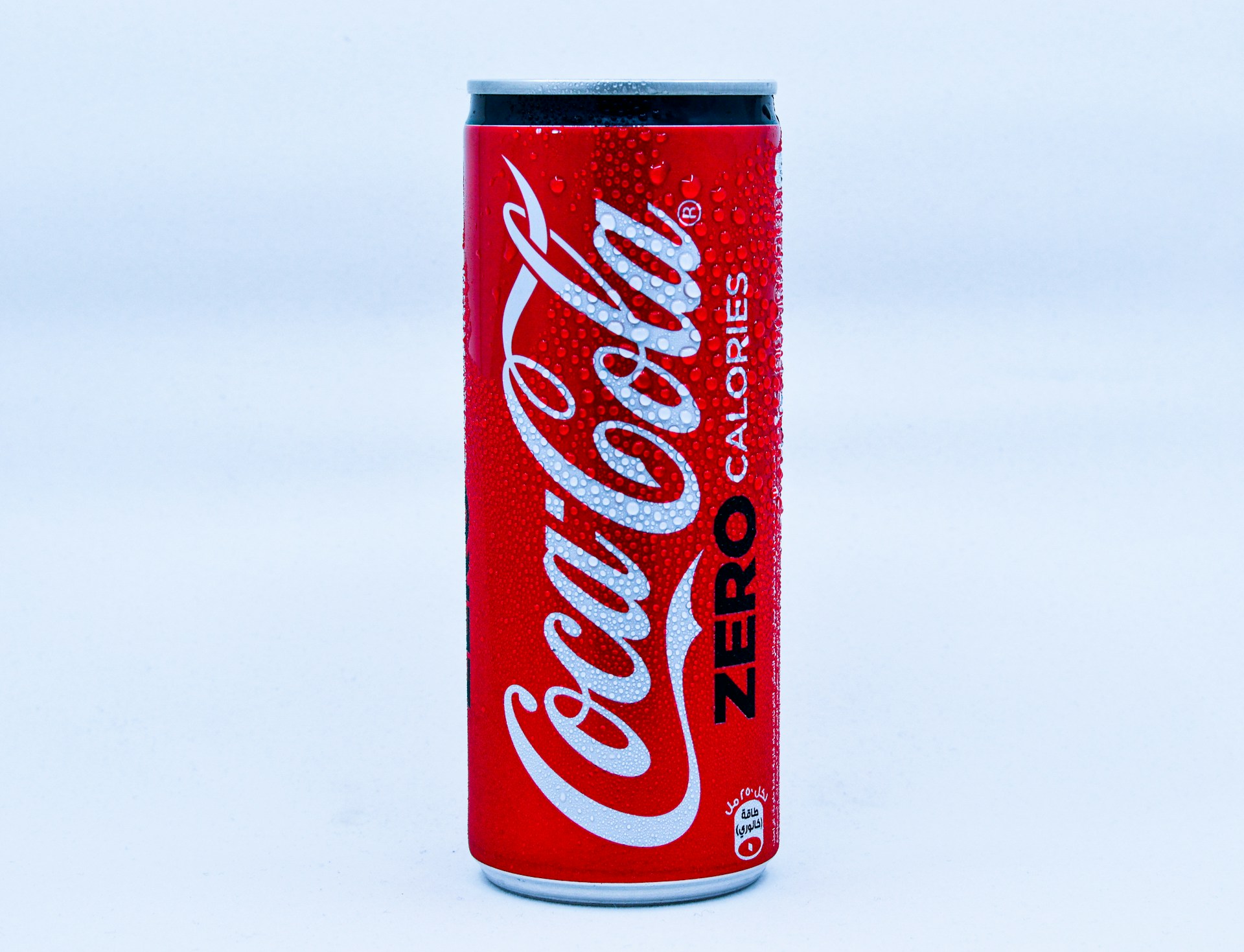
The label does not guarantee low calorie intake. Some products use sweeteners or fats to compensate for the reduction in sugar. These ingredients add extra calories without it being obvious to the consumer. So even a low-sugar product can contain a high amount of calories.
4. Complex carbohydrates

Low-sugar" products can be misleading because they contain complex sugars. Presented under various names, such as dextrose, maltose or fructose, these sugars are generally misunderstood by consumers. These complex carbohydrates, while less sweet, can have similar effects on blood sugar levels as regular sugar.
5. Presence of corn syrup

Low-sugar" products can sometimes conceal added sugars. Such is the case with fructose or high-fructose corn syrup. These added sugars are generally used to maintain the sweet taste, without their presence always being explicitly indicated. This is tantamount to misleading consumers.
6. False sense of security

The label often induces a false sense of security, leading people to focus solely on sugar when checking ingredients. This encourages neglect of the overall balance of the diet. Consumers may then excessively consume other ingredients such as fats or calories. As a result, this imbalance complicates dietary control and compromises long-term health.
7. Curators

Another little-known point: the label may conceal preservatives added to extend shelf life. These substances, though often invisible, can have harmful long-term effects. Regular consumption of these products can disrupt digestive health and promote certain metabolic problems. Yet these preservatives are sometimes overlooked in the overall nutritional evaluation of the products we buy.
8. Low in nutrients

The "low sugar" label may also conceal a lack of essential nutrients. Some products, although reduced in sugar, are low in vitamins and minerals. This imbalance can lead to nutritional deficiencies. By focusing on the low sugar content indicated on the label, consumers tend to overlook other elements that are just as important to their health.
9. High glycemic index
Another aspect to consider is the high glycemic index. Some products, despite their low sugar content, can cause a rapid rise in blood sugar. This is due to the presence of refined carbohydrates or certain ingredients that raise the glycemic index. And the impact on health should not be ignored, as this can affect blood sugar management in the long term.
10. Deceptive marketing
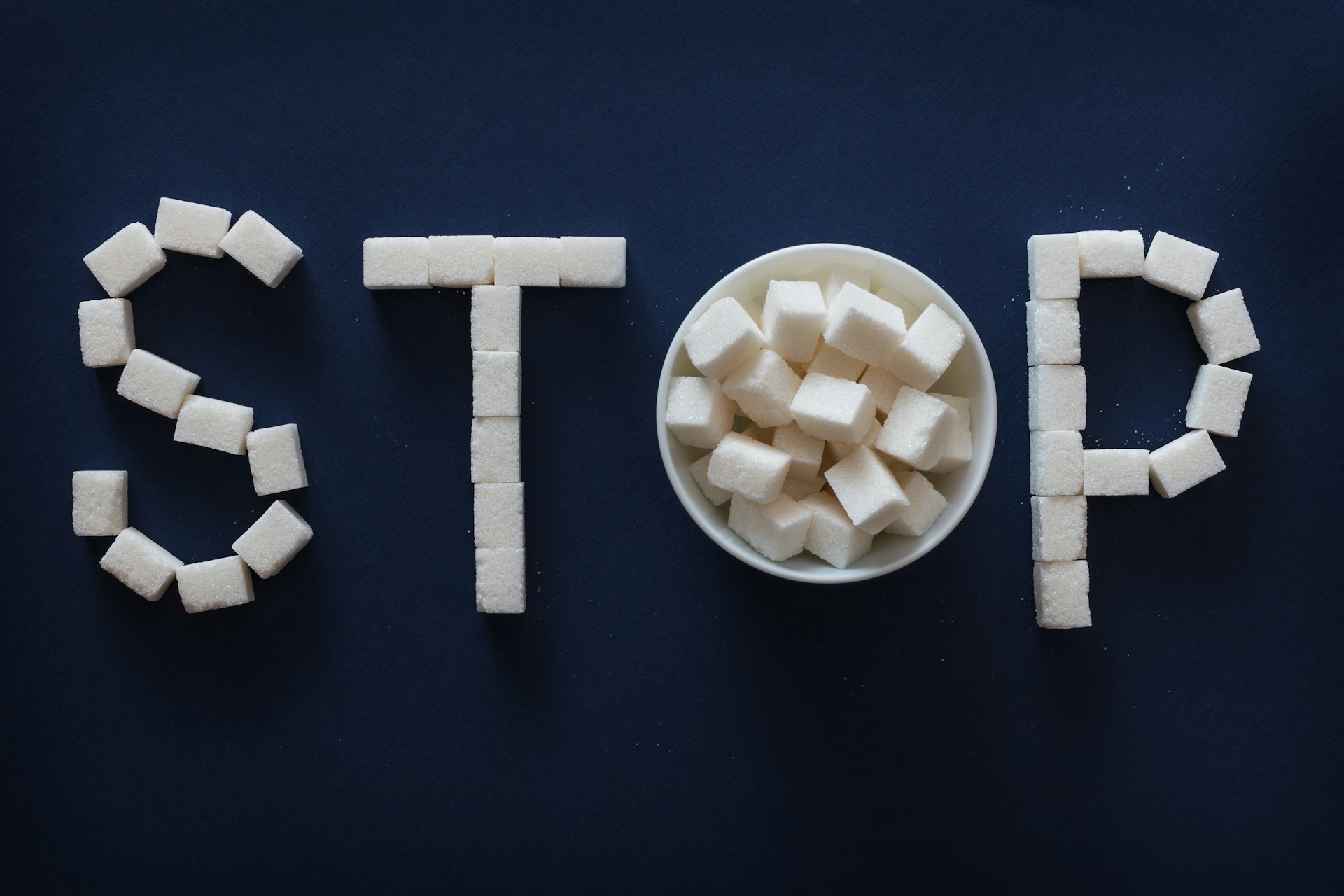
The label is also used as a marketing strategy: it attracts health-conscious consumers. This creates the illusion of a healthy product, although other, sometimes less favorable, ingredients may be present. Some brands exploit this trend to meet consumer demand, without always guaranteeing a real health benefit.