What To Do Before Buying a High-Mileage Used Vehicle?
Buying a used car can offer a lower car payment and an affordable option for securing transportation. However, like all used things, there are a few checklist items to consider. How well the car handles and operates could determine if the car is safe and reliable. A steady maintenance record shows that the previous owner took care of it. The condition of both the interior and exterior could also reveal if the car is worth the asking price.

Buying a used car can offer a lower car payment and an affordable option for securing transportation. However, like all used things, there are a few checklist items to consider. How well the car handles and operates could determine if the car is safe and reliable. A steady maintenance record shows that the previous owner took care of it. The condition of both the interior and exterior could also reveal if the car is worth the asking price.
All these factors could help you find the best car for you. From maintenance records to the condition of the tires, you must inspect a used car thoroughly to avoid a lemon. Let’s review what to do before buying a high-mileage used vehicle.
1. Check the Vehicle’s History
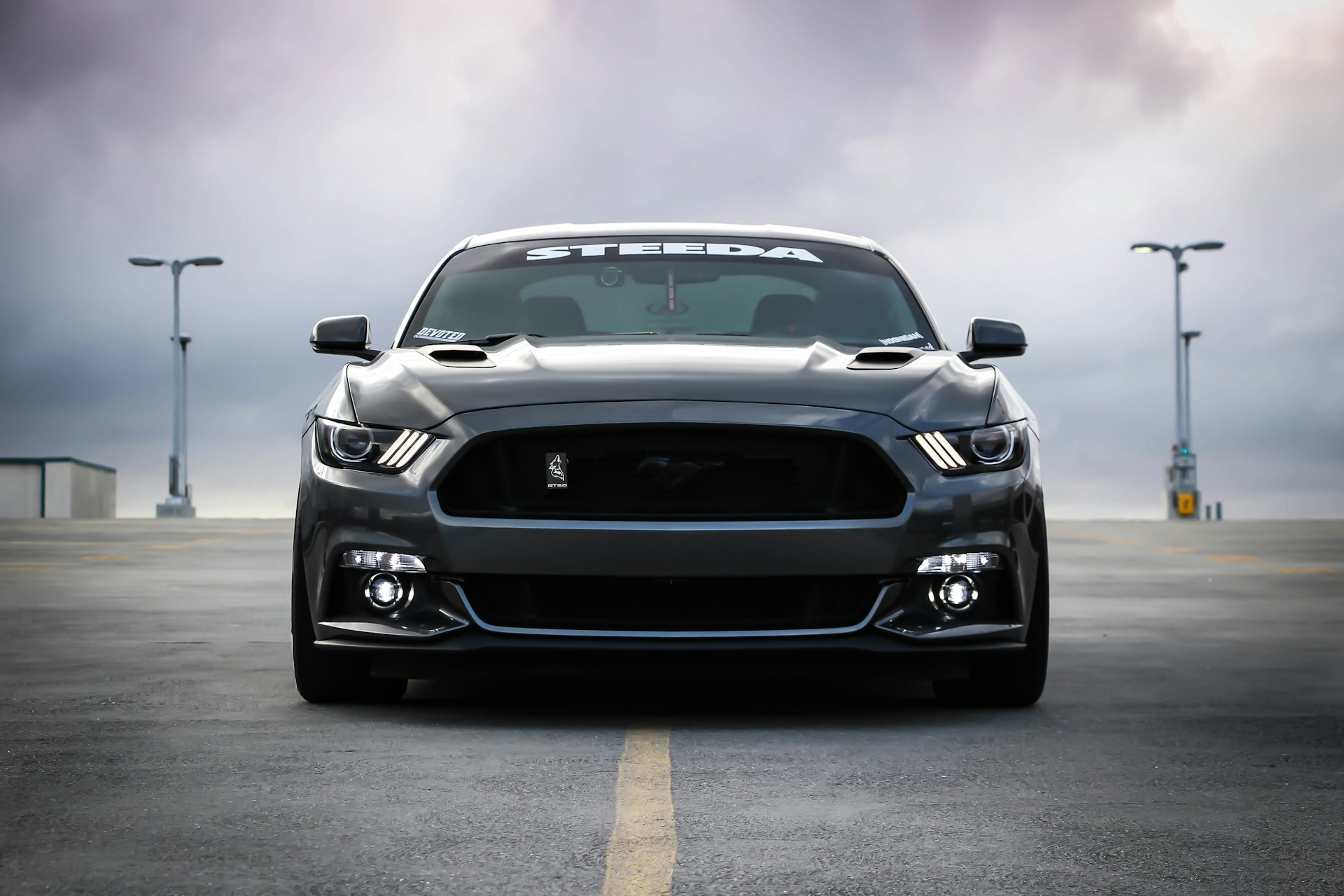
The vehicle history reveals how many owners it had and if it was involved in an accident. These details can also show if the previous owner scheduled the correct repairs after an accident. If you know these details, you can avoid buying a lemon that is too damaged and won’t run after a couple of months.
2. Have It Inspected by a Trusted Mechanic
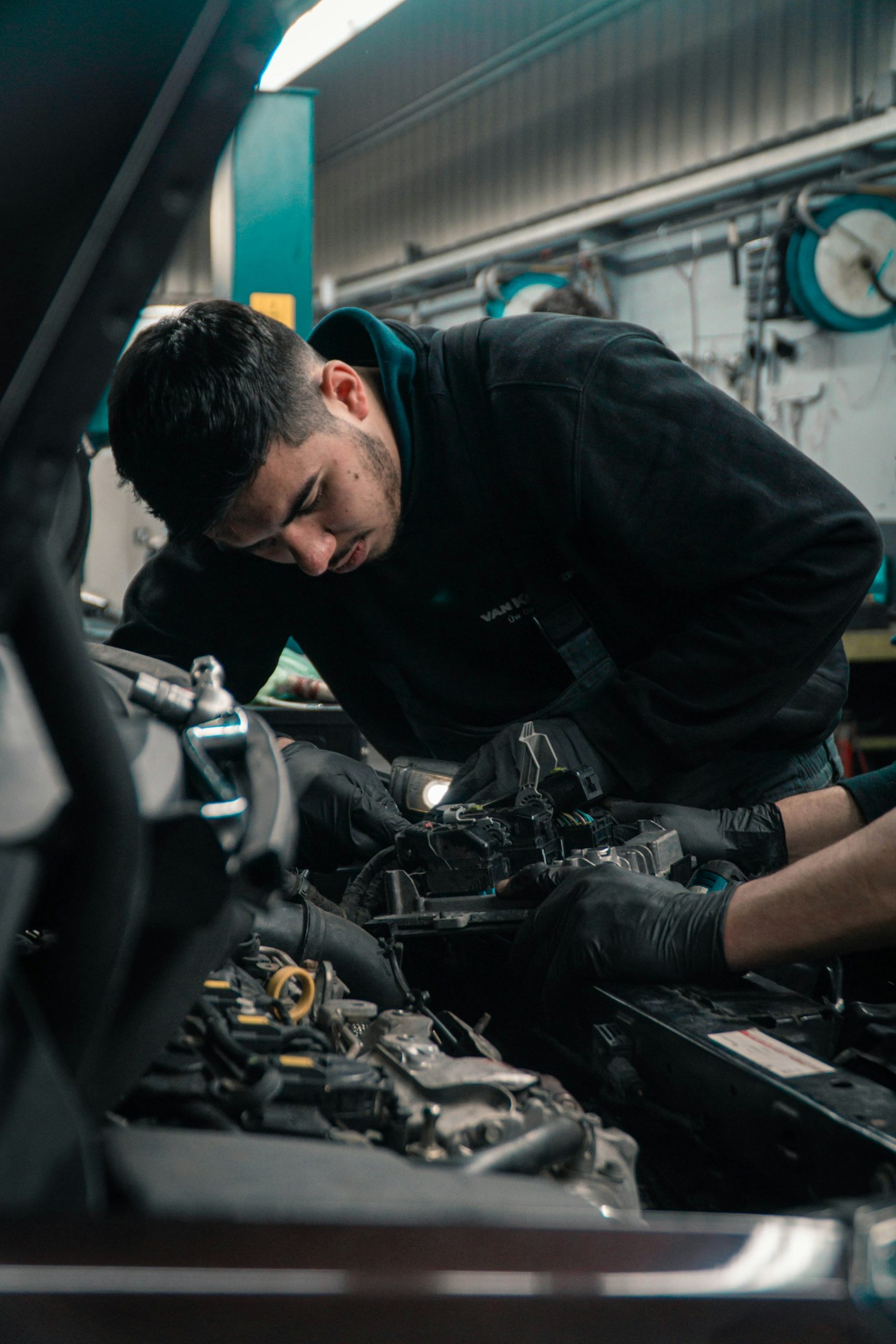
Any time you purchase a used car, it is wise to have your personal mechanic inspect it. They know what to look for and what problems are related to the vehicle. Your mechanic can test the engine and transmission, and they can assess features you may not be aware of.
3. Test Drive the Vehicle

Never buy a car without test driving it first. It doesn’t matter if you’ve known the owner your entire life. You should test drive it to see how it runs, how well you handle it, and if there are already signs of issues that weren’t disclosed to you. You can also determine if the engine is too powerful for your liking.
4. Research It For Common Model-Related Issues

Once you find a car you like, use your phone to search for common issues related to that specific car model. Most dealerships will not disclose these issues as it will discourage you from buying the car. You can read through all the known issues and make a educated decision.
5. Examine the Undercarriage For Signs of Corrosion
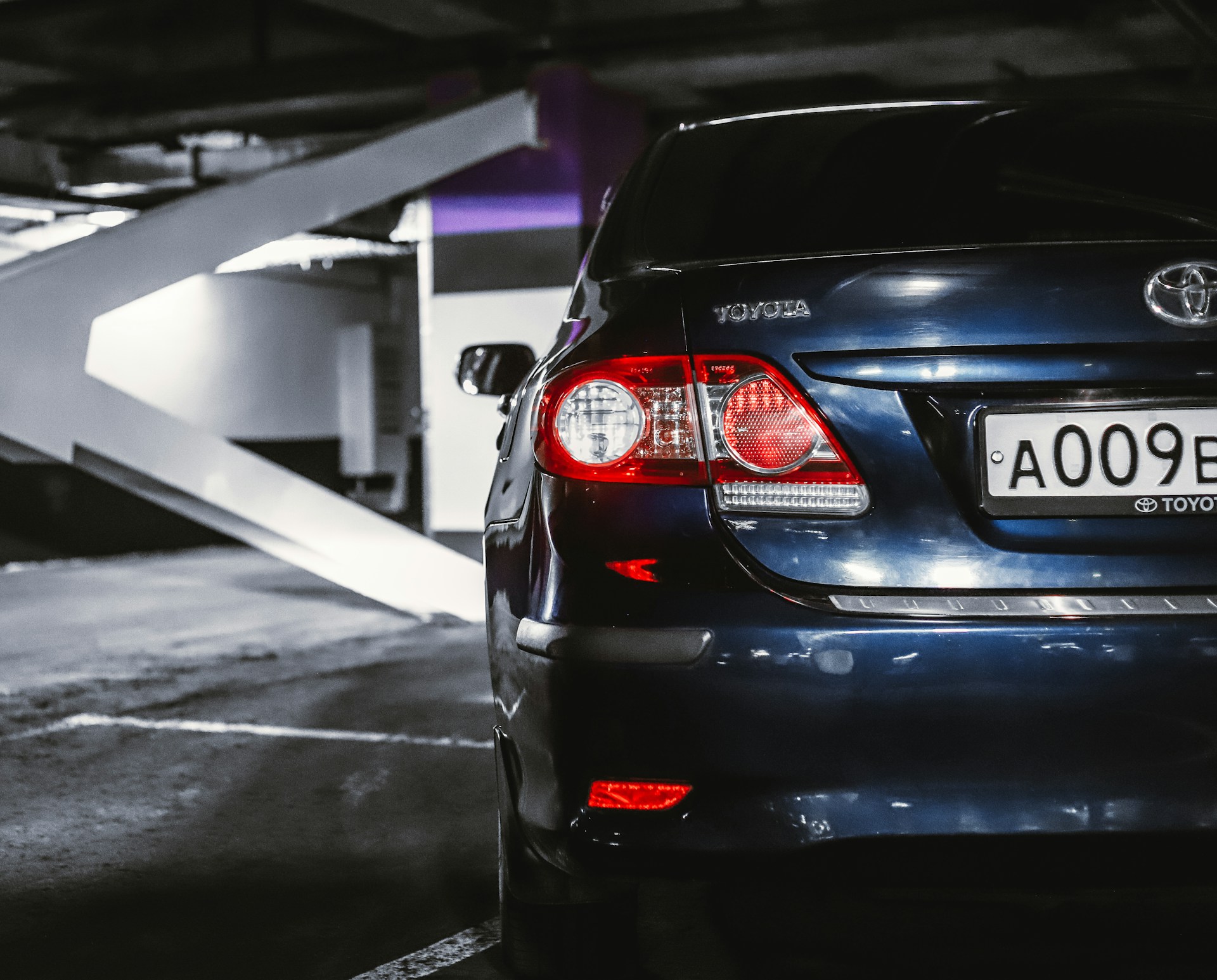
Look underneath the car at the undercarriage, the wheel base, and the axles. If you see signs of corrosion, there could be more problems than you realize. Severe corrosion underneath the car could indicate that it was submerged in the water or exposed to excessive water in a flooded area.
6. Verify the VIN Number
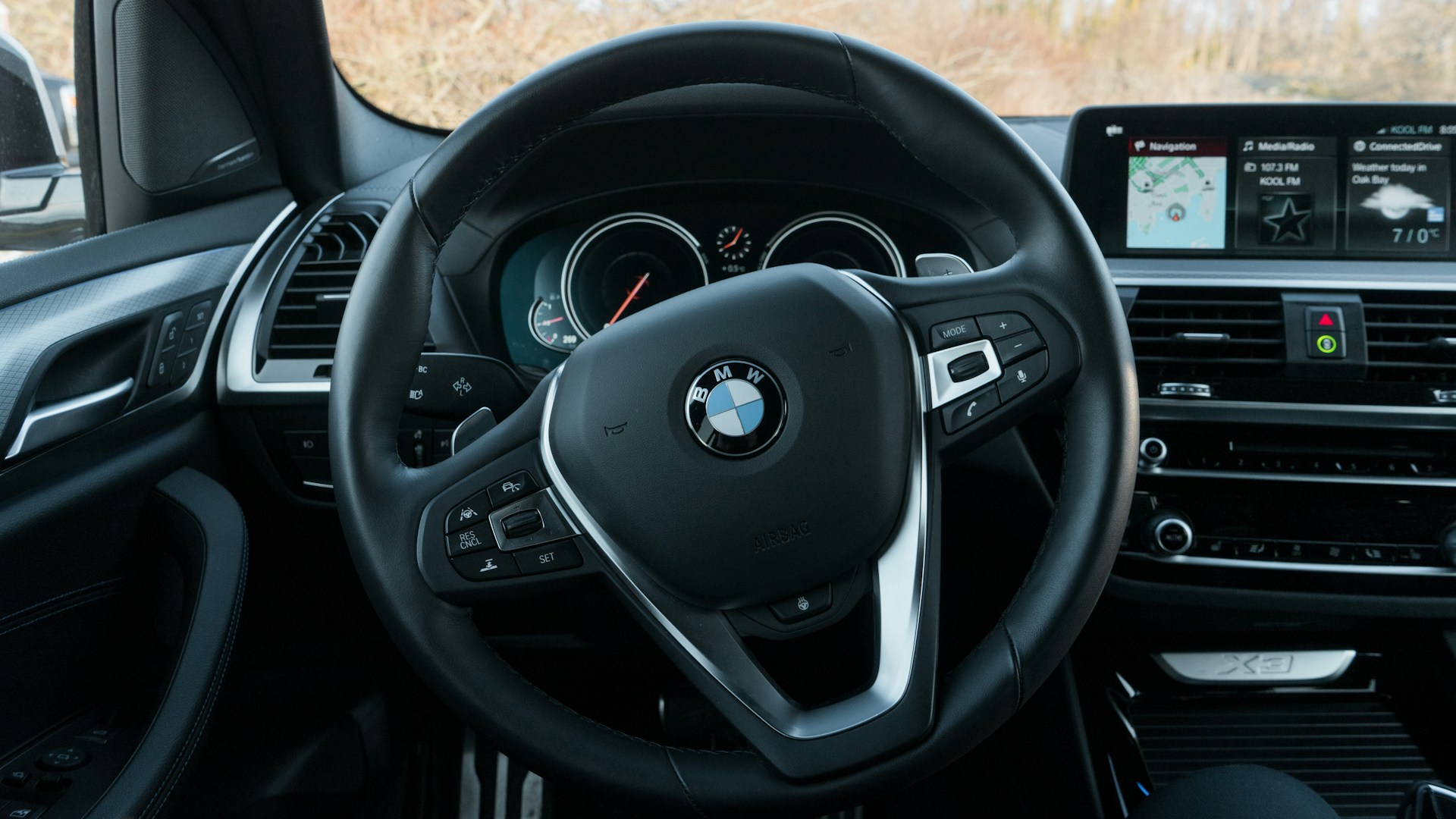
Before you buy a used car make sure the VIN number on the title matches the VIN number on the dash. If it doesn’t, it is likely the car was stolen. Chop shops may even remove the VIN plate from the dash to hide this fact.
7. Inspect the Interior for Signs of Wear
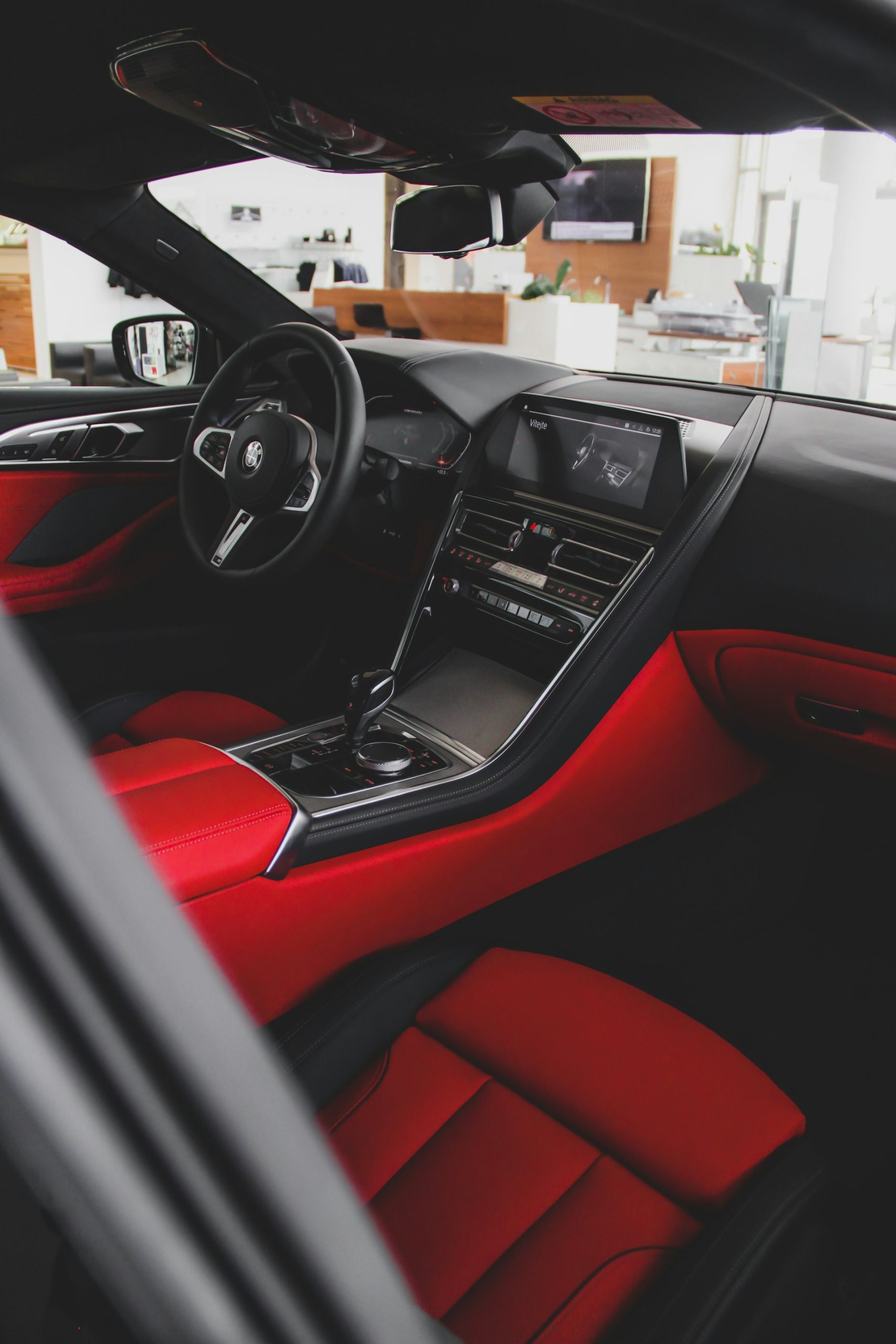
Inspect the interior for signs of wear. You should look for discoloration, tears, and signs of mold or mildew. Most dealerships have their cars detailed to eliminate stains when possible. However, they won’t restitch torn seat upholstery. Find a used car that has an interior that is in at least decent condition.
8. Check the Condition of the Tires
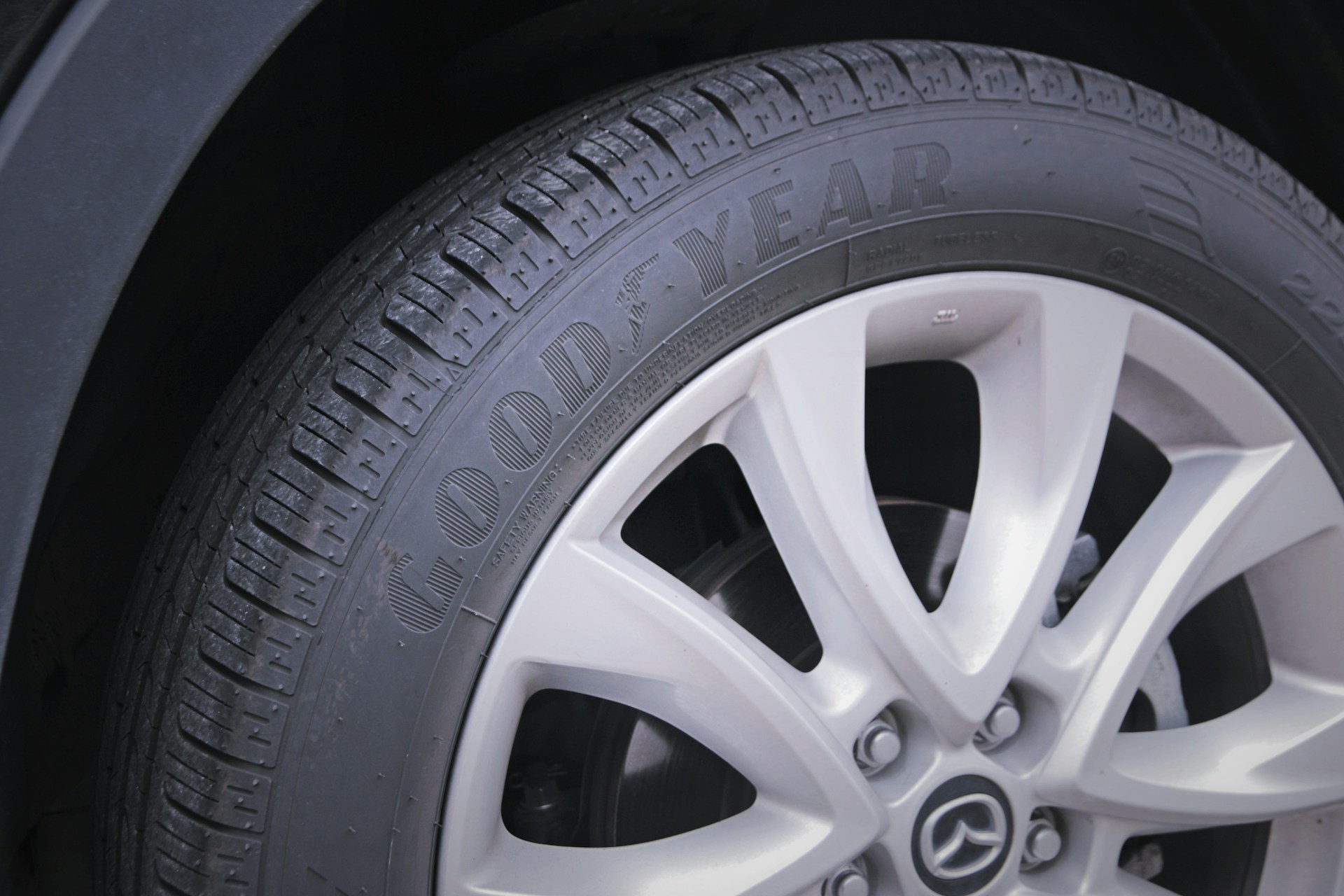
Check the tires for signs of wear, warping, and adequate tread. If the tires are showing wire, you’ll need to replace them quickly after buying the car. If the tread is worn more on one side, the tires weren’t rotated as required.
9. Assess the Mileage and Vehicle Age
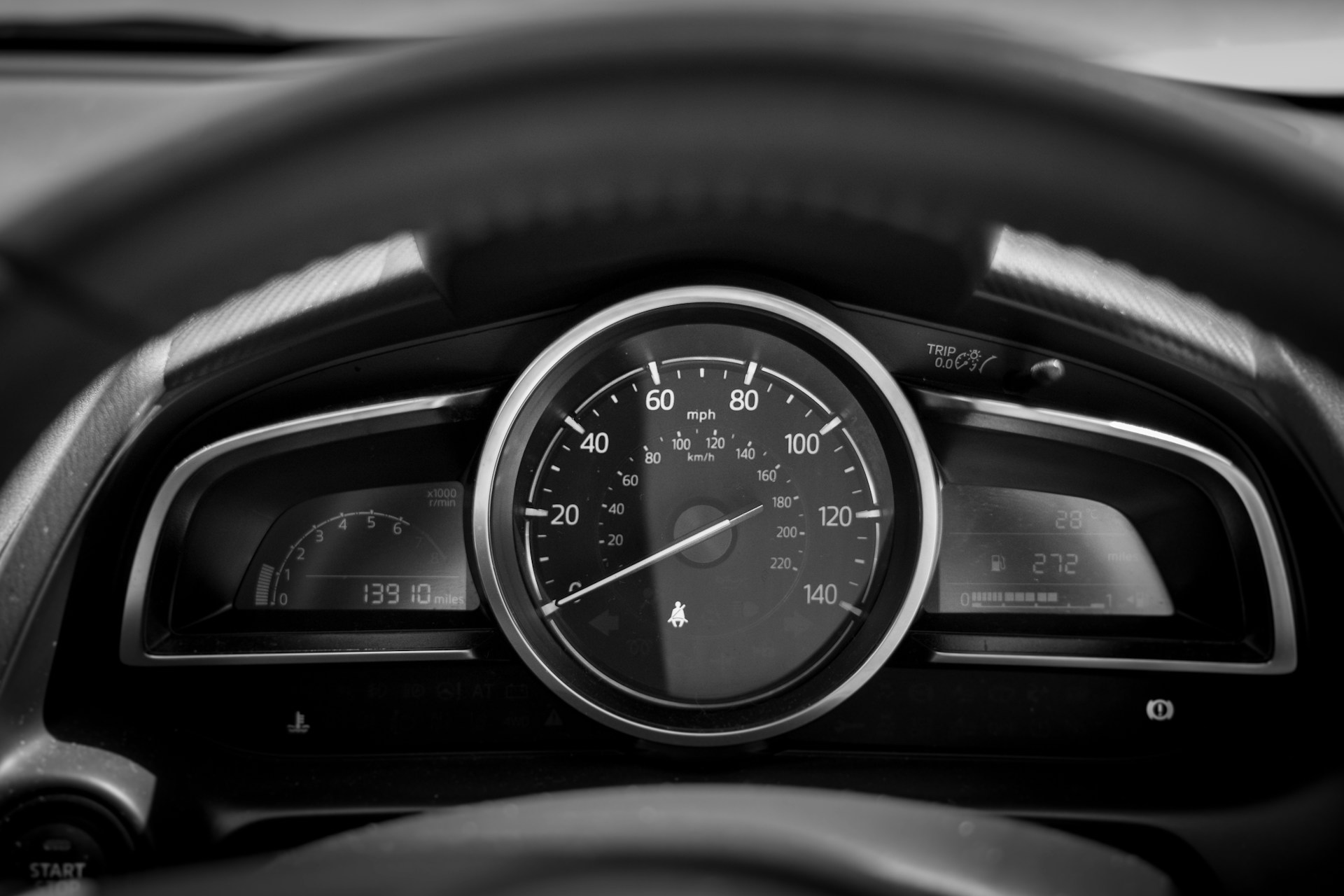
On the dash, you will see the mileage of the vehicle. If the owner has replaced the engine, you will need to ask about the current mileage on the newer engine. The age of the car can also play a role in how long it will last.
10. Access the Visible Belts and Hoses
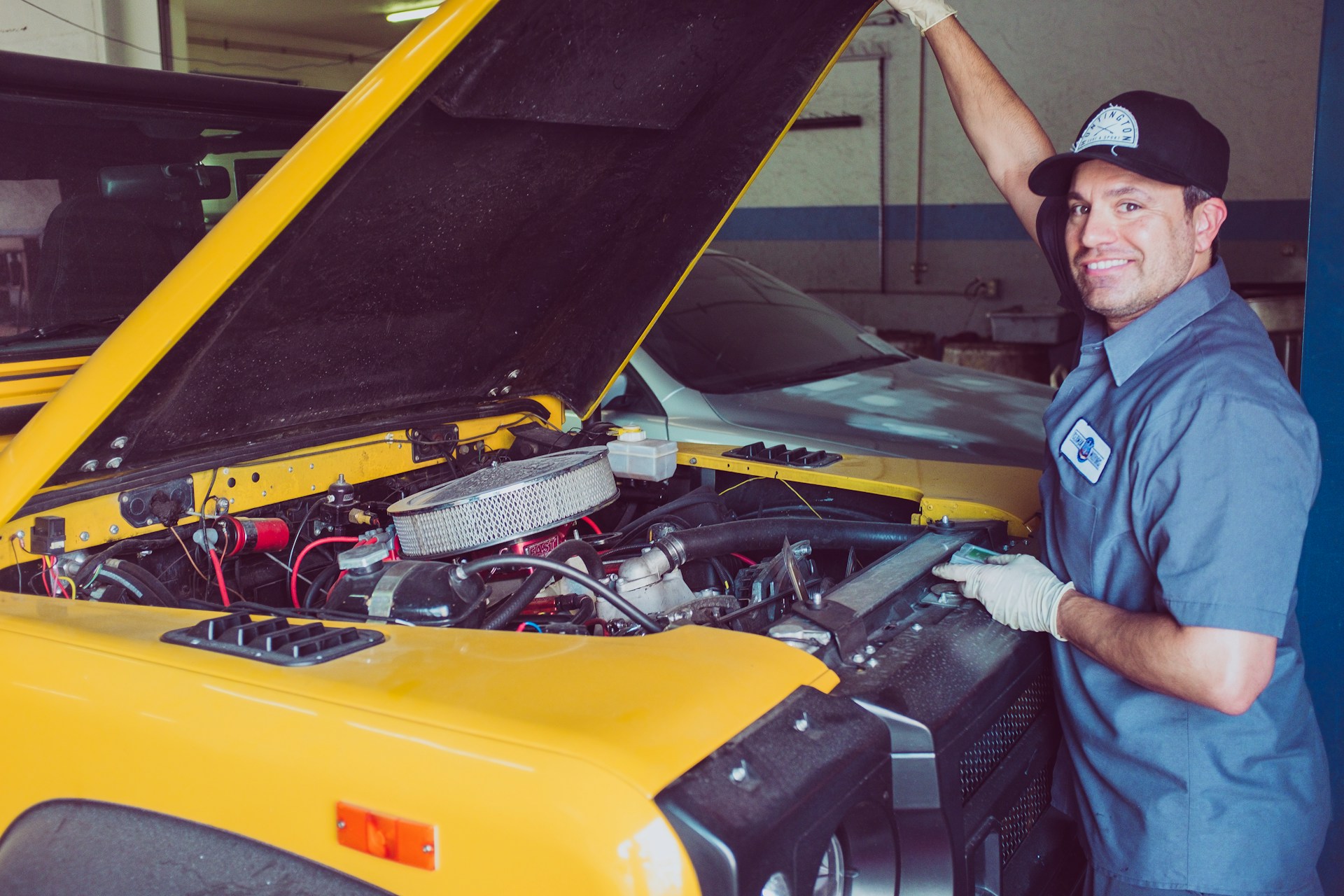
Inspect all visible belts and hoses under the hood. If there are signs of wear or damage, you will need to replace them. You can get your mechanic to look at these parts during their inspection. If all the hoses and belts are damaged, the car could be a lemon.
11. Look for Signs of Fluid Leaks
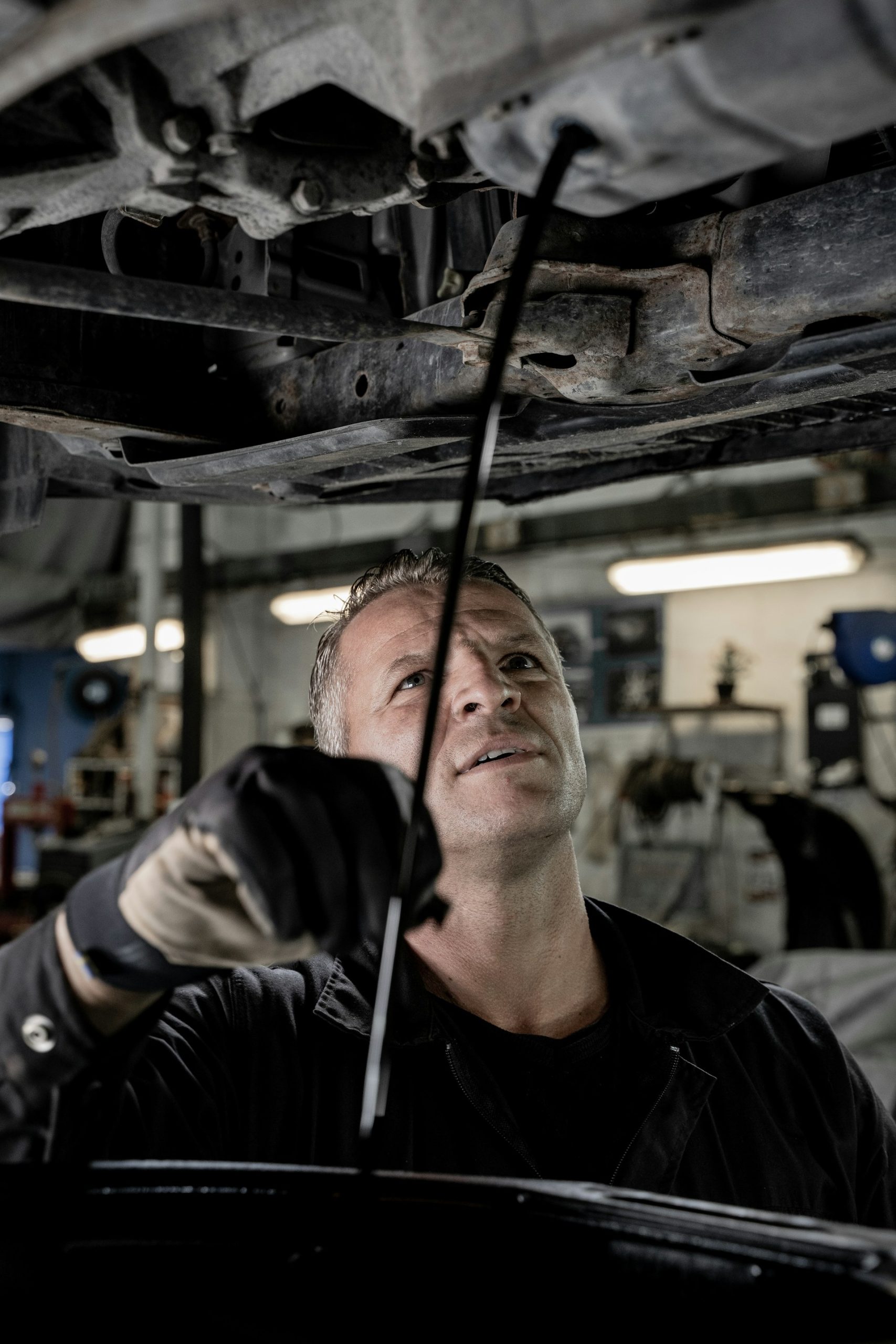
Signs of fluid leaks under the car can indicate possible engine, transmission, or power steering issues. If you see antifreeze, the radiator or its hose is leaking. Fixing these leaks could be costly, and you should inquire about them before buying the car.
12. Research the Cost and Availability of Parts
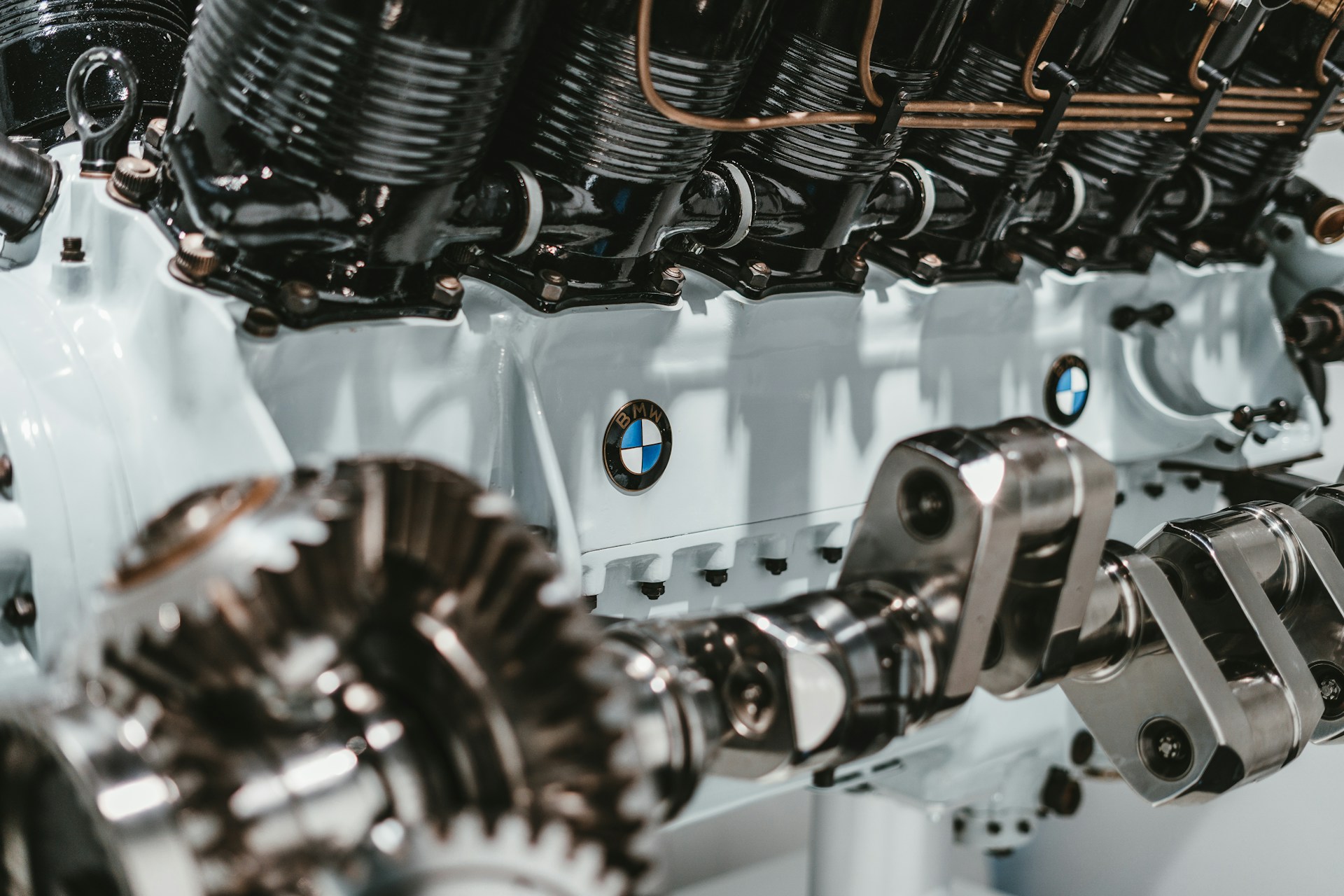
When owning a car at some time or the other, you’ll need to replace certain auto parts. You should research the cost and availability of these auto parts. Foreign-made vehicles, especially luxury models, may require your mechanic to order them abroad. The cost of these parts could be excessive if it's a rare vehicle.
13. Check For Outstanding Recalls

Search the internet for any recalls associated with your vehicle of choice. Then ask the owner to show you proof that they have managed these recalls. For most recalls, it is necessary to go to a dealership to get replacement services. If the car has outstanding recalls, it will cost you a lot of money, and the car may not be safe to drive.
14. Examine the Condition of the Brakes
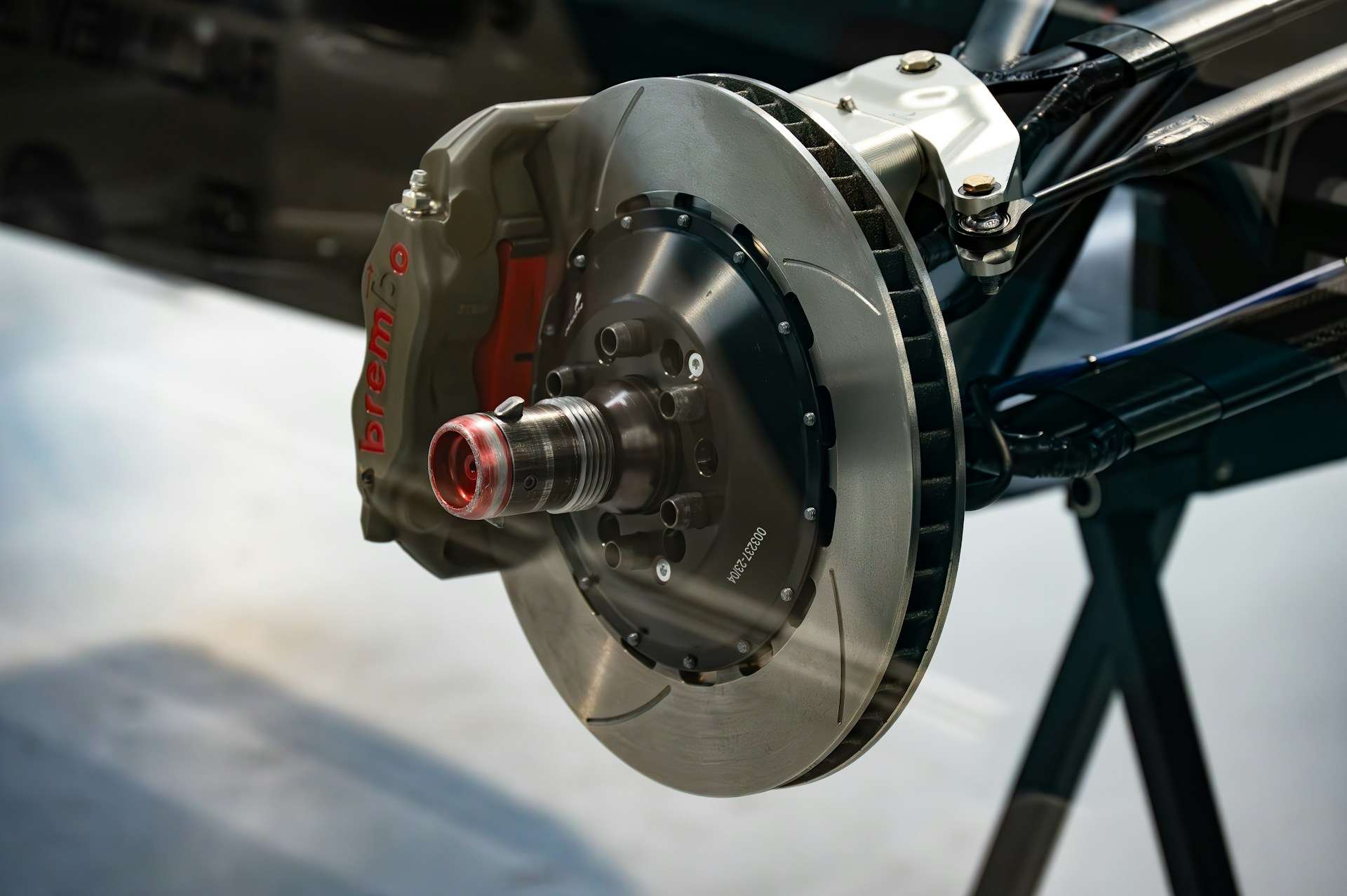
Testing the brakes and assessing their condition can also save you money later. Damaged rotors and worn brake pads are dangerous and could cause an auto accident. If the brakes aren’t up to par, you should ask the owner or the dealership to replace them.
15. Ask the Seller For a Maintenance Record
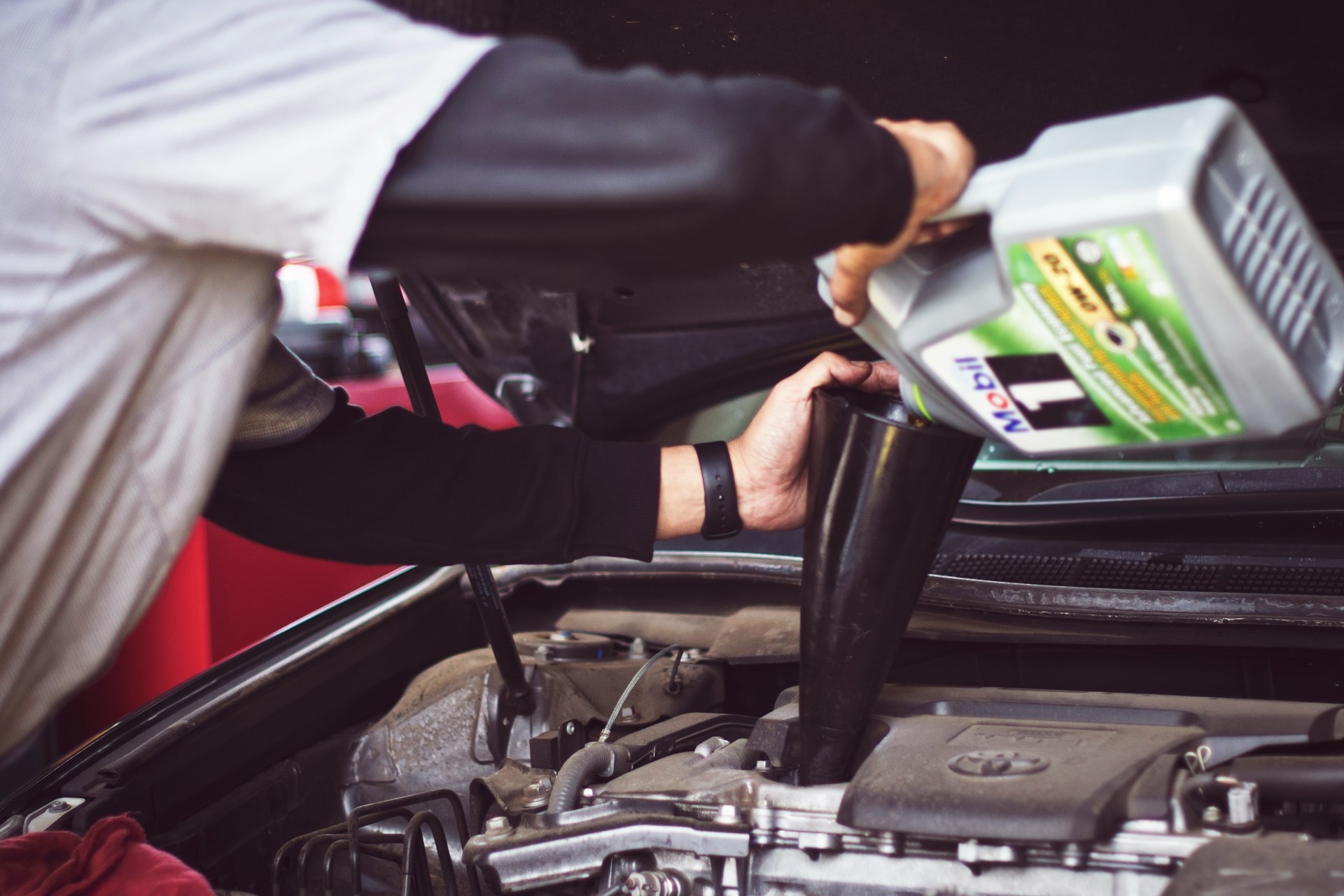
A steady maintenance record ensures that the car doesn’t have serious engine or transmission issues. The owner should have records for oil changes, brake replacements, and radiator flushes. If they don’t have these records, it’s probable that the car wasn’t maintained properly.