Why Do Drivers Get Higher Car Insurance Quotes?
Opening an insurance renewal notice can feel like unwrapping a mystery box. Will the number stay calm, or will it leap off the page like it drank three energy drinks?

Opening an insurance renewal notice can feel like unwrapping a mystery box. Will the number stay calm, or will it leap off the page like it drank three energy drinks?
Drivers all over the country face the same puzzle each year: why does the cost keep shifting? The truth is, it isn’t luck or guesswork. Premiums are built on dozens of moving parts, some obvious and others so random they seem almost made up.
Your commute, the car you picked, and even the place you decided to live all factor into the math. Sometimes it’s life changes—like tying the knot—that nudge rates in surprising directions. In other cases, outside forces like inflation throw insurers off balance. Understanding what’s behind those numbers won’t stop the bill from arriving, but it will finally explain why it looks the way it does.
The Driving Record Still Matters Most

Companies evaluate past driving behavior as a predictor of future claims, making your record one of the strongest influences on overall insurance pricing. Speeding violations and DUIs sharply increase premiums because they signal higher risk. A clean driving history results in significant discounts from insurers.
Credit Scores Influence Premiums In Most States

Most insurers view credit history as a key risk indicator when setting premiums. Drivers with low credit scores usually pay more, even with clean driving records. However, states such as California and Massachusetts prohibit the use of credit in pricing. The result? More uniform costs across drivers.
Age And Experience Play A Big Role

Younger drivers typically pay the steepest rates because accident risk is higher in early driving years. On the other hand, experienced drivers with long, clean histories enjoy much lower prices. Insurance costs often drop noticeably after age 25, provided no serious violations or claims appear on record, which reflects growing maturity and safer driving.
Technology And Telematics Are Changing Pricing
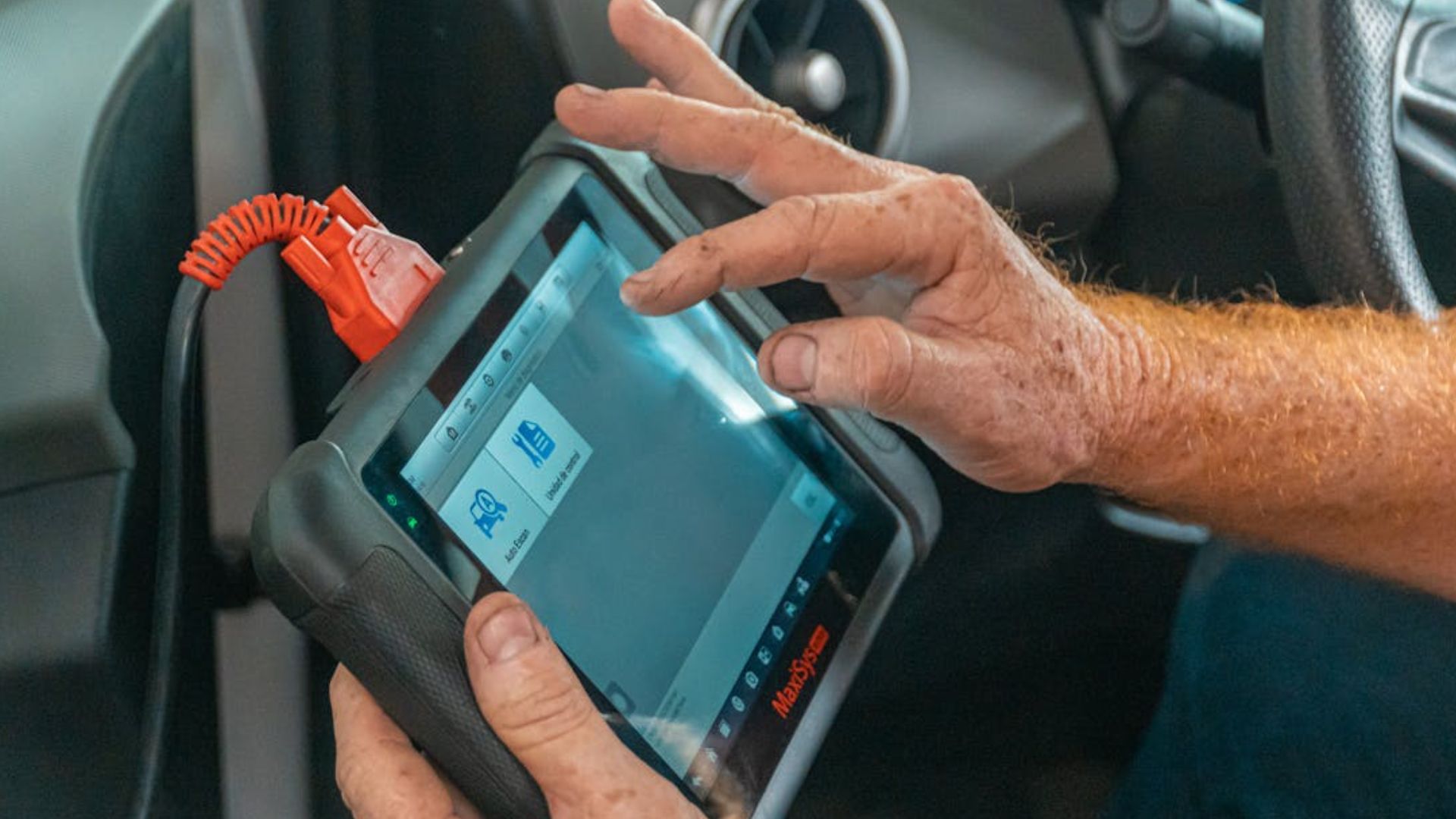
Telematics programs use devices and apps to monitor habits like braking and mileage. Insurers offer “pay-how-you-drive” plans that reward consistent, safe driving. Many participants see immediate discounts for cautious behavior, which makes technology a growing factor in determining how much drivers pay for coverage every policy cycle.
Car Type And Model Can Raise Or Lower Rates

Sports cars and luxury vehicles bring higher premiums due to repair expenses and greater theft risk. Family-friendly models with strong safety ratings usually reduce costs. Insurance providers also analyze how expensive a vehicle is to fix after accidents, making car type and model central to determining final insurance pricing.
Annual Mileage Affects Premiums

How much distance you travel per year will impact your rate. Driving more miles raises accident risk, which directly increases insurance costs. Low-mileage drivers often qualify for special discounts since their likelihood of filing claims is lower. Companies gather mileage estimates during policy setup and use them to calculate risk levels.
Gender Still Influences Pricing In Some States

Although it’s banned in states like Hawaii and California, gender-based pricing exists. Young men frequently pay more because accident data shows elevated risk in early driving years. Over time, the differences decline as both men and women gain experience, which shows that maturity and safer habits reduce gender-based pricing gaps.
Your Marital Status Can Change Your Premium

Married drivers statistically file fewer claims, and this means they’re less risky for insurers. Many providers reward this pattern with lower charges or special discounts. Single drivers, while not penalized heavily, may see slightly higher prices compared to their married counterparts, even if all other personal and driving factors remain the same.
State Laws Set The Ground Rules

Every state establishes its own minimum coverage requirements, shaping baseline rates. In “no-fault” states, where insurers must cover drivers’ injuries regardless of fault, premiums are typically higher. Policy limits and requirements differ widely, so location and state laws directly determine what drivers must purchase and how much they pay for it.
Inflation Pushes Repair And Medical Expenses Up

As labor and parts prices increase steadily, car repair costs rise, and this means that insurance becomes more expensive. Medical expenses also climb, raising liability for insurers. To balance these higher claim payouts, companies adjust charges upward to ensure coverage levels can keep pace with rising economic pressures across the market.