There’s a ton of hype surrounding the iPhone 14 Pro and iPhone 14 Pro Max’s new ‘Dynamic Island’ cutout, but what does it do and what apps does it even work with?
Instead of being the central location for all notifications like some assumed, the Dynamic Island is a quick way to access specific widgets. However, third-party app support is unfortunately very limited, though this will likely change once Apple releases the cutout’s development API.
Check out the video above for a full breakdown iPhone 14 Pro’s new Dynamic Island, check out the video above.
Ransomware group Hive has accessed scores of personal information belonging to Bell’s employees.
The attack hit Bell Canada subsidiary Bell Technical Solutions (BTS), which specializes in the installation of its services, including home phone, internet, and Fibe TV.
Hive says it accessed the information on August 20th, according to its data leak blog.
The breached information includes files relating to finances, recruitment, birthdays, and COVID-19 information, along with other data.
A screenshot of Hive’s leak blog confirming the breach. Image credit: Hive
“Bell Technical Solutions became aware that some servers were accessed containing operational company and employee information in a recent cybersecurity incident,” a spokesperson told MobileSyrup.
“We took immediate steps to secure affected systems and we want to assure our customers that no database containing customer information such as credit and debit card numbers, banking or financial data was accessed in the incident.”
Google’s recently leaked budget ‘Chromecast HD’ streaming stick reportedly runs on Android 12 with Google TV. Leaks have suggested that the device will come with a remote, and that it will feature Amlogic’s S805X2 CPU with AV1 decoding and 1.5GB RAM.
It uses the NXP 88W8987 chipset for dual-band Wi-Fi 5 and Bluetooth 5.2 connectivity and is slated to cost €39.99 in Europe. The leak suggested that the device will reportedly cost $30 in the U.S., which would translate to roughly $40 CAD.
Now, new details from leaker @_snoopytech_ on Twitter corroborate the previous leak. SnoopyTech recently stated that the upcoming Chromecast HD will cost $40 USD, which was a mistake on the leaker’s part. SnoopyTech updated their Twitter post today to reflect the correct pricing, which happens to be $30 USD and $40 CAD. Further, according to the leaker, the device is already in stock “at a lot of retailers,” so we can expect Google to release the product soon.
Additionally, WinFuture was able to get its hands on the official marketing images, and it shows that the device’s design has not changed at all as compared to the 4K model.
Check out some of the images from the marketing material below:
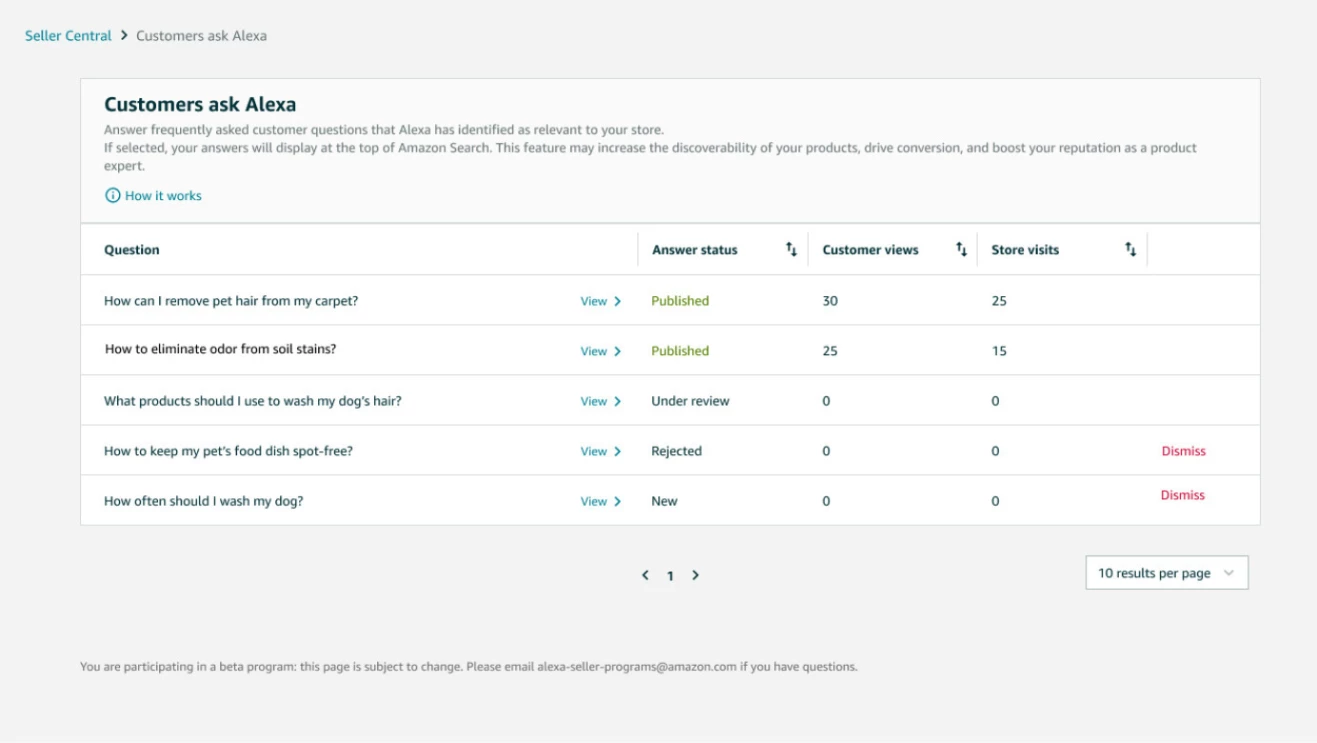
The utility, called ‘Customers ask Alexa,’ is geared toward brands expanding their business, all while helping answer common customer questions. “When customers pose questions to Alexa, including queries related to a product’s features or compatibilities, Alexa responds with helpful answers provided by brands from those product categories,” reads Amazon’s blog.
For example, if an Alexa user asks the smart speaker, “How can I remove pet hair from my carpet?” the answer can be provided by a brand that specializes in said category of cleaning, like iRobot or Dyson, for example. Alongside the answer, the brand can also provide links to its Amazon storefront, making it easier for the customer to find products concerning the issue.
Amazon will provide brands with questions that Alexa identifies as relevant to the brand’s store. “If selected, your answers will display at the top of Amazon Search. This feature may increase the discoverability of your products, drive conversion, and boost your reputation as a product expert,” says Amazon.
The feature will be available for a select group of brands in Seller Central beginning in October 2022, with a wider rollout scheduled for some time in 2023 in the United States. “Customers ask Alexa will be available to shoppers via the Amazon search bar in late 2022, and via Echo devices in mid-2023,” writes the company.
The feature can be helpful for users, but only in certain scenarios. More often, it will be an annoying feature that will require you to shout “Alexa, STOP,” multiple times a day. Regardless, it’s a win-win for Amazon and the brands. For the brands, it’s added publicity, while for the retailer, the new feature is sure to bring in added orders.
Riders in Vancouver have a new option to pick from when the next time they use Uber.
Comfort Electric features premium electric vehicles, including Tesla and Polestar. But riders aren’t the only ones who can access something new.
Drivers under the new category also have the potential to earn more under Uber’s Zero Emissions incentive, including an extra dollar for every eligible trip. Uber says electric vehicle drivers on the platform have avoided using almost 6 million gallons of gas.
Uber says its partnership with Hertz has paved the way for the program. The partnership allows drivers to rent Teslas on a weekly basis to complete trips.
Vancouver is the only Canadian city where Comfort Electric is available. However, drivers in Vancouver, Toronto, and Montreal can rent a Tesla from Hertz to complete rides.
The Distributel acquisition will help Bell grow its internet subscriber growth, LeBlanc said, noting it will take between three and five months to gain regulatory approval.
LeBlanc also said the changes won’t reduce competition.
“From our perspective, consolidation in our industry continues to be a reality on this wholesale front, and I don’t think that in any way reduces competition when you see the number of players that still exist, including the largest one in TekSavvy,” LeBlanc said.
Canada’s Privacy Commissioner said the committee responsible for Bill C-11 could consider an amendment to the Broadcasting Act that will see personal privacy protected.
The change will allow privacy to be considered fully before the bill is implemented, Philippe Dufresne told the Senate Committee on Transport and Communications.
Bill C-11, also known as the Online Streaming Act, focuses on having the Canadian Radio-television and Telecommunications Commission (CRTC) regulate online audio-visual content. While the CRTC regulates radio and television, the same doesn’t apply to streaming platforms that share content in Canada, including Netflix and YouTube. Once approved, these platforms will need to promote Canadian content.
The bill has faced intense pushback from many. One area of contention is how the bill would impact user-generated content and subject many independent creators to the CRTC’s directives.
While Heritage Minister Pablo Rodriguez stated the bill won’t impact user-generated content, that has not cleared up any confusion on the matter.
The bill states the CRTC will consider three areas when regulating content. The first is if the content, directly or indirectly, generates revenue. The second is if parts of the program have been broadcasted through traditional means, such as radio or TV. The third is if the content is given a unique identifier under any international standards system.
When asked about privacy consequences under user-generated content, Dufresne said it’s possible the algorithms will use personal information. “It’s going to be important in how the CRTC exercises these powers that these privacy considerations be taken before these orders are made.”
Apple’s iOS 16.1 beta update allows iPhone 13 mini, iPhone 12 mini, iPhone 11 and iPhone XR owners to turn on the new battery percentage indicator that was added to other iPhone devices alongside the recent release of iOS 16.
While Apple initially offered the battery percentage indicator option for several years, it ditched the feature back when the iPhone X launched in 2017. However, it’s now making a comeback, though the percentage indicator isn’t flashy and is just a very basic-looking number dropped within the familiar battery indicator.
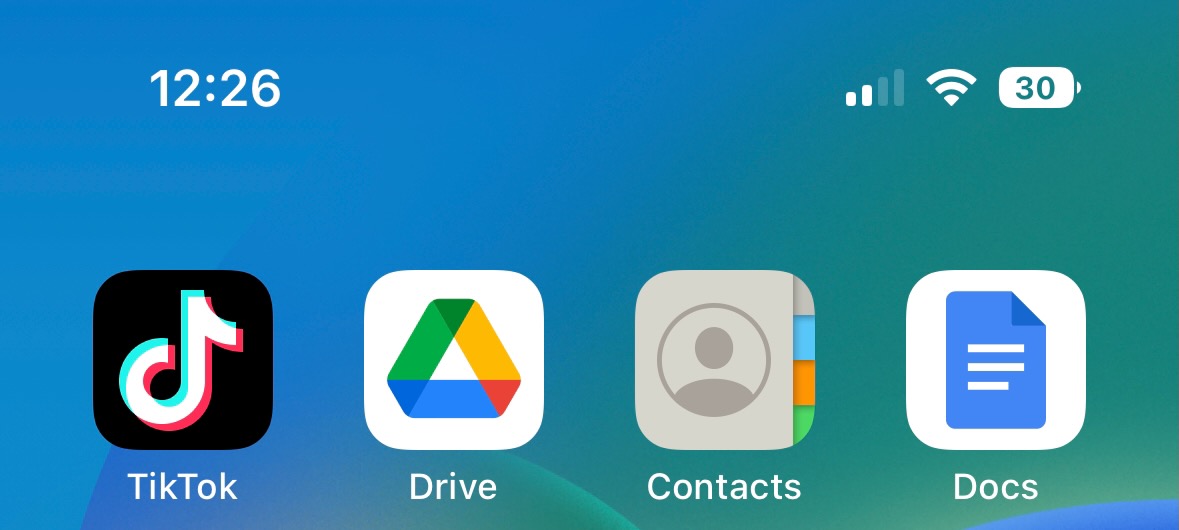
It’s also strange that the visual battery indicator doesn’t actually change, regardless of how charged the iPhone’s battery is. For example, in the image above, my iPhone 14 Pro Max is at 30 percent and is indicated by a number, but not actually visually in the battery image.
Still, even with its issues, it’s nice that Apple is listening and bringing the numerical battery indicator back.
The next public release of iOS 16 will likely include the ability to add the battery percentage indicator to the iPhone 13 mini, iPhone 12 mini, iPhone 11 and iPhone XR.
Google’s experimental incubator, Area 120, got a funding cut and saw nearly half of its projects shuttered amid the company’s ongoing hiring freeze.
Area 120, for those unfamiliar, is an in-house incubator that developed experimental projects that sometimes went on to have wider impacts, or just fizzled out after. For example, there was the ‘Reply’ project that added automatic reply bubbles to notifications — Google killed the experiment in 2019, but it went on the become a staple feature in Android. There’s also Grasshopper, an app that teaches people how to code using short puzzles, which currently has over 5 million downloads on the Play Store.
On the other hand, projects that ‘fizzled’ include things like Shoploop, a TikTok-like app for shopping, Keen, an AI-powered Pinterest wannabe, video messaging app Uptime (of course it’s another messaging app), and more.
Per reports from Bloombergand TechCrunch, Google cancelled or reorganized seven of the 14 ongoing projects at Area 120 and informed team members that they would need to find new roles within Google by January 2023. Those who don’t find new roles will be terminated, although the company’s recruiters will help relocate affected employees.
Terminated projects include Qaya, a service to help creators set up storefronts to sell goods and services.
A company spokesperson told Bloomberg that Area 120 “will be shifting its focus to projects that build on Google’s deep investment in AI and have the potential to solve important user problems. As a result, Area 120 is winding down several projects to make way for new work. Impacted team members will receive dedicated support as they explore new projects and opportunities at Google.”
In other words, Area 120 will keep trucking but with a new focus and, well, less funding. Google also recently shuttered its Pixelbook team, so I’d expect the company to continue cutting and reducing projects for the foreseeable future.
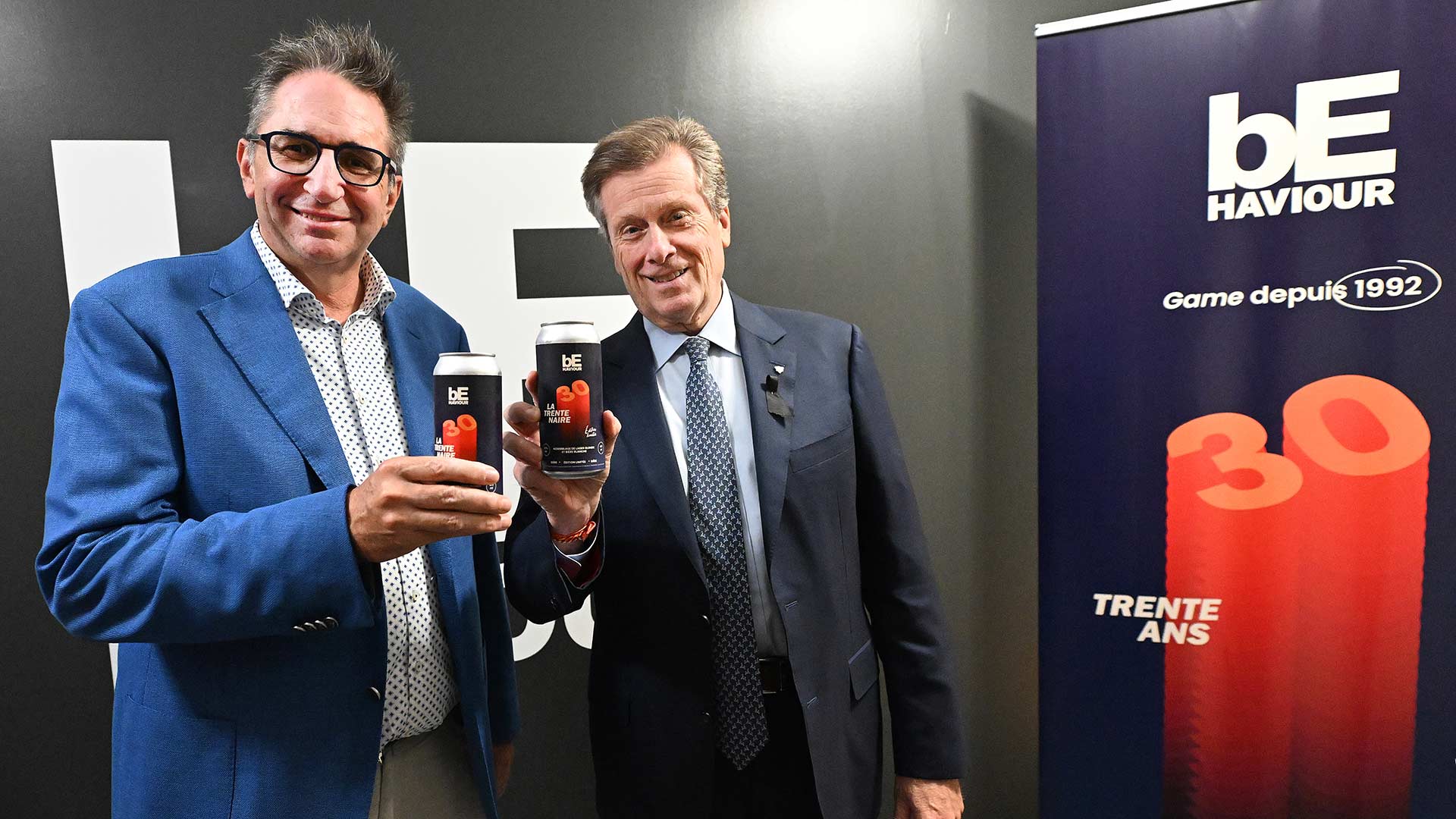
Behaviour Interactive turns 30 this month, and as part of its celebrations, the Montreal-based video game company has opened a new office in Toronto.
During a September 14th press conference, Behaviour CEO Rémi Racine and Toronto Mayor John Tory came together to officially launch the new studio, which began operations in April.
Great to join @Behaviour for their new Toronto office opening.
I am always encouraged when businesses choose Toronto for their new offices and today’s opening is another example of the confidence that people have in Toronto and our strong economy.
While Ontario is already home to around 300 game companies of varying sizes, Behaviour’s expansion into the province is particularly notable as it’s actually Canada’s largest independent gaming studio. According to Racine, Toronto was a natural choice for a new office, given the Dead by Daylight maker’s past business in Ontario.
“Before the pandemic, we were hiring in Ontario, we were doing all sorts of stuff with local schools in Toronto, Greater Toronto and Southwest [Ontario]. So basically, [people] were moving to Montreal to work for us,” Racine tells MobileSyrup. “But Ontario is close to Montreal, they have talent, and we were always hiring in Ontario. So why not have an office in Toronto and try to hire more?”
He adds that while talent can also be found elsewhere, like in the U.S., they’re still fundamentally different countries, as opposed to being different teams within Canada. “As Canadians, we’re very similar to one another, so there’s also a cultural fit for us.”
Having such similarities will no doubt help with the collaboration between Behaviour’s Canadian studios. To start, Racine says the Toronto office — which is currently home to about 65 employees — will support the Montreal flagship on its various projects, including its recently announced new I.P., Meet Your Maker, a first-person building-and-raiding game coming in 2023. However, he notes that the Toronto studio could branch into its own projects down the line as it hires more people.
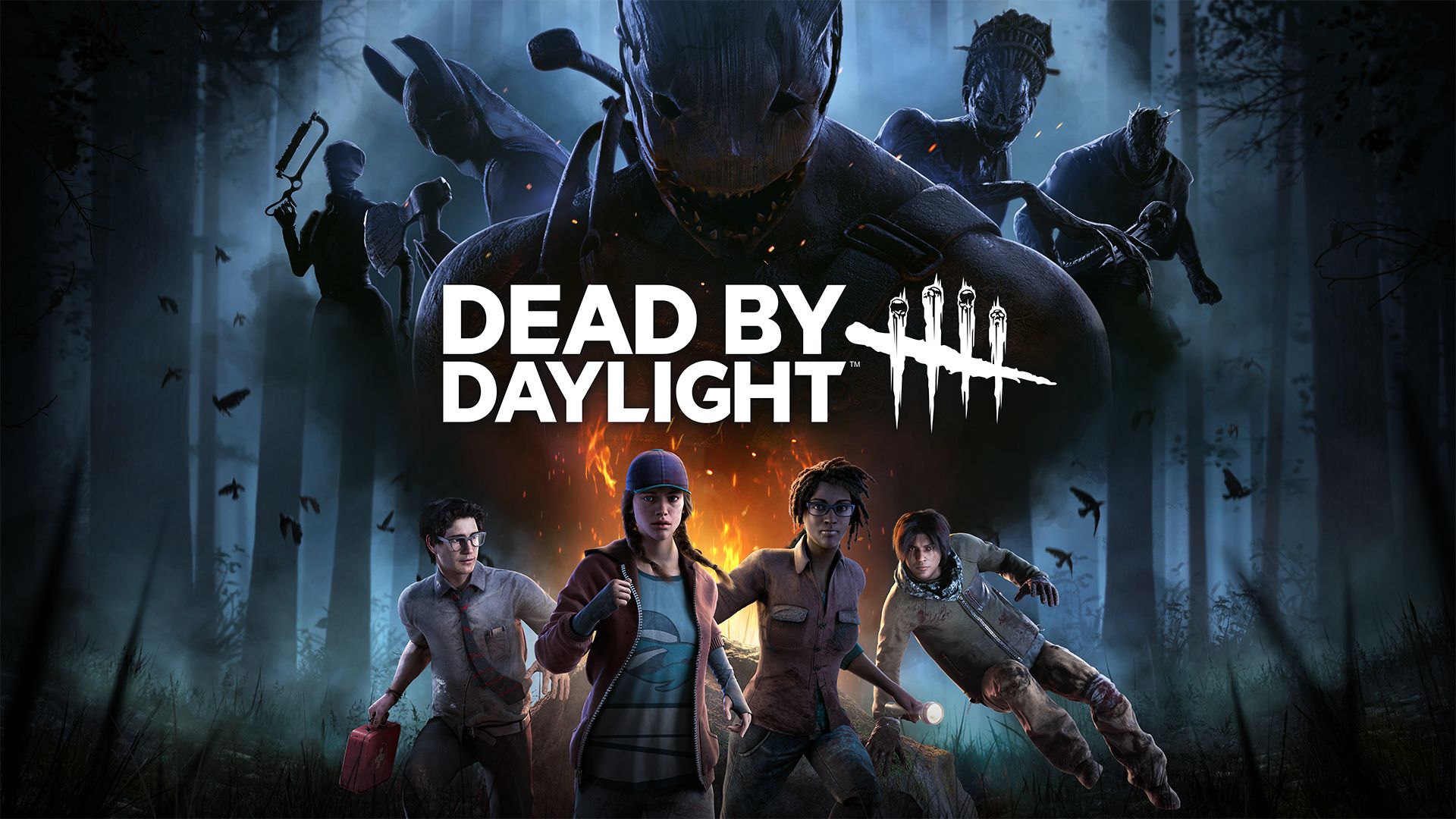
Dead by Daylight is one of the most popular ongoing multiplayer games on the market. (Image credit: Behaviour Interactive)
Even now, though, Behaviour’s overall workforce is massive, surpassing 1,000 people across all locations. This includes Seattle-based Midwinter, the developer of the free-to-play shooter Scavengers, which it acquired in June. And while Behaviour is best known for the massively popular survival horror multiplayer game Dead by Daylight, which topped 50 million players earlier this year, the veteran company has worked on countless other titles. This includes producing original games for such media giants as Warner Bros. (Bugs Bunny: Lost in Time) and Disney (Kim Possible: What’s the Switch?) to supporting development on the likes of Xbox’s Gears 5, Ubisoft’s Far Cry 5, PlayStation’s Days Gone and Activision’s Tony Hawk’s Pro Skater 1+2 HD.
And yet, while many other gaming companies have been bought out over these years, including Activision, Behaviour itself has impressively remained independent. When asked about how the company has avoided the acquisition craze that’s taking over the gaming industry, Racine quickly notes that he’s never actually been interested in selling.
“This is something that I enjoy doing — it’s still a lot of fun. I want to compete in the world markets, and I’ve always tried to do this. And I’ve had many offers over the years. But the way to not sell is that you don’t want to hear about it. So basically, if somebody calls you, you say ‘I’m not interested,’ and that ends the discussion,” he says. “I want to build something and I’m building it. So some people, they sell because they want to do something else, or they’re tired of running the business — there’s a reason behind it. But I like it.”
Behaviour Interactive CEO Rémi Racine with Toronto Mayor John Tory. (Image credit: Behaviour)
Another trend in the gaming industry is “crunch,” a term that refers to prolonged periods of overtime in game development. It’s a widespread issue among game makers, plaguing the likes of Rockstar (Grand Theft Auto), BioWare Edmonton (Mass Effect) and Naughty Dog (The Last of Us). In a pre-recorded video played during the press conference, Racine admitted to Behaviour also having a “crunch culture” in its earlier years, noting that he’d come in and find developers still in the office after they’d slept overnight by their desks. But it’s also something that he and Behaviour have actively worked to improve upon over the years — so much so that the company has recently won workplace awards from Deloitte and GamesIndustry.biz.
According to Racine, creating a healthier, crunch-free workplace all comes down to efficient management.
“The way to not have [crunch] is to better plan projects — everything needs to be perfectly planned. So when you’re at that last minute on anything, then crunch time happens. We made an effort — it didn’t happen over time, this took us years to do this — but the goal was clear,” he explains. “At some point, we’re going to go to overtime, so we got to have a system, the way to work, so that’s how we did it. We’re basically forcing people not to do overtime. That doesn’t mean that [overtime] never happens, but if it’s part of the culture of the business, then that’s [bad]. And I think that people appreciate it.”
And on a personal level, Racine says he never stops to appreciate the fact that a game as massive as Dead by Daylight is being made by Canadians. “It makes us very proud that it’s made in Canada,” he says. “If you look at our staff, and especially our senior staff, they’re very Canadian. All of them. We never to shout at each other, there’s no political thing within the office — it’s a culture that I’m proud of.”
And as he reflects on the new Behaviour office and the company’s continued plans for growth, he says he’d like to see other homegrown companies follow suit.
“My hope is that there are more Canadian-owned companies that grow. It doesn’t mean that foreigners won’t have bigger studios in Canada. When they announce that a foreign company opens in Montreal or in Toronto, I’m happy because creates a lot of opportunities for our people, but at the same time, I say ‘there was an opportunity that we didn’t take as Canadians into that market.’ I think there’s more equity in the market, so it should help Canadians to grow.”