After Apple’s ‘Peek Performance’ event concluded earlier today, and its web store came back online, a two-year-old product was nowhere to be found. It appears as though Apple has discontinued the 2020-released Intel-powered 27-inch iMac, as reported by The Verge.
The decision is likely due to Apple introducing its Studio Display, which also measures in at 27-inches and offers 600 nits of peak brightness and a 12-megapixel ultrawide webcam. However, the new Studio Display, as its names suggest, is just a display, whereas the iMac is (or was) an all-in-one.
If you visit the Apple website right now, you’ll see that the only iMac listed is the M1-powered 2021-released 24-inch iMac. However, its refurbished store still seems to have the outdated Intel iMacs in stock.
Apple hasn’t released an official statement indicating the discontinuation of the 27-inch iMac, but it’s pretty evident that the company is bidding to boost its own silicon in favour of Intel chips.
Today would have been the perfect time to announce the discontinuation of the old model and the introduction of a 27-inch silicon iMac. I wouldn’t bet on seeing it during Apple’s September event either, as it predominantly focuses on the new iPhone.
For everything revealed during Apple’s March event, follow this link.
MobileSyrup can confirm that Apple’s new Studio Display is compatible with Windows devices.
While Apple’s $2,000 Studio Display works with Windows-powered computers (or any device that features USB-C/Thunderbolt video-out for that matter) it won’t support features like ‘Centre Stage,’ its 12-megapixel webcam or other functionality tied to its A13 Bionic chip.
In essence, the Studio Display will function solely as a screen when plugged into a device that isn’t powered by macOS like a MacBook Pro or Mac mini.
The Studio Display features 600nits of brightness, a 5K resolution and several stand options, including a version that’s compatible with Vesa mounts.
The rear of the Studio display features three USB-C ports and a single Thunderbolt jack. The Studio Display releases on March 18th and starts at $1,199.
Alongside the Studio Display, Apple also announced the powerful Mac Studio today. For everything revealed during Apple’s March event, follow this link.
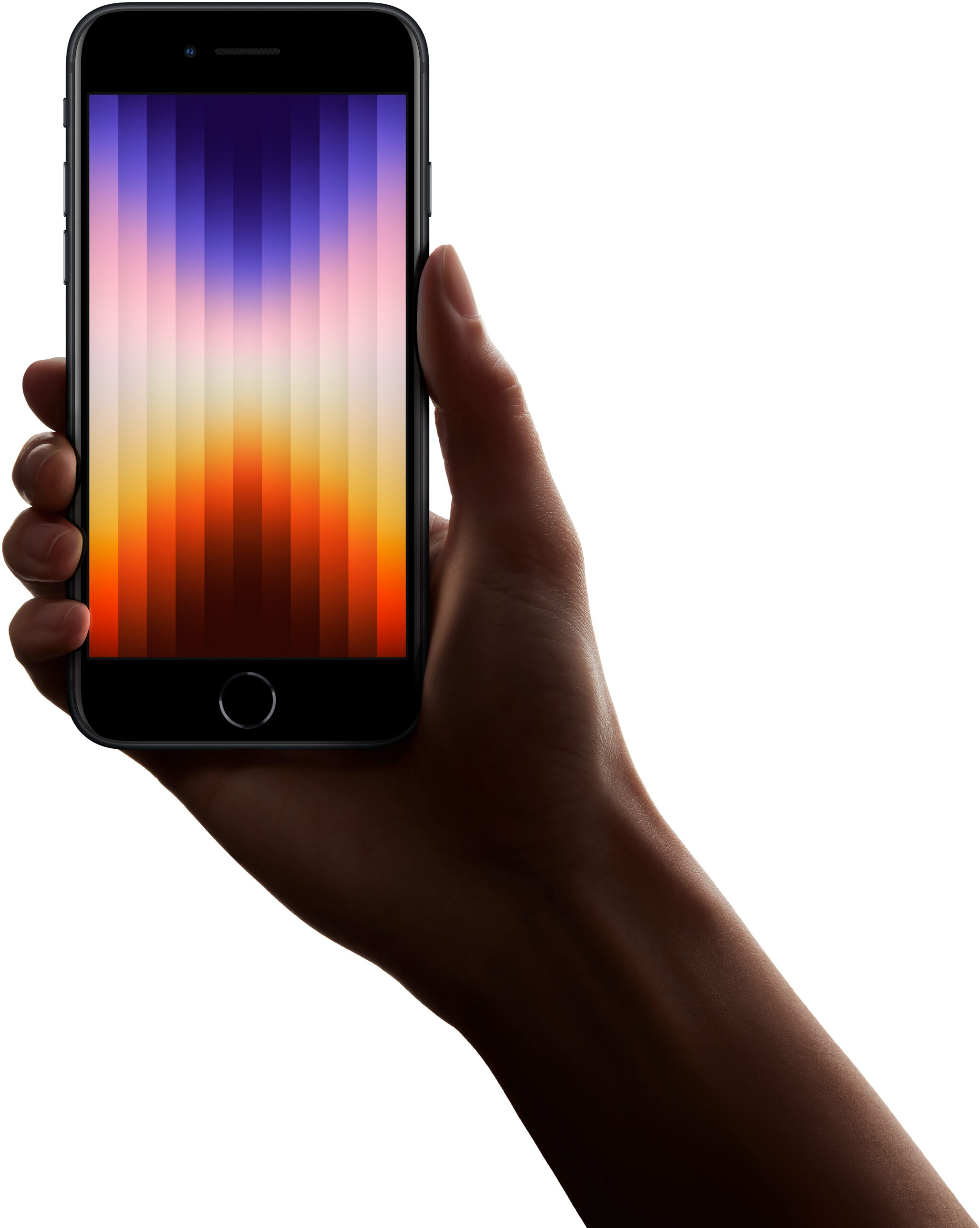
At its ‘Peek Performance’ event earlier today, Apple unveiled its long-rumoured updated 3rd-gen iPhone SE with an updated A15 bionic chip.
The entry-level smartphone isn’t available to pre-order until Friday, March 11th, so you don’t have to commit just yet. Rather, spend that time learning more about the device, and see if it is worth the upgrade, especially if you’re planning to move up from the 2020 SE to the 2022 one.
Let’s dive in and see how the iPhone SE compares to the… well… iPhone SE.
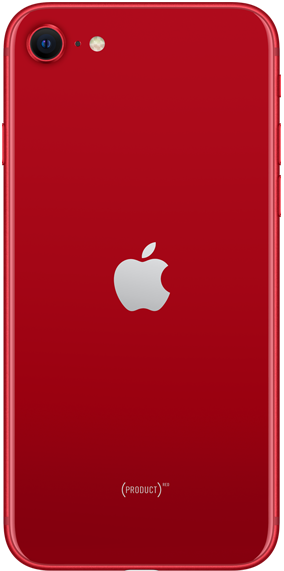
One of the main differences between the 2nd and 3rd-gen iPhone SE design-wise is that the latter now features an iPhone 13-like glass back, which Apple says is the toughest glass on a smartphone ever (Apple says that whenever it releases a new device).
Other than that, the two smartphones look identical, with the same body and the same 60Hz 4.7-inch LCD panel with a 1334 x 750 pixel ratio, HDR 10 and Dolby Vision. Like its predecessor, the 2022 iPhone SE retains the TouchID home button and broad top and bottom bezels, along with IP67 water and dust resistance.
Internals
In addition to the tough glass back, the 2022 iPhone SE takes another aspect of the iPhone 13 — its chip. The 3rd-gen iPhone SE runs on Apple’s in-house A15 Bionic chip which allows it to offer 5G connectivity, a feature that was missing in the 2nd-gen iPhone SE which ran on the A13 Bionic.
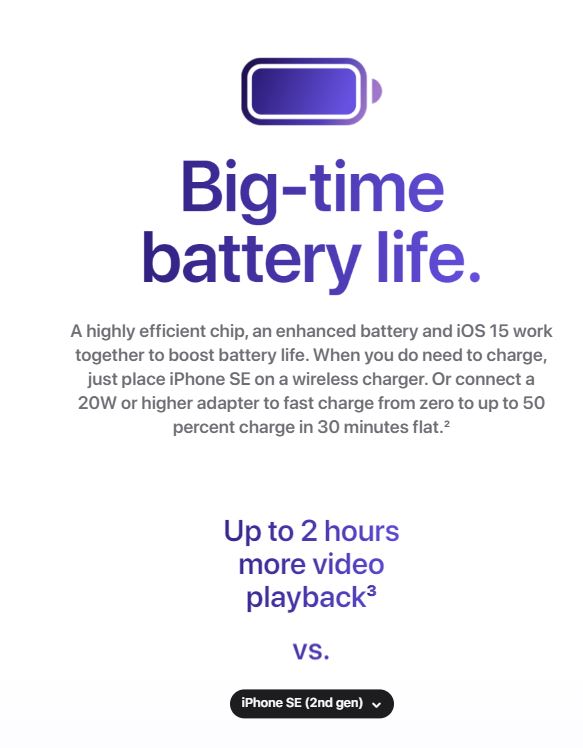
While we are not exactly sure about the 3rd-gen SE’s battery size, Apple’s website does say that it offers up to two hours more video playback than the 2020-release iPhone SE. Additionally, like its predecessor, the new smartphone offers wireless charging, though it is still missing MagSafe support.
Both models are available in 64, 128 and 256GB storage variants.
Camera
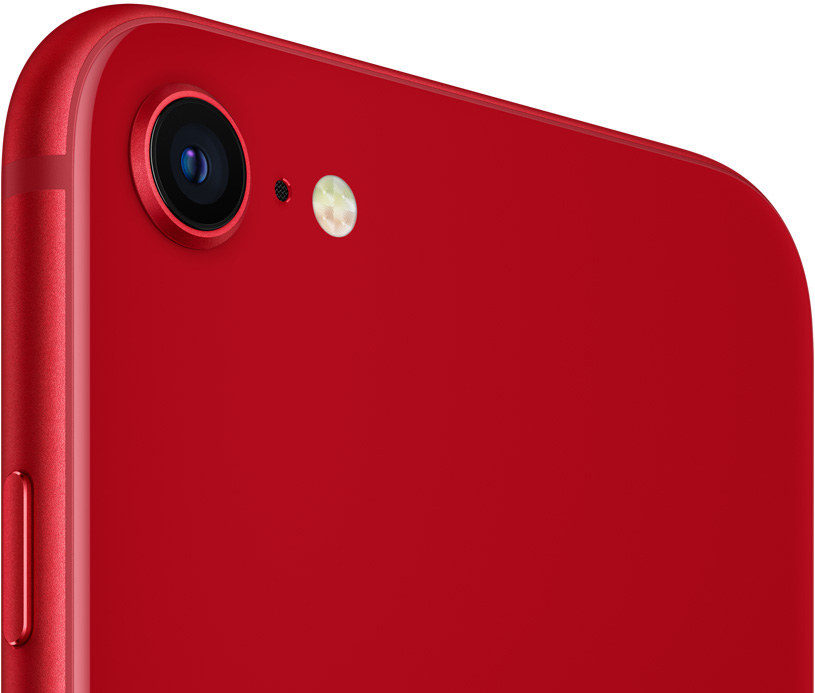
The two variants which were released two years apart feature the exact same single-camera setup on the front and rear of the device, though that doesn’t mean the cameras aren’t capable.
The 2020-release iPhone SE sports an f/2.2 7-megapixel camera on the front and a f/1.8 12-megapixels one on the back, and Apple decided it is going to stick with the same setup for its new SE offering. However, the new smartphone, thanks to an updated chip, has a few new tricks up its sleeve.
The new chip allows the device to do near-instant computations after you take a snap to adjust lighting, along with Smart HDR 4 that refines contrast and helps retain accurate skin tones.
The 3rd-gen iPhone SE also takes advantage of Deep Fusion, which Apple first released with iOS 13.2 for the iPhone 11, 11 Pro and Pro Max, a feature that wasn’t available with the 2nd-gen SE. According to Apple, “Deep Fusion studies multiple exposures pixel by pixel to capture the subtlest details, textures and patterns in your final shot.”
Another upgrade directly tied to the 3rd-gen iPhone SE’s camera that doesn’t necessarily involve clicking photos is Live Text. Live Text was introduced last year with iOS 15 and allows users to scan text in the real world and convert it into digital text. That is just a brief explanation of Live Text. For an in-depth tutorial on how to use it, click here.
Colours and pricing
Upon release, the 2nd-gen iPhone SE was available in ‘Black,’ ‘White’ and ‘Product Red colourways in 64, 128 and 256GB storage variants. The device was priced at $599 for the 64GB version, $699 for the 128GB version and $809 for the top-of-the-line 256GB model.
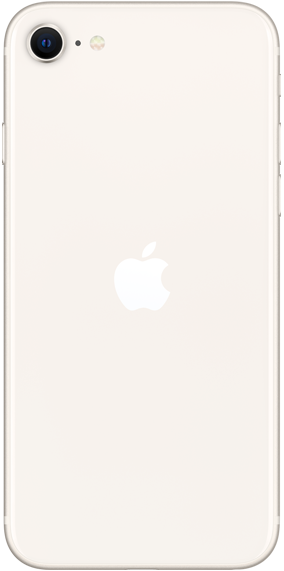
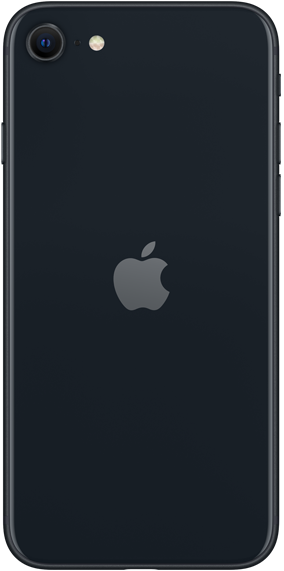
The new 2022-release iPhone SE is available in ‘Midnight,’ Starlight’ and ‘Product Red’ colourways. The former two colours are the same as ‘Black’ and ‘White,’ albeit in a fancier lingo.
Like its predecessor, the 3rd-gen iPhone SE is also available in 64, 128 and 256GB variants for $579, $649 and $789, respectively.
Worth the upgrade?
While the 3rd-gen iPhone SE doesn’t seem to have any monumental upgrades over its predecessor at first glance, the A15 Bionic chip is sure to make the daily-use experience feel smoother and faster, along with added camera features that the 2nd-gen iPhone SE couldn’t get its hands on. The upgraded chip also means that the 2022-release iPhone SE can survive longer per charge, all while offering 5G connectivity.
With added features comes an added cost? Not really. The 3rd-gen iPhone SE is actually $20 cheaper than its predecessor, making it the new affordable iPhone king.
For everything revealed during Apple’s March event, follow this link.
Samsung might be throttling app performance with its Galaxy S22 series, according to sources that spoke to The Korea Herald.
Industry sources reportedly say that South Korea’s Fair Trade Commission received a complaint that Samsung violated advertisement law when promoting its Galaxy S22 brand and now the Commission will likely launch a preliminary investigation into Samsung.
The complaint looks into Samsung’s S22 advertising, including the phrase how the phrase “best performance ever” is used by the company. The complaint also takes a closer look at the S22 series’ claims that it offers a 120Hz refresh rate for gamers. When an S22 device launches a game, optimization software is opened alongside that app. This app causes the S22 to lock at 60Hz when gaming, and is a limitation I noted when playing League of Legends: Wild Rift while reviewing the S22 Ultra.
This optimization software, ‘Gaming Optimizing Service (GOS),’ automatically launches when users play games with the Galaxy S22. The software adjusts performance to make the S22 series’ batteries last longer and prevents overheating, according to Samsung.
Another complaint says that GOS turns on when other heavy-resource apps that aren’t games are in use. According to The Korea Herald, GOS causes the S22 series to drop down to about 54 percent of its promised performance.
The South Korean smartphone maker is reportedly planning to offer a “performance mode” to S22 users, but denies that GOS is activated for anything other than gaming.
Apple’s new Mac Studio will run you a cool $10,000 in Canada. Well, $9,999 to be exact, but at that point what’s another loonie?
Besides, that $9,999 price is just the maxed-out Mac Studio. Want a monitor? Keyboard? A mouse? Maybe some software to make use of all that power? Yup, you’ll need to open up that wallet again.
All right, let’s break it down and see what all that money gets you:
What you get for $9,999
To get up to that mammoth $9,999 figure, the first thing you need to do is opt for the M1 Ultra variant of the Mac Studio. That tacks an extra $1,250 on to the base $4,999 price.
Next, you’ll need to pick the 128GB memory option and max out your storage with the 8TB SSD (those will run you an extra $1,000 and $2,750 respectively).
That all gets you to the $9,999 price tag. Before we go any further, I want to point out that the eye-watering price tag is far from the highest Apple’s ever had. The Mac Pro maxed out at $73,396 in Canada. If the Mac Studio is as powerful as Apple claims, then that $9,999 price tag is a steal.
Extra costs on top of the $9,999
There are a few extras to keep in mind when pricing out your dream Mac Studio (and for the sake of this, we’re just going to roll with the Apple stuff, although you could probably save a ton by buying some non-Apple items).
First, if you want Apple’s Final Cut Pro or Logic Pro software, you’ll need to pay extra. You can get the software bundled with the Mac Studio — Final Cut Pro will run you an extra $399.99 while Logic Pro will be an extra $279.99. With both those on, you’re up to $10,678.98 total.
Next up we have displays. Sure, you could go for Apple’s new Studio Display, but for those of you seeking the ultimate in Apple spending, the obvious choice is the Pro Display XDR. Naturally, you’ll want the ‘nano-texture glass’ for the ultimate in viewing, which brings the price to $7,499. And you can’t forget the $1,299 Pro Stand, bringing the total to $8,798 for the monitor.
Apple’s website says the Mac Studio supports up to four Pro Display XDR monitors at the same time (plus one 4K TV, but we’ll leave that out of the equation since Apple doesn’t sell one). Four ProDisplay XDR monitors will run you $35,192, or $45,870.98 total with the Mac Studio included. Thankfully, the ProDisplay XDR includes an Apple Thunderbolt cable (otherwise they cost $159 a pop).
Speaking of accessories, you’ll need input devices to use the new Mac Studio. Assuming you’ll go all-in on Apple’s accessories, you’re looking at $229 for a Magic Keyboard with Touch ID and a Numpad, $169 for the Magic Trackpad, and $119 for the Magic Mouse.
That brings us up to $46,387.98, which covers almost everything you need. All that’s left is Apple Care+ for your new Mac Studio and all of your Pro Display XDRs (at the time of writing, Apple’s website didn’t list the Apple Care cost for the Mac Studio, but coverage for the Pro Display XDR costs $649 per monitor).
So, there you have it. The ultimate Apple purchase. You will never financially recover from it, but it’s there if you want it.
Apple has announced a variety of new products at its March ‘Peek Performance’ event including a new iPhone SE (2022), a new iPad Air, a Mac Studio and more. Here’s the Canadian pricing and availability for all the devices that the Cupertino-based company announced at the event.
Firstly, most of these devices are available to pre-order starting March 11th and release on March 18th. You can grab them online or from your local Apple store.
M1 Ultra Mac Studio: starts at $4,999 — it’s worth noting that the M1 Ultra Mac Studio will be shipping later than all the other devices. My order date (for Toronto) won’t ship out until April 1st to April 8th
Apple introduced several new products during its March “Peek Performance” event, emphasizing the use of recycled materials in each.
All the product presentations featured an “environment” subsection. While relatively short and lacking detail, it was refreshing to see a tech giant caring about how its products are manufactured and minimizing its environmental footprint.
The third-generation iPhone SE takes design hints from the iPhone 8 and features a physical “home button.” But unpacking this phone will be a different experience. The packaging won’t include the outer plastic wrap seen with many of the phones Apple released in recent memory.
The packaging was also removed for the iPhone 13, which was re-introduced in two new shades at the event. The iPhone SE also uses recycled material throughout the phone. The ‘Taptic’ engine, for example, uses recycled rare earth elements.
The new iPad Air also has a number of components made with recycled materials. This includes aluminum used for the enclosure and rare earth elements in the audio magnets. The display glass is also free of arsenic.
The Mac Studio is the only product where Apple offered a comparison, stating the device will use 1,000 fewer kilowatt-hours (kWh) of energy in a year than a high-end PC desktop.
The Mac Studio also has 100 percent recycled rare earth metals in the magnets, and recycled tin is used in the solder of the logic board. The accompanying Studio display also uses recycled rare earth elements in its magnets.
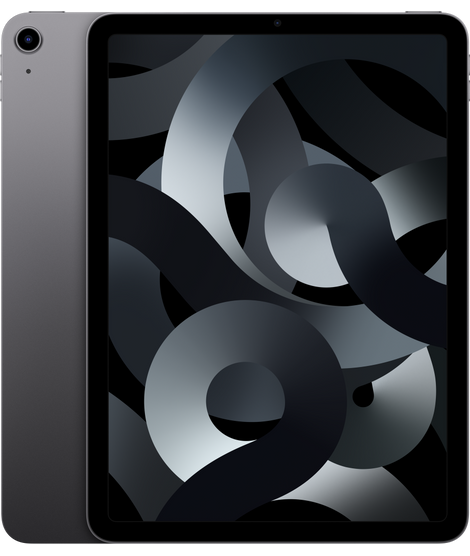
At Apple’s ‘Peek Performance’ event earlier today, the Cupertino, California-based company announced its latest 10.9-inch Liquid Retina display iPad Air with an M1 processor, the same chip that Apple uses for its 2021-released iPad Pro lineup.
Similar to the iPad Pro, the new Air also features an ultra-wide 12-megapixel front camera with ‘Center Stage’ to keep you in the frame during video calls, which would now be crystal clear, even when you’re on data, thanks to newly-introduced 5G support.
Check out how the new iPad Air compares to its 2020-released predecessor and the 2021 released iPad Pro (11-inch).
iPad Air (2020)
iPad Pro 11-inch (2021)
iPad Air (2022)
Display
10.9-inch IPS Liquid Retina display, 2360 x 1640 pixel resolution
11-inch IPS Liquid Retina display, 2388 x 1668 pixel resolution
10.9-inch IPS Liquid Retina display, 2360 x 1640 pixel resolution
Wi-Fi up to 802.11.ac, LTE (23 bands), Bluetooth 5.0, GSM / CDMA / HSPA / EVDO / LTE
iPad Pro 11-inch (2021)
GSM/HSPA/LTE/5G
iPad Air (2022)
LTE/ 5G
Sensors
iPad Air (2020)
Touch ID (on top), Three axis gyro, Accelerometer, Ambient light sensor, Barometer
iPad Pro 11-inch (2021)
Face ID, Three axis gyro, Accelerometer, Ambient light sensor, Barometer
iPad Air (2022)
Touch ID, Three axis gyro, Accelerometer, Ambient light sensor, Barometer
SIM Type
iPad Air (2020)
Nano SIM, eSIM
iPad Pro 11-inch (2021)
Nano SIM, eSIM
iPad Air (2022)
Nano SIM, eSIM
Launch Date
iPad Air (2020)
September 15, 2020
iPad Pro 11-inch (2021)
April 30, 2021
iPad Air (2022)
March 18, 2022
Misc
iPad Air (2020)
Colours: Silver, Space Grey, Rose Gold, Green, Sky Blue
iPad Pro 11-inch (2021)
Colours | Silver, Space Grey
iPad Air (2022)
Colours: Space Grey, Starlight, Pink, Purple, Blue
The new iPad Air will be available in ‘Blue,’ ‘Pink,’ ‘Purple,’ ‘Starlight’ and ‘Space Grey’ colour variants. Its base storage is 64GB, with the Wi-Fi model setting you back $749. The 64GB Wi-Fi + Cellular model comes in at $949.
MobileSyrup utilizes affiliate partnerships. These partnerships do not influence our editorial content, though we may earn a commission on purchases made via these links that helps fund the journalism provided free on our website.
Apple revealed the long-rumoured iPhone SE during its ‘Peek Performance’ event today.
With its latest A15 Bionic chip and an iPhone 8-like design, the new iPhone SE combines power with affordability.
The entry-level smarpthone will be available to pre-order starting Friday, March 11th and hits stores starting March 18th.
The new iPhone SE SE will be available in 64GB, 128GB and 256GB variants in ‘Midnight,’ ‘Starlight’ and ‘Product Red’ colourways. The 2022 SE starts at $579 in Canada.
With the reveal of Apple’s 3rd-gen iPhone SE and the rumours leading up to it, I started to wonder if Apple’s only iPhone that still features a home button is actually the best budget device the company offers.
It has a place in the iPhone lineup, there’s no doubt about it, but I think the iPhone 11 is a better buy that offers a more modern smartphone appeal at a price that provides a similar value proposition. Value shifts from person to person, but to me, a phone that feels nice in my hand, has a large screen, lasts all day and can snap great pics, is the sweet spot.
It doesn’t need to be the fastest or flashiest smartphone, but anything extra on top of what I’ve already mentioned, like waterproofing is awesome. Jam all those features into a phone under $800, and my interest is piqued.
As the iPhone 11 slides down Apple’s release ladder, it’s moved closer to my heart – I just needed the new iPhone SE to release for me to really see it.
I <3 the iPhone 11
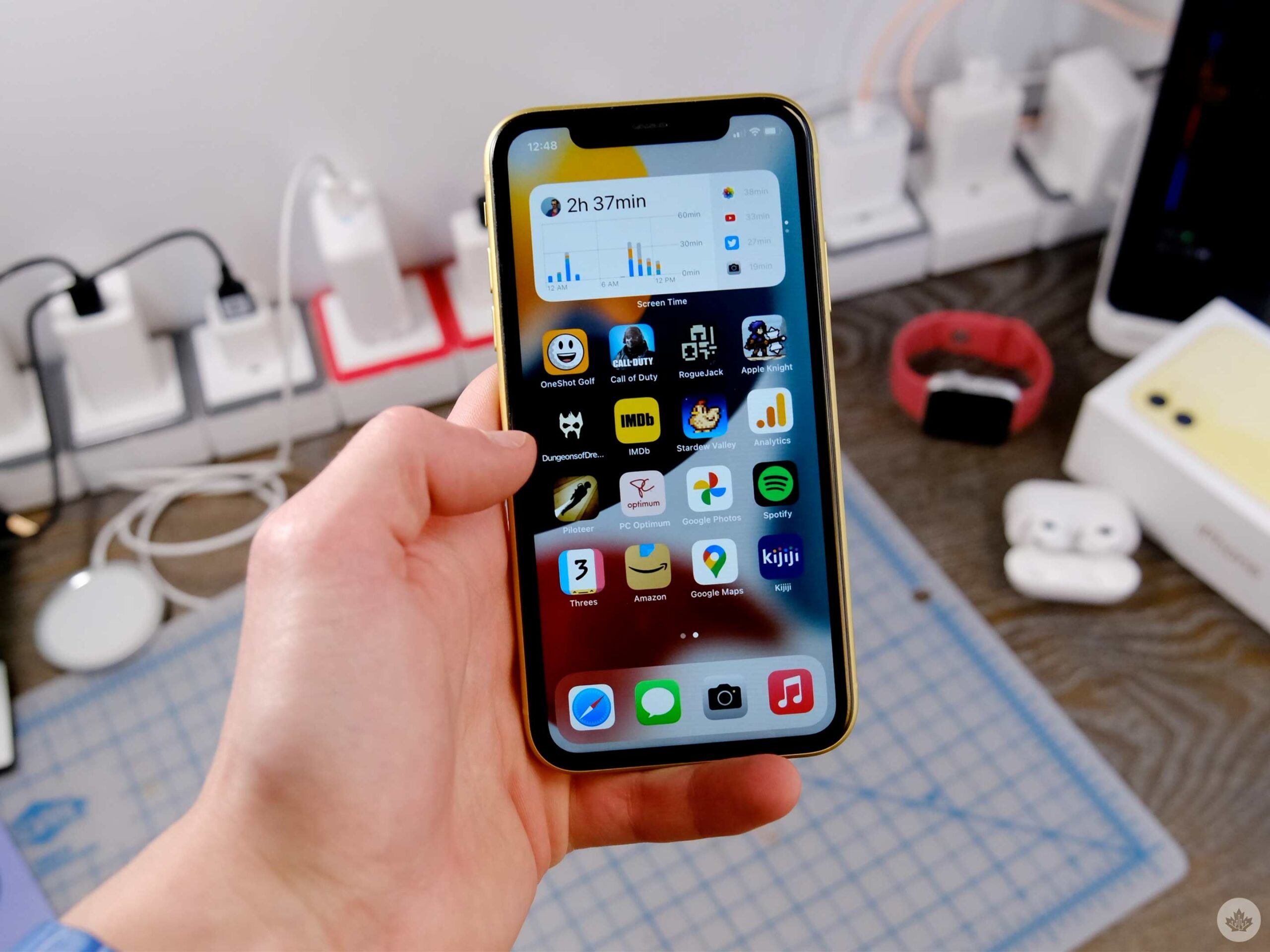
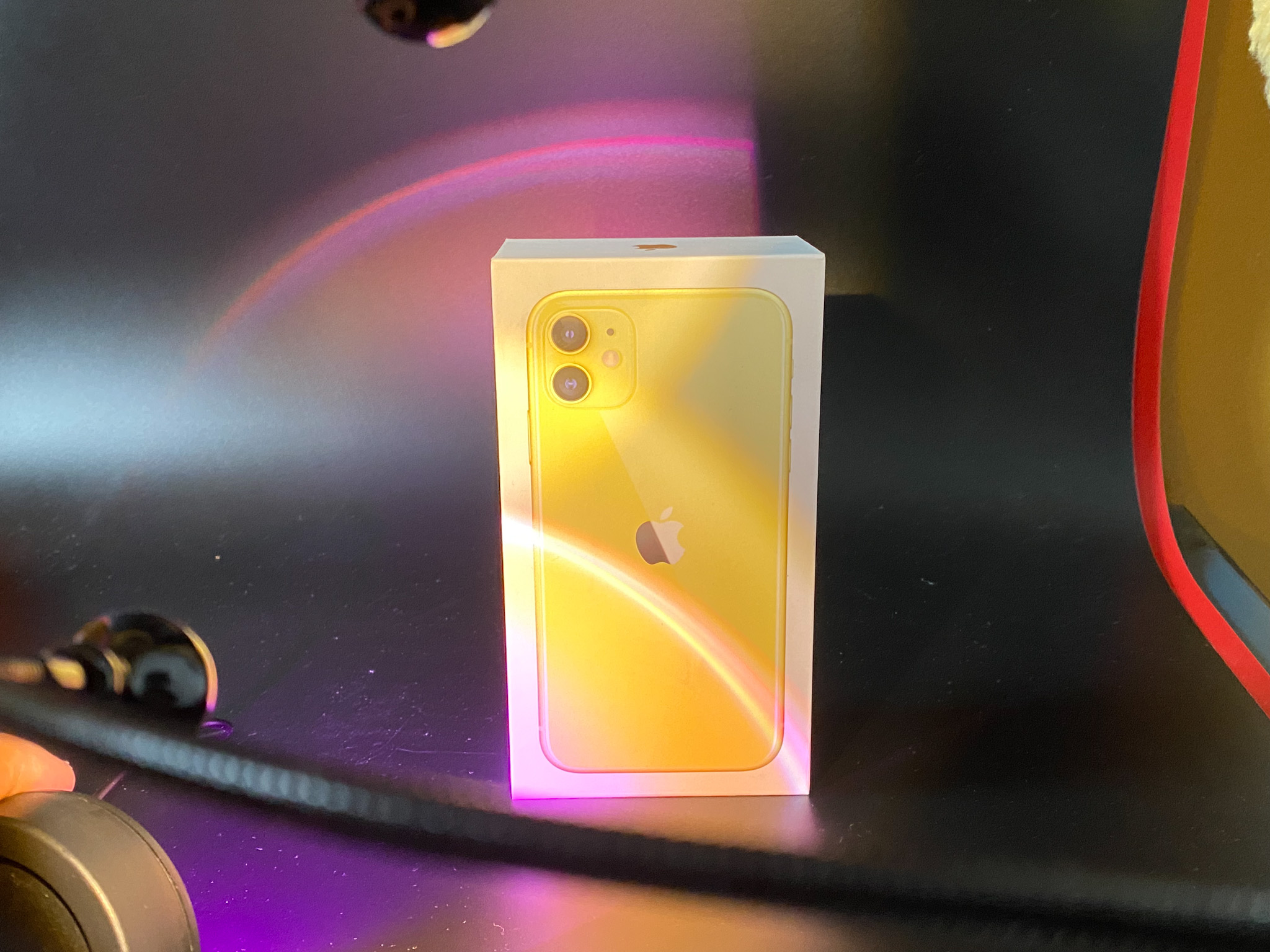
The iPhone 11 was released in late 2019, and I got my model pretty much right at the end of December of the same year. It was my workhorse smartphone for about a year alongside a Pixel 3 until I ended up with an iPhone 12 Pro sometime in early 2021. After that, my girlfriend Alex started driving this little yellow iPhone 11. Keep all of this in mind as I praise and criticize this aging iPhone.
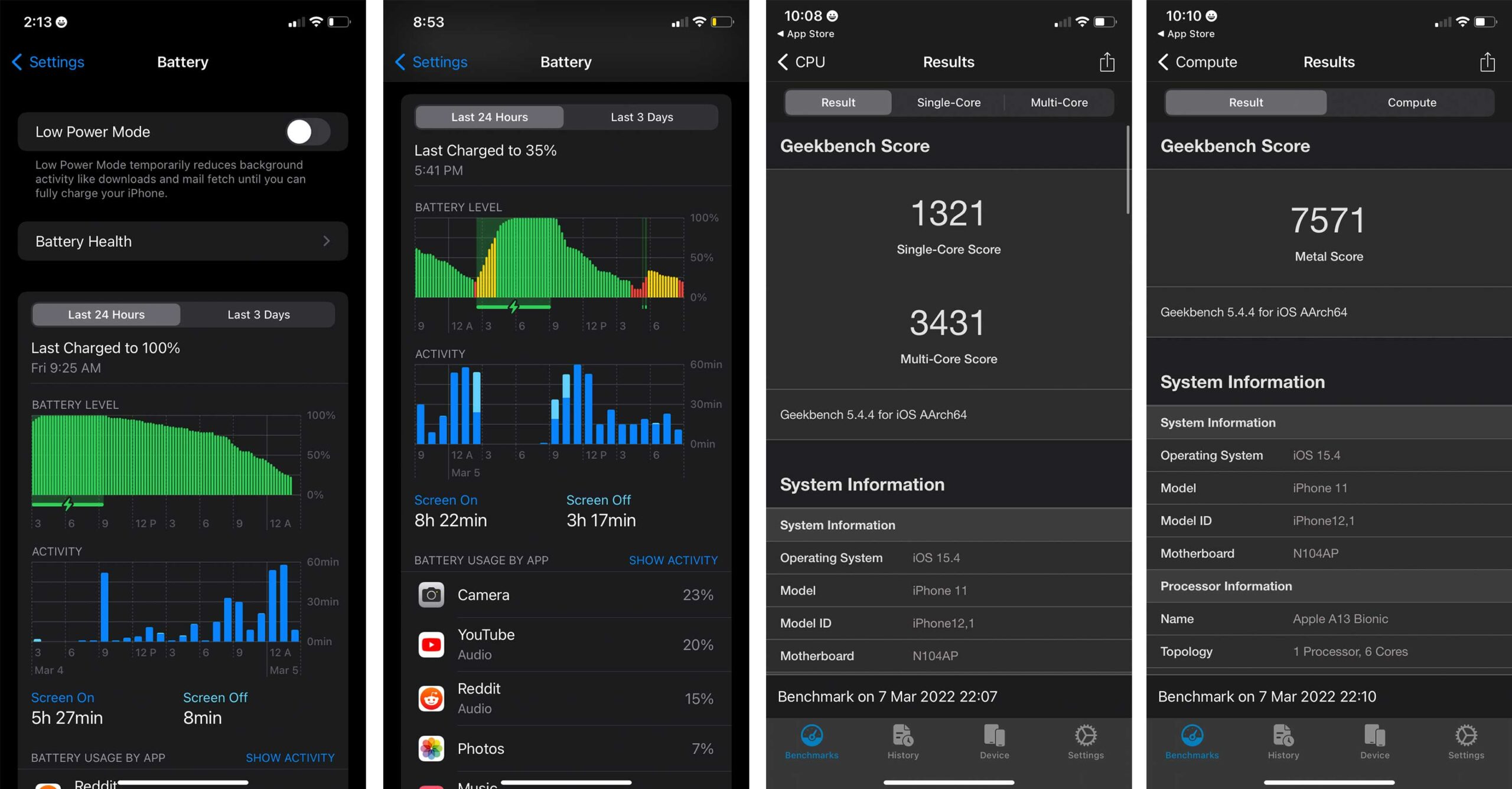
Leading out of that, my iPhone 11 still has 92 percent battery health. Though it’s not giving me the full day and a half to two days that it was supplying at launch, I’m still getting a day of battery life and five or more hours of screen-on time per day. For a three-year-old phone, this is pretty good and I expect anyone who buys a new iPhone 11 will experience even longer battery life.
When I benchmarked my old model, it held up, and the RAM and CPU are running optimally. Sure, COD Mobile didn’t look as clean as it does on my iPhone 13 Pro, but even while gaming, the phone held up. However, gaming and using the camera do make the device’s battery drop quite a bit. I’ll also note that the speakers in more modern iPhones offer a wider sound stage than the iPhone 11.
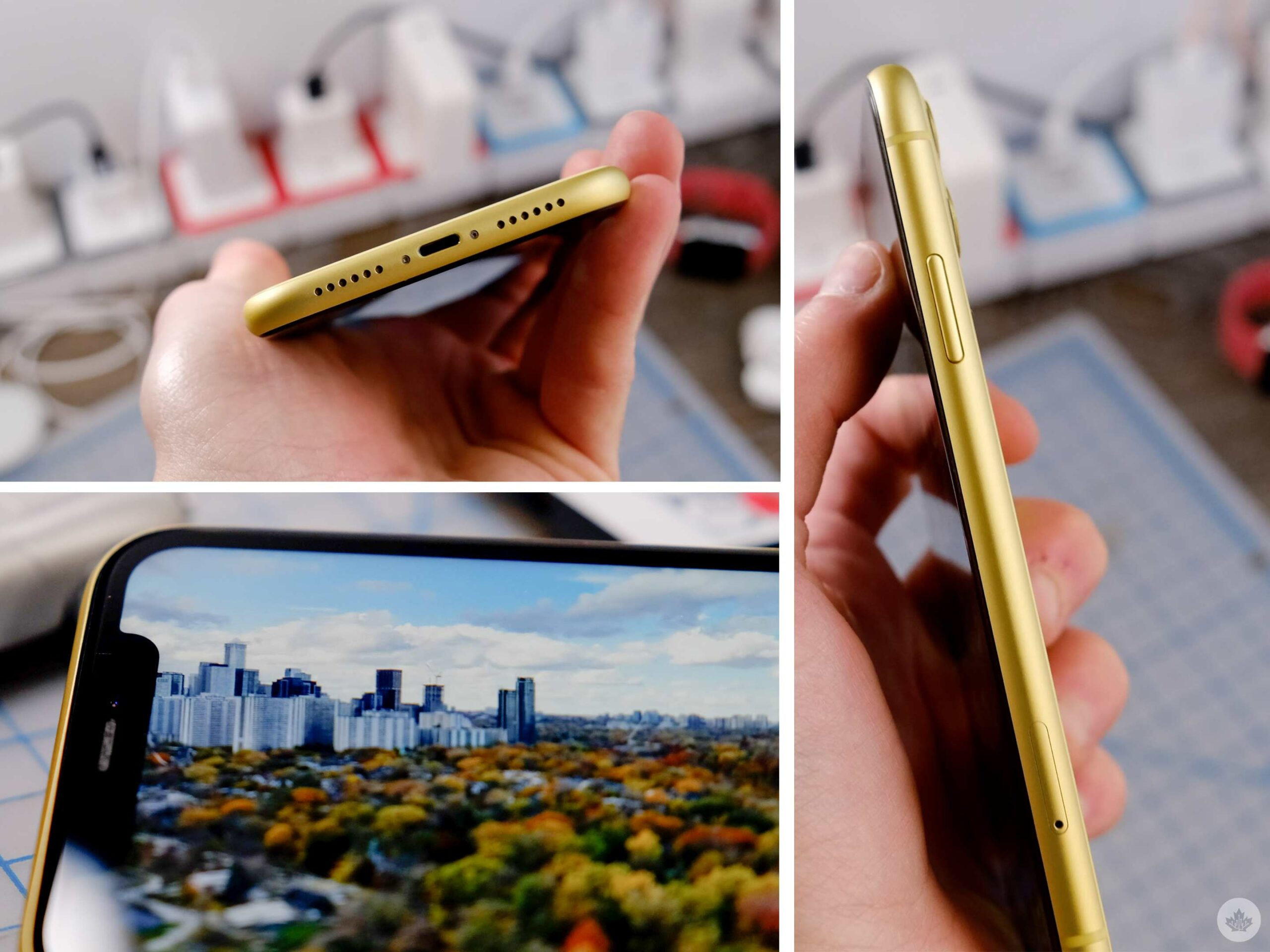
The rounded sides of the iPhone 11 feel nice, but I like how the more squared-off iPhone 12 and iPhone 13 are narrower. Still, what really matters is that this phone is aluminum and glass, so it feels premium – and, of course, it’s available in several fun colours. For this price, you’ll be hard-pressed to get a phone that feels this premium elsewhere. The most comparable phone that comes to mind is the first OnePlus Nord. But even then, that phone felt considerably cheaper.
I’m somewhat ashamed to say that my iPhone 11has been subjected to way too many accidental drops, most with a case, and beyond a few minor scratches and scuffs, it’s still in relatively solid condition.
Does the iPhone 11 <3 me?
In day-to-day use, the iPhone 11 still holds up remarkably well, but when you compare it to some of the top phones available right now, it’s easy to see where the iPhone 11 falls behind.
For example, the LCD screen that looked a bit washed out in 2019, looks even worse in 2022. Compared to the Pixel 6’s screen, it’s not as punchy and the 60Hz iPhone 11 display is a bit grating to go back to after using 90Hz and above smartphone screens for the past year or so. I’m not sure if anyone with an iPhone that also has an LCD screen would really notice the quality difference, but once you make the jump to a higher-refresh-rate OLED panel, it’s noticeable when you go back.
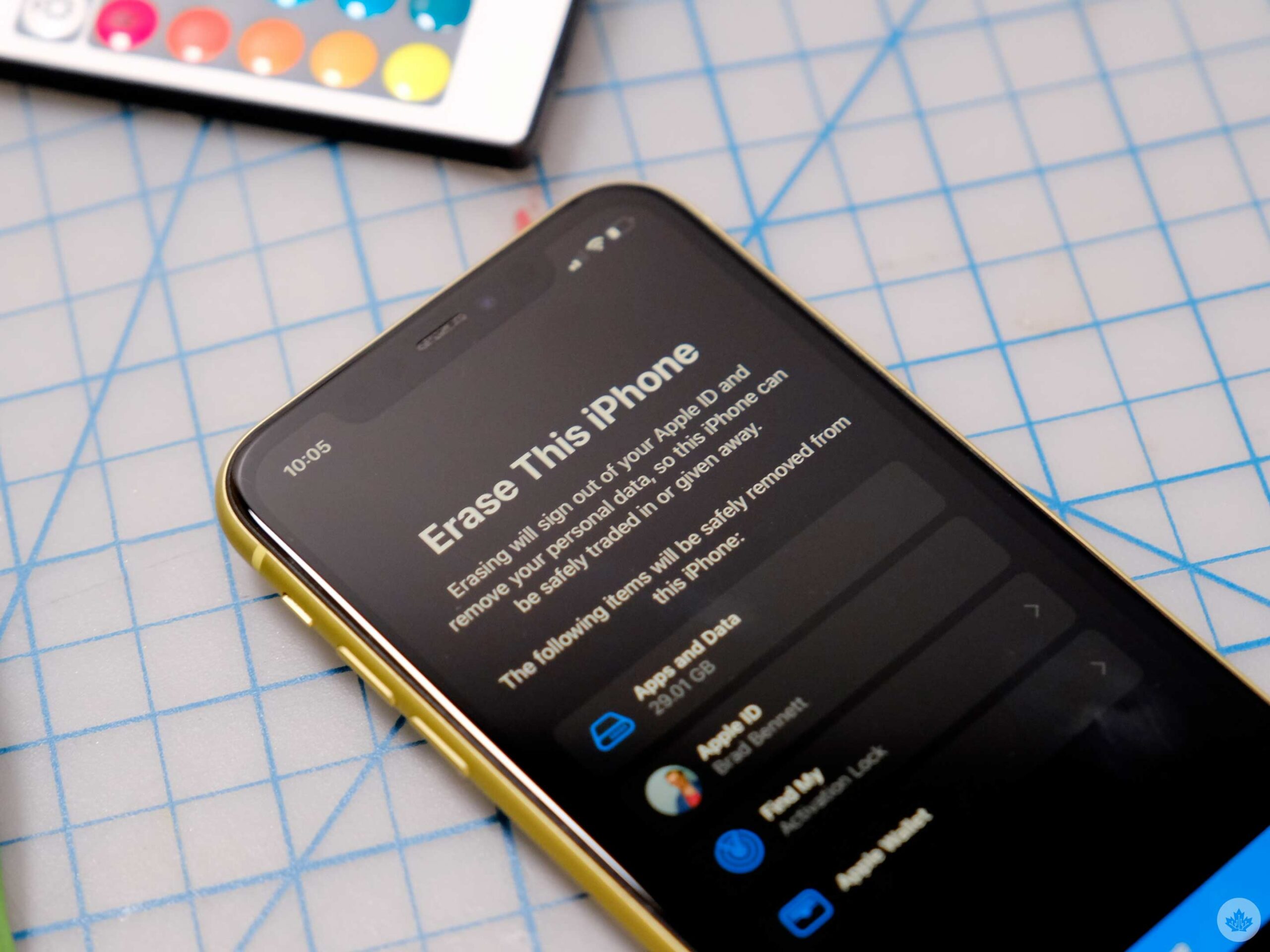
When I began this test I restored my iPhone 11 with the backup from my iPhone 13 Pro and it was usable, but the lag I experienced was a bit heavier than I anticipated. After talking to Patrick O’Rourke, he suggested that perhaps restoring from the more modern smartphone was bogging the iPhone 11 down. After this, I reset the device again and started fresh. After an hour of manually reinstalling my most-used apps, I got back to my life.
This time, the iPhone 11 felt a lot zippier and navigating the interface was a much cleaner experience than it was before the reset. When I’m in my last five percent of battery with low-power mode on, things still get slow, but 95 percent of the time, it’s smooth sailing.
With the new iPhone SE, you also get the addition of 5G. The iPhone 11 is LTE only, but even living in Toronto, 5G has yet to impact my life in any meaningful way. Sure, the technology offers faster speeds in some cases, but it’s not that much faster. Coming from newer 5G-equipped devices, I didn’t miss the additional speed boost the slightest as I stepped back in time with the iPhone 11 this week.
A turning point
My favourite thing about using the iPhone 11 again is being able to get a better sense of how far mobile camera systems have come in the past three years – or in some cases, how little they’ve improved.
There’s no doubt that the iPhone 13 and iPhone 12 feature better camera systems than the iPhone 11. Still, the camera advantages those devices feature often appear in niche scenarios and in most cases, all the iPhones produce very similar results.
The iPhone 13 can capture crisper images, and the ability to get more colour and detail in shadows and highlights is helpful for most shooting scenarios. But as someone that often looks to play with light and shadows, HDR is a tool I only use sometimes. In this regard, the iPhone 11 and its younger siblings all perform quite similarly. Even with HDR on, all modern iPhone cameras look pretty similar under most circumstances, with differences only really becoming noticeable when you look closely at photos.
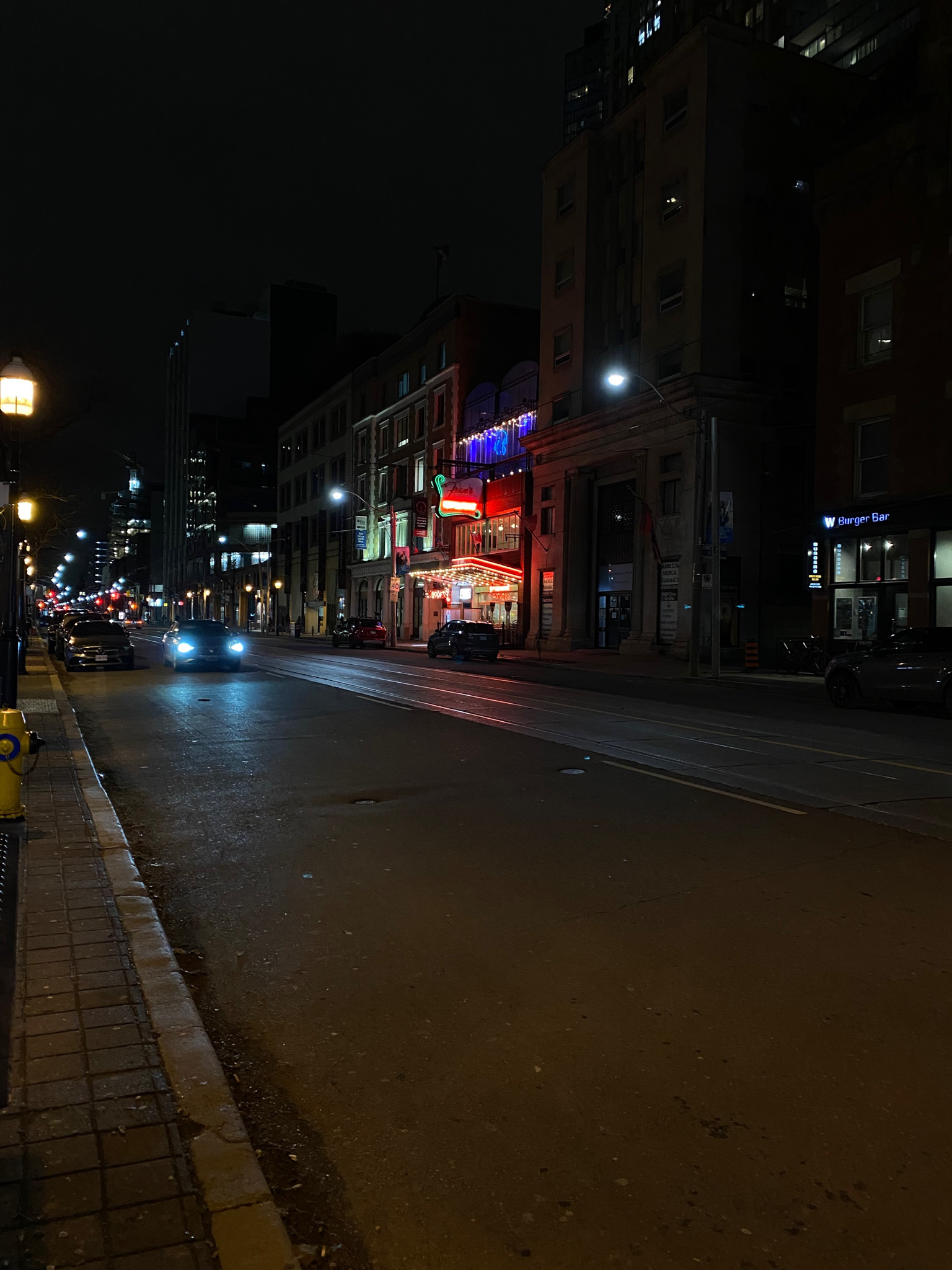
Low-light is a bit of a different story. The iPhone 13 in particular, has really pushed the needle forward on low-light photography, and the iPhone 11 can’t keep up. Sure, there’s a software-powered night mode, but it’s still not good at capturing highlights in dark areas. Often this would blow out neon signs at night. As with any camera, you can still take decent night shots once you learn its limitations and how to work within them, but it’s not as easy as the point-and-shoot mentality of a mobile camera from late 2021 and newer.
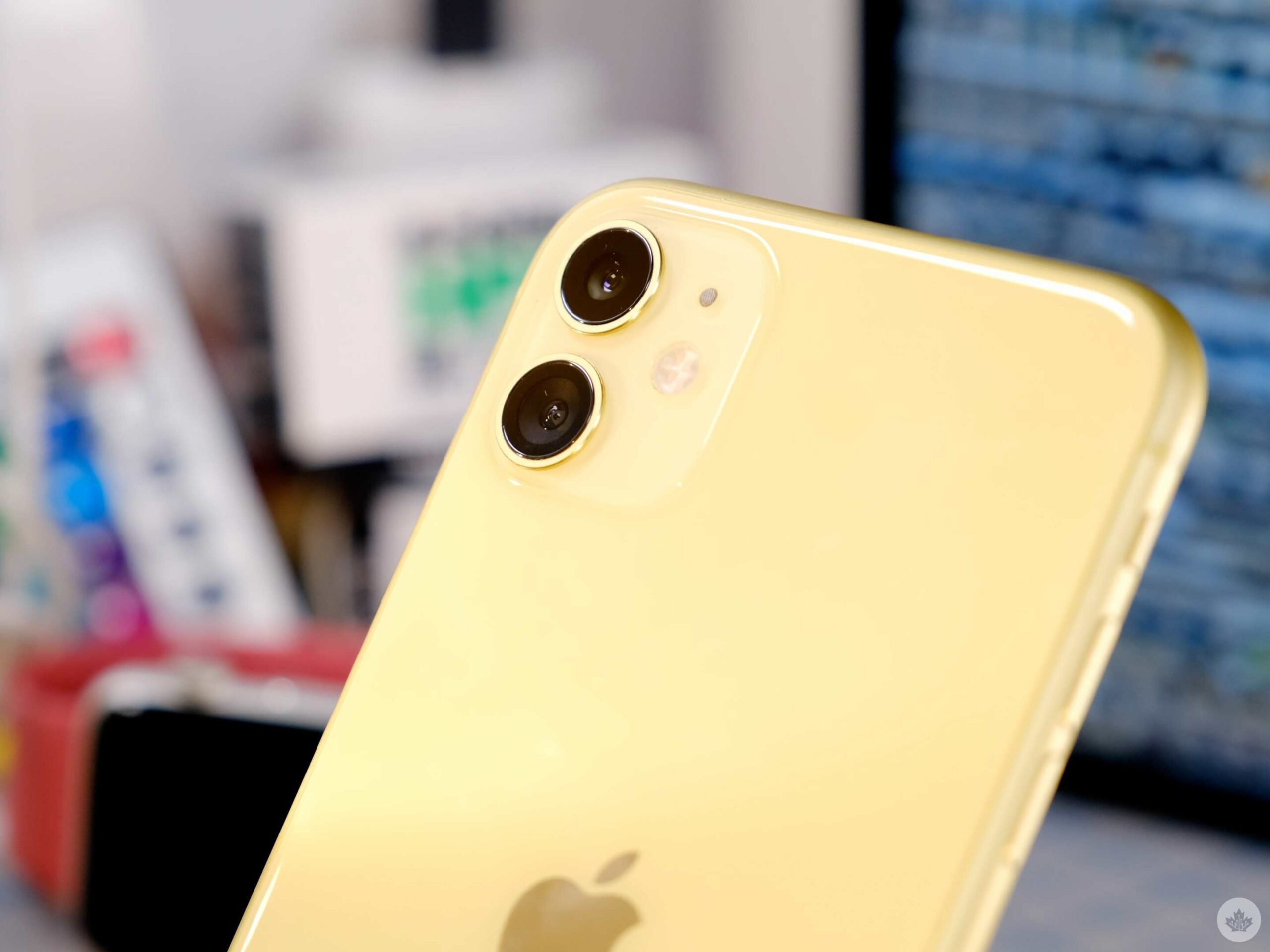
Regardless of this, you still get to play with a lot of camera here. All the sensors are 12-megapixels and the rear cameras feature 13mm ultra-wide and 26mm wide lenses. I wish one of them was a zoom lens instead of an ultra-wide since I find that more useful for my shooting style, but they pay off if you aim to use these for their intended purposes.
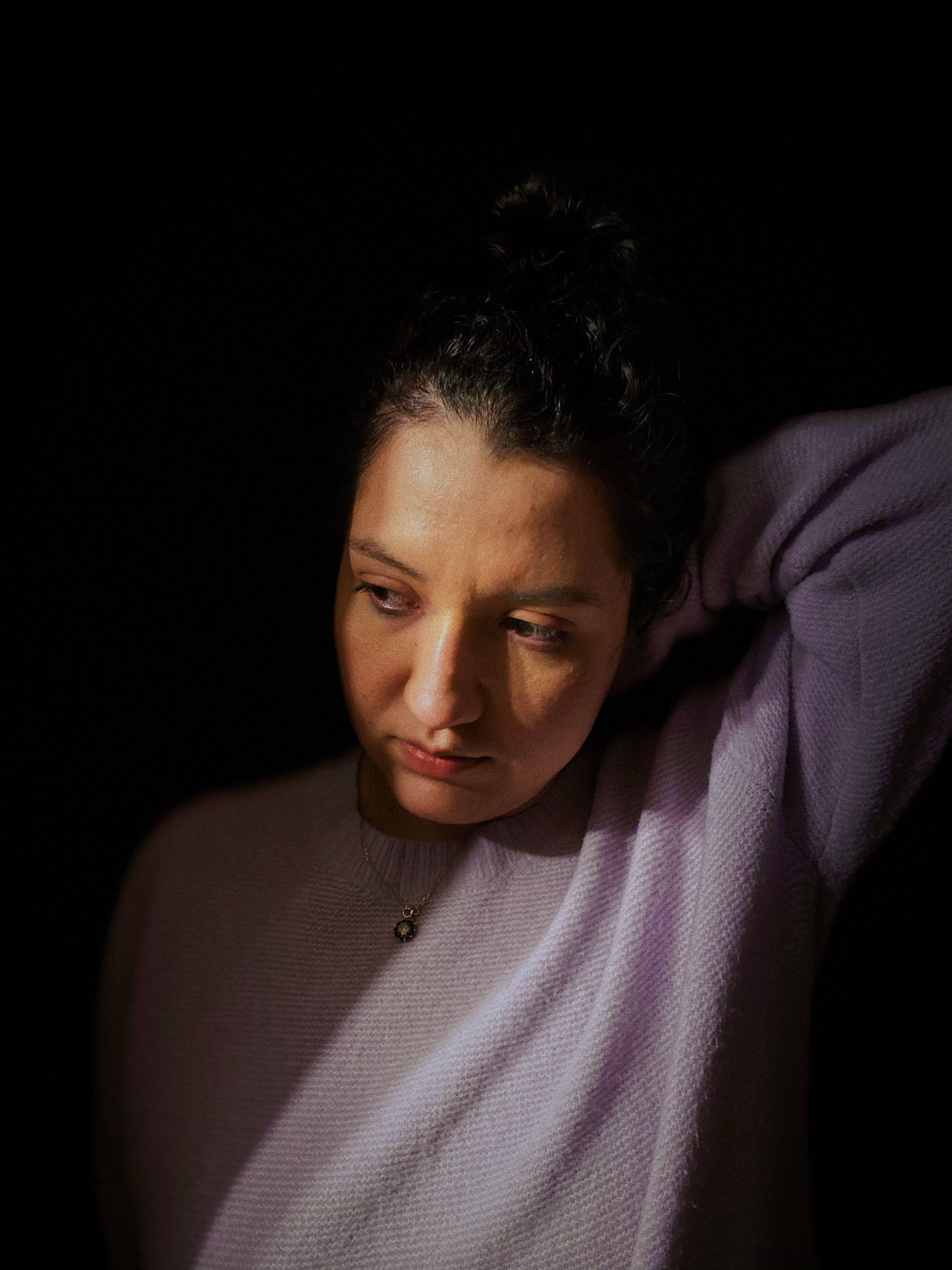
You even have access to modern Apple photography features like ‘Deep Fusion’ and ‘Portrait Mode.’ I even took one of my favourite portraits of all time of Alex with the iPhone 11 (see it above). The photo was shot off the cuff in my parent’s hallway a few years ago as the light hit just right, with a bit of help from the ‘Studio Lighting’ effect. I think I tweaked the skin tones slightly in post too, but I still can’t believe it came out of a phone.