Categories
Mobile Syrup

Apple might be poaching Xbox engineers, possibly to build a console

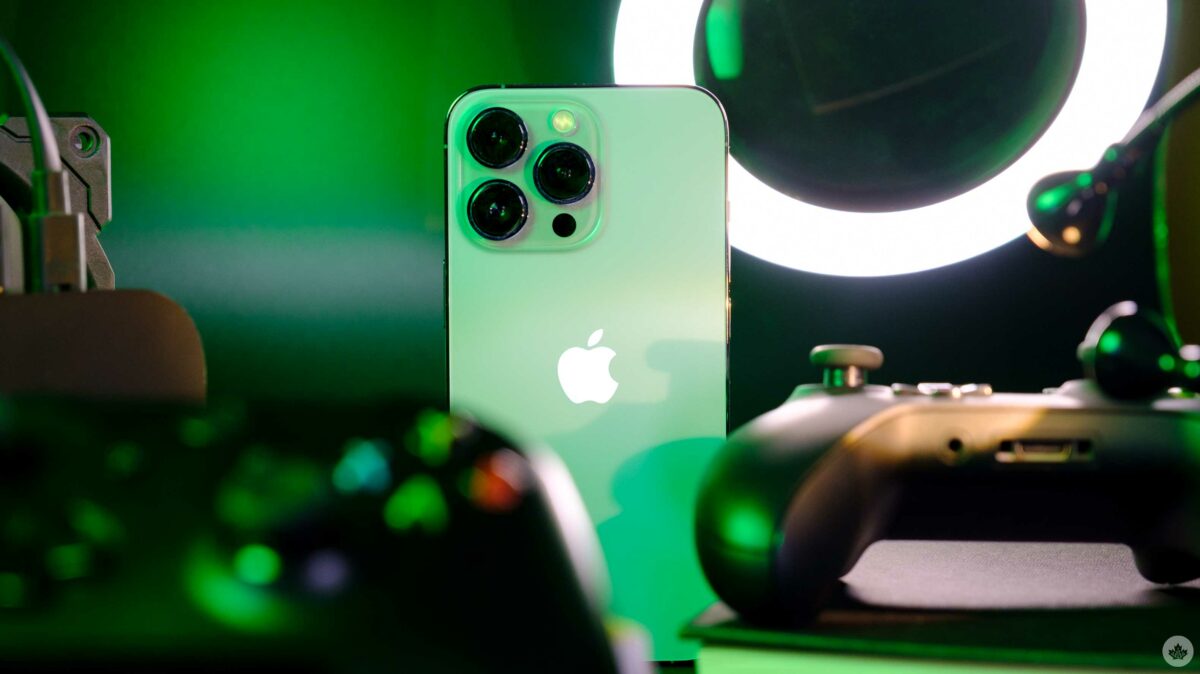
The latest and greatest in Apple rumours with a capital ‘R’ is that the company is gearing up to make a play in the video game console space.

The reports come from a conversation on the moderately popular Xbox Two podcast where Windows Central writer Jez Corden shared that he’s heard rumours of Apple poaching Xbox engineers to help make an Apple console.

He clarifies that there isn’t much sourcing on the rumour so take it with a grain of salt. The engineers, if being poached, could also be used to work on a VR or AR device or any other kind of project Apple has hidden away on its campus.

I’d also be skeptical of this rumour since Apple historically hasn’t been big into gaming, regardless of what you want to call Apple Arcade. However, with the computing power the company is packing into its new laptops and phones, perhaps stealing some Xbox team members to help Apple get a foot in the PC gaming space would be a smarter use of Apple’s time.

We’ve all seen that with Stadia, it’s incredibly difficult to entice both developers and players to a new gaming platform. I imagine that Apple has also learned this with Apple Arcade. The company could skip half of this line by building better Windows/Xbox game translation code for the Mac, thus only needing to entice developers to move their games to Mac since millions of Mac users have gaming-capable machines.

We also know that console makers like Sony and Xbox sell consoles at a loss and make up the money on the back end with game and accessory sales, plus monthly subscription costs. Suppose Apple could still make this back-end money by selling more games on Mac and selling Apple gaming accessories. In that case, it makes less sense to me that the company would invest millions into console development.

Apple would be wise to move into gaming but I think making it a value-add to the tech giant’s computers rather than trying to sell a console would make more sense with the company’s existing public products and strategies. All of that being said, the company has surprised us in the past, and we’re expecting it to move into new markets like AR, VR, and automotive, so gaming wouldn’t be the biggest stretch.

Source: The Xbox Two Podcast Via: Games Radar

Categories
Mobile Syrup

Umlaut says Rogers offers fastest internet speeds in Canada

In its first-ever report focusing on fixed broadband in Canada, advisory firm Umlaut has given Rogers its top honour.

The telecom company is awarded “Best in Test” and has the fastest upload and download internet speeds.

Rogers received a score of 929 out of a possible 1000 points. Telus has 910 points and Bell 903.

It’s not clear entirely clear how Umlaut came to this decision given the way they collected information, according to the methodology section of their report.

“Crowd-data” was used to collect information that led to the certificate. The company “integrated background diagnosis processes into thousands of diverse Android apps” that collected real-world data on user experience. It’s unclear how this information was applicable to fixed broadband since the methodology seems to be focusing on mobile services.

The company notes no personal user data is collected.

Image credit: Umlaut

While Canada has several internet service providers, the Big Three were selected based on a number of factors, including the number of lines each provider has and geography.

It’s also worth noting other results looking at the best fixed broadband service in Canada had different results. Recent statistics from Ookla showed Shaw offered the fastest fixed broadband speeds in Canada and Rogers came in second.

Overall, many of the analyses Umlaut has done put Rogers in a positive light. In a report released in July 2021, Umlaut reported Rogers having the best network performance. Rogers was awarded the same distinction in 2020 as well.

This isn’t the first time a telecom giant has been told it’s the best in something year after year, as we’ve seen with Telus’ mobile success in Ookla’s reports. 

Image credit: Shutterstock

Source: Rogers

Categories
Mobile Syrup

These are the top 19 deals at Best Buy right now

Best Buy’s weekly Top Deals flyer always has at least a few tech products that pique our interest, and this week is no exception. Check out the deals below for the retailer’s latest discounts on smart TVs, smartwatches, wireless headphones, and … Settlers of Catan?

LG 65″ 4K UHD HDR OLED webOS Smart TV for $2,299.99

Canon PIXMA TS3429 Wireless All-In-One Inkjet Printer for $69.99 (save $60)

Garmin fenix 6 Pro 47mm Multisport GPS Watch with Heart Rate Monitor for $579.99 (save $300)

Seagate One Touch 2TB USB 3.0 Portable External Hard Drive for $74.99 (save $10)

Samsung 32″ FHD 75Hz 4ms GTG Curved VA LED FreeSync Gaming Monitor for $248.88 (save $101)

ProForm Sport 6.0 Folding Treadmill for $999.99 (save $500)

HP 14″ Laptop – Natural Silver for $579.99 (save $120)

Insignia 40″ 1080p HDR LED TV for $299.99 (save $50)

Acer Nitro 50 Gaming PC for $999.99 (save $300)

Skullcandy Dime In-Ear Sound Isolating Truly Wireless Headphones for $29.99 (save $10)

Kobo Clara HD 6″ Digital eReader with Touchscreen for $119.99 (save $30)

Sony SRS-XB43 EXTRA BASS Waterproof Bluetooth Wireless Speaker for $249.99 (save $100)

Eufy Touch & Wi-Fi Smart Lock for $299.99 (save $50)

MSI Modern 14″ Laptop – Carbon Grey for $499.99 (save $150)

Settlers of Catan Board Game for $49.99 (save $10)

Beats by Dr. Dre Powerbeats Pro In-Ear Truly Wireless Headphones for $269.99 (save $60)

Nanoleaf Elements Wood-Look Hexagon Panels for $299.99 (save $70)

Soundcore Life Note 3 In-Ear Noise Cancelling Truly Wireless Headphones for $89.99 (save $40)

Citizen Eco-Drive 45mm Men’s Sport Watch for $149.99 (save $245)

Photo source: Best Buy

MobileSyrup utilizes affiliate partnerships and publishes sponsored posts. These partnerships do not influence our editorial content, though MobileSyrup may earn a commission on purchases made via these links.

Categories
Mobile Syrup

White House, 35 states, Microsoft back Epic’s App Store appeal

The White House, 35 U.S. states and Microsoft have filed ‘amicus curiae’ briefs supporting Epic Games in its appeal in the antitrust case against Apple.

9to5Mac explains that third parties not directly involved in cases may want a say, particularly when the case has significant public interest. Third parties can file amicus curiae — literally “friend of the court” — briefs with advice for the judge. These briefs all essentially argue the original judge made a legal error in deciding how a key antitrust law applies to Apple.

To refresh your memory, the original ruling concluded that Apple didn’t meet the legal tests to be considered a monopoly but did rule that Apple had to allow developers to use third-party payment platforms if they want. Apple and Epic have both filed appeals on different aspects of the ruling, with Epic focusing on the conclusion that Apple isn’t a monopoly.

Foss Patents detailed the three amicus briefings. The first was submitted by Utah’s state attorney general and included 34 other state attorneys general (AGs). Foss Patents notes the list is basically the same as the states suing Google alongside Epic in a separate antitrust case. The list is as follows:

“The states–led by the Beehive State–are (in alphabetical order): Alaska, Arkansas, Colorado, Connecticut, Delaware, D.C. (I’m not taking a position on the controversial question of statehood here), Florida, Idaho, Illinois, Indiana, Iowa, Kentucky, Louisiana, Maryland, Massachusetts, Michigan, Minnesota, Montana, Nebraska, Nevada, New Hampshire, New Jersey, New Mexico, New York, North Dakota, Ohio, Oregon, Pennsylvania, Rhode Island, South Carolina, South Dakota, Texas, Utah (submitter), Vermont, and Washington.”

The states’ argument focuses on Section 1 of the Sherman Act, a key piece of U.S. antitrust legislation. A short explanation from 9to5 is that Section 1 says companies can’t make agreements among themselves to distort competition (for example, several companies agreeing to charge the same price for something). Section 2, however, says that companies in a dominant position can’t take unilateral actions designed to give themselves a monopoly.

Foss Patents explains that the focus on Section 1 is strange for the Epic v. Apple case but notes that it stems from the states’ own case against Google.

The White House claims not to support either party, but its arguments back Epic

Microsoft’s amicus brief focuses on “Apple’s extraordinary gatekeeper power” and serves as an example of another ‘Big Tech’ company concerned and impacted by Apple’s conduct.

Finally, the White House filed its own amicus brief, claiming that it’s “in support of neither party” before laying out several arguments that support important elements of Epic’s case, including that Section 2 of the Sherman Act should apply to Apple. Foss Elements has a great breakdown of the brief here.

However, it’s important to note that these amicus briefings do not mean Epic will win its appeal. A judge is obliged to consider amicus brief arguments but ultimately makes their own decision. Still, the sheer amount of support behind Epic in the appeal is impressive and could definitely lead to a ruling in Epic’s favour.

Source: 9to5Mac, Foss Patents, (2)

Categories
Mobile Syrup

Check out what’s coming to Amazon Prime Video in Canada in February 2022

Every month, Amazon adds a number of new series and movies to its streaming service, Prime Video, and February 2022 will be no different.

Below is everything set to hit Amazon Prime Video in February of the new year:

February 1st

  • Inside Man
  • Snow White And The Huntsman
  • Straight Outta Compton
  • Ray
  • Strawberry Shortcake’s Berry Bitty Adventures: Season 2
  • The Huntsman: Winter’s War
  • Scarface
  • The Game
  • Turbo
  • Backdraft
  • Steve Jobs
  • The Big Lebowski
  • Eternal Sunshine of the Spotless Mind
  • About Time
  • Hotel Transylvania 2

February 2nd

February 3rd

  • The Walking Dead: World Beyond: season 2
  • Dreamland

February 4th

  • Reacher — Amazon Original 
  • Flashback — Amazon Original 
  • Book of Love — Amazon Original 
  • Phat Tuesdays: The Era of Hip Jop Comedy — Amazon Original 

February 6th

February 7th

Agatha Raisin: season 4 (requires AcornTV membership for $7.49)

February 10th

  • Homestay — Amazon Original 

February 11th

  • Sofia Niño De Rivera: I Would Do it Again — Amazon Original 
  • I Want You Back —  Amazon Original 
  • LOL: Last One Laughing Brazil — Amazon Original 

February 13th

The Walking Dead: season 11, part  (requires AMC+ membership for $8.99)

February 15th

Bel-Air (requires StackTV membership for $12.99)

February 16th

  • Creed
  • Creed II

February 17th

  • Copshop
  • Titane

February 18th

  • LOL: Last One Laughing Canada — Amazon Original 
  • The Marvelous Mrs. Maisel: season 4 — Amazon Original 
  • Lov3

February 22nd

Traces: season 2 (requires BritBox membership for $8.99)

February 24th

  • Charlie XCX: Alone Together
  • LOL: Last One Laughing Italy: season 2 — Amazon Original 

February 28th

  • Hit 2

Everything Leaving Amazon Prime Video in February:

  • Married…With Children (February 1st)
  • Limitless (February 1st)
  • A Discovery of Witches (February 1st)
  • Law & Order (February 1st)
  • Dragons (February 1st)
  • Jexi (February 1st)
  • The Nanny (February 1st)
  • The Mindy Project (February 2nd)
  • Burn (February 10th)
  • 47 Meters Down: Uncaged (February 13th)
  • The Farewell (February 13th)
  • Elementary (February 15th)
  • All Creatures Here Below (February 17th)
  • Onihei (February 27th)
  • Battlestar Galactica (February 28th)
  • Drawing Smiles (February 28th)

Amazon Prime is priced at $79 per year with a 30-day trial period. The trial isn’t available for those in Quebec, but Prime Video costs $79 for a 13-month subscription, giving you one extra month for the same price.

Amazon Prime Video is available on AndroidiOS, Amazon Fire TV, Roku, Google TV, PlayStation, Xbox and more.

Categories
Mobile Syrup

Google will offer an account migration tool before free G Suite shutdown in July

After announcing last week that legacy free G Suite accounts would need to start paying, Google is backing off some of the more drastic changes. The search giant plans to offer a data migration tool, allowing these users to switch to regular consumer accounts.

As detailed by Ars Technica, these accounts were for Google Apps (which has in recent years been renamed to G Suite and ultimately Google Workspace). The accounts allow users to have a Google account with a custom domain (for example, instead of ‘@gmail.com,’ you can have ‘@mobilesyrup.com’).

Although typically used for businesses, the base G Suite tier was free from 2006 to 2012, and anyone could sign up for a Google account with a custom domain. It seems a lot of people did just that, and Google wasn’t aware of just how many people would be affected by its move to make free accounts start paying.

The search giant initially gave these users two options: pay the per-user monthly fee by July 2022 or lose your account. For many, that choice felt incredibly harsh, especially since the only way to get data out of the G Suite account was through Google’s ‘Takeout’ service. As Ars explains, Takeout only lets you download your account data to a local device, and it’s not easy to then re-upload that data into a new account. Moreover, it doesn’t include things like purchases, so if you bought anything digital through your Google account — such as apps on your Android phone, movies, etc. — you’d lose those too.

Google issues survey to gather info about free G Suite users

Following the outcry from users, Google quietly updated the support page for the impending free G Suite shutdown. The search giant also said it would send a survey out to get more information from users (if you have a free G Suite account, you’ll see a link to this survey targeting G-Suite admins with 10 users or less that use G Suite for “non-business” purposes). Google says those who fill out the survey will receive “updates on more options for [their] non-business legacy account in the coming months.”

Google also plans to “provide an option for you to move your non-Google Workspace paid content and most of your data to a no-cost option” in the coming months. Specifically, Google says users will be “able to evaluate this option prior to July 1, 2022” but notes it won’t include premium features like custom email or multi-account management.

While not totally clear, that option sounds like it covers apps, games and other digital purchases made through your Google account. That will likely be the ideal option for anyone with one of these legacy G Suite accounts who want to migrate to a regular consumer account.

Image credit: Shutterstock

Source: Google Via: Ars Technica

Categories
Mobile Syrup

Apple Music prominently features Neil Young’s music in apparent dig to Spotify

Apple Music is taking advantage of rockstar Neil Young’s rift with Spotify by promoting his songs on its app.

Spotify confirmed it was removing Young’s songs from the streaming service earlier this week after the rockstar shared an open letter stating he doesn’t want his music shared on the same platform as Joe Rogan’s podcast.

The Rogan Experience is the most popular podcast on the platform, but it also boasts misinformation on a number of important issues, including the COVID vaccine.

“Spotify has a responsibility to mitigate the spread of misinformation on its platform, though the company presently has no misinformation policy,” Young wrote in his original letter.

In a recent tweet, Apple Music says it’s now the “home of Neil Young.”

On January 27th, just one day after Spotify pulled the songs, Apple Music highlighted the musician’s catalogue with the header “We Love Neil.” It was prominently placed under the apps “browse” section.

Apple isn’t the only one to take advantage.

On the same day Apple Music showed its love, SiriusXM Canada released a press release stating the return of Neil Young Radio. The channel featured the show on a limited basis back in December, focusing on Young’s music and stories. The now renewed show will feature rare insights from Young himself and every song from his latest album.

60 percent of Young’s music was listened to on Spotify and in his letter, he acknowledged the impact of his actions. But it seems like Spotify’s loss is to Young’s benefit as other platforms are more than willing to feature his work.

Categories
Mobile Syrup

Feds achieve target to reduce wireless prices, but say more needs to be done

Canadians pay some of the highest cell phone bills in the world. The federal government promised to reduce wireless bills by 25 percent to change this.

The government says the commitment, made in March 2020, has now been achieved three months ahead of schedule.

But just as we’ve seen in previous reports released by Innovation, Science and Economic Development Canada (ISED), questions remain.

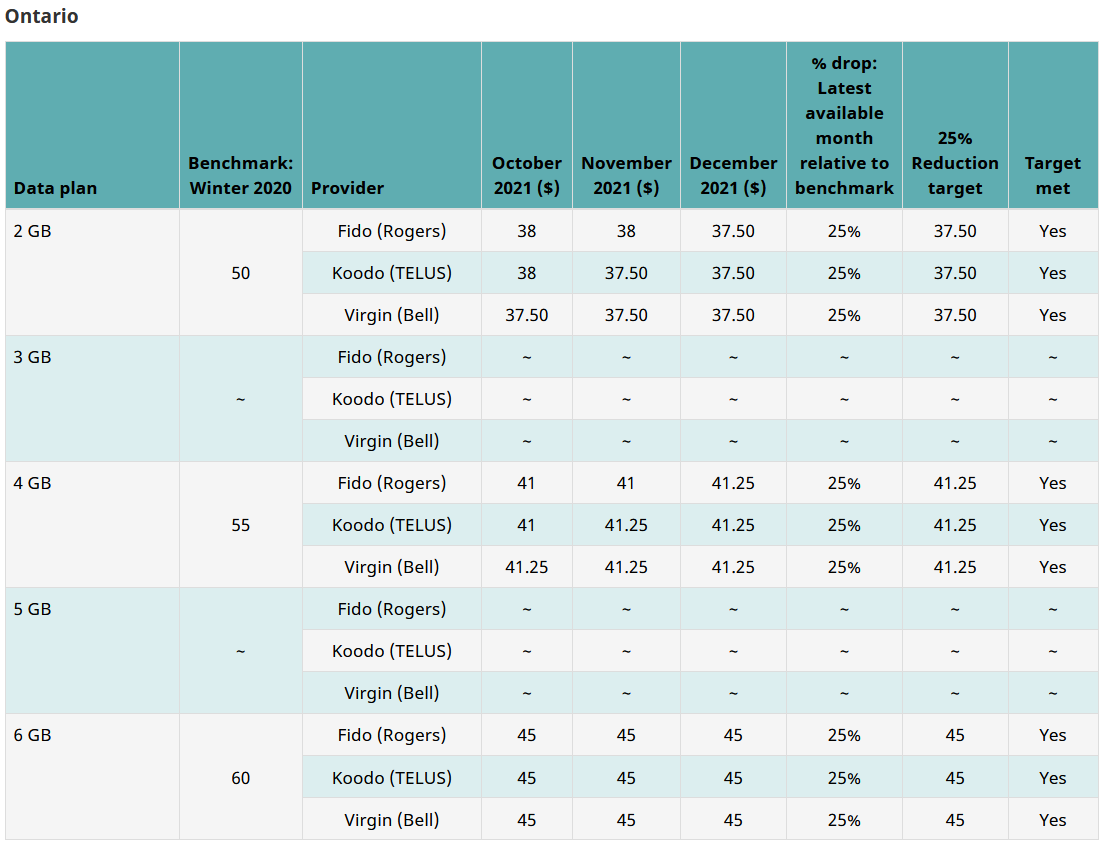
It’s important to point out this is the first and only quarter where all provinces have met the minimum 25 percent target through non-promotional plans. Before this, plans were only available on a promotional basis. It wasn’t until October 2021 that Koodo, Fido, and Virgin brought out ‘starter’ plans to meet government targets. It’s worth noting that these starter plans come with several restrictions, namely that they aren’t available to customers who also want to get a smartphone from a carrier.

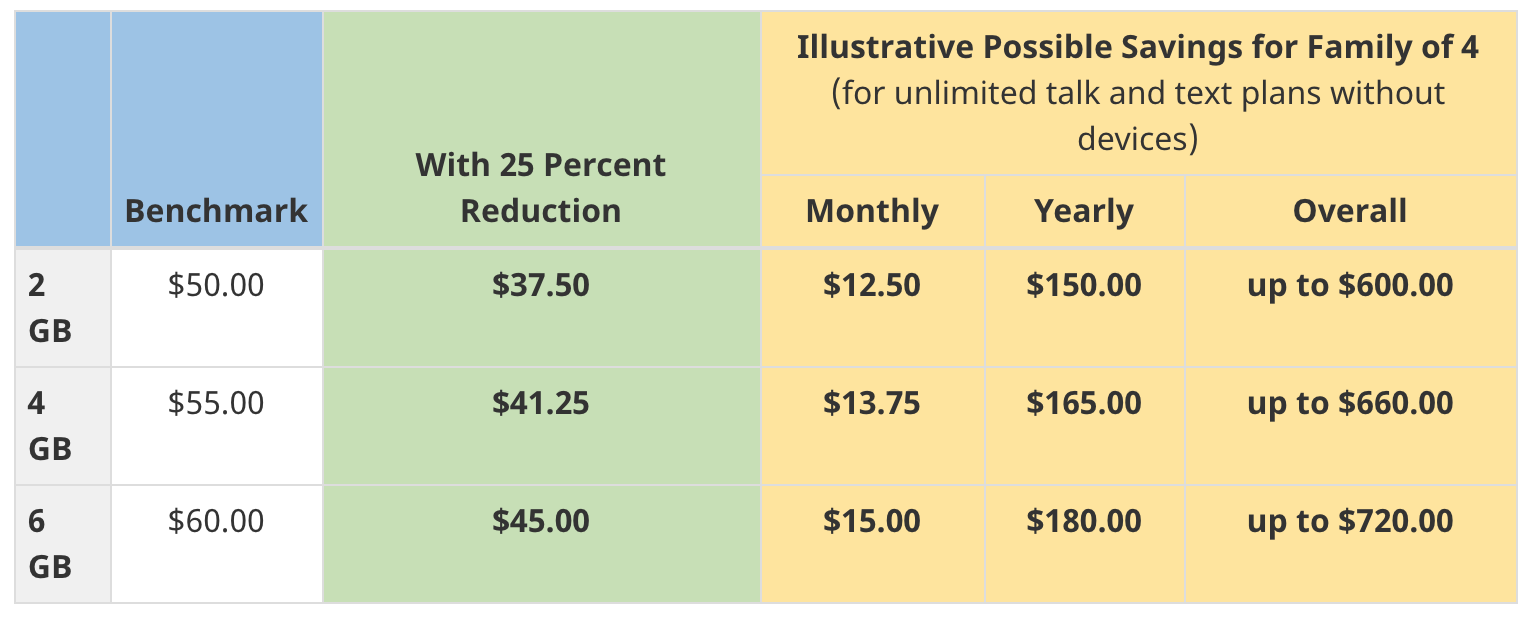
The reductions have seen a $50/mo plan with 2GB of data drop to $37.50/mo, a $55/4GB option drop to $41.25/mo and a $60/6GB plan drop to $45/mo.

As in previous reports, all provinces except Quebec have matching charts (Ontario chart is the one shown).

The government specifically required the ‘Big Three’ (Bell, Telus, and Rogers) to offer these reductions across their brands. What they didn’t require was for the three to offer the reductions themselves, which resulted in the carrier’s flanker brands (Virgin Plus, Koodo, and Fido respectively) offering plans that meet the government targets while the Big Three continue to offer plans starting at $80/mo.

While there is progress from each sub-brand, there’s no improvement to plans offered by the larger corporations that own them. Data shared with the public doesn’t include any numbers from the Big Three themselves.

Quebec

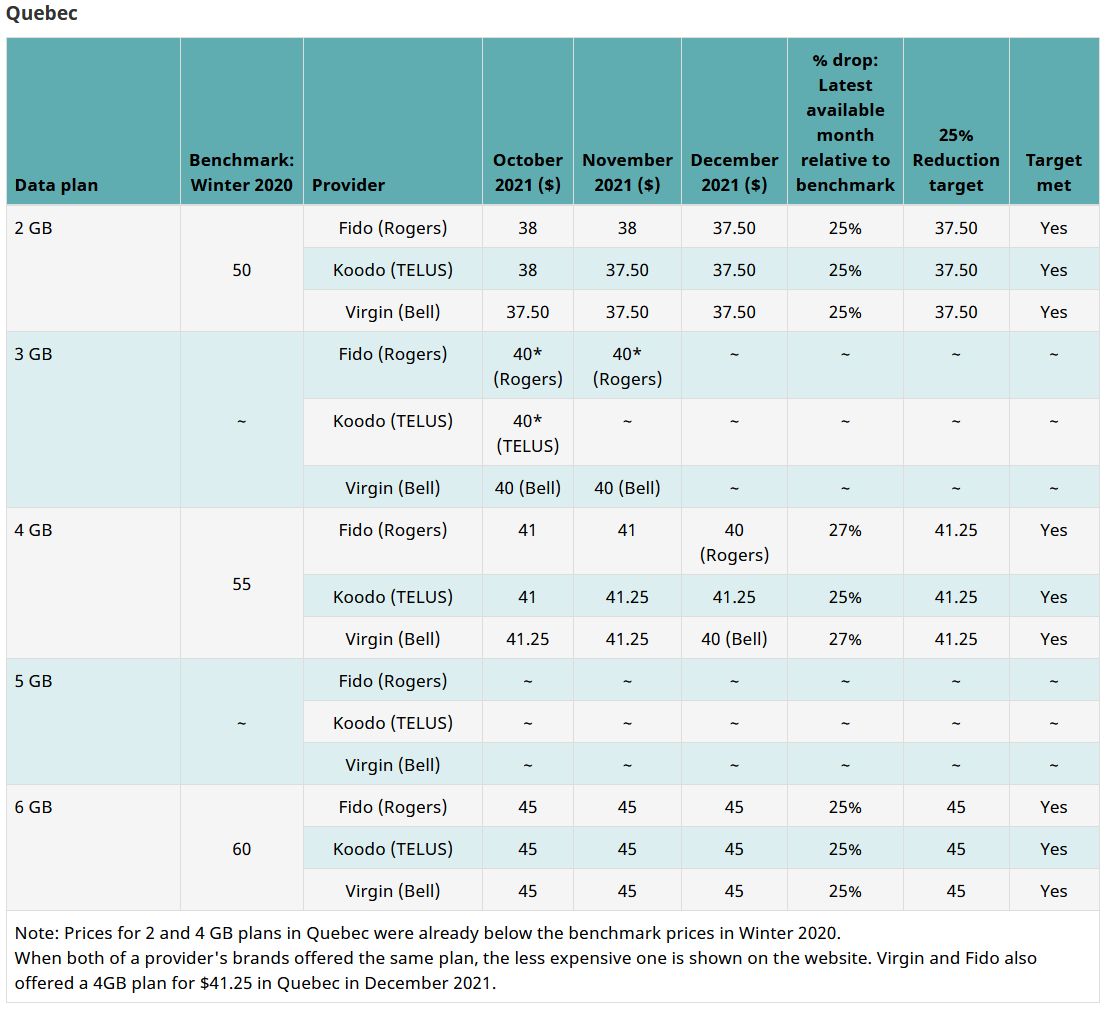
The data reported by the ISED show similar figures across all provinces, except for Quebec.

Fido and Virgin deliver a 27 percent reduction on the 4GB data option. The report notes that both companies offered 4GB options that would meet the 25 percent threshold and the 27 percent threshold. The less expensive one is included in the report, hence the 27 percent reduction.

Data also shows carriers in the province have offered a 3GB service option on and off since October 2020. In some cases, it was promotional, but it appeared to be a part of their regular lists in most months.

Looking at this quarter only (October 2021 to December 2021), Virgin offered a $40/mo plan with 3GB of data in October and November that isn’t marked as a promotional offer. Fido offered a similar plan for the two months but lists it as promotional. Koodo only offers the plan through a promotion in October.

The quarterly report does not state if the companies met the 3G target because there was no benchmark number available to compare it to. It’s unclear why the government show 3G as an option if data is not available from carriers.

In a press release, the government says “wireless services are still too expensive” and promises to build on the changes we’ve seen so far. No specific details are included as to how and when this will be done.

Source: ISED

Categories
Mobile Syrup

OnePlus 10 Pro still features XPan mode

OnePlus has been fairly disappointing as it merged publically within Oppo last year, but one silver lining was the niche, but fun to shoot with, XPan mode on the OnePlus 9 series.

I fell head over heels for it, so when OnePlus started trickling out information about the OnePlus 10 Pro, I was pretty disappointed that the company seemed to have forgotten about XPan mode. I even subtitled my camera preview article “Where’s XPan mode?” I took the news on the chin, but it made sense. Most reviewers passed it off as a side gimmick, and I can imagine that only the photography nerds who use OnePlus phones would get a kick out of it. That’s likely a small portion of the company’s consumer base.

I was still excited about the phone, and the camera features like the 150-degree fisheye mode seemed fun, but after a year of disappointment from OnePlus, this was a crappy way to start 2022.

Well, that’s all changed. Notable tech YouTuber Marques Brownlee got his hands on an imported OnePlus 10 Pro from China and confirmed that the new phone includes XPan mode!

There’s not much else to say about it, but as someone who’s been around tech for long enough to see some of my favourite tech gimmicks fade away, it’s always nice when a company decides to keep one alive, even if it’s just for the fans. I’ll reserve my full judgement of the phone for its North American release sometime later this year.

Images credit: MKBHD

Source: MKBHD

Categories
Mobile Syrup

Latest iPad and macOS dev betas finally feature Universal Control

Back at WWDC 2021, one of the most exciting things that Apple showed off was a software development called ‘Universal Control.’ The program worked automatically on Macs and iPads and allowed Apple VP Craig Fedaregi to move his mouse seamlessly between all the Apple hardware.

Universal Control goes beyond just using the iPad as an external display for a Mac — it allows users to drag and drop files between the devices and use their computer keyboard and mouse on their iPad. It’s incredibly neat, but it’s already been delayed since the launch of macOS Monterey and iPadOS 15.

However, Apple recently released developer beta software that brought the feature to Mac computers dating back as far as 2016 and iPads dating back to 2018. The system is on by default in iPadOS 15.4 and macOS Monterey 12.3 betas once they’re installed.

In a MacRumors report, the publication noticed that you can drag files easily from iPad to Mac, since you can then quickly drop them onto the Mac desktop. Moving from macOS to iPad can also be done. You just need to make sure a compatible app is open on the iPad for your file to be dropped into.

The Apple developer betas often drop between a month to two weeks ahead of the public beta as a rule of thumb. There is often similar spacing between public betas and release software as well. This means regular Mac and iPad users could see this update come sometime in the next month or two. Apple’s website says it’s “coming this spring,” and two months from now is March, so the timeline seems to be adding up. Now that the dev betas are live, we should start to see a slow trickle of videos and stories about people experiencing the new feature and if it lives up to the hype.

Macs that are compatible with Universal Control:

  • 2016 and later MacBook Pro
  • 2016 and later MacBook
  • 2018 and later MacBook Air
  • 2017 and later iMac
  • Late 2015 and later 27-inch iMac
  • iMac Pro
  • 2018 and later Mac mini
  • 2019 and later Mac Pro

iPads that are compatible:

  • iPad Pro
  • 3rd generation and later iPad Air
  • 6th generation and later iPad
  • 5th generation and later iPad mini

Source: MacRumors, MacWorld