Fixing your wardrobe: common causes, diagnosis, and simple solutions to rediscover the joy of dressing up

Opening your closet and feeling empty, despite having full wardrobes, is a surprisingly common experience. Rather than blaming fashion or yourself, it is helpful to make an accurate diagnosis: certain obstacles come up repeatedly, but the good news is that they can be addressed. This article offers a structured overview of the most common causes and practical, accessible solutions to transform a wardrobe you don’t like into a space that reflects your personality and makes your daily life easier.
1) Understanding the causes
Several factors explain why people feel uncomfortable with their wardrobe. Among the most common are the accumulation of outdated clothes, items that no longer suit your body type, a mix of eras and styles with no common thread, impulse purchases, poor organization, and sometimes negative emotional attachments to certain clothes. Add to that changes in lifestyle (working from home, new activities), and you have the perfect recipe for daily frustration.
2) Make a simple diagnosis in 3 steps
- Visualize: empty an area (a shelf or drawer) and really look at what you own. You will immediately see what you have too many of and what you are missing.
- Question: for each item, ask yourself if it fits you, if you like it, if it suits your current lifestyle, and if you have worn it in the last 12 months.
3) Quick and practical solutions
- Binary sorting: three piles are enough: keep, repair/alter, give away/sell. No need to hesitate indefinitely. Targeted alterations: a hem, a waist adjustment, or a shoulder alteration can breathe new life into an otherwise perfect item. Monthly capsule: select 30-40 items for the current month. Put the others away. This rotation helps you see what you have and renews your desires. Limit impulse purchases: institute a 48-72 hour rule for non-essential purchases and imagine three possible outfits before buying.
- Add a few favorites: even a functional wardrobe needs pieces that bring you joy. Look for a color, cut, or accessory that excites you and keep it as a priority.
4) Organization and presentation
Good organization transforms the way you use your closet. Sorting by color and category, keeping seasonal items within reach, and using labeled boxes or identical hangers are simple but powerful steps. The goal is to make your options visible: what you see, you wear.


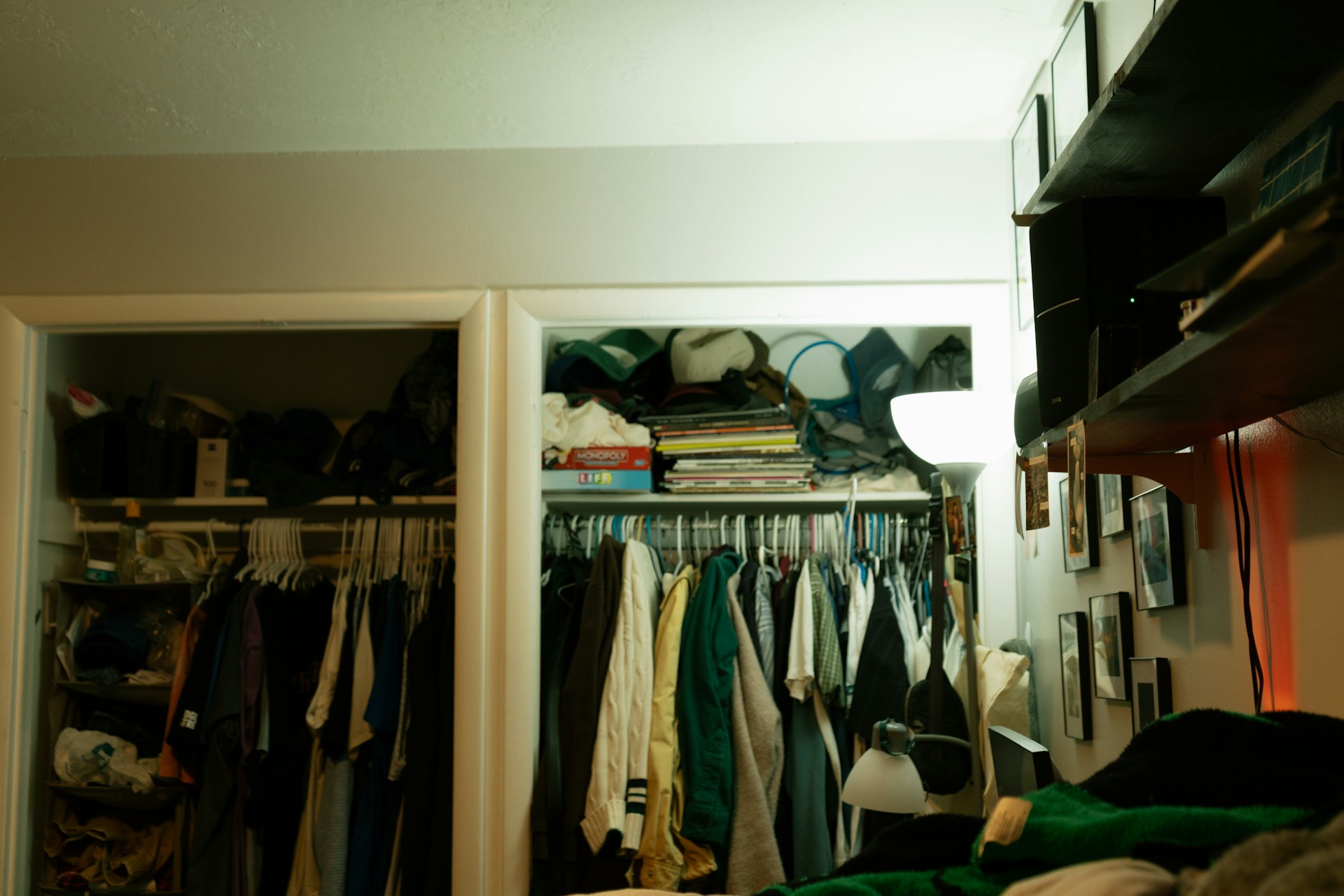
5) Reconcile emotions and clothing
Don’t neglect the emotional aspect: some clothes carry memories. If an item does you more harm than good, free up the space. Keeping a memory doesn’t require keeping its sartorial identity. A little sorting ritual can be liberating.
6) Evolve rather than revolutionize
You don’t need to replace everything. The most sustainable approach is gradual: one item at a time, one alteration or new accessory each season. Define three keywords for your current style, use them as a filter for your next purchases, and set a simple rule to avoid impulsive accumulation. Conclusion: Loving your wardrobe is possible if you start with an honest assessment and follow a few easy steps. With organization, targeted alterations, and thoughtful choices, you can make getting dressed enjoyable again. Take the time to really look at what you own, eliminate what brings you down, and introduce pieces that bring you joy. Little by little, your wardrobe will become an ally again, not a worry.