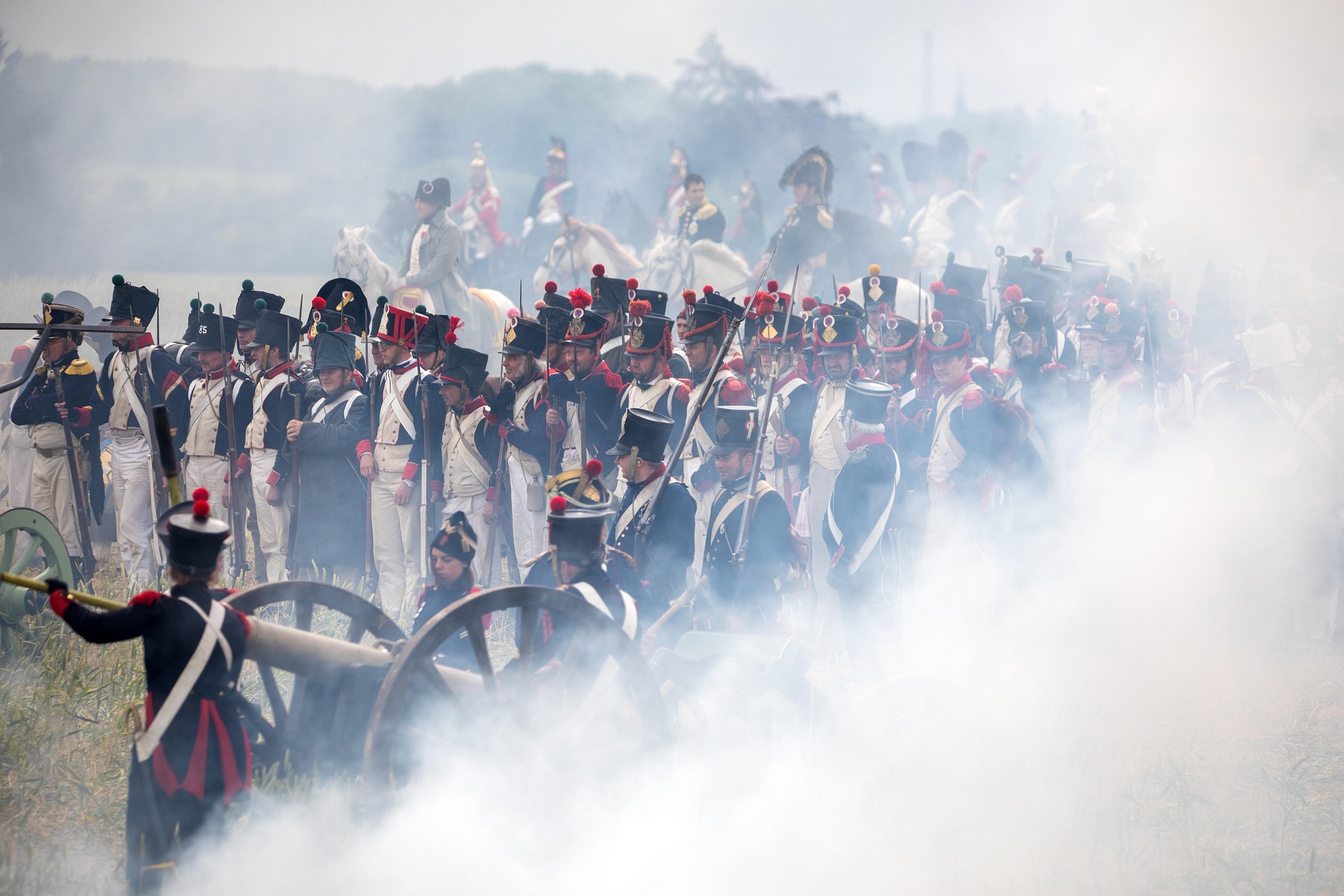
Battles often mark turning points that extend beyond the purely military sphere: they influence political balances, redraw borders, transform societies, and leave lasting traces in memory. In this article, we analyze how iconic conflicts—sometimes triumphant, sometimes catastrophic—have acted as catalysts for history.
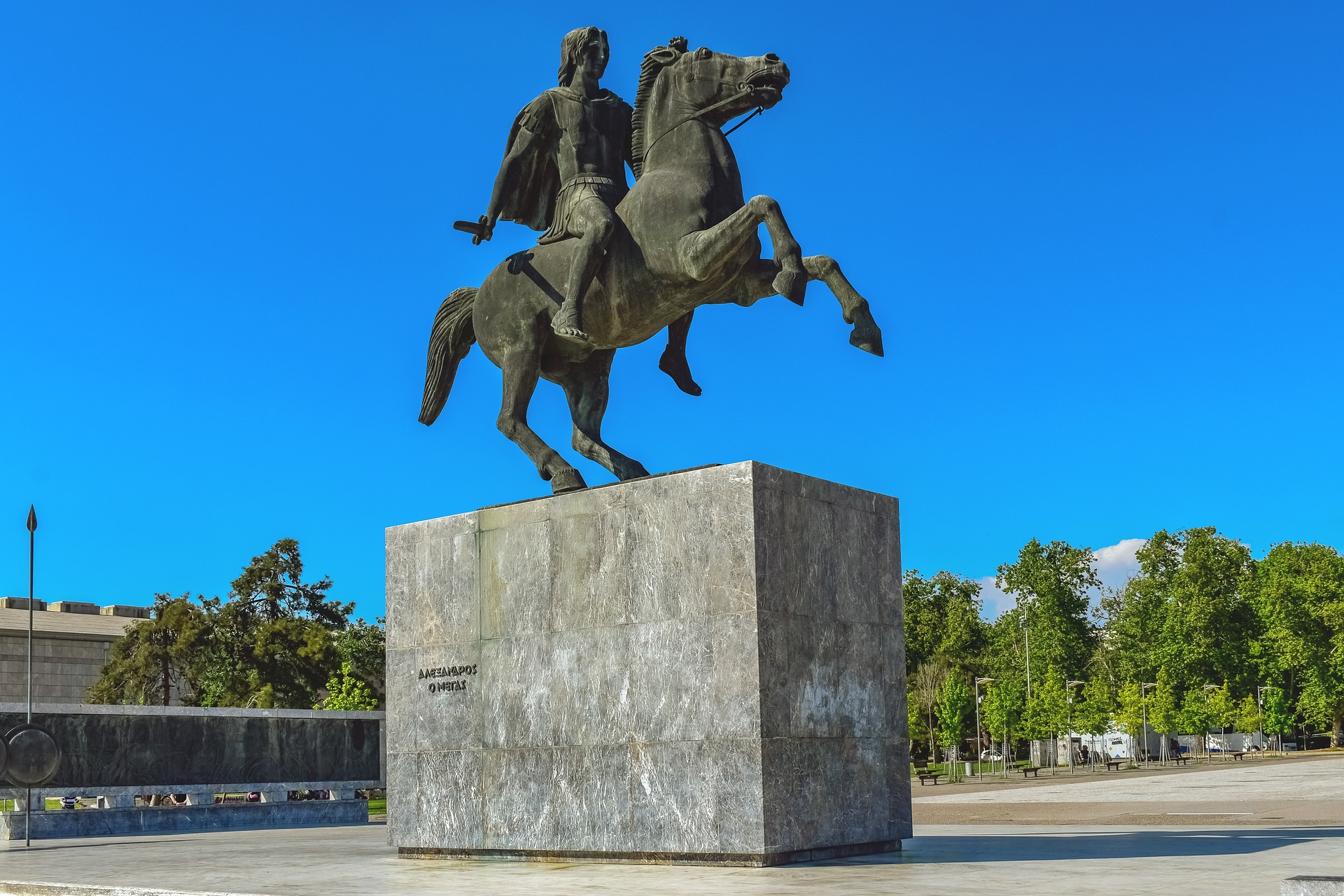
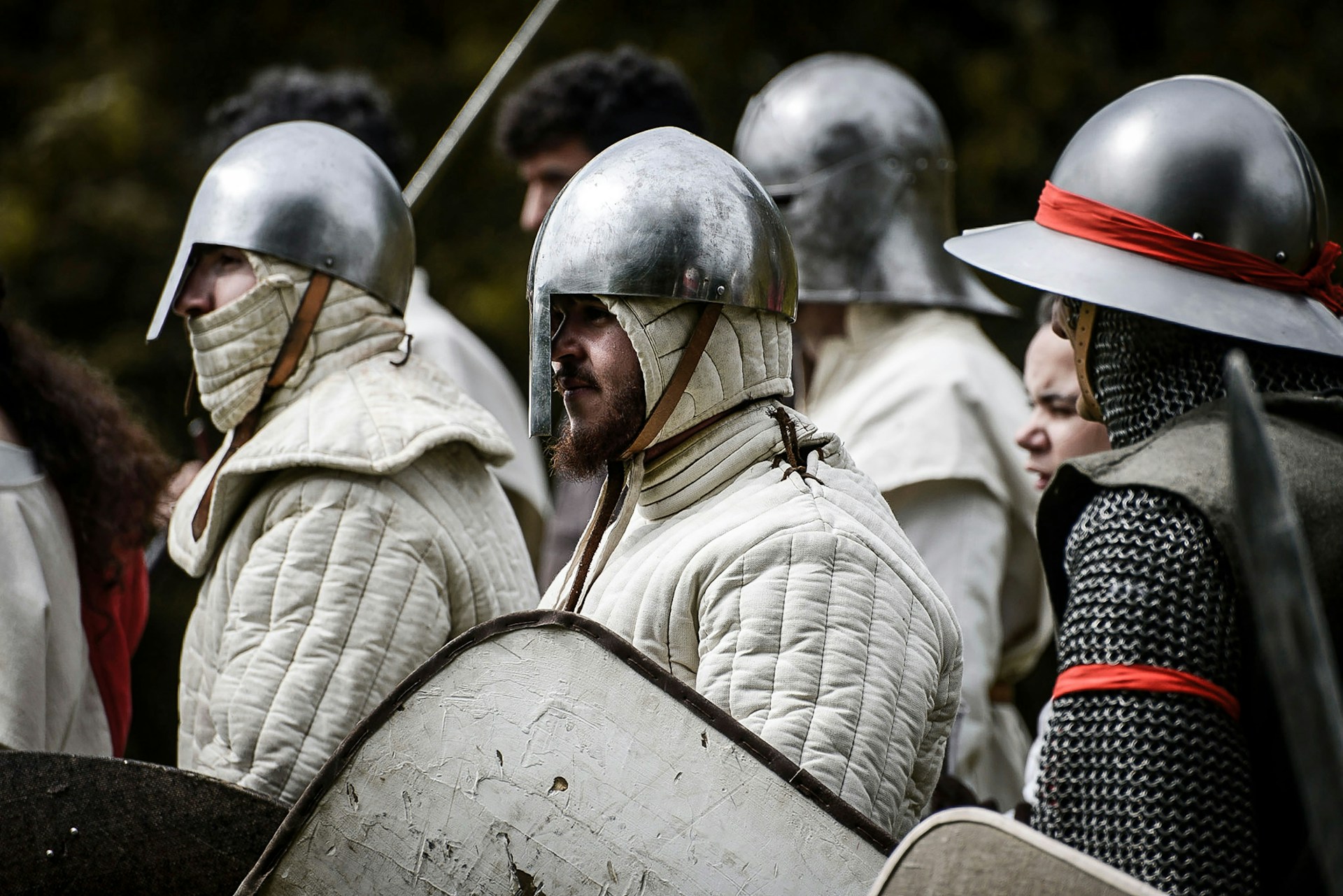
The dynamics of a victory are rarely measured by immediate success alone. Take the example of Alexander at Gaugamela: the tactical breakthrough opened not only cities but also opportunities for administrative and cultural integration. Similarly, Hastings (1066) was not merely a military victory: it marked the starting point of a profound institutional reconfiguration in England, where a new elite imposed fiscal, judicial, and linguistic structures.
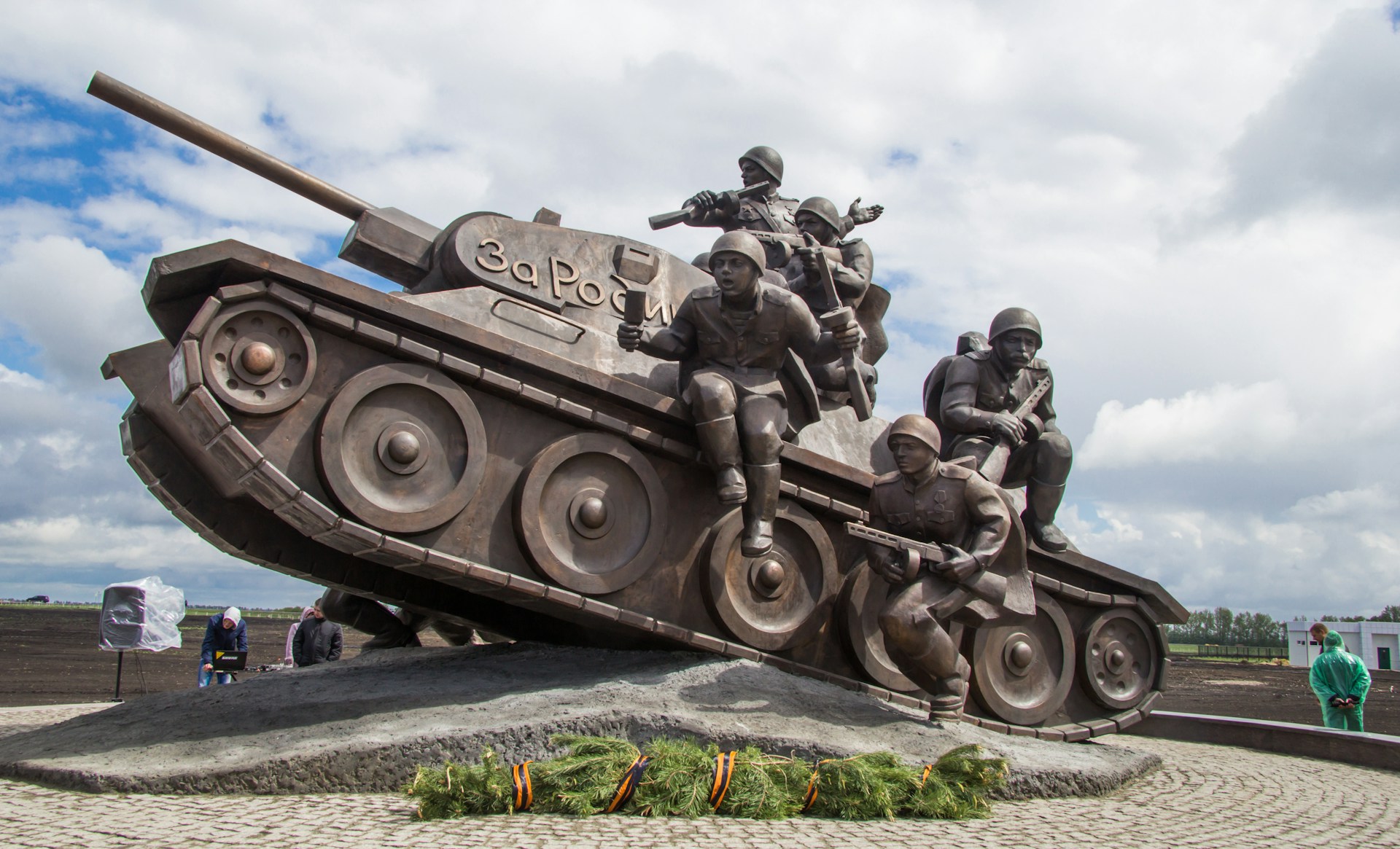
Battles as national symbols: Verdun is a striking example. More than a success or a failure, Verdun tells a national story of resistance and shared suffering. Commemorations, monuments, and collective memory transform a military event into a defining element of identity. Similarly, Stalingrad remains a benchmark for understanding how a victory can redefine strategic initiative and reinforce a regime’s legitimacy at a crucial moment in a global conflict.
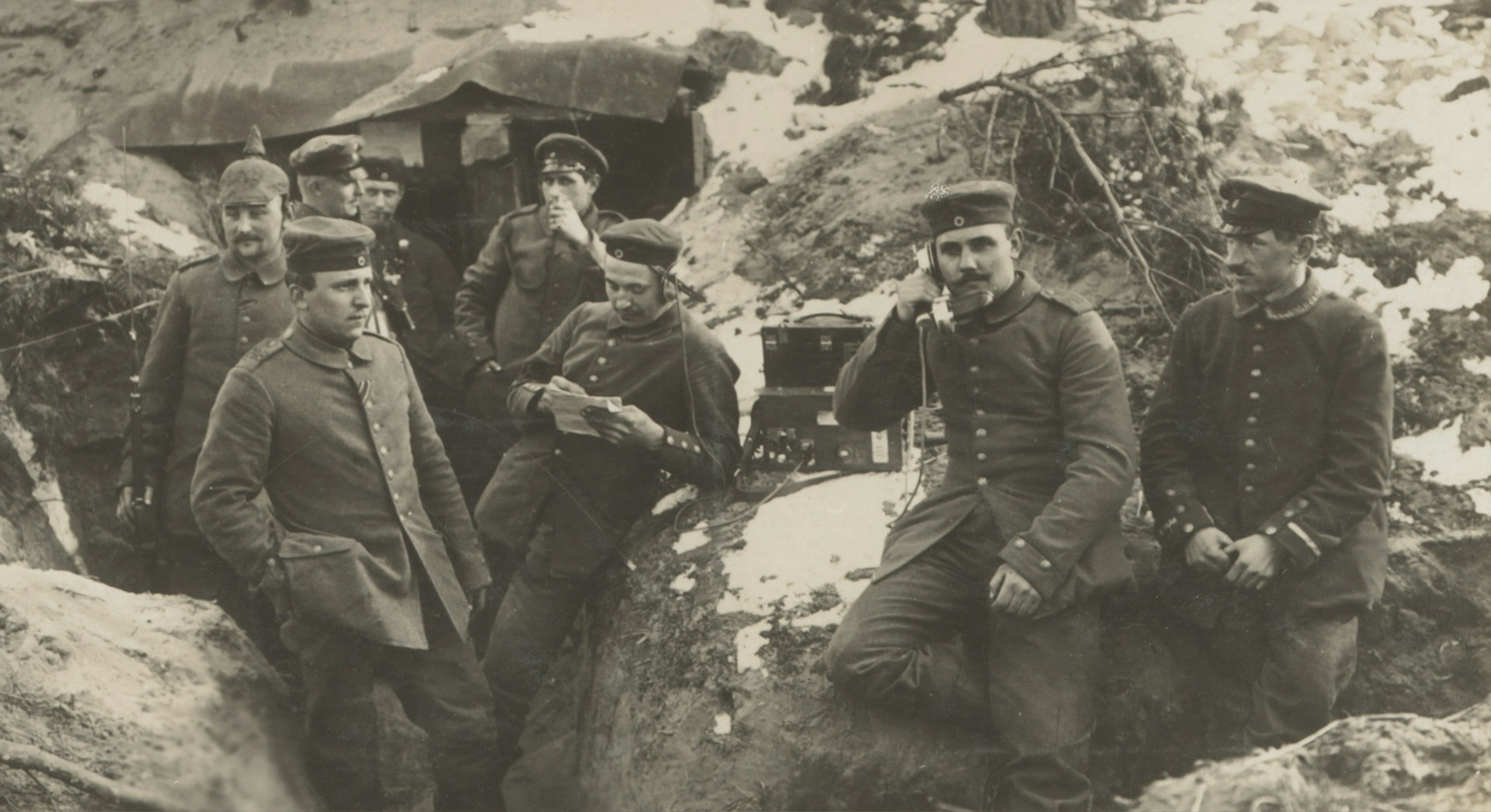
When defeat marks the end of an era: some defeats have immediate, even irreversible, political consequences. Dien Bien Phu, for example, is not merely the fall of a stronghold: it is the collapse of a colonial model and a stark warning to all European metropolises. The Battle of Berezina, meanwhile, symbolizes the exhaustion of a military machine and the erosion of a force following a poorly conducted and poorly supplied campaign.
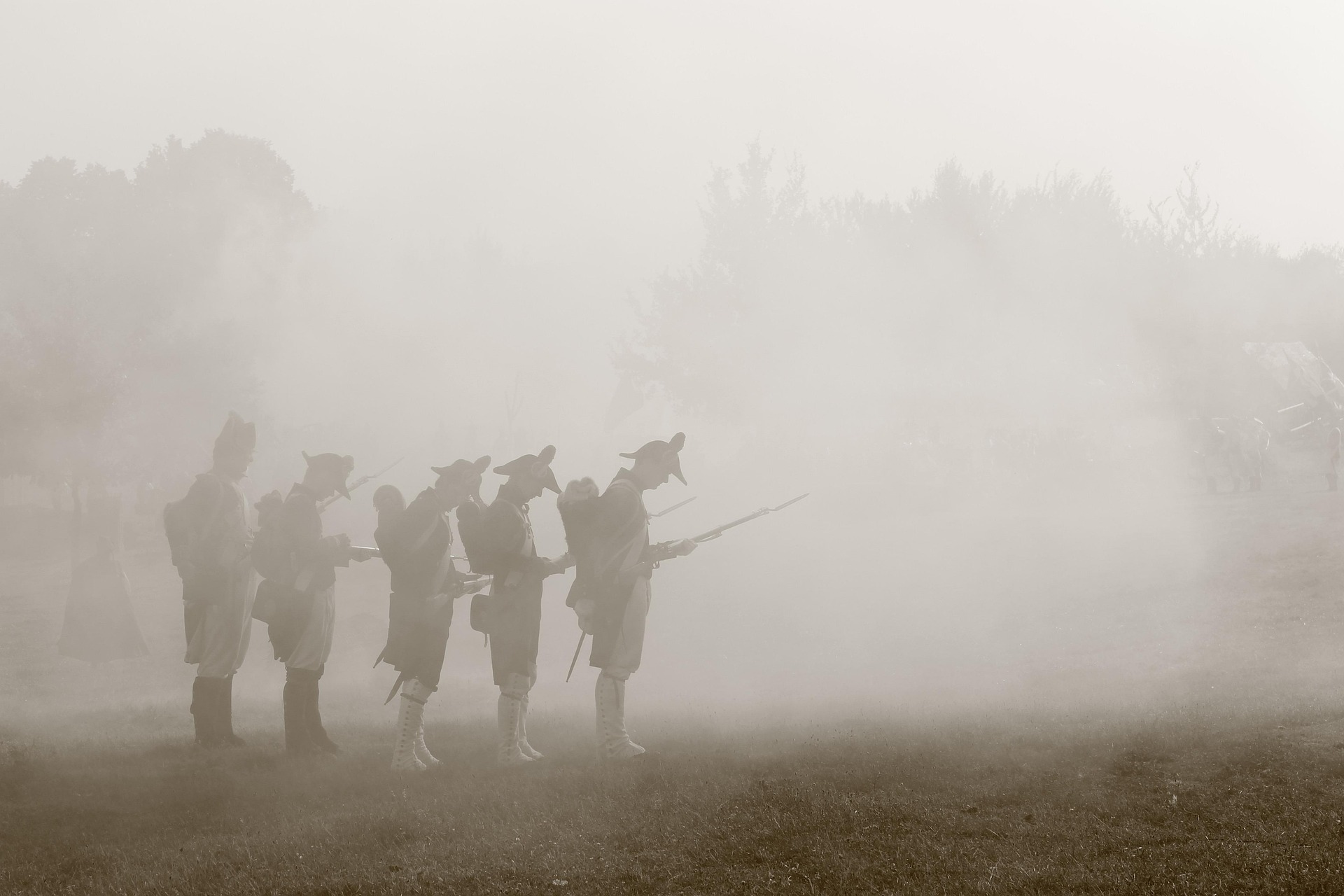
These examples show that the significance of a battle must be understood across several dimensions: tactical (maneuvers, immediate losses), strategic (impact on the campaign or the entire war), political (regime changes, treaties), and commemorative (myths, commemorations). A victory can usher in a period of dominance and innovation, but it can also impose a heavy human and material cost that leaves little room for consolidation. Conversely, a defeat can trigger political decline, but it can also spark reactions—whether revanchist or reformist—that permanently redirect the course of history.
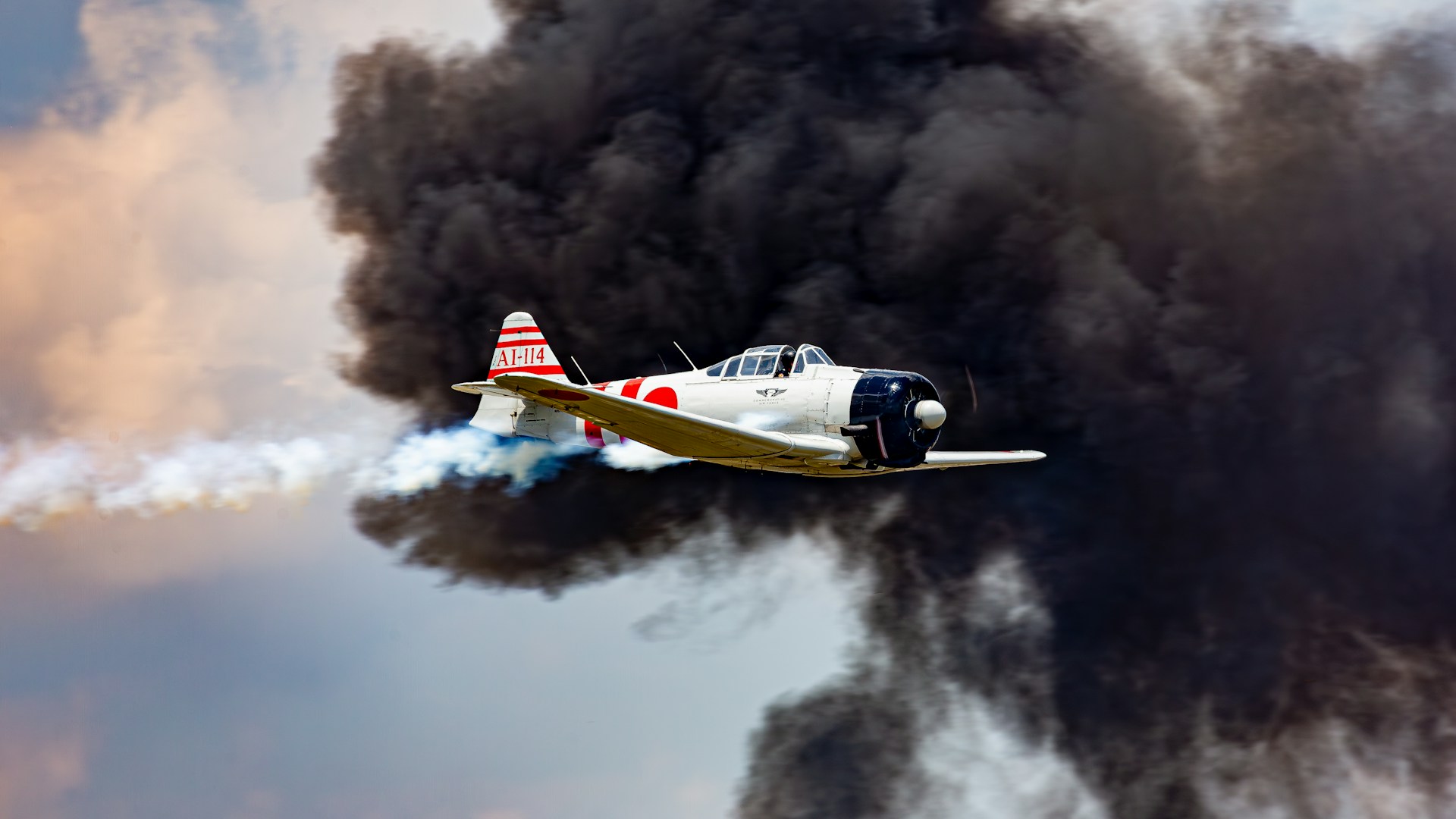
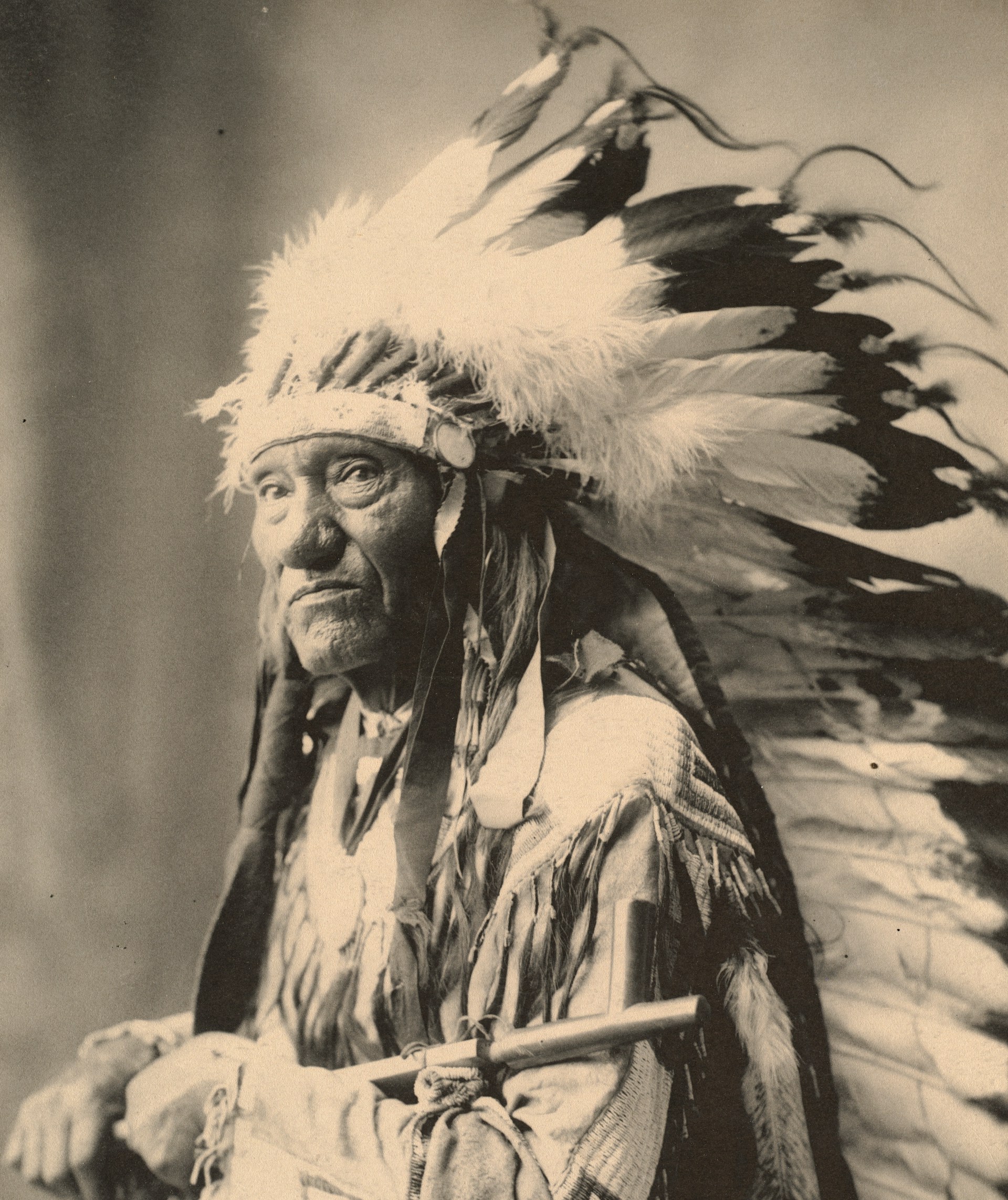
The role of non-military factors is often decisive: logistics, troop morale, weather, intelligence, and political support tip the balance. Pearl Harbor illustrates how a surprise attack can transform a country’s domestic politics and mobilize industrial capacity on a scale that reverses the initial situation. Little Bighorn, for its part, serves as a reminder that underestimating an adversary and command errors can lead to local disasters with significant symbolic consequences.
Finally, how can we apply these lessons today? For policymakers and the general public alike, understanding historical battles helps recognize the primacy of preparation, adaptation, and resilience. Lasting military success rarely rests on a single victory: it requires strong institutions, long-term strategies, and the ability to engage the affected populations.
In conclusion, studying these seven victories and seven defeats means grasping the complexity of historical turning points: each battle is a window into profound, sometimes unexpected transformations, and always offers lessons on how societies reproduce, defend themselves, and reinvent themselves.
Photos: Courtesy