How to choose and arrange small decorative items to enhance the style of a room
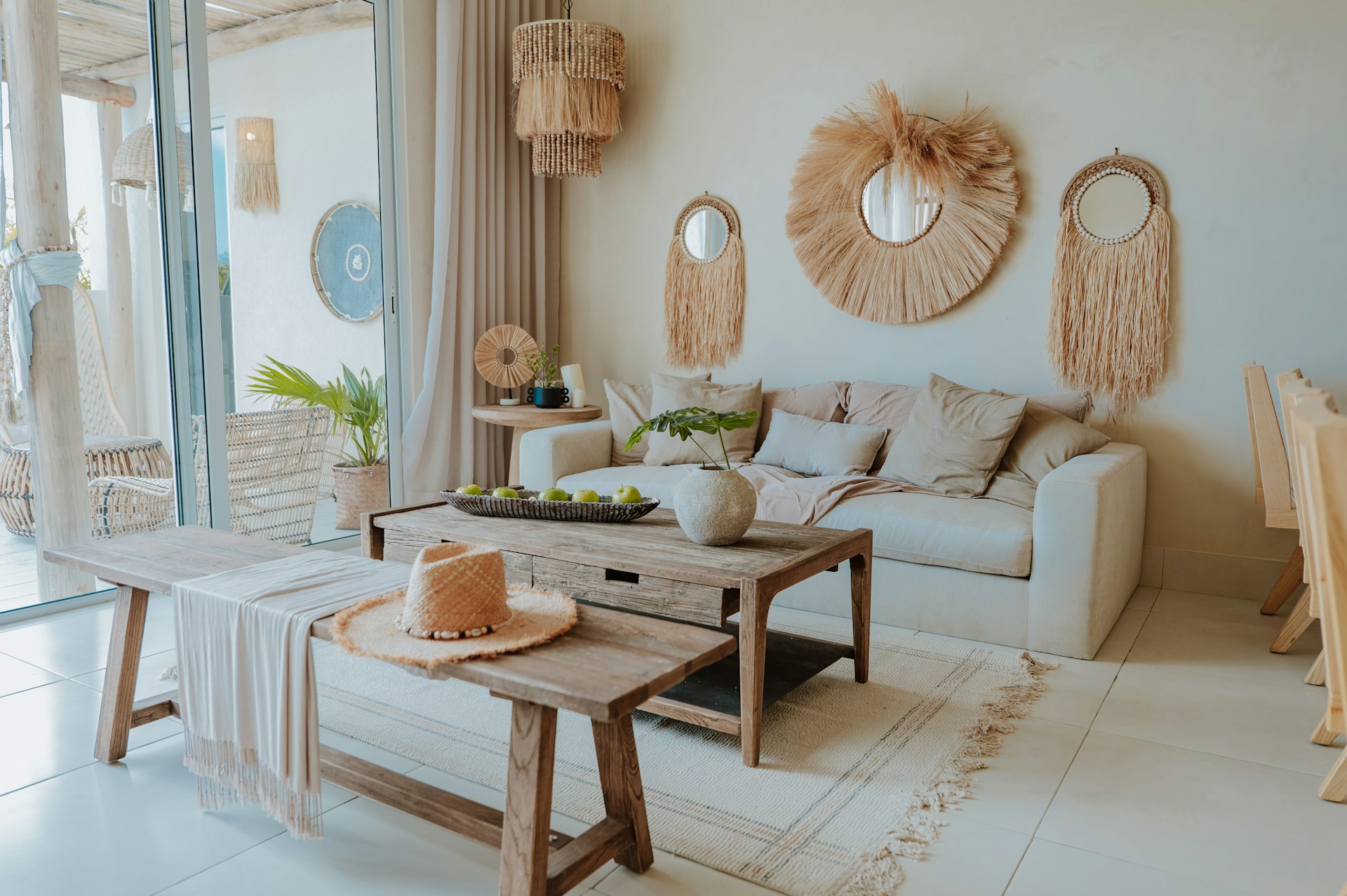
Small objects have great power. They can transform an ordinary room into a welcoming and stylish space without requiring major work or a large budget. The trick is to select pieces that complement each other (colors, textures, materials) and arrange them in a way that creates points of interest. In this article, we explore the principles for choosing these accessories, layout ideas, and concrete examples for a living room, bedroom, or entryway. Defining the intention and focal point
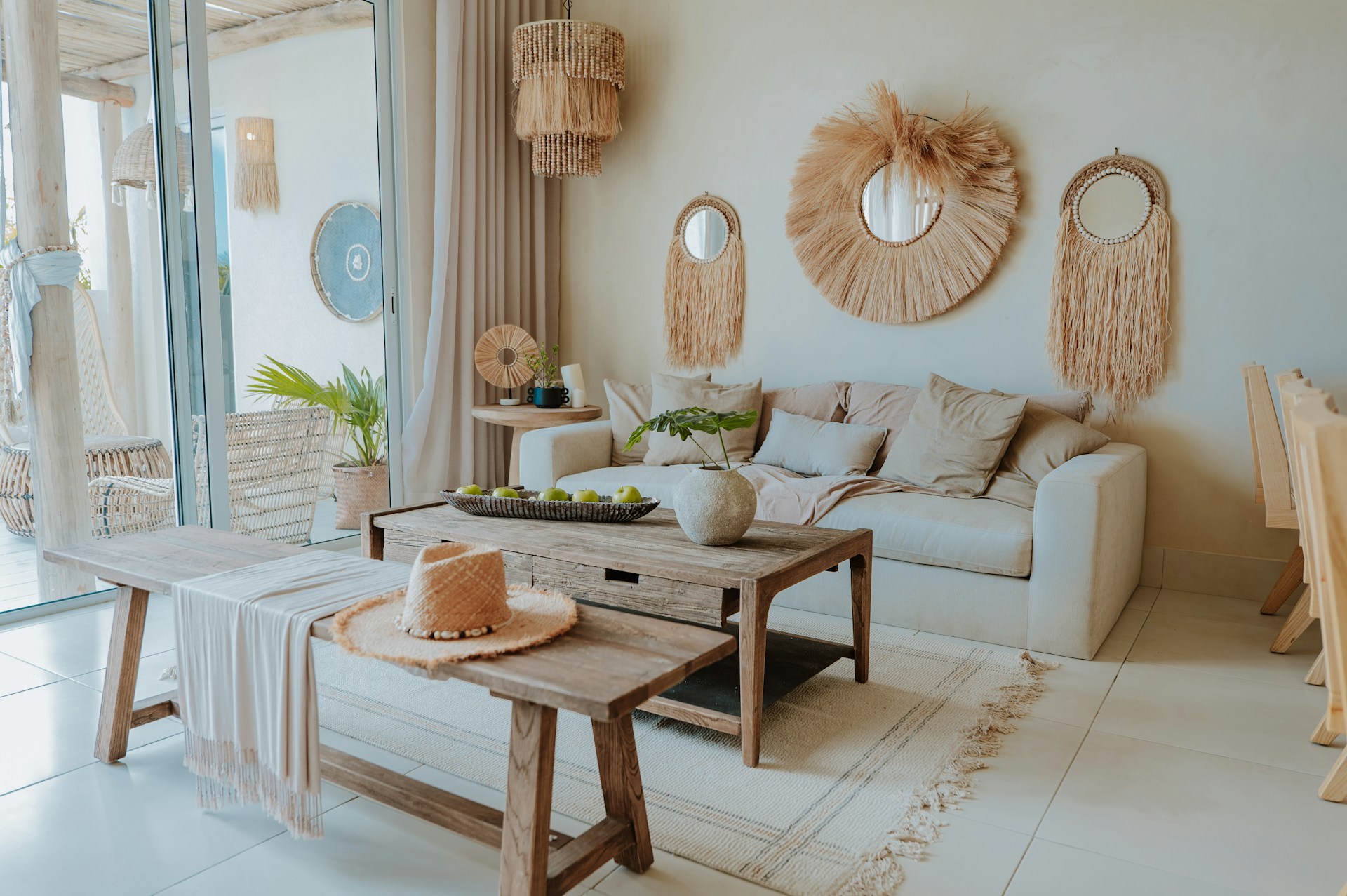
Before buying, ask yourself what you want to emphasize: do you want to warm up a reading corner, structure an entryway console, or liven up a coffee table? A graphic cushion or accent lamp can create a comfortable focal point, while a mirror or large plant opens up and brightens the space. Your intention will guide your choice of objects and prevent cluttered accumulation. Mix materials and shapes to avoid monotony: a wooden tray with an amber glass candle and a small handmade ceramic piece creates a rich visual contrast. Be sure to repeat at least one color or material in several elements to ensure consistency. For example, an ochre color present in a cushion and in a plant pot subtly ties the composition together.
The size of objects should be proportional to that of the furniture or surface. A very large vase on a small table can throw off the balance of the room; conversely, several small pieces grouped together can function as a single visual unit. Vary the heights to create rhythm: a book laid flat, a taller candle, a small sculptural object lower down.
4. Functionality and beauty
Choose objects that are both attractive and useful: a pretty and practical wicker basket for storing blankets, a tray that organizes and protects the table, beautiful books to display. Objects that are used every day are more likely to be appreciated and cared for.
5. The importance of light
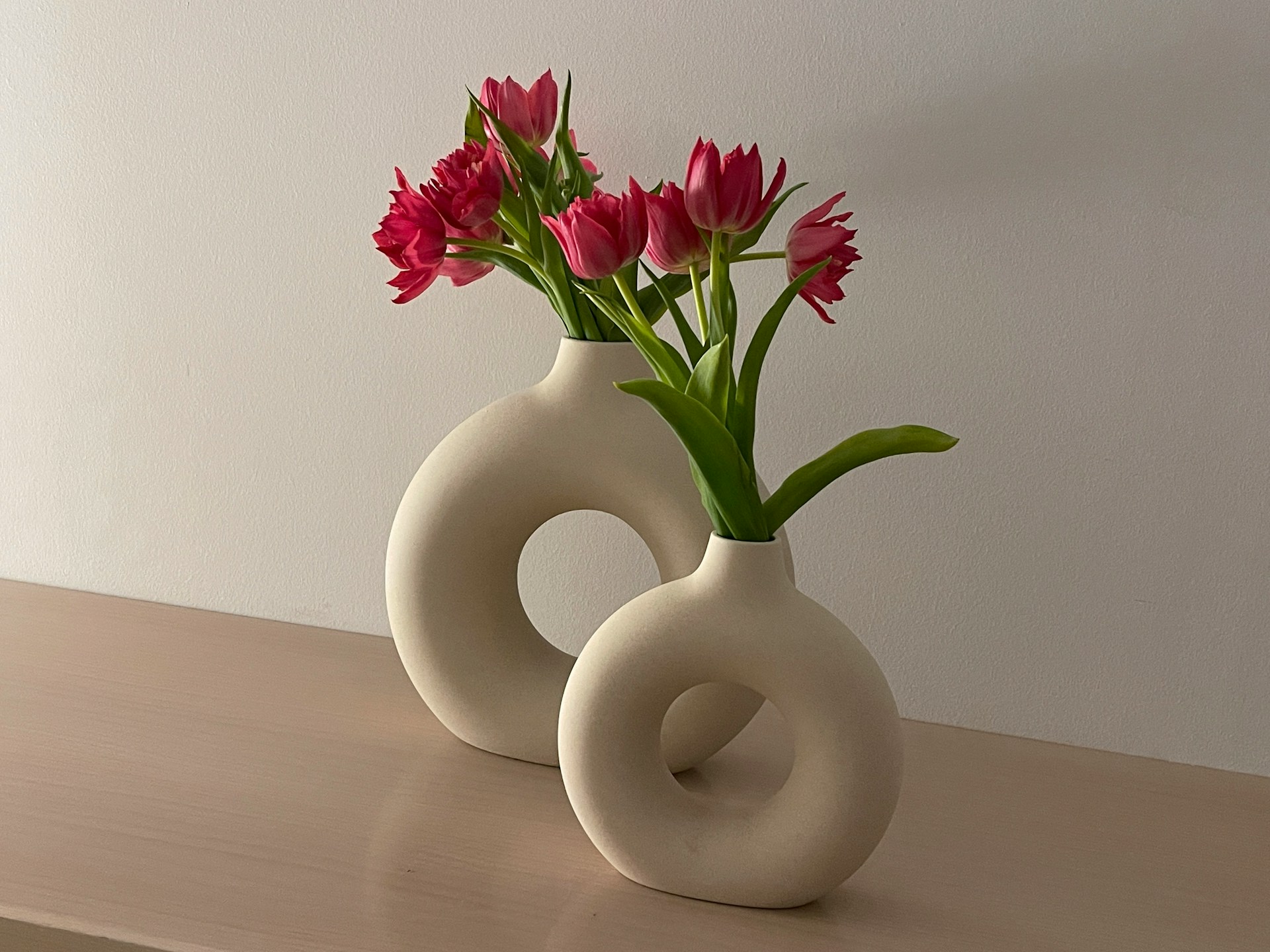
Light reveals textures and colors. A well-placed accent lamp highlights a sculptural vase or small sculpture and creates interesting shadows. A mirror placed opposite a light source multiplies the effect. Think of lighting as a decorative element in its own right.

6. Textures and materials
Natural materials—wood, brass, ceramic, rattan—bring warmth and authenticity. Contrasting textures (smooth/rough, matte/shiny) add energy to the overall look and prevent it from appearing flat. Handcrafted ceramics, for example, capture light differently depending on the time of day and give the decor soul.
7. Organization and temporary compositions
Create « tableaux » on your furniture: a large book laid flat, a candle, a small vase, and a personal item form a neat scene. Use trays to group items together and make them easier to move around. Don’t be afraid to change your composition regularly: quick changes are less expensive and keep things interesting.
8. Maintenance and durability
Choose items that are easy to maintain and durable. Washable cushion covers, natural wax candles, plants suited to your level of availability: these are all criteria that will prolong your enjoyment. Whenever possible, choose local or handcrafted items, which often have a longer lifespan and a smaller ecological footprint.
9. Decorating ideas for each room
- Living room: a well-arranged tray on the coffee table, two graphic cushions, a side lamp near an armchair, and a tall plant in the corner.
- Bedroom: a designer bedside lamp, a small sculptural vase on the dresser, and a glass bell jar to showcase a souvenir.
- Entrance hall: a decorative mirror above a console table, a basket for throws, and a small sculpture for the finishing touch.
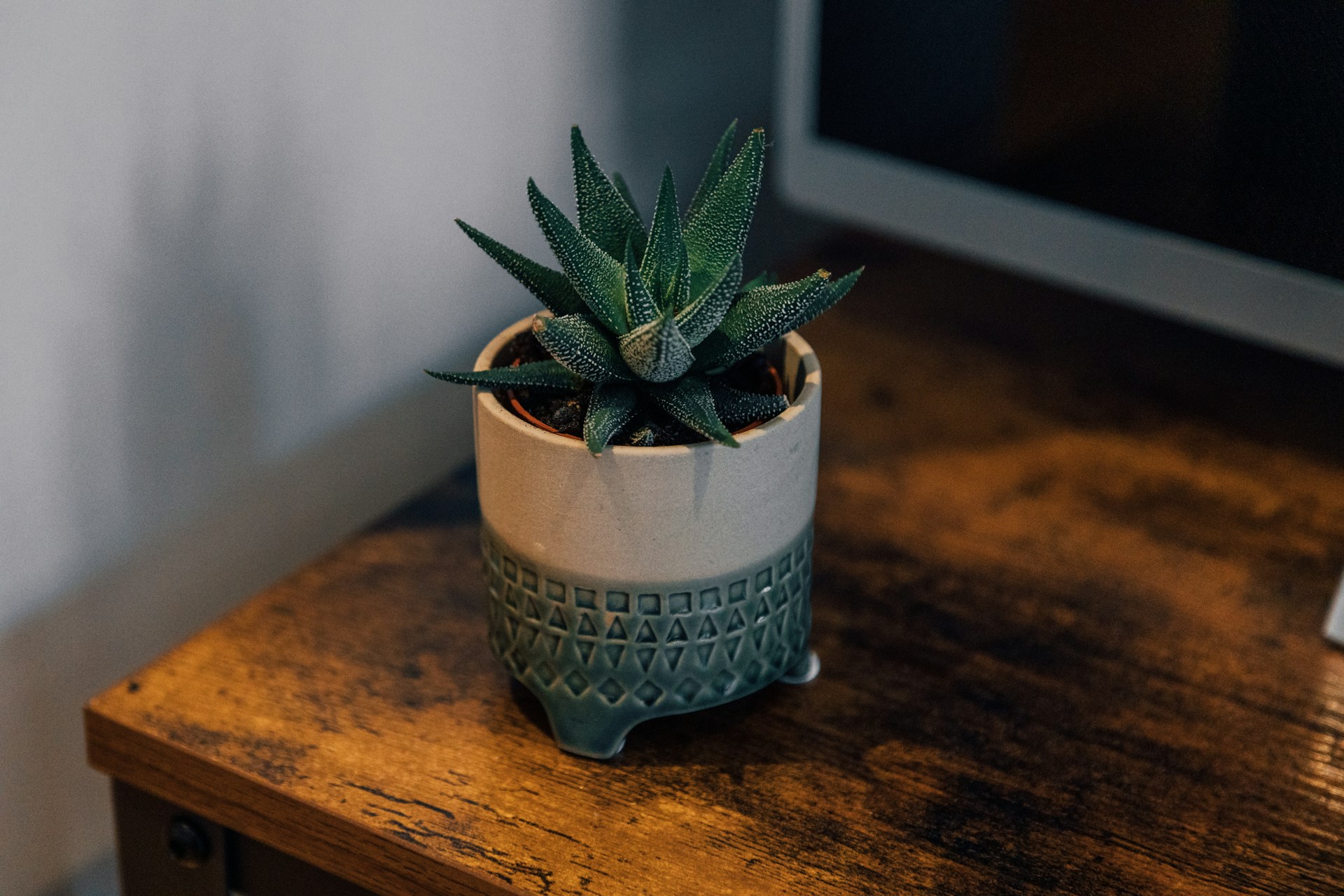
In short, the power of small objects comes from their ability to add personality, texture, and warmth without much effort. By defining an intention, playing with contrasts, respecting proportions, and prioritizing quality and functionality, you can transform any room into a cohesive, stylish, and welcoming space. Start with one or two changes and observe the impact: often, it’s the details that make all the difference.