How to incorporate vintage items into a modern interior: practical guide and inspiration
Placing vintage objects in a modern interior is not just about accumulating old pieces: it’s about creating a dialogue between the past and the present, installing emotional landmarks and textures that warm up spaces that are sometimes too sleek. This practical guide takes you step by step through choosing, placing, and maintaining your finds, with concrete ideas and inspiring visuals. Why add vintage? Vintage objects bring three essential qualities: the patina of time, a visible history, and aesthetic uniqueness. A worn trunk, a patinated leather armchair, or a workshop lamp instantly tell a story about the space and its inhabitants. They avoid the showroom effect sometimes found in purely contemporary interiors and allow you to create a space that breathes and lives.
- Prioritize quality and authenticity: choose objects with a solid structure and a natural patina rather than new copies that are too « decorative. »
- Limit yourself to 3–5 strong elements: one centerpiece per room (armchair, sideboard, clock) is enough to set the tone.
- Vary scales and materials: combine wood, leather, metal, and porcelain to enrich the sensory palette.
Examples of placement
Here are a few simple ideas that can be implemented immediately:
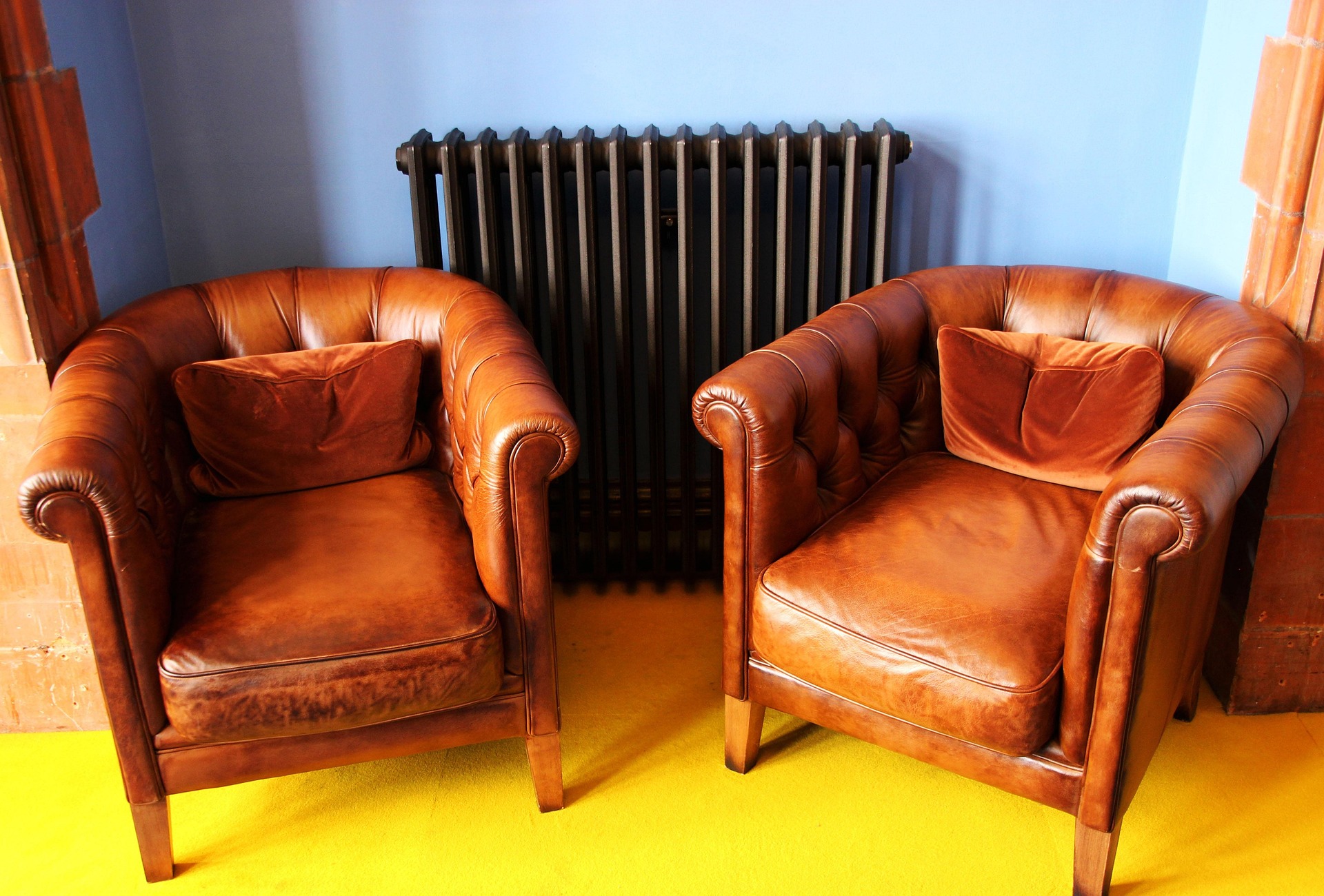
- In the living room: a leather club chair (or a restored antique armchair) creates a welcoming reading corner; pair it with a Jieldé lamp for directional, sculptural lighting.
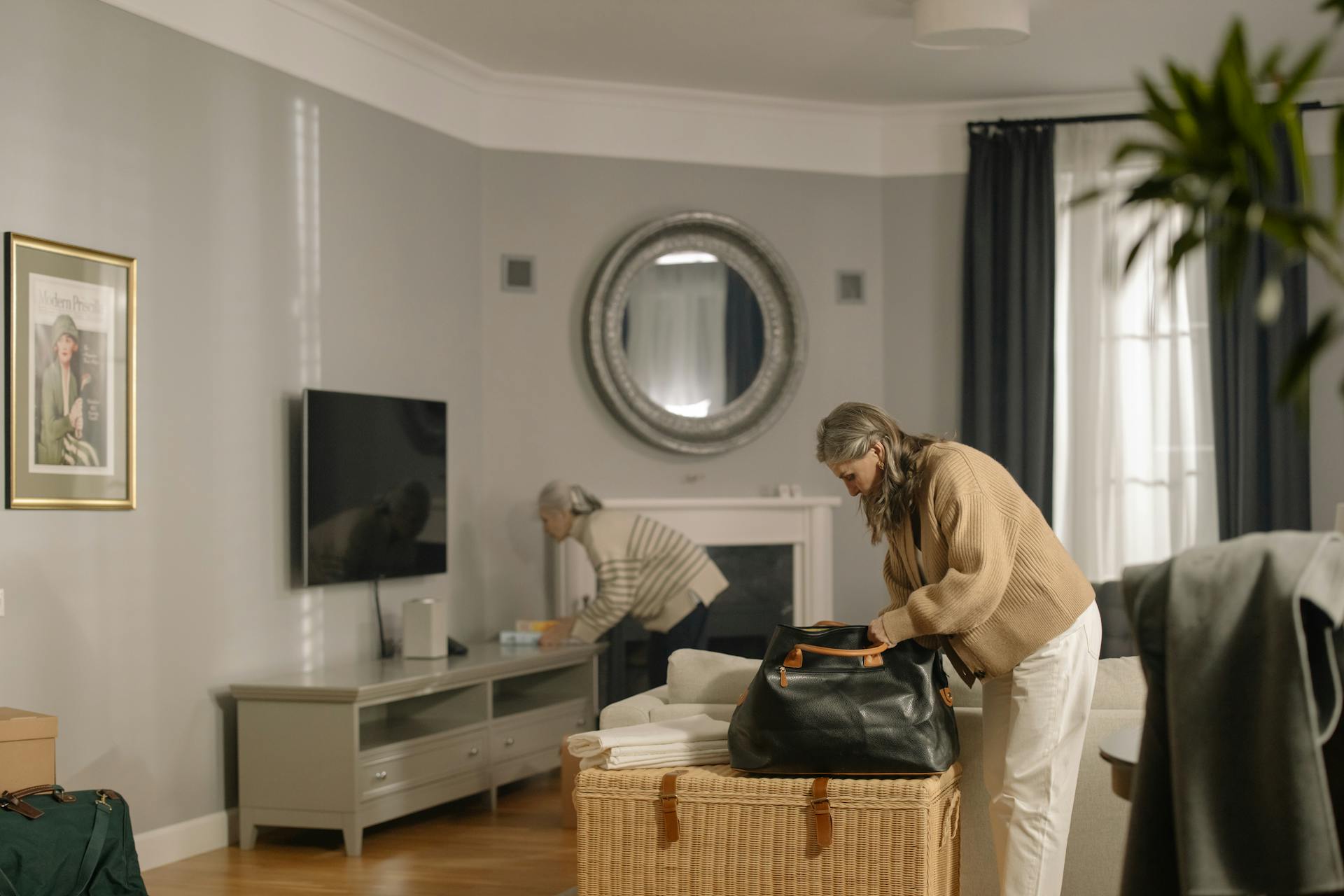
- In the entryway: a travel trunk used as a low console table provides storage and temporary seating; it instantly gives a modern hallway character.
- In the dining room: combine a contemporary table with antique porcelain as a centerpiece; the contrasts work very well.
Playing with contrasts without hitting a wrong note
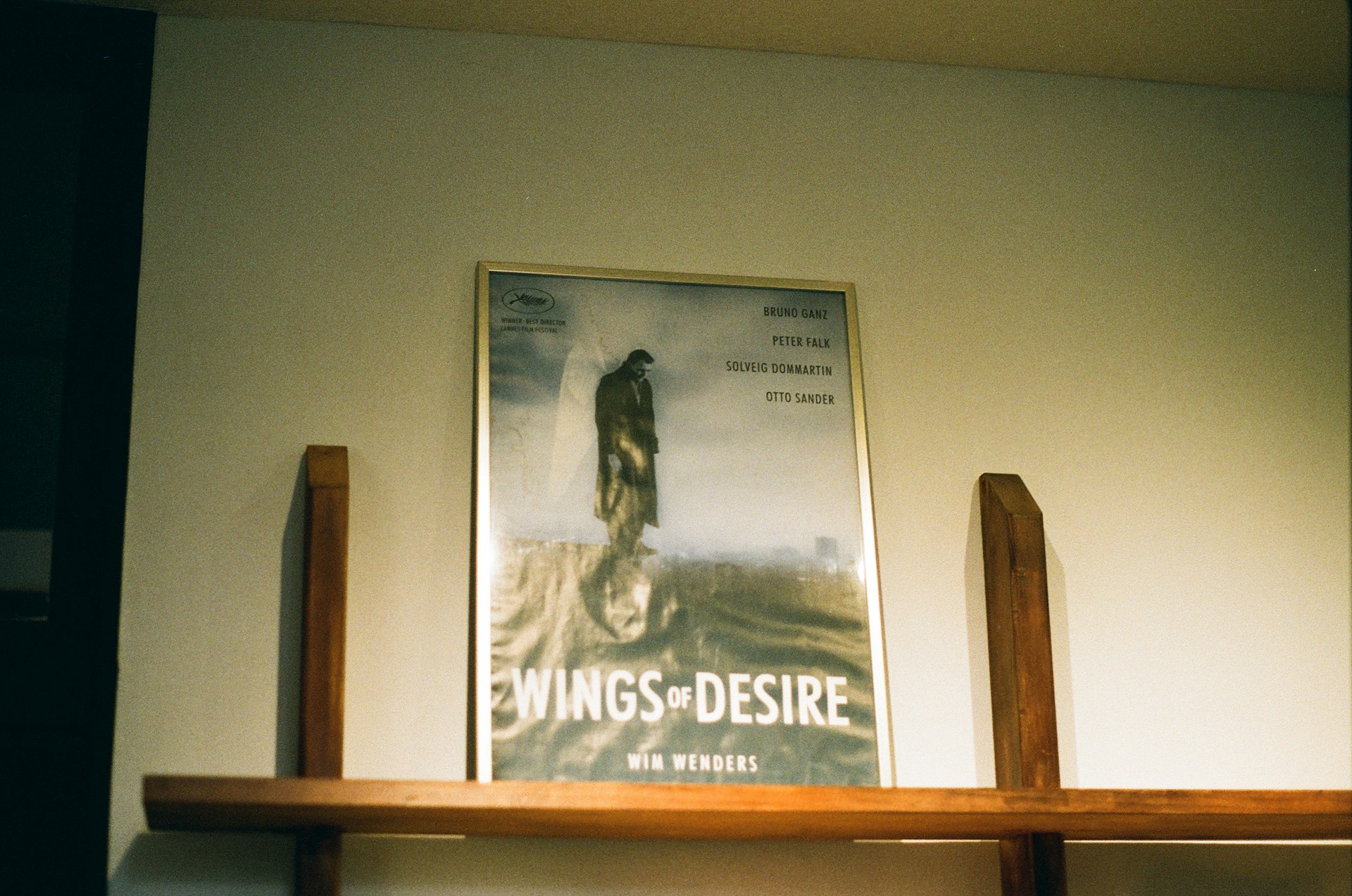
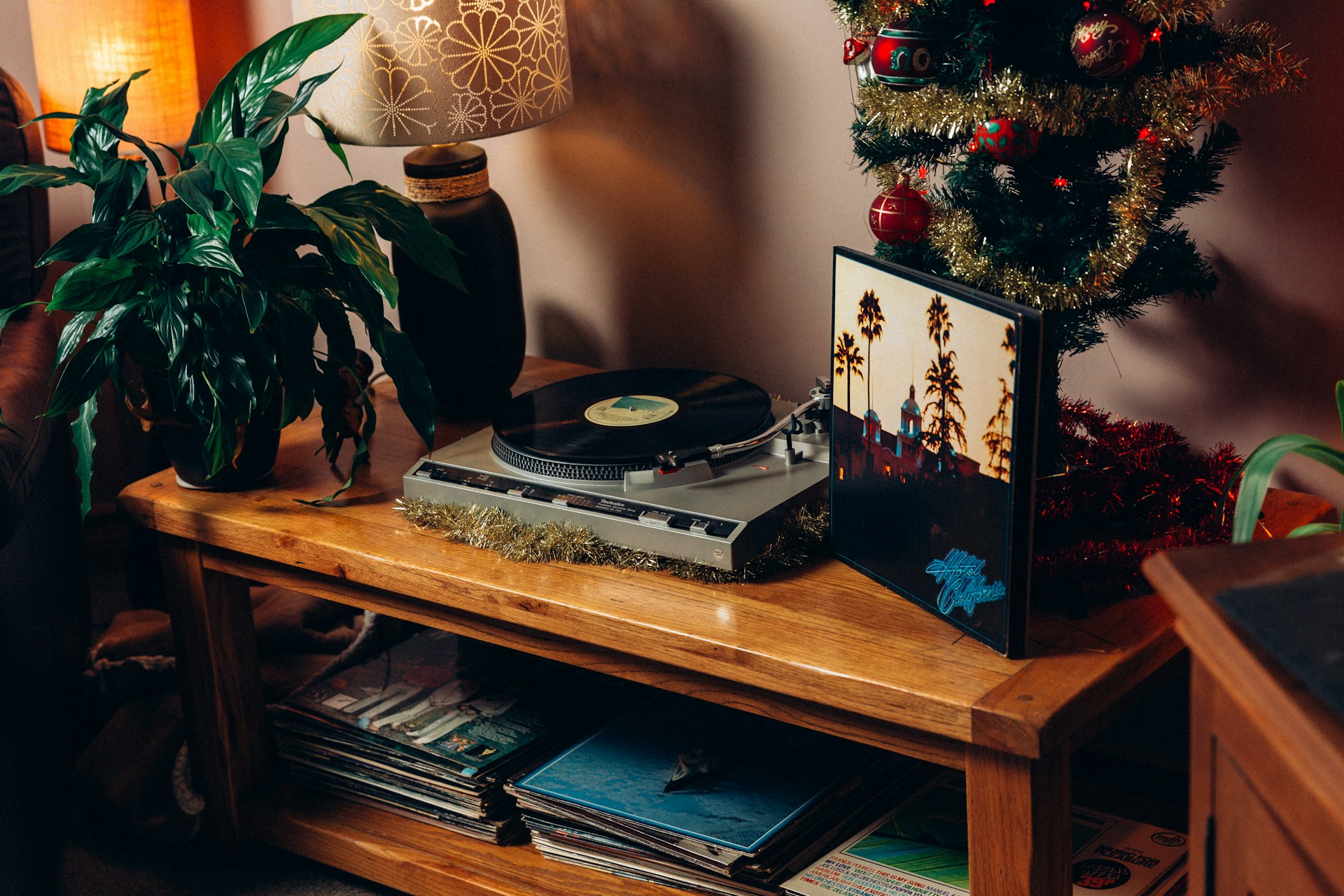
Balance is achieved through the repetition of tones and the art of letting the space breathe. For example, if you have a large leather piece, balance it with light-colored elements around it (rugs, walls, tables) and limit other heavy pieces. Graphic objects such as a beautiful framed retro poster or an industrial clock can structure a neutral wall and serve as a visual anchor. Small items (film cameras, brass accessories) can be placed on shelves or consoles to add interest without overloading the space.4-21.jpg’ alt=’Leather club chair’ /> 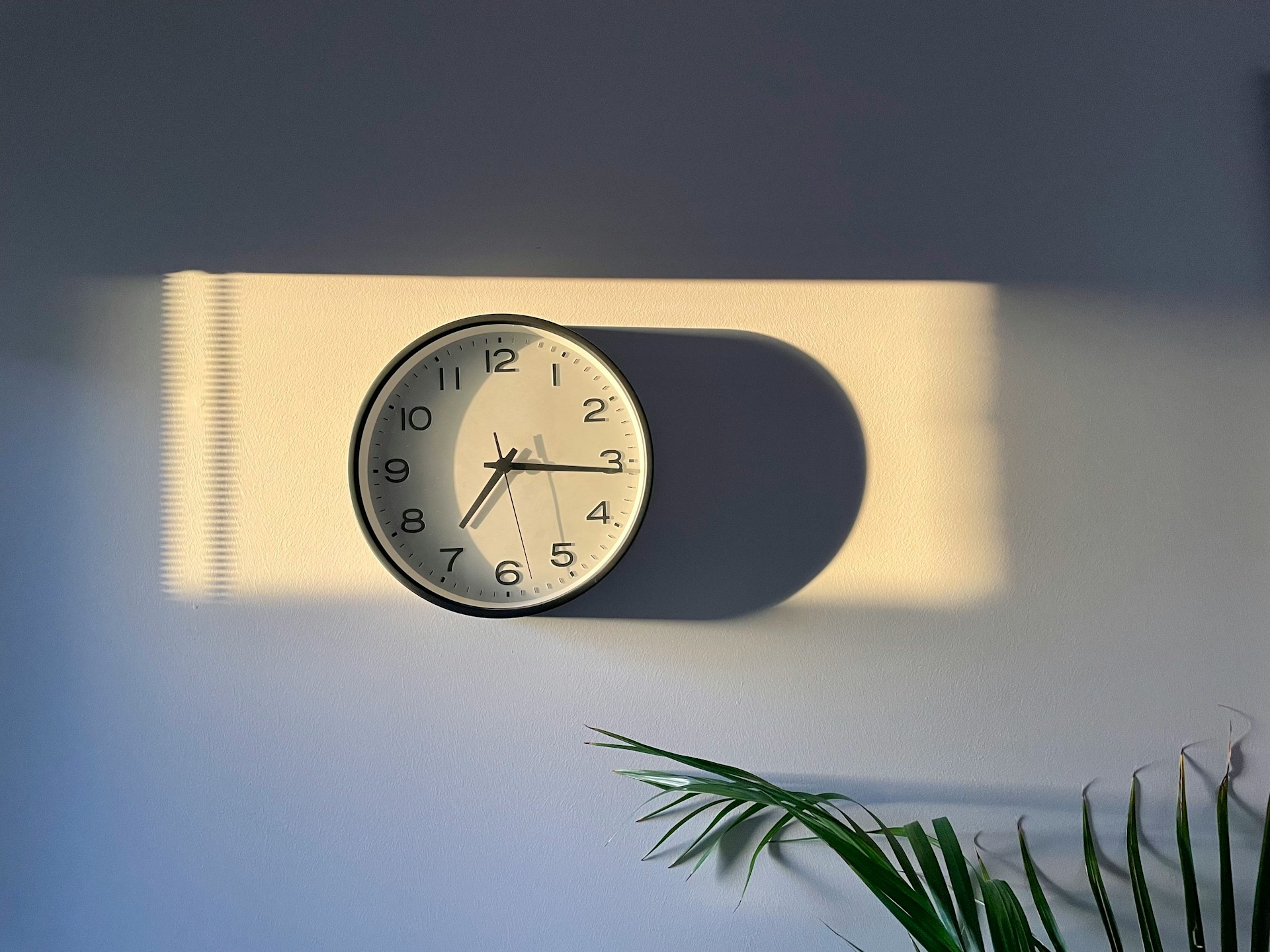
Care and restoration tips
Maintaining vintage pieces does not always require expertise: for leather, gentle cleaning and a suitable polish are sufficient; for wood, a natural polish or wax provides good protection. For metals, light polishing or accepting the patina will depend on the desired result: sometimes, controlled rust adds charm. If you are considering a major restoration, call in a professional to preserve the value and authenticity of the item. Where to hunt for bargains and what to bring back
Flea markets, garage sales, and even specialized online sales are excellent hunting grounds. Focus on the overall condition, structure, and originality of the piece rather than the price alone. A good vintage purchase is a piece that tells a story and fits easily into your everyday life.
In conclusion
Incorporating vintage into a modern interior means accepting a little imperfection in order to gain warmth and history. Make confident choices: one or two statement pieces per room, contrasting materials, and attention to scale are enough to create an interior that breathes and reflects your personality. Leave space for objects to take on meaning: the key is to create a balance between contemporary functionality and objects steeped in emotion.