
Since her appointment as head of the Department of Homeland Security (DHS), Kristi Noem has become a central figure in debates on national security and US immigration policy. This article provides a factual and concise overview of the changes made under her leadership, emphasizing their practical implications for the Coast Guard, public resources, and organizational culture. My tone remains friendly and objective: the goal is to explain, not to argue. Context and stated priorities When a new administration sets its priorities, agencies such as the Coast Guard often have to readjust their operational mission. Under the administration in question, DHS strategy placed a strong emphasis on reducing migration flows and on deportation operations. According to several reports and investigations, this resulted in a significant redeployment of air and maritime resources traditionally dedicated to search and rescue to transportation and deportation missions.

Credit: Getty Images
Concrete examples
Several incidents have been cited as indicative of this shift. One case often mentioned is that of a search for a soldier who had fallen into the sea, which was temporarily interrupted because a patrol plane was reportedly reassigned to transport migrants out of a coastal area. Sources say that compensatory measures were taken to continue the search, but the episode illustrates the tension between humanitarian missions and political priorities.

Credit: Getty Images
Impact on resources
Figures cited in various surveys refer to hundreds of flights diverted for migrant transport operations—some reports mention more than 750 flights. If these figures are accurate, they represent a significant change in use: aircraft and crews mobilized for transfers rather than for patrols, rescues, or anti-trafficking missions. Critics argue that this depletes operational capabilities and increases the risk of reduced availability during serious maritime incidents.

Credit: Getty Images
Internal consequences: culture and morale
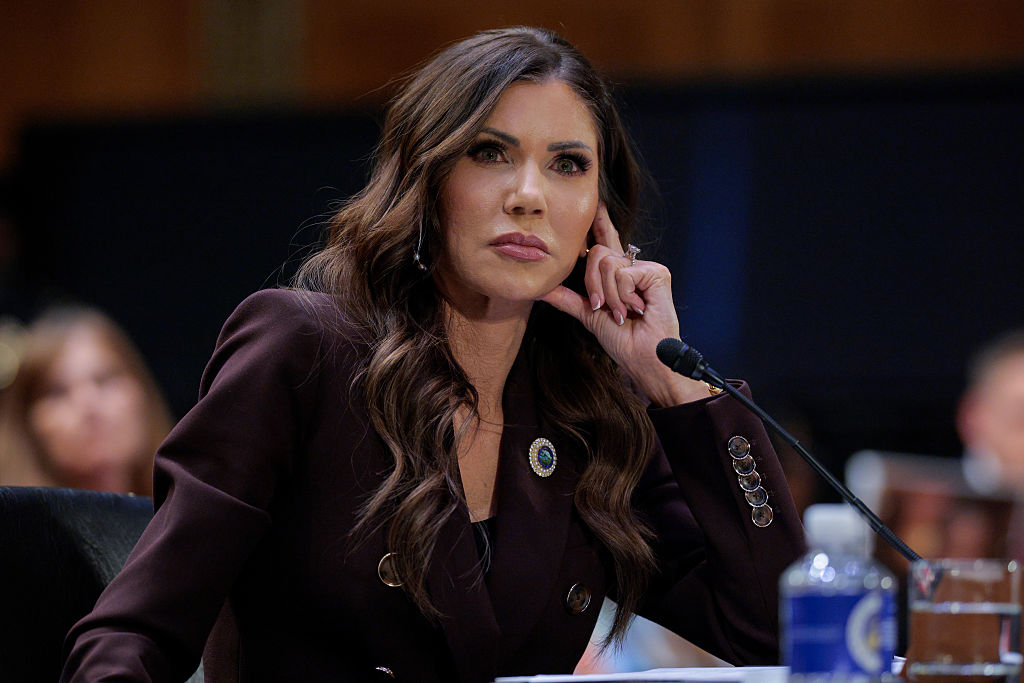
Beyond the numbers, the way decisions are made has an impact on the internal culture. Testimonies describe the climate as tense, citing friction between Coast Guard military officials and DHS political leadership. Some former executives and long-time staff have expressed concern about a shift in priorities that they believe undermines the Coast Guard’s primary mission: saving lives at sea.
Credit: Getty Images
Political and public reactions
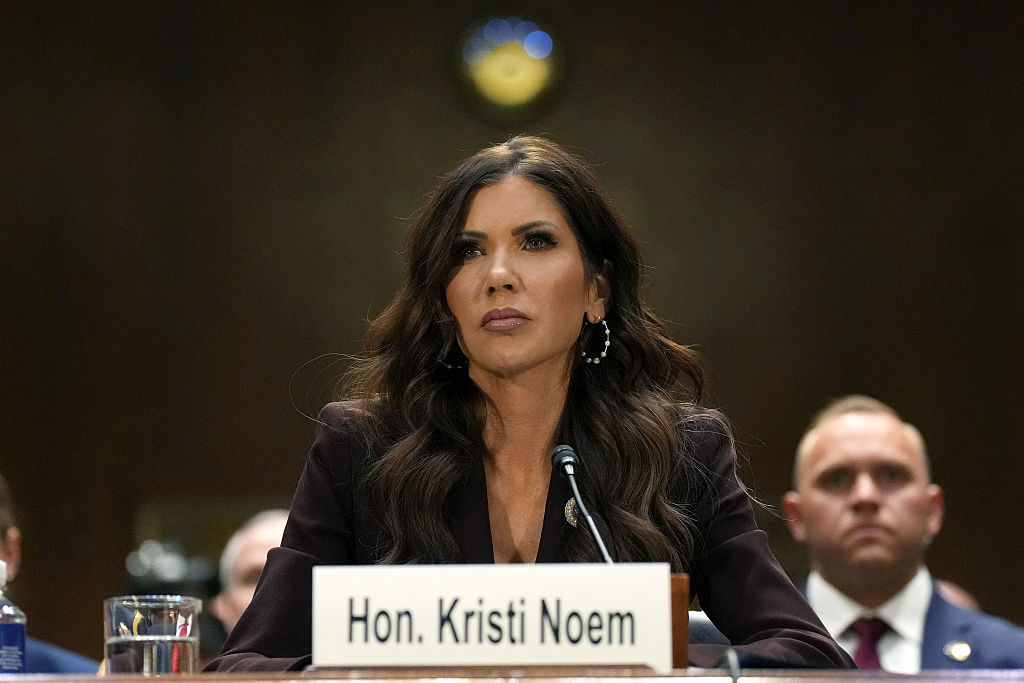
The DHS’s decisions sparked bipartisan reactions: Republican and Democratic lawmakers questioned the adequacy of resources and the compliance of practices with legal mandates. Some voices, including among senators who voted for confirmation, subsequently expressed regret or reservations. In the public sphere, these changes fueled debates about the prioritization of government missions and the transparency of operational decisions.
Credit: Getty Images
Key takeaways?
- Political decisions can profoundly alter how an agency’s resources are used; it is important to examine the operational impacts before and after such changes.
- The available evidence and figures warrant independent verification to accurately establish the extent of resource diversion and its consequences for maritime safety.
- The resilience of an institution also depends on staff morale and confidence: any reorientation must be accompanied by clear communication and compliance with legal frameworks.
In short, the period under review was marked by a clear reorientation towards migration objectives, with obvious operational and human consequences. To better understand the real extent of these changes, it will be necessary to cross-reference official reports, internal testimonies, and independent analyses. If you wish, I can provide you with a summary of the figures cited in the various public reports or prepare a detailed chronology of the incidents mentioned.

Credit: Getty Images

Credit: Getty Images
Thank you for reading this review. If you would like me to rewrite this article for a more specialized audience (lawyers, sailors, local elected officials) or include specific references to reports and press articles, please let me know which angle you would prefer.