Lawsuits, threats, and stakes: why Trump is demanding $1 billion from Harvard and what it means
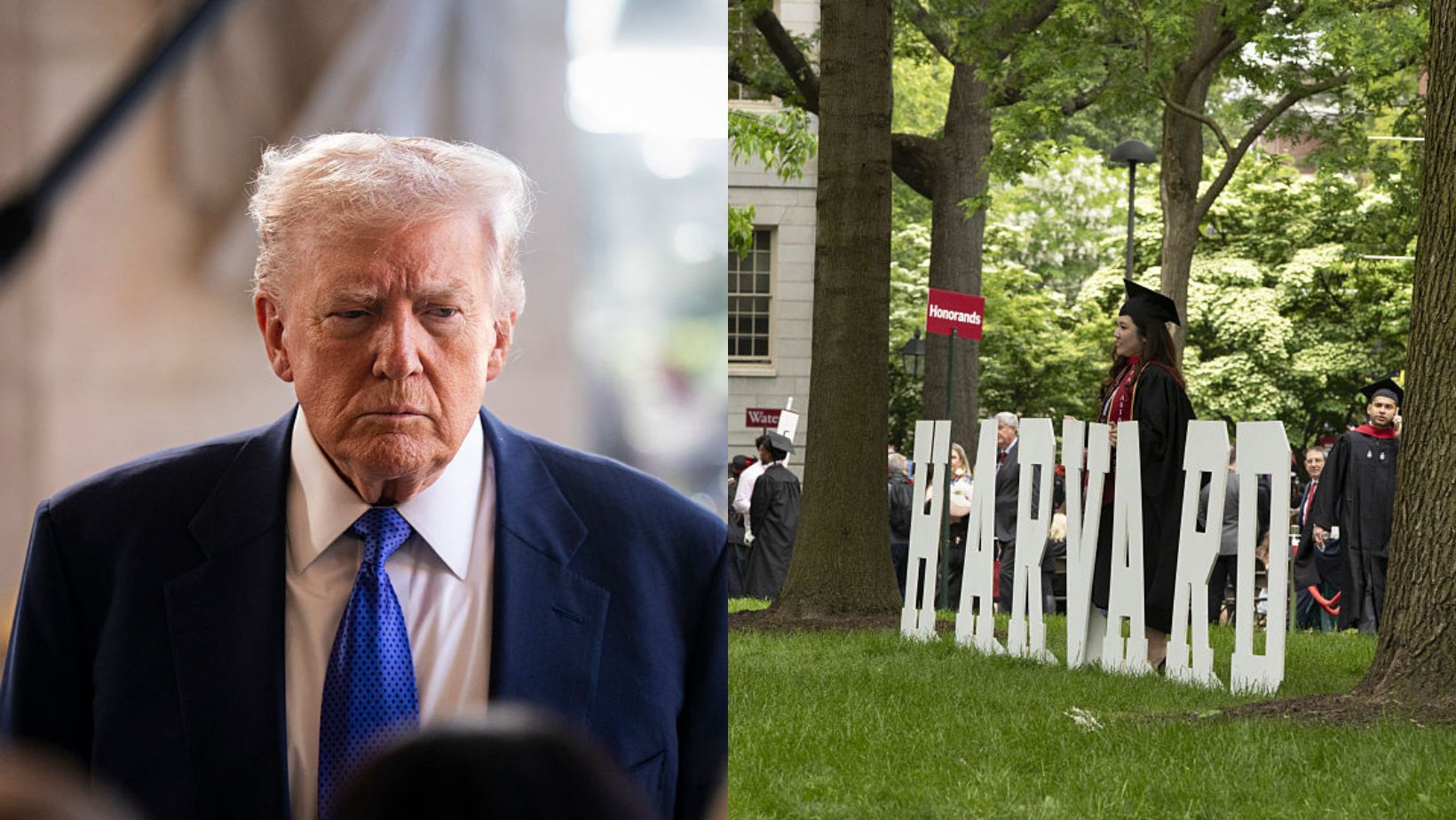
Donald Trump has announced that he is now demanding $1 billion from Harvard, a dramatic claim that is part of a broader offensive against American universities that he considers « woke » or insufficiently protective of Jewish students during protests. This demand comes after several episodes of tension—complaints, federal funding cuts, and appeals—that have turned what could have been an administrative dispute into a high-stakes political and legal battle.
In concrete terms, the billion-dollar claim comes after years of clashes between the Trump administration and elite institutions. The White House’s stated goal is twofold: to obtain financial compensation and to force changes in university policies on sensitive issues such as diversity, gender definitions, and protest management.
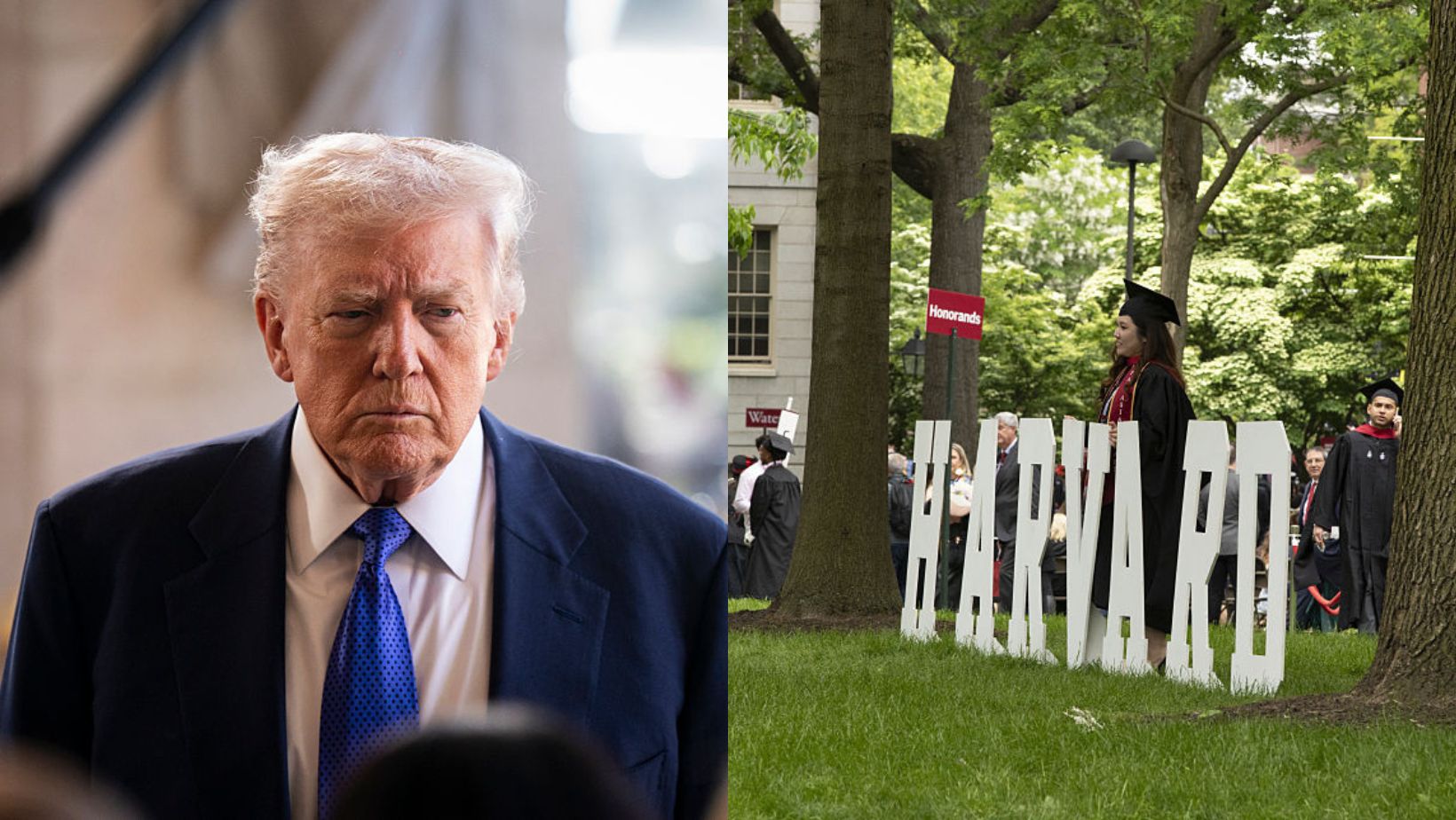
The $1 billion demand was announced publicly on the president’s network. This sum serves as both political leverage and financial punishment, according to its supporters.
An essential point to understand the issue: Harvard is not the only target. According to recent surveys, at least 75 universities have been the subject of similar complaints or pressure, and several have ended up agreeing to pay significant amounts to ease tensions or guarantee continued federal aid.
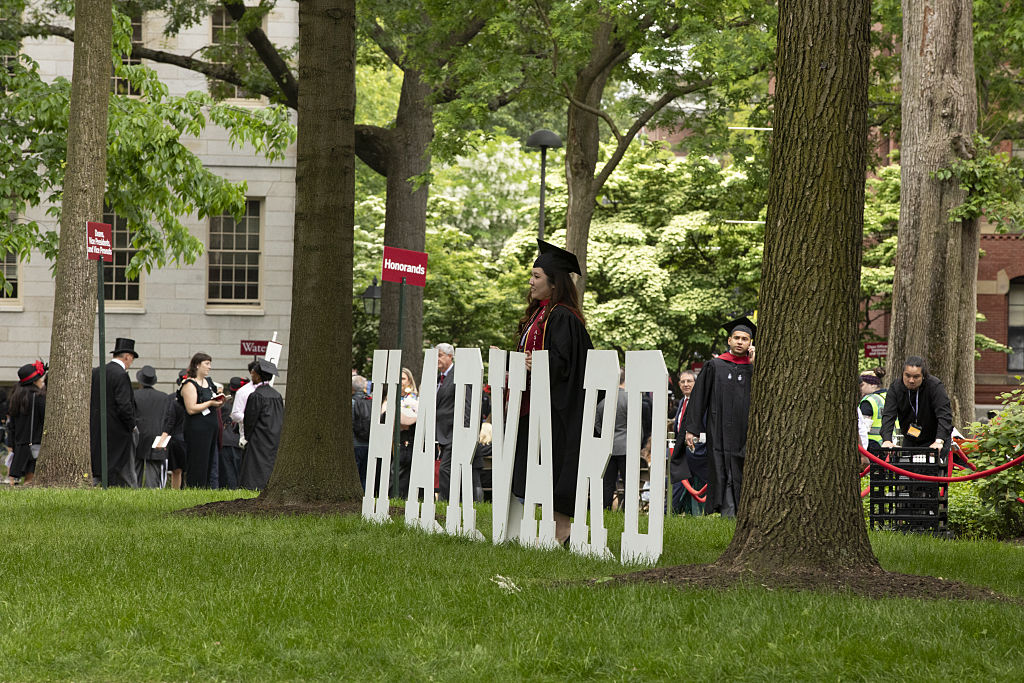
Prior to this latest announcement, widely varying amounts had already been circulating: an initial request for $200 million, then discussions of $500 million. The increase to $1 billion illustrates the escalation and the intention to take a harder line.
Why Harvard?
- Harvard embodies the American academic elite and, as such, is a symbolic target for an administration that wishes to reaffirm a conservative vision of higher education.
- Presidential authorities accuse the university of ideological bias (which they describe as « wokism ») and of lax management of inter-community tensions, particularly during pro-Palestinian demonstrations and allegations of anti-Semitism.
- Harvard has responded legally: the university has filed two lawsuits against the administration, and federal rulings have so far found in favor of the institution in these cases. The administration has appealed.
Harvard leaders denounce illegal reprisals aimed at forcing independent think tanks to comply. This rhetoric has resonated within the academic community, which sees it as an attack on institutional autonomy.
The methods used and their effects
The administration has not limited its actions to legal threats: it has also reduced federal research funding and attempted to restrict the admission of foreign students. These measures have a concrete impact—both financial and academic—on universities that rely heavily on public funds for their laboratories and projects.
At the same time, several universities have negotiated agreements to obtain federal leniency: Columbia (200 million), Cornell (60 million), and Brown (50 million) have entered into arrangements that often included commitments on admissions policies and diversity. These agreements show that pressure tactics can produce results, despite legal challenges.
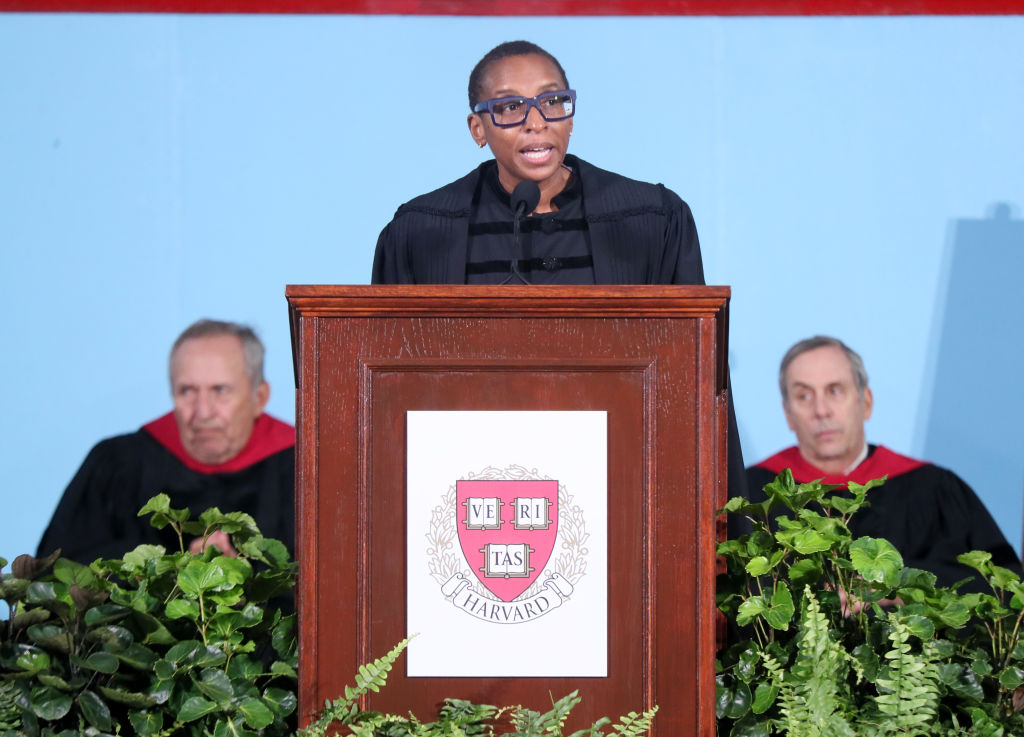
The list of targeted institutions reveals a systemic phenomenon: these are not isolated attacks but a coordinated strategy aimed at reshaping certain university practices on a national scale.
What are the possible consequences?
- Legally: the outcome will depend on the appeals currently underway and the decisions of the courts of appeal. Precedents in which federal judges have ruled in favor of universities show that the battle is far from won by the administration.
- Politically: The pressure exerted is likely to weaken universities’ ability to defend academic autonomy if the strategy results in funding cuts or the imposition of strict conditions for receiving federal aid.
- Socially: these confrontations fuel the debate on freedom of expression, diversity on campuses, and the role of universities as places for critical debate. Students and faculty often find themselves at the center of issues that go beyond the strictly academic sphere.
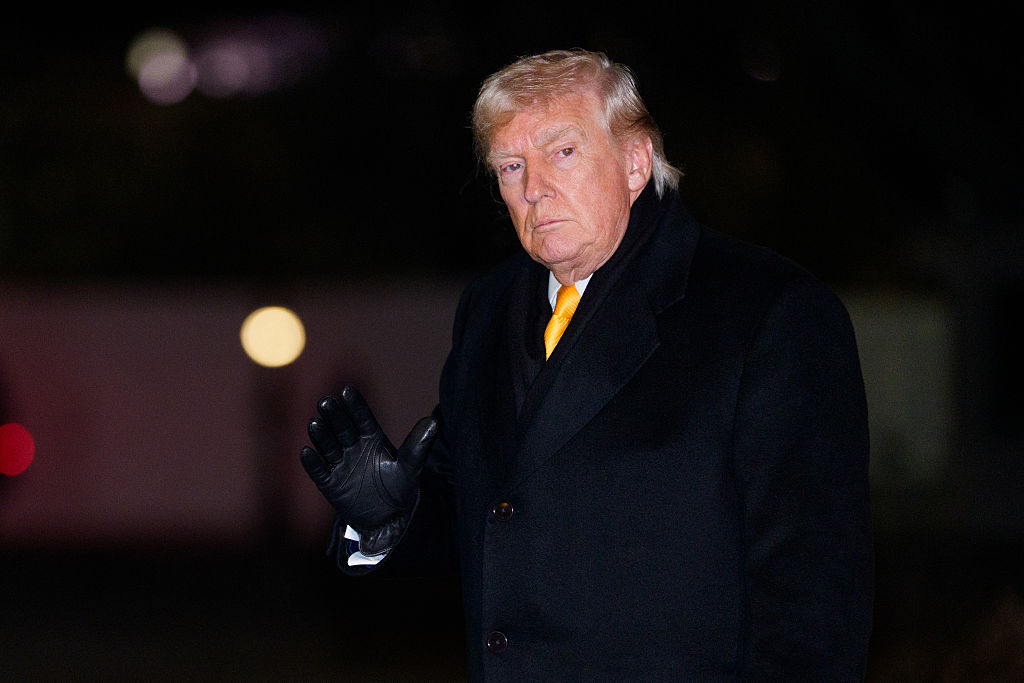
Finally, the underlying issue is ideological: the administration is seeking to redefine certain admission and representation frameworks within institutions—measures that, if imposed on a large scale, would profoundly transform the landscape of American higher education.
In short, the $1 billion demand is not just a figure: it is a political signal, an attempt to apply pressure, and a test of the resilience of academic institutions in the face of increasingly direct government intervention. It remains to be seen whether this strategy will lead to further concessions, legal victories for universities, or increased polarization of the public debate on the future of American campuses.