Mark Carney: «Arctic is integral to the security of North America and NATO»
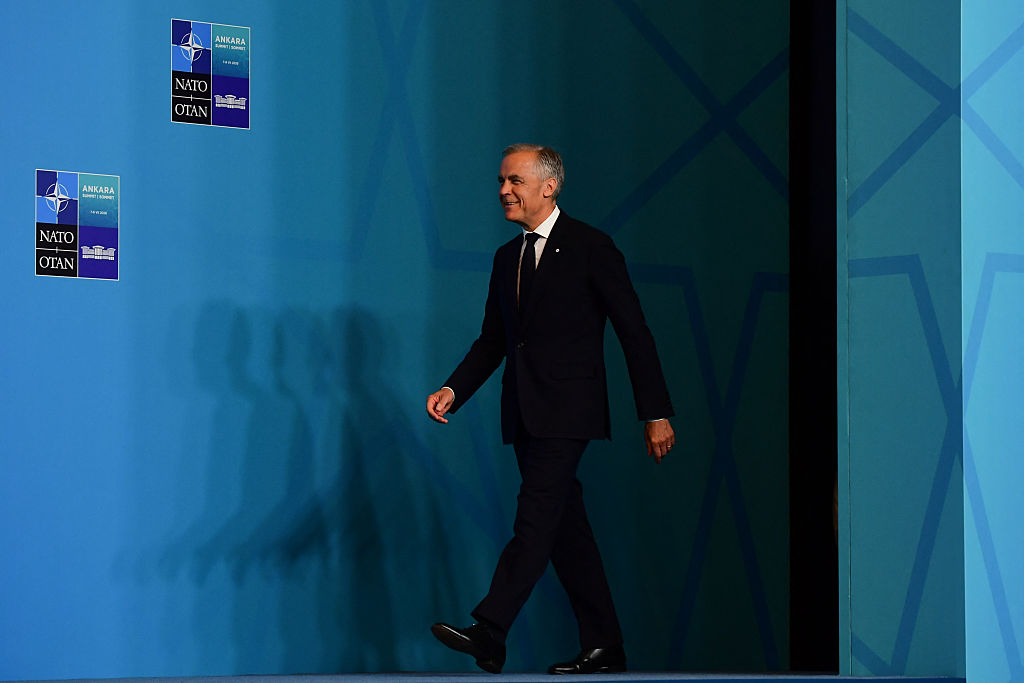
Canadian Prime Minister Mark Carney is trying to position Canada as NATO’s leading Arctic power, arguing the alliance must prepare for growing military competition in the Far North as melting sea ice opens new shipping routes and exposes previously inaccessible territory. Speaking at the NATO summit in Ankara, Türkiye, on July 8, Carney said Canada’s Arctic is no longer a remote frontier but an increasingly important part of the alliance’s western flank. The remarks accompanied a series of major defence announcements, including new missile purchases, submarine procurement and expanded cooperation with European allies as Ottawa continues its rapid military buildup.
Carney told allies that Canada’s geography gives it a unique responsibility within NATO as global powers increase their presence in the Arctic. Carney argued the Arctic is becoming more strategically important as climate change reduces sea ice, creates longer navigation seasons and increases access to critical minerals. Climate change is also drastically impacting energy resources and shipping corridors through the Arctic. Those developments have caused heightened military activity by Russia. At the same time, China has expanded its Arctic military explorations, prompting NATO members to devote greater attention to northern defence than at any point since the Cold War.
Canada’s Arctic is becoming integral to the security of both North America and NATO’s western flank.
-Mark Carney
Canada making military strides in the Arctic
The Arctic message comes alongside Canada’s largest-ever military procurement project. Earlier, Carney announced that Germany’s ThyssenKrupp Marine Systems had been selected as the preferred supplier to build up to 12 conventionally powered submarines to replace Canada’s aging Victoria-class fleet. The submarines, developed jointly with Norway, are specifically designed for Arctic operations and will improve Canada’s ability to patrol northern waters while operating alongside NATO allies. The project is expected to cost tens of billions of dollars, with the first vessels targeted for delivery beginning in 2034.
Canada also unveiled an $800-million agreement with Norwegian defence company Kongsberg to acquire Joint Strike Missiles for the Royal Canadian Air Force’s future fleet of F-35 fighter aircraft. The missile purchase is part of a broader defence program announced ahead of the NATO summit. The system will include member states committed to significantly increasing their military spending over the next decade. Carney said Canada is now on track to meet NATO’s new target of investing five per cent of gross domestic product on defence and related security spending by 2035.
Carney moving away from US reliance
The prime minister’s emphasis on Arctic sovereignty marks another significant shift in Canada’s defence priorities. For decades, Ottawa has relied heavily on the United States for much of the surveillance and security infrastructure protecting Canada’s northern land. Since taking office, however, Carney has repeatedly argued that Canada must assume greater responsibility for defending its own territory while strengthening partnerships with European allies. That strategy has included new investments in Arctic infrastructure, icebreakers, cyber capabilities, surveillance systems and long-range military equipment designed specifically for northern operations.
Arctic security is not a flank — it’s a front, with the shift in the threat and Russia as a direct adversary
Mark Carney
The Arctic strategy is another example of Carney’s broader effort to diversify Canada’s defence relationships beyond the United States. In recent months, Ottawa has joined Europe’s Security Action for Europe defence procurement initiative, expanded military cooperation with Nordic countries, and pursued new equipment purchases from European manufacturers rather than relying exclusively on American suppliers. Government officials argue that those partnerships will strengthen Canada’s industrial base while reducing dependence on a single defence market as geopolitical uncertainty continues to reshape international security relationships.
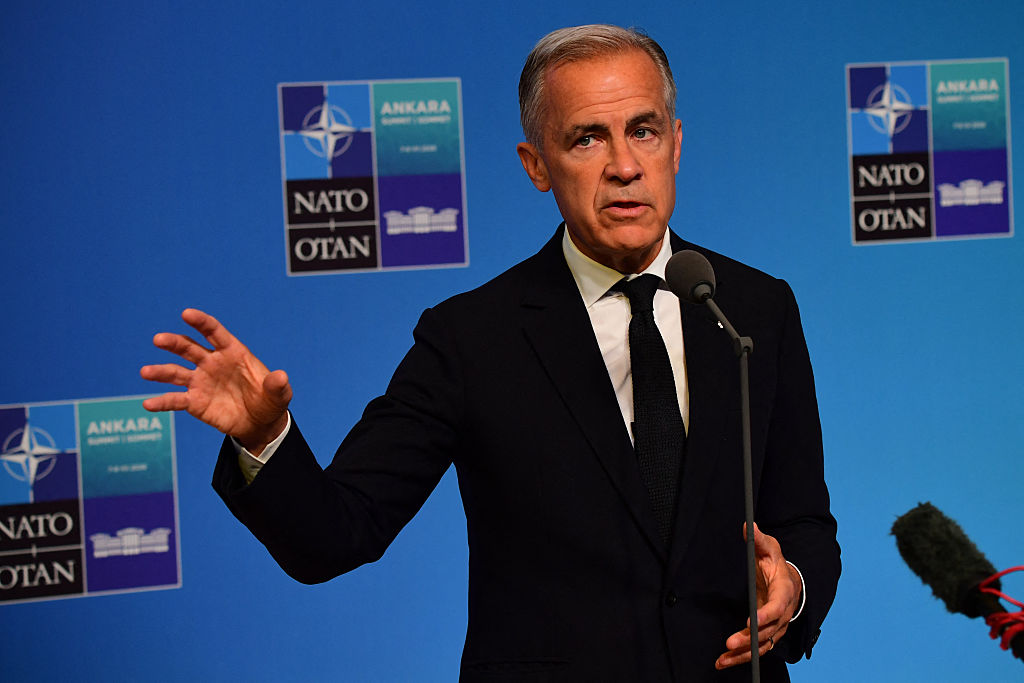
For Canada, the Arctic is becoming a serious priority in terms of national sovereignty. It is increasingly central to the country’s role within NATO and its long-term defence strategy. Carney has argued that protecting the North means protecting both North America and NATO as a whole. Carney wishes to solidify Canada as NATO’s primary northern partner at a time when military planners expect Arctic competition to intensify. With billions of dollars now committed to submarines, missiles, surveillance and northern infrastructure, Ottawa is signalling that the Arctic will remain at the centre of Canada’s defence policy for years to come.