Millions of Canadians will begin receiving enhanced federal grocery support payments as the government announced a new Canada Groceries and Essentials Benefit. According to the Canadian government, the program is designed to help lower- and middle-income households cope with rising food and household costs. The benefit, announced by the government earlier in 2026, provides direct payments to eligible Canadians through the Canada Revenue Agency and is intended to supplement existing affordability measures as food prices remain elevated despite slowing inflation.
The Department of Finance said payments began on June 5 and will be distributed automatically to eligible recipients based on their 2024 tax returns. Unlike temporary affordability measures introduced during periods of high inflation, the new benefit is intended to provide ongoing support for Canadians facing rising costs for groceries and other essential goods. Federal officials say the program targets households most affected by affordability pressures while avoiding broader spending measures that could add inflationary pressure to the economy.
The Canada Groceries and Essentials Benefit will help Canadians manage the cost of everyday necessities.
-Department of Finance Canada
What benefits can you receive?
According to the government, a family of four can receive up to $1,800 annually through the benefit, while single Canadians may receive up to $600 depending on income and household circumstances. Payments will be issued quarterly and will vary based on family size, marital status and net income. The government estimates more than 22 million Canadians will receive some level of support through the program, making it one of the largest federal affordability initiatives currently in place.
Today’s payments are delivering meaningful, targeted relief to Canadians facing higher everyday costs. By building on the GST Credit, the new Canada Groceries and Essentials Benefit is providing Canadians with a boost today and a bridge to a better tomorrow, as we continue to advance our plan to build a stronger, more independent, and resilient Canada for all
-Wayne Long, Secretary of State (Canada Revenue Agency and Financial Institutions)
The launch comes after several years of elevated food inflation that significantly increased pressure on household budgets. Although overall inflation has fallen sharply from its post-pandemic peak, grocery prices remain substantially higher than they were before 2020. Statistics Canada data show that food purchased from stores has risen far faster than many household incomes over the past several years, forcing many Canadians to devote a larger share of their budgets to essentials. Food bank usage has also reached record levels nationally, with more than two million monthly visits reported across Canada.
Who is eligible?

Illustrative photo showing small figures standing on a stack of coins, with the Canadian flag displayed on a computer screen in the background, on April 15, 2024, in Edmonton, Alberta, Canada. (Photo by Artur Widak/NurPhoto via Getty Images)
Eligibility for the program is tied primarily to income. According to the federal government, the full benefit will generally be available to lower-income households, with payments gradually reduced as income rises. The benefit is tax-free, and recipients do not need to apply separately, provided they have filed their income tax returns. Ottawa says using existing CRA infrastructure allows payments to be delivered quickly while minimizing administrative costs and delays. The new program replaces a patchwork of temporary affordability measures that were introduced during the inflation surge in 2022 and 2023. Rather than issuing one-time rebates, the government says the Canada Groceries and Essentials Benefit will be a more predictable support system that households can factor into their financial planning. Officials argue that quarterly payments will help families manage ongoing expenses rather than providing relief only during specific periods.
Across the country, Canadians are feeling the pressure of rising costs. This remains our government’s top priority—both in long-term economic planning, and in short-term measures. The Canada Groceries and Essentials Benefit will provide over 349,000 Nova Scotians with immediate financial relief, starting with a one-time top up payment today
-Shannon Miedema, MP, Halifax
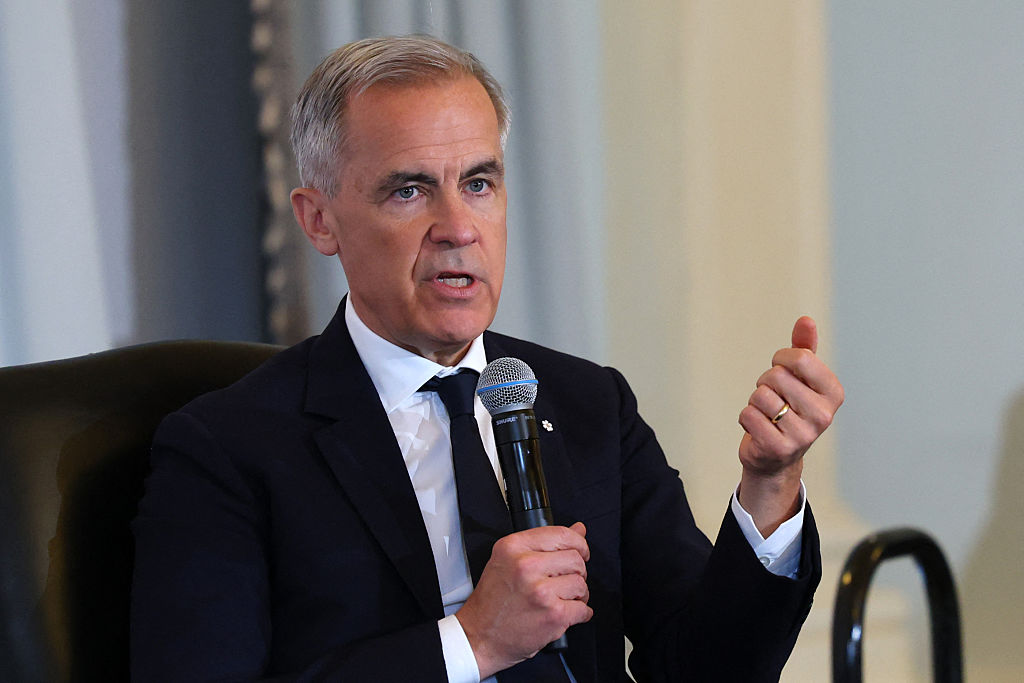
The benefit arrives as the federal government continues emphasizing affordability as a central economic priority. Canadian Prime Minister Mark Carney has repeatedly identified cost-of-living concerns as one of the most important issues facing Canadians, alongside housing affordability and economic growth. The government argues the new benefit complements other initiatives aimed at reducing household expenses, including housing construction programs, tax measures and support for families with children. While some champion that the government’s role is to aid struggling Canadians, there are some economists who are criticizing the move.
The announcement has received a mixed reaction from economists and policy experts. Supporters argue that direct payments targeted at lower-income households are among the most effective ways to address affordability challenges, as recipients are most likely to spend the money on necessities. Critics, however, question whether income supports alone can solve deeper affordability problems tied to housing costs, food prices and stagnant productivity growth. Some economists have also warned that governments must balance affordability programs against broader fiscal pressures. Few critics are arguing that the benefits will be taken advantage of, as Canadians across the board are genuinely struggling to afford necessary bills.
For recipients of the benefit, the immediate impact will be straightforward: additional money deposited directly into bank accounts beginning the first week of June. For policymakers, however, the program represents a broader test of whether targeted affordability supports can provide meaningful relief in an economy where many households continue struggling with costs that remain significantly higher than before the pandemic. As the first payments arrive, millions of Canadians will soon determine how much difference that additional support makes at the grocery store and beyond.