Minnesota: Large-scale ICE operation comes to an end—local consequences and national implications
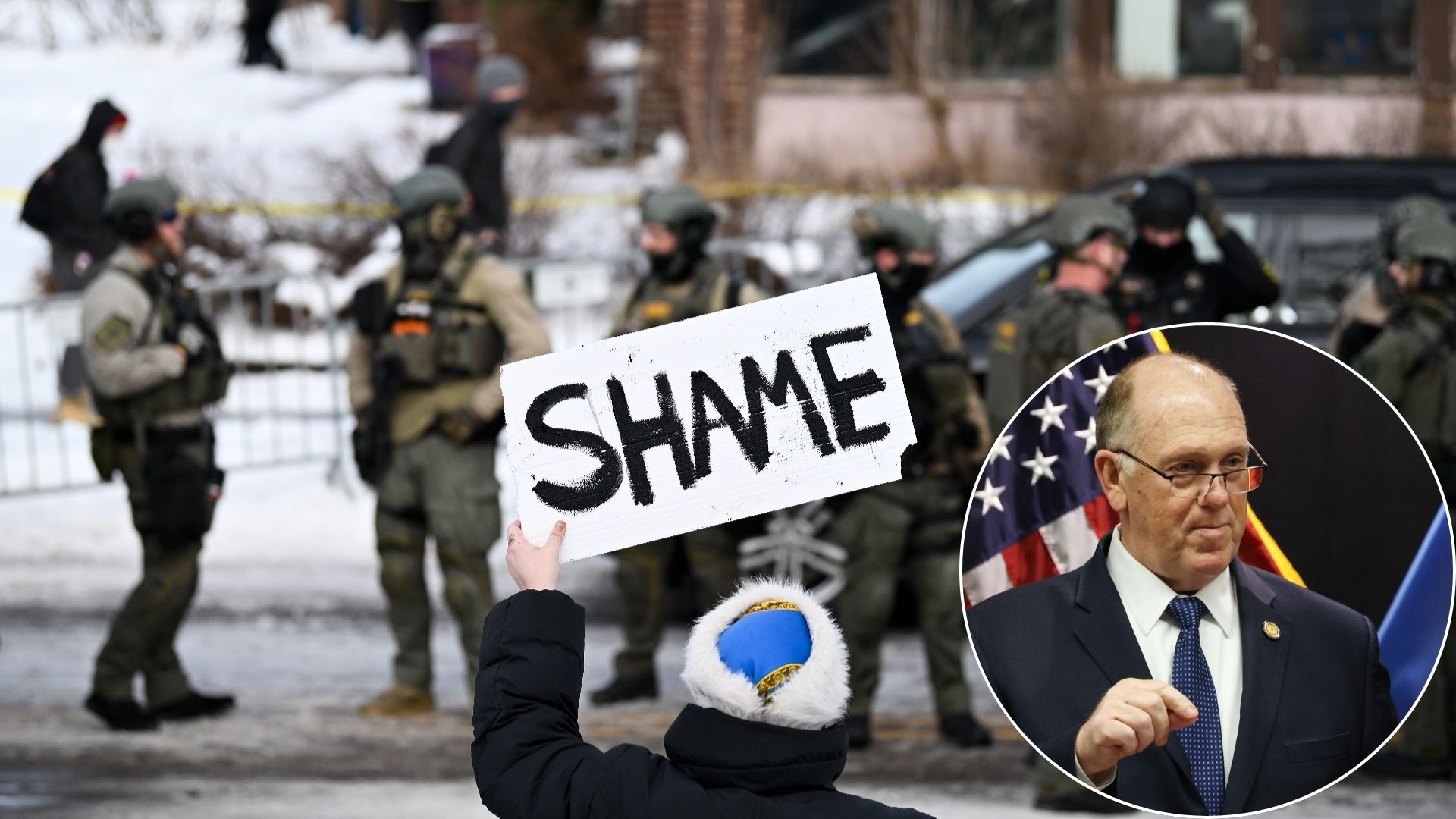
After ten weeks of a highly publicized operation, the federal administration announced a significant withdrawal of Immigration and Customs Enforcement (ICE) agents deployed in the Minneapolis–Saint Paul area. This turning point marks the end of a visible and controversial phase of immigration policy enforcement, but raises many questions about the consequences for local communities, trust between authorities and citizens, and political repercussions at the national level.
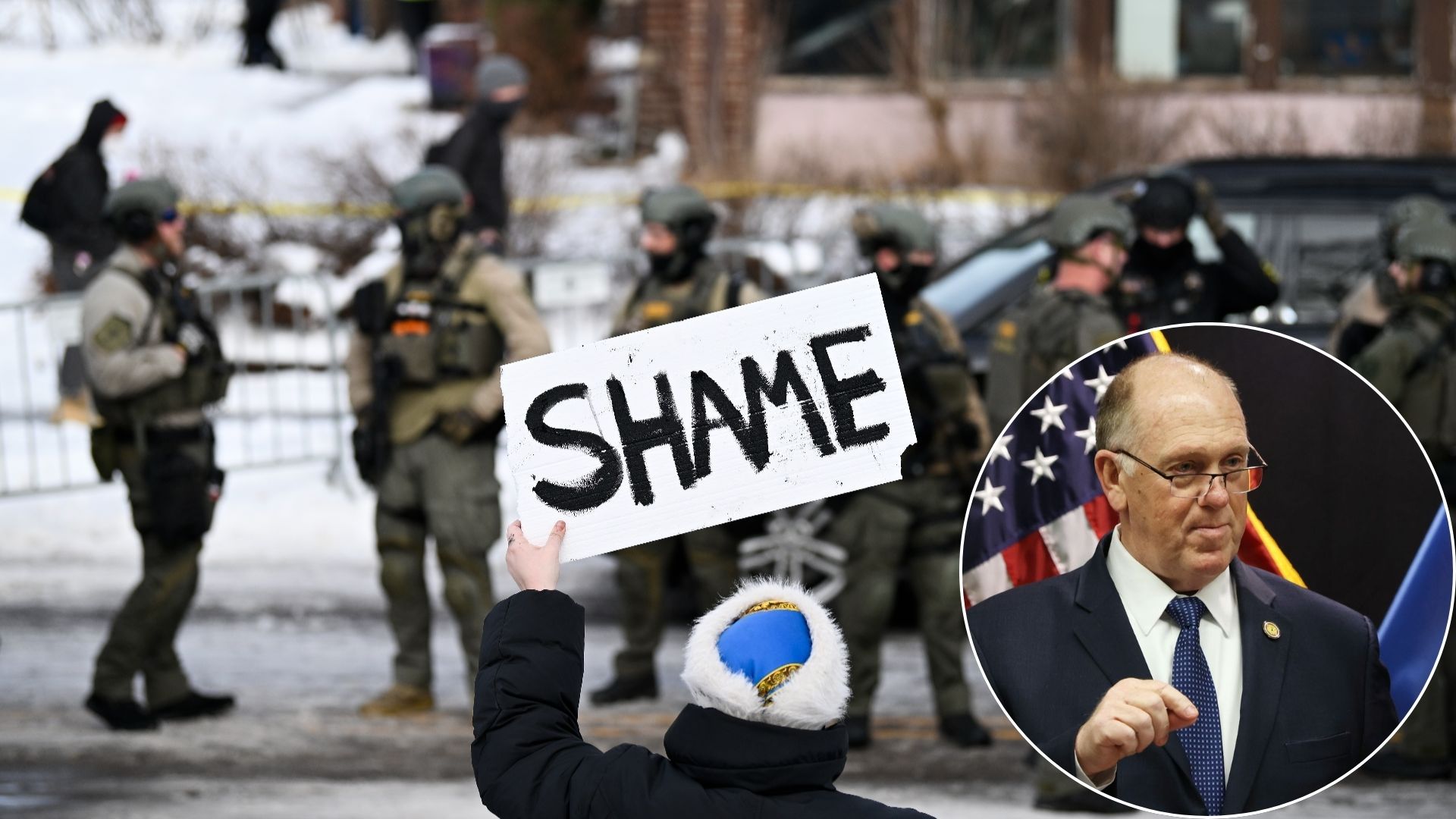
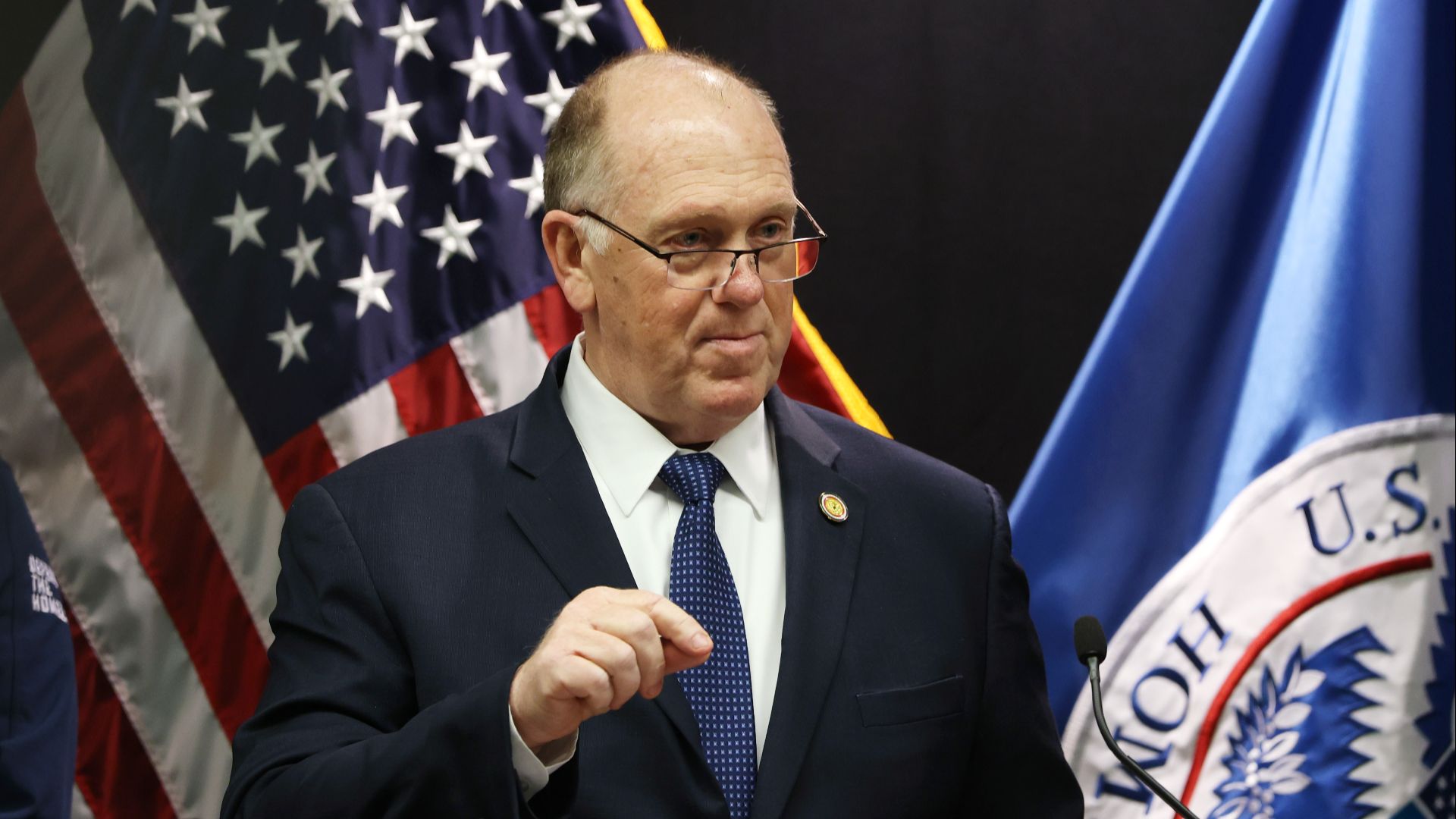
What happened: The operation, dubbed « Metro Surge » by authorities, resulted in more than 4,000 arrests, according to the administration. Sent to oversee the effort, Tom Homan announced a « significant pullback » after weeks of protests, resignations within the local federal prosecutor’s office, and public scrutiny of the methods used. The deployment had been presented as a response to alleged fraud and other criminal activity, particularly in certain Somali immigrant communities.
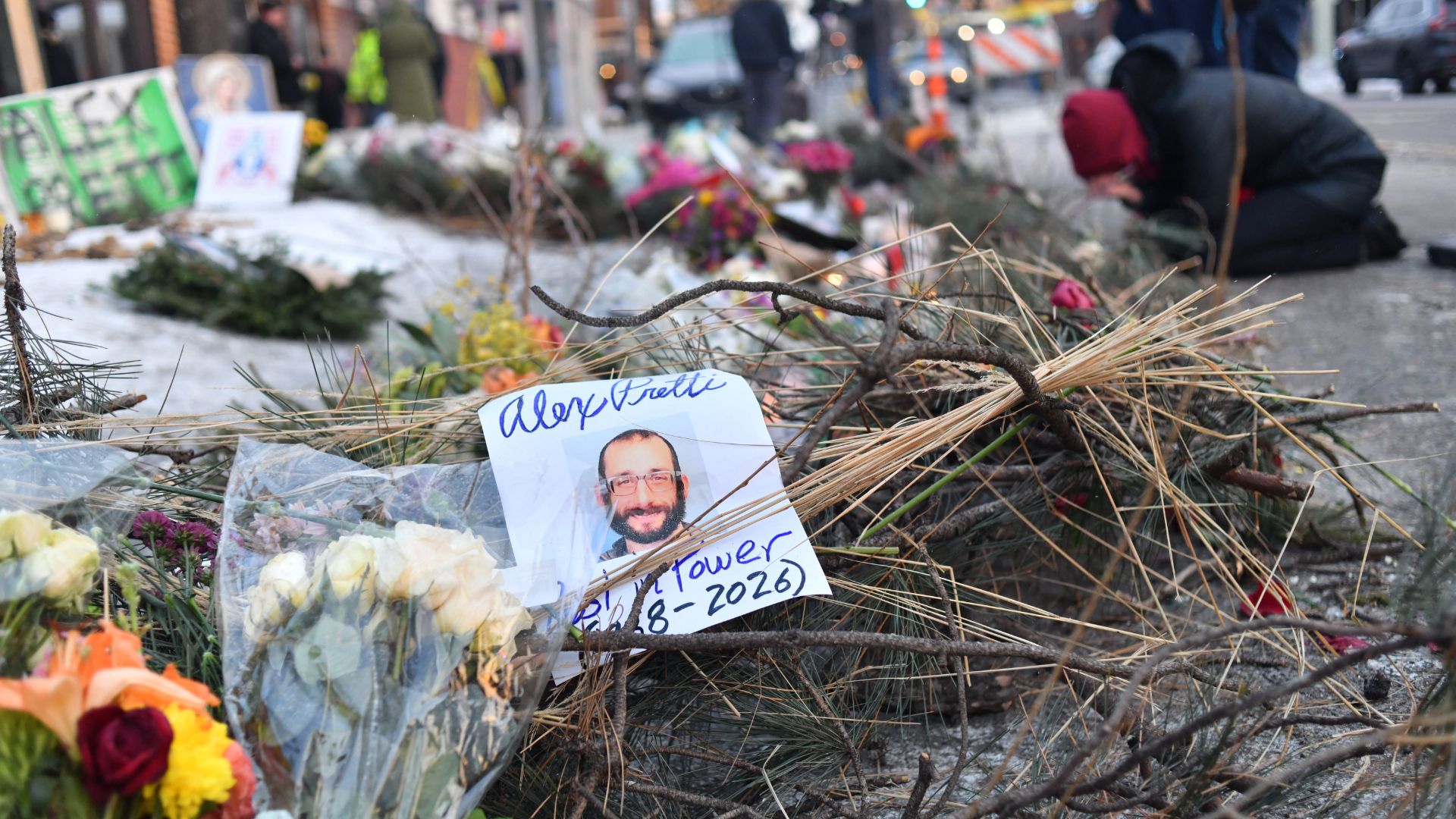
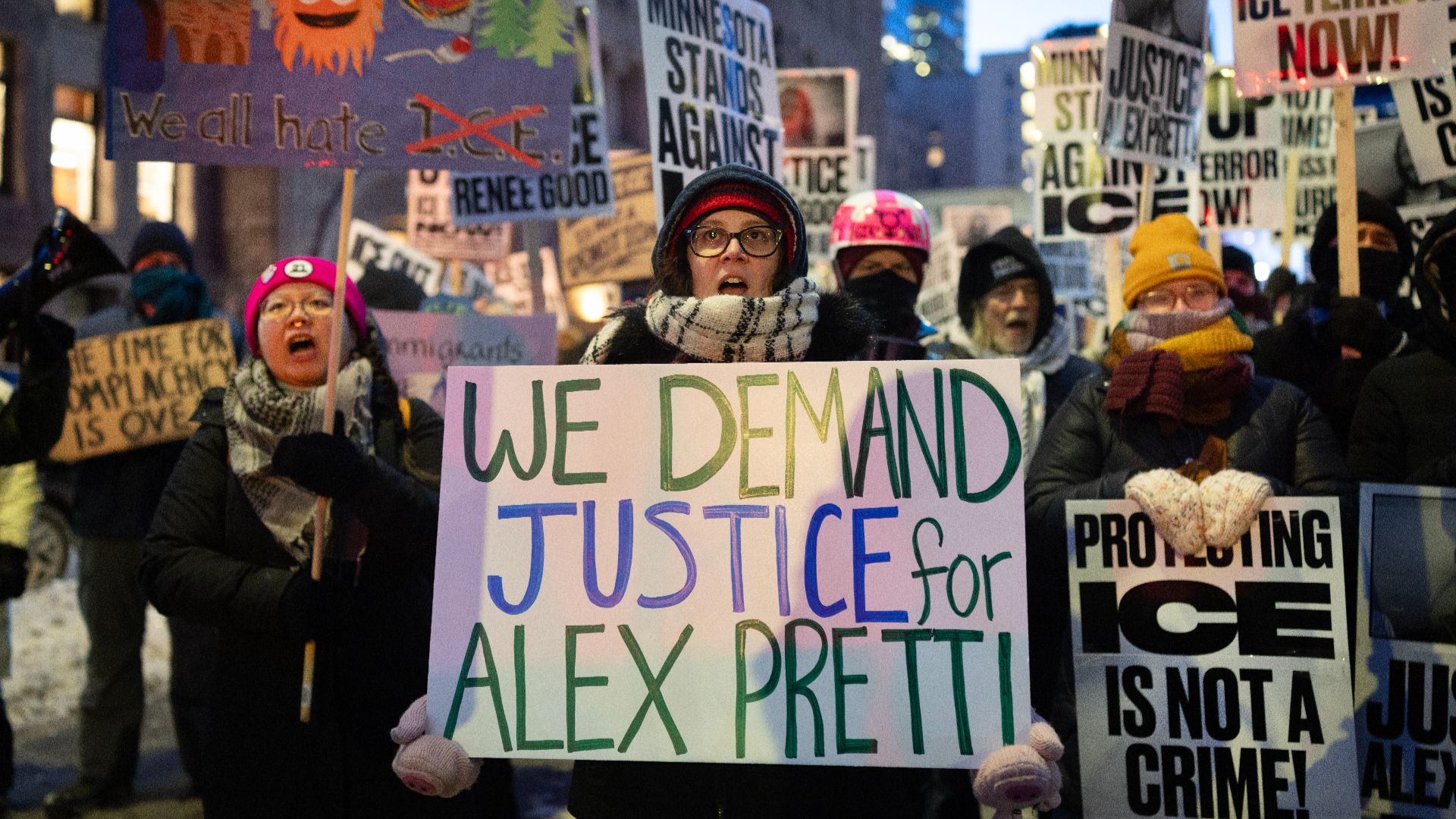
Why the protest grew: The campaign quickly generated strong opposition. Videos, civil rights complaints, and accusations of racial profiling amplified the anger of the population and local actors. Above all, two separate shootings involving federal agents that resulted in the deaths of U.S. citizens shifted the political and media balance of the operation, prompting a re-examination of the tactics used.
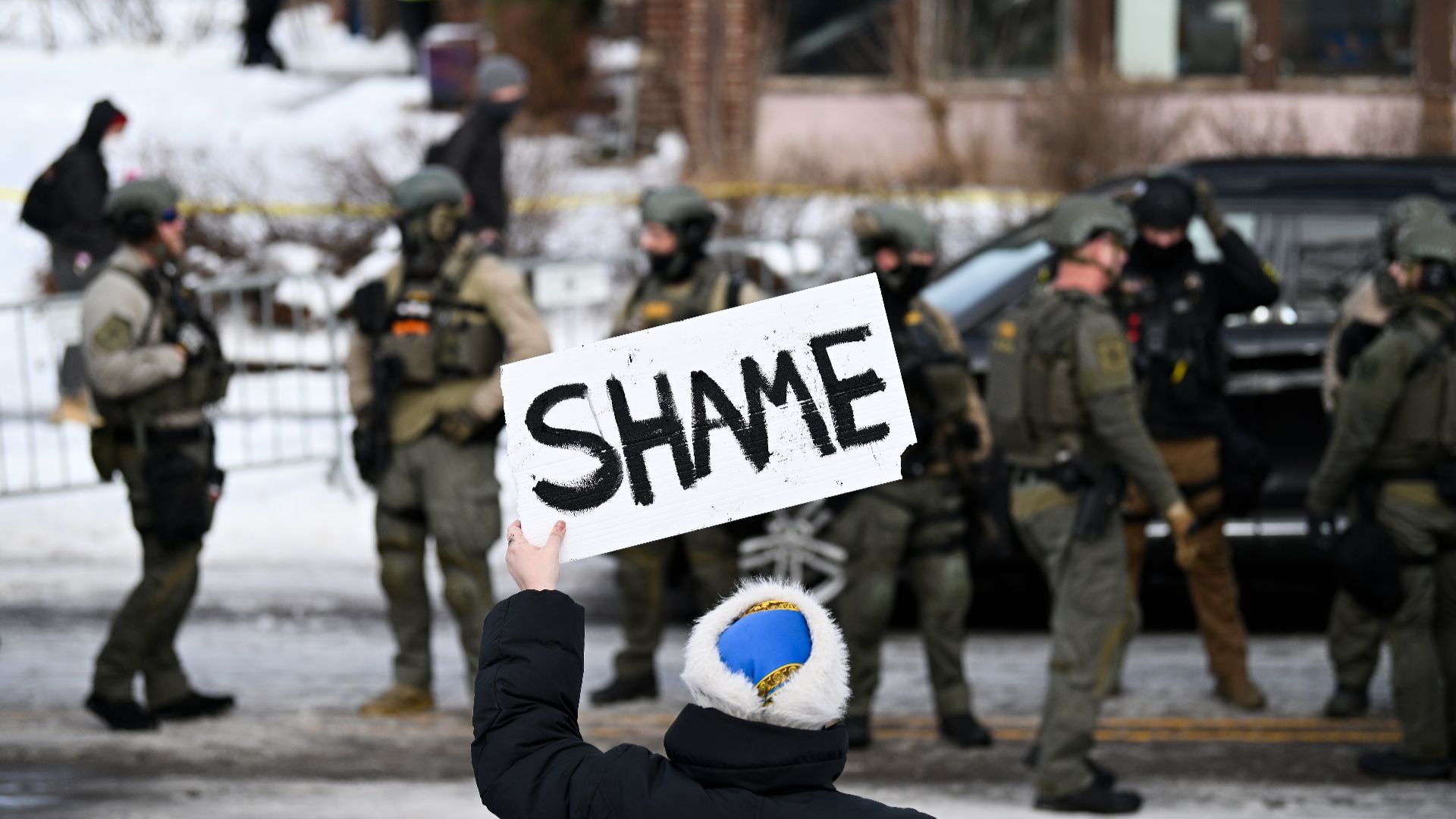
Federal officials argued that the operation had produced « results » and enabled unprecedented cooperation with local forces. Local leaders, however, denounced what they called an « occupation » and warned of lasting damage: fear in neighborhoods, impacts on schools and businesses, and increased distrust of law enforcement.
What the withdrawal changes: The mass departure of agents puts the emphasis back on a more targeted and coordinated strategy, according to authorities—increased use of local detention centers, enhanced cooperation with prisons, and a less ostentatious street presence. Homan presented this move as a strategic readjustment, while insisting on continued efforts to enforce immigration laws.
Consequences for communities:
- Loss of trust: Affected families and witnesses have expressed lasting fear that may reduce cooperation with local police and public services.
- Social and economic impact: Stigmatization and absence can undermine businesses, jobs, and access to education for children of concerned families.
- Legal risks: Legal challenges and civil rights complaints may result in lengthy and costly proceedings for federal authorities.
Political issues: The decision to reduce the federal presence comes on the eve of important budgetary and political debates. At the national level, the operation fuels the debate on the legitimacy of large-scale federal deployments and the need for better oversight of urban interventions. At the local level, elected officials and leaders are now demanding guarantees on the transparency of investigations and the protection of civil rights.
What to watch:
- Investigations into the shootings and subsequent legal proceedings—these will determine, in part, who is responsible and what recourse is available to the families.
- How local and federal authorities will coordinate operations going forward—a test of institutional trust and respect for rights.
- The evolution of the public and legislative debate on the resources allocated to immigration agencies and their democratic controls.
Ultimately, the announced withdrawal in Minnesota brings to a close a highly visible period of immigration policy enforcement, but it does not erase the scars left on communities or the questions raised at the national level. The challenge for the authorities will be to balance law enforcement, public safety, and respect for civil rights, while rebuilding broken trust. The coming months will be crucial in determining whether this withdrawal will lead to a more measured and concerted approach or whether it simply heralds a tactical reorganization without any real new guarantees for the populations affected.