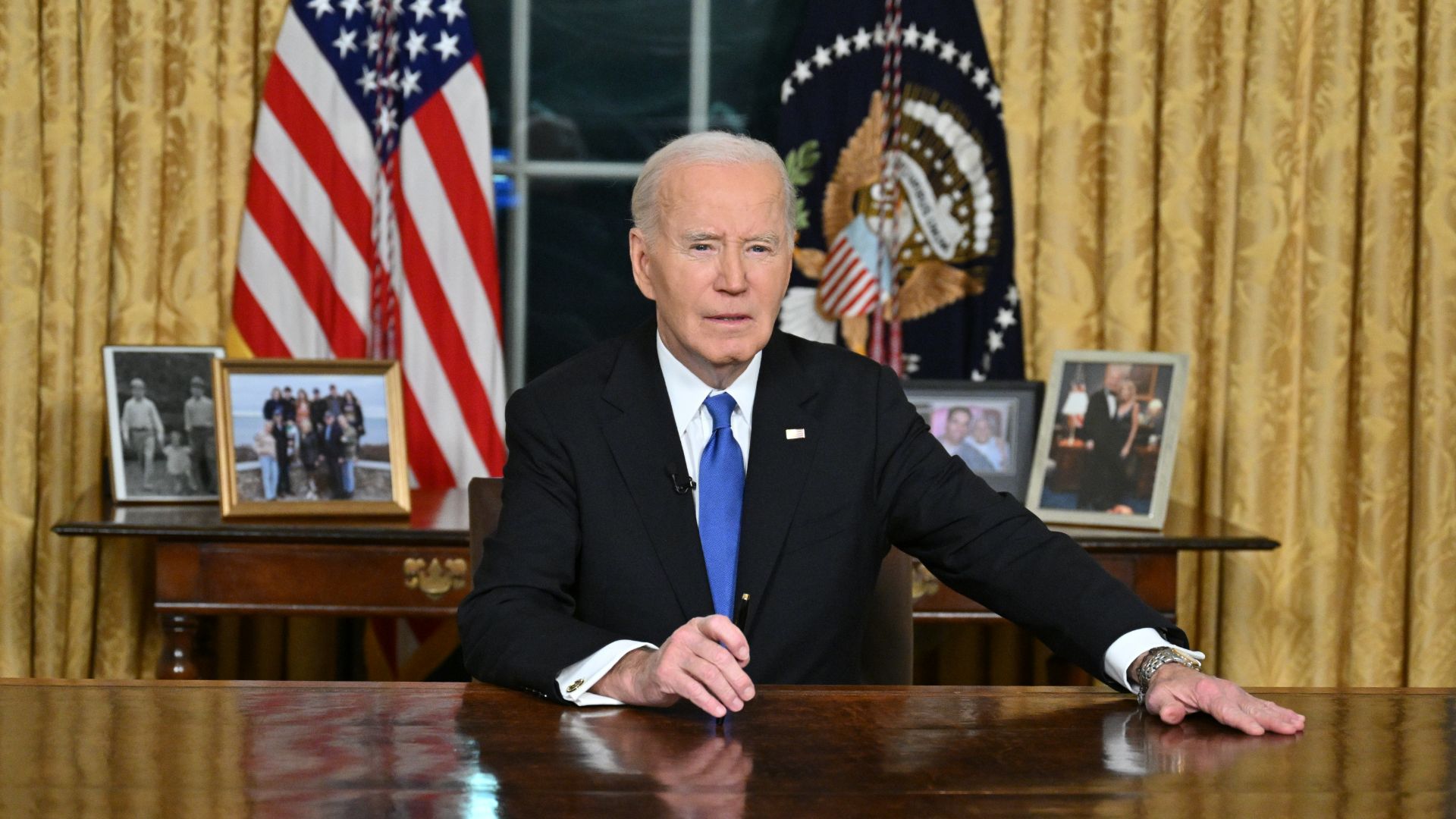
New Biden Audio Reveals Memory Struggles, Obama Disagreements and Comments About Classified Material
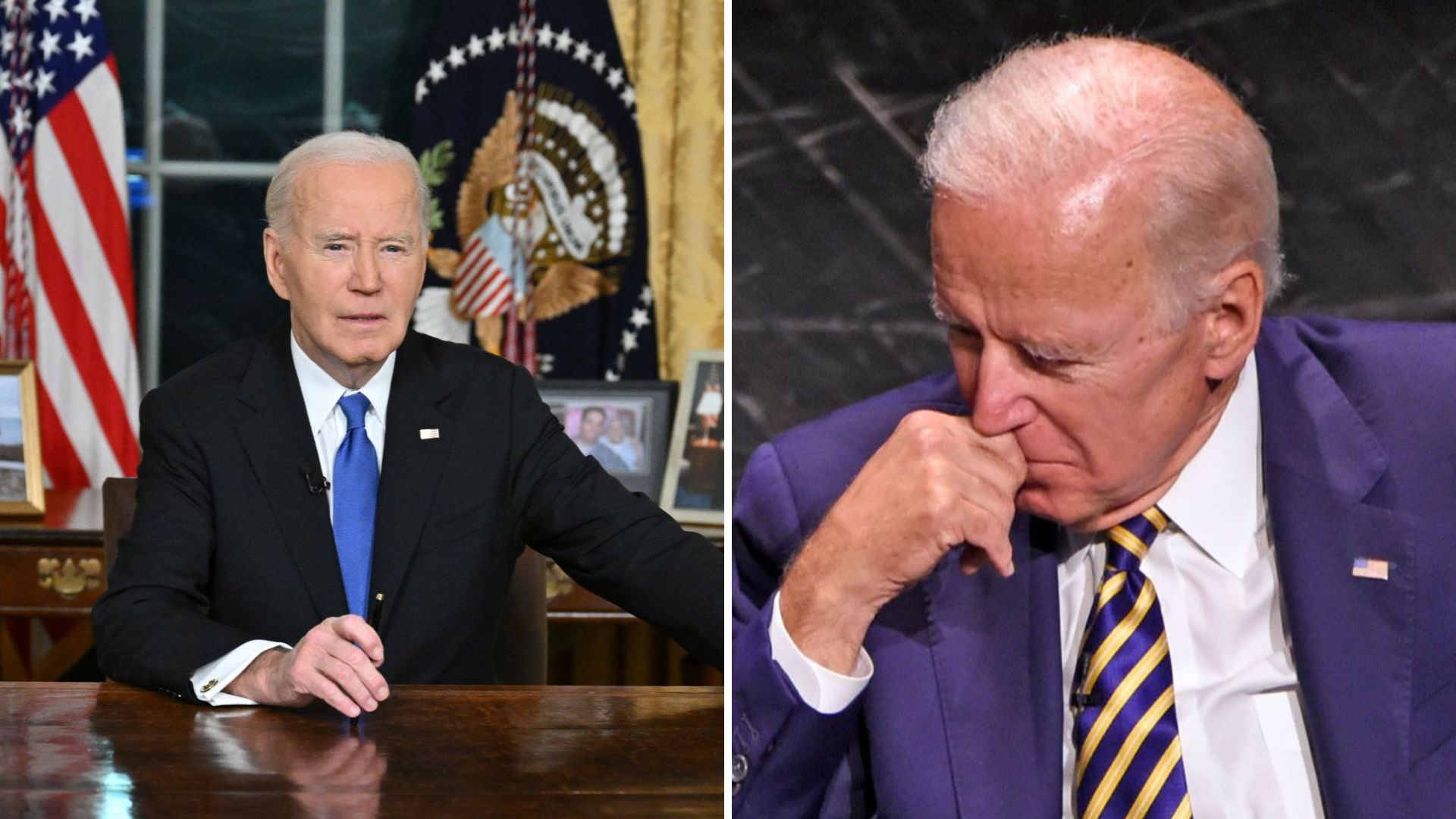
Newly released audio recordings of Joe Biden have provided an unprecedented look into private conversations that became central to one of the most politically charged investigations of his presidency. The recordings were made after Biden lost his final appeal to prevent their release and appear to confirm that he discussed classified material with his ghostwriter, reflected candidly on disagreements with Barack Obama and displayed several moments of memory lapses during interviews conducted in 2016 and 2017. Spanning roughly 70 hours, the tapes capture conversations between Biden and author Mark Lewis Zwonitzer while the two were working on Biden’s 2017 memoir Promise Me, Dad. The recordings later became key evidence in Special Counsel Robert Hur’s investigation into Biden’s handling of classified records after leaving the vice presidency. Their public release followed a lengthy legal battle initiated by the conservative nonprofit Oversight Project, which sought disclosure under federal transparency laws. After a federal appeals court ruled against Biden’s effort to keep the recordings private, he abandoned his remaining legal challenges, allowing the audio to be released.
Among the most closely scrutinized portions of the recordings are conversations in which Biden appears to acknowledge possessing classified material at his Delaware home years before federal investigators recovered the documents. In one of the recordings, Biden tells his ghostwriter, «I just found all the classified stuff downstairs,» before referencing a handwritten 40-page memorandum he wrote for Barack Obama in 2009 arguing against a troop surge in Afghanistan. The exchange is among the clearest moments on the tapes suggesting that Biden understood he was in possession of classified material while preparing his memoir. In another recording, as he reviews personal notebooks and journals to provide background for the book, he tells Mark Lewis Zwonitzer, «They didn’t even know I had this,» before adding, «This is classified.» Portions of the conversations discussing sensitive foreign policy matters remain audibly redacted, with beeps masking information that officials determined could still affect national security if publicly disclosed. Although the underlying documents were eventually recovered during the Justice Department investigation, the recordings provide additional insight into Biden’s own awareness of the material years before federal agents retrieved it.
«President Biden’s conversations for a book a decade ago that discussed his late son are private, and were provided to the Department of Justice on the express condition they stay that way. Reversing course and making them public is just the latest example of this Administration weaponizing the DOJ for political retribution.»
-Joe Biden legal team
The recordings also shed new light on the memory concerns that became a defining element of Robert Hur’s final investigative report. Throughout numerous conversations, Biden occasionally pauses for extended periods, struggles to recall details and sometimes loses his train of thought before resuming the discussion. In one exchange, he abruptly says, «Alright—what was I going to ask you? Something else… Uh… um. Oh gosh. I can’t think of anything else.» Hur later cited similar moments in concluding that a jury would likely view Biden as «an elderly man with a poor memory» rather than someone who intentionally retained classified material in violation of federal law. That assessment ultimately played a significant role in Hur’s decision not to recommend criminal charges, arguing that prosecutors would face considerable difficulty proving beyond a reasonable doubt that Biden had acted willfully rather than simply making mistakes consistent with forgetfulness.
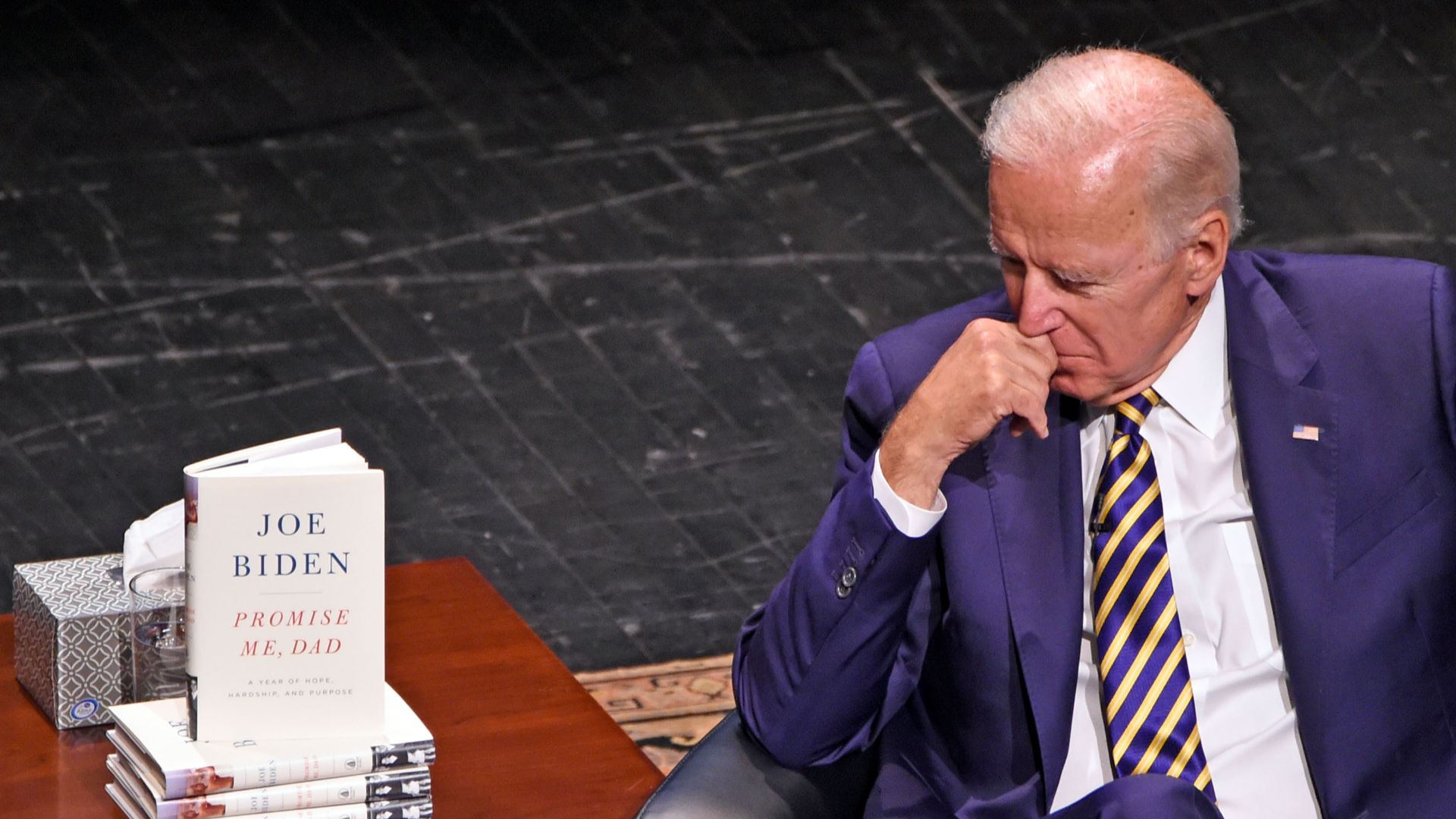
Beyond the classified material, the recordings also offer a candid look at Biden’s private assessment of his years serving under Barack Obama, revealing disagreements that were rarely discussed publicly. During one conversation, Biden recalled frequent clashes over the administration’s response to the 2008 financial crisis, saying Obama would «get pissed» when he pushed for a tougher approach toward Wall Street executives following the collapse of major financial institutions. Biden also suggested that Obama’s inner circle had become «subconsciously beholden to Silicon Valley,» arguing that the administration did not do enough to defend middle-class Americans during a period of rapid technological and economic change. The recordings additionally revisit the political dynamics surrounding the 2016 presidential race, with Biden recalling that Obama cautioned him a campaign against Hillary Clinton would be «an uphill battle» because he did not believe Biden could secure the Democratic nomination. Together, the conversations portray a more nuanced relationship between the two longtime political allies than their public appearances often suggested.
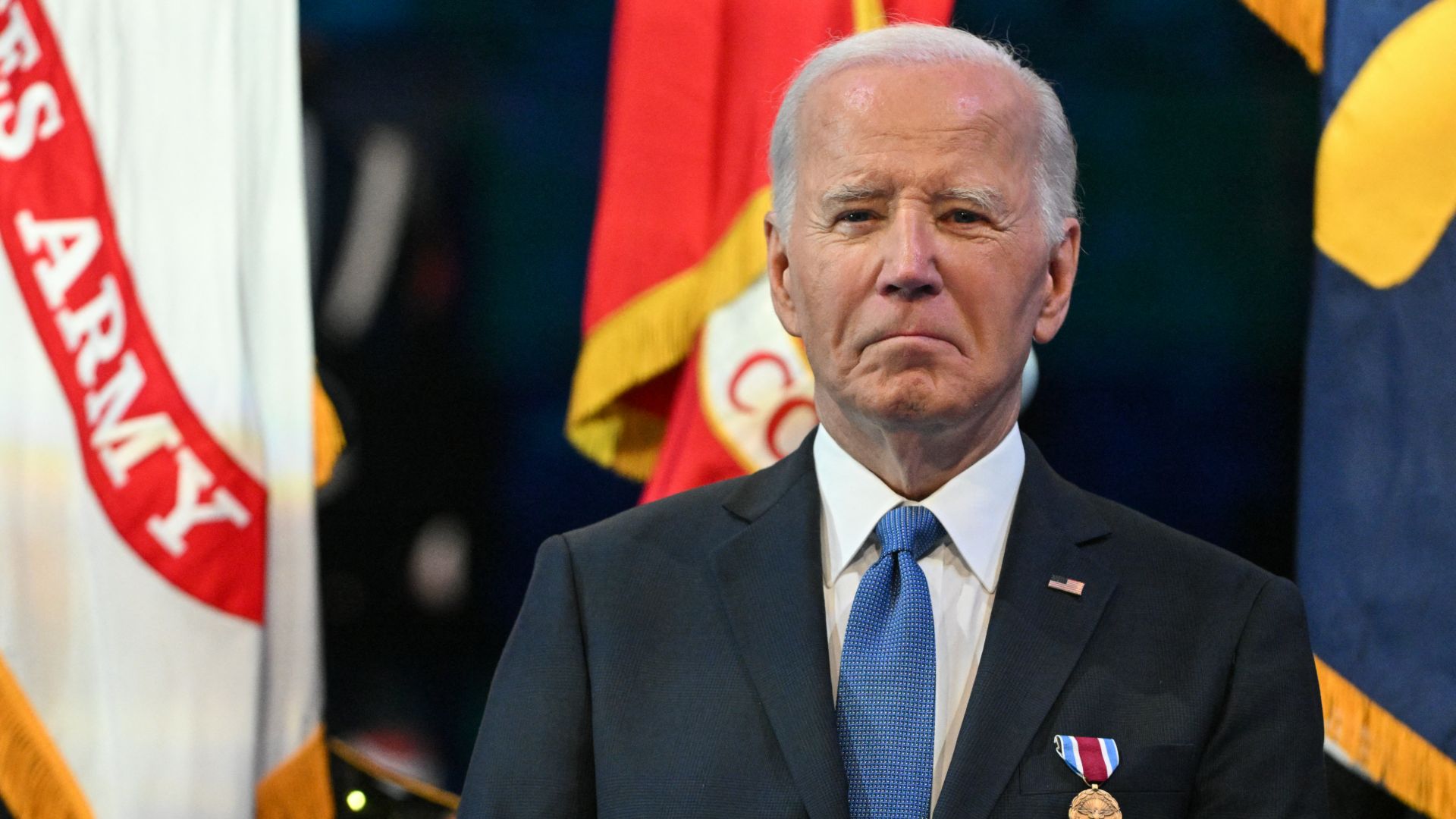
Biden’s legal team strongly opposed releasing the recordings throughout the court proceedings, maintaining that the interviews were deeply personal conversations conducted solely for the purpose of writing his memoir. Attorneys argued that the discussions frequently touched on private family matters, including the death of Biden’s son Beau, and insisted they were never intended for public distribution. After the recordings were provided to the Department of Justice as part of the classified documents investigation, Biden’s lawyers contended they should remain confidential despite growing public interest. Following the court’s decision, his legal team accused the government of abandoning its previous position and declared: «President Biden’s conversations for a book a decade ago that discussed his late son are private, and were provided to the Department of Justice on the express condition they stay that way. Reversing course and making them public is just the latest example of this Administration weaponizing the DOJ for political retribution.» The statement reflected the broader argument that releasing the audio represented a breach of confidentiality rather than a necessary act of government transparency.
«I just found all the classified stuff downstairs.»
-Former U.S. President, Joe Biden
The legal battle ultimately ended after a federal appeals court ruled by a 2-1 vote that the public’s interest in accessing the recordings outweighed Biden’s privacy concerns. Although the former president initially retained the option of asking the U.S. Supreme Court to intervene before the Aug. 3 deadline, he ultimately withdrew his remaining appeals, clearing the way for the immediate release of approximately 70 hours of recordings. The publication of the audio has renewed debate over Robert Hur’s investigation, not only because it provides additional context surrounding Biden’s handling of classified material, but also because it allows the public to hear for itself the exchanges that became central to Hur’s controversial conclusions about the former president’s memory. At the same time, the recordings have reopened discussion about Biden’s private views of the Obama administration, offering a rare behind-the-scenes account of policy disagreements, political strategy and personal reflections that had remained unheard for nearly a decade.