New legal twist in Prince Andrew case: King Charles’ reaction and what it means for the monarchy

The arrest of Andrew Mountbatten-Windsor on his 66th birthday has reignited intense public debate in the United Kingdom and abroad. King Charles III responded by expressing « the deepest concern, » emphasizing both his personal concern and the need to respect the judicial process. This case, which combines old allegations, the recent publication of millions of documents related to Jeffrey Epstein, and questions about the exercise of public office, is a significant test for transparency and accountability among the elites.
 In his statement, the sovereign chose to maintain institutional distance: he indicated that the palace would not interfere in the investigation and insisted on respect for the judicial institutions. The message is twofold: family compassion and commitment to the independence of the judiciary, in order to protect the credibility of the Crown.
The context is important. The renewed focus on this case stems in part from the widespread dissemination of documents related to the Epstein network, which has led to a new wave of scrutiny and calls for transparency. These files, sometimes referred to as the « Epstein files, » contain hundreds of thousands—even millions—of pages that have fueled journalistic and judicial investigations. Their publication has reignited outrage over networks of influence and the alleged protections that prominent figures may enjoy.
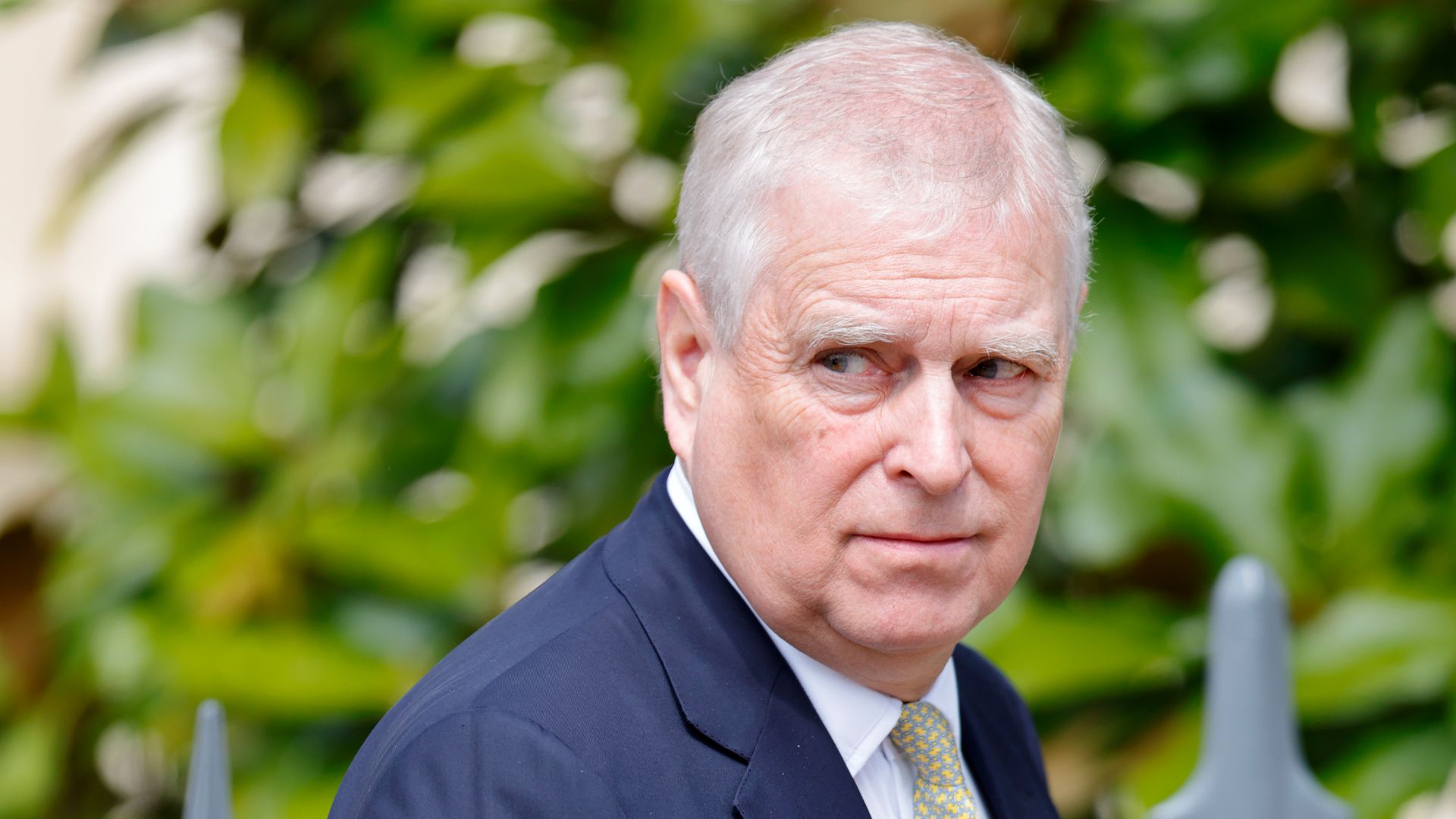 Former Prince Andrew has been publicly associated with Jeffrey Epstein for years, and the case has reached a new stage after repeated accusations, including those made by Virginia Giuffre. Andrew has always denied the allegations against him, and he stepped down from his public duties after the much-discussed 2019 interview with the BBC. Nevertheless, the ongoing investigations and recent arrest show that the scope of these cases may evolve as new evidence comes to light.
According to publicly available information, the investigation is focusing on possible professional misconduct related to his former role as trade envoy. Authorities are seeking to determine whether sensitive information may have been shared inappropriately or whether any abuse of power occurred. Searches and seizures of evidence have been reported, indicating that the investigation is now focusing on material evidence that could support—or rule out—prosecution.
 The royal family finds itself in a delicate position: it must both manage personal relationships and preserve the institution. King Charles has chosen wording that aims to limit the institutional fallout while affirming the principle of presumption of innocence and the need for a fair trial. This stance shows Buckingham Palace’s desire to be transparent without interfering with the work of investigators.
The implications are manifold and can be summarized as follows:
- For Andrew: a potentially lengthy legal and media process, where his public image and the possibility of formal charges remain at stake.
- For the monarchy: a test of institutional resilience: how to reconcile family support, public duty, and the requirement for impartiality?
- For public opinion: renewed calls for transparency, especially after the disclosure of numerous documents related to Epstein.
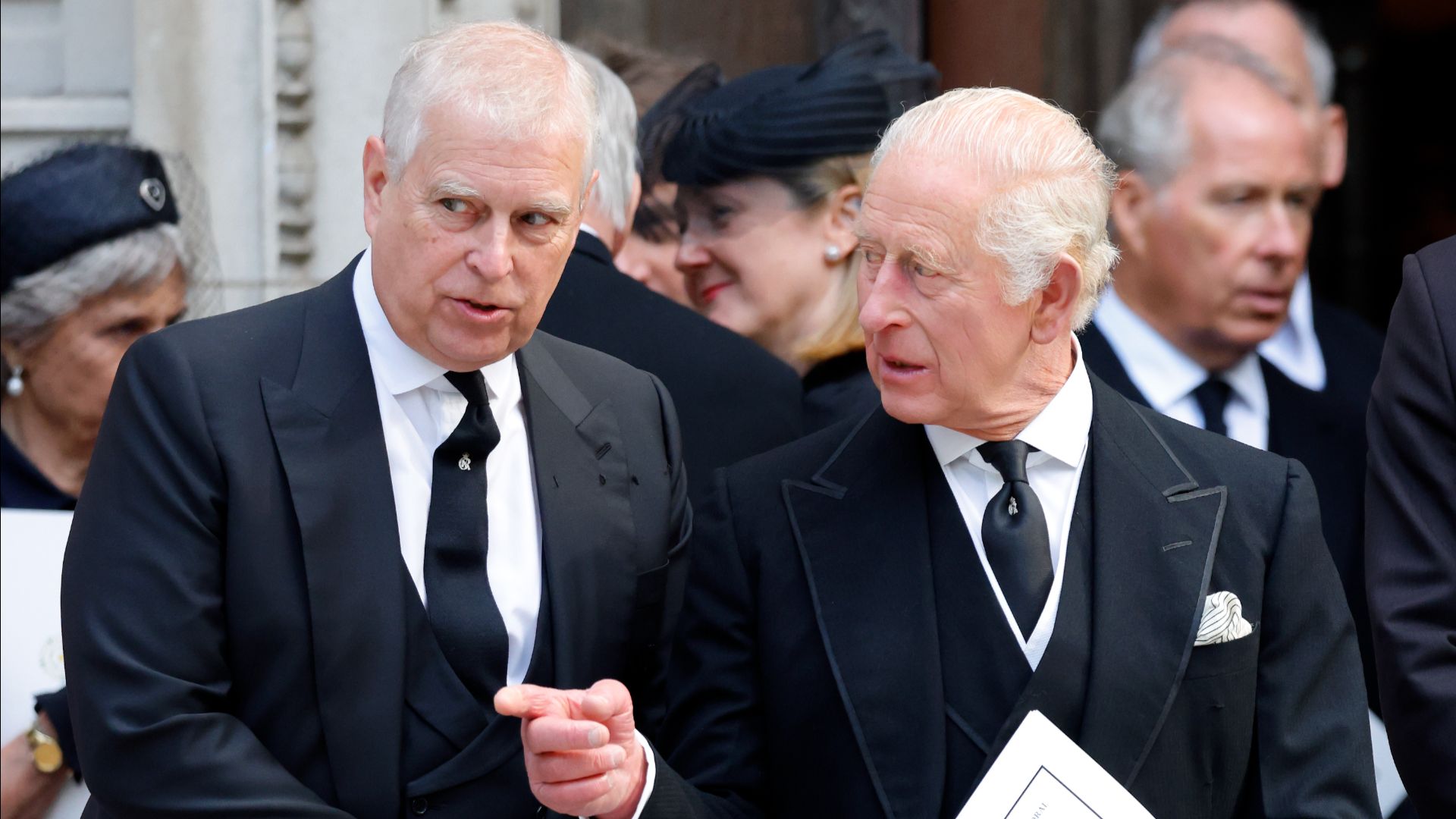 The international dimension adds another layer: in the United States, where the Epstein case has already had political repercussions, some have linked these new developments to broader debates about the impunity of the powerful. Some politicians have seized the opportunity to call for more thorough investigations, while others have denounced partisan manipulation. In any case, the case now goes beyond the scope of a simple national affair.
 In this climate, it is essential to remember two principles: the presumption of innocence and the need for a rigorous and independent investigation. The justice system must examine the facts and evidence without external pressure, and public communication from the palace tends to frame collective expectations while affirming respect for institutions. Ultimately, this case is more than a painful private episode: it highlights how public institutions handle crises involving historical figures. For now, the next steps will depend on the investigators’ conclusions and, if applicable, the decisions of the public prosecutor’s office. In the meantime, King Charles has sent a clear message: the royal family will follow the process, cooperate, and seek to protect the integrity of the institution while justice takes its course.
 Stay tuned for developments: this case illustrates how transparency, judicial work, and public communication have become essential to maintaining confidence in historic institutions.