Practical guide: 7 effective eco-friendly actions, 7 pitfalls to avoid, and how to act on a daily basis
Taking action for the environment may seem daunting, but there are simple, accessible, and truly effective steps we can take to reduce our ecological footprint. Conversely, some popular solutions that we are encouraged to believe in are not always as virtuous as they seem. This practical guide aims to clarify these differences, offer concrete advice, and help you structure your priorities on a daily basis.
Why distinguish between good actions and false good ideas? Because every choice has a cost in terms of resources and energy. Even an action presented as environmentally friendly can, if poorly thought out, generate more impact than it avoids. The goal is therefore to adopt a reflective attitude: favor solutions that truly reduce raw material consumption, waste production, and greenhouse gas emissions, while avoiding those that create an illusion of progress. Easy and effective actions
- Use a reusable water bottle: this quickly eliminates the systematic purchase of plastic bottles and the waste they generate. A stainless steel or glass water bottle, used daily and maintained, has a marginal footprint compared to the daily use of disposable bottles.
- Choose reusable bags: bags made of fabric or sustainable fibers avoid the proliferation of single-use bags. The key is to use them enough to offset their manufacturing.
- Buy in bulk: buying in bulk reduces packaging, allows you to buy the right amount, and often promotes less processed products.
- Compost: turning bio-waste into a resource reduces the volume of household waste and enriches the soil. There are solutions suitable for all types of housing (worm composters, community composters, etc.).
- Consume local and seasonal products: this reduces the transport and processing required to preserve products, while supporting the local economy.
- Repair rather than replace: extending the life of objects breaks the logic of disposability and reduces the demand for new raw materials.
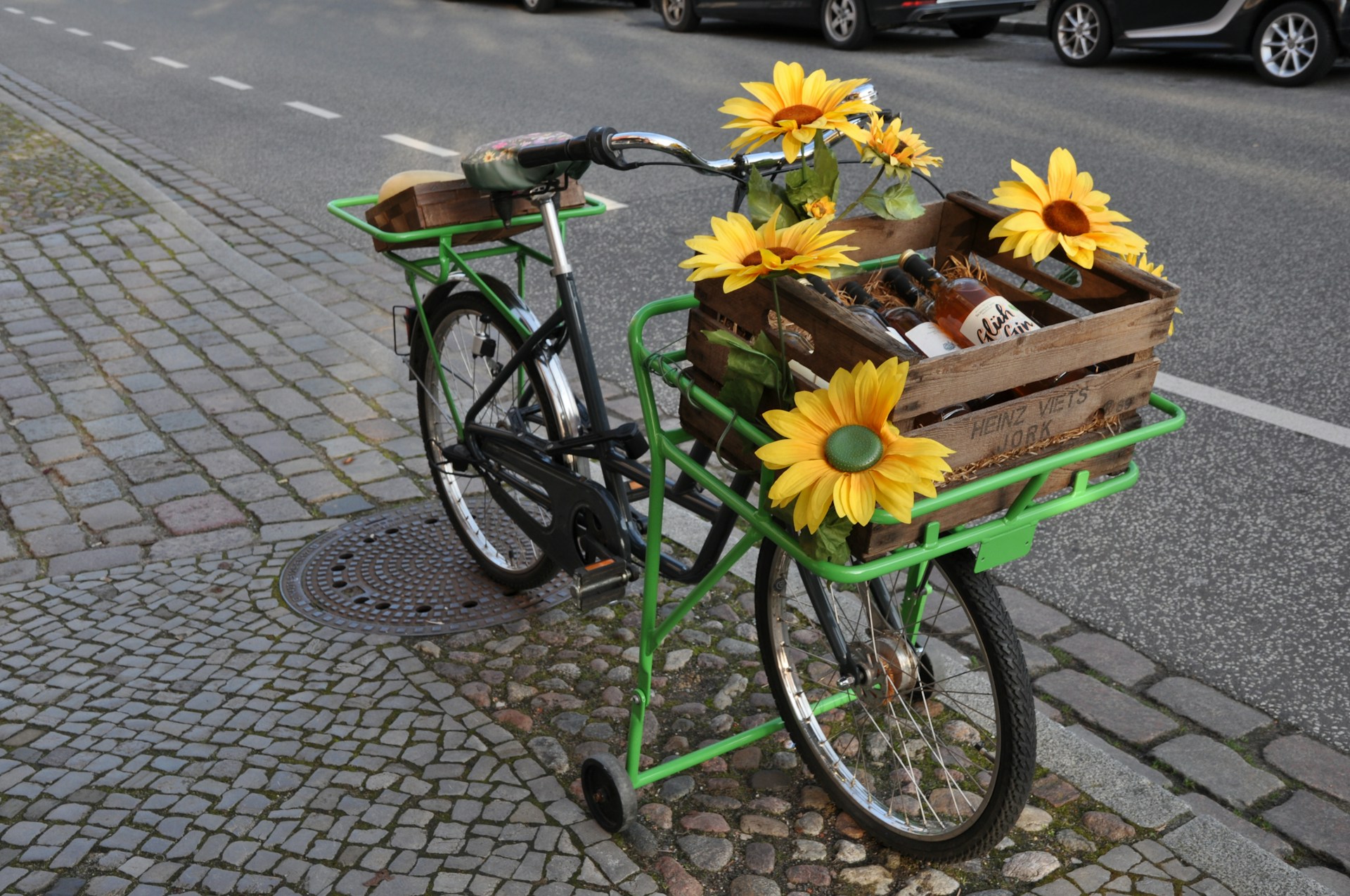
- Choose sustainable transportation: walking, cycling, public transportation, and trains are often much better choices than always using a car or plane.


Common pitfalls to be aware of
- Bioplastics: attractive on paper, but their degradation is often optimized for industrial facilities. In nature or in landfills, they can persist for a long time.
- « Eco-friendly » wipes: these rely on specific degradation conditions. Replacing them with washable cloths is generally more sustainable.
- Biodegradable trash bags: useful in certain contexts, but ineffective if the local waste management system does not allow for their industrial composting.
- The indiscriminate use of LEDs: their lower unit consumption can be offset by an increase in the number of light points and unnecessary uses.
- Excessive purchases of « eco-friendly » clothing: a sustainable garment that is rarely worn is less virtuous than a conventional garment that is worn frequently. Moderation and second-hand clothing remain powerful levers.
How to prioritize your actions? Start with high-impact, easy-to-implement measures: reduce single-use purchases, limit meat consumption if possible, cut down on non-essential motorized travel, and compost. Then adapt your choices to your situation (housing, budget, access to local channels). Don’t strive for perfection: every sustainable improvement counts. Practical tips for staying the course: Make gradual changes: replace one product at a time and turn these replacements into new habits.
- Be informed: read labels, ask producers for details, and prioritize transparency.
- Share and pool resources: tools, clothing, or group purchases can reduce individual impact.
- Repair and recycle: favor local repair and recycling channels.
In summary, eco-responsibility is based on consistency and duration: favor actions that truly reduce resource consumption and be wary of solutions that create an illusion of progress. With a few simple and sustainable habits, everyone can contribute to a more environmentally friendly transition.