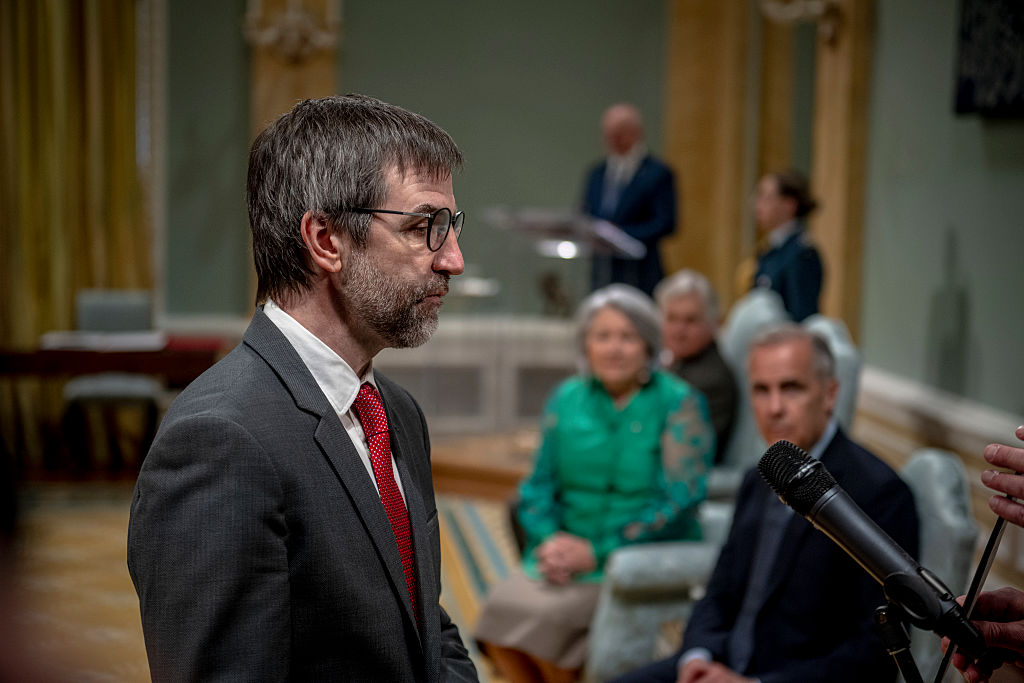
Former federal cabinet minister Steven Guilbeault says he will resign as a Member of Parliament later this summer, ending a long political career that cemented him as one of the most influential environmental figures in modern Canadian politics. Guilbeault confirmed the decision Thursday in an interview with CTV News, saying he plans to step down from federal politics after serving nearly seven years as the Liberal MP for Laurier—Sainte-Marie in Montreal. His departure comes as Canadian Prime Minister Mark Carney has leaned into conservative politics, and environmentalism has taken a backseat to economic decisions.
Who is Steven Guilbeault?
Steven Guilbeault became one of the most recognizable figures in Justin Trudeau’s government after being appointed environment minister in 2021, where he oversaw some of the most aggressive climate policies in Canadian history. A former Greenpeace activist known for scaling Toronto’s CN Tower in 2001 during an environmental protest, Guilbeault spent decades campaigning on climate issues before entering federal politics in 2019. Supporters viewed him as one of Canada’s most committed environmental advocates inside government, while critics (particularly in Alberta and Saskatchewan) accused him of waging war against Canada’s oil and gas industry through emissions caps and environmental regulations.
“I’ve given everything I had to public service and to the fight against climate change.”
-Steven Guilbeault
During his time in cabinet, Guilbeault played a central role in shaping Canada’s emissions reduction agenda. Guilbeault headlined electric vehicle mandates, oil and gas emissions caps, clean electricity regulations and carbon pricing policies. He became the public face of Liberal climate policy during intense political battles with conservative premiers and industry groups. Alberta Premier Danielle Smith repeatedly accused Guilbeault of targeting Alberta’s energy sector and undermining provincial autonomy, while conservative politicians often used him as a symbol of what they described as federal overreach on climate issues.
Despite the criticism, Guilbeault remained one of the Liberal government’s strongest defenders of aggressive climate action. He argued Canada could not meet its international climate obligations without significant emissions reductions from heavy industry and transportation. Under his leadership, Canada finalized regulations requiring all new passenger vehicles sold by 2035 to be zero-emission and introduced plans to cap emissions from the oil and gas sector for the first time. Environmental organizations praised many of the measures as historic, though some activists argued the government still moved too slowly to meet its climate targets.
Outside politics, Guilbeault spent decades working as an environmental activist before becoming an MP. He served as a senior figure within Greenpeace Canada and Équiterre, helping organize high-profile climate campaigns and protests throughout the 1990s and 2000s. His activism made him one of the few senior cabinet ministers in Canadian history to transition directly from environmental protest movements into high-level government. Critics frequently referenced his activist background while arguing he was ideologically opposed to resource development, while supporters viewed his appointment to cabinet as evidence climate issues were finally being taken seriously at the highest levels of government.
What does his departure mean?
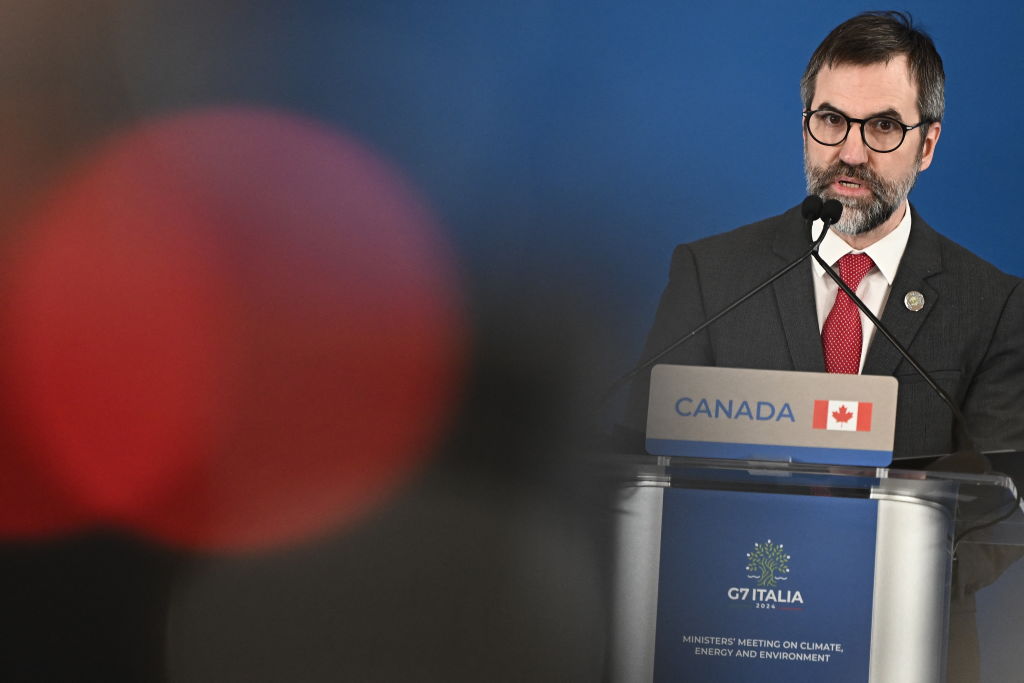
Guilbeault’s departure reflects broader political changes underway within the federal Liberal Party following Trudeau’s exit from politics and Carney’s rise to power. While Carney has continued defending climate action, his government has recalibrated the Liberals’ political messaging on energy and industrial policy amidst rising economic anxiety and Canadian criticism. Analysts say Guilbeault’s exit may signal a shift away from the Trudeau era’s more confrontational environmental politics toward a more economically focused approach under Carney.
Guilbeault did not announce specific future plans, though he indicated he intends to remain involved in environmental and public policy issues after leaving Parliament. Some analysts speculated he could eventually return to environmental advocacy, academia, or international climate organizations. Others suggested his experience as both an activist and senior cabinet minister could make him an influential voice in global climate policy discussions outside elected politics. Guilbeault himself said only that he felt it was “the right moment” to step away after years of political battles surrounding climate policy and environmental regulation. He cited Carney’s sudden focus on building new pipelines with Alberta, claiming that it’s a step away from Carney’s election promises.
I wasn’t opposed to the idea of signing a memorandum of understanding with Alberta, but we shouldn’t do so at the expense of our plan to fight climate change,
Steven Guilbeault
With Guilbeault leaving a safe seat in Montreal at the end of the summer, speculation has already begun about who will replace him. Guilbeault has held his seat since 2019, and his supporters are extremely vocal regarding environmental issues in Canada. Guilbeault’s departure is another signal that Mark Carney is not focused on being a ‘typical Liberal’, but instead looks beyond parties to lead the country. This is also reflected in how many CPC MP’s have crossed the aisle to join the Liberal party and Mark Carney.